

GE Healthcare Aims for Top Three in Hardware and Top Ten in Software, Envisioning an 'Apple-like' Ecosystem in Healthcare
GE Healthcare CEO John Flanner recently told the well-known U.S. tech media outlet Business Insider that, in the near future,When people mention medical devices, such as MRI scanners or X-ray machines,it would be like mentioning the iPhone. In other words, medical devices will no longer be merely standalone machines, but intelligent ecosystems integrated with medical software.
“Think about your iPhone; its capabilities have far surpassed those of a mere phone and camera.All these changes stem from the integration of hardware and software within Apple’s ecosystem, and the same principle applies in the healthcare sector.“John Flannery said.
VCBeat (WeChat: vcbeat) has compiled a report on GE HealthCare’s “integration of software and hardware” philosophy, as well as the new initiatives undertaken around this concept.
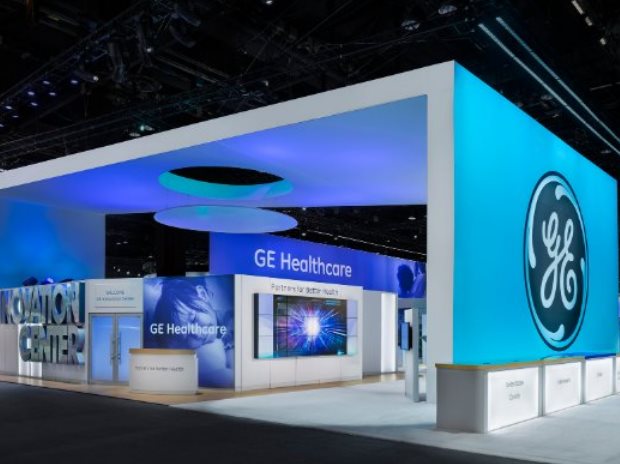
Hardware at the Technological Forefront, Increased Investment in Software Development
GE HealthCare is perhaps best known for its hardware, such as magnetic resonance imaging (MRI) scanners and ultrasound systems. Just a few days ago, GE HealthCare unveiled a new breast imaging device designed to significantly reduce discomfort during breast imaging examinations, aiming to promote early screening for breast cancer through its advanced technological capabilities. Flannery stated that the company spends approximately $1 billion annually on developing new hardware. “We must continue to invest heavily in hardware R&D to maintain our leadership in this field.”
In recent years, GE Healthcare has appeared to place increasing emphasis on medical software, advancing toward digital software solutions. As Flannery noted, the company is focusing more on the benefits derived from integrating software with hardware. For instance, imaging equipment can monitor patients’ tumors and track their growth rates, thereby leading to improved clinical outcomes—a capability that relies on digital technologies.
To embark on its digital transformation, GE Healthcare committed in 2013 to invest $500 million in software development by 2018. Two years ago, General Electric established GE Digital to advance its digitalization efforts. “As GE transforms into a premier digital industrial company, this new digital unit will provide customers with the industry’s best software and solutions,” said Jeffrey Immelt, CEO of General Electric, at the time of its launch.
Currently, GE Healthcare has more than 5,000 software engineers, accounting for 10% of its total workforce. According to the CEO of GE Healthcare, the total number of software engineers is expected to double in the coming years. He stated that new hires will work on building an app store-like platform for General Electric’s cloud platform, Predix, and engage in initiatives such as hospital information technology infrastructure development.
General Electric Healthcare must strengthen its medical software development—not just pay lip service to it.General Electric's plan is,To become one of the world's top 10 software companies by 2020; whereas GE Healthcare aims to achieve “Hundreds of apps are available on the medical cloud platform.” goal.
Hardware-Software Integration: Addressing Global Healthcare Challenges
"However, GE HealthCare is currently unable to determine whether software will replace its dominant medical hardware business as the primary focus in the future."Software and hardware are not mutually exclusive., GE Healthcare is now strengthening the equally important software component.”
This differs somewhat from the view of Vijay Pande, a partner at the venture capital firm Andreessen Horowitz.Pande believes that software will become the future of the healthcare industry., many pills and medical devices are being replaced by software that can provide more valuable information.
Why is GE Healthcare now pursuing an “integrated hardware-software” strategy? A senior vice president at GE Healthcare explained that the company has collaborated with healthcare service providers for many years on software development to address some of the most pressing challenges in the healthcare industry—namely, accessibility, quality, and cost. Meanwhile, as vast amounts of data flow into healthcare systems, information complexity continues to rise. “Digital technologies such as medical imaging, healthcare cloud computing, and deep learning represent the optimal solutions for managing healthcare information.”
GE Healthcare believes that digitized medical equipment will address healthcare challenges worldwide. On March 27 (local time), GE announced a $300 million investment over the next five years in India, South Asian countries, and Africa to support healthcare institutions in building their technological infrastructure through imaging equipment equipped with data processing capabilities. Notably, these diagnostic devices offer high cost-effectiveness, with some CT scanners even providing scanning services at prices up to 40% lower.
Sources: Business Insider, MedCity News, Yahoo Finance, Business Standard, etc.