

Controversial Hematopoietic Stem Cell Research from Umbilical Cord Blood May Offer New Hope for Cerebral Palsy Treatment
In recent years, with the deepening research into the medical value of umbilical cord blood hematopoietic stem cells, the advantages and potential of stem cells in disease treatment have become increasingly prominent, and their application areas continue to expand. In 2016, the renowned market research consulting firm MarketsandMarkets released a market forecast report on hematopoietic stem cell banks. The report indicated that the global market value of hematopoietic stem cell banks would rise from $1.58 billion in 2016 to $3.96 billion by 2021, with a compound annual growth rate (CAGR) of 20.2%.
The continuously expanding market size and remarkable growth rate have presented unprecedented opportunities for the numerous competitors in the stem cell storage market, while also offering new hope for a cure to patients suffering from a range of refractory diseases.

Currently, the service offerings of most cord blood banks encompass the following six areas: collection, transportation, processing, testing, storage, and distribution. Among these, “processing” holds the largest market share, although the market shares for “collection” and “transportation” are increasing year by year.
These two processes are critical, particularly the collection procedure, as its quality often determines the quantity and quality of the harvested stem cells, thereby influencing the feasibility and efficacy of their application in therapy or research. There are two sources for obtaining umbilical cord blood hematopoietic stem cells: umbilical cord blood and umbilical cord tissue.
VCBeat has learned that the former is primarily applied in the research and treatment of hematologic diseases, while the latter, namely umbilical cord tissue-derived mesenchymal stem cells, still has its application value under investigation. From this perspective, umbilical cord tissue-derived mesenchymal stem cells appear to hold greater market potential, as most umbilical cord blood banks currently do not offer umbilical cord tissue storage services.
Overall, the applications of umbilical cord blood are remarkably extensive. It is utilized in the research and treatment of a wide range of conditions, including cerebral palsy, leukemia, thalassemia, autism spectrum disorder, and diabetes. Furthermore, relevant institutions continue to conduct various clinical trials and studies aimed at fully exploring the value and potential applications of umbilical cord blood, thereby enhancing its safety and therapeutic efficacy in disease treatment.
Since cord blood and umbilical cord tissue entered the market, approximately 40,000 cord blood/umbilical cord tissue transplantation procedures have been performed worldwide as of 2015, mostly for research on cerebral palsy and treatment of leukemia.
Currently, the major competitors in the global hematopoietic stem cell bank market include: Cord Blood Registry (CBR), StemCyte, Cryo-Cell, and ViaCord from the United States; Smart Cells from the United Kingdom; Cryo-Save AG from the Netherlands; Cryoviva and LifeCell from India; Cordlife from Singapore; Cordvida from Brazil; and China Cord Blood Bank. VCBeat (WeChat ID: vcbeat) will focus on the application of umbilical cord blood-derived hematopoietic stem cells in the research and treatment of cerebral palsy, and provide a brief overview of the current research status and future prospects by combining this with CBR’s professional specialties.
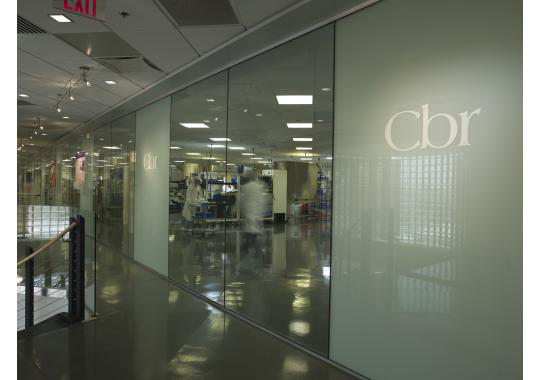
The World's Largest Bank of Hematopoietic Stem Cells from Neonatal Umbilical Cord Blood and Umbilical Cord Tissue
CBR, founded in 1992 and headquartered in San Bruno, California, USA, was acquired by AMAG in August 2015. As the world’s largest bank of neonatal umbilical cord blood hematopoietic stem cells and umbilical cord tissue, CBR provides collection, processing, and long-term cryopreservation services for these materials. These stored cells and tissues can be used in the treatment of conditions such as cerebral palsy, autism, acquired deafness, and pediatric stroke. The company primarily leverages social media and digital marketing to reach its target audience of expectant mothers and their families directly.
CBR Official Website Interface
As an industry leader, CBR currently stores over 500,000 units of neonatal hematopoietic stem cells, with its officially reported cell engraftment rate being the highest in the industry. Objectively speaking, umbilical cord blood and umbilical cord tissue hold substantial value for newborns and their parents due to their significant therapeutic potential in promoting recovery. Their medical applications span a wide range of conditions, including heart disease, cerebral palsy, stroke, and spinal cord injury.
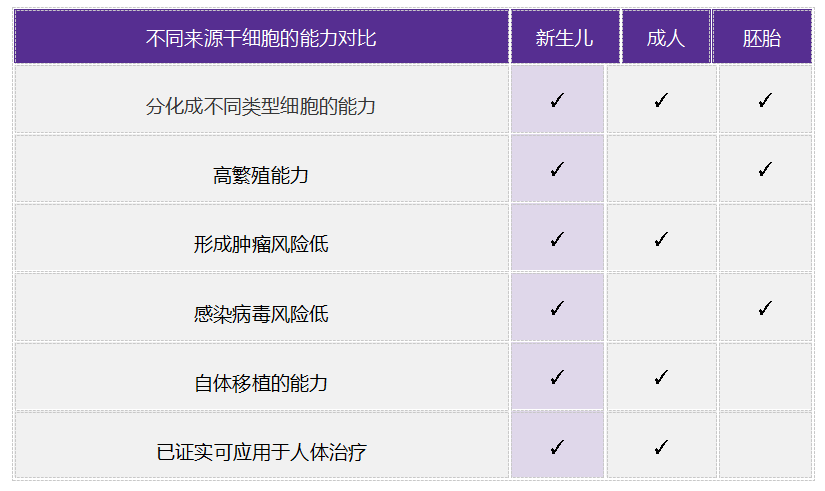
Comparison of the Potency of Neonatal, Adult, and Embryonic Stem Cells
Joint Cerebral Palsy Research with Two Renowned Institutions
Cerebral palsy refers to permanent movement disorders that appear in early childhood, with common manifestations including poor muscle coordination, muscle stiffness, and difficulties with swallowing and speech. Approximately one-third of individuals with cerebral palsy experience cognitive impairments or epilepsy. These issues often arise during pregnancy, but can also occur during childbirth or shortly thereafter. The causes of cerebral palsy are largely unknown.
March is Cerebral Palsy Awareness Month for CBR, aiming to advance research on the prevention, treatment, and rehabilitation of cerebral palsy.
Currently, CBR is participating in two clinical trials for cerebral palsy approved by the U.S. Food and Drug Administration (FDA). According to the FDA, approximately one in every 323 children in the United States has cerebral palsy. While there are numerous treatment options for cerebral palsy, no cure has been found to date. These two clinical trials involving umbilical cord blood hematopoietic stem cells may provide new insights and directions for the treatment of children with cerebral palsy.
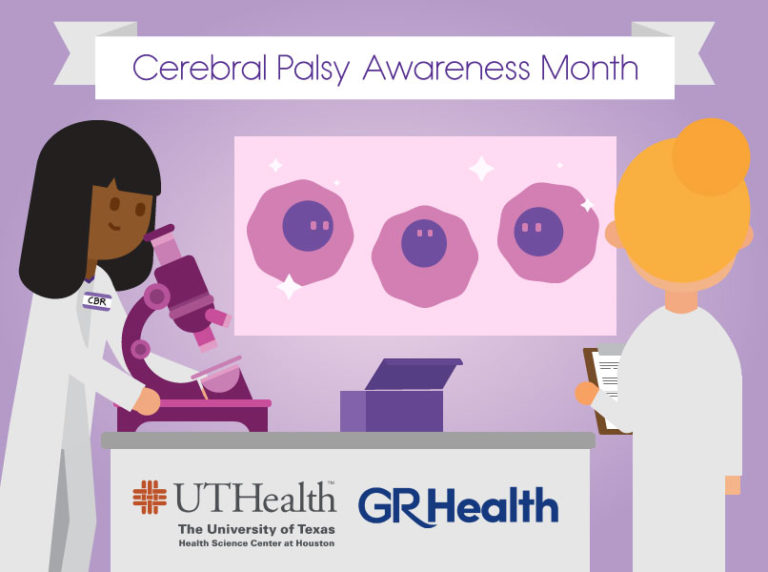
The first trial was conducted by CBR in collaboration with Georgia Regents University (now renamed Augusta University) to investigate the feasibility and potential efficacy of umbilical cord blood hematopoietic stem cell transplantation as a treatment for children with cerebral palsy. To ensure consistency in the collection and preparation of umbilical cord blood hematopoietic stem cells, all participants in the study were children whose umbilical cord blood had been stored at CBR at birth.

The second trial was launched in 2014 at the University of Texas Health Science Center at Houston. The aim of the trial was to compare the safety and efficacy of two therapeutic approaches for children with cerebral palsy: intravenous infusion of stem cells stored in a stem cell bank versus immediately harvested bone marrow-derived stem cells.
Clinical data indicate that progressive neuroinflammatory responses are a major stimulus exacerbating brain injury in cerebral palsy. Therefore, researchers aim to identify methods to reduce neuroinflammation through this trial, thereby interrupting the pathological feedback loop and breaking the vicious cycle. If the trial yields favorable results, intravenous infusion of umbilical cord blood-derived hematopoietic stem cells to trigger the body’s repair mechanisms could serve as a non-invasive therapeutic approach for cerebral palsy—a modality for which no comparable non-invasive treatment currently exists.

The trial enrolled 30 patients with cerebral palsy aged 2 to 10 years. Fifteen participants received autologous hematopoietic stem cell infusion, while the other 15 received autologous bone marrow stem cell infusion. To assess the degree of symptom relief, five children from each group were randomly selected to serve as a placebo control group.
A follow-up examination will be conducted one year later. Until then, the parents of the participants will not be informed whether their children received stem cell infusion or were assigned to the placebo group. At the end of the one-year period, the parents of children in the placebo control group may choose whether to have their children undergo stem cell infusion therapy.
Similarly, to participate in this trial, subjects must be children with umbilical cord blood stored at CBR. In addition to receiving treatment in Houston, the pediatric subjects are required to return to Houston for follow-up visits at 6, 12, and 24 months post-infusion. Other institutions involved in this trial include the Let’s Cure CP Foundation, the TIRR Foundation, and Memorial Hermann Hospital.
A U.S. media outlet once reported on the case of a patient named Ava from San Diego, who was diagnosed with cerebral palsy at birth. She had very limited motor function on the left side of her body, was unable to use her left hand normally, and could not walk. In 2015, Ava participated in a cerebral palsy-related research project at Duke University and underwent an autologous stem cell infusion procedure (as part of an experimental study).
According to Ava’s parents, she was able to walk independently approximately three weeks after the procedure. Of course, not all stored hematopoietic stem cells ultimately prove useful. In Ava’s case, abnormalities in her baby’s health were detected during pregnancy, and upon the strong recommendation of her obstetrician, Ava’s parents decided to store her umbilical cord blood stem cells with CBR (Cord Blood Registry). This decision enabled her successful participation in a clinical trial at Duke University and led to preliminary therapeutic benefits. Regardless, this report offers new hope to parents of children with cerebral palsy.
CBR Operational Process
1. User Side:
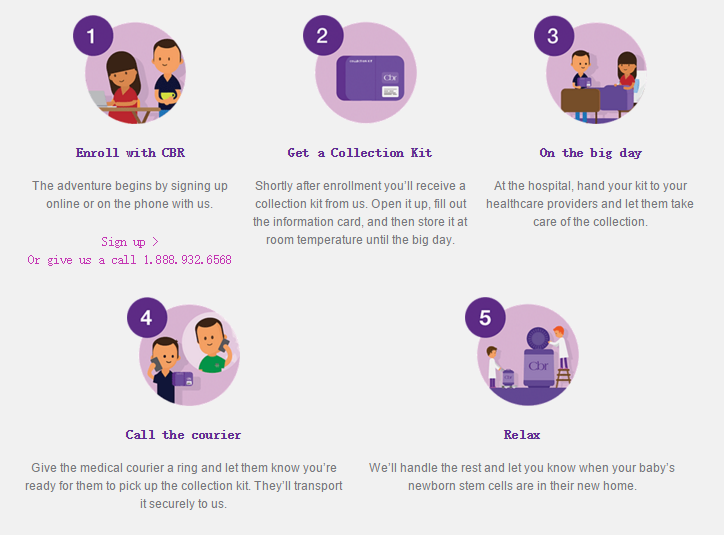
Step 1: Registration. Register online via the website or by phone.
Step 2: Receive the collection kit. Shortly after registration, users will receive a collection kit mailed by CBR. Open it, complete the information card, and store it at room temperature.
Step 3: Baby’s Birth. At the hospital, hand the collection kit to the physician, who will handle the collection of umbilical cord blood and/or umbilical cord tissue.
Step 4: Contact the transport personnel. Call CBR’s partnered transportation provider, who will deliver the collected cord blood to CBR in intact condition.
Step 5: Await storage notification. Once the cord blood has been processed and successfully stored, users will receive a notification from CBR.
2. CBR Side:
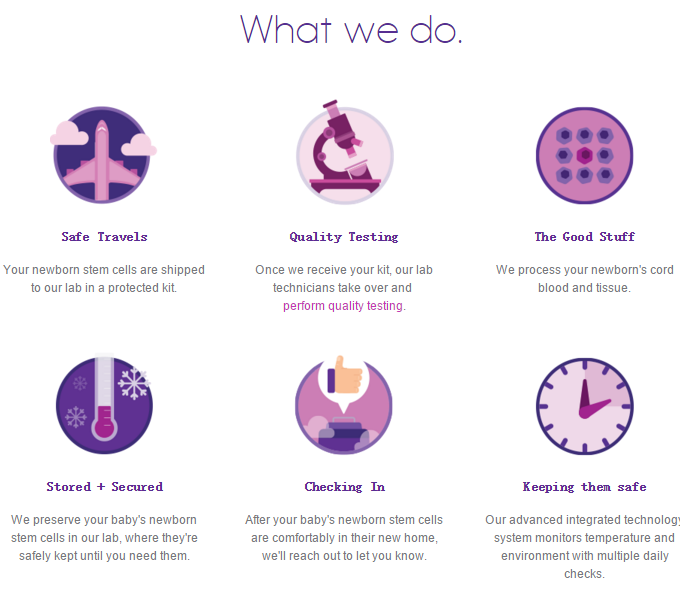
Step 1: Provide transportation assurance. CBR’s specially designed collection kit ensures the safety of newborn umbilical cord blood during transit.
Step 2: Quality Testing. Upon receipt of the collection kit, CBR laboratory personnel will perform rigorous quality testing.
Step 3: Preparation of neonatal umbilical cord blood or umbilical cord tissue for storage.
Step 4: Storage. CBR stores neonatal umbilical cord blood and umbilical cord tissue using appropriate methods, leveraging advanced technology to strictly control temperature and storage conditions, thereby ensuring the quality of the stored umbilical cord blood.
Step 5: Notification Service.
Advantages of CBR: Large customer base, relatively mature preparation and storage technologies
Compared with other institutions of the same type, such as Viacord and StemCyte, CBR mainly has the following advantages:
1. The company serves clients from over 80 countries worldwide, providing international shipping services and handling customs clearance on their behalf;
2. The highest number of participation in FDA-approved clinical trials;
3. The highest cell recovery rate after red blood cell reduction;
4. A large number of cells are preserved intact for an extended duration during transportation;
5. Provide umbilical cord tissue storage services;
6. Possess its own storage devices;
7. High safety factor of storage locations (CBR’s storage facility is located in Arizona, which has a low risk of natural disasters; Viacord’s storage facility is located in Kentucky, an area prone to tornadoes; StemCyte’s storage facility is located in California, which has a high risk of earthquakes.)
Controversies Surrounding Umbilical Cord Blood Storage
Whether it is worth storing neonatal umbilical cord blood has long been a subject of public debate. Proponents argue that umbilical cord blood possesses substantial medical value; although it may not always be needed, it can play a life-saving role when required—a benefit whose value cannot be measured in monetary terms.
VCBeat has learned that opponents argue that while umbilical cord blood is indeed valuable, it has not yet been widely applied, and there are insufficient medical cases to substantiate the role of umbilical cord blood stem cells in treating conditions such as cerebral palsy. Furthermore, due to the limited quantity of stem cells collected from umbilical cord blood, their application is generally restricted to young children with low body weight, and only under the premise that storage methods are appropriate and cell quality is well preserved. Of course, the cost of storing umbilical cord blood is high; many opponents consider it highly inadvisable to incur substantial expenses for storing umbilical cord blood as an inadequate preparation for a very low-probability event.
The figure below illustrates the approximate costs of storing newborn umbilical cord blood and/or umbilical cord tissue with CBR, using a newborn in the United States as an example:
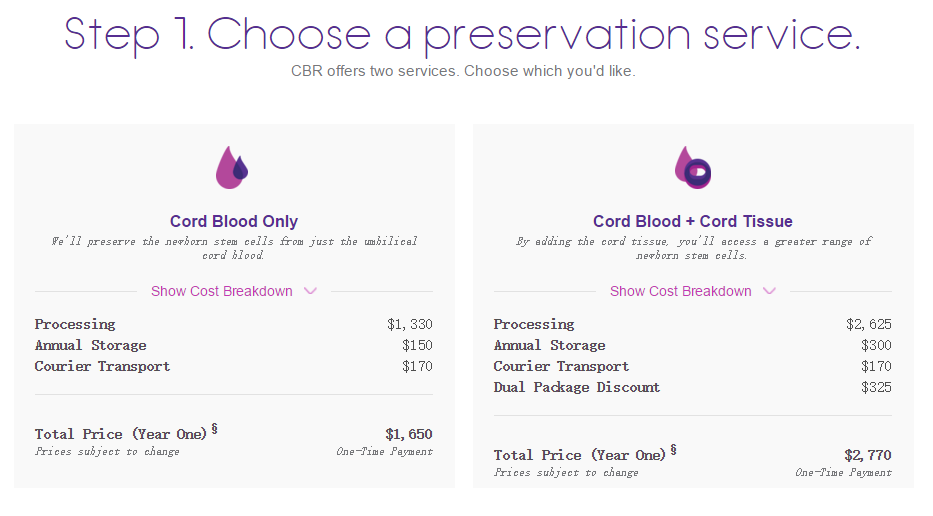
Umbilical Cord Blood Storage:
Preparation Fee: $1,330
Storage Fee: $150/year
Shipping Fee: $170
First-Year Fee: Approximately $1,650 (One-Time Payment)
Storage of Umbilical Cord Blood + Umbilical Cord Tissue:
Preparation fee: $2,625
Storage Fee: $300/year
Shipping Fee: $170
The total cost for the first year is approximately $2,770 (one-time payment, with a $325 package discount already deducted).
Users can pay in a lump sum or in installments. CBR offers several installment plans for users to choose from. Additionally, users can renew their subscription annually or make a one-time prepayment for 18 years of storage service or lifetime storage service, with the latter two options offering appropriate price discounts.
Umbilical cord blood harbors immense potential, and its value warrants thorough research and application. Each positive research outcome has the power to alter the fate of a child, or even an entire family, representing a contribution of immeasurable merit. As for whether to store umbilical cord blood for one’s baby, parents should make a prudent decision after fully understanding the issue through authoritative channels and seeking professional consultation, taking their individual circumstances into account.