Source: GeneThink PPT
Foreword
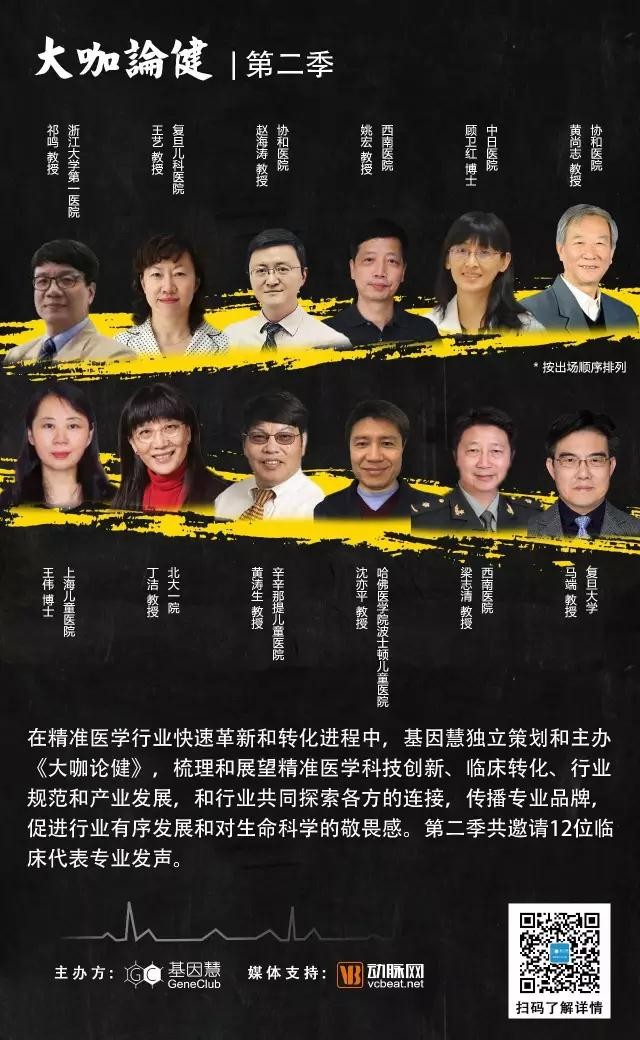
At a pivotal moment when precision medicine has become a national strategy, driving innovation in R&D and application, alongside industry M&A and resource integration, how can we bridge technology, market, capital, and policy stakeholders to reduce information asymmetry? GeneInsight planned and hosted the online industry forum “Leading Experts Discuss Health.” Season 1 invited 12 industry representatives to review and forecast technology translation and industrial development. Season 2 featured 12 domestic and international clinical experts for in-depth discussions on the clinical application of precision medicine technologies. We extend our gratitude to VCBeat for its media support in Season 2. Season 3 is about to launch; we welcome your comments and participation.
Click the profile picture to view details shared by industry experts.

Peking Union Medical College Hospital Professor Huang Shangzhi
Gene analysis has become rapid and data screening efficient, yet the clinical interpretation of test results remains a challenge. It is the mission of genetic counseling to translate scientific advancements into practical, patient-benefiting applications.
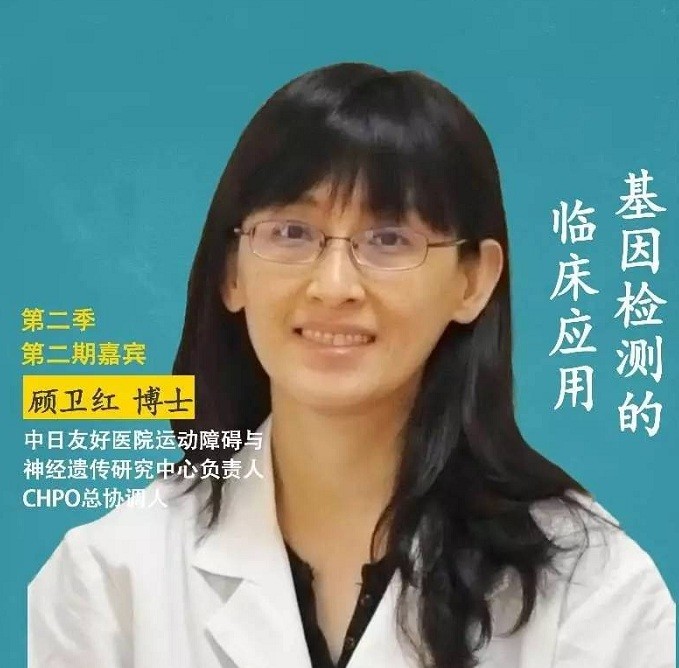
Dr. Gu Weihong, China-Japan Friendship Hospital
The integration of genetic testing with clinical applications, encompassing the alignment of specialized technologies and processes, is reflected in the establishment of triage and referral systems, medical informatics solutions, and the interpretation of genetic test results. Among these, CHPO provides an interface for the standardization of clinical phenotypes and their linkage to genotypes.

Professor Yao Hong, Southwest Hospital of the Third Military Medical University
No genetic disorder is as well-suited for population-based screening as Down syndrome. NIPT serves as a screening tool, whereas invasive prenatal testing provides a definitive diagnosis. The clinical application of CMA and NGS in prenatal diagnosis still requires continuous optimization.
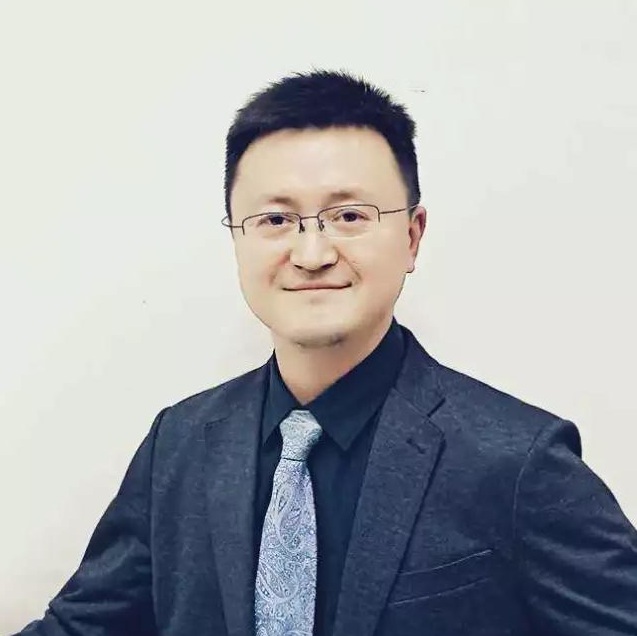
Peking Union Medical College Hospital Professor Zhao Haitao
Precision medicine is maturing the R&D model for oncology and shifting the focus of disease diagnosis and treatment to earlier stages. Advances in oncology research, along with molecular targeted therapies, immune checkpoint inhibitors, and cellular immunotherapies, have emerged as new hopes for cancer treatment.

Fudan University Children's Hospital Wang Yi, Vice President/Professor
Genetic testing holds significant feasibility and vast potential for clinical application, particularly in the definitive diagnosis and targeted therapy of complex and refractory diseases. Precision medicine serves as a vital link in the closed loop spanning basic research, drug discovery, and clinical protocols; meanwhile, publicity and training efforts remain insufficient.
Professor Qi Ming, The First Affiliated Hospital, Zhejiang University School of Medicine
Experience and lessons from Europe and the United States indicate that genetic diagnosis requires a laboratory director responsibility system encompassing “qualified personnel, facilities, and products,” with practitioners undergoing training, certification, and standardization by professional industry bodies.

Dr. Wang Wei, Shanghai Children's Hospital
In addition to clinical diagnosis, prenatal diagnosis and preimplantation genetic diagnosis (PGD) require 100% confirmation based on genetic evidence. Genetic counselors, clinical geneticists, and laboratory diagnostic professionals need more clearly defined roles and better coordination. Clinical geneticists will inevitably become more specialized and subspecialized, aligning with the national policy promoting tiered diagnosis and treatment.

Peking University First Hospital, Ding Jie, Former Vice President/Professor
The reason I submitted proposals on rare diseases twice during the “Two Sessions” is that the diagnosis and treatment of rare diseases reflect the level of modern medical care and the extent of humanistic concern. Moreover, research into rare diseases makes unique contributions to uncovering disease mechanisms and serves as an excellent entry point for precision medicine.

Professor Tao-Sheng Huang, Cincinnati Children's Hospital
Currently dedicated to researching mitochondrial disease-causing genes and alternative therapies. Precision medicine in Western countries originates from the physician’s side, which differs significantly from the practice in China. Mitochondrial replacement therapy led to the birth of the world’s first “three-parent baby.”
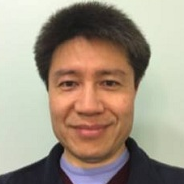
Professor Yi-Ping Shen, Boston Children's Hospital, Harvard Medical School
Medical genetics is the youngest among the 24 medical specialties in the United States, having evolved from a peripheral discipline to a core specialty over the past decade. The clinical laboratory where I work has pioneered the application of chromosomal microarray analysis in routine clinical diagnostics. In recent years, I have participated in the training of professionals in China, including clinical geneticists, genetic counselors, and laboratory directors.

Professor Liang Zhiqing, Southwest Hospital, Third Military Medical University
Ovarian cancer is one of the three most common malignant gynecologic tumors, with the highest mortality rate among gynecologic malignancies; 15%–20% of cases are attributable to hereditary ovarian cancer syndrome. This article discusses conventional interventions, targeted therapies, and strategies to prevent transmission to offspring.
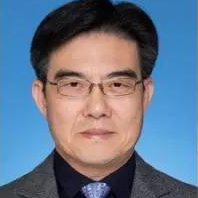
Professor Ma Duan, Fudan University
Precision medicine has become an effective approach for the prevention and control of birth defects. It is primarily applied to chromosomal disorders, Mendelian genetic diseases, and mitochondrial diseases with clearly identified pathogenic factors; personalized medication for certain metabolic conditions with well-defined targets; and risk prediction for some polygenic diseases with established susceptibility genes. However, its applicability in terms of the number of treatable conditions still requires further exploration. Genetic counseling training is driving the development of precision medicine.

