2017 Medscape Physician Compensation Report: Orthopedists and Plastic Surgeons Top Earnings at $489K and $440K, While Pediatricians and Family Physicians Lag Behind
For seven consecutive years, Medscape’s U.S. Physician Compensation Report has been the most readable and widely used physician income report in the United States. More than 400,000 U.S. physicians have utilized this report, which not only provides salary information but also offers insights into key factors influencing income, such as working hours, time spent with patients, and the most rewarding or challenging aspects of their work. Approximately 19,200 physicians across more than 27 specialties participated in its survey. VCBeat (WeChat ID: vcbeat) has compiled the full version; let us now examine the findings from this year’s report. (Note: Data in the charts have been rounded and may not exactly match the figures presented in the accompanying text.)
1. Overview of Total Physician Income in the United States
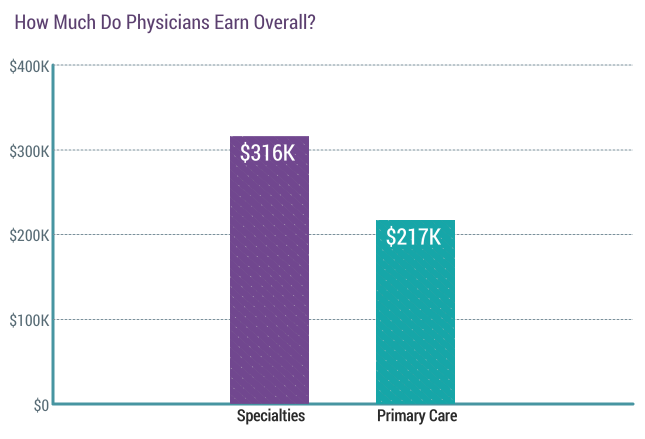
According to feedback from physicians who participated in this year’s survey, their average annual income for full-time work was $294,000. For employed respondents, total compensation included salary, bonuses, allowances, and dividends. For respondents who were partners or operated independent practices, total income comprised after-tax revenue and pre-tax deductible business expenses. This year’s findings indicate that specialists earned approximately 46% more on average than their primary care physician (PCP) counterparts ($316,000 vs. $217,000).
2. Trends in Physician Salaries Across the United States
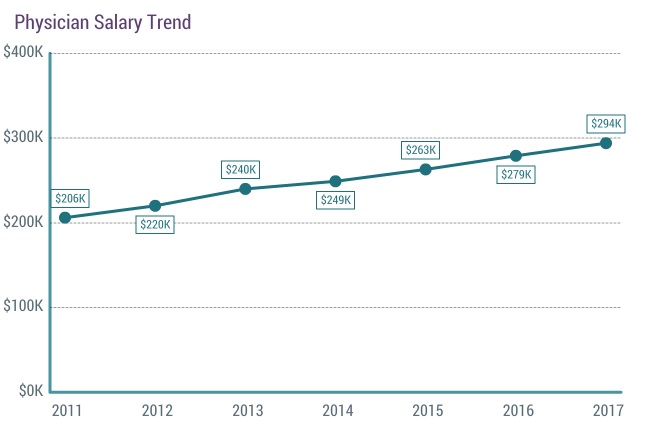
As shown in the chart above, the average annual income of physicians across the United States has seen steady growth over the past seven years. Travis Singleton, Senior Vice President at the physician recruitment firm Merritt Hawkins, stated, “The primary driver behind wage growth for employed physicians is the increasingly intense competition for medical talent. Hospitals and health systems, emergency care centers and federally qualified health centers, as well as direct primary care and home-based healthcare providers, are all seeking to hire physicians.”
3. Average Annual Income of Physicians by Specialty
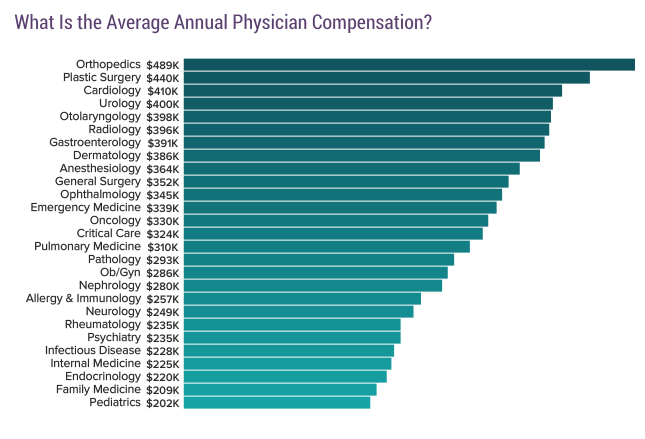
As shown in the figure above, the three highest-earning physician specialties in 2017 were orthopedic surgeons ($489,000), plastic surgeons ($440,000), and cardiologists ($410,000). In 2016, orthopedic surgeons remained the highest earners ($443,000), followed by cardiologists ($410,000) in second place and dermatologists ($381,000) in third. This year, the lowest-earning specialties were pediatricians ($202,000), family physicians ($209,000), and endocrinologists ($220,000). Pediatricians and family physicians also unfortunately ranked at the bottom last year.
4. Revenue: Who Gains and Who Loses
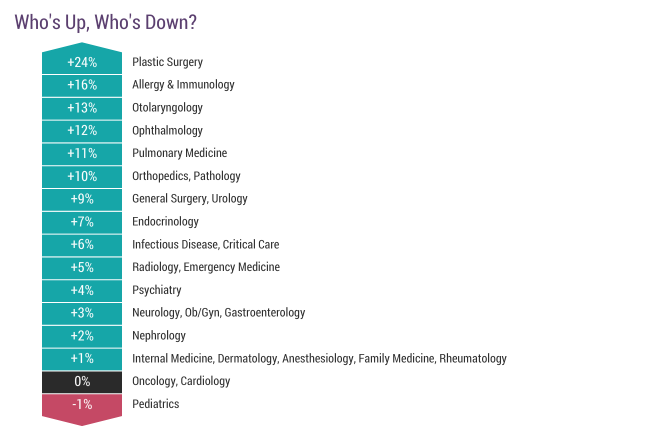
Compared with last year, the incomes of pediatricians, cardiologists, and oncologists have remained virtually unchanged. In contrast, surveyed physicians in other specialties have experienced varying degrees of income growth, with plastic surgeons and allergists seeing the largest increases at 24% and 16%, respectively.
5. Who Earns More: US-Trained vs. Foreign-Trained Physicians
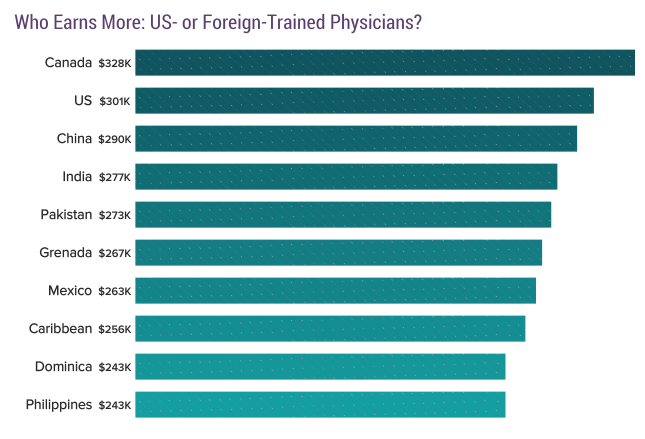
In this Medscape survey, physicians trained in the United States accounted for the majority and ranked second in terms of average income. Physicians trained in Canada appeared to have a slight edge in earnings over their U.S.-trained counterparts, primarily because a larger proportion of Canadian-trained physicians are younger.
6. Race and Income
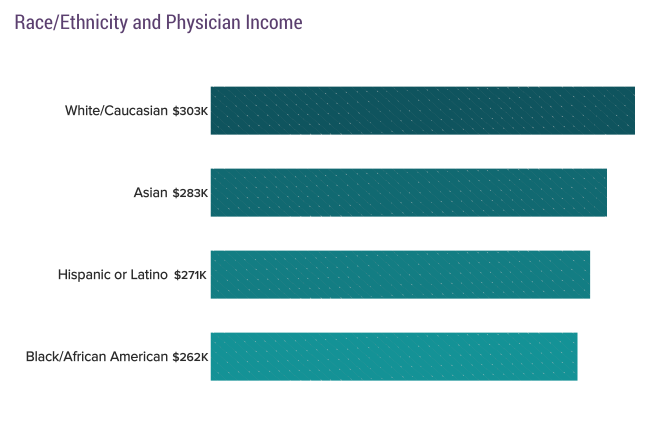
This year marks the first time Medscape has included respondents’ race as a factor in its survey. Among the respondents, more than 3% identified as White or Asian, with higher average annual incomes of $303,000 and $283,000, respectively. Hispanic/Latino and African American physicians reported lower average annual incomes, at $271,000 and $262,000, respectively.
7. Race and Specialty Selection
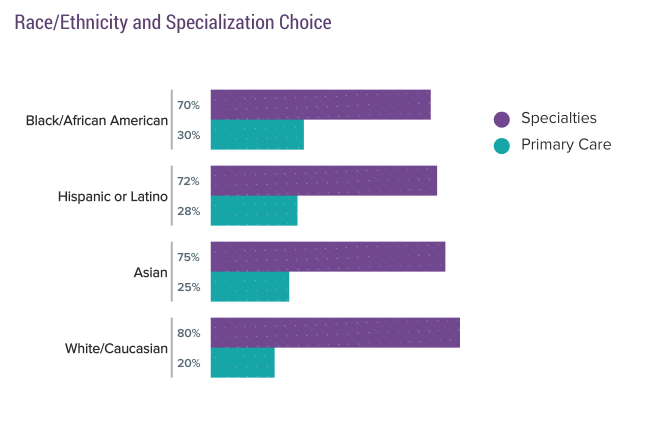
As shown in the chart, the proportion of White (80%) and Asian (75%) physicians who become specialists is slightly higher than that of their Hispanic (72%) and African American (70%) counterparts.
8. Geographic Distribution of Physician Income Across the United States
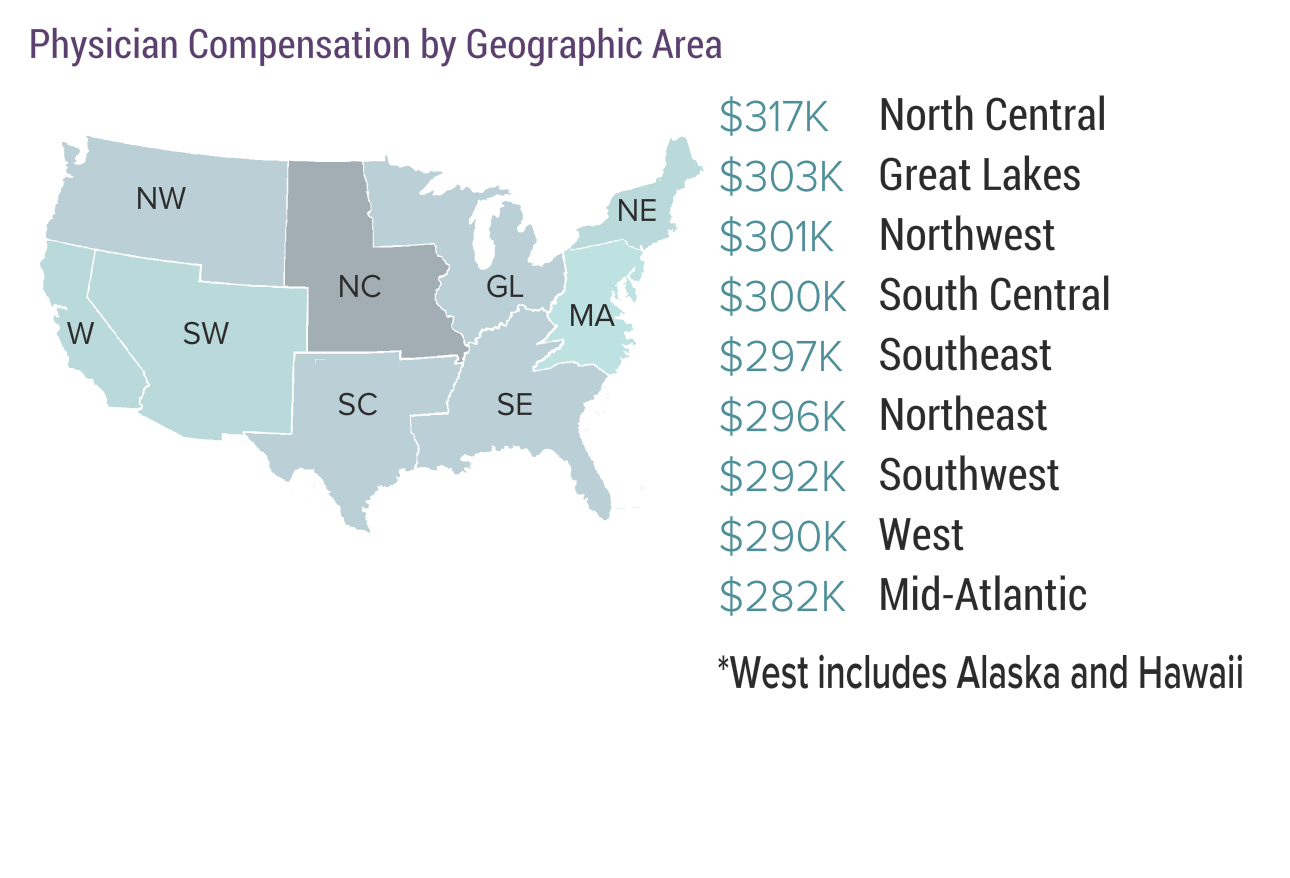
According to feedback from surveyed physicians, the regions with the highest physician incomes in the United States this year were the North Central region ($317,000) and the Great Lakes region ($303,000), while the regions with the lowest average incomes were the West region (including Alaska and Hawaii, $282,000) and the Mid-Atlantic region ($290,000).
9. States with the Highest Overall Physician Income
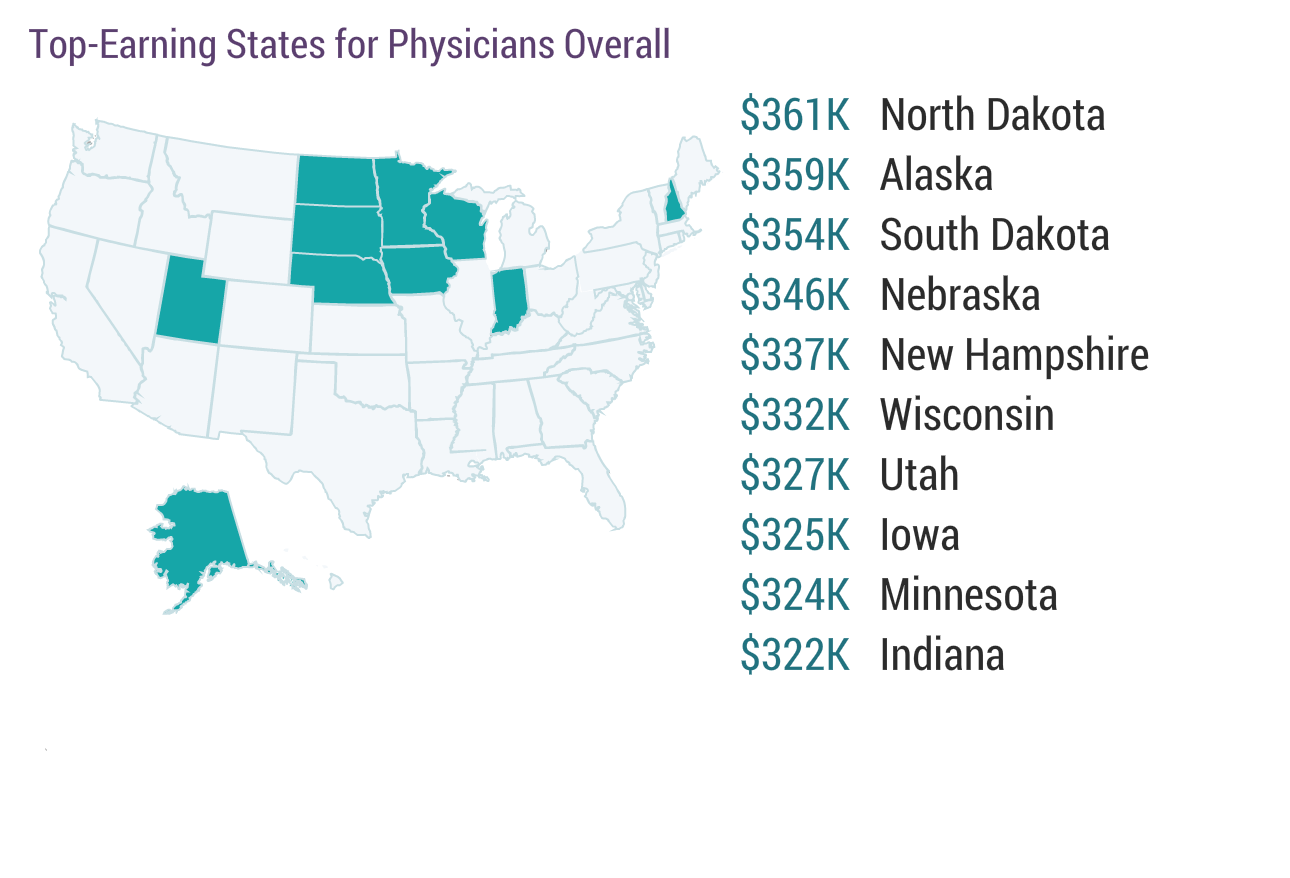 According to this year’s Medscape report, the top three states with the highest average physician incomes are North Dakota ($361,000), Alaska ($359,000), and South Dakota ($354,000). In the 2016 report, North Dakota ($354,000) remained at the top, followed by New Hampshire ($348,000) and Nebraska ($317,000). This income distribution may be related to government policies aimed at attracting physicians to rural and economically underdeveloped areas, as well as to supply-and-demand dynamics.
10. States with the Lowest Overall Physician Income
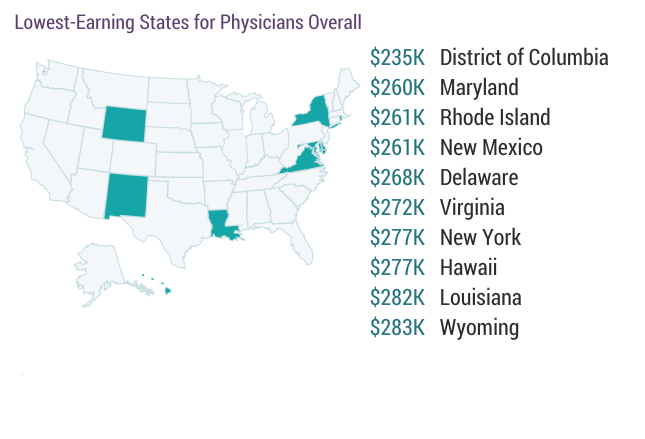
This year, the three states with the highest average total physician income are all located west of the Mississippi River, while the three states with the lowest average incomes are without exception located to its east. The District of Columbia ranked last among survey respondents this year, with an average annual income of $235,000, followed closely by Maryland ($260,000) and Rhode Island ($261,000).
11. Who Earns More: Employed Physicians or Independent Practitioners?
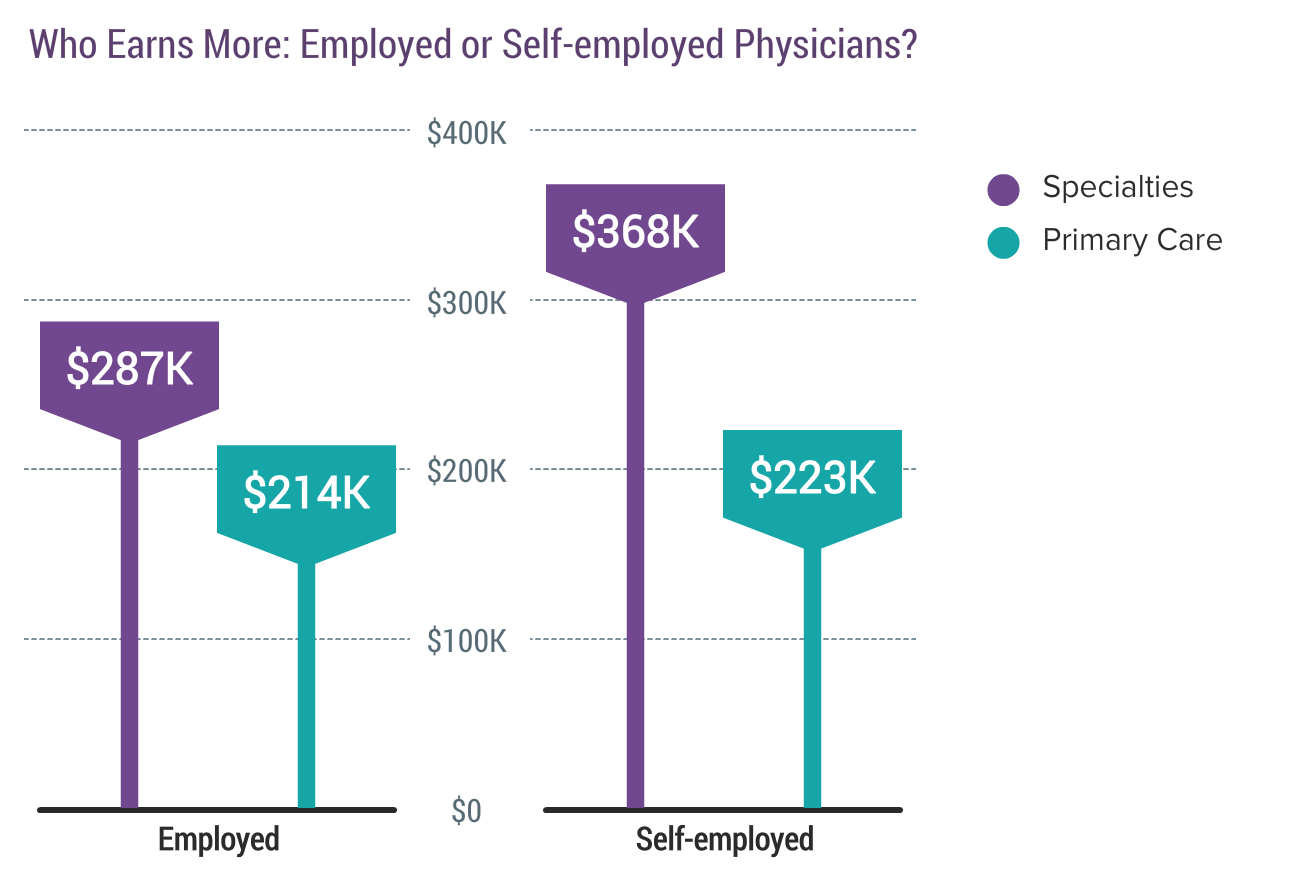
It is easy to draw conclusions from the chart: employed physicians earn less than those in private practice, while owners of independent practices enjoy higher incomes and face fewer administrative and business challenges. However, it is important to note that primary care physicians (PCPs) in private practice earn only about 4% more than their employed counterparts ($223,000 vs. $214,000). In contrast, specialists in private practice earn 28% more than their employed peers ($368,000 vs. $287,000).
12. Gender Disparities in Income Among Primary Care Physicians
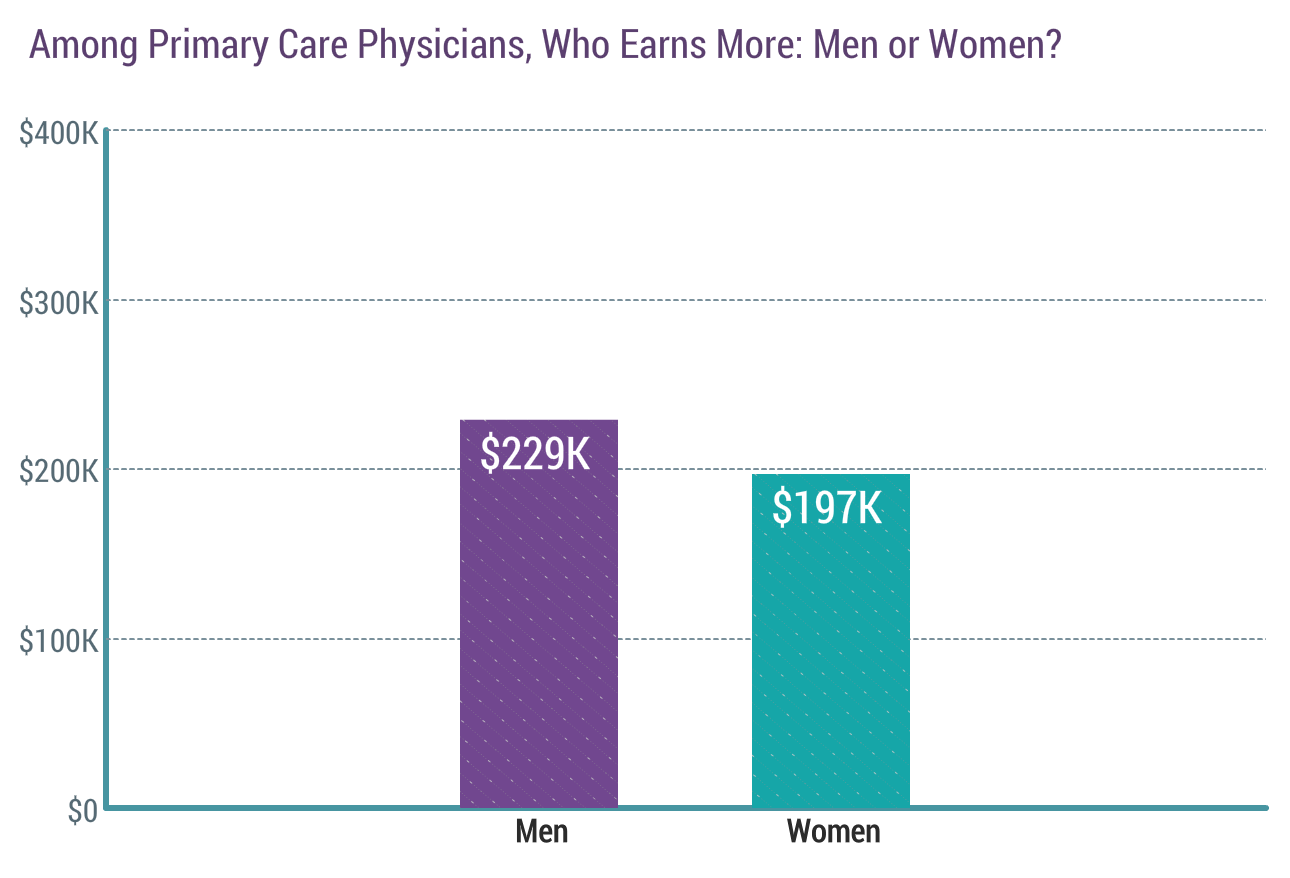
This year, the average annual income for male primary care physicians surveyed was $229,000, compared with $197,000 for their female counterparts. Last year, the average income for male primary care physicians was $225,000, while that for females was $192,000. The gender pay gap this year stands at 16%, marking a slight narrowing from last year’s 17%.
13. Gender Disparities in Income Among Specialist Physicians
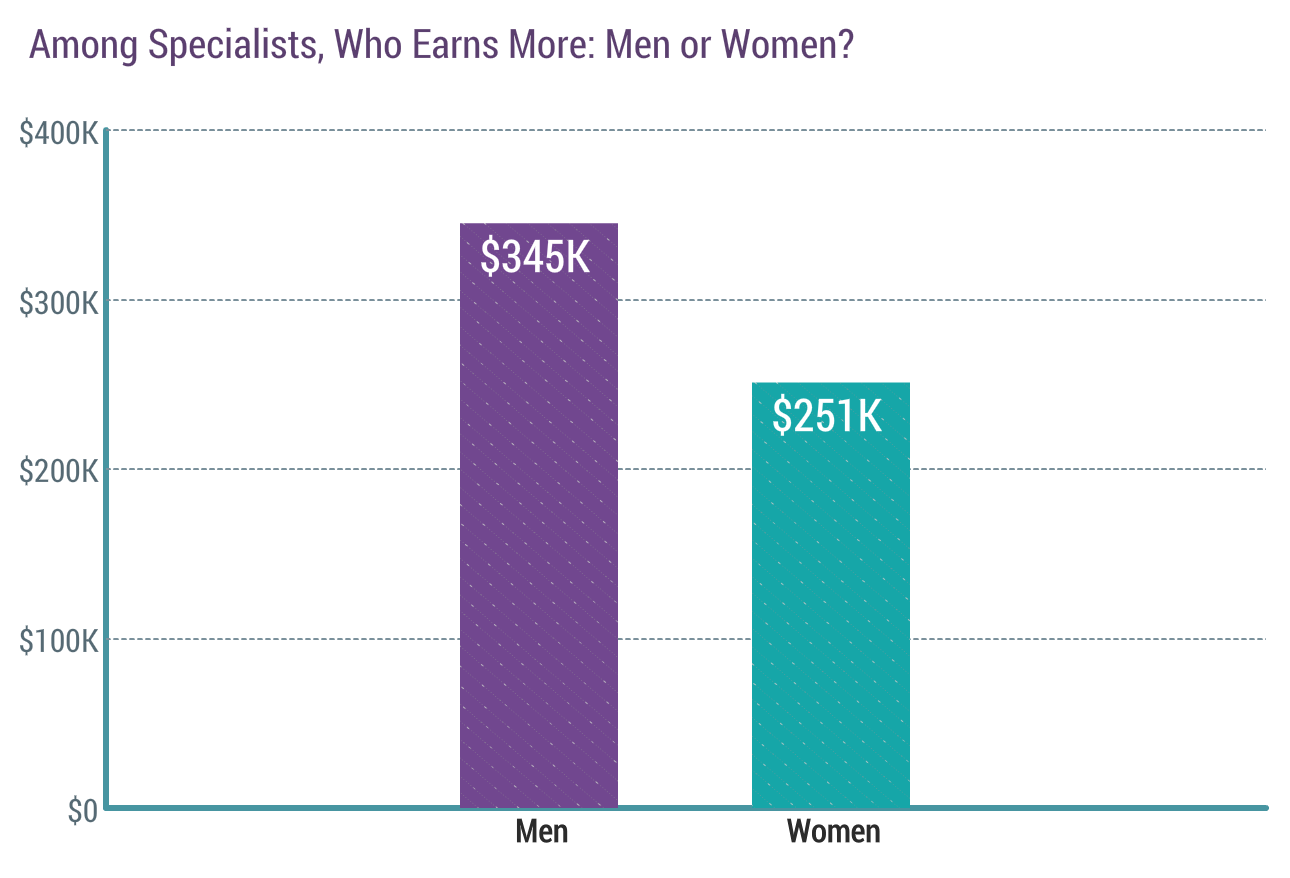
This year, the average annual income gap between male and female specialist physicians in the United States stands at 37%, with respective earnings of $345,000 and $251,000, representing a 4% increase from the previous year. In 2016, the average incomes for male and female specialist physicians were $324,000 and $242,000, respectively. This disparity may be attributed to the lower proportion of female specialist physicians surveyed in high-income specialties.
14. Income Disparities Between Male and Female Physicians Across Different Age Groups
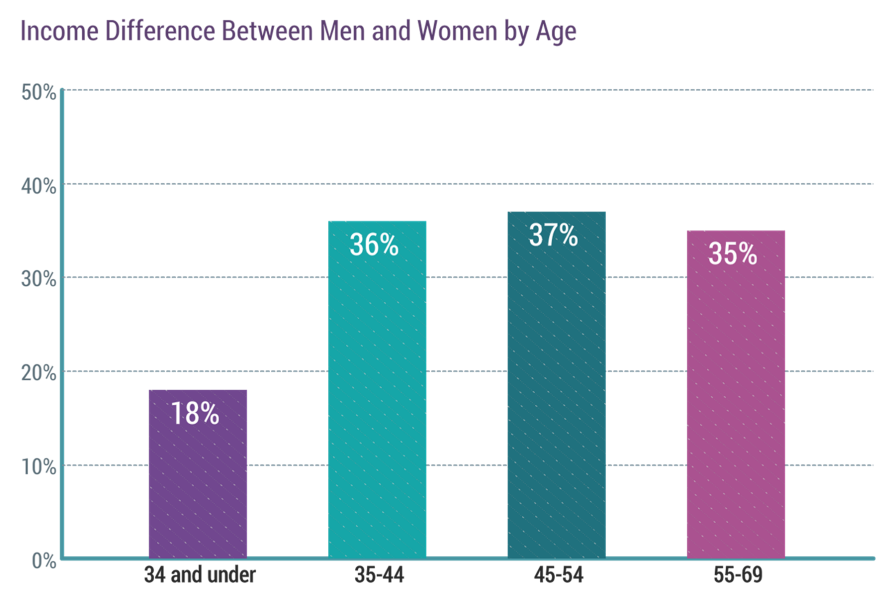
In this year’s report, the average annual income gap between male and female physicians stands at 35%. However, among younger physicians, this gap narrows to just 18%, which may serve as an encouraging signal for more women to enter the medical profession.
15. Proportion of Part-Time Physicians (by Gender)
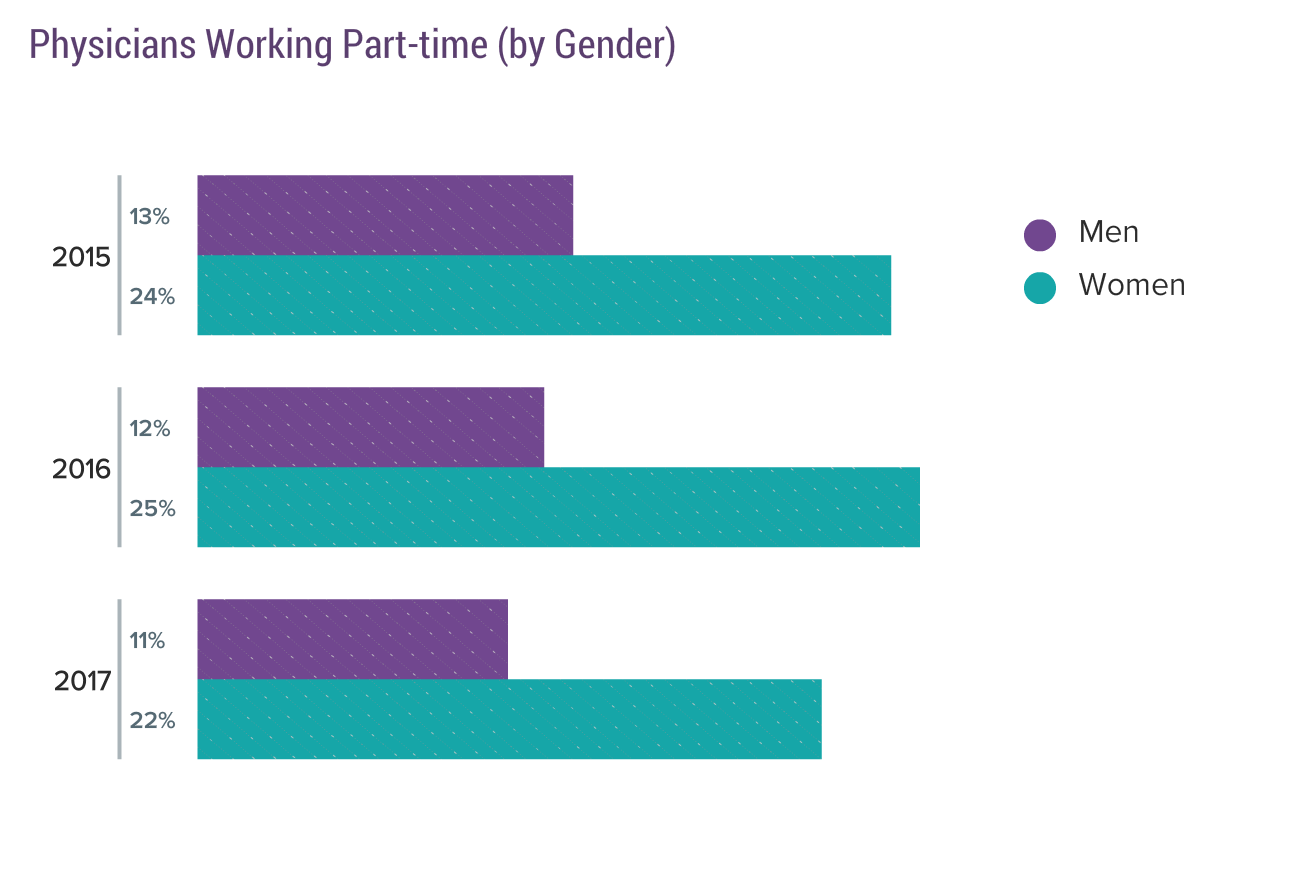
In this year’s report, 11% of male respondents and 22% of female respondents identified as part-time physicians (practicing medicine fewer than 40 hours per week). These figures represent a slight decline across both gender groups compared to last year, when the proportions of part-time physicians were 12% for men and 25% for women.
16. Welfare and Allowance Income
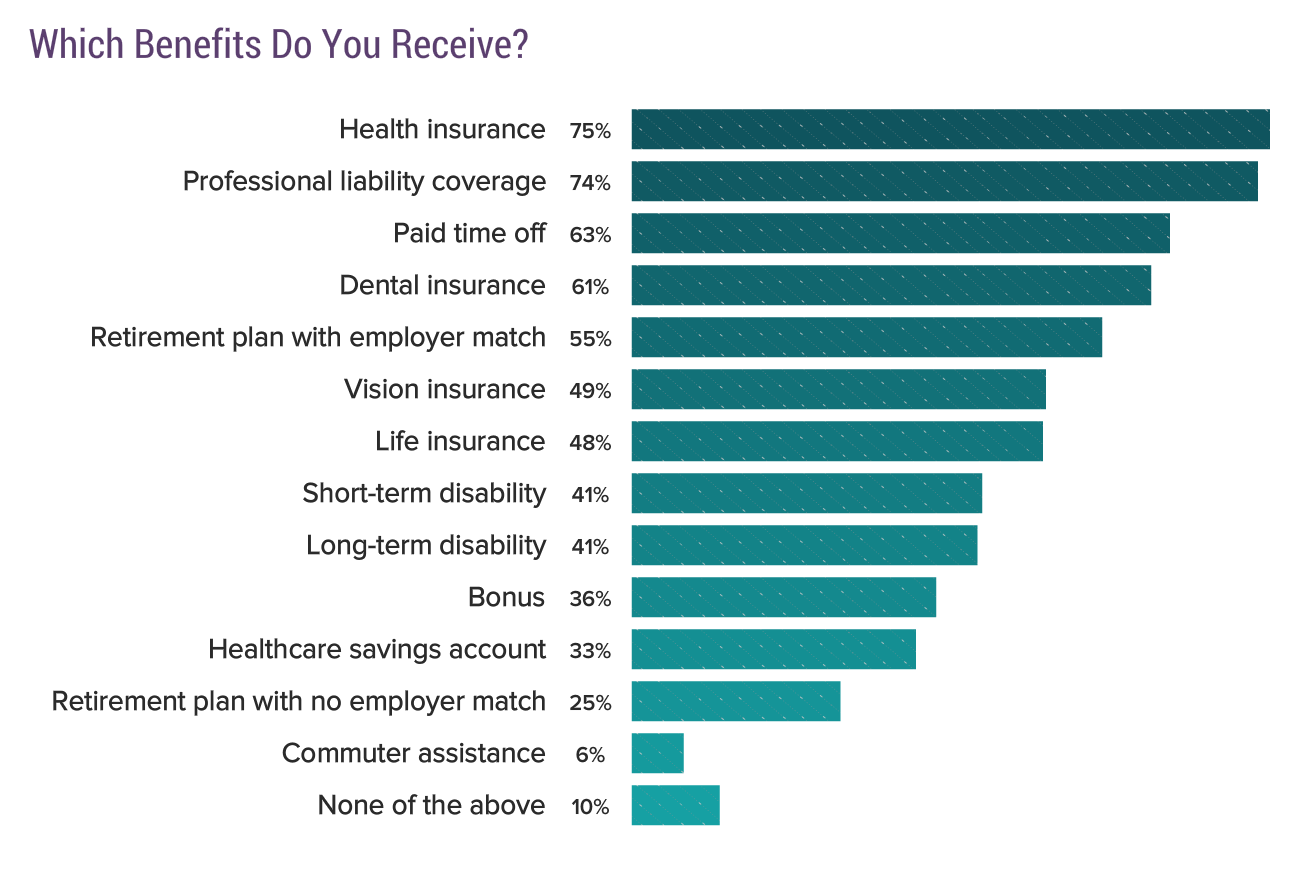
This year, three-quarters of the surveyed physicians reported receiving subsidized health insurance, while 74% had malpractice insurance. Additionally, more than half (63%) enjoyed paid leave, 61% benefited from employer-subsidized insurance, and 55% participated in the same retirement plan as their employers. Only 10% of physicians indicated that they received no benefits this year.
17. Income Satisfaction Across Different Departments
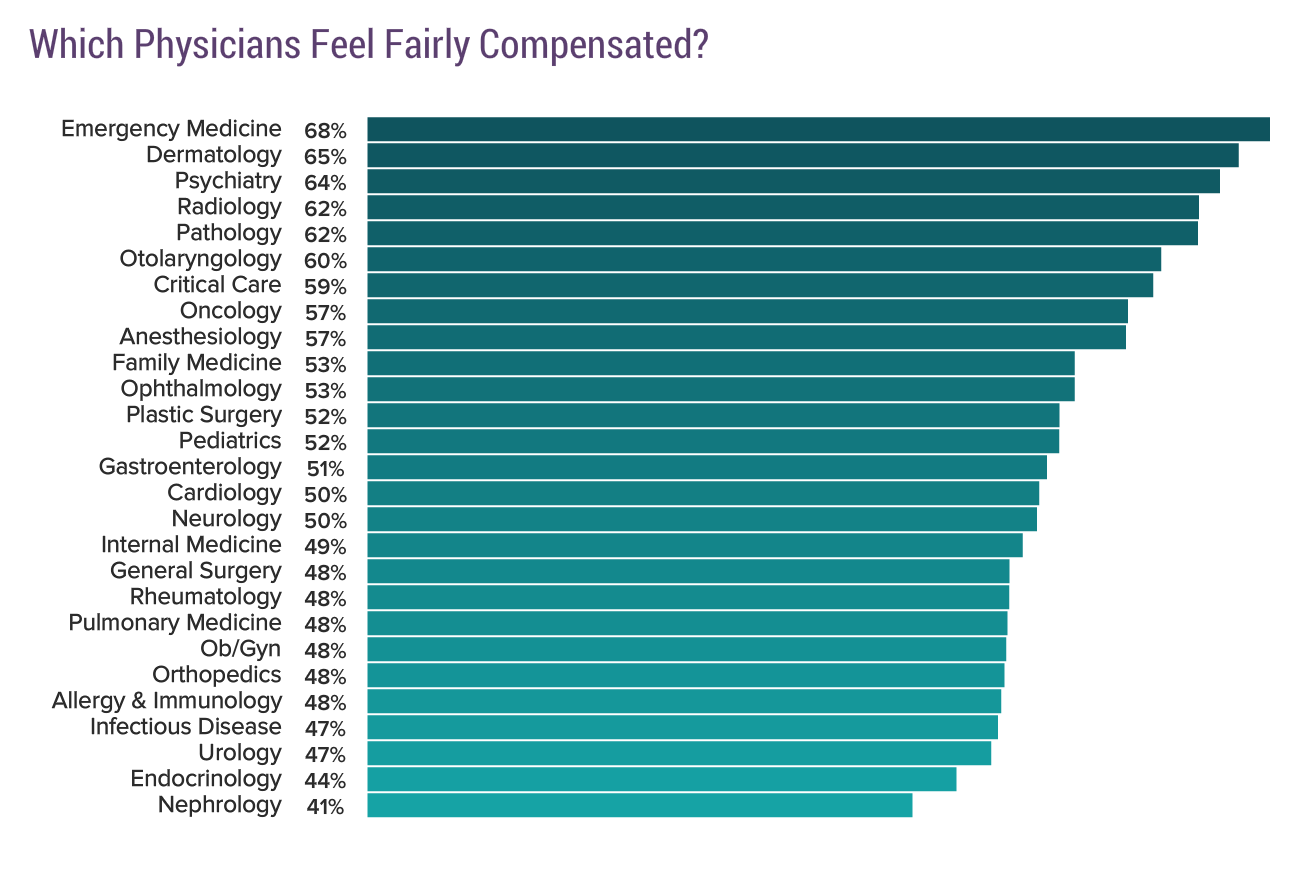
Medscape’s survey began including questions on physician income satisfaction in 2012. In that year’s report, dermatologists were most likely to consider their income reasonable, and they still rank second this year. Emergency medicine physicians reported the highest proportion of income satisfaction this year. The three specialties with the lowest income satisfaction rates were nephrologists (41%), endocrinologists (44%), and urologists (47%). The overall income satisfaction rate among surveyed physicians this year was 54%.
18. Expected Annual Revenue Growth
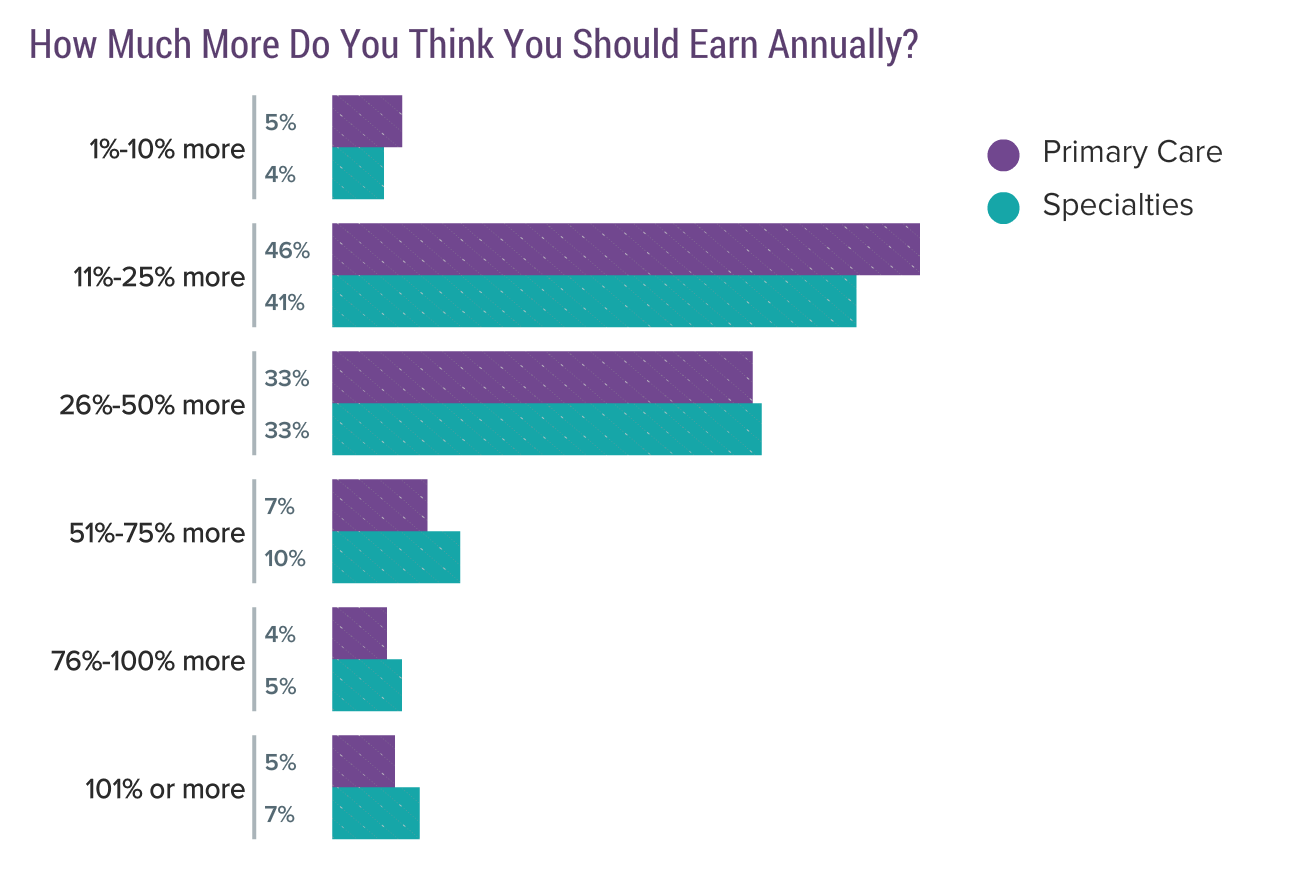
Starting this year, Medscape has not only surveyed physicians’ income satisfaction across various specialties but also investigated the annual income growth expectations of those dissatisfied with their current earnings. Among primary care physicians, 46% indicated that their income should increase by 11%–25%, while 41% of specialists shared the same expectation. However, approximately one-third of both groups reported that their annual income should rise by 26%–50%. Primary care physicians showed a slightly higher tendency to select lower expectation ranges compared with specialists.
19. Income Satisfaction Among Physicians of Different Races
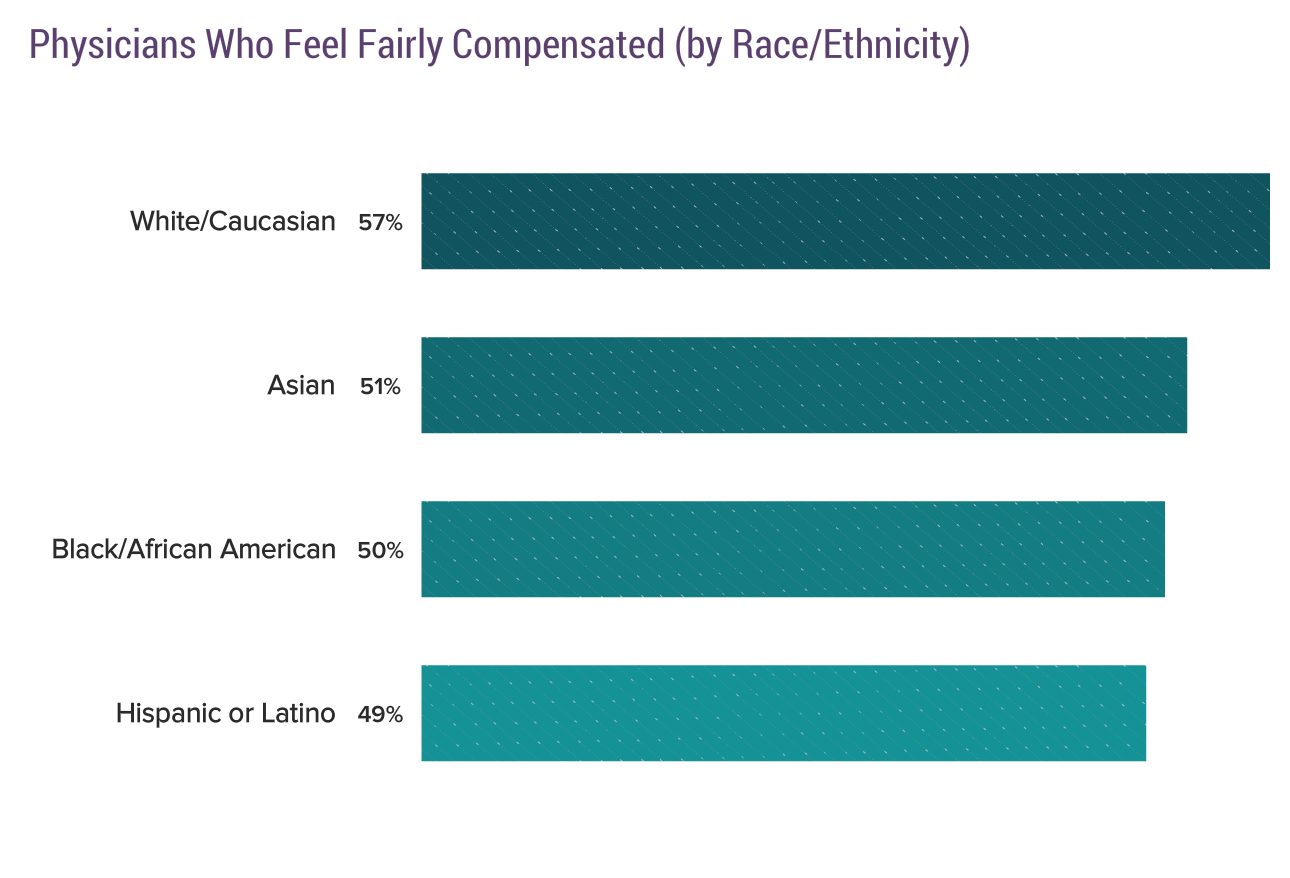
As previously discussed, there are income disparities among physicians of different racial backgrounds. The survey also revealed varying levels of income satisfaction across these groups. White and Asian physicians, who have the highest incomes, also report the highest levels of income satisfaction, with 57% and 51% respectively expressing satisfaction with their earnings.
20. Physician Participation in Multiple Payment Models
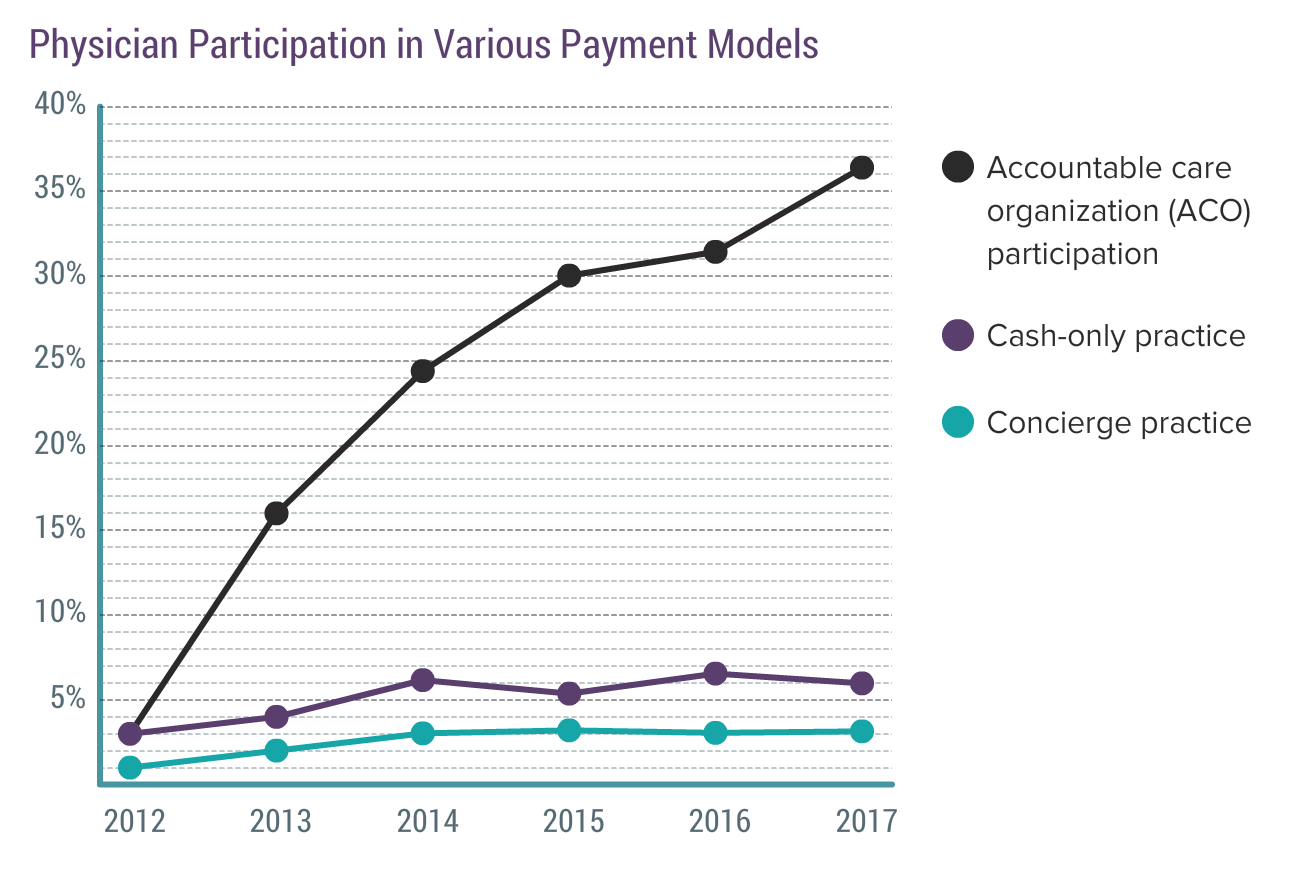
In this year’s survey, the proportion of physicians participating in Accountable Care Organizations (ACOs) increased significantly, rising from 3% in 2012 to 36% in 2017. During the same period, the proportion of physicians offering only cash-based and concierge payment models saw only modest growth, increasing from 3% to 6% and from 1% to 3%, respectively.
21. Who Earns More Under Different Payment Models
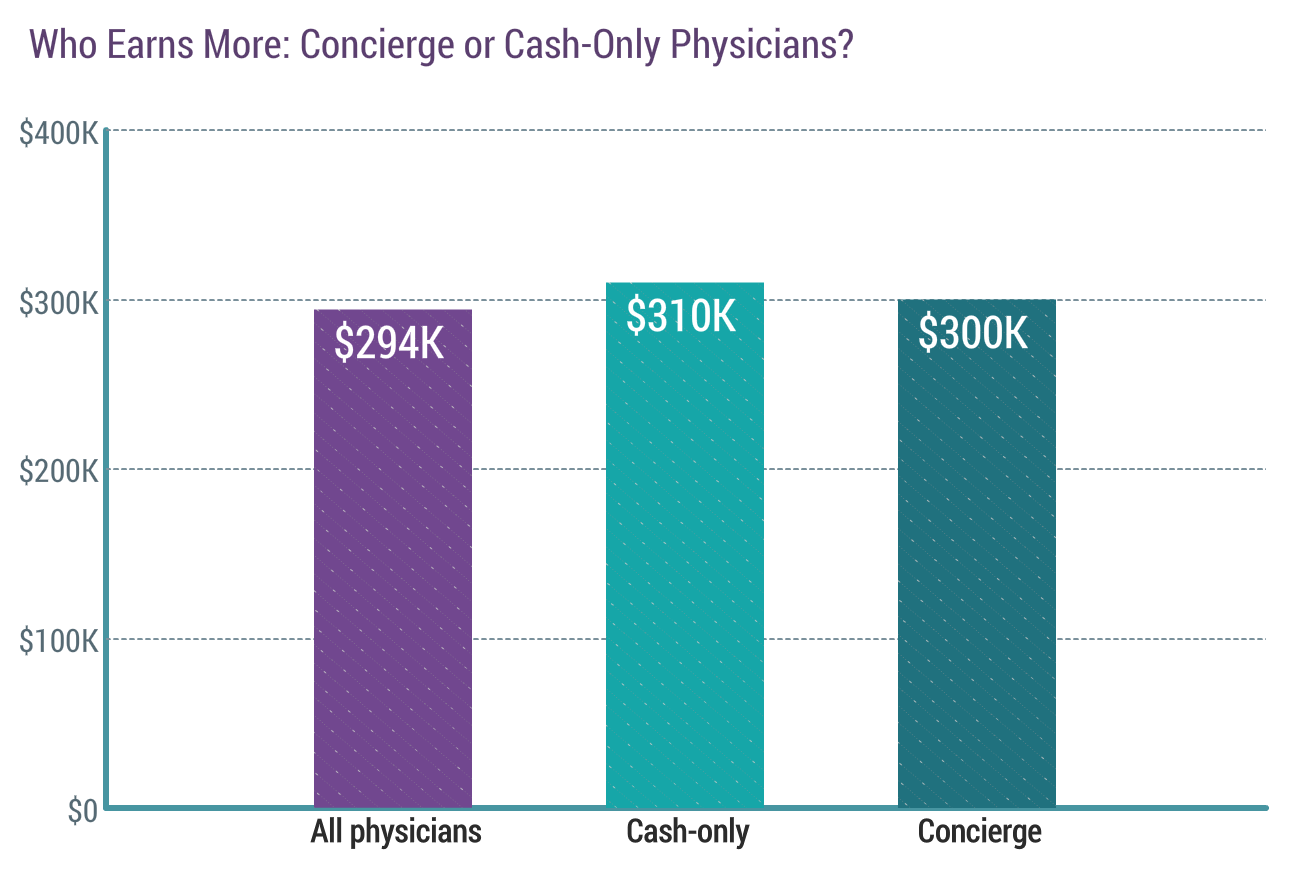
Approximately 3% of respondents’ clinics adopted the concierge payment model, with an average annual income of $300,000, which is 2% higher than the overall average of $294,000. Six percent of respondents reported accepting only cash payments, with an average annual income of $310,000, 6% higher than the overall average income.
22. Proportion of Physicians Hoping to Participate in MACRA
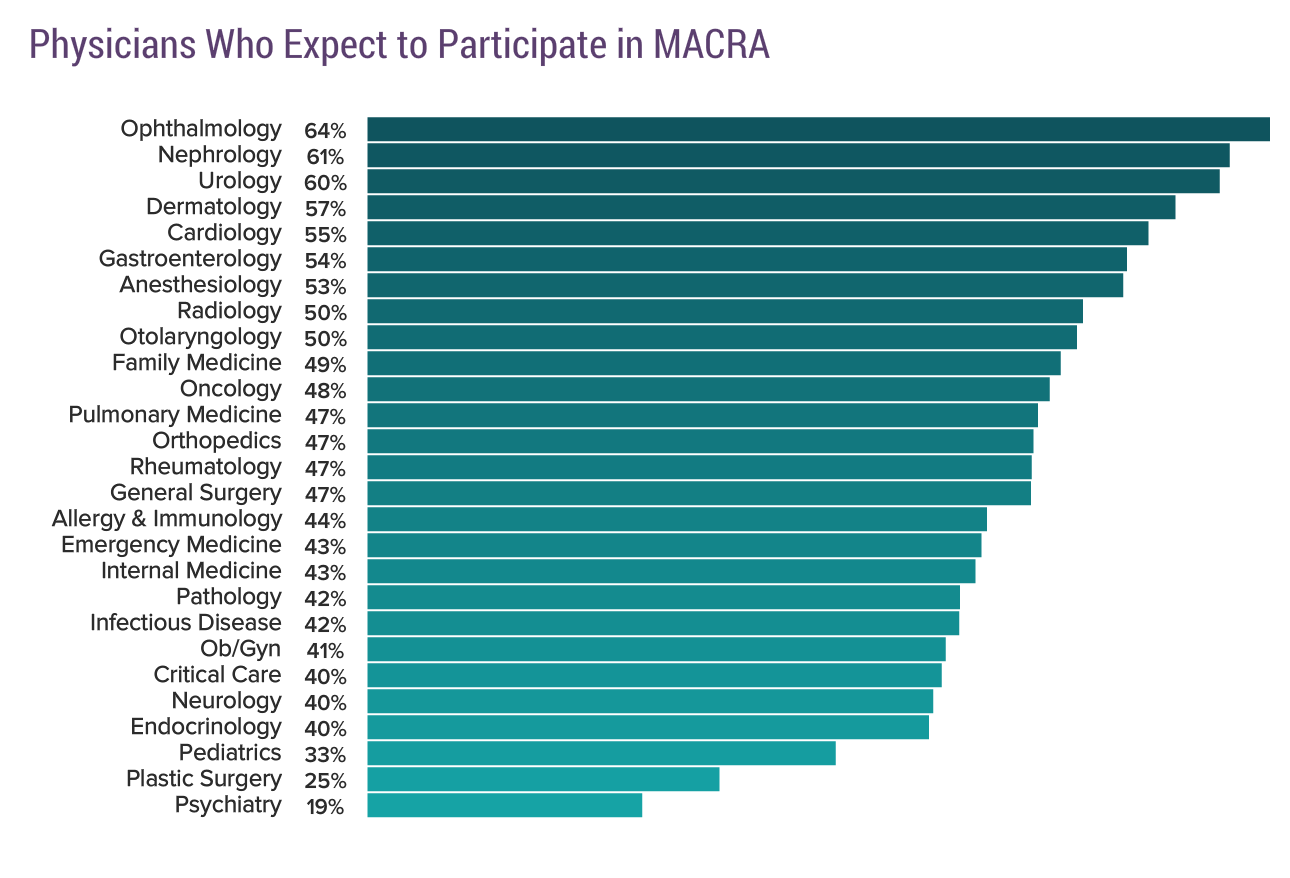
The Medicare Access and CHIP Reauthorization Act (MACRA), passed in 2015, took effect on January 1, 2017. In this year’s survey, physicians’ willingness to participate in the program was included as a response option, with the majority of physicians indicating they were inclined to join (43%) or had not yet decided (35%). Ophthalmologists demonstrated the highest willingness to participate, with 64% of respondents expressing interest, whereas psychiatrists showed the lowest willingness, at only 19%.
23. Are you willing to purchase insurance from insurers that offer low premiums?
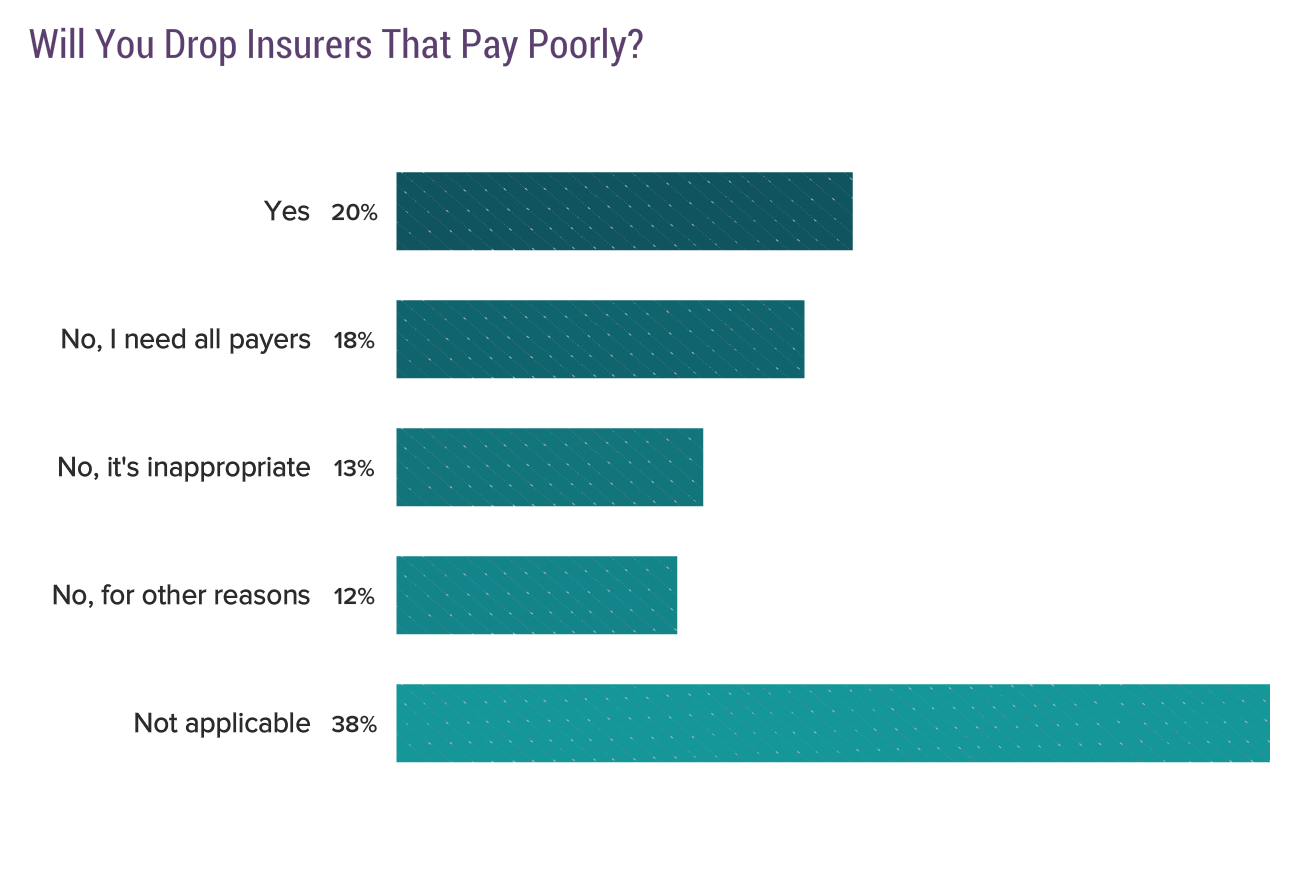
In this year’s survey, more than 38% of the physicians surveyed stated that insurance companies with low premiums were entirely unsuitable for them. Forty-three percent of physicians indicated they would not consider such insurers, while only 20% said they would purchase coverage from these companies.
24. The Influx of New Patients Brought by the Affordable Care Act (ACA)
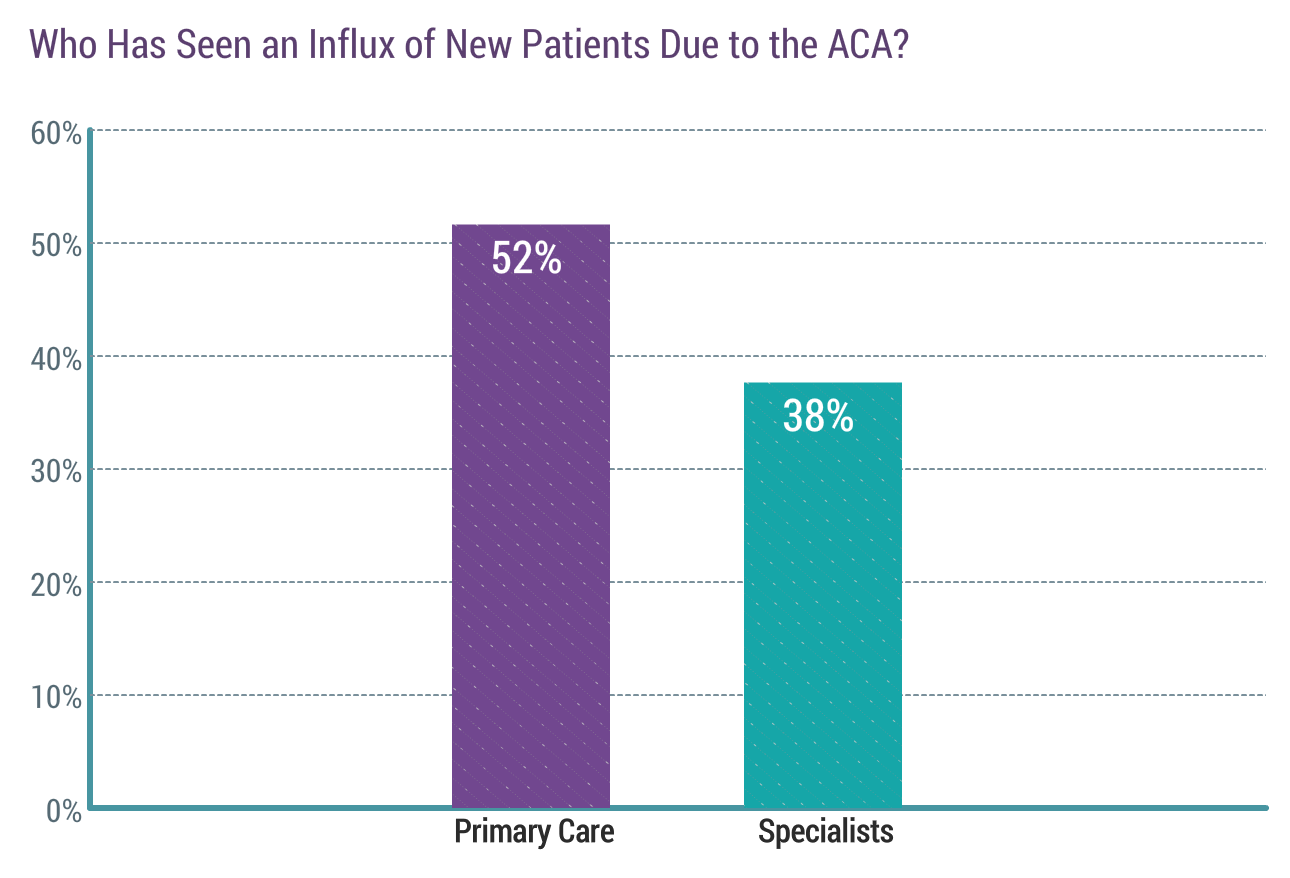
Only slightly more than half (52%) of primary care physicians (PCPs) reported observing an influx of new patients attributable to the Affordable Care Act, representing only a modest increase from 49% last year. In contrast, specialists saw a more pronounced rise, with the proportion increasing from 30% last year to 38%.
25. Whether to accept patients with current medical insurance and medical assistance
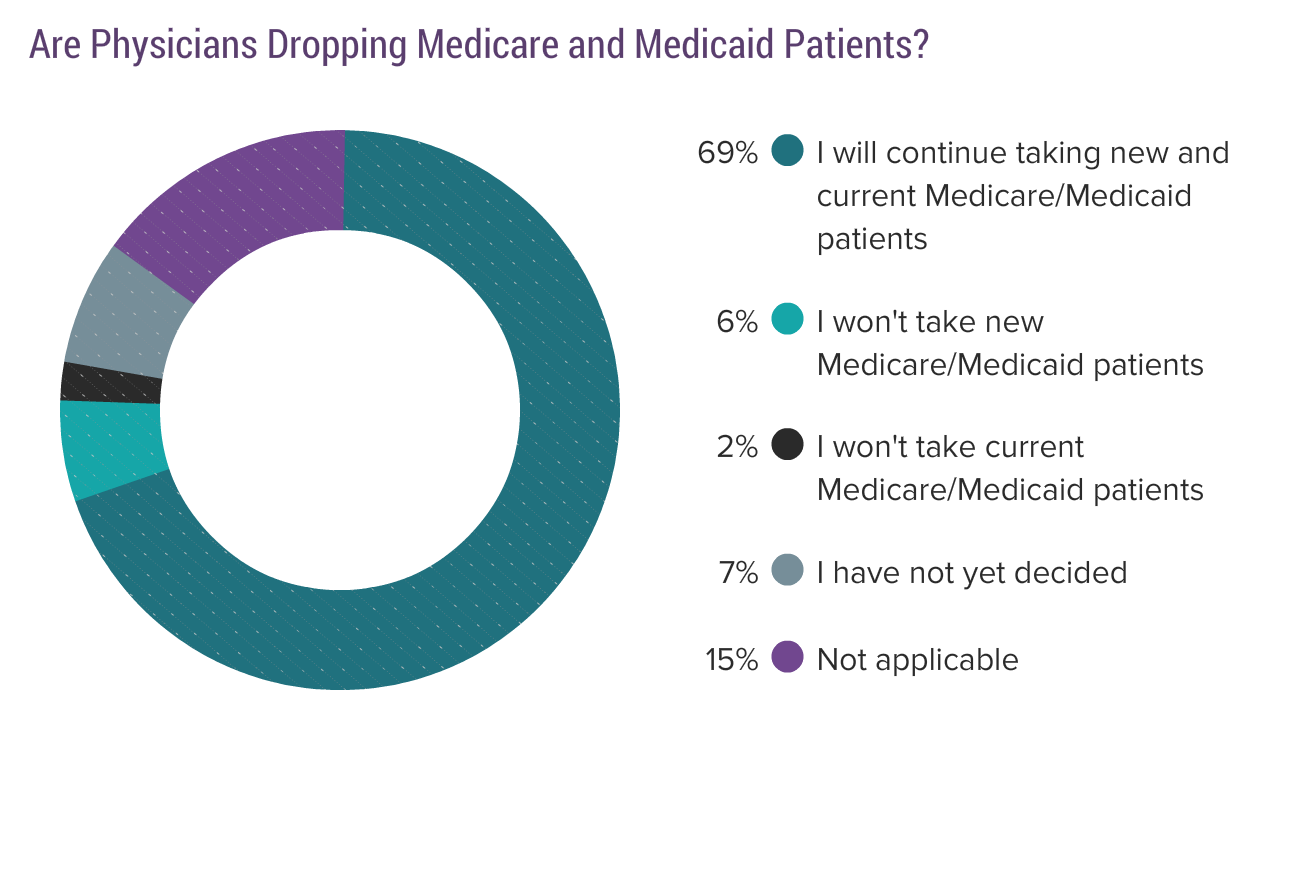
More than two-thirds (69%) of surveyed physicians stated that they are willing to accept and treat patients with current Medicare and Medicaid coverage. However, last year, both employed physicians and self-employed physicians demonstrated greater willingness in this regard, with acceptance rates of 77% and 84%, respectively.
26. Participation in Health Insurance Exchange Programs
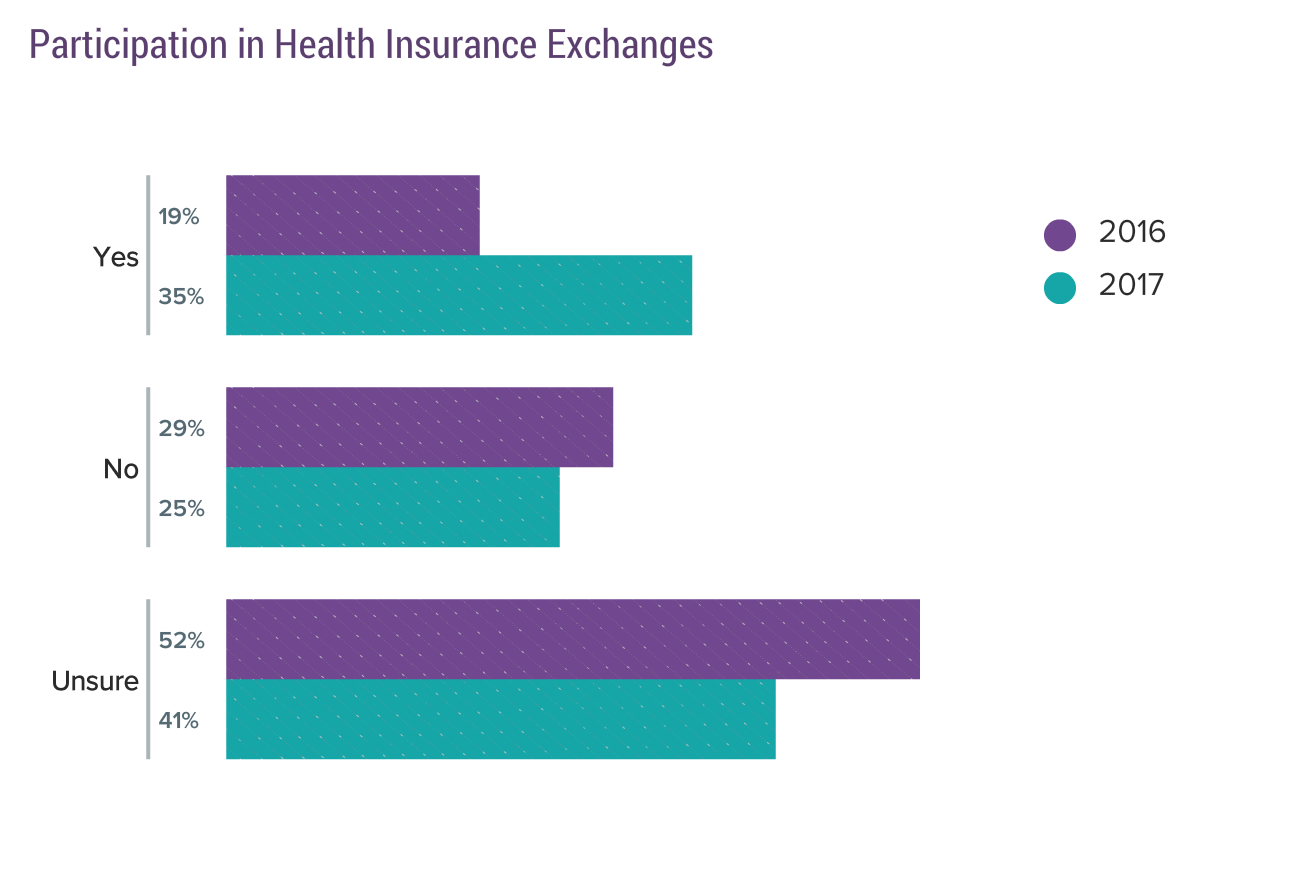
In this year’s Medscape survey, the proportion of physicians reporting participation in health insurance exchange programs increased significantly, rising from 19% in 2016 to 35% this year.
Meanwhile, the proportions of physicians who indicated they would not participate in the project and those who remained uncertain declined to varying degrees, dropping from 29% to 25% and from 52% to 41%, respectively.
27. How Health Insurance Exchange Programs Affect Physician Income
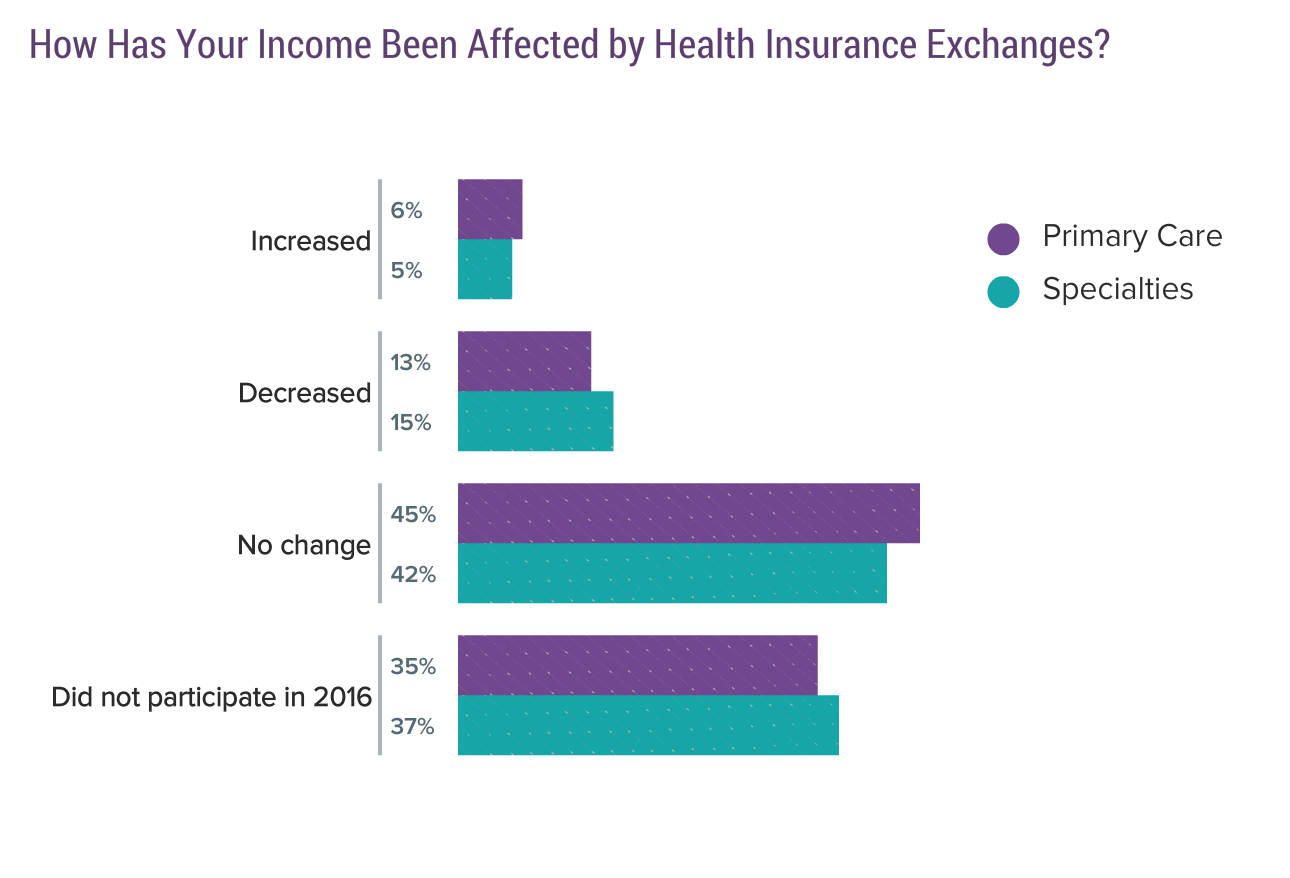
For physicians who have participated in health insurance exchange programs, an investigation was conducted to assess how these programs affected their income. Specialists reported a higher proportion of income decline compared to primary care physicians, at 15% and 13%, respectively.
28. Do you discuss treatment costs with patients?
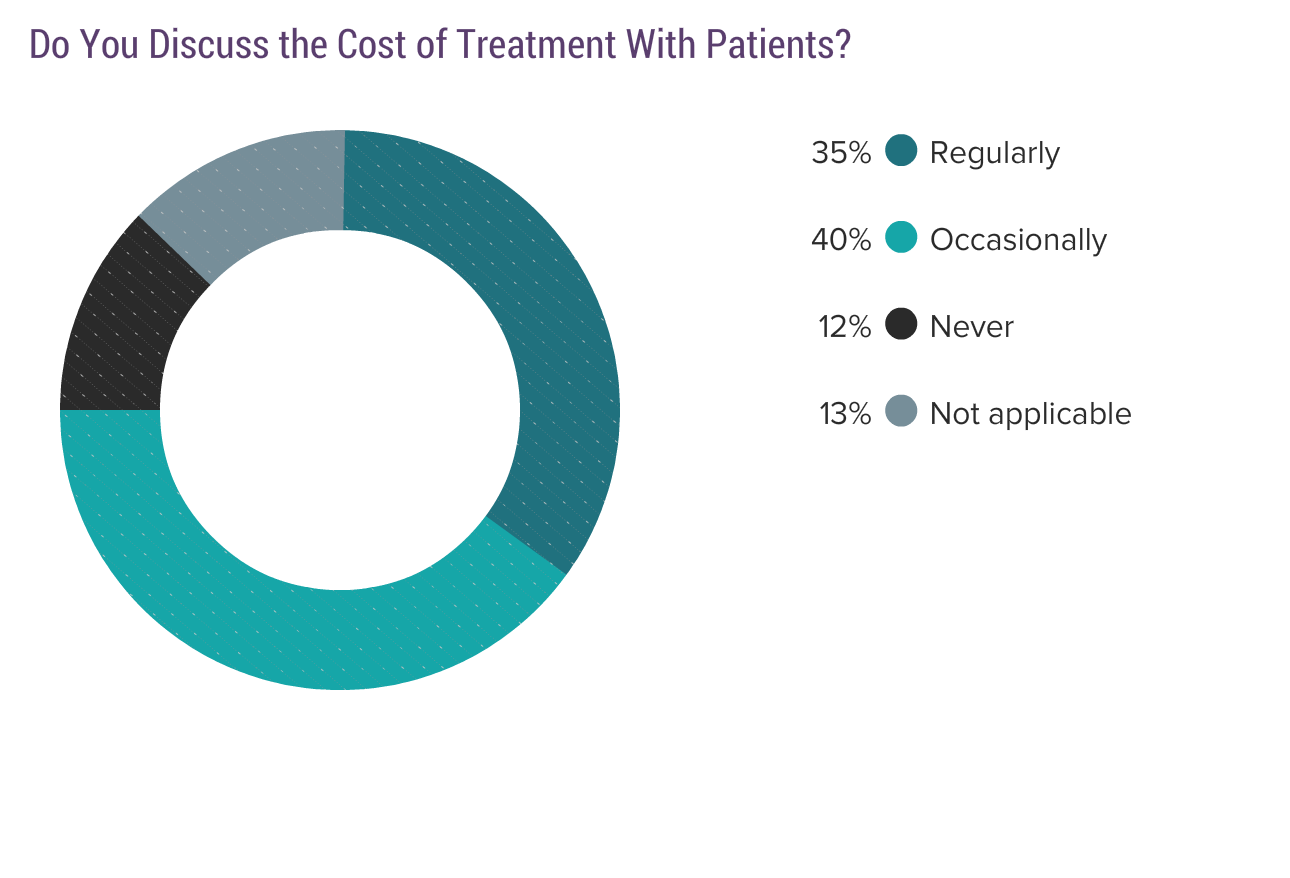
In this year’s survey, 75% of the responding physicians indicated that they frequently or occasionally discuss treatment costs with their patients, representing a decline from the 85% reported in 2016.
29. Will clinic physicians charge patients who miss their appointments?
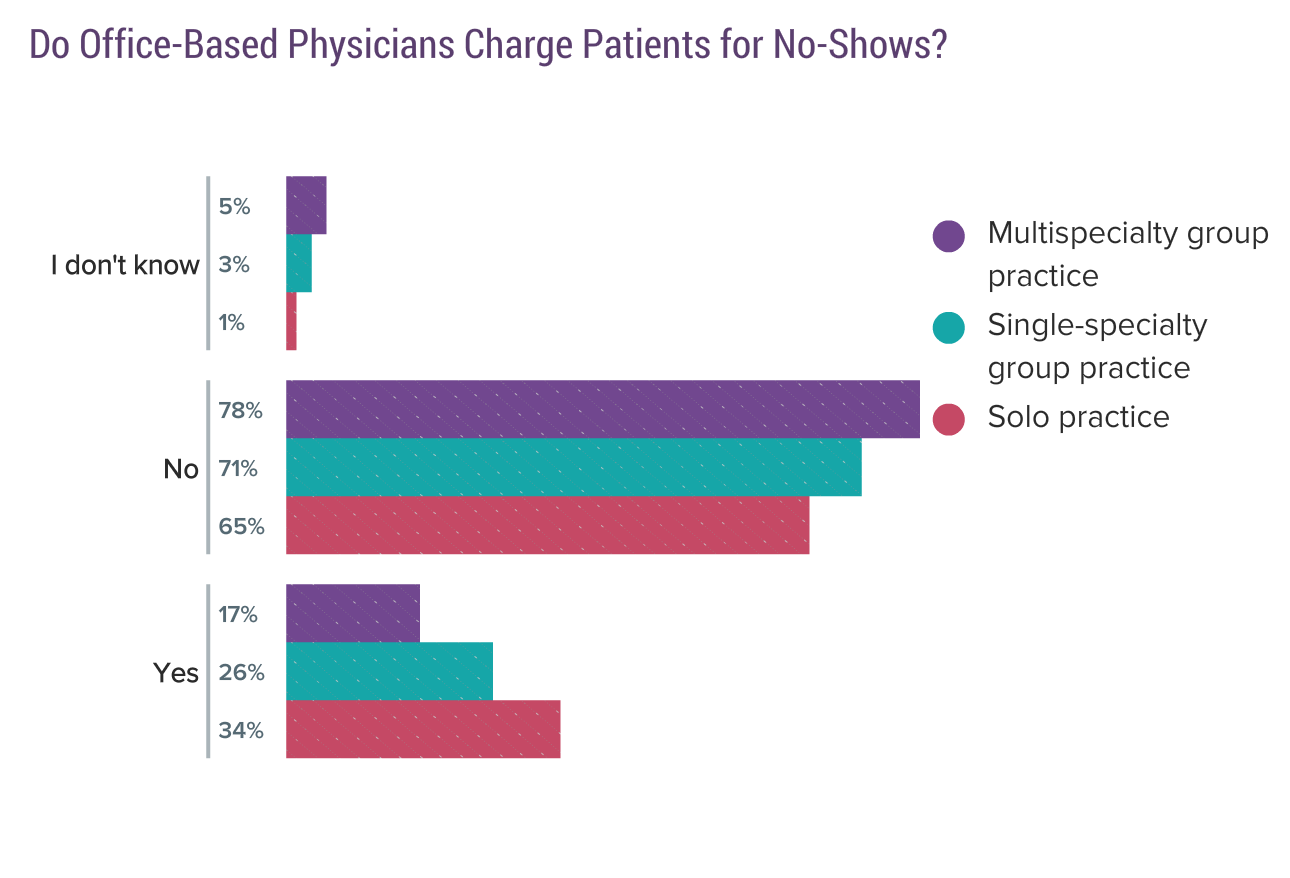
This year’s survey results indicate that the greater the variety of clinical departments in a clinic, the less likely physicians are to charge patients for missed appointments. More than three-quarters of physicians surveyed in multi-specialty clinics reported that they do not charge for missed appointments, compared with 71% of those in single-specialty clinics and 65% of physicians in independently operated practices. Overall, 72% of physicians do not charge patients for no-show appointments.
30. Average Weekly Consultation Time for Physicians
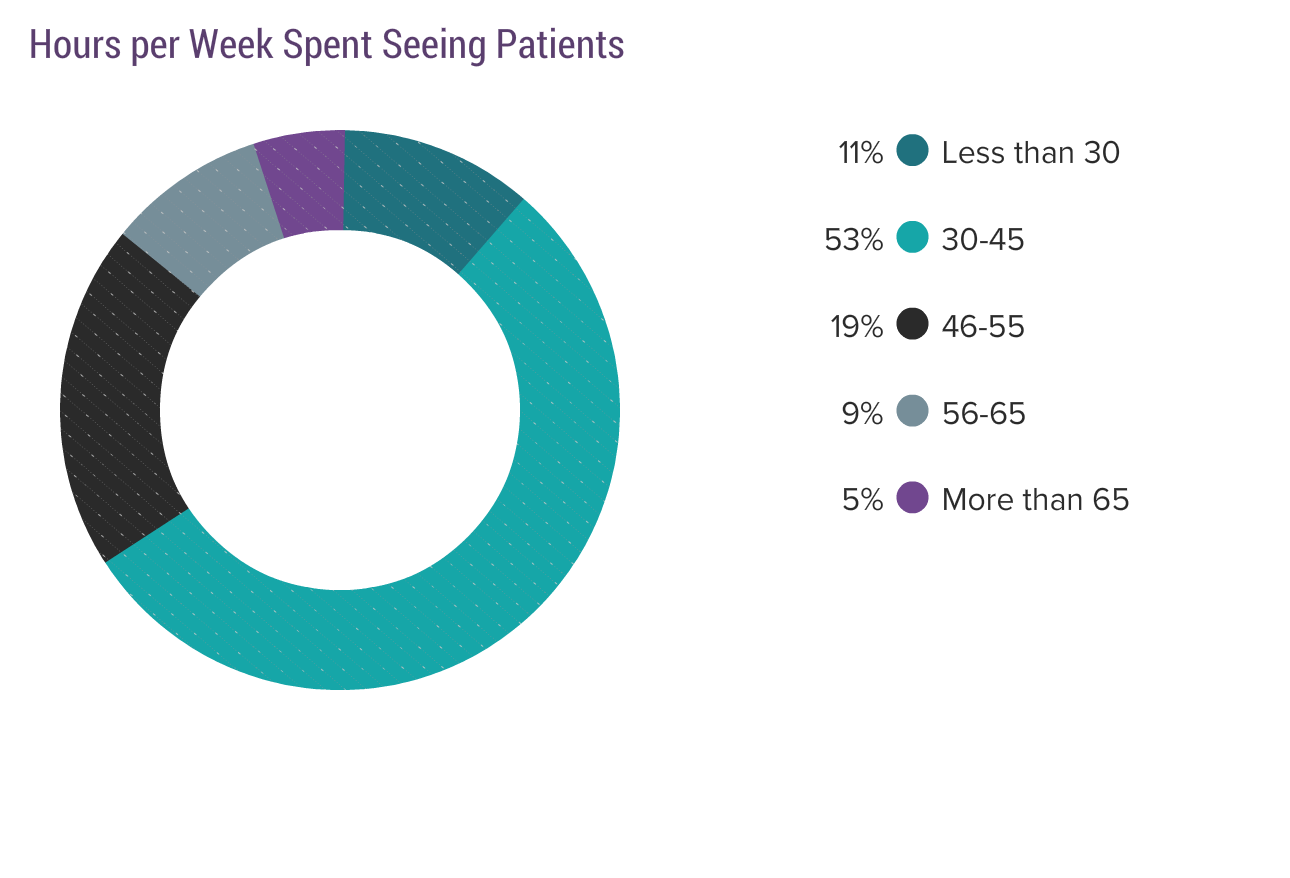
Compared with last year, the average weekly consultation hours for physicians remained largely unchanged. The proportion of surveyed physicians working an average of 46 hours or more per week saw a slight decline, dropping from 35% in 2016 to 33% this year. Meanwhile, the proportion of physicians working between 30 and 45 hours per week increased slightly, rising from 51% last year to 53% this year.
31. Average Consultation Time per Patient
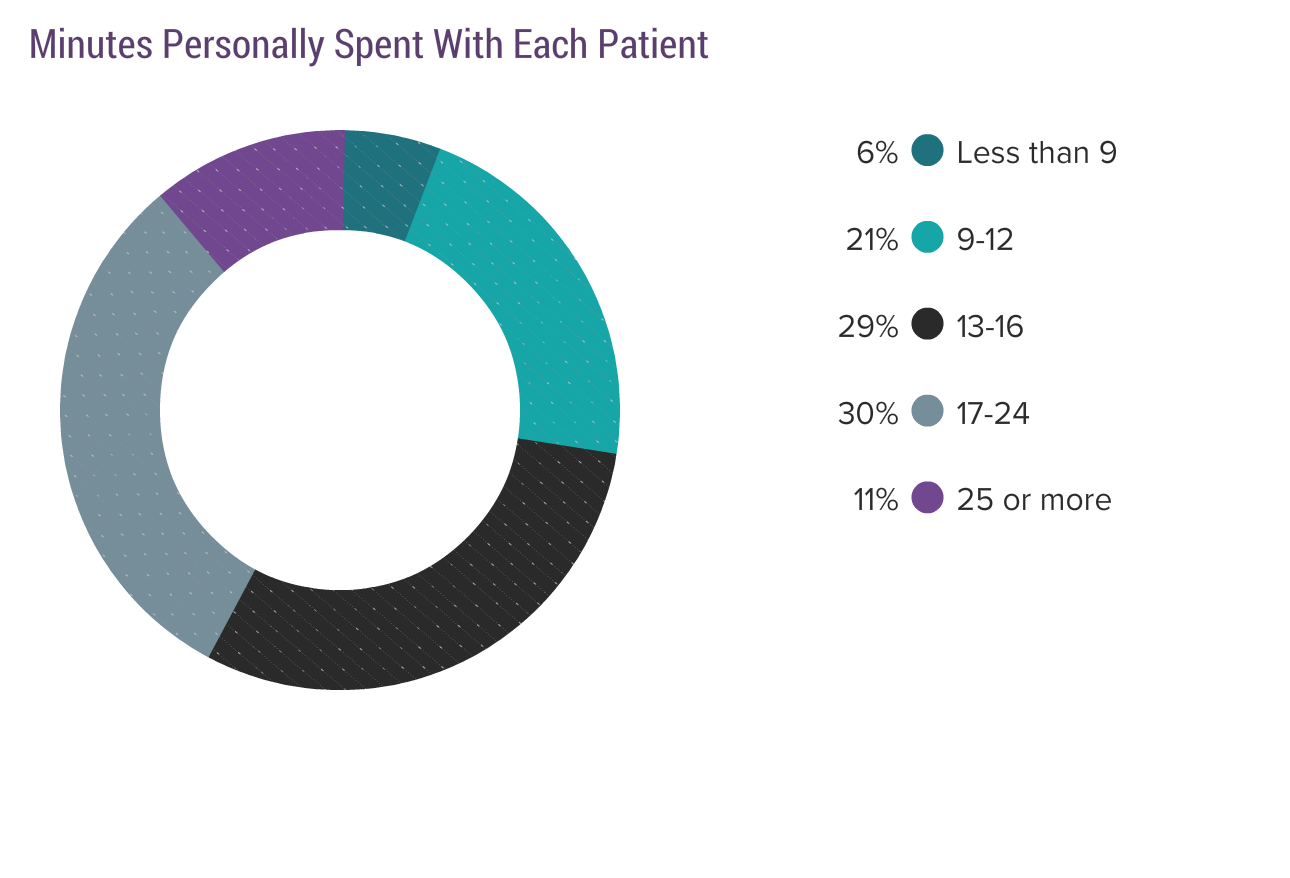
For the majority (59%) of physicians surveyed this year, the average time spent per patient was 13–24 minutes. In the previous year’s survey, gender factors were also included, with 11% of male physicians and 15% of female physicians reporting that they spent 25 minutes or more on each patient consultation. In this year’s results, however, the proportion of physicians spending 25 minutes or more per patient was 11% for both men and women (data in the chart exclude psychiatrists).
32. Average Weekly Time Spent by Physicians on Documentation and Administrative Tasks
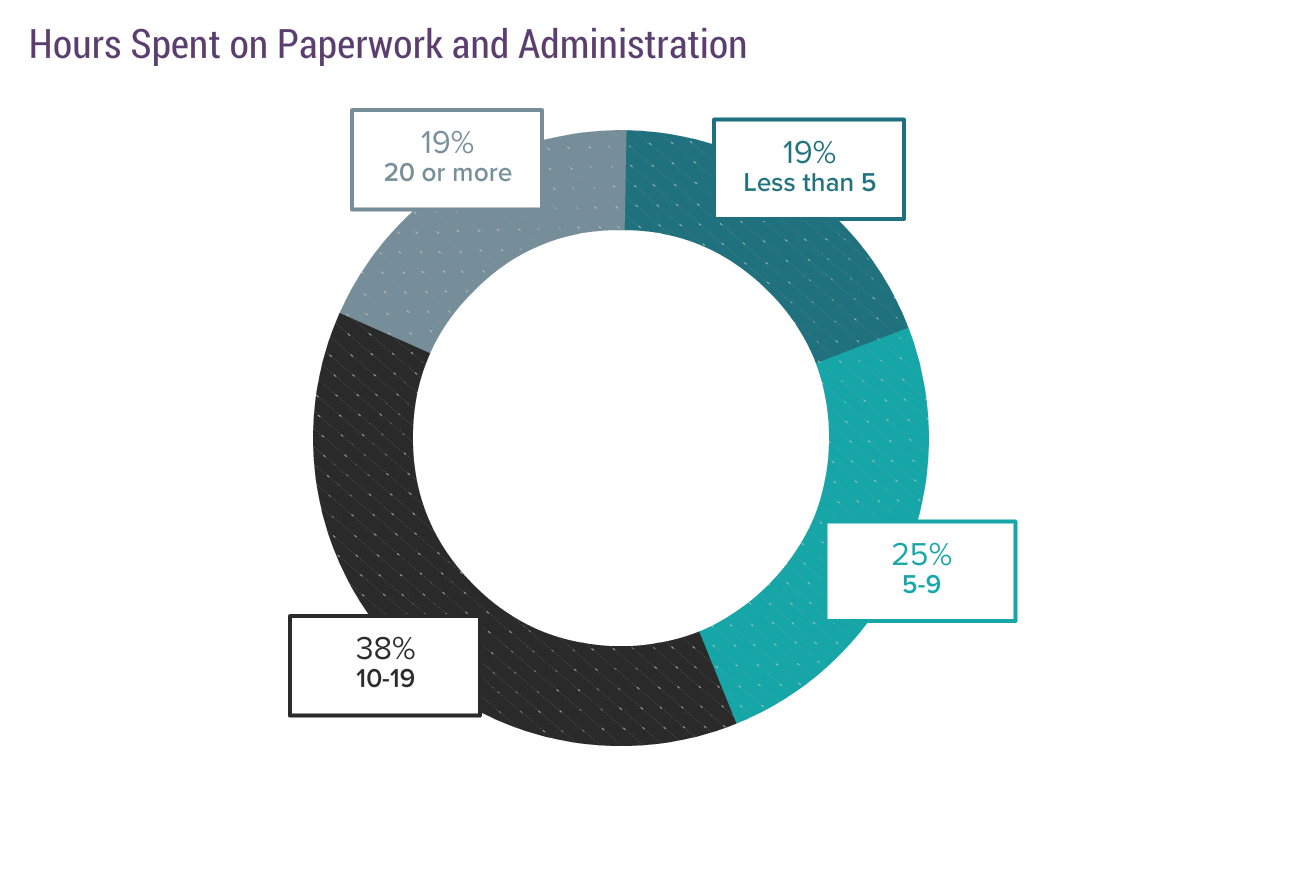
According to the Medscape Lifestyle Report 2017, the primary factor contributing to physician burnout remains excessive administrative and paperwork burdens, with the time spent on such tasks continuing to rise. In the 2014 report, 35% of employed physicians and 26% of self-employed physicians reported spending at least 10 hours per week on paperwork; this year, more than half (57%) of physicians reported dedicating the same amount of time.
33. Proportion of Employed Physicians Expecting Promotion
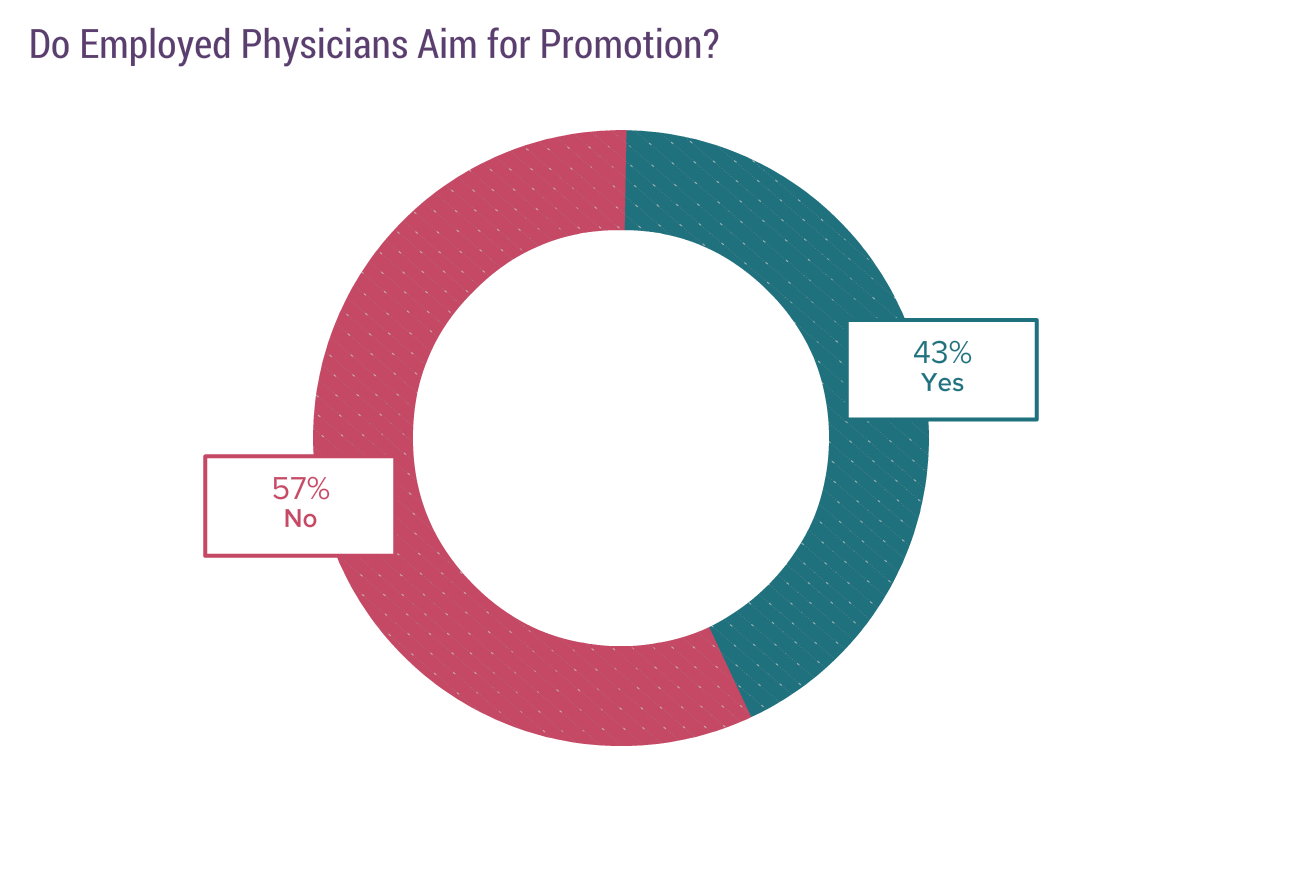
In this year’s survey, fewer than half (43%) of the surveyed employed physicians reported that they were seeking promotion.
34. Gender Differences in Promotion Expectations
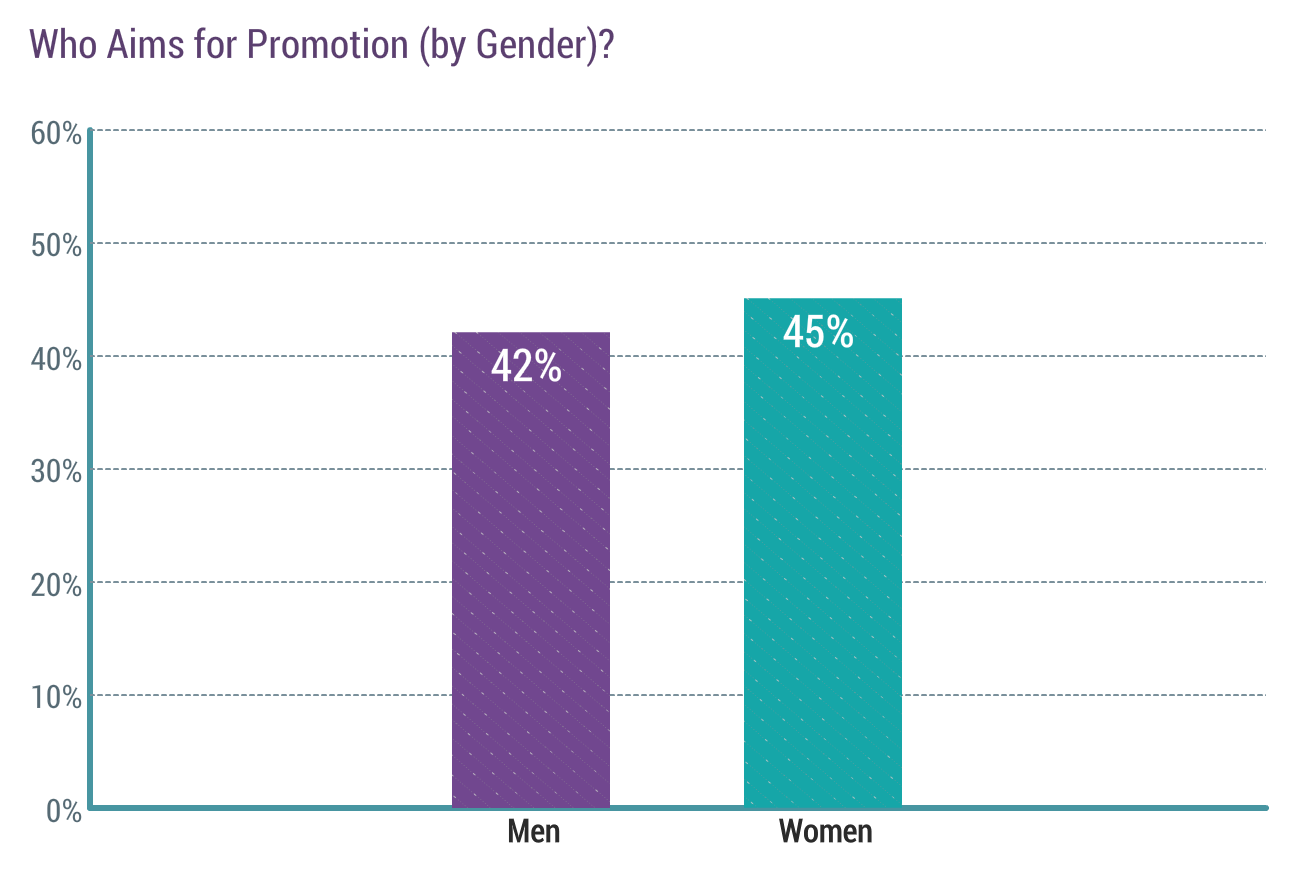
Among employed physicians, gender does not appear to significantly influence promotion expectations. The gap in the proportion of male and female physicians expecting promotion is only 3%, with female physicians (45%) showing a slightly higher expectation than their male counterparts (43%).
35. The Most Rewarding Aspects of Working as a Physician
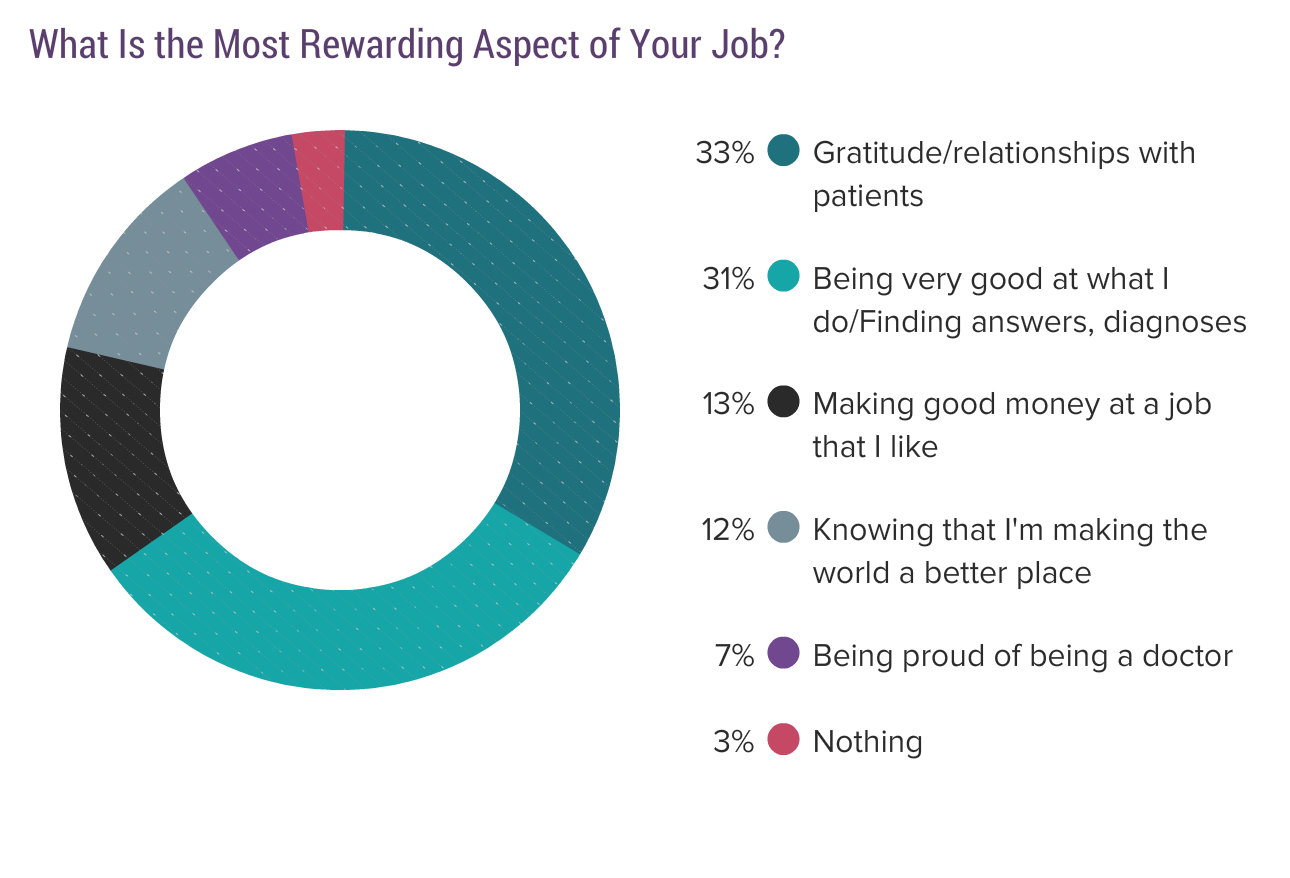
In this year’s survey, 33% of the responding physicians indicated that the harmonious relationships they build with patients and the gratitude expressed by patients are the most rewarding aspects of their work. A similar proportion (31%) reported that being able to engage in work at which they excel is the most rewarding factor. Additionally, 13% of physicians felt that receiving a respectable salary was rewarding, 12% believed they were making the world a better place, and 7% took pride in their profession; these three figures were significantly lower by comparison. A very small minority (3%) of physicians stated that they derived no sense of reward from their work.
36. The Most Headache-Inducing Factors in the Workplace
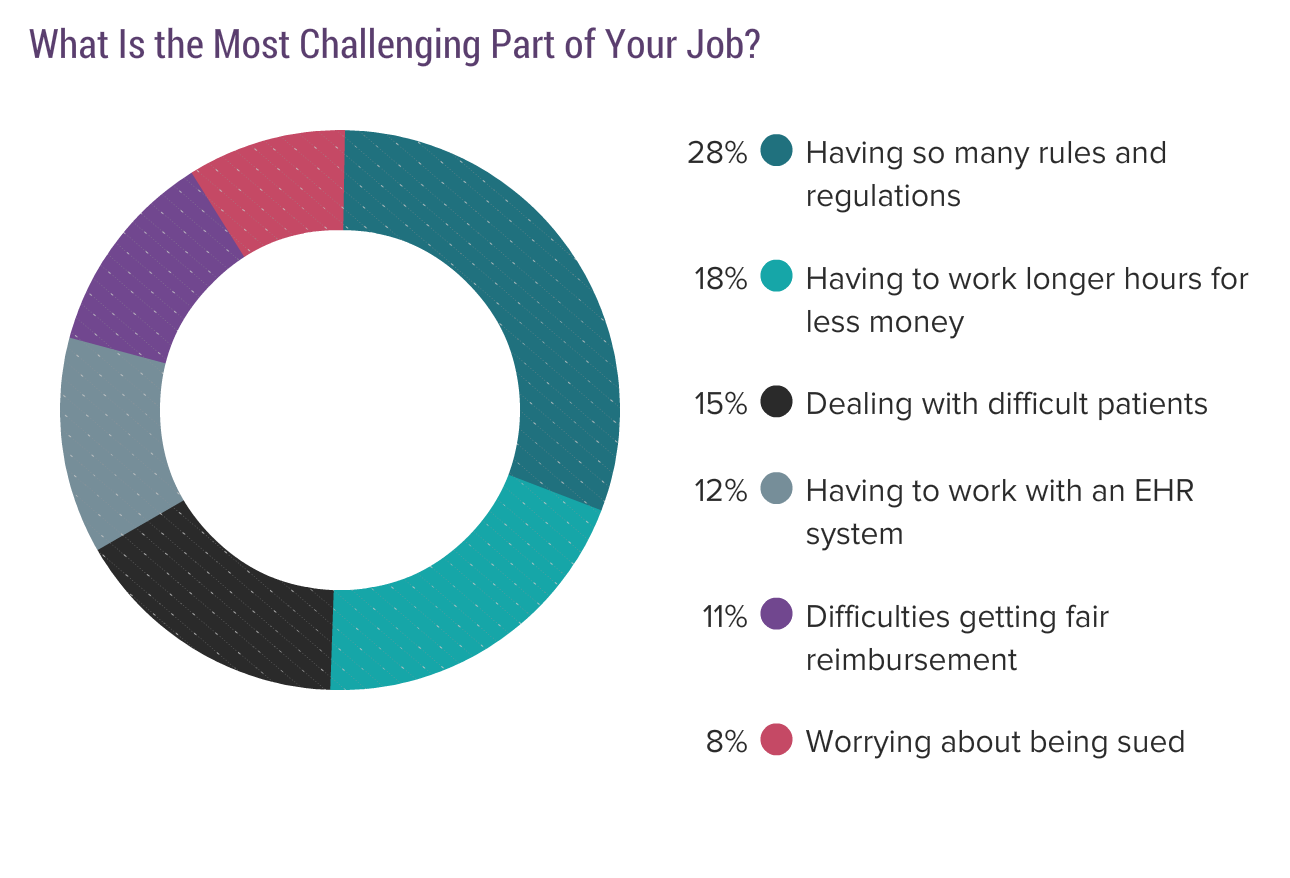
In this year’s Medscape annual report, in addition to assessing physicians’ sense of reward from their work, the survey also asked respondents which aspects of their job they found most challenging. More than one-quarter (28%) of physicians cited excessive bureaucratic red tape as their primary concern. The second most common factor was the mismatch between working hours and compensation (18%), followed closely by dealing with difficult patients (15%).
37. Would You Choose to Practice Medicine Again?
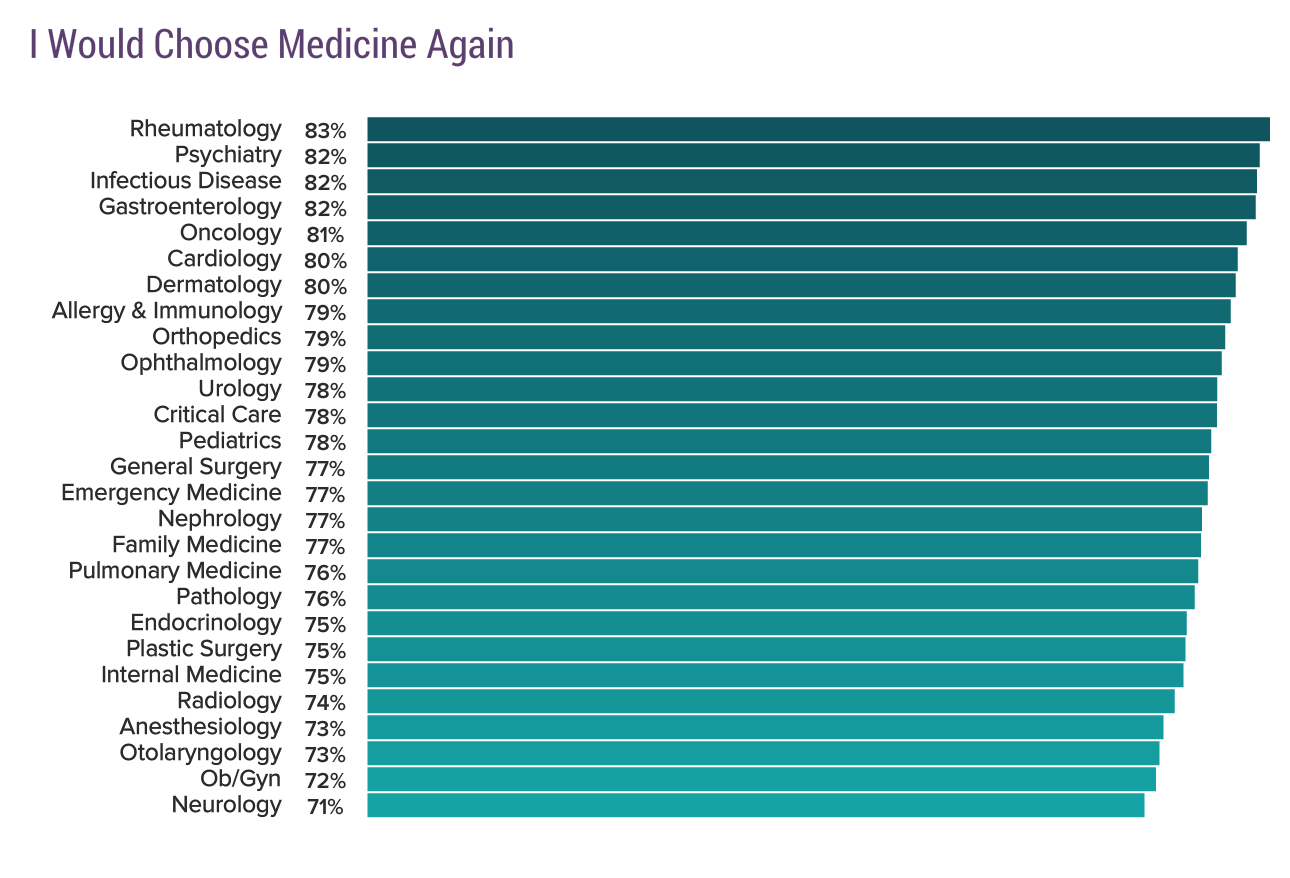
The survey asked respondents whether they would choose to become physicians again if given the opportunity. Among those who answered affirmatively, rheumatologists ranked first (83%), followed by psychiatrists, infectious disease specialists, and gastroenterologists, each at 82%. Overall, 77% of surveyed physicians stated that they would still choose a medical career, with neurologists reporting the lowest proportion (71%).
38. Would you choose this specialty again?
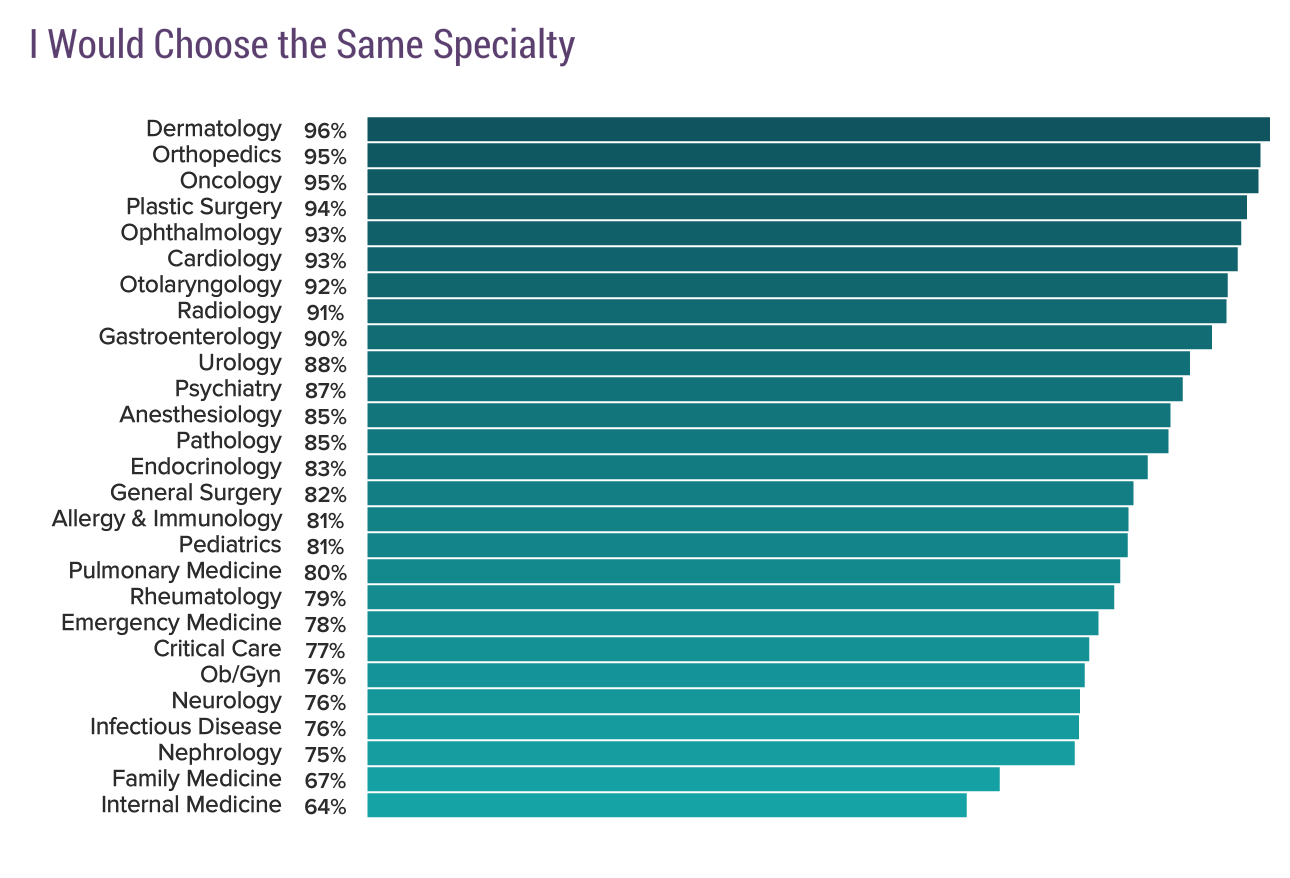
Among the surveyed physicians who remain willing to pursue a medical career, a follow-up question asked whether they would still choose their current specialty if given the opportunity. A striking 96% of dermatologists indicated they would still choose this specialty, while internists (64%) and family physicians (67%) ranked at the bottom of the list.
Sample Size:
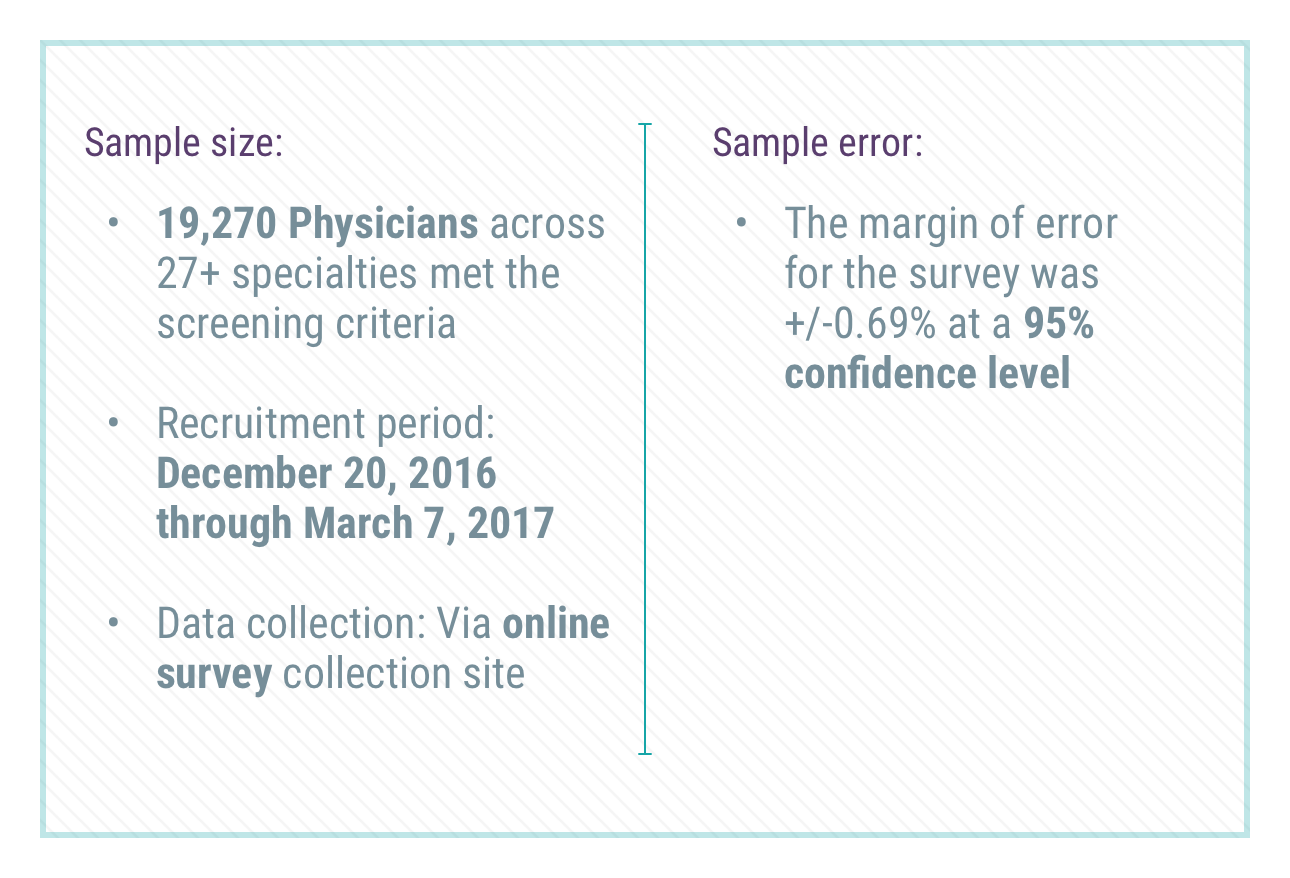
• 19,270 physicians across more than 27 specialties who met the screening criteria
• Survey Period: December 20, 2016 to March 7, 2017
• Data Collection Method: Online Survey
Sample Error:
Confidence level: 95%, margin of error: ±0.69%
Why Do U.S. Physicians Earn Such High Incomes?Where Does the Future of Local Physicians Lie?How Can One Increase Their Income Level?Where Is the Future of Physician Revenue Generation Heading?How Can Physicians Become Partners?The following links compile reports from VCBeat.Case Studies of Doctors’ Entrepreneurship and Revenue Generation. Aiming to light a beacon on your path forward~
Xingxiangyuan: Here, Every Doctor Is an Entrepreneur
Entrepreneurs Say: How Tang Yisheng Tackles the Billion-Level Diabetes Management Market
More valuable insights await your discovery, guaranteed to satisfy your appetite. VCBeat is about to undergo a revamp. Scan the QR code below to follow VCBeat and becomeVCBeat Member.In the new version, you will gain more insights onPractical Course on Revenue Generation and Entrepreneurship for Physicians, more in popular fieldsIndustry Trends Report, andBuilding a Knowledge Map for a Structured Future Healthcare Knowledge System,Equipped with a comprehensive range ofMedical Enterprise Database, of course, and the intellectual exchanges with industry leadersMembers-Only Circle.