

Global Cell Therapy Industry Research: Winds of Change Rising, Strategic Planning Essential to Seize Early Opportunities
In 2015, the capital market witnessed its first wave of thematic interest in precision medicine. As short-term market enthusiasm waned, industry investment returned to a state of calm. Nevertheless, the developmental trajectory of the industry remains irreversible, with technological advancements continuing to progress over the past two years. This report aims to provide forward-looking market predictions by comprehensively reviewing the latest developments in stem cell and immune cell therapies. This is a research report on the cell therapy industry.
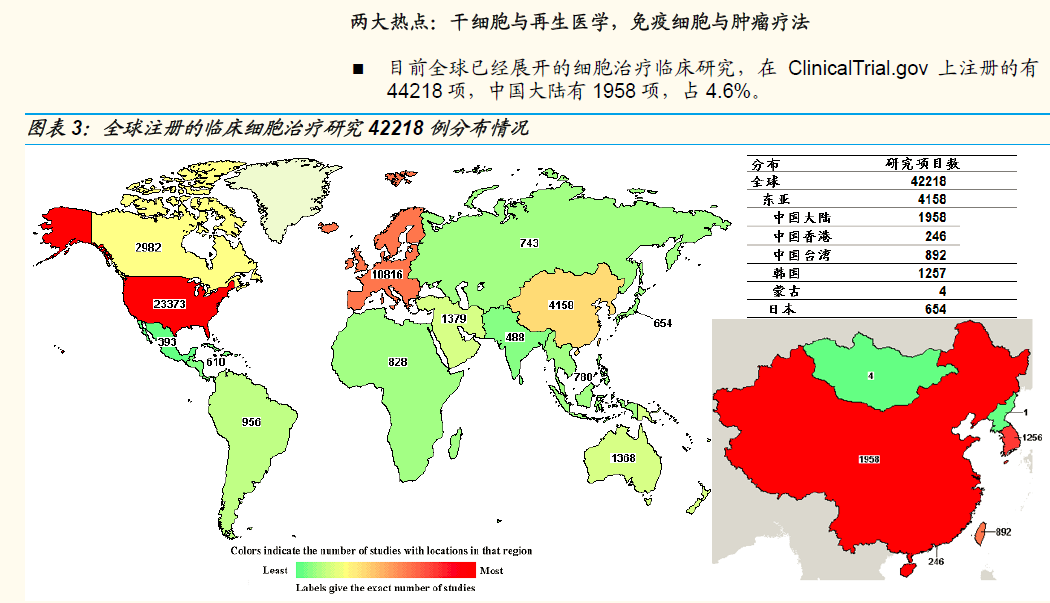
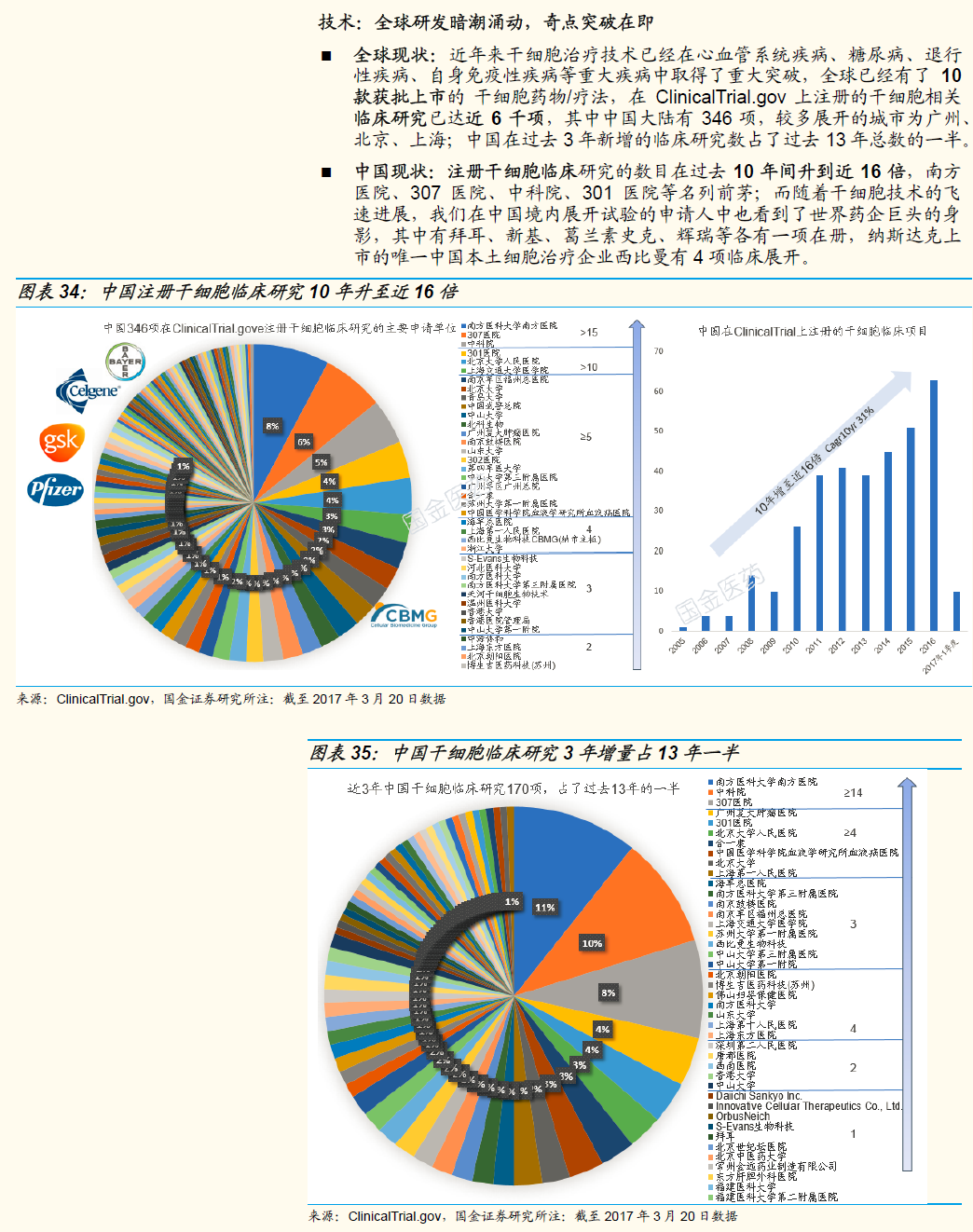
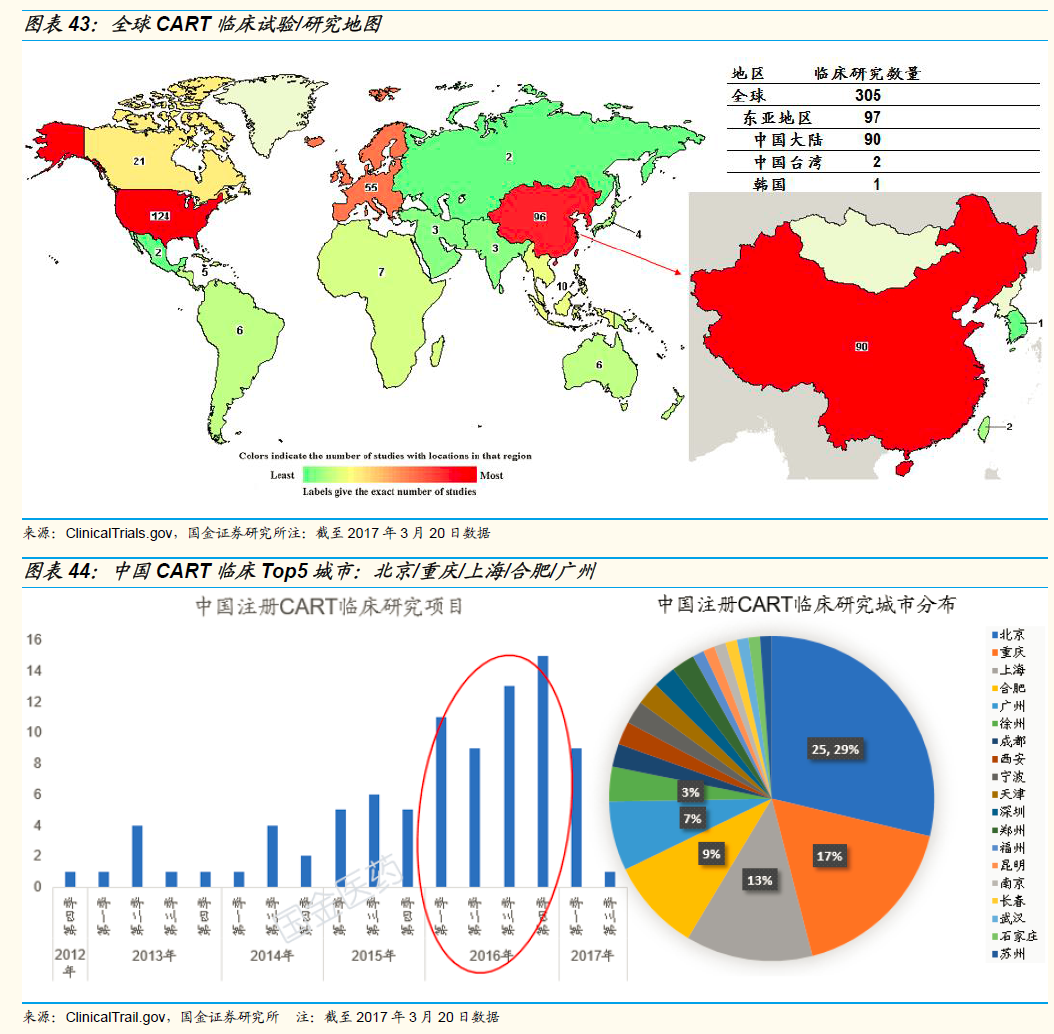
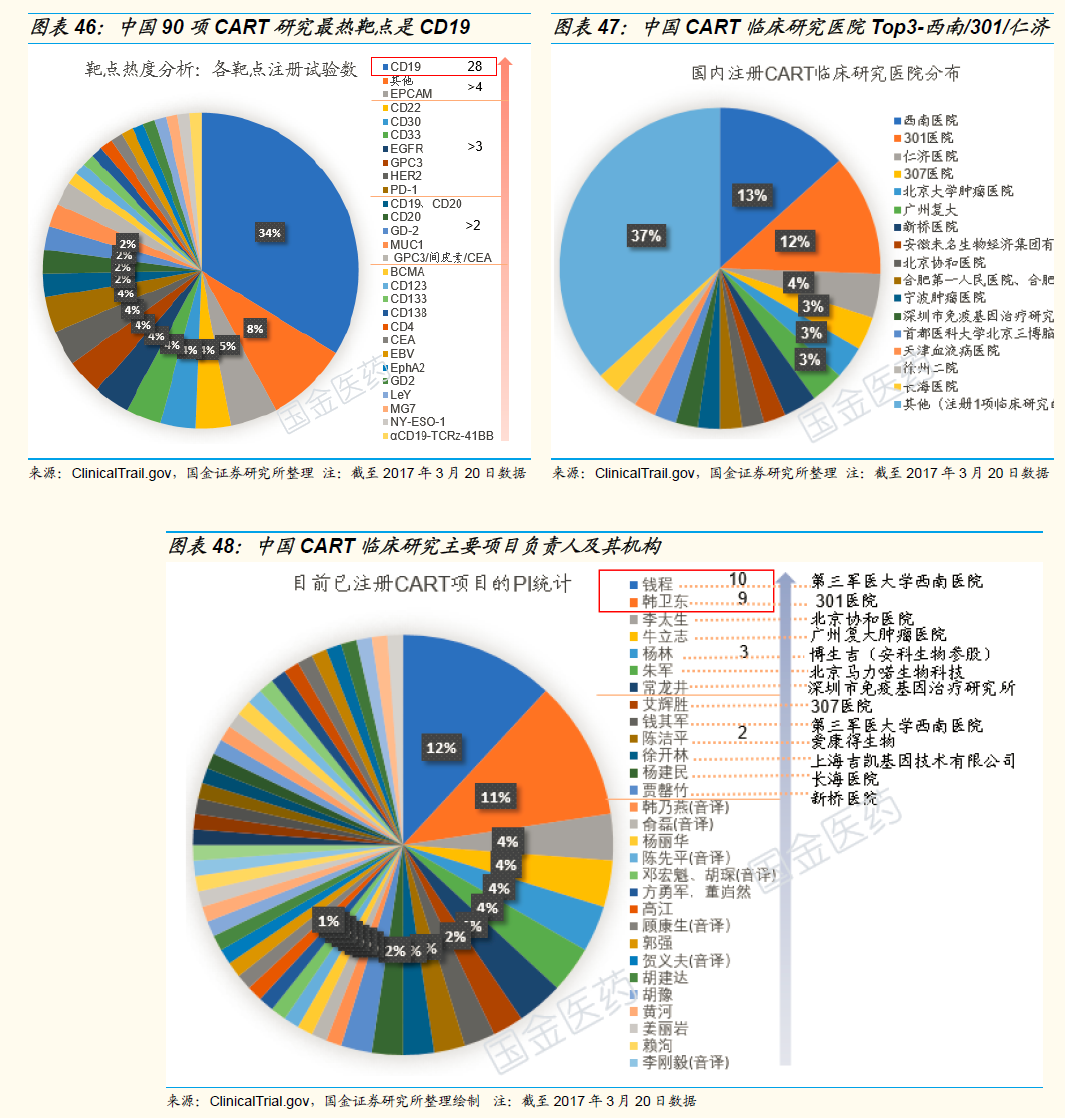
Exclusive Data:The report releases the latest global and China-specific exclusive data on cell therapies, representing the most comprehensive market intelligence available.We reviewed 5,978 stem cell clinical trials and 305 CAR-T therapy clinical trials out of a total of 44,218 cell therapy clinical studies worldwide.Comprehensive analysis of 346 stem cell and 90 CAR-T clinical trials in China, with statistics on all key hospitals, principal investigators, and popular targets.
Exclusive Summary:Systematically reviews the latest advancements in the cell therapy industry,Covers investment targets in markets such as A-shares, U.S. stocks, and South Korea. The report primarily provides an overview of the global and Chinese landscapes for two cell therapy modalities—stem cells and immune cells—including industry chain analysis, technological advancements, and the historical and latest regulatory frameworks. It also conducts individual analyses of the key highlights of dozens of relevant companies globally and in China.
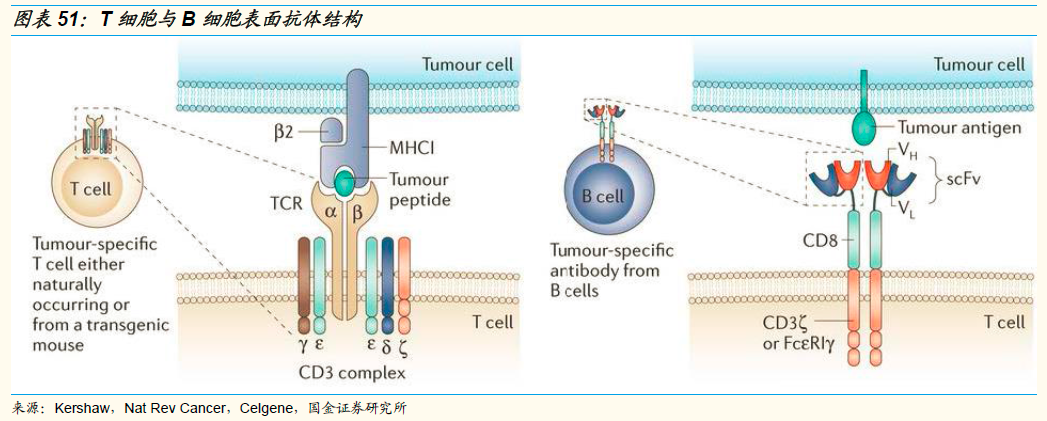
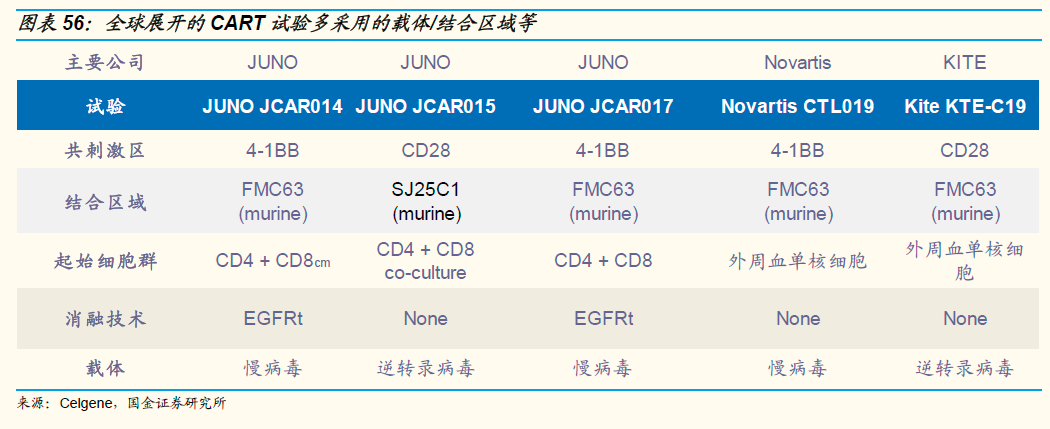
In late March 2017, several milestone events occurred in the global cell therapy industry. The U.S. FDA accepted the Biologics License Applications (BLAs) for the CAR-T therapies from Novartis and Kite Pharma, respectively, signaling that in 2017,Potentially the inaugural year of the first-ever CAR-T therapy market launch in history. Here, CAR-T, simply put, is a therapeutic approach that employs genetic engineering to reprogram human immune cells for the treatment of tumors;
Two years have passed since the capital market’s first wave of thematic interest in precision medicine emerged in 2015, when President Obama first introduced the concept of precision medicine in his State of the Union Address and seven-year-old Emily’s leukemia was cured by CAR-T therapy. Now, this cellular therapy—capable of partially overcoming tumors that are resistant to existing surgical and chemotherapeutic interventions—is poised for market launch. We have therefore prepared this report to provide forward-looking insights.
Intrinsic:The cell therapy industry is on the eve of a singularity breakthrough, with momentum rapidly building.
1. The industry’s advanced nature remains unchanged. Its unique therapeutic efficacy addresses a large volume of unmet medical needs, generating significant interest from both the industrial sector and capital markets;
2. Industry blind spots are gradually being recognized. The industry has evolved from the early chaotic landscape characterized by a mix of high- and low-quality players, where various concepts in cell therapy were often confused, to a stage where established enterprises have developed a clearer understanding of the relevant industrial chain and profit models, while domestic and international regulatory frameworks have become increasingly well-defined.
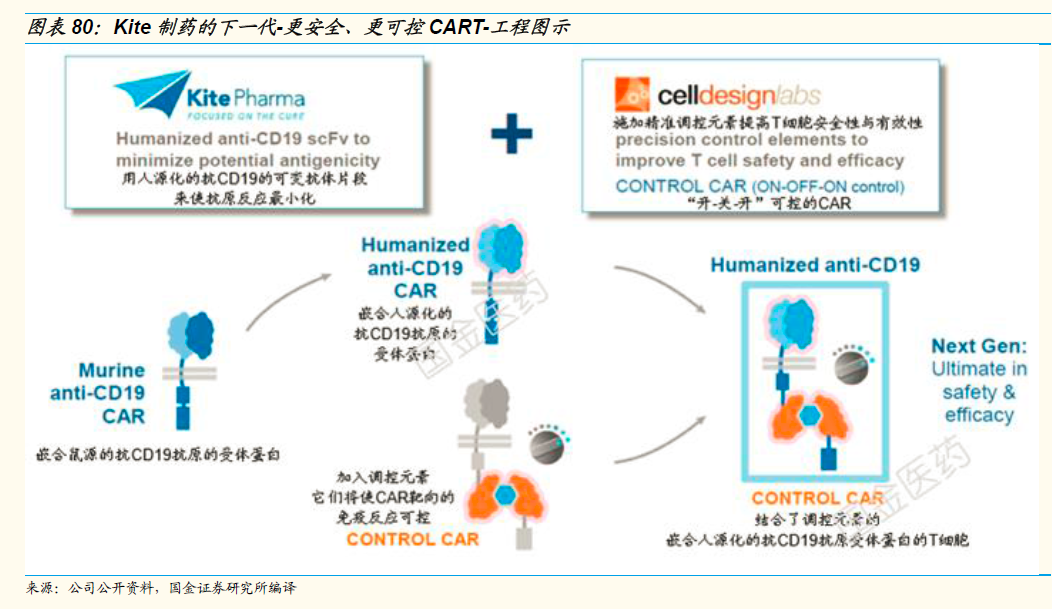
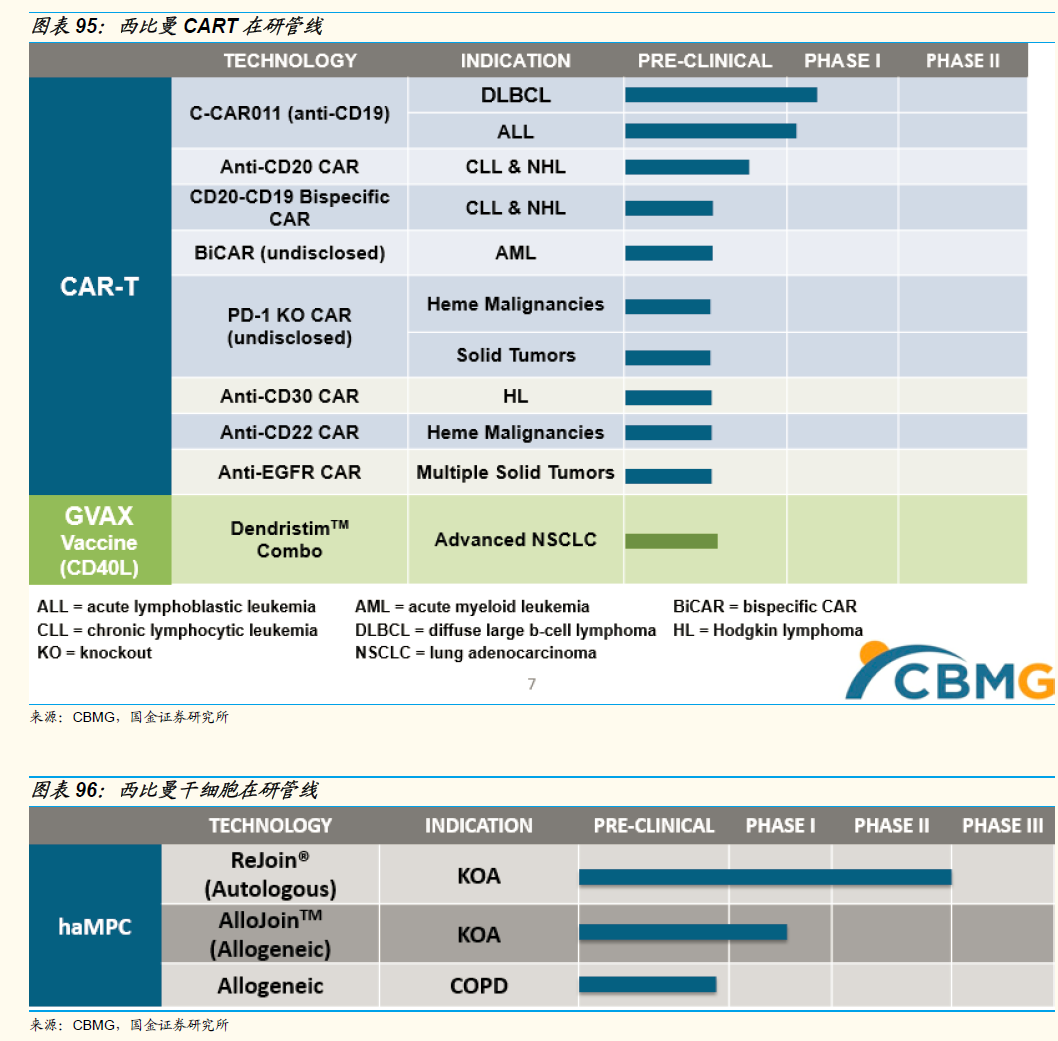
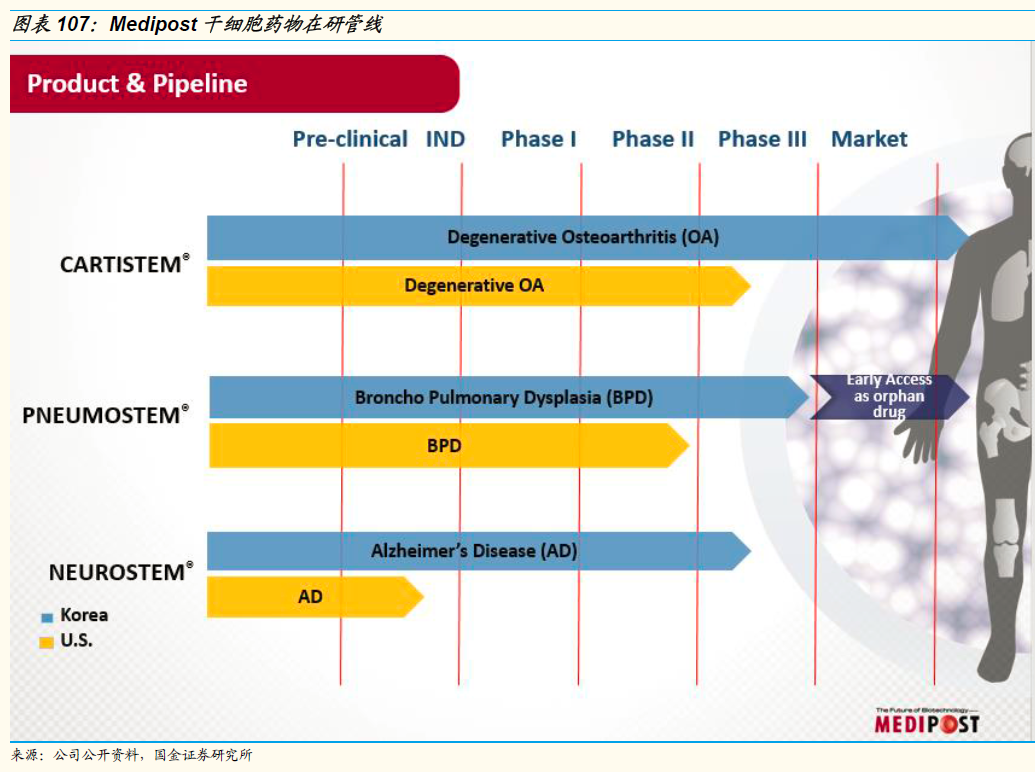
3. The industry’s technology is on the verge of a singularity breakthrough. From the application of Medipost’s stem cell drug in hundreds of hospitals in South Korea and Shinya Yamanaka’s Nobel Prize for iPSCs in Japan in 2012, to the cure of 90-year-old Jimmy Carter’s melanoma with immune cell therapy and Chinese cell therapy company CBMG’s successful listing on the NASDAQ Global Market in 2015, and to KITE Pharma’s rolling submission of the Biologics License Application (BLA) for KTE-C19 to the FDA at the end of 2016, which paved the way for the global launch of the first CAR-T therapy in 2017, cell therapy technologies have been establishing one groundbreaking milestone after another.
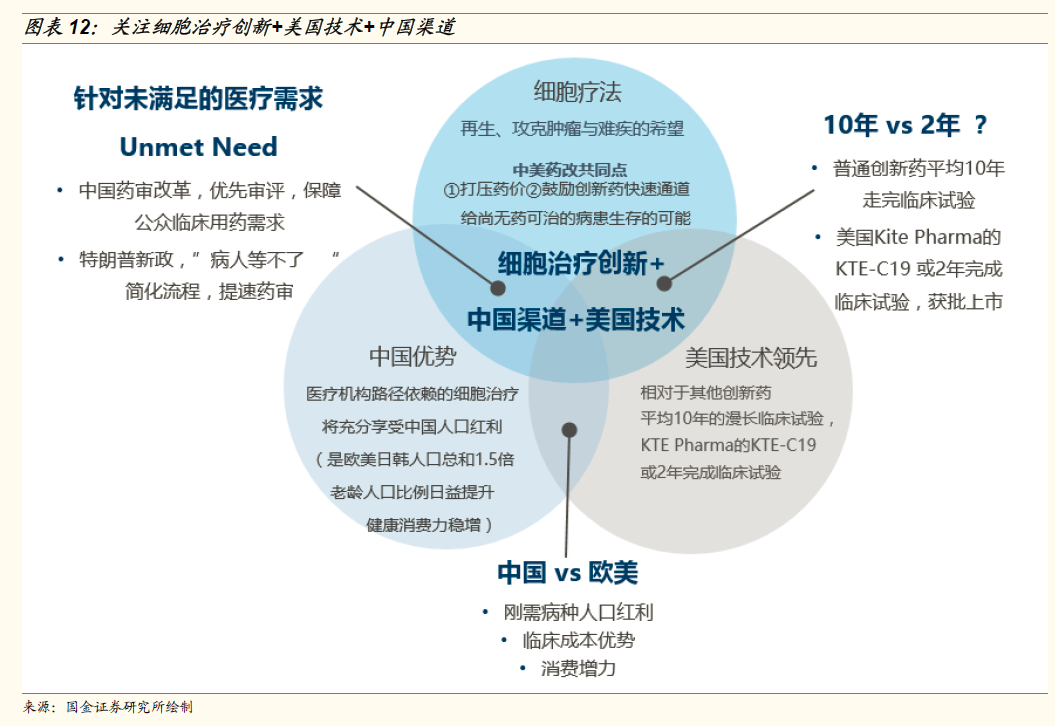
External:Both China and the U.S. healthcare reforms encourage innovative drugs/therapies addressing unmet needs for severe, intractable diseases with no available cures.
1. Global Regulatory Advancement: In the United States, President Obama lifted the ban on stem cell research in 2009, and the National Institutes of Health (NIH) announced the lifting of restrictions on “human-animal chimera” research in 2016. In China, the release of a list comprising 30 stem cell clinical research institutions filed with the National Health and Family Planning Commission and 12 military institutions, the introduction of self-regulatory standards for the stem cell and immune cell industries, and the submission of the first stem cell drug application to the drug regulatory authorities all signify that the industry is poised for a new wave of rapid growth following a significant restructuring.
2. Driven by unmet medical needs of patients: Whether it was China’s establishment of the China National Cord Blood Bank in late 2015 in response to public appeals, or the recently proposed “Right-to-Try” Act in the United States, which grants terminally ill patients greater freedom to access experimental therapies that have undergone only basic safety testing, these developments will accelerate the implementation of innovative therapies.
3. The potential market for cell therapy reaches hundreds of billions of US dollars: As stem cells, immune cells, and other somatic cell therapies achieve therapeutic effects in various fields such as regenerative medicine, oncology, rare diseases, and geriatric conditions that are unattainable with small-molecule drugs and targeted therapies, the global sales market for cell therapy is projected to reach hundreds of billions of US dollars in recent years.
Global collaboration and clinical outcomes falling short of expectations; policy volatility risks arising from sudden short-term safety incidents.
Below is a summary of selected figures and tables. For detailed information, please refer to the main text.
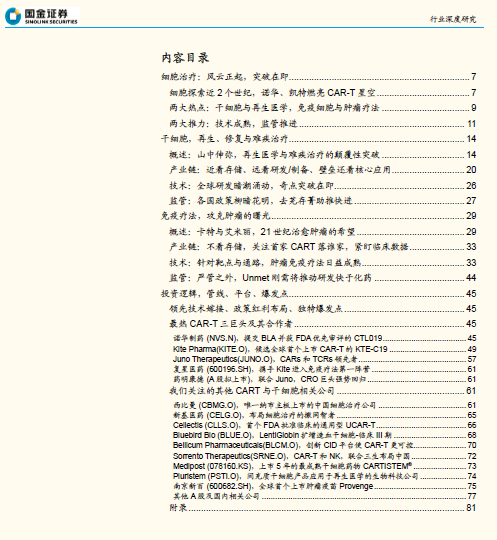
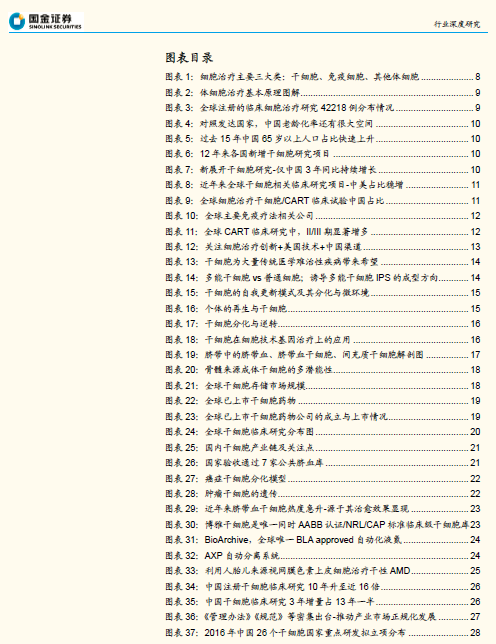
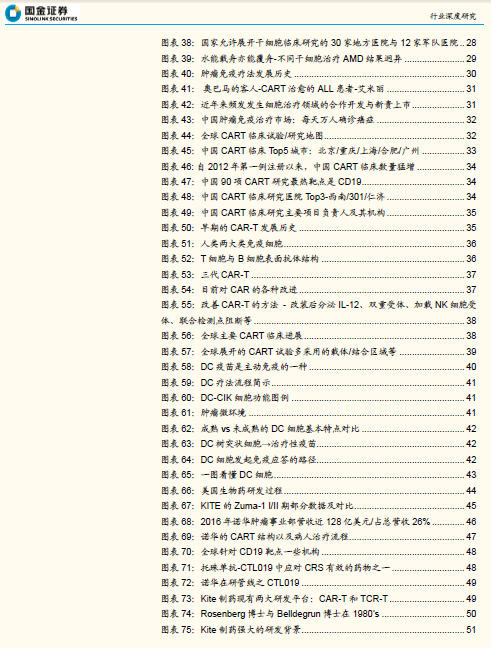
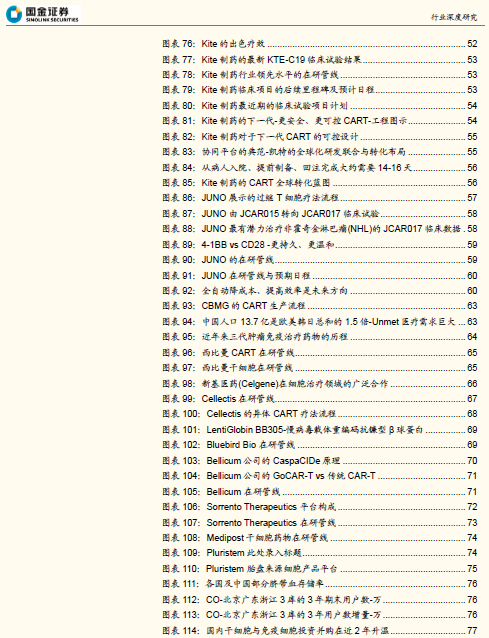


The above content reflects the research perspectives of the Guojin Pharmaceutical Industry Research Center. The companies mentioned do not constitute specific investment advice; please refer to the detailed research report for further information.
Source: Sinolink Securities Pharmaceutical Industry Research Center
[Guojin Securities Pharma - In-Depth Analysis of Cell Therapy] The Storm Is Rising; Strategic Planning Seizes the First-Mover Advantage
Authors: Sinolink Securities Pharmaceutical Industry Research Center, Zhao Haichun, Li Jinglei