

Lianxin Health Combines Traditional Chinese Medicine and AI to Advance Integrated Physical and Mental Healthcare
West Lake Is Abundant with Lotuses! Lotus Leaves Stretch to the Horizon in Endless Green, While Sunlit Lotus Flowers Glow with Exceptional Red!
Lotus Plumule is a traditional Chinese medicine. It refers to the young leaves and embryonic roots found within the mature seeds of the lotus (Nelumbo nucifera), a perennial aquatic herbaceous plant in the family Nymphaeaceae. It has effects such as clearing heart fire and calming liver fire. Lotus Plumule Health derives its name from this ingredient.
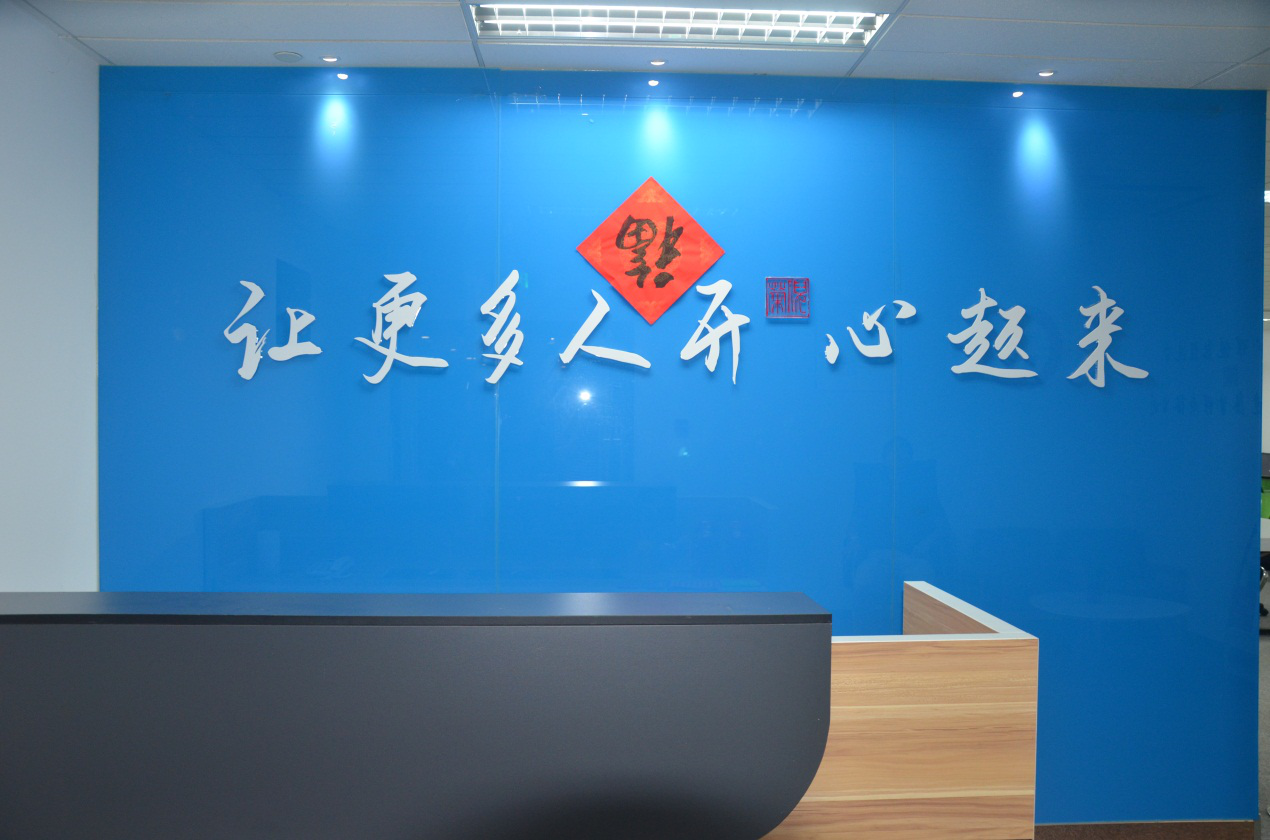
Located on the 5th floor of Xintu Building, Internet of Things Street, Binjiang District, Hangzhou, Zhejiang Lianxin Health greets visitors with a front desk sign featuring blue background and white lettering. The sign displays the handwritten motto by Dr. Ni Rong, founder and enthusiast of traditional Chinese medicine and mental health: “Bring Happiness to More People.” This phrase embodies Lianxin Health’s charitable principle and vision!
She primarily develops the TCM Syndrome Differentiation and Treatment Cloud Platform + Mental Health Assessment Cloud Platform.
Xuanhu Tai Syndrome Differentiation and Treatment Cloud Platform
Syndrome Differentiation and Treatment is the fundamental principle of Traditional Chinese Medicine (TCM) for understanding and treating diseases, also known as Syndrome Differentiation and Therapeutic Application, which includes two processes: syndrome differentiation and treatment determination.
Traditional Chinese Medicine holds that the manifestations of the same disease vary across different seasons, climatic conditions, and populations. Therefore, treatment must be tailored to the specific symptoms to regulate Qi and strengthen the root cause, while eliminating the pathological focus to address the superficial manifestations.
It is precisely due to this characteristic that the study and clinical practice of Traditional Chinese Medicine (TCM) require a prolonged period of hands-on experience, making the training of TCM practitioners relatively more time-consuming than that of Western medical specialists. Are there methods available to assist TCM practitioners in their learning process and enhance their clinical capabilities? Lianxin Health has embarked on developing such a tool.
Ni Rong is a doctoral supervisor specializing in Preventive Medicine and Health Management. He introduced that the Syndrome Differentiation and Treatment Cloud Platform, developed by Lianxin Health, is an innovative tool integrating Traditional Chinese Medicine (TCM), the Internet, and big data. The platform features a suite of functionalities, including syndrome differentiation and treatment, intelligent prescription generation, electronic medical records, constitution identification, and a TCM knowledge base. Its primary application scenarios target grassroots TCM halls and TCM clinics.
He also cited a specific example: generally, before graduates of Traditional Chinese Medicine (TCM) programs are competent to prescribe independently, they often apprentice under experienced TCM practitioners by copying their prescriptions, thereby learning their strategies and methods for formulating treatments. However, when working at the grassroots level and separated from the mentorship of senior practitioners, they may become hesitant or “afraid” to prescribe. With the cloud-based platform for syndrome differentiation and treatment, however, they gain a scientific auxiliary tool that functions as a highly capable and knowledgeable senior TCM practitioner.
In addition to empowering less experienced physicians to prescribe with confidence while ensuring safety, the tool can also be leveraged by seasoned clinicians to enhance prescribing efficiency.
Traditional Chinese Medicine (TCM) is inherently a discipline built upon the integration of empirical experience. It has been suggested that classic TCM formulas and texts, derived from the extensive accumulation of practical experience by predecessors, can be regarded as a form of big data solution. By combining TCM with modern data processing capabilities, its efficacy can be better leveraged across diverse application scenarios, effectively providing the endorsement of renowned medical experts for each clinical consultation.
Currently, the platform has onboarded nearly 300 primary-level TCM clinics, with a cumulative total of over 800,000 prescriptions generated.
“We won the first prize at the National Primary Healthcare Informatics Innovation Competition, led by the Department of Primary Health Care under the National Health and Family Planning Commission and hosted by Health News. This demonstrates that the system has extensive application scenarios in primary healthcare institutions. Moving forward, we will continue to optimize the platform while focusing on its promotion and adoption, enabling more primary care facilities and traditional Chinese medicine clinics to utilize the system,” Ni Rong told VCBeat.
The Vast Development Potential of Traditional Chinese Medicine
In the interview, Ni Rong also mentioned to VCBeat that there is still significant room for the application of Traditional Chinese Medicine (TCM) at the grassroots level. As a unique part of China’s traditional culture, TCM should leverage modern tools and methods to enable more people to access high-quality healthcare services that are simple, convenient, effective, and affordable.
In fact, the planning policies for Traditional Chinese Medicine (TCM) introduced in recent years have provided a broader platform for TCM modernization and standardization tools, such as syndrome differentiation and treatment, to play a more significant role.
As mentioned in the “13th Five-Year Plan for Traditional Chinese Medicine” issued by the National Administration of Traditional Chinese Medicine, efforts should be made to “strengthen the construction of inheritance studios for renowned senior TCM experts at the grassroots level, achieving coverage in all counties by 2020. Cultivate core TCM professionals at the grassroots level, conduct training on TCM knowledge and skills for incumbent health technicians at the grassroots level, and enhance the quality of grassroots TCM services.”
The “13th Five-Year” Action Plan for the Project to Enhance Traditional Chinese Medicine Service Capacity at the Primary Care Level also stipulates that, by 2020, efforts should be made to ensure that the infrastructure of all county-level TCM hospitals run by the government meets national construction standards; that all community health service institutions, township health centers, and 70% of village clinics possess the capacity to provide TCM services; that more than 85% of community health service centers and more than 70% of township health centers establish TCM comprehensive service areas such as TCM halls and Guoyitang (National Medicine Halls); that more than 85% of county-level general hospitals have standardized TCM departments and herbal pharmacies; that 100% of county-level maternal and child health institutions are able to provide TCM services; and that the proportion of TCM consultations in the total number of consultations at primary care medical and health institutions reaches 30% during the “13th Five-Year Plan” period, among other targets.
“With such favorable policies, we hope to continuously strengthen the service capacity of Traditional Chinese Medicine (TCM). In addition to prioritizing talent development, auxiliary tools such as syndrome differentiation and treatment should also facilitate policy implementation and robustly promote the sustainable development of TCM.” Ni Rong, who was commissioned by the National Administration of Traditional Chinese Medicine to lead the drafting of the “Internet + TCM” policy document, specifically pointed out that technical means should play a unique role in bridging TCM theory and application.
Data from the white paper "Traditional Chinese Medicine in China" indicates that annual TCM consultations in China approach 1 billion, with over 26 million discharges from TCM medical and health institutions. Although these figures still lag behind those for Western medicine in terms of consultation and discharge volumes, the growth rates of both indicators exceed the rate of growth in healthcare expenditure, demonstrating increasing social acceptance and awareness of Traditional Chinese Medicine.
Driven by healthcare cost containment measures, growing public awareness of proactive health management, and state incentives for traditional Chinese medicine (TCM), TCM halls and clinics are proliferating across China. Initiatives in this sector are spearheaded by hospitals, publicly listed pharmaceutical companies, physician groups, and other entities. Their efforts have spurred a surge in TCM-focused innovation and entrepreneurship, including standardized information systems, computer-aided diagnostic tools, and platforms for trading Chinese herbal medicines. These developments are continuously advancing TCM toward standardized diagnosis, treatment, and medication practices that transcend empiricism, thereby expanding patients’ healthcare options and meeting diverse, personalized medical needs.
Yuanzhitu Mental Health Assessment System
Ni Rong, the founder of Lianxin Health, is also a renowned psychological expert and the President of the Zhejiang Mental Health Promotion Association.
Since 2011, Ni Rong, together with a group of volunteers, has moderated an online community named “Psychological Lounge,” creating a digital space for open dialogue. In this forum, individuals from all schools of thought and professional backgrounds are welcome to share their feelings and communicate with one another, aiming to alleviate emotional distress, relieve stress, and soothe the mind. The Lounge is not a clinic; while experts and physicians may offer lectures and clarify doubts, members (affectionately referred to as “tongxue”) can also exchange personal experiences, ensuring that everyone interacts on an equal footing.
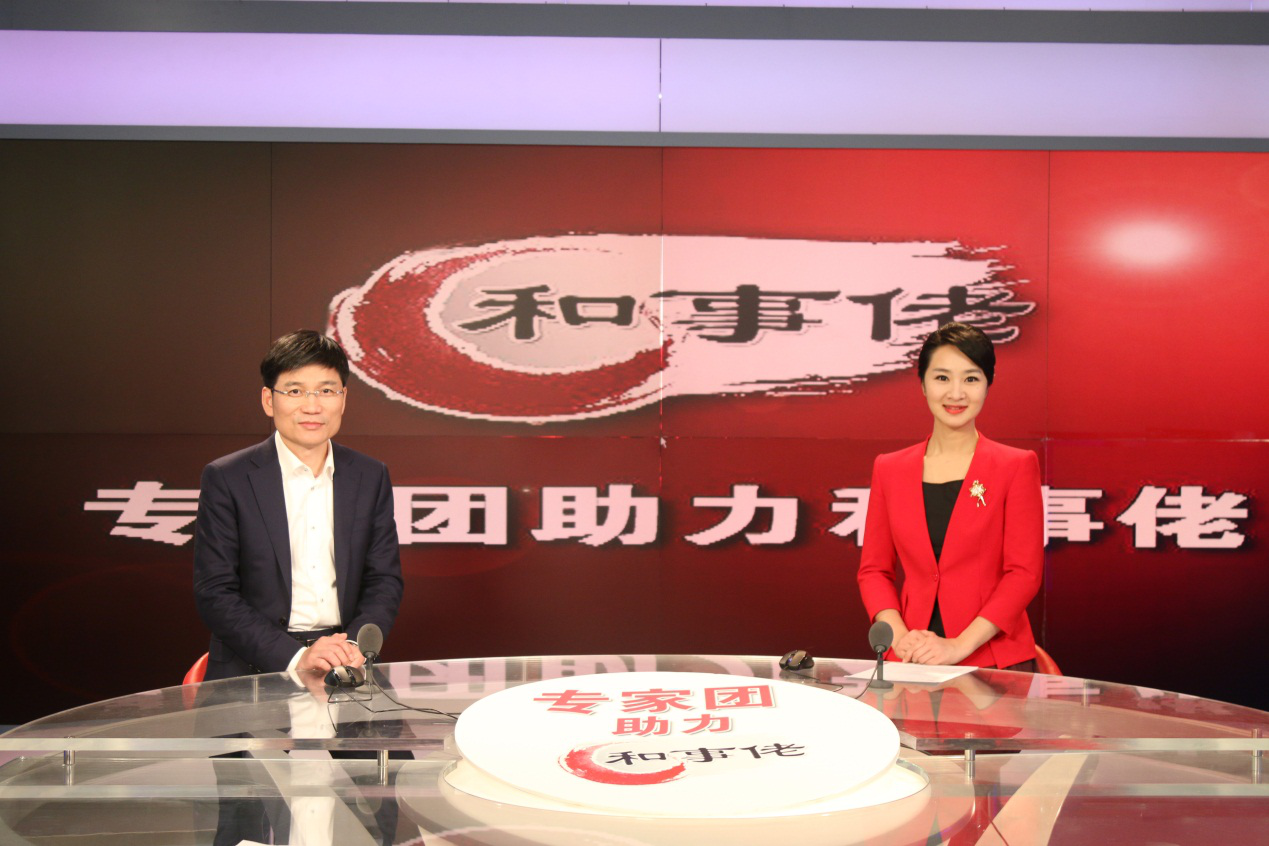
According to surveys by authoritative institutions, the television program with the highest viewership among residents in the Hangzhou area is “The Mediator” on the West Lake Pearl Channel. Ni Rong is also a renowned psychological commentary expert for the “The Mediator” program.
Consequently, mental health assessments have also become one of Lianxin Health’s core businesses.
Polygala tenuifolia, a traditional Chinese medicinal herb known for its calming and cognition-enhancing properties, is primarily indicated for insomnia with excessive dreaming, forgetfulness, palpitations, and mental confusion caused by disharmony between the heart and kidney.
Recently, Lianxin Health upgraded its former Guardian Star Psychological Assessment System to the Yuanzhitu Cloud Platform for Psychological Evaluation, which includes a series of psychological test scales, such as personality scales, temperament scales, and vocational personality scales. According to Ni Rong, Yuanzhitu is divided into an institutional version and an internet-based version, depending on the application scenario. It is primarily applied in hospitals, counseling and training institutions, enterprises and public institutions, and regional psychological screening programs.
The Yuanzhi Tu platform provides a comprehensive suite of assessment scales and an administrative backend for the four major application scenarios mentioned above. It enables convenient visualization of test results and clear overview of measurement outcomes for participants, which can serve as auxiliary indicators for subsequent diagnosis, treatment, or psychological intervention.
The mission of Yuanzhi Tu is “We understand you better than you do.” Ni Rong also stated, “Scientific measurement tools enable a more precise assessment of mental health status, facilitating timely adjustments and interventions, while also serving as an aid to decision-making.”
Regarding the development of this business segment, Ni Rong stated that the company will continue to diversify the types of scales and expand their application scenarios. “We aim to encourage more people to prioritize mental health and utilize scientific tools for assessment.”
It is worth mentioning that, in accordance with the spirit of the “Supplementary Notice on Comprehensively Establishing a System for Psychological Crisis Identification and Intervention Among Primary and Secondary School Students” issued by the Zhejiang Provincial Guidance Center for Mental Health Education in Primary and Secondary Schools, Ni Rong’s team has developed a public-welfare psychological assessment platform named the Zhejiang Province Primary and Secondary School Students’ Mental Health Watch Program. This platform provides free biannual psychological screenings for primary and secondary school students. According to Ni Rong, as of now, hundreds of primary and secondary schools have joined this public-welfare psychological assessment platform, and hundreds of thousands of students have undergone assessments.
Here, Lianxin Health is steadily realizing its public welfare vision of treating the root causes of disease through Traditional Chinese Medicine syndrome differentiation and addressing mental health conditions through psychological assessments, thereby bringing happiness to more people.