

Seven Traditional Hospital Presidents Transition to Internet Hospital Leadership: Management Insights and Strategic Innovations
Since its launch in December 2015, the Wuzhen Internet Hospital gained widespread acclaim after being mentioned in President Xi’s speech at the Second World Internet Conference.
Over the past year, internet hospitals have flourished across China. As of March 20, 2017, the number of internet hospitals in China had increased to 79, with 48 already operational and 31 under construction. The total number is expected to exceed 100 by the end of 2017.
Last November, VCBeat also conducted in-depth industry research on the hot topic of internet hospitals and released the “Internet Hospital Report.”
Based on the current landscape of internet hospitals in the market, the primary entities responsible for their development fall into three categories: government-led, hospital-led, and enterprise-led models.
Among them, the government-led model refers to regional tiered diagnosis and treatment platforms established under the support and guidance of government departments at all levels, such as Wuzhen Internet Hospital, Sichuan Internet Hospital, and Ningxia Internet Hospital.
Hospital-led development model refers to a remote consultation platform upgraded from the hospital’s existing information infrastructure, primarily serving patients within the hospital or its medical consortium. Examples include the Internet Hospital of The First Affiliated Hospital, Zhejiang University School of Medicine; the Guangdong Provincial Network Hospital established by the Second People's Hospital of Guangdong Province; and West China Second University Hospital of Sichuan University.
Enterprise-led model, which serves patients through partnerships with one or more offline physical hospitals, such as 39 Internet Hospital, Alibaba Health Online Hospital, Haodafu Yinchuan Smart Internet Hospital, and DXY Yinchuan Internet Hospital.
VCBeat has compiled the perspectives and management insights of leaders from some of these three types of internet hospitals, categorizing them into: traditional hospital presidents who also serve as internet hospital deans, entrepreneurs who also serve as internet hospital deans, and healthcare professionals who have transitioned into roles as internet hospital deans.
As the most exploratory application under the overarching trend of “Internet + Healthcare,” internet hospitals span multiple disciplines, including medicine, management, and internet technology. Who are the leaders steering these internet hospitals? What are their distinguishing characteristics? How do they manage internet hospitals, and what outcomes have been achieved?
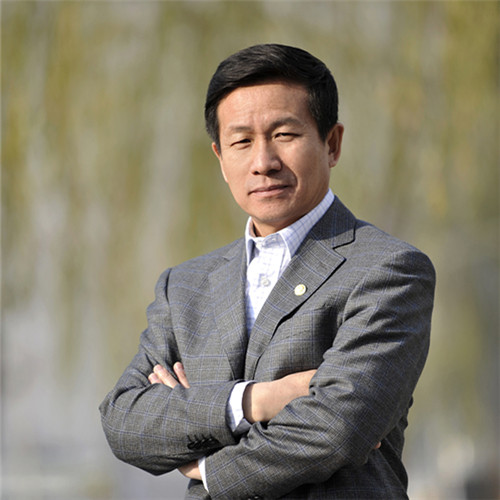
Yang Yinxue, President of Ningxia Internet Hospital
“Hospitals are like swift horses, and the internet turns them into Pegasus; the essence of an internet hospital is still a hospital, with the internet empowering medical institutions at all levels,” Yang Yinxue told VCBeat.
Yang Yinxue has served as the President of the General Hospital of Ningxia Medical University since 2004. Confronted with the challenges of lagging local economic development and the hospital’s overall weak institutional capacity, he demonstrated the courage to “break through” and “draw his sword,” innovating strategies for hospital development and construction by implementing comprehensive, multi-pronged initiatives.
After twelve years of arduous efforts, he transformed the General Hospital of Ningxia Medical University into a regional medical center serving a population of 20 million with a radiation radius of 1,000 kilometers, adjacent to the provinces and autonomous regions of Shaanxi, Gansu, Ningxia, and Inner Mongolia. This has enabled residents in Ningxia and neighboring provinces to access high-quality medical services right at their doorstep.
With the rise of internet hospitals, Ningxia has become a pilot province for national telemedicine policies. On January 15, 2015, the National Development and Reform Commission (NDRC) and the National Health and Family Planning Commission (NHFPC) jointly issued the "Notice on Approving Pilot Telemedicine Policies in Five Provinces and Autonomous Regions Including Ningxia and Yunnan," requiring the establishment of a five-tier hierarchical telemedicine service system covering the entire region, structured as "National–Autonomous Region–City–County–Township." During the 13th Five-Year Plan period, Ningxia vigorously implemented the Healthy Ningxia Construction Project, explicitly aiming to build a regional population health information platform, achieve open sharing of healthcare service information, and improve the telemedicine network system.
Therefore, WeDoctor and the General Hospital of Ningxia Medical University, a leading Grade 3A hospital in Northwest China, jointly established the Ningxia Internet Hospital. By integrating the online and offline strengths of both WeDoctor and the General Hospital of Ningxia Medical University, and prioritizing implementation in Helan, this initiative enables residents of Ningxia to access high-quality medical services from across China without leaving their homes.
“I am deeply honored to have been invited to serve as the President of Ningxia Internet Hospital. I look forward to dedicating my accumulated experience in the healthcare industry, including hospital management, to improving medical access for the public. The establishment of this internet hospital will provide significant convenience and affordability for patients in Ningxia and even across Northwest China,” said Yang Yinxue.
“Leveraging internet hospitals as a key driver, we will standardize quality criteria for diagnostic tests and examinations to enable mutual recognition of clinical results across hospitals. This is Yang Yinxue’s initial objective for the development of Ningxia’s internet hospitals: ‘In the future, residents of Ningxia will no longer need to create separate medical records at different hospitals. Instead, similar to credit records, their complete medical information will be readily accessible to physicians at any hospital.’”
In Yang Yinxue’s view, medical safety can only be guaranteed when internet hospitals are built upon the foundation of physical hospitals. Currently, the General Hospital of Ningxia Medical University has successfully passed the Level 4 Grade A assessment for the “Standardization Maturity of Interconnectivity in National Health and Medical Information” issued by the National Health and Family Planning Commission. It is the first hospital in Northwest China to achieve this certification. The hospital has realized interconnectivity and information sharing with its branch institutions, five municipal hospitals, and the Third People’s Hospital of Yinchuan, greatly facilitating patients’ access to medical care.
For primary healthcare institutions, internet hospitals enable remote medical consultations. When primary care physicians encounter complex or refractory cases beyond their capacity, they can connect with higher-level hospitals. If hospitals in Ningxia are unable to resolve the issues, they can further consult with specialists across China or even abroad.
"In terms of chronic disease management, 'the five major categories of chronic diseases—cardiovascular and cerebrovascular diseases, cancer, diabetes, chronic respiratory diseases, and mental disorders—continue to show an upward trend. Only through internet hospitals can chronic disease management be effectively implemented.'"
Yang Yinxue explained that chronic disease management requires three critical components: standardized examinations, accurately assessed data, and effective population-level interventions. Internet hospitals can unify examination data through information technology, precisely assess data via big data platforms, and compensate for the inability to deliver effective health interventions due to shortages of medical personnel by providing remote diagnosis and treatment.
In the past, physical hospitals had weaknesses in chronic disease management. With the establishment of internet hospitals, Ningxia Internet Hospital has been able to maintain its original physical medical system while also leveraging the advantages of internet hospitals to access more advanced technologies. For Yang Yinxue, his solid experience in hospital management will serve as a strong foundation for the internet hospital. Switching between internet hospitals and physical hospitals is not difficult.
According to his recollection, since the launch of the Ningxia Internet Hospital, 67-year-old Mr. Dong from Changxin Township in Helan County has been the first to reap the benefits of this service. Suffering from an intertrochanteric fracture of the left femur, Mr. Dong received a remotely determined surgical plan through a three-party telemedicine consultation involving experts from Shanghai Changhai Hospital and the First People’s Hospital of Helan County, facilitated by the Ningxia Internet Hospital. By leveraging nationwide medical resources and connecting central hospitals at all levels across Ningxia, the Ningxia Internet Hospital enables more than 6.7 million residents to enjoy various “health benefits,” including appointment scheduling, online payment, shared access to examination and test reports, and health cloud cards. Meanwhile, the Ningxia Internet Hospital can also achieve reverse customization of pharmaceuticals by capitalizing on its scale advantages.
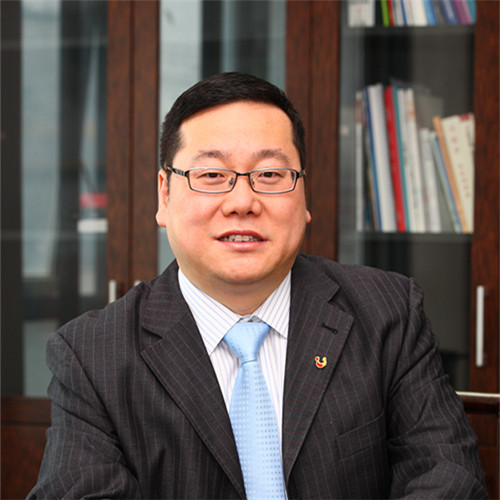
Yu Guangjun, President of Shanghai Children's Internet Hospital
To address the difficulty of registering for pediatric consultations, Yu Guangjun, President of Shanghai Children’s Hospital, took the lead in announcing the launch of a pediatric internet hospital platform in 2016. The “Shanghai Children’s Internet Hospital,” jointly established by Shanghai Children’s Hospital and WeDoctor, was officially put into operation.
For Yu Guangjun, transitioning from a brick-and-mortar hospital to an internet hospital was not a difficult task. With extensive management experience in large tertiary Grade A hospitals, he possesses a profound understanding of hospital operations, healthcare services, pharmaceuticals, internet technology, and operational management. He has long been engaged in theoretical research and practical management in health policy, hospital administration, regional health informatization, and child healthcare.
In recent years, I have been specifically responsible for the organization and implementation of the Shanghai “Medical Union Project” and have conducted a series of studies on regional medical information sharing and hospital information management. In the field of child healthcare, I have organized and carried out research on growth and development monitoring and assessment for preterm infants, as well as on integrated medical-educational intervention models for children with attention deficit hyperactivity disorder (ADHD).
From a management perspective, Yu Guangjun’s transition from relying on past experiential management to current data-driven management represents a significant change. The so-called data monitoring refers to the monitoring of operational indicators, including patient healthcare utilization data, which helps physicians understand patient behavior patterns; clinical information such as diseases, diagnosis and treatment, and laboratory test results, which provide strong support for conducting clinical research and ensuring safety management; and cost-related information, which aids hospital operations and supports government decision-making.
At that time, Yu Guangjun was described by the media as one of the earliest hospital directors to leverage smart terminals and the Internet to enhance healthcare service capabilities, and he was also recognized for his high level of acceptance toward internet-based solutions.
He told VCBeat that the integration of “Internet” and “healthcare” in the market, whether framed as “+Internet” or “Internet+,” is fundamentally about healthcare services. The Internet serves as a tool to address current challenges in the allocation of medical resources and the transmission of medical information.
To address the challenge of "difficulty in accessing medical care," the inherent characteristics of the internet can help resolve certain issues. For instance, patients can now quickly search for relevant medical information and determine which physician is most suitable for their condition, offering great convenience. The internet transcends temporal and spatial barriers, enabling remote medical services that can be delivered through telemedicine and by leveraging fragmented time slots.
The internet will not overturn the entire healthcare industry overnight; rather, it will bring about gradual disruption through incremental innovations. Most importantly, it leverages internet-based approaches to create conditions for reforming the healthcare system. For instance, the internet can facilitate the implementation of tiered diagnosis and treatment. With internet-enabled tools, patient referrals will become more convenient.
The core of internet healthcare lies in leveraging advanced “Internet+” technologies—including cloud computing, big data, artificial intelligence, and the Internet of Things—to address the pain points experienced by both patients and healthcare providers. Its ultimate aim is to enhance value, improve the efficiency and effectiveness of overall health services, and deliver tangible outcomes. This constitutes the essence of internet healthcare.
The most noticeable change is that instead of queuing up in person, patients can now schedule appointments and make payments from home, and consult on minor health issues via their mobile phones. Doctors’ service models have also evolved: they can leverage online platforms to directly manage patient conditions, access medical records, and even facilitate accurate diagnosis and treatment—representing a significant transformation.

Mi Denghai, President of Gansu Internet Hospital
In 2009, Mi Zhonghai was appointed under critical circumstances as the President of the Second People's Hospital of Gansu Province. At that time, the hospital had 600 beds, but its occupancy rate was less than 30%. Patient complaints were incessant, and the hospital’s development had fallen into dire straits.
"New brooms sweep clean." Upon taking office, Middenha’s first move was to launch reforms. After nearly a year of bold and sweeping changes, the once-struggling old hospital was finally revitalized. By the end of that year, hospital staff received their long-overdue full salaries and performance bonuses.
Since then, he has been hailed by colleagues as an idealistic, responsible hospital administrator willing to shoulder heavy burdens, and regarded by patients as a competent physician.
The establishment of the Gansu Internet Hospital further demonstrates Mi Denghai’s determination to reform healthcare.He took the reform of medical service models and allocation systems as a breakthrough point, breaking away from past rigid mechanisms and outdated thinking, and established the principle of “refining and strengthening advantageous disciplines in Western medicine, expanding and developing the distinctive features of Traditional Chinese Medicine (TCM), building a modern integrated TCM-Western medicine mental health center, and unswervingly following the path of integrated TCM-Western medicine development,” exploring and summarizingThe integrated medical service model combining Western medicine, Traditional Chinese Medicine (TCM), and psychology has laid the foundation for the hospital’s medical practices and development direction, achieving a patient trust and satisfaction rate of 98.6%.
The new medical care model, known as the “333 Medical Care Model,” has been explored by the Second Provincial Hospital of Gansu in recent years to adapt to the transformation of the medical paradigm. This model aims to better serve the public by leveraging high-quality medical resources and strong disciplines, particularly through team-based or clustered disciplinary approaches.Namely, it covers three healthcare settings (Physical Examination Department, Outpatient Department, and Inpatient Department), three stages of disease progression (pre-disease stage, established disease stage, and rehabilitation stage), and a tripartite integration of diagnostic and therapeutic approaches (Traditional Chinese Medicine, Western Medicine, and Psychology).
Leveraging “Internet Plus” tools, the Second People’s Hospital and the Integrated Traditional Chinese and Western Medicine Hospital have vigorously promoted the “333 Model.” The overall application of internet hospitals has broad prospects. Initiatives such as “Internet Hospital + Aid to Tibet,” “Internet Hospital + Old Revolutionary Base Areas,” “Internet Hospital + Impoverished Counties,” and “Internet Hospital + Ethnic Minority Regions” can effectively alleviate the difficulties and high costs associated with accessing medical care in impoverished areas. In our Tibetan regions, there are often good intentions but limited capacity; doctors dispatched to these areas frequently find themselves unable to provide adequate care and suffer from sleeplessness due to stress. Through internet-based services, healthcare support for residents in Tibetan areas can be more widely and effectively implemented.
The multi-layered connectivity enabled by internet hospitals has effectively established “medical oases” in Tibetan regions and remote areas, allowing local residents to access specialists from major hospitals through nearby medical facilities or even directly via internet-enabled devices.
Gansu Province’s Internet Hospital has been established and put into operation, effectively reducing patients’ medical burdens and improving their healthcare experience. Meanwhile, the platform helps primary healthcare institutions enhance their diagnostic and treatment capabilities by strengthening professional training for grassroots medical staff through online diagnosis, remote consultations, and web-based training.
By leveraging internet hospital platforms, a two-way referral collaboration mechanism between primary healthcare institutions and higher-level hospitals can be established, enabling networked two-way referral services and helping to form an orderly medical treatment pattern under the tiered diagnosis and treatment system.
Going forward, patients in Gansu Province and even across the Northwest region will be able to register for appointments via mobile phones, iPads, PCs, and other devices on the Gansu Internet Hospital Platform, complete consultations through video calls, and receive services including e-prescribing and medication dispensing.
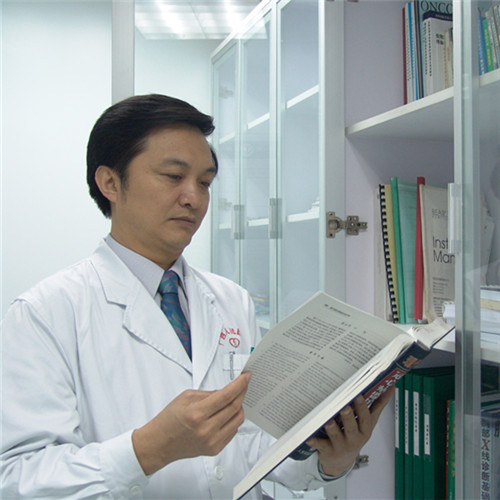
Lin Hui, Dean of Guangxi Internet Hospital
Lin Hui serves as the Dean of Guangxi Internet Hospital and the Executive Vice President of the People’s Hospital of Guangxi Zhuang Autonomous Region. It is reported that the Guangxi Internet Hospital platform adopts the model of Wuzhen Internet Hospital, the first internet hospital in China. This model connects medical institutions and physicians at the provincial, municipal, county, and township levels, enabling patients to access online consultations from home. After registering on the platform via mobile phone or computer, patients can select physicians for online diagnosis and treatment based on their medical conditions.
This platform is an online medical and remote consultation service platform that encompasses a remote diagnosis and treatment system, an electronic prescription and online medical order system, a prescription review system, an electronic medical record (EMR) system, and a settlement system. It is fully integrated with the Hospital Information Systems (HIS) of medical institutions at all levels, enabling a one-stop healthcare experience featuring EMR sharing, online diagnosis and treatment, and medication delivery.
“Internet + Healthcare,” as a national strategy under the government’s top-level design, has been introduced into the healthcare sector. State-led in its implementation, it facilitates cross-sector innovation in the field of healthcare and represents a significant initiative in China’s pharmaceutical and healthcare system reform as well as the innovation of medical service models. This approach promotes more rational resource allocation, ensures higher quality of care, streamlines medical processes, and enhances the efficiency of healthcare services.
In terms of hospital management, Lin Hui proposed that the first step is to break down barriers, specifically those between hospitals. Hospital management must innovate and keep pace with the times by reengineering processes and dismantling silos. A complete outpatient care journey encompasses ten service stages: registration, waiting for consultation, initial consultation, payment, diagnostic tests and examinations, retrieval of results, follow-up consultation, payment again, medication dispensing, and treatment.
By optimizing services across these 10 key areas, hospitals have enhanced medical care in all aspects. For instance, hospitals can monitor medical services throughout the entire process to improve healthcare professionals’ work efficiency; patient care pathways have been streamlined; personalized health management models have been implemented; chronic disease management outcomes have been improved; intelligent public health management has been advanced; emergency response systems (including pre-hospital emergency care and emergency department services) have been strengthened; and medical costs have been reduced.
Lin Hui believes that a mature internet hospital must feature an organic integration of online and offline services, forming a closed-loop management system. This includes small, medium, and large closed loops within the hospital, as well as a nationwide closed loop across China.

Zhang Qunhua, President of Wuzhen Internet Hospital
Zhang Qunhua is the Dean of Wuzhen Internet Hospital, a Professor of Surgery at Shanghai Huashan Hospital, and an expert in hepatobiliary and pancreatic diseases in China, with over thirty years of experience in hospital management and clinical practice.
He believes that the Internet brings convenience to both doctors and patients. Patients’ greatest need is to receive effective treatment within a short period, while the value of doctors lies in delivering quality care. Under the “Internet Plus” model, only the form has changed. He hopes that more doctors will engage with online platforms, disseminating medical knowledge to patients via the Internet, thereby enhancing patients’ sense of gain.
Wuzhen Internet Hospital: “Closer to the People” and a “Gatekeeper.” As a primary care institution, a family doctor platform, and a general practice center, Wuzhen Internet Hospital serves community residents while collaborating with higher-level hospitals.
Triage simple cases to primary care hospitals and refer complex and rare conditions to specialists at tertiary (Grade 3A) hospitals. This approach simultaneously reduces the burden on tertiary hospitals while enhancing their value. From a research perspective, a greater volume of effective clinical cases strengthens the scientific rigor and persuasiveness of research findings; therefore, hospitals and physicians highly welcome our precision appointment service.
Medical safety is a common priority for both tertiary hospitals and internet hospitals. From the perspective of hospital management, the core of internet-based healthcare remains medical care itself, with safety being the most critical attribute. Previously serving in a management role at a tertiary hospital, President Zhang Qunhua’s first initiative upon joining Wuzhen Internet Hospital was to establish a Medical Affairs Center.
The Director of the Medical Center is a highly experienced clinician who has established comprehensive medical standards and protocols for managing clinical practices. These regulations cover online prescribing, teleconsultations, patient-physician connectivity, and complaint resolution, among other areas. The formulation of these policies closely mirrors that of traditional hospitals; without such regulatory frameworks, medical disputes would be highly likely to arise.
From President of a Grade 3A Hospital to President of an Internet Hospital, the greatest challenge for Zhang Qunhua has been the integration of two distinct organizational DNA strands. Internet enterprises carry their own DNA, and traditional hospitals have theirs; merging these two is the most difficult task.
So, the differences are,generated by internet hospitalsInternet DNA.For instance, to bring symptomatic patients to the hospitalFinding the right doctor and enabling precise appointment scheduling—this is the core product offering of internet hospitals. The technology department must design a rational implementation strategy aligned with the workflow.The design of the entire product cannot be implemented in traditional hospitals due to the lack of a technical support team.
Upon joining, Zhang Qunhua first communicated patient and physician needs to the product design team, translated these requirements into product specifications, and ultimately developed them into a product with support from the technical team.
Therefore, the most critical aspect of transitioning from traditional healthcare business management to internet-based healthcare management is achieving the integration of these two distinct operational DNA strands, thereby creating products that are truly accepted by the general public and convenient to use.
Since its opening on December 7, 2015, the Wuzhen Internet Hospital has seen its daily online consultation volume exceed 63,000 visits by March 2017.
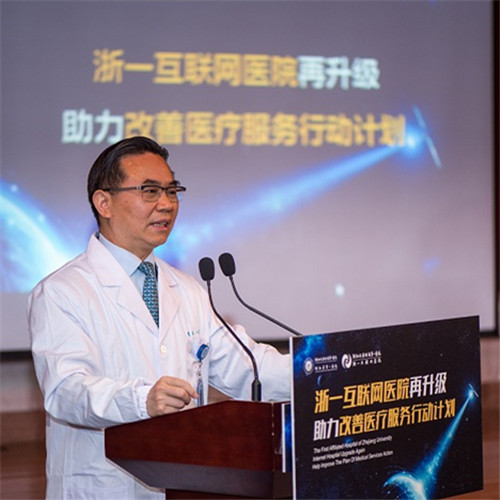
The Internet Hospital of The First Affiliated Hospital, Zhejiang University School of Medicine represents an innovative development from traditional healthcare delivery models to information-based medical services. The hospital currently operates six major digital diagnostic and treatment platforms, including a triage platform, payment platform, referral platform, Internet hospital, medication history platform, and telemedicine system. These initiatives enable medical services to transcend physical spatial constraints and continuously improve in response to patient needs.
In his view, the First Affiliated Hospital of Zhejiang University School of Medicine Internet Hospital is not driven by profit motives, but rather aims to explore the underlying principles and methodologies of internet-based healthcare, fulfilling the industry’s expected role. “Therefore, we established the Internet Hospital Research Institute, which encompasses a design and R&D platform; a medical service and management platform; a logistics and distribution platform; and a legal and public relations platform, to pioneer new explorations within the industry.”
First,Classification based on disease severity, urgency, and treatment complexity,Medical institutions at different levels are responsible for treating different diseases, achieving initial diagnosis at the primary care level and two-way referral.
With the between hospitals"Cloud" Connectivity,Consultations are available at the First Affiliated Hospital, Zhejiang University School of Medicine Internet Hospital.Retrieve your imaging records from primary care hospitals, and receive an authoritative diagnosis from imaging experts at The First Affiliated Hospital, Zhejiang University School of Medicine.
PassedInternet technology and big data transmission are facilitating subspecialty-based consultations, teaching, quality control, and collaborative clinical diagnosis, thereby forming an “Internet + Imaging” closed loop. This approach bridges the gap between doctors and patients, maximizes the realization of “patient-centered” care, deepens case studies among physicians, and establishes an international consultation and collaboration platform to provide patients with more comprehensive and practical medical solutions.
Leverage cloud technology and networking to enable regional electronic prescription review, along with monitoring and early warning of irrational drug use, thereby ensuring that clinical medication is safe, effective, appropriate, and cost-efficient. Standardize medical insurance-related diagnostic and treatment practices, conserve limited healthcare resources, and provide individualized medication assessment, integration, and guidance for patients. This approach safeguards medication safety for individual patients and ensures secure pharmaceutical care.
Since the launch of the First Affiliated Hospital, Zhejiang University School of Medicine (FAHZU) Internet Hospital on February 16, 2016, it has served 10,123 patients, facilitating 9,774 online consultations with renowned experts and 5,670 specialist multidisciplinary consultations. Its patient demographic ranges from two-month-old infants to nonagenarians, including peacekeeping police riot squad members stationed in Liberia, community residents in Hangzhou facing difficulties accessing hospital care, and even disconnected children rescued across geographical barriers.
With the “First Affiliated Hospital, Zhejiang University School of Medicine Internet Hospital,” patients can use their smartphones, iPads, or personal computers to have “face-to-face” remote consultations with specialists and renowned physicians, schedule diagnostic tests, and have medications delivered directly to their homes, regardless of their location. The cumbersome process of queuing for registration and in-person visits that was once required is now easily completed online. Comprehensive services—including triage consultation, remote outpatient care, online payment, test appointment scheduling, inpatient bed reservation, medication delivery, and chronic disease follow-up—are all available, enabling patients to access top-tier tertiary hospital specialists without leaving home.
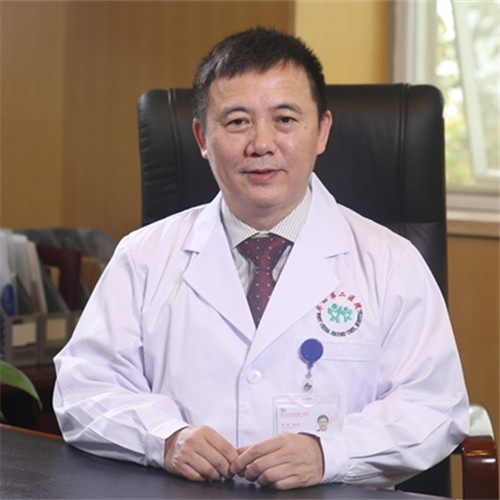
Zhang Lin, President of West China Second University Hospital, Sichuan University
“Internet Hospitals” enable hospitals to better integrate regional medical resources, effectively extend and amplify their healthcare service capabilities, and truly promote the downward allocation of high-quality medical resources. This allows physicians to provide legitimate diagnostic services to patients via online platforms, achieving comprehensive sharing of high-quality medical resources.
In October 2016, West China Second University Hospital of Sichuan University obtained the license for an “Internet Hospital.” As the first Internet hospital in Southwest China, it established the “WeChat Smart Hospital” platform and carried out operations and in-depth innovative service explorations for smart hospitals.
West China Second University Hospital, Sichuan University, has launched a suite of convenient healthcare services on its WeChat Service Account, covering the entire patient journey—including appointment registration, end-to-end payment processing, examination scheduling, report retrieval, online consultations, and post-consultation follow-up.
As the President of West China Second University Hospital, Sichuan University, Zhang Lin also serves as the President of West China Second Internet Hospital. He is a doctoral supervisor, a recipient of the State Council Special Government Allowance, a distinguished young and middle-aged expert recognized by the Ministry of Health, a Cross-Century Talent selected by the Ministry of Education, an academic leader in science and technology in Sichuan Province, Vice Chairman of the Obstetrics and Gynecology Hospital Management Branch of the Chinese Hospital Association, and Designate Chairman of the Sichuan Provincial Medical Ethics Committee.
He graduated from West China University of Medical Sciences in 1987, earning Bachelor’s and Master’s degrees in Medicine. In 1992, he went to Germany to pursue a doctoral degree in medicine, obtaining his M.D. from the University of Mainz in 1995. Subsequently, he conducted postdoctoral research with funding from the German Research Foundation (DFG). He returned to China in 1999 after completing his studies and was exceptionally promoted to Professor in the same year.
Her primary research focus is on immunogenetics and related fields. As the principal investigator, she has led numerous funded projects, including the Preliminary Research Special Project of the Ministry of Science and Technology’s “973” Program, the Thematic Project of the Ministry of Science and Technology’s “863” Program, the Special Project for Fundamental Scientific Work of the Ministry of Science and Technology, the National Natural Science Foundation of China, the Key Project of Scientific and Technological Research of the Ministry of Education, the Doctoral Program Fund of the Ministry of Education (covering priority development areas and key projects), and the Science and Technology Support Program of the Sichuan Provincial Department of Science and Technology.
He has received two First Prizes for Scientific and Technological Progress from Sichuan Province, one Second Prize for Scientific and Technological Progress from the Ministry of Education, and one Second Prize for Medical Achievements from the Chinese People's Liberation Army. He holds six authorized invention patents. He has published more than 130 SCI-indexed papers, served as editor-in-chief for one national textbook included in the “11th Five-Year Plan” curriculum, and contributed as a co-editor to four professional textbooks and monographs. He has supervised more than 50 master’s and doctoral students.
For Zhang Lin, no matter how impressive his past credentials may have been, they are now history. Since assuming leadership of the internet hospital, he has implemented clear medical service policies and pricing guidelines, which not only safeguard the public’s health rights and meet people’s healthcare needs but also ensure the hospital’s public-welfare nature. Furthermore, the establishment of the internet hospital will help reduce physicians’ workload, optimize hospital operations, and drive the institution toward greater mobility, intelligence, and informatization.
Enhanced internal hospital management efficiency through the “Internet + Smart Hospital” model; bridged the gap in medical resources and effectively promoted the extension of high-quality medical resources to the grassroots level.It mainly encompasses two aspects: first, the patient journey, including registration, waiting, and consultation; second, collaborative workflows among hospital physicians and between doctors and patients. The efficiency of these two areas directly impacts the overall operations of the hospital. Therefore, Zhang Lin has prioritized improving efficiency in these two domains.
Since its launch, the WeChat official account has garnered over 850,000 followers, facilitated 820,000 appointment registrations and 570,000 payment transactions, with a cumulative transaction volume of RMB 216 million. WeChat-based transactions account for more than 65% of total outpatient visits, saving patients an average of over 2.5 hours in medical consultation time.
More than 2,000 staff members across the hospital utilize the “Yi Hu Tong” WeChat Enterprise Account platform for mobile office operations. Yi Hu Tong has enabled functionalities such as official document transmission and reception, digital pay slips, leave management, meal ordering, PAC follow-up, conference room booking, internal memorandum distribution, material and document processing, and equipment purchase requisitions. This system saves approximately 30,000 sheets of paper per month in office costs and improves internal administrative efficiency by around 400%.
VCBeat has analyzed the profiles of individuals who serve as both directors of traditional hospitals and heads of internet hospitals, revealing that they not only possess extensive management experience in tertiary-grade A hospitals but also demonstrate bold vision and decisive action. These leaders are open to embracing innovations, applying their deep understanding of hospital administration, medical care, and pharmaceuticals to internet technologies and operations, thereby playing a pivotal role in advancing internet hospitals and implementing tiered diagnosis and treatment systems.