

Comprehensive Review of 49 Leading U.S. Mobile Health Management Apps Across 12 Medical Specialties Files for IPO
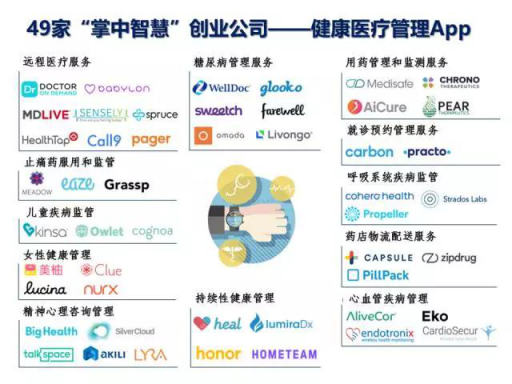
49 Health and Medical Management Apps (Image from the Global Doctors Organization)
The American Telemedicine Association (ATA) is an internationally leading non-profit organization founded in 1993 and headquartered in Washington, D.C. It is currently the largest academic organization in the field worldwide, open to individuals, healthcare institutions, and companies around the globe committed to advancing telemedicine.
The American Telemedicine Association (ATA) Annual Conference has a history of over 20 years and is the world’s largest and most comprehensive conference in the fields of telehealth, digital health, and mobile health. It specifically features presentations, exhibitions, and workshops focused on telehealth. The annual conference serves as an important forum for telehealth professionals, entrepreneurs, and stakeholders in the telehealth and mobile health sectors. Furthermore, ATA exhibitors are recognized as leaders in the telehealth and mobile health industries.
VCBeat (WeChat ID: vcbeat) has compiled a list of smartphone-based health management apps featured at the American Telemedicine Association annual conference and discussed in routine telemedicine business exchanges. The list covers 12 categories and includes 49 apps, essentially encompassing the current application scenarios and functionalities of mobile health apps. A brief introduction is provided below.
Doctor on Demand
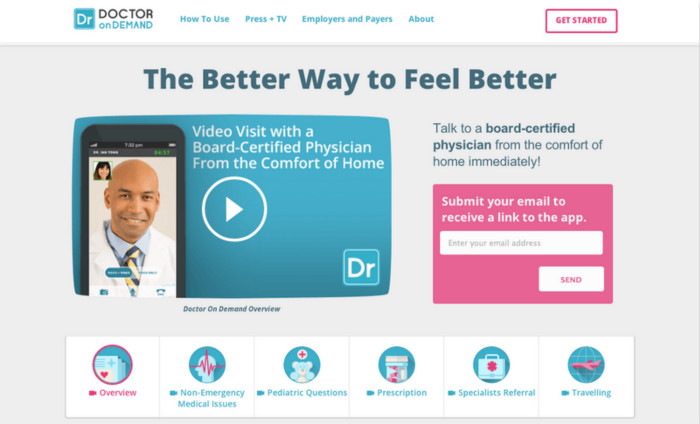
Founded by American television personality Dr. Phil and his son, the company leverages a smartphone app to connect patients with consulting physicians, offering remote medical consultations via computer or mobile device for a fee of $40 per visit. In addition to internal medicine and pediatric care, the app provides 25- to 50-minute psychology workshops and lactation counseling. According to Rock Health’s rankings, Doctor On Demand has been listed among the top 50 fastest-growing digital health companies.
Babylon

Ali Parsa, Founder and CEO of Babylon Health
Babylon Health is a London-based startup founded in 2013, with investors including DeepMind Technologies. This April, it secured $60 million in Series B funding, which will be used to further enhance and expand its AI capabilities, including providing AI-driven diagnostics (rather than simpler triage consultations). The company’s flagship product is an app that integrates artificial intelligence (chatbot for triage), enables video consultations between users and healthcare professionals, and provides corresponding care recommendations.
MDlive
MDLive primarily provides telemedicine services to corporate employers and health plan providers, while also offering direct-to-consumer video consultation services via a smartphone app. Physicians on the MDLive network mainly treat conditions such as allergies, asthma, bronchitis, colds and flu, ear infections, urinary tract infections, and sinus infections. The company has formed a strategic alliance with Microsoft to deliver telemedicine services using Microsoft’s Skype for Business platform.
Sensely
Founded in the San Francisco Bay Area in 2013, the company was co-established by Adam Odessky (Co-founder and CEO) and Ryan Connolly (CTO). Its flagship product is a virtual healthcare app that integrates with most medical devices and leverages technologies such as voice recognition, proprietary medical algorithms, data analytics, body recognition, and augmented reality. Recently, the company secured $8 million in Series B financing, with participation from Chengwei Capital of China, the Mayo Clinic (a U.S. non-profit medical organization), and Stanford University’s StartX accelerator.
Spruce
Provide asynchronous telemedicine services. The company’s business model directly connects patients with dermatologists via mobile devices. Patients can submit photos or describe relevant signs, symptoms, and medical history. They then receive personalized consultations and treatment guidance from dermatologists. The service is available 24/7 and includes online prescription issuance.
HealthTap

A U.S.-based mobile health internet company offering 24/7 remote consultation services enables physicians to conduct online diagnoses and provide guided treatment via video, voice, or text messaging. Virtual healthcare is built upon this service platform, leveraging existing technological hardware—such as smartphones, personal computers, and wearable devices—to deliver efficient, high-quality medical and health services.
Call9
A company that improves patient survival rates by providing video-guided emergency response instructions to on-site personnel. It completed a $10 million Series A financing round last year. Call9’s remote diagnostic service connects nursing home residents with emergency room physicians. It has also deployed systems in nursing homes to enable software downloads onto mobile devices for patients.
Pager
Pager is a telemedicine company founded by Uber’s former Chief Technology Officer, Oscar Salazar, that provides “on-demand doctor services” to non-emergency patients in New York City from 8 a.m. to 10 p.m. The company secured $14 million in funding last year. Patients can summon an “Uber-like doctor” to their home or office for consultation and treatment.
WellDoc
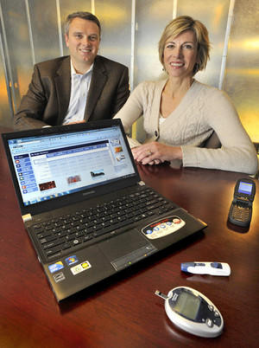
WellDoc, a pioneer in mobile health (mHealth) founded as early as 2005, emphasizes personalized patient monitoring and management. Having obtained FDA 510(k) clearance, WellDoc offers both BlueStar and BlueStar Rx, enabling the company to analyze patient-entered diabetes data through multiple channels from both versions, compare it with historical patient data to identify trends, and ultimately provide personalized guidance.
Glooko
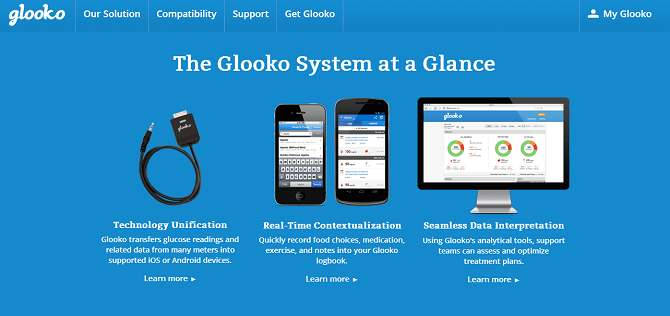
Glooko offers its own glucose meters and mobile app. Unlike typical diabetes management platforms, it does not sell products directly to patients; instead, it markets them to healthcare system stakeholders such as physicians and clinics, who then provide the devices to patients and collect blood glucose data. Within its suite of healthcare system solutions, Glooko features a Population Tracker that enables healthcare professionals to efficiently manage multiple patients and monitor changes in their health status.
Sweetch
Last year, Sweetch, an Israel-based company, raised $3.5 million in its Series A funding round. The company’s product is a software solution dedicated to diagnosing diabetes risk. This software not only predicts the likelihood of developing the disease for potential patients but also helps those who are already affected but unaware of their condition to understand their health status.
Farewell
Headquartered in San Francisco, the company develops products aimed at preventing chronic diseases by addressing obesity. FareWell’s product portfolio includes digital tools, health coaching, and dietary plans, all of which encourage users to adopt healthy eating habits, with a particular emphasis on plant-based foods.
Omada

Omada Health is a pioneer in “digital therapeutics,” applying clinically validated behavioral medicine to the treatment of chronic diseases. This program helps individuals overcome unhealthy habits to prevent serious yet preventable conditions. It also partners with corporate employers and health plans, focusing on high-risk populations.
Livongo
Founded in 2014, the company has developed a diabetes management solution that integrates cutting-edge technology with clinical guidance, providing users with accurate information and practical tools. On March 17, the company secured $52.5 million in Series D financing, co-led by existing investor General Catalyst Partners and the international investment firm Kinnevik.
AiCure

Managing vertical disease areas. AiCure’s flagship product is a mobile app that leverages mobile technology, facial recognition, and proprietary algorithms on any camera-enabled mobile device to verify patient medication adherence. In 2016, the company completed a $12.25 million Series A financing round.
Medisafe
MediSafe’s application is a cloud-based system developed by an Israeli company to enhance medication adherence. Patients receive medication reminders from MediSafe, which then prompts them to log their dosage upon taking the medication. If the app does not record that the patient has taken their medication, their family and friends are notified, enabling them to intervene.
Chrono Therapeutics
Based in Hayward, California, the company is developing an app-based device that integrates with nicotine patch sensors. It aims to help people quit smoking through a comprehensive approach that combines medication, digital sensors, and human coaches—a multi-pronged strategy. This method offers valuable insights for the treatment of various diseases and the cultivation of healthy lifestyle habits.
Pear Therapeutics
A U.S. digital health company founded in 2013, dedicated to helping patients with substance use disorders and schizophrenia through the combined use of digital health interventions and pharmacotherapy. It raised $20 million in Series B financing in 2016.
Carbon Health
Headquartered in San Francisco and founded in 2015, the company recently secured a $6.5 million seed funding round led by Builders VC. The proceeds will be used to continue developing its digital platform and deepen collaboration with provider networks in Northern California. Serving primary care clinics, the company aims to become the largest virtual health system by providing all backend healthcare technology for network providers, as well as their payers, pharmacies, and laboratories.
practo

India’s leading healthcare platform, founded in 2008 and headquartered in Bangalore, is dedicated to connecting millions of patients with hundreds of thousands of healthcare institutions worldwide. On January 17, the company announced it had secured $55 million in Series D financing, led by Tencent. The company plans to use this round of funding to further build a comprehensive healthcare platform, unlock the value of the entire medical ecosystem, and expand its international business investments.
Cohero health
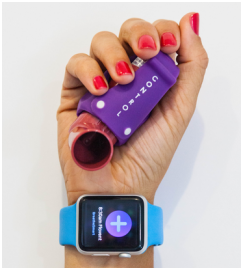
A startup dedicated to improving care and medication management for patients with respiratory diseases. The Cohero Health mobile spirometer is the first FDA-approved device of its kind for home use, enabling physicians to continuously monitor data via smartphones or tablets. The device is integrated with the Cohero Asthma and COPD Management Platform, which includes smart inhalers equipped with Bluetooth sensors.
Strados Labs
Founded in Philadelphia, USA, in 2016, Strados Labs is an early-stage technology company pioneering better solutions for chronic disease management. The company’s flagship product, Pulmawear, leverages smart sensors and a user-friendly mobile platform to help patients better manage the daily life challenges posed by chronic asthma. Users can now harness the power of data to quantify their symptoms and medication usage, as well as monitor trends in their condition.
Propeller
Founded in 2007 and headquartered in Madison, Wisconsin, Propeller Health has raised a total of $28.4 million across four rounds of financing. Propeller Health is a mobile platform that provides sensors, mobile applications, analytics, and services supporting respiratory health management, helping patients with asthma and COPD breathe more easily.
Capsule
Capsule is a New York-based pharmaceutical startup, often referred to as the “Uber of medications.” It eliminates the need to visit traditional pharmacies such as Walgreens or CVS by delivering prescription drugs directly to your home or office. Through the Capsule app, you can view detailed information about your prescriptions, including costs and daily dosage instructions. You can then add the medications to your shopping cart and select your preferred delivery date, time, and address.
Zipdrug
On-demand medication delivery service: With just a tap of your finger, medications are delivered right to your doorstep. When users first use this app, physicians electronically transmit prescriptions, pricing information, and usage instructions to designated pharmacies in advance. Users then proceed to the pharmacy as prompted. Subsequently, the company dispatches couriers to pick up the medications. This entire process is conducted securely under background checks, medication reviews, and HIPAA compliance.
Pillpack

PillPack, a startup offering online medication ordering services, also delivers prescriptions directly to patients’ doors, providing a more personalized medication simplification service. The specific process is as follows: after registering an account on the PillPack website, users are required to link their preferred pharmacy. The system then retrieves their prescription information and repackages the medications into easy-to-use, daily-dose packets. For oral medications, these packets resemble receipt strips and serve as a practical reminder of the user’s daily medication regimen.
AlivecorAliveCor
The company primarily provides products and services to users with suboptimal cardiac function. It has launched a platform called KardiaPro, which leverages artificial intelligence to help physicians prevent stroke in patients. KardiaPro tracks patients’ weight, daily activity, blood pressure, and other metrics, using its proprietary AI technology to analyze and compare the data to identify potential risk factors that may have been overlooked by clinicians. Recently, the company completed a $30 million financing round, with investment from Omron Healthcare, a Japanese health and medical company, and the Mayo Clinic, a U.S. nonprofit organization.
Eko
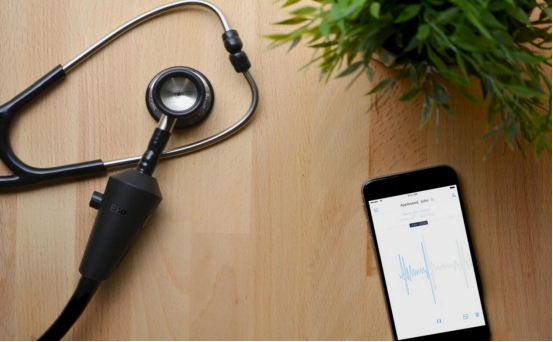
Eko Devices has developed a small adapter called the Eko Core, which connects to the earpieces and chest piece of a stethoscope. It transmits heart sounds via Bluetooth to a smartphone, where the accompanying app uploads the audio data to the cloud, enabling remote consultations by specialists. Additionally, the Eko Core app is the first mobile application to be HIPAA-compliant and support electronic health records (EHR).
Endotronix
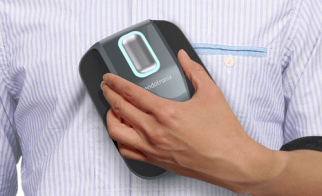
The company provides digital health technology solutions that combine a cloud-based patient management system with an implantable pulmonary artery sensor to improve outpatient hemodynamic management. This wireless solution seamlessly integrates key physiological data from routine clinical monitoring, enhancing communication among patients, caregivers, and physicians, thereby enabling early detection of heart failure symptoms and reducing hospitalization rates for heart failure patients. In July 2016, Endotronix announced the completion of a $32 million Series C financing round.
Cardiosecur
Personal MedSystems is a German medical device company best known for its brand CardioSecur, which raised $5.3 million (€5 million) in Series B financing this February. CardioSecur is an electrocardiogram (ECG) device that connects to smartphones and is designed for patients with heart conditions. It provides 15-lead ECG recordings using four-color electrodes. Upon initial receipt of the device, users record a reference ECG, enabling them to subsequently capture routine ECGs and compare them against the baseline reference.
Heal
Last October, the Los Angeles-based company raised $26.9 million in Series A funding, led by Tull Investment Group. Following this round, Heal’s cumulative funding reached $44.35 million, with a valuation of $110 million. Founded in 2014, Heal shares similar goals with many on-demand healthcare services, but its key distinction lies in not relying on video consultations; instead, it provides in-home medical visits.
LumiraDx
LumiraDx helps achieve better healthcare, social care, and financial outcomes by providing proven solutions to meet healthcare transformation goals. It offers intuitive software with an integrated, modular, and open cloud platform that seamlessly integrates individuals into the daily workflows of health and social care providers. Its wirelessly connected diagnostic devices deliver groundbreaking care solutions for conditions such as diabetes, heart failure, and chronic obstructive pulmonary disease (COPD).
Honor
A startup focused on providing in-home care services for the elderly has raised $20 million in its Series A financing round, led by the renowned Andreessen Horowitz. Honor is an online O2O caregiving booking platform that connects caregivers, seniors, and their family members. It addresses the need for seniors to find suitable caregivers and enables other family members to stay informed about the seniors’ condition at any time.
Hometeam
Provide a new approach to home care. Its iPad app tracks activities at home, manages your emails, and flags potential issues in daily correspondence. Elder care experts and a 24/7 support team are always available to answer questions and provide home assistance.
Meadow

An online cannabis trading platform targeting the legal cannabis market, with its primary users being patients in need and clinics/pharmacies. The current tool in use is a web-based platform. Meadow has recently launched a new project called CannabisMD. If users are unclear about the principles of medical cannabis use or experience any adverse reactions after use, they can directly schedule an appointment for an offline consultation with a physician to receive treatment or adjust their dosage.
Eaze
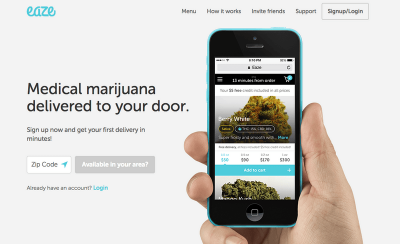
Eaze, based in San Francisco and often referred to as the “Didi for Marijuana” or the “Uber for Weed,” is a matching-economy platform that connects clinics, hospitals, pharmacies, and individuals, facilitating on-demand consumption. What sets Eaze apart is its core selling point: premium clinic-affiliated pharmacies and high-end consumer experiences.
Grassp
Grassp establishes a safe and convenient pathway between patient needs and high-quality medical cannabis products. Grassp’s technology empowers patients to connect with top-tier service providers while offering users guided pathways. David Johnson, the company’s CEO and founder, oversees its strategic development and the expansion of its advanced enterprise cross-technology platform. He brings over 10 years of experience in data management and applied technology solutions.
Kinsa
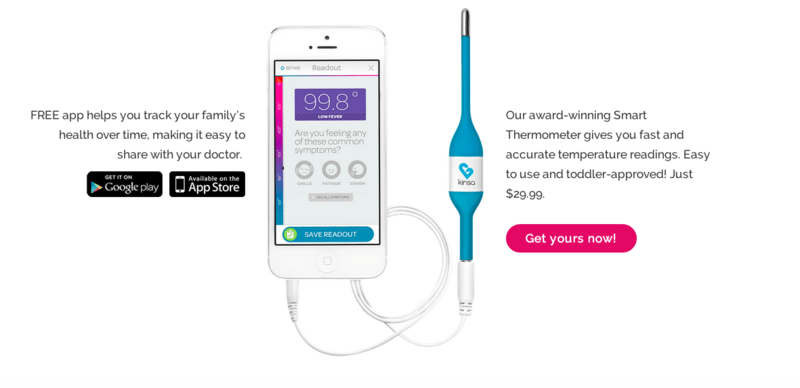
The Kinsa smart thermometer can be placed in the mouth to measure body temperature (or alternatively, positioned under the armpit or used for rectal temperature measurement). The other end connects via a data cable or directly plugs into the smartphone’s 3.5mm audio jack. After a 10-second measurement, the user’s body temperature is displayed on the smartphone. Notably, during the 10-second measurement interval, Kinsa uses animations to keep children engaged, preventing them from becoming bored or resistant to temperature taking.
Owlet

The company’s smart infant socks, worn during sleep, track heart rate, skin temperature, blood oxygen levels, and sleep data, which are then uploaded to the cloud. Parents can access this information via iOS and Android mobile apps or through a web portal. The socks are equipped with rechargeable batteries and send low-battery alerts to parents’ smartphones.
Cognoa
Headquartered in Palo Alto, California—a hotbed for startups—the company’s core business is an application designed to assess children’s healthy growth. It recently secured $11.6 million in venture capital, led by existing investor Morningside, bringing its total funding to $20 million. The proceeds from this round will primarily be used to conduct additional validation studies to support its FDA submission pathway and to expand sales channels targeting pediatricians, corporate employers, and insurance companies.
Meiyou
In August last year, it announced the completion of a 1 billion yuan Series E financing round. Meiyou is a period-tracking app developed by Xiamen Meiyou Information Technology Co., Ltd. It provides women with services for health management, problem-solving, finding close friends, and entertainment and communication, and allows users to switch between modes for preconception care, pregnancy, parenting, and prenatal care.
Clue
Founded in Berlin in 2013, the company is dedicated to providing data related to female ovulation cycles through its application. Currently, over 5 million users on the Clue app monitor their emotional changes or check their emotional status using physiological data. The app’s interpretations of gynecological symptoms are based on the latest medical literature from Europe and the United States.
Lucina
Lucina Health, headquartered in Louisville, Kentucky, is on a mission to help reduce preterm births through premier care and timely, deep preterm birth analytics. By leveraging the power of aggregated data and advanced obstetric analytics, Lucina fundamentally transforms care management to reduce preterm births and associated costs. Its data platform, Firefly, provides in-depth assessments of risks, environmental factors, and pregnancy complications. Integrated with Firefly, MyLucina is a mobile application designed for expectant mothers, delivering personalized advocacy and education to each patient.
Nurx

Nurx, a California-based healthcare company, seeks to work within regulatory frameworks by leveraging its app to prescribe contraceptives and provide on-demand delivery, thereby addressing various inconveniences. Users can access contraceptive services online without needing to visit hospitals or pharmacies. Its transformative technology is reshaping how people engage with healthcare, utilizing messaging platforms, mobile applications, chatbots, and embedded systems to reduce costs and streamline the patient experience.
Big health
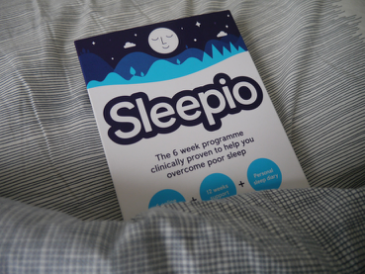
The company is dedicated to providing “evidence-based, non-pharmacological” solutions to address various mental health disorders. By tracking user data, the company creates personalized digital programs that enable users to access behavioral interventions anytime, day or night, via the web or mobile devices. Its flagship product, Sleepio, is a digital sleep improvement program designed to help users overcome sleep problems and, in the process, enhance their mental well-being.
Silvercloud
The technology of the UK-based company SilverCloud Health helps patients continue their treatment after leaving the clinic. SilverCloud’s products are designed for use by licensed therapists, enabling patients to interact with clinicians and receive therapeutic guidance even after in-person visits. The patient recovery and engagement rates it delivers are consistent with those of traditional face-to-face therapy.
Talkspace
As a leading online therapy company, Talkspace has transformed the diagnosis and treatment of mental illness by bringing therapist–client conversations into the digital age through a communication platform. From its inception, the company has been committed to eliminating the stigma associated with mental illness and making treatment accessible to millions. Talkspace’s flagship product, Unlimited Messaging Therapy, has been tried by more than 300,000 people.
Akili
Akili Interactive, a biotechnology company under PureTech, is developing mobile games for the treatment of neurological disorders. Last July, the company raised a total of $72.9 million in its Series B financing round. Its flagship product, the Project Evo game, is designed to train children with ADHD to prioritize large amounts of information, thereby improving their attention span.
Lyra
The company is building a data-driven platform to identify individuals at risk for behavioral and mental health conditions. Lyra Health has specialized departments to assess individuals who may require mental health support. It provides digital diagnostic tests to primary care providers. These tests are used to screen and evaluate patients, identifying those with potential needs for behavioral health care.