

Implementation Status and Emerging Challenges of China's National 'Two-Invoice System' Policy Six Months After Enactment
Recently, the General Office of the State Council issued the “Notice on Key Tasks for Deepening the Reform of the Medical and Healthcare System in 2017” (hereinafter referred to as the “Notice”), which lists 14 documents to be studied and promulgated this year, as well as up to 56 work tasks, comprehensively outlining the goals to be achieved in this year’s “medical reform.”
The Notice covers various aspects, ranging from upstream clinical regulation of pharmaceuticals and medical devices and consistency evaluations, to the “Two-Invoice System” in distribution, and further to tiered diagnosis and treatment, family doctor services, and medical consortia within the healthcare delivery system, as well as final healthcare payment mechanisms, while also establishing a timeline and roadmap. As the new round of national healthcare reform enters its third year, in addition to the provinces piloting comprehensive reforms, the policymaking authorities for healthcare reform have called for an expansion of scope, encouraging “other regions to actively engage in pilot initiatives.”
“Healthcare reform” is a systematic project, and any point in the “Notice” can be discussed independently. However, from the perspective of industrial chain relationships, the “three-medical linkage” first refers to the linkage between healthcare services and pharmaceuticals. The current round of comprehensive healthcare reform is also being promoted with “breaking the practice of subsidizing healthcare with drug profits” as an important lever. The “Two-Invoice System” is precisely the direct implementation method for breaking this practice. Therefore, analyzing the nationwide implementation of the Two-Invoice System provides a unique perspective for interpreting “healthcare reform.”
What Is the Two-Invoice System, and Why?
During exchanges with industry insiders, VCBeat (WeChat ID: vcbeat) found that views on the “Two-Invoice System” vary across different stages of drug production, distribution, and usage. For instance, pharmaceutical companies believe that “the Two-Invoice System imposes requirements on financial processing capabilities, necessitating a shift in marketing strategies and accelerated coverage of end-terminals.” Distribution enterprises argue that “although the process appears simpler after implementation, the original business system remains unchanged, and efforts can only be made to achieve compliance at the regulatory level.” Hospitals, on the other hand, state that “drug revenue is not a source of profit for hospitals; if required by administrative authorities, drugs can be separated from hospital operations.”
As can be seen from the above, stakeholders hold divergent views on the “Two-Invoice System,” often interpreting the policy through the lens of their own interests—focusing first on its potential impact and then on how to respond. Therefore, to systematically understand the objectives of the “Two-Invoice System,” it is essential to examine the regulatory authorities’ “top-level design.”
The Implementation Guidelines for Promoting the “Two-Invoice System” in Drug Procurement by Public Medical Institutions (Trial), issued on December 26 last year, describe the purpose of the Two-Invoice System as follows: “(The Two-Invoice System) is a key measure to regulate the drug distribution order, reduce distribution links, and lower artificially inflated drug prices; it is an effective means to purify the distribution environment, combat invoice-passing money laundering, and strengthen supervision of the pharmaceutical market; and it is an essential requirement to ensure medication safety for urban and rural residents and safeguard public health.”

Implementing the Two-Invoice System Involves Complex Interest Conflicts
Examining each point, the Two-Invoice System aims to restructure the pharmaceutical distribution order and crack down on invoice fraud and money laundering, with the ultimate goal of “reducing artificially inflated drug prices,” implying that the previous distribution system drove up drug prices. The validity of this objective rests on the premise that the original distribution system inflated drug prices; however, the actual situation is far more complex.
From a deeper perspective, the artificially inflated prices of pharmaceuticals stem from flaws in institutional design as well as industry- and system-related factors, with the latter two playing a more prominent role. Previously, VCBeat noted in its article “The Fantastic Journey of a Pill: Insights from the Transformation of Pharmaceutical Representatives” that within the public healthcare system, drugs pass through distributors and agents after leaving manufacturers, undergo centralized bidding processes, and are ultimately consumed via physicians’ prescriptions. This multi-stage process involves extensive stakeholder interests and differs significantly from the distribution of ordinary consumer goods.
From these perspectives, each type of stakeholder has sufficient reason to interpret the “Two-Invoice System” differently. For instance, pharmaceutical companies argue that their products are not exclusive in the market, and achieving coverage at the terminal level inevitably requires sharing profits. Distributors, on the other hand, contend that they control resources at medical terminals and thus deserve a share of the profits from drug sales. Medical institutions and physicians maintain that their regular income does not commensurate with their labor input, viewing additional benefits as a compensatory mechanism.
A widely circulated map of benefit distribution illustrates the mechanism by which extra profits from pharmaceuticals are allocated across the upstream and downstream segments of the pharmaceutical industry chain. Starting from pharmaceutical manufacturers, participants include distributors, bidding departments, hospitals, physicians, data aggregation units, medical representatives, and invoice-passing companies.

Data sourced from the internet; compiled and organized by VCBeat.
Therefore, it is necessary to explore the reasons behind the formation of this benefit distribution mechanism. First, although pharmaceutical companies and commercial distributors have secured “excess” profits, the lion’s share of these benefits actually goes to doctors, medical representatives, and invoice-passing companies, which contradicts the general public perception. However, given the unique consumption process of pharmaceuticals as a special commodity, where purchasing decisions are not made by end-users as with ordinary consumer goods but rather rest in the hands of physicians, doctors have justification for claiming more than one-third of the excess profits.
The previously sensationalized “Pharmaceutical Representative Case” focused the crux of the conflict on pharmaceutical representatives, portraying them as the primary drivers behind rising drug prices. However, it is crucial not to overlook whom these representatives work for. It can be argued that abnormal competition within China’s pharmaceutical industry has led to such unconventional methods for boosting sales. The deeper underlying cause lies in the lack of product competitiveness among domestic pharmaceutical companies (which constitute the vast majority engaging in such irregular marketing practices, if not being the primary instigators). In the absence of technological and product competitiveness, gray-market marketing practices become unavoidable for Chinese pharmaceutical enterprises.
What Is the Two-Invoice System? It refers to the implementation of a “two-invoice” policy in drug procurement by public hospitals: one invoice from the pharmaceutical manufacturer to the distributor, and another from the distributor to the healthcare institution. In the most straightforward terms, this ensures that the drug distribution process remains “compliant on paper.”
But is mere bookkeeping compliance sufficient? That remains questionable. It is an open secret within the industry that even if reducing distribution channels eliminates invoicing irregularities, the underlying interest structure will not change significantly under the existing distribution framework. Unsurprisingly, related parties have already devised countermeasures, such as pharmaceutical manufacturers inflating invoice prices and agency firms hiring natural persons as employees. Some commentators even argue that under the new regulatory regime, the only way to maintain the original profit distribution while meeting regulatory requirements is to pass the additional compliance costs on to end consumers. In short, the greatest obstacle to the “Two-Invoice System” is dismantling the entrenched interest structure.
How is the two-invoice system being implemented across different regions?
In traditional Chinese medicine, there are several treatment approaches for “deep-seated ailments”: either using potent drugs to eradicate the pathological focus, or applying gentle formulas to gradually alleviate the disease. Similarly, addressing and rectifying problems in the pharmaceutical distribution chain calls for both gradual measures and aggressive interventions.
The “Notice” stipulates the timeline for the nationwide implementation of the Two-Invoice System: by the end of 2017, all public medical institutions in provinces participating in comprehensive healthcare reform pilots and in the first four batches comprising 200 pilot cities for comprehensive public hospital reform shall fully implement the Two-Invoice System, while other regions are encouraged to adopt it.
According to statistics from VCBeat (WeChat: vcbeat), as of mid-May, 16 provinces (municipalities/autonomous regions) across China had confirmed the implementation of the “Two-Invoice System,” four provinces indicated they would implement it within the remainder of this year, and another 12 provinces (autonomous regions) were still awaiting specific timelines.
Here, we must first clarify a concept: there is significant overlap between the provinces participating in comprehensive pilot programs and those required to implement the Two-Invoice System. By comparing the two lists, the scope of implementation for the Two-Invoice System can be clearly defined.
First are the pilot provinces for comprehensive healthcare reform.
First Batch: Jiangsu, Anhui, Fujian, Qinghai
Second Batch: Shanghai, Zhejiang, Hunan, Chongqing, Sichuan, Shaanxi, Ningxia
Batch 3: Guangdong, Jiangxi, Gansu, Jilin (pending approval)
Next are the provinces and cities across China where the Two-Invoice System has been implemented.
Implemented in: Beijing, Shanxi, Shaanxi, Hebei, Hunan, Gansu, Sichuan, Chongqing, Qinghai, Ningxia, Anhui, Fujian, Liaoning, Hainan, Zhejiang, Tibet
Implemented within the year: Guangdong, Shanghai, Tianjin, Jilin
To be planned: Inner Mongolia, Heilongjiang, Hubei, Jiangsu, Jiangxi, Shandong, Henan, Guizhou, Guangxi, Yunnan, Xinjiang
Here, we select several provinces and municipalities to discuss the implementation of the Two-Invoice System. Both regions that have already implemented the policy and those awaiting specific planning are covered, highlighting the challenges encountered at the execution level and the attitudes of various industry stakeholders toward the Two-Invoice System.
First is Fujian. As a model city for national healthcare reform in China, Fujian’s reform experience has been widely cited. The province was also an early adopter of the “Two-Invoice System,” having begun implementing this policy in 2009. Under Fujian’s approach to the Two-Invoice System, pharmaceutical manufacturers are required to bid directly in public hospital drug procurement, thereby bypassing intermediaries and implementing unified procurement, pricing, and distribution. By establishing clear standards for distribution fees and reducing circulation links, the system eliminates inflated drug prices and effectively curbs illicit practices such as bottom-price exclusive sales and invoice fraud for money laundering, thereby bringing effective control to excessively high drug prices.
Fujian’s implementation of the “Two-Invoice System” offers three key lessons: curbing invoice lending and pass-through invoicing practices; increasing the concentration of pharmaceutical distribution to reduce logistics costs; and employing a multi-stakeholder governance approach to rectify irregularities in the circulation channel.
Fujian’s medical reform regulatory authorities apply a rigid logic when verifying the “Two-Invoice System”: they assess the reasonableness of corporate compliance by examining the price differential between the first and second invoices. A substantial discrepancy between these two invoices indicates that circumvention measures were likely employed during implementation, prompting regulators to conduct in-depth investigations upon becoming aware of such anomalies.
Second, pharmaceutical distribution was consolidated by dividing Fujian Province into several procurement zones, aligning distribution areas with the pooled medical insurance funds, and stipulating that no more than 10 distribution enterprises could operate within each procurement zone. Through this approach, the number of pharmaceutical distribution enterprises in Fujian Province was reduced from over 200 to 62, significantly increasing market concentration among distributors and effectively controlling pharmaceutical circulation costs. Data show that pharmaceutical distribution costs in Fujian Province decreased from the previous 5%–8% to 3%–5%, representing an average reduction of 2 percentage points.
Third, led by the healthcare security authorities, measures will be implemented in areas including the formulation of medical insurance fund policies, supervision and management of medical insurance funds, negotiation of medical service prices, joint procurement, distribution, and settlement, supplemented by the management of physicians enrolled in the medical insurance program to control their prescription volumes and amounts. Meanwhile, Fujian Province plans to reform its drug procurement rules, shifting from tender-based bidding to joint price-capped transparent procurement.
The second city worthy of discussion is Beijing. In the "Implementation Plan for the Comprehensive Reform of Separating Prescribing from Dispensing" issued by the Beijing Municipal People's Government, the Two-Invoice System is described as follows: implement the "Two-Invoice System" for drug procurement and sales (one invoice issued by the manufacturer to the distributor, and one invoice issued by the distributor to the medical institution).
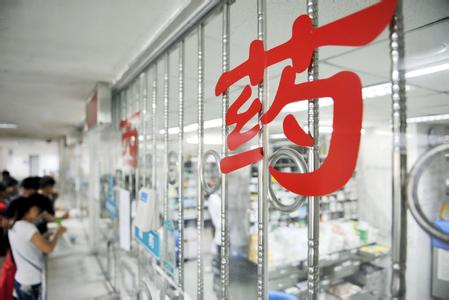
Beijing's Healthcare Reform: A Bold Experiment
At the same time, group purchasing, medical consortium purchasing, and regional joint purchasing are encouraged and standardized to further increase the participation of medical institutions in centralized drug procurement and reduce the prices of drugs and consumables. All drug procurement is conducted on the online centralized drug procurement platform established by the government, with drug procurement prices dynamically linked to the lowest provincial-level centralized drug procurement prices nationwide. The varieties, prices, quantities, and adjustments of drugs purchased by public medical institutions are disclosed to ensure transparency in all aspects of drug procurement.
Certainly, the primary objective of Beijing’s “Sunshine Procurement” initiative is to reduce drug procurement prices. Its pricing benchmark is the “lowest price from national centralized volume-based procurement,” which implies that drug prices will continue to decline under a dynamic adjustment framework. This places significant pressure on pharmaceutical manufacturers and distributors participating in Beijing’s bidding processes.
Based on the implementation of the “Two-Invoice System” in Fujian and Beijing, the specific operational pathways adopted by provinces and municipalities that have implemented this system can be broadly summarized. These measures include starting with invoice management by requiring consistency among invoices, payments, and goods, as well as conducting cross-verification of the two invoices. Additionally, irregular practices are curbed through enhancements in medical insurance reimbursement and physician prescription management. Coupled with the transition from centralized procurement to transparent (“sunshine”) procurement, these efforts comprehensively control drug prices, reshape the profit margins in the pharmaceutical supply chain, and incentivize stakeholders to “proactively embrace change.”
What Issues Remain Unresolved with the Two-Invoice System?
As previously mentioned, the primary objective of the “Two-Invoice System” is to “curb artificially inflated drug prices.” Cases from Fujian and Beijing demonstrate that, in addition to implementing the Two-Invoice System, regulatory authorities have introduced various complementary policies to support its rollout, achieving certain positive results.
From a systemic perspective, artificially inflated drug prices can be seen as a microcosm of the imperfections in China’s pharmaceutical supply and demand system. The long chain of interests, the multitude of stakeholders involved, and the distribution mechanisms that have become an industry tacit understanding mean that any change could have far-reaching consequences.
Data indicates that in public hospital drug procurement, artificially inflated drug prices can account for more than 30% of the total cost. This “excess” portion is borne by the medical insurance fund, patients, and commercial insurers. Particularly for the medical insurance fund, which is currently under financial strain or even running a deficit, it is especially important to alleviate the burden through process control (which is also why medical insurance authorities were involved in the implementation of Fujian’s “Two-Invoice System”).

From the perspective of controlling artificially inflated drug prices, the Two-Invoice System must not be the sole measure.
From the perspective of competition among Chinese pharmaceutical companies, the primary reason for their "sales-oriented" approach is the lack of product competitiveness, forcing them to enter the market by exchanging resources for distribution channels. Once this path dependence is established, such a pattern becomes difficult to change. A review of the history of "medical representatives" further supports this point: when foreign pharmaceutical companies first entered China, commercial bribery was rarely seen, as they relied mainly on academic promotion. However, as domestic pharmaceutical companies began to develop, industry bribery started to proliferate. By the time domestic pharmaceutical companies became the mainstream in the market, commercial bribery in pharmaceutical distribution had already become an unwritten "industry rule."
Following the implementation of the Two-Invoice System, pharmaceutical companies have identified certain strategies to “break the deadlock.” For instance, some have relocated their manufacturing registration addresses to regions with lower tax rates, using tax incentives to offset the commercial profits eliminated by the Two-Invoice System, thereby ensuring that the distributable profits for existing stakeholders remain unchanged. Others have engaged in so-called Contract Sales Organization (CSO) outsourcing to achieve compliance in invoice processing. This involves incorporating individual pharmaceutical agents into corporate entities and converting channel expenses into “consulting fees,” “marketing expenses,” and similar categories. In essence, this approach is merely a superficial change that leaves the core structure intact; although it appears compliant on the surface, the original interest-based system is preserved, and the goal of eliminating excessive price markups in the pharmaceutical distribution process remains unfulfilled.
Furthermore, while the national “Two-Invoice System” policy defines the “first invoice” as the transaction from a pharmaceutical manufacturer to a distributor, local policies issued separately offer varying interpretations. For instance, Chongqing considers domestic general distributors as issuing one invoice, whereas Zhejiang regards Marketing Authorization Holders (MAHs) as issuing one invoice. Additionally, whether an extra invoice can be added for grassroots medical institutions (which are also part of the public healthcare system) remains to be explored in practice. The national “Two-Invoice System” still has significant room for adjustment.
In practice, healthcare institutions and physicians may hold varying views on the implementation of the “Two-Invoice System.” Against the broader backdrop of separating medical services from pharmaceutical sales, drug supply has increasingly become a financial burden for hospitals. Consequently, hospitals are inclined to shift drug dispensing outside their facilities, leading to the emergence of jointly operated or designated pharmacies. Under this arrangement, prescription transfers to such jointly operated or designated pharmacies can also serve as a source of profit, while operating outside the regulatory framework governing public healthcare institutions, thereby making implementation more covert and difficult to trace.
The Beneficiaries of Profit Distribution—Doctors May Have More to Say. Under the current circumstances, there is a mismatch between their workload and compensation. The “Two-Invoice System” aims to crack down on gray-income channels, which may serve as a form of compensation for their interests. In fact, regulators have long been aware of this compensation mechanism. However, the challenge lies in the difficulty of incorporating this portion of income into the regulatory framework. Compensation for medical personnel is a longstanding issue; due to the public nature of healthcare institutions, their remuneration is often compared with that of staff in other public institutions.
Therefore, as part of Beijing’s healthcare reform, consultation fees—intended to “reflect the labor value of medical professionals”—have been increased. Currently, these costs are primarily covered by medical insurance, with average reimbursement amounts of approximately RMB 40, RMB 30, and RMB 20 for tertiary, secondary, and primary hospitals, respectively. Although official data on medical insurance expenditures related to Beijing’s healthcare reform have not yet been released, the overall trend is inevitably upward. On one hand, measures such as the Two-Invoice System aim to eliminate extra income for medical personnel; on the other hand, higher consultation fees serve as compensation. It is certain that there is a significant disparity in magnitude between these two figures, making it difficult to predict the final outcome.
What is certain is that, as healthcare reform continues to advance in depth, the “Two-Invoice System” serves merely as a pioneering policy. The ultimate goal of this round of reforms is to improve the pharmaceutical supply system and prevent channel competition that fosters gray-market practices; secondly, it aims to enhance the compensation of healthcare professionals, thereby eliminating their motivation to rationalize such gray-market activities. For patients, this translates into accessing valuable medical services at reasonable costs (including both insurance coverage and out-of-pocket payments).
The road ahead is long, and policies such as the “tri-medical linkage” are of critical importance. As industry participants, we must clearly understand the role of the Two-Invoice System within the broader context of healthcare reform and respond appropriately; this is perhaps the most pressing issue to address at present.