

University of Maryland and Mayo Clinic Honored with NVIDIA’s 2017 Global Impact Award for Pioneering AI Applications in Healthcare

The image shows NVIDIA CEO Jensen Huang.
The GTC 2017 (GPU Technology Conference 2017), hosted by the AI computing company NVIDIA, was held in San Jose, USA, from May 8 to 11. At the conference, NVIDIA announced that it had awarded the Global Impact Awards and a $150,000 prize to the University of Maryland and the Mayo Clinic, in recognition of their pioneering research aimed at addressing challenges in social, humanitarian, and environmental fields.
The 2017 Global Impact Awards have received fourteen applications from six countries. Other nominated institutions include the Indian Institute of Technology Guwahati, the University of Oxford, and the University of Washington.

Researchers at the University of Maryland’s Institute for Advanced Computer Studies created BEAGLE, a revolutionary tool for observing evolutionary processes, and were subsequently awarded the Global Impact Awards along with a $100,000 prize.
BEAGLE is an open-source database and API that leverages NVIDIA GPUs to rapidly process data, accelerating the analysis of biological sequence data such as DNA through precise computations for specific models. The full name of BEAGLE is Broad-platform Evolutionary Analysis General Likelihood Evaluator. It is widely adopted by scientists studying the evolutionary history of pathogens causing diseases such as HIV/AIDS, influenza, and Ebola, and has become an integral component of software workflows.
Professor Michael Cummings (who led the development of BEAGLE) and Professor Daniel Ayres (who was responsible for software design and programming) from the University of Maryland, along with Professor Marc Suchard from the University of California, Los Angeles, were honored with the Global Impact Award at NVIDIA’s GPU Technology Conference.
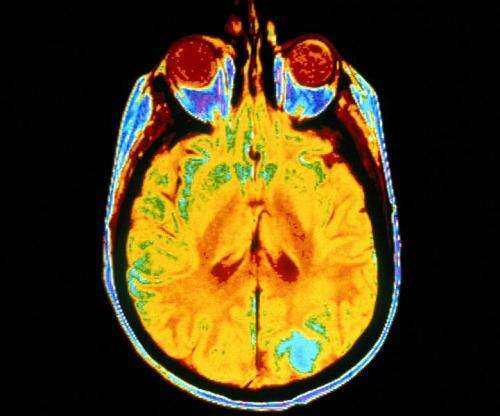
Mayo Clinic Leverages Artificial Intelligence to Predict Brain Tumor Genomics and Improve Treatment
The Mayo Clinic was awarded the Global Impact Awards and a $50,000 prize for its research on using artificial intelligence to enable early detection of certain brain tumor mutations through magnetic resonance imaging (MRI). Dr. Bradley Erickson, a neuroradiologist at the Mayo Clinic and recipient of the Global Impact Award, is deploying GPU-accelerated deep learning technologies to identify faster and more precise methods for diagnosing and treating brain tumors.
This technology enables physicians to readily access valuable genetic information, helping them determine the tumor’s evolutionary rate, the efficacy of specific drugs against the tumor, and the effectiveness of non-surgical treatments.
About NVIDIA GTC 2017
NVIDIA, founded in January 1993 by Jensen Huang, Chris Malachowsky, and Curtis Priem, is headquartered in Santa Clara, California, USA. Initially a computer graphics chip manufacturer, NVIDIA chips power more than half of all discrete computer graphics cards. Today, NVIDIA has evolved into an AI computing company, with its business deeply embedded in supercomputing chips, artificial intelligence, deep learning, and autonomous driving.
This year marks NVIDIA’s eighth GTC conference, which will feature demonstrations of advanced technologies related to GPU technology, including gaming, artificial intelligence, VR, and autonomous driving. In the field of artificial intelligence, NVIDIA’s GPU products play a crucial role.As one of its components, the provided hardware is responsible for performing computations. At the application level, healthcare stands out as its most significant domain. Benefiting from advancements in GPU parallel processing technology, software algorithms developed by researchers can analyze data more quickly and accurately, train computers for data mining, and assist in achieving therapeutic goals. Notably, the Healthcare track at GTC featured over 50 case studies, providing detailed analyses of how artificial intelligence and deep learning are applied in radiology, oncology, genomics, and drug discovery, or how they help surgeons treat diseases more efficiently.