

White Paper on the Development Status of China's Nursing Workforce: Urgent Needs for Improved Well-being, Career Planning, and Compensation
According to data from the National Nursing Development Plan (2016–2020) released by the National Health and Family Planning Commission on November 18, 2016, the total number of registered nurses in China reached 3.241 million by the end of 2015. Compared with 2010, the number of registered nurses per 1,000 population increased from 1.52 to 2.36. The national ratio of physicians to nurses improved from 1:0.85 to 1:1.07.
The nurse-to-medical-staff ratio in hospitals improved from 1:1.16 to 1:1.42. By the end of 2015, all tertiary hospitals across China had implemented high-quality nursing services, with 1,022 Grade A tertiary hospitals achieving hospital-wide coverage, accounting for 87.0% of the total number of Grade A tertiary hospitals nationwide; 4,858 secondary hospitals provided high-quality nursing services, representing 82.6% of the total number of secondary hospitals in China. The educational structure of the nursing workforce continued to improve, with the proportion of nurses holding an associate degree or higher increasing from 51.3% to 62.5%, among whom 14.6% held a bachelor’s degree or higher.
In November 2016, the China Social Welfare Foundation and HuLianWang jointly launched the “China Social Welfare Foundation 919 Nurse Care Program” (hereinafter referred to as the “919 Nurse Care Program”), the first public welfare fund in China dedicated to caring for nurses. Its mission is to safeguard the physical and mental well-being of nurses, provide assistance for occupational injuries, and support their professional development.
To gain a deeper understanding of the current status of work, life, and professional development among nurses in China, the “919 Care & Love Initiative” launched the “Survey on the Current Status of Development of the Nursing Workforce in China” in December 2016.Covering 30 provinces, municipalities, and autonomous regions across China (excluding Tibet), the study collected 51,406 valid questionnaires from in-service nurses in 311 cities. Additionally, 168 valid questionnaires were retrieved from former nurses who had left the profession, and 1,008 valid questionnaires were obtained from the general public. Field visits and telephone interviews were conducted at 22 nursing colleges, while on-site and telephone interviews were carried out with 36 hospital head nurses.
By meticulously analyzing the sample data, this study explores nurses' basic demographics, mental status, work conditions, and psychological experiences. It identifies common patterns from these detailed insights, uncovers the root causes of underlying issues, and proposes targeted solutions.
This report took over four months to complete, from project initiation to final draft. Inevitably, it may contain certain biases. As the inaugural outcome of a public welfare initiative dedicated to caring for nurses in China, it warrants further in-depth exploration and refinement. Released in collaboration with VCBeat (WeChat ID: vcbeat) during International Nurses Day 2017, this report aims to draw greater attention to the professional development of nurses and foster collective care for this vital group.
Study Participants
The study subjects included practicing nurses, former nurses, members of the general public, nursing program directors at nursing colleges, and incumbent nurse managers.
1. In-service Nurses: As the primary focus and core subjects of the survey, in-service nurses are analyzed in terms of their work and living conditions to assess the physical and mental health status as well as professional development of the nursing workforce.
2. Former Nurses: As frontline personnel who have previously engaged in nursing practice, they possess extensive and rich experience. Research into the antecedents and consequences of their employment status serves as a basis for comparative analysis of nurses’ career trajectories.
3. The General Public: This group includes both the general population and patients. As the recipients of nursing care services and a key determinant of social recognition for nurses, the general public serves as the primary channel through which nursing professionals perceive societal attitudes, while also constituting a major external factor influencing their professional conditions. Patients, having more prolonged contact with nurses, tend to develop a deeper understanding of the nursing profession. By analyzing these two public groups, this study examines the points of alignment and divergence between the external manifestation and internal perception of nurses at the societal level.
4. Head Nurse: As the clinical leader, administrative head, and frontline manager of the nursing team, the head nurse serves as an effective channel for understanding the current professional competencies of departmental nurses and the status of nursing human resources.
5. Nursing Schools: As the primary channel for nurse training and the main source of new nurses, these institutions provide insight into the basic profile of potential nurses. They also allow for an exploration of the core curriculum in nurse education to assess the effectiveness of training in preparing students for professional practice. Investigating the career trajectories of nursing graduates helps determine whether current nurse training trends meet societal demands for nursing workforce development.
Survey Methodology
This study employed an empirical research approach combining quantitative and qualitative methods, comprising both questionnaire surveys and interviews.
The questionnaire survey primarily targets currently employed nurses, former nurses, the general public, and patients. An online questionnaire format was adopted for the investigation, with technical support provided by Wenjuanxing (Questionnaire Star). The survey was distributed to nurses in hospitals across various regions through online promotional campaigns and in collaboration with regional nursing associations.
After a preliminary analysis of the response times for the collected samples, it was found that the vast majority of respondents attached great importance to the questionnaire, with an average completion time of over 20 minutes and an average decision-making time of approximately 12 seconds per question. This indicates that respondents gave careful consideration to each item, thereby demonstrating the strong validity of the questionnaire design. Statistical analysis of the survey data was conducted using SAS and SPSS software.
The interview method primarily targets department heads and head nurses in vocational nursing colleges. During the interviews, the interviewer analyzes the impact of the interviewees’ statements on objective facts by observing their facial expressions, tone of voice, and other nonverbal cues. By closely monitoring subtle changes in demeanor, the interviewer considers how to further explore the research topics. This may involve temporarily shifting the conversation or diverging from the core subject to build rapport and trust, before gently steering the discussion back to the primary interview themes.
Achievements in the Development of Nursing Care and Issues Identified Through Surveys
I. Achievements in the Development of the Nursing Profession
According to the National Nursing Development Plan (2016–2020) issued by the National Health and Family Planning Commission on November 18, 2016, which summarized the achievements made in nursing development during the “12th Five-Year Plan” period, combined with the survey data and interview results from this study, numerous positive factors are evident in the current state of nurses’ career development.
(I) The nursing workforce continues to expand.
By the end of 2015, the total number of registered nurses reached 3.241 million. Compared with 2010, the number of registered nurses per 1,000 population increased from 1.52 to 2.36. The national ratio of physicians to nurses improved from 1:0.85 to 1:1.07, fundamentally reversing the long-standing inversion of the physician-nurse ratio.
(II) Significant Increase in the Educational Attainment of the Nursing Workforce
Analysis of the 51,406 samples collected in this survey reveals that among the employed nurses surveyed, 94.8% held an associate degree or higher, with 53.8% holding a bachelor’s degree. Surveys and interviews indicated that this trend is driven by two factors: the improved quality of students enrolled in undergraduate nursing programs and the growing awareness of post-graduation continuing education among nurses, leading to a year-on-year increase in the proportion of nurses participating in in-service education.
(3) High Coverage Rate of Vocational Training
Surveys and interviews revealed that 58.6% of nurses worked in institutions that provided career-related training or planning for nursing staff. All medical institutions conducted varying levels of job-specific training and specialized nurse training. Among the nurses surveyed, 85% had received more than one instance of relevant professional training, with 23% having participated in such training more than three times.
(4) High-quality nursing services have had a positive impact on the public
In surveys and interviews conducted with patients and their families, 81.5% reported perceiving the care and compassion demonstrated by nurses in their work. Meanwhile, 85% of the general public regard nurses as “angels in white,” using terms such as “responsibility” and “compassion” to praise their professional image. These findings indicate a significant improvement in the quality of nursing services. The public has also directly experienced the reduction in caregiver-related costs following the implementation of high-quality nursing services in hospitals, leading to a gradual increase in public satisfaction with nurses.
II. Issues Identified in the Investigation
Nursing care serves individuals throughout the entire life course—from birth, through aging and illness, to death—and plays a vital role in meeting the public’s holistic physical, psychological, and social needs. This survey reveals that numerous issues and contradictions remain, requiring proactive attention and the identification of effective solutions.
(1) Prominent Issues of Medical Violence and Occupational Injuries
1. More than 50% of nurses suffer from psychological trauma to varying degrees
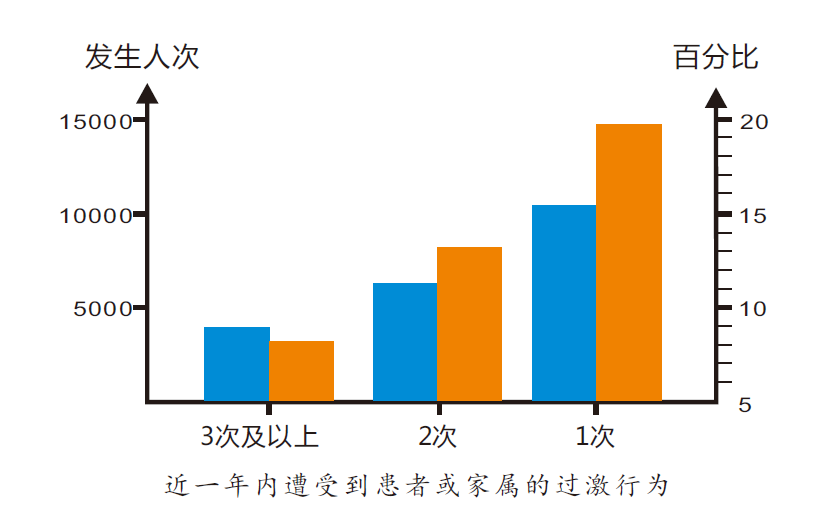
A survey on occupational injuries among nurses revealed that 41.2% of nurses had experienced extreme behaviors from patients or their family members within the past year. As doctor-patient relationships become increasingly strained, nurses are facing psychological violence and even physical violence with growing frequency. Due to the escalating demands placed on nurses by patients and their families, unmet expectations often lead to incidents of psychological violence.
The survey revealed that 51.2% of nurses suffered from severe psychological trauma. Although psychological violence generally does not cause direct physical injury, repeated incidents can readily lead to psychological harm. This underscores the need for nursing managers to prioritize the impact of psychological violence on nurses’ physical and mental well-being, provide training on knowledge and skills for preventing occupational hazards, and offer professional psychological counseling or treatment when necessary.
2. Approximately 79% of nurses have experienced sharps injuries in the workplace
Among the types of occupational injuries incurred, sharps injuries accounted for the highest proportion, representing 79% of the surveyed sample of incumbent nurses. Analysis of the surveyed sample of former nurses revealed that 68.5% had experienced sharps injuries prior to their resignation, making it still the most frequent type of occupational injury.
Data analysis revealed that 38% of nurses worked in facilities that failed to provide effective personal protective equipment (PPE). Furthermore, 44.6% of nurses perceived their employers’ attention to occupational risks as either average or insufficient. Notably, 32.4% of nurses attributed their work stress to “exposure to occupational hazards.” These findings indicate that nurses are highly susceptible to various types of occupational injuries during their practice. This vulnerability stems not only from inadequate personal protective awareness among nurses but also significantly from their employing institutions’ level of emphasis on occupational safety and the adequacy of implemented protective measures.
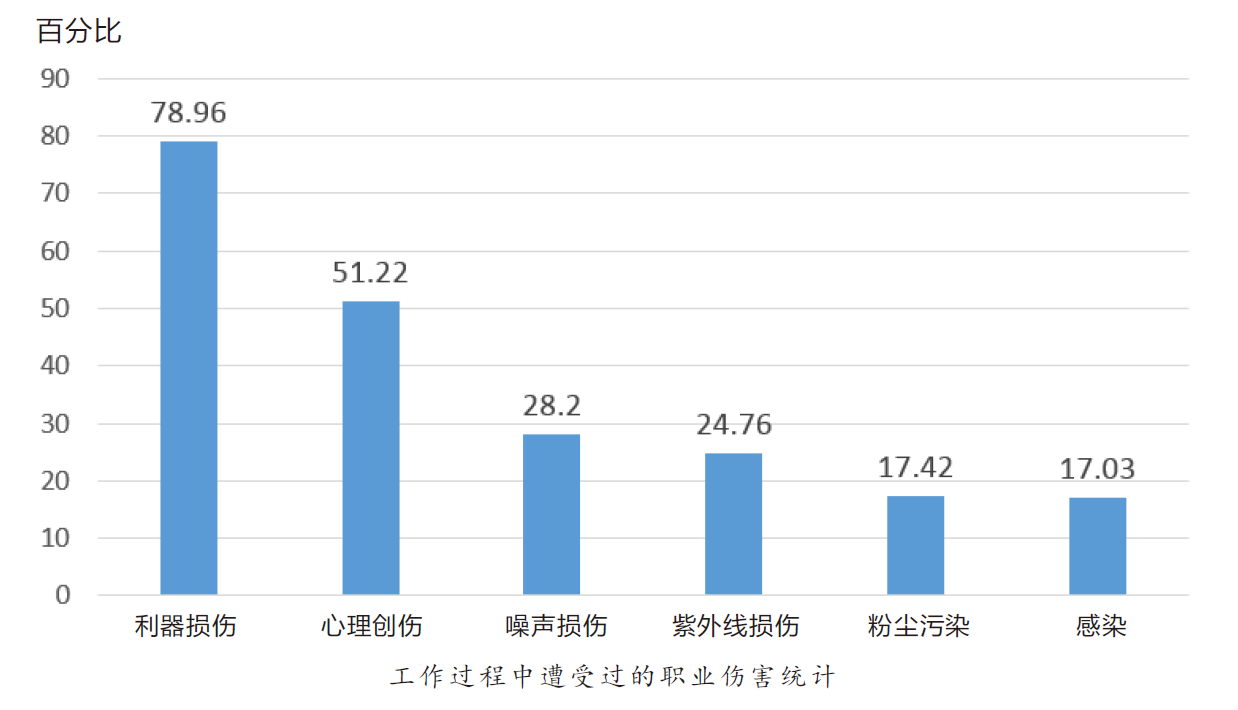
Nurses in clinical departments are frequently exposed to occupational hazards due to their routine contact with sharp instruments, such as injection needles and infusion needles, as well as patients' body fluids, blood, and secretions. Consequently, they experience a higher incidence of sharps injuries compared to other types of occupational injuries.
In the daily nursing practice, there is a lack of safety protection education, and nurses themselves lack awareness of protection. Relevant institutions should strengthen interventions to prevent occupational injuries among nurses, minimize the occurrence of such injuries as much as possible, and enhance nurses' self-protection awareness.
Interviewee:
"I got a cut on my hand that even required a stitch! The scar is still there to this day. This happened during my emergency department rotation. At the time, I felt that since I had chosen to become a nurse, I had to accept the occupational risks involved. So I believe my understanding was quite accurate. Every nurse has experienced needlestick injuries—if not cuts, then punctures. Back when I was preparing IV medications in the ward, I basically ended up with cuts on my hands every week; it was always one spot or another."
We are constantly exposed to patients’ blood, which may certainly contain pathogens such as syphilis, HIV, hepatitis B, and hepatitis C. When drawing blood from an infected patient for the first time, healthcare providers may not always wear gloves throughout the procedure. There are two main reasons for this: First, patients may feel disrespected or uncomfortable seeing medical staff wearing gloves. Second, wearing gloves reduces tactile sensitivity, whereas sufficient sensitivity is crucial for achieving successful venipuncture on the first attempt. Therefore, nurses sometimes hesitate to wear gloves to facilitate smoother operations. Additionally, if a nurse fails to locate a vein after two needle insertions, patients may become dissatisfied or raise concerns.
(2) A desire for patient affirmation and social respect
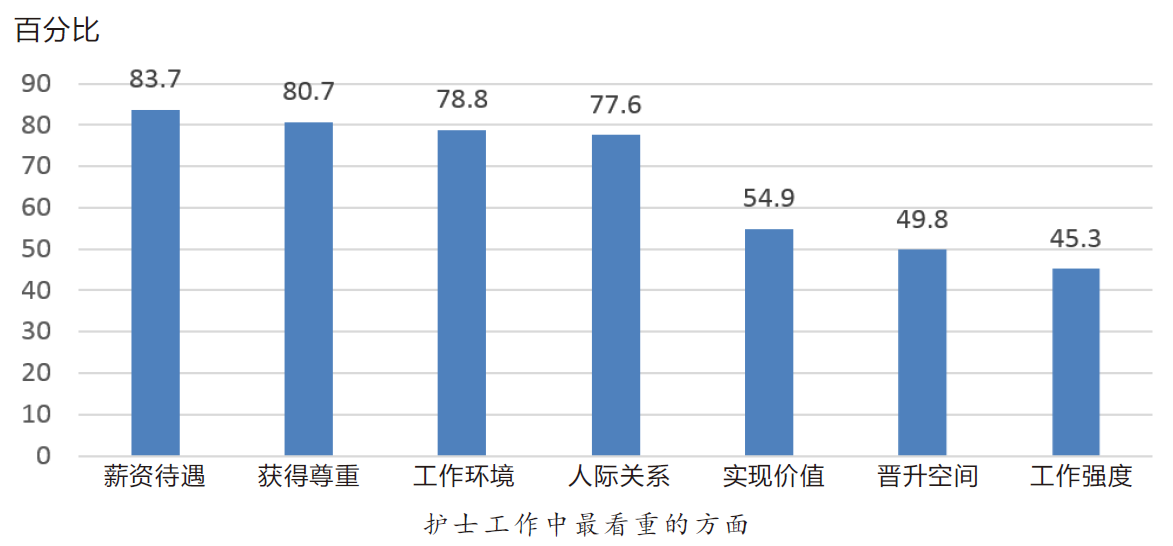
1. Nurses value earning respect most in their work
Analysis of sample data reveals that 80.7% of nurses prioritize "being respected" most in their work.
92% of nurses believe that "the social status of nursing is too low." 83.3% of nurses do not clearly feel respect from patients, and 90% do not clearly feel respect from the general public.
Analysis of sample data reveals that 49.7% of nurses responded either “no” or “undecided” when asked whether they intended to continue working in the nursing profession. Meanwhile, 46.9% of nurses indicated plans to consider changing their current occupation (nursing) between the ages of 30 and 40. Nurses experience a relatively high level of job burnout during the period of 6 to 10 years after entering the workforce, which coincides with the highest proportion of resignations. The turnover rate is higher among nurses with lower monthly incomes. Furthermore, nurses who have experienced medical violence are more likely to leave their jobs.
Interviewee:
I believe that disputes between nurses and patients may stem from patients’ lack of understanding of nursing care, particularly regarding the nature and responsibilities of nurses’ work. Additionally, patients’ family members often have no prior experience collaborating with healthcare professionals; this lack of previous cooperation can hinder the development of trust, thereby leading to misunderstandings. Another contributing factor is that patients’ anxiety and concern about surgery and their medical condition may manifest in alternative ways, such as conflicts. In my view, a variety of factors are at play.
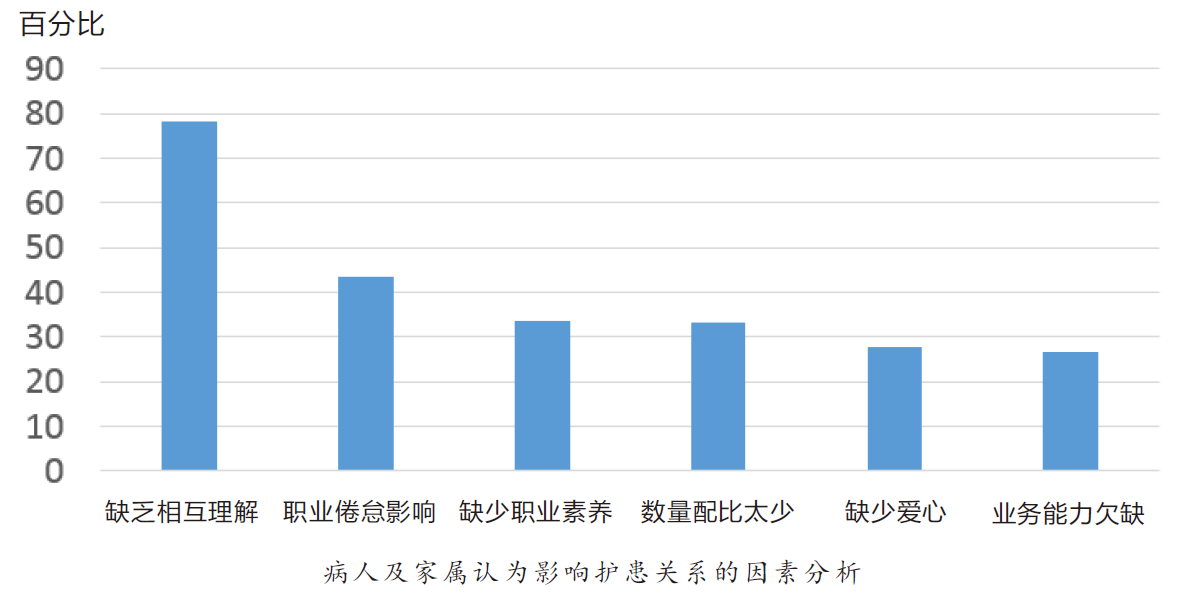
2. The primary cause of strained nurse-patient relationships is a lack of mutual understanding
78.4% of patients and their families believe that the primary cause of strained nurse-patient relationships is a lack of mutual understanding. During treatment, patients’ eagerness for rapid recovery and their heightened emotional vulnerability lead to increased expectations of nurses.
Meanwhile, factors such as inadequate professional qualities, lack of patience in work, and insufficient clinical competence among some nurses can also serve as triggers for tense nurse-patient relationships. Once such situations occur, they can easily tarnish the overall image of the nursing profession. Therefore, nurses should maintain strict self-discipline, enhance their professional qualities, improve their attitude toward patients, and strengthen their clinical skills.
3. The public has a narrow understanding of nurses' job responsibilities
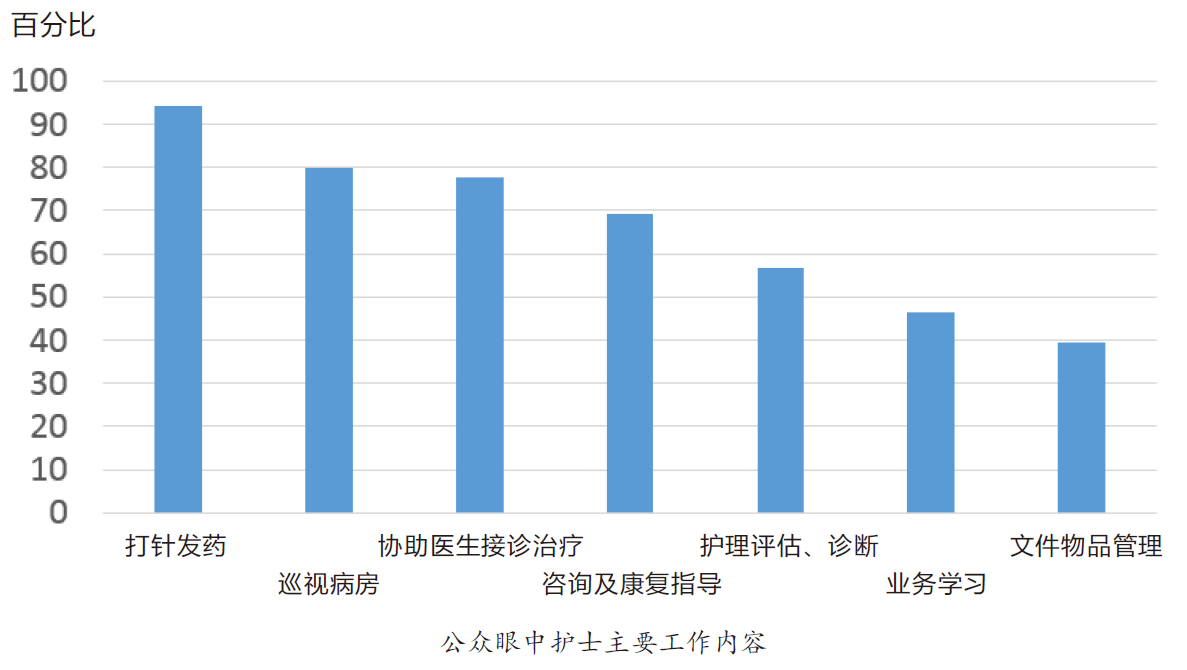
From the perspective of the general public, the nursing tasks with the highest proportions are administering injections and dispensing medications (94.1%), rounding in wards (79.9%), and assisting physicians with patient consultations and treatments (77.8%).
In the public eye, the primary duties of nurses are perceived to be administering injections and dispensing medications, while there is a vague understanding of their capacity to perform nursing diagnoses, formulate nursing care plans, and implement nursing interventions. To enhance the social status of the nursing profession, it is essential to first rectify the public’s narrow perception of nurses’ scope of practice.
(3) Strong Demand for Career Development and Promotion
1. Nurses have a vague understanding of their own career development concepts
Data analysis of currently employed nurses reveals that approximately 52.5% lack clear career development goals. Survey results among nurses who have left the profession indicate that over 60% continue to work in healthcare-related fields, while nearly 40% choose roles related to their specialty but requiring integration with additional competencies.
2. Professional training for nurses needs improvement
Survey data show that 58.6% of nurses work in institutions that provide relevant training or career planning. Additionally, 39.4% of nurses are employed by institutions that offer policy support for nurse training, 32.3% work in institutions that provide financial support for such training, and 29.8% are in institutions that offer opportunities for promotion linked to training.
Survey data indicate that 85% of nurses have received more than one instance of relevant professional training. Among them, 57.2% have participated in training on professional skills, 45.1% have undergone training related to professional licensure, and 39.2% have completed specialized nurse training.
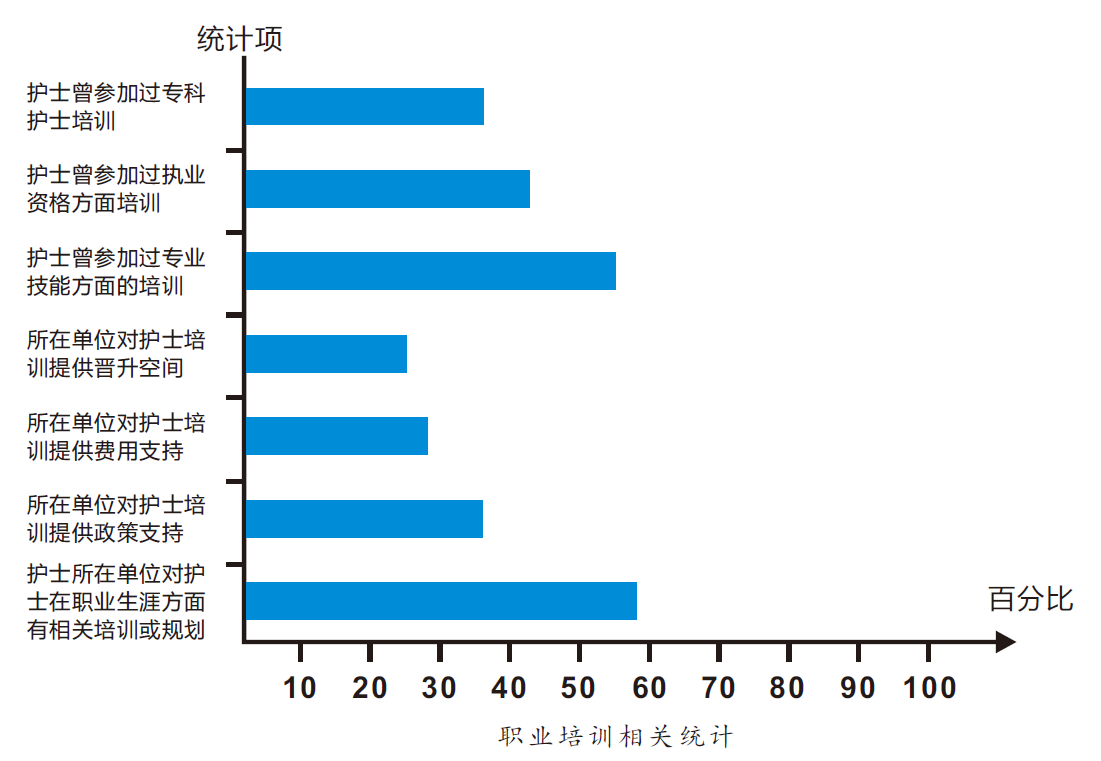
Analysis of the above data reveals that more than half of nurses lack clear goals for their career development; however, the vast majority participate in career-related training. This indicates that nurses have a strong desire for professional growth and hope to alter their career trajectories by enhancing their competencies.
(4) Severely Low Income and Compensation
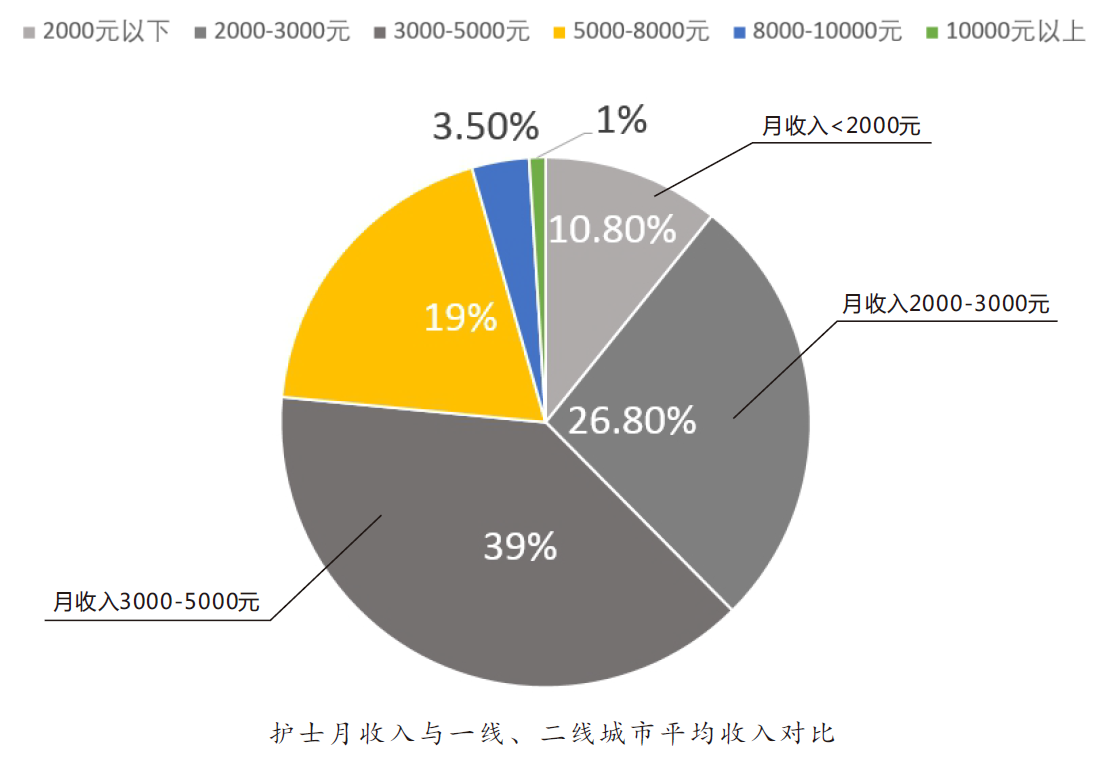
1. 37.6% of nurses have a monthly income below 3,000 yuan
According to previous national statistics, the average monthly salary in first-tier cities is approximately RMB 6,700, while that in second-tier cities is around RMB 5,600. Analysis of questionnaire sample data reveals that 83.7% of nurses consider “compensation and benefits” the most important factor in their work. Notably, 76.5% of nurses earn a monthly income below RMB 5,000, with approximately 37.6% earning less than RMB 3,000 per month; only 4.5% report a monthly income exceeding RMB 8,000. These figures clearly indicate that nurses’ monthly incomes fall below the urban average. Furthermore, data on former nurses show that 48.8% left their positions due to low income.
Data indicate that nurses’ years of work experience have a significant impact on their monthly income, with longer tenure associated with higher monthly earnings.
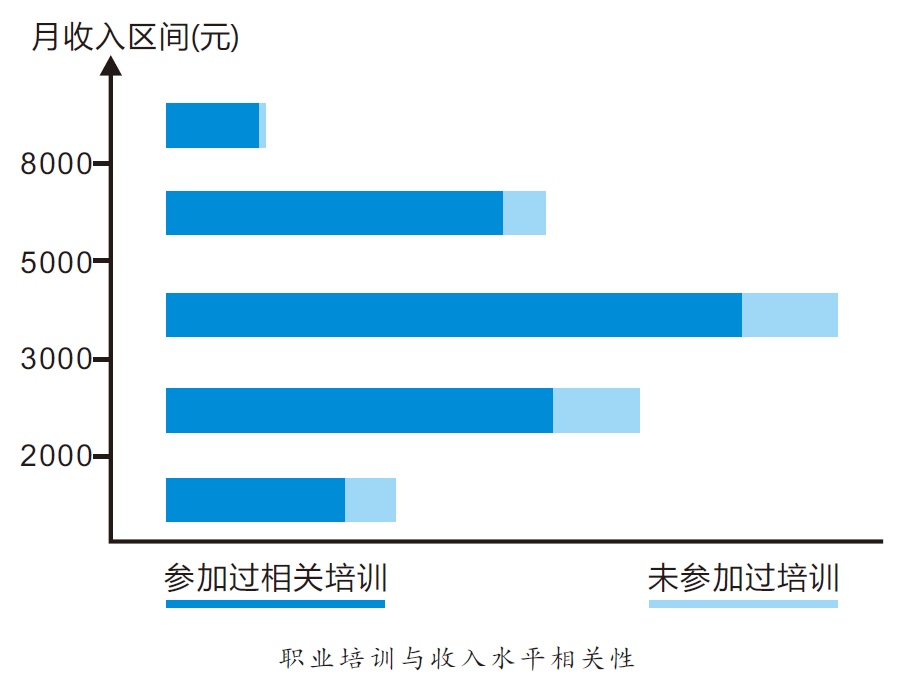
2. 85% of nurses have received relevant occupational training
The survey found that 85% of nurses had received relevant vocational training, and the monthly income of trained nurses was significantly higher than that of nurses who had not participated in such training. The longer the nurses' years of service and the higher their positions and roles, the lower their level of satisfaction with their salaries.
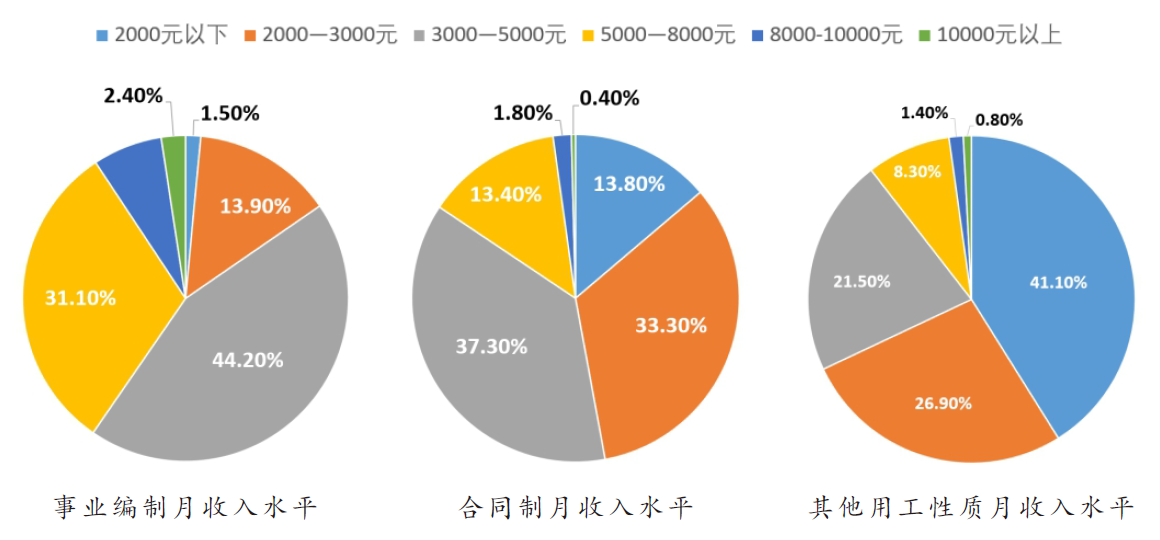
3. Nurses with public institution staffing status generally have higher monthly incomes than those under other employment arrangements
Data shows that the employment system has a significant impact on nurses’ monthly income. Among nurses under contract-based and other non-tenure employment arrangements, the proportion earning less than RMB 2,000 per month is substantially higher than that among nurses with public institution tenure (shiye bian).
Nurses with a monthly income exceeding 8,000 yuan are predominantly employed under the public institution staffing system (bianzhi), with their proportion significantly higher than that of the other two employment types. In the monthly income range of 5,000–8,000 yuan, nurses with public institution staffing also far outnumber those under the other two employment systems. In contrast, in the monthly income range of 2,000–3,000 yuan, nurses on contract-based or other non-bianzhi employment terms account for a higher proportion.
(V) The Living Conditions of Nurses Are Alarming
1. Nearly 10% of nurses work more than 60 hours per week
Analysis of survey data from currently employed nurses reveals that 90.4% work more than 40 hours per week, with approximately 9.8% working over 60 hours weekly. Furthermore, 74.2% of nurses are required to regularly work night shifts. Analysis of survey data from nurses who have left the profession indicates that 75% worked more than 40 hours per week prior to their resignation.
2. The divorce rate among nurses is seven times the national average in China
According to statistics from the Ministry of Civil Affairs, China’s crude divorce rate was 2.8‰ in 2015. In contrast, an analysis of marital status among in-service nurses in this survey revealed a divorce rate of 2% among nurses aged 30–40 years, which is significantly higher than the national average. This phenomenon is closely associated with the working conditions of nurses.
3. 86% of nurses require psychological counseling and stress relief
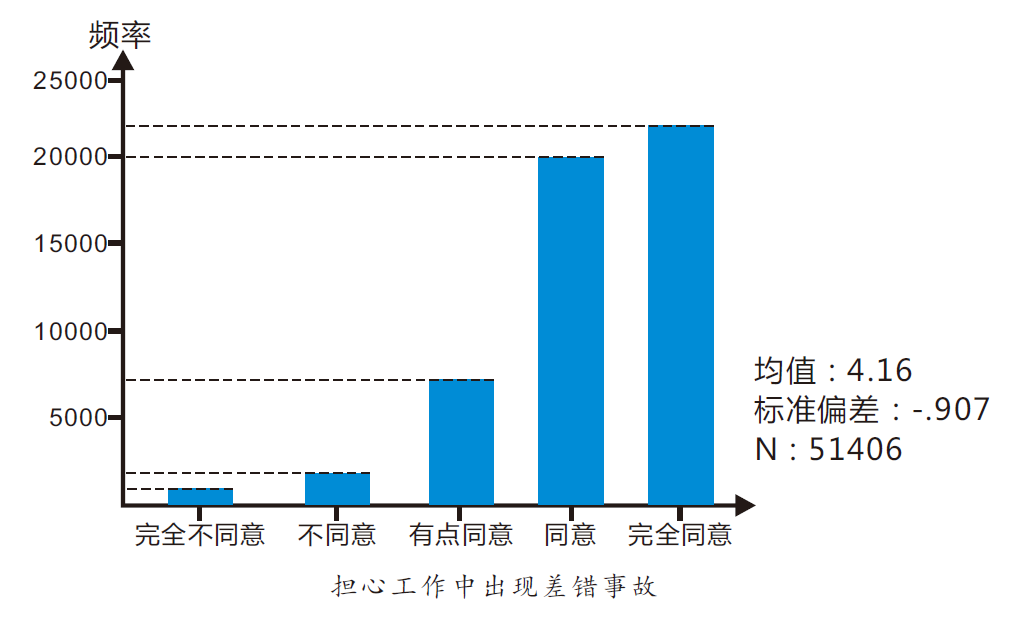
Analysis of questionnaire data from currently employed nurses revealed that 86% expressed a need for psychological counseling and stress relief, with 35.3% indicating a “strong need.” Furthermore, 74.7% reported that their employing institutions did not provide measures such as psychological counseling or stress relief. Regarding sources of work-related stress, 65.4% of nurses attributed it to nurse-patient relationships, while 50.7% cited high job requirements as the primary stressor. Analysis of data from nurses who had left the profession showed that 45.8% resigned due to excessive work pressure, and 42.3% left for health-related reasons.
With the evolution of patient-centered care concepts, heightened patient self-protection awareness, and increasingly stringent requirements for nursing practice, nurses are facing growing psychological and physical burdens. This has led to a more widespread prevalence of "job burnout," commonly manifesting in symptoms such as insomnia, headaches, gastrointestinal dysfunction, and irritability. Among nurses who have resigned from their positions, approximately 79% report insomnia as an occupational health issue, primarily attributed to irregular work schedules and disrupted circadian rhythms.
Conclusions and Recommendations
I. Alleviate Nurses' Work Stress and Prioritize Psychological Counseling
Nurses are required not only to perform mundane, trivial, and heavy nursing tasks but also to interact with patients, family members, and visitors. They encounter patients and families from diverse personalities, temperaments, educational backgrounds, and socioeconomic statuses on a daily basis, while managing their emotional fluctuations such as joy, anger, sorrow, and happiness. Frequently facing work overload and prolonged mentally strenuous labor, nurses suffer from chronic exhaustion of energy, leading to physical and mental fatigue.
In recent years, with the rising expectations of the public for healthcare services and the introduction of new clinical practices and technologies, medical institutions have expanded rapidly in scale, while the nursing workforce has not grown correspondingly. The allocation and division of nursing human resources are unscientific, leading to work overload, physical and mental exhaustion, and a predisposition to stress and depression. These factors have collectively eroded most nurses’ confidence and enthusiasm for their work, resulting in psychological distress that can subsequently evolve into various mental health disorders.
Nurses in the high-stress age group of 26–35 years should receive greater care and psychological counseling to help alleviate work- and life-related stress, thereby stabilizing the nursing workforce. Meanwhile, the quality of nursing care largely depends on nurses’ job satisfaction. Understanding the current status of nurses’ job satisfaction, analyzing potential influencing factors, and proposing targeted measures are of significant and far-reaching importance for enhancing nurses’ job satisfaction, stabilizing the nursing workforce, improving nursing management, and elevating the quality of nursing care.
It is recommended to collaborate with relevant institutions to launch psychological stress relief programs for nurses, organize a team of psychological experts to conduct psychological assessments and analyses, and establish a group of psychological mentors to deliver stress management courses, thereby forming a long-term counseling mechanism to gradually reduce job burnout among nurses in their work.
II. Focus on Nurses' Career Development and Improve Support and Training Systems
Provide proper career planning guidance for nurses who have just entered the workforce, enabling new hires to approach their roles with confidence and enthusiasm. Emphasize career development planning for clinical nurses holding a bachelor’s degree or higher, ensuring that highly educated nurses can realize their professional value throughout their careers.
Improve the hospital support and training systems, reasonably standardize nurses' daily work schedules, increase opportunities for learning and training, and enhance nurses' professional competence and skills. Nurses themselves should also improve their professional qualities, possessing not only solid theoretical knowledge of medicine but also patience, compassion, and empathy, to better implement high-quality nursing care services.
In the process of training nursing students, nursing colleges should not only focus on the acquisition of theoretical knowledge but also emphasize students’ ability to handle sudden medical emergencies, manage nurse-patient relationships, and plan their future careers. Efforts should be made to cultivate nursing talent in China, transforming nursing into a discipline that is not merely practical and operational, but also fosters innovation and enhances the research capabilities of nursing professionals through practice.
III. Promoting the Positive Energy of Nurses and Enhancing Social Recognition
Leverage social and media resources to amplify positive narratives about nursing, highlighting the dedication and hard work inherent in the profession. This aims to foster public understanding and inclusivity, enabling a more comprehensive and objective perception of nursing, thereby encouraging respect and empathy towards nurses during healthcare interactions. While a nurse is responsible for executing all medical orders for each patient, their care extends far beyond any single individual.
It is recommended to comprehensively interpret the professional characteristics, work-related stress, and psychological pressure of nurses from the public’s perspective, and to widely promote the image of “Angels in White” and the spirit of Nightingale.
IV. Standardize the Management System to Reduce Occupational Injuries
Attention should be paid to the impact of occupational injuries on the physical and mental health of nurses, especially the effects of sharps injuries and psychological violence. Nurses should receive training in knowledge and skills related to preventing occupational injuries at work, and professional psychotherapy should be provided when necessary. In daily nursing practice, safety protection education should be strengthened to enhance nurses’ awareness of personal protection. Education and training on relevant laws and regulations should be reinforced, comprehensive quality development of nurses should be promoted, and nursing skills should be improved. Nursing rules and regulations should be refined, and interventions against occupational injuries among nurses should be intensified to reduce such incidents.
It is recommended to standardize management systems and protocols, enhance the dissemination of occupational protection knowledge, and encourage nurses to share their experiences and best practices in occupational safety. Furthermore, raising legal awareness and rights-protection consciousness will help reduce the risk of occupational injuries among nurses.
V. Improve Nurses’ Compensation and Benefits to Enhance Job Satisfaction
Policies issued by relevant national authorities on improving the compensation and benefits of healthcare professionals have been continuously introduced, calling on health departments and hospital management to earnestly implement and enforce these measures. This includes reforming personnel systems, ensuring equal pay for equal work, and fully embodying the principle of fairness. The aim is to align nurses’ compensation with the time and effort they devote to their work, thereby more effectively reducing turnover rates, enhancing nurses’ subjective well-being, and fostering greater dedication and commitment to their profession.
For the full version of the white paper “Survey on the Current Development Status of China’s Nursing Workforce,” please contact Hulian Network. Tel: 13910106760, tianyumiao@hulian120.com