

Zhaoguan Technology Targets China's Vast Underserved Sleep Apnea Market with Medical-Grade, Non-Wearable Monitoring Solution
Sleep-disordered breathing is the source of many chronic diseases and is directly associated with hypertension, coronary heart disease, and diabetes. It can cause recurrent intermittent hypoxia during sleep, leading to metabolic disturbances that contribute to the development of various chronic conditions; in severe cases, it may result in sudden death. Additionally, patients with sleep-disordered breathing have a 2–7 times higher risk of being involved in traffic accidents and a 2–3 times higher risk of construction-related accidents compared with healthy individuals.
Epidemiological surveys show.The prevalence of sleep apnea in China has been rising year by year. In 2016, the prevalence among men reached as high as 14%, representing a 3.5-fold increase over the past 20 years.。
The market is vast and demand is substantial, yet existing medical service institutions and enterprises fail to meet this demand. Han Fang, Chairman of the Chinese Sleep Research Society and Director of the Center for Sleep Medicine at Peking University Health Science Center, previously stated to Zhaoguan Technology that approximately 60 million people in China suffer from sleep apnea syndrome, with less than 0.1% receiving treatment. China has only one or two hospital beds available for sleep testing per million citizens, whereas Germany has ten per million. Due to the underdevelopment of sleep medicine, sleep medical services fall far short of public demand.
Although some Grade A tertiary hospitals currently have polysomnography equipment,However, polysomnography equipment is costly, requiring dedicated hospital rooms, specialized personnel to operate the instruments, and manual report generation. Meanwhile, the cost per test at tertiary hospitals is relatively high, with appointment and waiting times ranging from 30 to 60 days.Testing requires wearing numerous electrodes all over the body and spending a night sleeping in a hospital bed, which is highly inconvenient. Meanwhile, primary healthcare institutions, such as general hospitals, community health centers, and physical examination facilities, lack specialized teams and appropriate equipment for the diagnosis of sleep apnea syndrome.
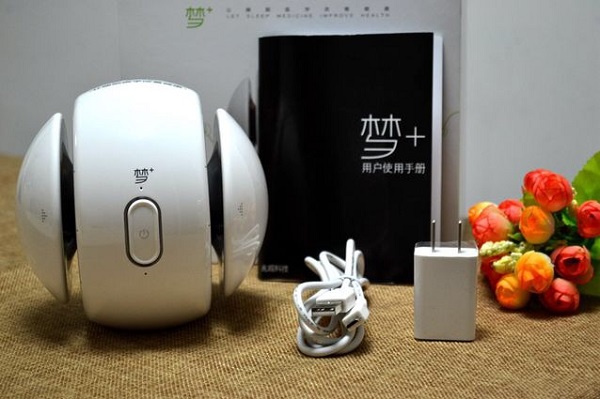
Existing wearable sleep apnea monitoring devices on the market struggle to meet requirements due to poor compliance. VCBeat has learned that Hangzhou Zhaoguan Technology has developedWireless Sleep Apnea Monitor: No Wearables Required; Simply Place on the Nightstand for Sleep Monitoring, with Data Meeting Clinical Standards, the product has also obtained CFDA certification. In this regard, VCBeat conducted an exclusive interview.
Wang Jianjun’s Personal Experience Drives His Entrepreneurial Venture
Wang Jianjun, co-founder of Zhaoguan Technology, told VCBeat that he himself is a patient with sleep-disordered breathing. The founding of the company was also related to his personal experiences. Initially, he had insufficient understanding of this condition; it was only after witnessing a sudden death caused by the disease that he realized its severity. However, when he sought medical attention at a hospital, he discovered that treatment was not straightforward. For instance, scheduling an examination required a waiting period of approximately 30 days.
After a long wait, it was finally his turn. The hospital attached more than 20 electrodes to him while he was asleep. This significant change in the sleep environment exacerbated the condition of individuals who already suffered from sleep disorders,The time to fall asleep is certainly very different from usual, so the accuracy of the test will be distorted.. Furthermore, hospitals are reluctant to invest substantial capital and manpower in such departments, as the input-output ratio is unfavorable compared to other departments.
What ultimately sparked Wang Jianjun’s entrepreneurial idea was that he had been diagnosed with a sleep-related breathing disorder, but his doctor told him the condition could not be cured.Doctors merely offer advice and prescribe medications, providing no further care once patients leave the hospital, nor is there any follow-up health management.
5 Services to Control Sleep-Disordered Breathing
Discussing the sleep apnea monitor developed by Zhaoguan, Wang Jianjun stated that users require five services to manage sleep-disordered breathing.
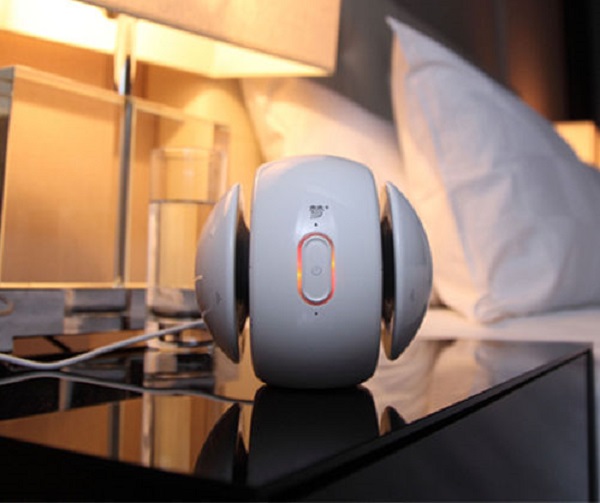
First isConduct initial rapid screening, after the user has set up the device according to the instructions and placed it by the bedside, no electrodes need to be worn; simply sleep as usual. The device will automatically record sleep breathing patterns, based on the measured Apnea-Hypopnea Index (AHI) (the number of apneas per hour),Qualitatively assess the severity of the user's condition to determine whether it is mild, moderate, or severe.
Second,End-to-End Diagnostic and Treatment Services, if a user is diagnosed with sleep-disordered breathing, ZhaoGuan Technology will provide daily behavioral intervention guidance and recommendations via its app. Additionally, the app features a physician-side interface that allows users to send their reports to doctors. Medical experts can then interpret the sleep breathing reports, clarifying what the data indicates about the user’s physiological condition.If the patient also suffers from hypertension or heart disease, the physician will provide corresponding recommendations for improvement based on the individual’s condition.
Zhaoguan Technology also has partnerships with medical institutions and can refer users with severe conditions to seek medical attention.
Third isOKfor intervention. For patients with severe conditions, the use of professional ventilators is required. ZhaoGuan Technology collaborates with select manufacturers to provide ventilator-based therapy. For the 10% of patients diagnosed with severe sleep-disordered breathing caused by structural abnormalities of the respiratory organs, surgical intervention may be employed as a treatment option.
The remaining patients with mild or moderate conditions can be controlled through behavioral interventions, as demonstrated by clinical medical research. Wang Jianjun stated that behavioral interventions primarily involve weight loss, exercise, and improvement of sleep posture. Regarding the improvement of sleep posture,Zhaoguan Technology offers users a sleep vest that emits vibrational signals to prompt posture changes when severe apnea is detected, thereby helping to prevent extreme outcomes such as sudden cardiac death.
Fourth isEarly Warning Function for Emergencies, because the Zhaoguan Sleep Monitor provides continuous monitoring of users, the system can issue early warnings for sudden incidents based on the user's condition and signs, thereby preventing extreme outcomes such as sudden cardiac death. For such users,Zhaoguan will notify users or their family members via app reports, phone calls, and other methods.
Fifth,For long-term users, with more than 20 measurements per month for six consecutive months, Zhaoguan Technology will provide a big data analytics service,Remind users of the potential for sleep apnea complications to prevent the exacerbation of various chronic diseases in advance.
Medical-Grade Sleep Apnea Testing
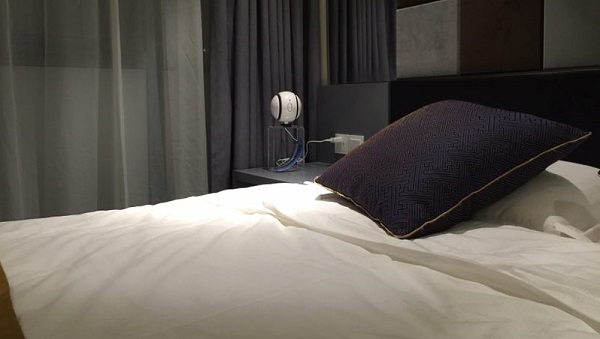
When discussing the project's advantages, Wang Jianjun stated that their productHaving obtained national medical device product certification, there are very few sleep monitoring products in China that have received this certificate.. Zhaoguan Technology's products do not require electrodes to be attached to the body, do not need to contact the body, and the device is placed at the head of the bed., just like an alarm clock, it automatically starts monitoring at a preset time each day, automatically ends the session, and generates a monitoring report on the mobile app, without disrupting normal sleep in any way.。
Wang Jianjun also noted that other sleep apnea screening devices requiring physical contact with the human body have obtained CFDA certification for pulse oximetry, but are less specialized in detecting sleep-disordered breathing than Zhaoguan Technology.
Another advantage is continuous, non-intrusive sleep apnea monitoring, with results presented to users in report format. This enables users to track their sleep breathing patterns on a weekly and monthly basis, observe trends in their condition following behavioral interventions, gain comprehensive insight into their health status, and prevent severe complications. The product is also suitable for nighttime sleep monitoring of elderly individuals living alone; their children can remotely review daily morning sleep reports, facilitating timely medical consultation based on the observed conditions and helping to prevent unexpected emergencies.
Wang Jianjun told VCBeat that Zhaoguan Technology secured RMB 20 million in angel investment at the end of 2014 and would launch its Series A financing round in the second half of 2017……