

Nineteen Blockbuster Drugs Approved by the FDA in Early 2017 Under New Commissioner Scott Gottlieb

FDA's New Commissioner Scott Gottlieb
On May 9, U.S. local time, the U.S. Senate approved Scott Gottlieb as the new Commissioner of the U.S. Food and Drug Administration (FDA) by a vote of 57 in favor and 42 against.
Gottlieb, a physician by training, later transitioned to become a medical consultant and served as Deputy Commissioner of the FDA.Gottlieb has criticized the FDA for its excessive regulations and protracted procedures, advocating for streamlined drug approval processes to accelerate review times. This stance aligns with the Trump administration’s goal of speeding up the FDA’s “cumbersome and slow” approval pace.
Medical professionals and Democrats remain skeptical of Gottlieb, citing his close ties to pharmaceutical companies and concerns over potential conflicts of interest.Gottlieb emphasized that, under his leadership, the FDA would accelerate approval processes to bring drugs to market as quickly as possible, while also upholding scientific rigor to make the right decisions.。
The U.S. Food and Drug Administration (FDA) has implemented accelerated approval policies for innovative drugs, breakthrough therapies, and rare disease treatments. Common FDA expedited review mechanisms include Breakthrough Therapy Designation, Priority Review, Fast Track designation, and Orphan Drug status. These measures are of significant importance in facilitating the rapid market entry of urgently needed innovative therapeutics.
Meanwhile, the FDA has long served as the global benchmark for the review and approval of innovative drugs. Closely monitoring regulatory developments, policy innovations, and drug safety is of significant importance. The launch and market performance of drugs in the U.S. market provide highly valuable reference insights for forecasting their future trends in China’s pharmaceutical market.
Based on this, VCBeat has selected 19 distinctive, blockbuster drugs approved by the FDA since the beginning of the year (as of May 15) for a brief introduction.
1. Gastrointestinal Medication: Trulance
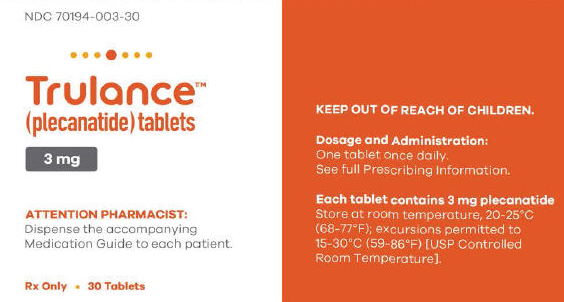
Trulance (plecanatide) was approved by the FDA on January 19, 2017. This medication is an oral guanylate cyclase-C (GC-C) receptor agonist that acts in the upper gastrointestinal tract to stimulate intestinal fluid secretion, thereby maintaining normal bowel function.
Analysts predict that Trulance’s sales will reach $450 million in 2020. Meanwhile, the drug may also be effective for constipation associated with irritable bowel syndrome (IBS). Trulance’s biggest competitor in the market is Allergan’s Linzess, a guanylate cyclase-C (GC-C) agonist approved in the United States, Canada, and Mexico for the treatment of IBS with constipation (IBS-C) and chronic idiopathic constipation (CIC). According to Allergan’s report, Linzess generated $464 million in sales during the first nine months of 2016.
2. Medication for Chronic Kidney Disease: Parsabiv
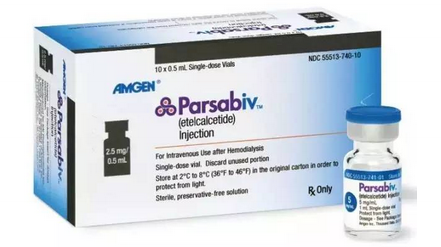
Parsabiv (etelcalcetide) received FDA approval on February 7 for the treatment of secondary hyperparathyroidism in adult patients with kidney disease undergoing hemodialysis. As a novel calcimimetic agent, it selectively binds to and activates the calcium-sensing receptors of the parathyroid glands, thereby inhibiting the secretion of parathyroid hormone. It is the first calcimimetic approved for intravenous administration at the end of dialysis sessions.
Parsabiv is Amgen’s second blockbuster drug for the treatment of secondary hyperparathyroidism (HPT) in patients with chronic kidney disease (CKD) undergoing dialysis. Previously, Amgen’s similar therapeutic agent, Sensipar (cinacalcet), was approved by the FDA in March 2004 and remains a key medication for dialysis patients with secondary HPT.
It is reported that Amgen’s chronic kidney disease drug, Parsabiv, once ranked among the “Top 5 Drugs Under Review with the Highest Net Present Value” as assessed by Evaluate Pharma, with a net present value of $3.68 billion. With Sensipar set to lose patent protection in 2018, Parsabiv is poised to become another blockbuster drug for Amgen.
3. Emflaza for DMD Treatment
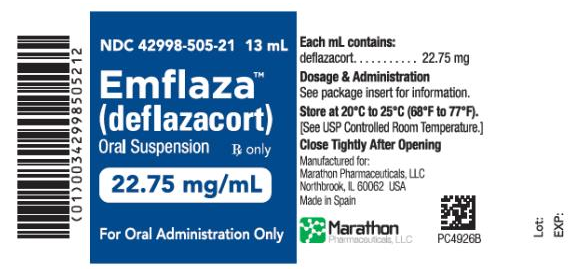
Emflaza (deflazacort) received FDA approval on February 9 for the treatment of patients aged 5 years and older with Duchenne muscular dystrophy (DMD, also known as pseudohypertrophic muscular dystrophy). As DMD is a fatal rare pediatric disease, Emflaza was granted special designations, including orphan drug status, priority review, and a priority review voucher.
EMFLAZA is the second DMD drug approved in the United States, following Exondys 51. As a repurposed medication with an established safety profile, it poses no significant safety concerns. Since EMFLAZA alleviates symptoms in DMD patients without restrictions based on genetic subtypes, its eligible patient population is substantially larger than that of Exondys 51. Additionally, given its lower price compared to Exondys 51, its sales volume is expected to significantly exceed that of Exondys 51.
4. Psoriasis Medication SILIQ
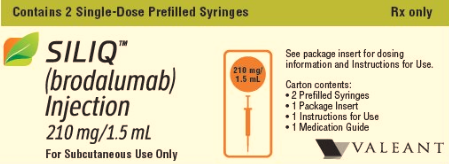
SILIQL (Brodalumab) received FDA approval on February 15. This injectable drug, approved at a strength of 210 mg/1.5 mL, is an IL-17 monoclonal antibody indicated for the treatment of moderate-to-severe plaque psoriasis. Brodalumab binds to proteins involved in the inflammatory response, thereby inhibiting plaque psoriasis. It is suitable for patients with psoriasis who have had an inadequate response to systemic therapy or phototherapy, or other treatments.
Siliq was approved by Japan’s Pharmaceuticals and Medical Devices Agency (PMDA) in 2016, upon application by Kyowa Kirin Co., Ltd., under the brand name Lumicef®. Siliq is a novel IL-17 receptor inhibitor that selectively binds to the IL-17 receptor and blocks its interaction with IL-17A, IL-17F, and other IL-17 isoforms, thereby preventing the body from receiving pro-inflammatory signals and suppressing inflammatory responses associated with psoriasis.
5. Medication for Carcinoid Syndrome: XERMELO
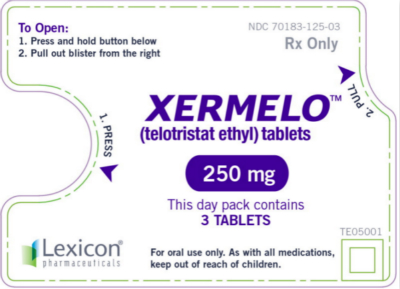
XERMELO (telotristat etiprate) received FDA approval on February 28. It is indicated for the treatment of carcinoid syndrome diarrhea (CSD) in adults who are not adequately controlled by somatostatin analog (SSA) therapy alone. As the first and only approved oral therapy for CSD, this medication provides a new treatment option for patients suffering from carcinoid syndrome diarrhea.
XERMELO, developed by Lexicon Pharmaceuticals in the United States, targets tryptophan hydroxylase within carcinoid tumor cells. By inhibiting the overproduction of serotonin, it reduces the frequency of diarrhea associated with carcinoid syndrome. Carcinoid syndrome is a cluster of symptoms that sometimes occurs in patients with carcinoid tumors. Carcinoid tumors are rare, slow-growing neoplasms capable of producing small-molecule polypeptides or peptide hormones, and they represent the most common gastrointestinal endocrine tumors.
6. Anti-cancer Drug Kisqali
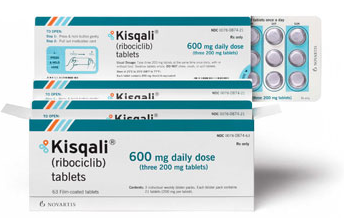
Kisqali (ribociclib) was approved by the FDA on March 13. Developed by Novartis, Kisqali is the second CDK4/6 inhibitor after Pfizer’s Ibrance, and is indicated in combination with an aromatase inhibitor as first-line therapy for postmenopausal women with HR-positive, HER2-negative advanced or metastatic breast cancer.
Compared with letrozole monotherapy, Kisqali plus letrozole significantly improved progression-free survival, reducing the risk of disease progression or death by 44%, a statistically significant benefit. Kisqali received Breakthrough Therapy designation and Priority Review from the FDA, which approved the drug in just four and a half months. HER2-negative, hormone receptor (HR)-positive breast cancer is the predominant subtype among postmenopausal patients, accounting for approximately 60% of cases and representing an estimated $10 billion market. According to economic analysts, Kisqali has the potential to become the next blockbuster drug.
7. Anti-Parkinson's Drug Xadago
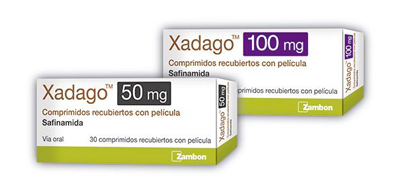
Xadago (safinamide) was approved by the FDA on March 21. Developed collaboratively by Italy’s Zambon Group and Newron Pharmaceuticals, this tablet-formulation drug is a novel selective monoamine oxidase B (MAO-B) inhibitor that modulates glutamate release by blocking voltage-dependent sodium channels on neurons. It is recommended for use in combination with levodopa or other Parkinson’s disease medications for the treatment of mid-to-late stage idiopathic Parkinson’s disease.
Xadago is the first new drug approved in the United States in nearly a decade for the treatment of Parkinson’s disease. To date, it has received marketing authorization in multiple European countries, providing more clinical treatment options for numerous Parkinson’s patients across Europe. With its recent approval by the U.S. Food and Drug Administration (FDA), and according to the National Institutes of Health, approximately 50,000 Americans are diagnosed with Parkinson’s disease each year, and about one million Americans live with the condition. Xadago thus holds significant market potential in the U.S.
8. Medications for Carcinoid Syndrome: SYMPROIC
SYMPROIC (Naldemedine) was approved by the FDA on March 23. Developed by Shionogi & Co., Ltd. of Japan and Purdue Pharma of the United States, this tablet is a once-daily peripherally acting mu-opioid receptor antagonist indicated for the treatment of opioid-induced constipation in adult patients with chronic non-cancer pain.
Symproic, due to its chemical structure being similar to naltrexone, is classified as a Schedule II controlled substance under the U.S. Controlled Substances Act. Shionogi has submitted a request for descheduling Symproic to the U.S. Drug Enforcement Administration (DEA), which is currently under review. Shionogi and Purdue Pharma will jointly handle the launch and commercialization of Symproic in the United States, with the product expected to hit the market around June.
9. Anticancer Drug BAVENCIO
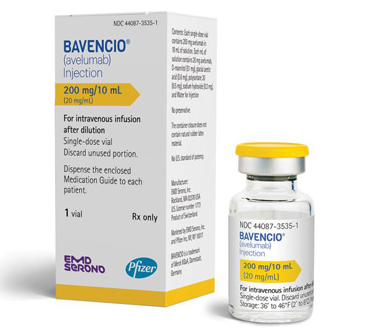
BAVENCIO (Avelumab) was approved by the FDA on March 23. This injectable drug, a PD-L1 antibody developed by Pfizer and Merck KGaA, is indicated for the treatment of Merkel cell carcinoma, a rare form of skin cancer.
PD-1 antibody drugs inhibit the binding of PD-L1 (expressed on cancer cells) to PD-1 (expressed on T cells), thereby activating T cells and the adaptive immune system to attack cancer cells. Bavencio has received FDA Priority Review and Breakthrough Therapy designation, and has also been granted Orphan Drug designation.
10. Anticancer Drug Zejula
Zejula (niraparib) received FDA approval on March 27. This capsule formulation is approved at a strength of 100 mg. Zejula, a PARP inhibitor developed by TESARO, Inc., is indicated for maintenance therapy in ovarian cancer.
Zejula has received multiple designations from the FDA, including Accelerated Approval, Priority Review, and Breakthrough Therapy. It is the third PARP inhibitor to reach the market and the first indicated for maintenance therapy in patients who are responding to treatment. Notably, it is not restricted by BRCA mutation status, thereby broadening its eligible patient population.
11. Ocrevus for Multiple Sclerosis
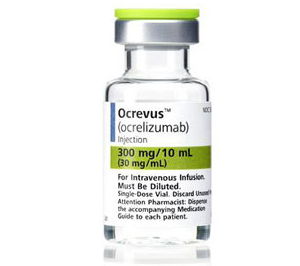
Ocrevus (ocrelizumab), a humanized monoclonal antibody developed by Genentech, Inc., was approved by the FDA on March 28. It selectively targets CD20-positive B cells and is indicated for the treatment of adult patients with relapsing forms of multiple sclerosis (MS) and primary progressive multiple sclerosis (PPMS).
Ocrevus is an intravenous infusion medication and the first and only disease-modifying therapy approved for the treatment of two types of multiple sclerosis (RMS and PPMS), as well as the first and only disease-modifying therapy for PPMS.
Multiple sclerosis is a chronic inflammatory, demyelinating disease of the central nervous system, affecting approximately 2.3 million people worldwide, with no curative medication currently available. Experts predict that Ocrevus is expected to surpass $4 billion in sales in 2022.
12. Dermatological Medication DUPIXENT
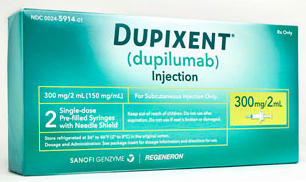
DUPIXENT (dupilumab) was approved by the FDA on March 28. The drug is an injection with an approved strength of 150 mg/mL. Dupixent is an IL-4/IL-13 antibody developed by Regeneron Pharmaceuticals for the treatment of moderate-to-severe eczema.
IL-4 and IL-13 are immune mediators secreted by type 2 helper T cells (Th2). In healthy individuals, the levels of Th1, Th2, and Th17 cells within the immune system must remain within a balanced range; imbalance can lead to various diseases. Skin diseases have a high incidence rate and present with obvious symptoms. Statistics show that 10–20% of children and 1–2% of adults suffer from eczema to varying degrees. It is estimated that there are 300,000–350,000 patients with varying severity in the United States alone. Experts predict that Dupixent will be one of the largest new product launches this year, with the potential to become a blockbuster drug achieving annual sales exceeding $5 billion.
13. Austedo (Deutetrabenazine) for Huntington's Disease

On April 3, the FDA approved Teva’s near-blockbuster drug for Huntington’s disease. This approval came ten months after the agency had initially rejected the drug due to concerns about certain metabolites observed in trial participants. It marks the first deuterated drug approved by the FDA globally; deuteration slows the drug’s metabolism in patients, thereby extending its half-life.
With this approach, greater therapeutic efficacy can be achieved at lower doses. Teva’s drug is a small-molecule vesicular monoamine transporter 2 (VMAT2) inhibitor; VMAT2 functions to regulate dopamine levels in the brain. The drug will be marketed under the brand name Austedo.
The FDA’s approval still marks a major victory for Teva, as the company has been under immense pressure in recent years and is currently undergoing restructuring. For Concert Pharmaceuticals, this approval also represents a significant milestone, reflecting its years-long dedication to the research and development of deuterated drugs.
14. Movement Disorder Drug Ingrezza (Valbenazine)
On April 11, the FDA approved Ingrezza (valbenazine), a new drug from Neurocrine Biosciences for the treatment of tardive dyskinesia in adults. This marks the first drug approved by the U.S. FDA for adult patients with tardive dyskinesia. Tardive dyskinesia is a central nervous system disorder that affects up to 500,000 people in the United States alone.
Valbenazine is a selective VMAT2 inhibitor. This drug exhibits high specificity, with low affinity for VMAT1, dopaminergic receptors, and serotonergic receptors, thereby minimizing the risk of other side effects. Furthermore, it can be co-administered with antipsychotic or antidepressant medications. Previously, it received Breakthrough Therapy Designation from the U.S. FDA.
15. Leukemia Drug Rydapt (Midostaurin)

On April 28, the FDA approved Rydapt (midostaurin) in combination with chemotherapy for the treatment of adult patients with newly diagnosed acute myeloid leukemia (AML) who have FLT3 mutations. Rydapt is approved for use with the LeukoStrat CDx FLT3 Mutation Assay, a companion diagnostic test used to detect FLT3 mutations in patients with AML.
“Rydapt is the first targeted therapy approved in combination with chemotherapy for the treatment of acute myeloid leukemia,” said Richard Pazdur, M.D., Acting Director of the Office of Hematology and Oncology Products at the U.S. Center for Drug Evaluation and Research and Director of the Oncology Center of Excellence. “The ability to use a diagnostic test to detect gene mutations means that physicians can identify specific patients who will benefit from this combination therapy.”
Furthermore, the FDA granted Priority Review, Fast Track designation (for mastocytosis), and Breakthrough Therapy designation (for acute myeloid leukemia) to this marketing application.
16. Osteoporosis Drug Tymlos (Abaloparatide)
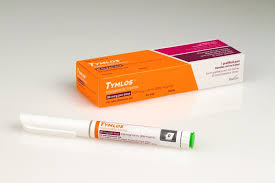
On April 28, the FDA announced the approval of Radius Health’s drug Tymlos for the treatment of osteoporosis in postmenopausal women at high risk of fracture or those who have failed to respond to other therapies. Administered via injection, the drug demonstrated in clinical trials an absolute risk reduction of 3.6% for vertebral fractures and 2% for non-vertebral fractures compared with placebo.
The drug’s approval came earlier than expected, and upon its market launch, it will compete with Eli Lilly’s Forteo (teriparatide) and Amgen’s Prolia (denosumab). In a research report, JPMorgan analyst Fye stated, “This approval transforms Radius into a commercial-stage company.”
17. NSCLC Drug Alunbrig (Brigatinib)
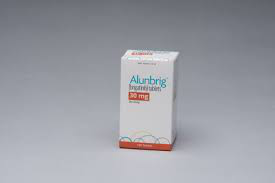
On April 28, the FDA granted accelerated approval to Brigatinib (ALUNBRIG, Takeda Pharmaceutical) for the treatment of metastatic anaplastic lymphoma kinase (ALK)-positive non-small cell lung cancer in patients who have experienced disease progression on or are intolerant to crizotinib.
This approval is based on a non-comparative, two-arm, open-label, multicenter clinical trial, which demonstrated that brigatinib achieved a clinically meaningful and durable overall response rate in patients with locally advanced or metastatic ALK-positive non-small cell lung cancer (NSCLC) who had disease progression after crizotinib treatment. Brigatinib has received FDA Breakthrough Therapy designation for the treatment of ALK-positive NSCLC in patients intolerant to crizotinib, and Orphan Drug designation for the treatment of ALK-positive NSCLC.
The FDA granted priority review status to this marketing application. As a condition of accelerated approval, the company is required to confirm the clinical benefit of brigatinib in a confirmatory clinical trial.
18. ALS Drug Radicava (Edaravone)

According to news reports on April 28, Radicava (edaravone), an experimental amyotrophic lateral sclerosis (ALS) drug from Mitsubishi Tanabe Pharma America (MTPA), has received FDA approval. This marks the second ALS drug ever approved and the first in two decades.
ALS, also known as Lou Gehrig's disease, is a rapidly progressive neurodegenerative disorder, with most patients dying within two to five years of diagnosis. This is not a modified version of an existing drug, nor is it intended merely for symptomatic treatment. Evaluation results from a pivotal study involving 137 ALS patients demonstrated that over six months, patients treated with Radicava experienced a 33% reduction in fall rate compared to those receiving conventional standard care.
As can be seen, 2017 was a year worthy of anticipation by the industry, as the development of innovative drugs never ceases. Regarding the FDA, scholars from Yale School of Medicine published an article in JAMA stating that among the 222 drugs approved by the U.S. Food and Drug Administration (FDA) from 2001 to 2010, safety concerns were identified post-approval for 71 of them; some were withdrawn, others received black box warnings due to side effects, and still others were found to pose new risks. Joseph Ross, an associate professor at Yale and author of the article, noted that while the government seeks a more lenient and expedited drug approval process, such decisions carry consequences (JAMA).
The U.S. FDA’s drug approval process is faster than that of some international counterparts, yet it has drawn sharp criticism from medical experts over safety concerns. This raises a thought-provoking question: Should drug approval prioritize speed or safety? We believe that drug approval is a matter of significant national importance for every country. Regulatory authorities for food and drugs must strike a balance between speed and safety to maximize the health benefits for humanity.
19. PD-1 monoclonal antibody KEYTRUDA® (pembrolizumab) in combination with the chemotherapy agents pemetrexed and carboplatin
On May 11, Merck & Co. (MSD) announced that the U.S. Food and Drug Administration (FDA) had approved KEYTRUDA® (pembrolizumab), a PD-1 inhibitor, in combination with the chemotherapy agents pemetrexed and carboplatin (PEM/carbo) for the first-line treatment of metastatic non-squamous non-small cell lung cancer (NSCLC), regardless of PD-L1 expression levels. The FDA granted accelerated approval for this indication based on tumor response rate and progression-free survival (PFS) data.
This marks the first FDA approval of a PD-1 monoclonal antibody as part of a combination therapy for metastatic NSCLC. KEYTRUDA is also currently the only PD-1 monoclonal antibody approved for use as both monotherapy and combination therapy in the first-line treatment of patients with metastatic NSCLC. This approval makes KEYTRUDA an option for more lung cancer patients, particularly some those newly diagnosed.
[Reference Materials]
https://www.statnews.com/2017/05/09/scott-gottlieb-confirmed-fda/
http://www.jiemian.com/article/1245157.html
https://news.pharmacodia.com/web/newinfo/information_8a2d98375afa6684015b289813880591.html