

Impulse Dynamics Secures $45 Million in Equity Financing to Advance CCM-Based Optimizer Therapy for Chronic Heart Failure
VCBeat (WeChat: vcbeat) has learned that German medical device company Impulse Dynamics recently announced it had secured $45 million in equity investment. This round was led by Goldstone Investment, with participation from several other international venture capital firms. The funds will be primarily used to develop its Optimizer medical device for the treatment of chronic heart failure.
It is worth noting that Jinshi Investment is the professional private equity fund subsidiary of CITIC Securities Co., Ltd. Following this round of financing, Impulse Dynamics’ total fundraising has reached $75 million.

Impulse Dynamics Historical Financing Data
Chronic heart failure, also known as chronic congestive heart failure, is the ultimate outcome of most cardiovascular diseases and the leading cause of death. The Optimizer therapy device developed by Impulse Dynamics is a device based on Cardiac Contractility Modulation (CCM) technology. It delivers non-excitable electrical impulses to the heart, inducing various biochemical and neurohormonal changes in the myocardium. This process effectively "exercises" the cardiac muscle, enabling it to contract appropriately and function efficiently without increasing oxygen consumption.
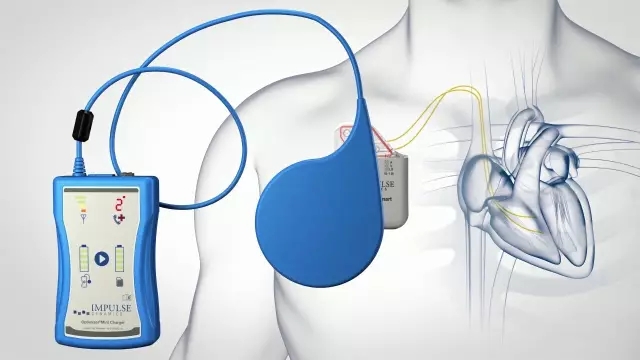
Optimizer is an innovative therapy designed for patients with a narrow QRS complex, suitable for those with moderate-to-severe chronic heart failure (NYHA Class III), an ejection fraction (EF) > 20%, and a normal QRS morphology. The Optimizer device employs one lead to sense atrial activity and two additional leads to sense ventricular activity and deliver electrical impulses to the heart. Similar in size to a cardiac pacemaker, the Optimizer differs fundamentally by modulating the strength of cardiac contraction rather than regulating heart rhythm, which constitutes the primary distinction between the Optimizer product line and other cardiac therapeutic devices.

Impulse Dynamics is a member of the Hobart Group, dedicated to developing novel medical devices for the treatment of chronic heart failure. The Hobart Group focuses on developing and commercializing medical technologies for top-tier healthcare markets with significant unmet needs. Its business scope covers cardiology, diabetes, oncology, neurology, and rehabilitation.
The Group employs over 200 scientists, engineers, and regulatory and business experts across four continents, leveraging clinical expertise from Europe, the United States, and Asia, as well as extensive regulatory and international market knowledge. Impulse Dynamics has completed extensive clinical studies, including several randomized controlled trials, with findings published in more than 60 leading medical journals.
Currently, the advanced version of Optimizer, known as Optimizer Smart, is being sold in Europe, while Optimizer has been approved by the U.S. FDA for investigational use. To date, more than 3,500 patients have used the Optimizer product line. Moving forward, Impulse Dynamics will focus on conducting clinical studies for Optimizer and obtaining FDA approval to enter the U.S. market.
Regarding this round of financing, Dr. Simos Kedikoglou, CEO of Impulse Dynamics, stated: “We are delighted to have Jinshi Investment Company as our investor. This investment marks a significant milestone for our company, supporting our ongoing product development and global market expansion.”
Mr. Ray Yang, Vice President of Investment at Jinshi Investment, also stated, “We believe that CCM addresses significant unmet needs in the treatment paradigm for chronic heart failure. We look forward to seeing Impulse realize its potential in alleviating symptoms for millions of patients worldwide and addressing issues that existing cardiac disease treatment devices cannot resolve.”