

Fourth Forum on Development of Large Public Hospitals and Healthy China Hangzhou Summit
In 2017, reforms of public hospitals were comprehensively rolled out, marking the end of the era of drug markups; pilot programs for the establishment of medical consortia were fully launched; the development of modern hospital management systems was accelerated and upgraded; and a diversified, composite health insurance payment model, primarily based on diagnosis-related group (DRG) payments, was vigorously promoted. The year 2017 will undoubtedly leave a significant mark in the history of reform and development of public hospitals in China.
Amid the transition between old and new operational mechanisms, contradictions and challenges abound. In the face of this complex landscape, and at a time when steady strides are being made in building a Healthy China, what responsibilities and actions should large hospitals undertake? The 4th Summit on the Development of Large Public Hospitals and the “Healthy China” Hangzhou Summit, hosted by Health News and organized by Sir Run Run Shaw Hospital, Zhejiang University School of Medicine, will center on the theme “Building a Healthy China: Greater Contributions from Large Hospitals.” It will bring together presidents of major hospitals from home and abroad to exchange insights and best practices beside the scenic West Lake, on the very stage that hosted the G20 Summit.
We look forward to your arrival!
Conference Dates: June 9–10, 2017 (Registration on the morning of June 9)
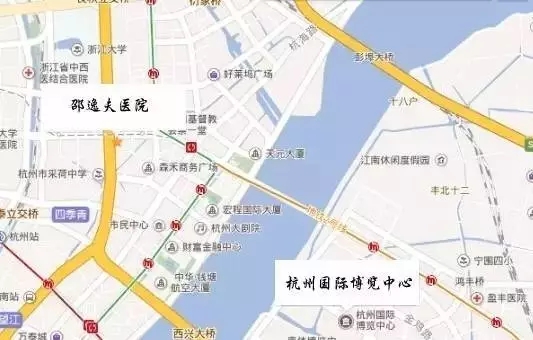
Venue: Hangzhou International Expo Center (No. 353, Benjing Avenue, Xiaoshan District, Hangzhou City, Zhejiang Province, China)
Hosted by:Health News Agency
Organized by:Sir Run Run Shaw Hospital, Zhejiang University School of Medicine
Registration Time/Location:
June 9, 2017, 10:00-21:00 (Hotel Registration)
June 10, 2017, 7:30–8:30 (On-site Registration)
Registration Information:
1) Registration for the healthcare system is free of charge if completed by May 31; thereafter, a registration fee of RMB 1,000 per person will apply;
2) Corporate registration fee: RMB 1,000 per person.
3) A simple meal will be provided at noon on the day of the conference; all other accommodation and dining expenses are to be covered by attendees.
June 9, Afternoon
Visit and Exchange at Sir Run Run Shaw Hospital, Zhejiang University School of Medicine
June 10, Morning
Opening Ceremony (8:30–9:00)
Main Forum (9:00-12:30)
June 10, Afternoon
Sub-forum (14:00–18:00)
Main Forum
June 10, Afternoon: Sub-forum (14:00–18:00)
(Each sub-forum will be moderated by a guest hospital director, who will invite 5–6 directors to deliver speeches. Each speech will last 20–30 minutes, with the remaining time allocated for a roundtable discussion.)
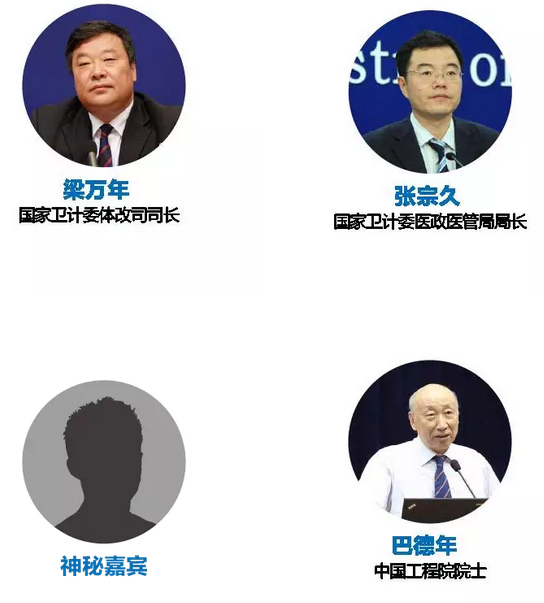
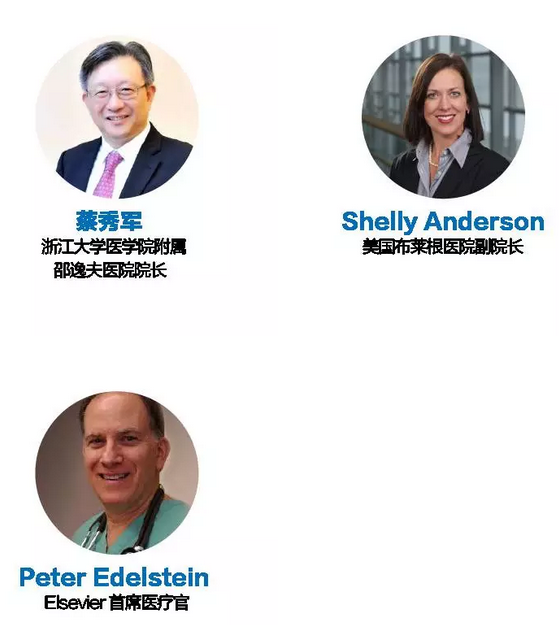
Sub-forum 1: Hospital Transformation in the Era of Zero Mark-up on Drugs

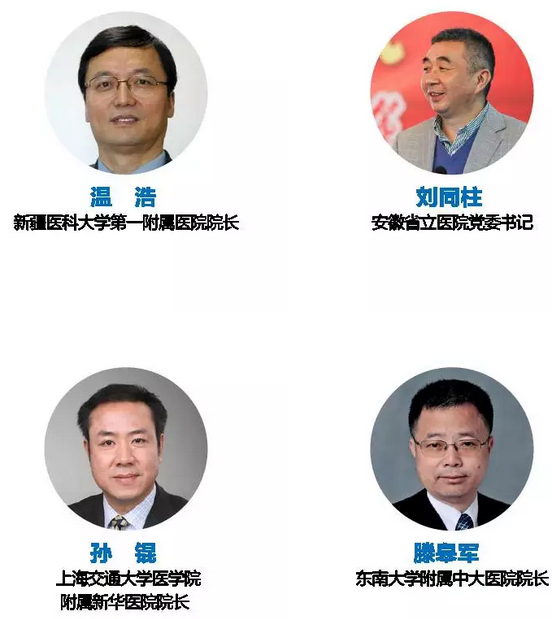

Discussion Points:
1. The abolition of drug markups will bring about fundamental changes to the operational, managerial, and developmental models of public hospitals.
2. As reforms are rolled out comprehensively, will the period of dividends for public hospitals come to an end? Will hospitals with ambiguous positioning and inefficient management be the first to fail?
3. How to Make the Most of Every Dollar Spent in Hospitals?
4. The implementation of a series of public hospital reform measures, such as the separation of pharmaceutical services from medical services, has accelerated the establishment of modern hospital management systems.
5. How Should the Government Act to End the Practice of Subsidizing Healthcare with Drug Profits?
6. How Can Internal Performance Appraisal Become the Driving Force for Returning to Public Welfare?
>>>> Sub-forum 2: The Role and Responsibility of Large Hospitals in the Tiered Diagnosis and Treatment System


Discussion Points:
1. “Big Hands Holding Little Hands”: Public tertiary hospitals bear the primary responsibility for leading medical consortiums.
2. How can medical consortium reforms establish a reasonable incentive mechanism to avoid superficial integration without genuine collaboration?
3. How closely should the leading hospital and member institutions of a medical consortium be integrated?
4. How can “Internet+” become a valuable ally in the reform of medical consortia?
5. How can the reform of medical consortia be coordinated with health insurance to establish managed care and strengthen accountability for disease prevention?
Sub-forum 3: How Large Public Hospitals Can Leverage Social Capital
Discussion Points:
1. Collaboration between public hospitals and social capital is an option for public hospital reform.
2. As public hospitals leverage social capital, laws, regulations, policies, and institutional frameworks require timely adjustments.
3. Is PPP a pathway for public hospitals to amplify high-quality resources?
4. How to Prevent the Loss of State-Owned Assets in Mixed-Ownership Reforms?
5. Should Public Hospitals Retain "Special Needs Medical Services"?
6. What should be the priority options for reforms such as the entry of social capital and the PPP model?
Sub-forum 4: Differences and Gaps in Hospital Management Between China and Foreign Countries
Discussion Points:
1. How significant is the gap in hospital management and operations between China and other countries? What are the causes of this disparity?
2. How to effectively narrow this gap?
3. How Can Public Hospitals Balance Public Welfare and Efficiency?
4. How to effectively establish a corporate governance mechanism for modern hospital management? What are the role and positioning of the Party Secretary in this context?
5. Is the Professionalization of Hospital Directors an Inevitable Path for the Development of Chinese Hospitals?
6. How to Achieve the Unity of Opposites Between Internal Performance Appraisal and Organizational Culture in Hospitals?
Subforum 5: Deconstruction and Sharing of the SAHZU Model

Discussion Points:
1. What is the institutional core of the Sir Run Run Shaw Hospital model?
2. What is the biggest obstacle to implementing the modern U.S. hospital management system in China?
3. How to Sustain the Advanced Nature of the Sir Run Run Shaw Hospital Model?
4. Can the Sir Run Run Shaw Hospital model be replicated in other hospital systems across China?
5. How can hospitals effectively preserve the inheritance of their organizational culture during periods of rapid development?
Subforum 6: Hospital Culture and Humanistic Care: Inheritance and Innovation
Discussion Points:
1. Relaxing Doctors and Patients: Skills for Maintaining the Mental Health of Medical Staff Under High Pressure and Managing Doctor-Patient Relationships.
2. Decoding the Mind: Intervention Strategies for Psychological Factors in Disease Diagnosis and Treatment at General Hospitals.
3. The Role of the “Relieving Patients and Medical Staff, Decoding the Mind” Mental Health Service Lecture Tour Project in 100 General Hospitals in Promoting Hospital Development and Enhancing Humanistic Care
4. The Importance of Establishing Psychiatric Departments in General Hospitals.
Hangzhou Ruili Jianghehui Hotel
Address: No. 1299, Zhijiang Road, Jianggan District, Hangzhou City.
It is 7.5 kilometers from the venue, approximately an 18-minute drive.
Booking Phone: 15968846089
Agreed Price: 450 Yuan
Hangzhou Tianyuan Building
Address: No. 2-6, Qianchao Road, Jianggan District, Hangzhou.
7 kilometers from the venue, approximately a 15-minute drive.
Reservation Hotline: Manager Mi 13958030446
Agreed Price: 460 Yuan
Hangzhou Baosheng Daogu Hotel
Address: Entrance D, Building 3, Baosheng Holdings Tower, No. 800 Minhe Road, Qianjiang Century City, Xiaoshan District, Hangzhou.
1.6 km from the venue, approximately a 4-minute drive.
Booking Hotline: Manager Yu 13758103785
Agreed Price: 380 Yuan
Conference Chair
Deng Haihua, President of Health News Agency
Cai Xiujun, President of Sir Run Run Shaw Hospital, Zhejiang University School of Medicine
Executive Chair of the Conference
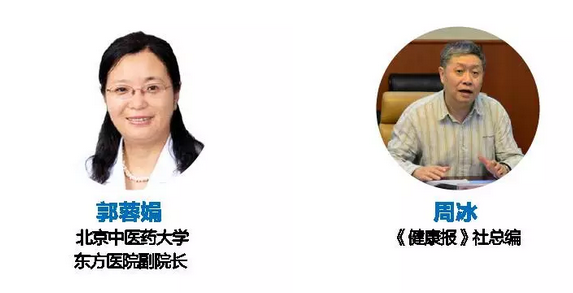
Zhou Bing, Editor-in-Chief of Health News
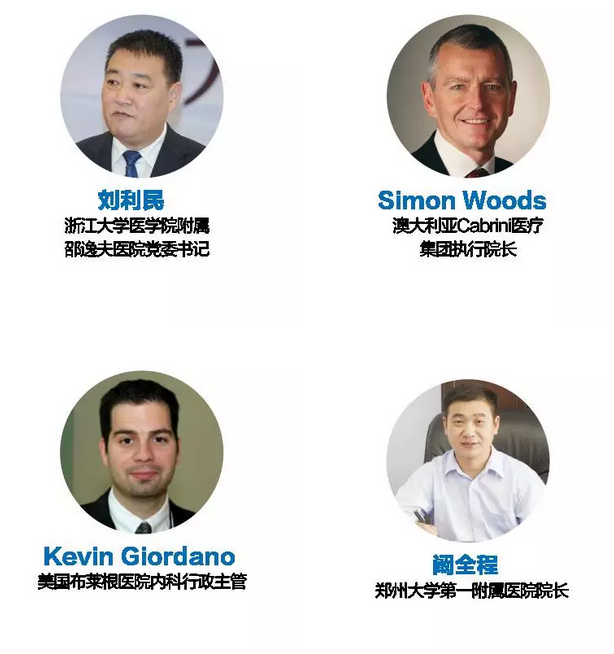
Liu Limin, Party Secretary of Sir Run Run Shaw Hospital, Zhejiang University School of Medicine
Vice Chair of the Conference
(Listed in alphabetical order by surname; rankings are not indicated.)
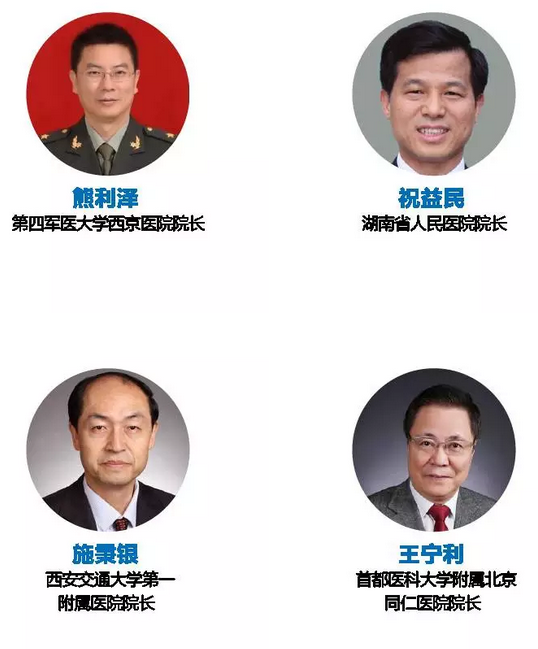
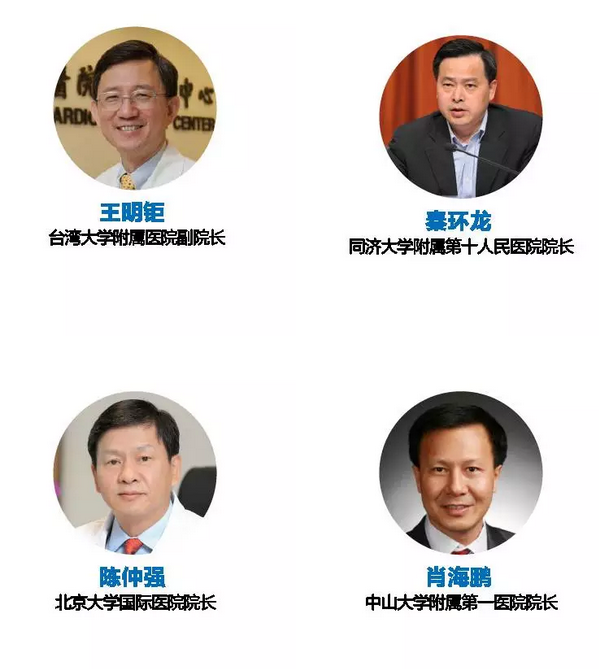
Chen Zhongqiang, President of Peking University International Hospital
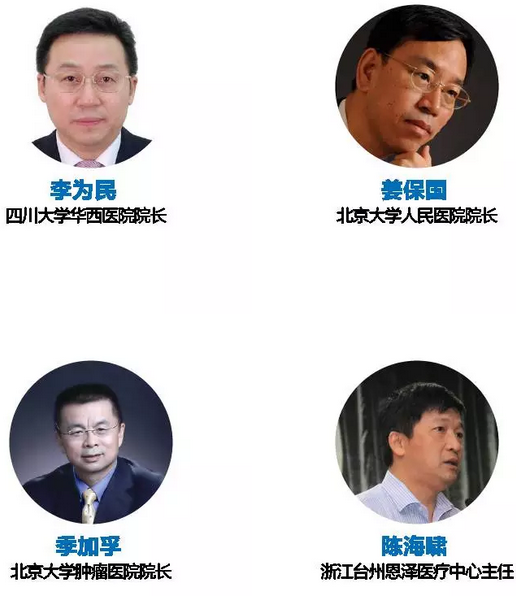
Chen Haixiao, Director of Enze Medical Center in Taizhou, Zhejiang
Fan Jia, President of Zhongshan Hospital Affiliated to Fudan University
Guo Qiyong, President of Shengjing Hospital of China Medical University
He Jie, President of the Cancer Hospital, Chinese Academy of Medical Sciences
Hou Jianquan, President of The First Affiliated Hospital of Soochow University
Han Guangshu, President of Nanjing Drum Tower Hospital
Jiang Baoguo, President of Peking University People's Hospital
Ji Jiafu, President of Peking University Cancer Hospital
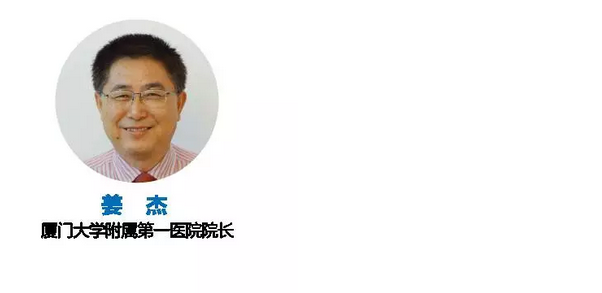
Jiang Jie, President of the First Affiliated Hospital of Xiamen University
Kan Quancheng, President of the First Affiliated Hospital of Zhengzhou University
Li Weimin, President of West China Hospital, Sichuan University
Liu Xinmin, President of Peking University First Hospital
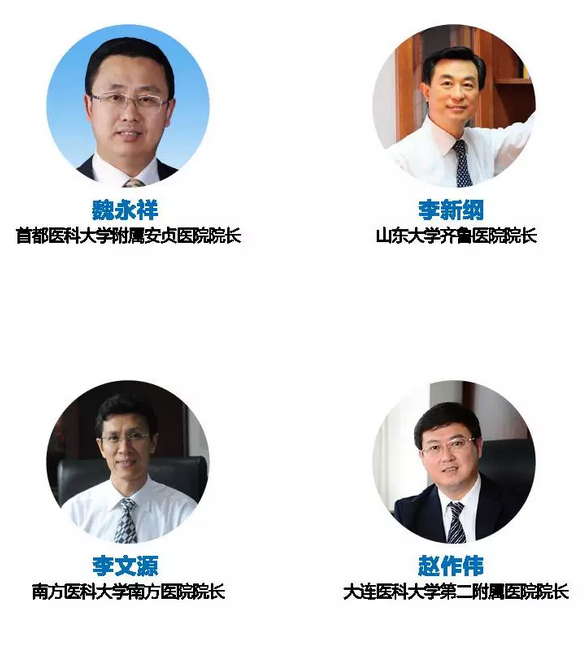
Li Xingang, President of Qilu Hospital of Shandong University
Liu Tongzhu, Party Secretary of Anhui Provincial Hospital
Li Wenyuan, President of Nanfang Hospital, Southern Medical University
Qin Huanlong, President of the Tenth People's Hospital Affiliated to Tongji University
Ren Guosheng, President of the First Affiliated Hospital of Chongqing Medical University
Sun Hong, President of Xiangya Hospital, Central South University
Sun Kun, President of Xinhua Hospital Affiliated to Shanghai Jiao Tong University School of Medicine
Shi Bingyin, President of the First Affiliated Hospital of Xi'an Jiaotong University
Teng Gaojun, President of Zhongda Hospital Affiliated to Southeast University
Wang Jianye, President of Beijing Hospital
Wang Ningli, President of Beijing Tongren Hospital, Capital Medical University
Wen Hao, President of the First Affiliated Hospital of Xinjiang Medical University
Wei Yongxiang, President of Beijing Anzhen Hospital, Capital Medical University
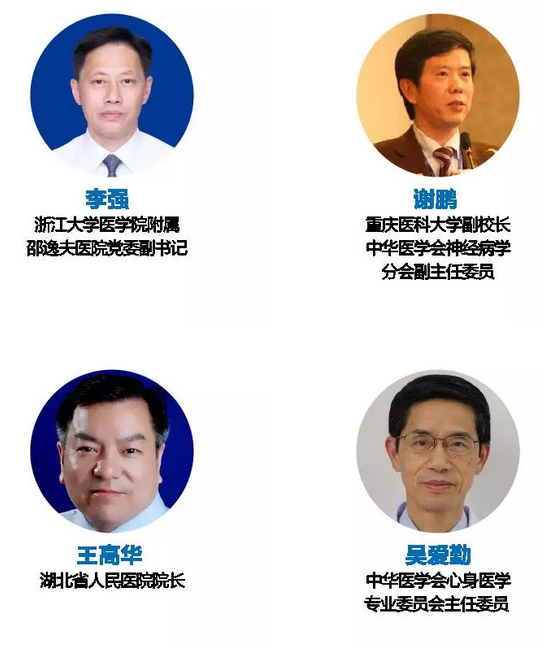
Wang Gaohua, President of Hubei Provincial People's Hospital
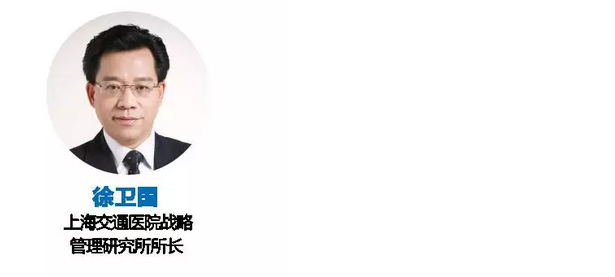
Xu Weiguo, Director of the Institute for Strategic Management, Shanghai Jiao Tong University Hospital
Xiong Lize, President of Xijing Hospital, Fourth Military Medical University
Xiao Haipeng, President of the First Affiliated Hospital of Sun Yat-sen University
Zhang Jianning, President of Tianjin Medical University General Hospital
Zhu Yimin, President of Hunan Provincial People's Hospital
Zhao Zuowei, President of the Second Affiliated Hospital of Dalian Medical University
Conference Secretariat
Secretaries-General: Chen Huiyang, Wang Jialing
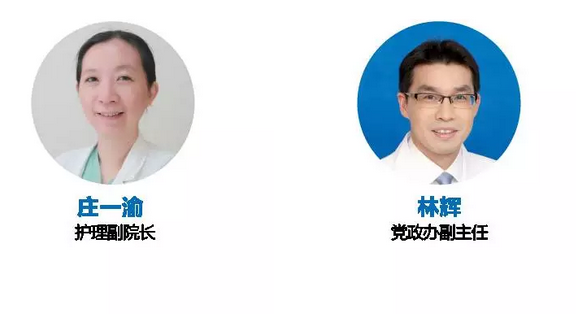
Deputy Secretaries-General: Jin Yonghong, Yan Yan, Lin Hui
Secretaries: Han Lu, Rao Zhixin, Liu Ping’an, Zhan Yilei, Lin Weifang, Liu Xiang, Wang Jing, Li Xiaomang
Warm Reminder
Registration Channel for Healthcare Professionals: Register for free before May 31; thereafter, the registration fee is RMB 1,000 per person.
(This channel offers a limited number of free attendance slots, subject to organizer approval. Please be sure to upload a photo of your work ID badge, as this is the sole criterion for verification.)
Corporate Registration Channel: Registration Fee RMB 1,000 per Person.
A simple meal will be provided at noon on the day of the conference; all other accommodation and dining expenses are to be covered by attendees.