

Spotlight on 56 Medical and Health Companies Awaiting IPO: Business Models, Financials, and Filing Details Revealed
The global health industry has become the largest emerging industry worldwide in recent years. In China, the “Outline of the ‘Healthy China 2030’ Plan” explicitly sets forth future scale targets for the health services sector—reaching RMB 8 trillion by 2020 and RMB 16 trillion by 2030. Clearly, healthcare will continue to attract significant capital attention over an extended period, with capital investment serving as one of the powerful drivers of industry growth.
We can gain insights into the status of listed healthcare companies from the following data (source: Wind):
Currently,"Healthcare"There are 79 listed companies in the category, with a market capitalization ofMedianRMB 3.392 billion; in 2016, the median operating revenue was RMB 502 million, and the median net profit was RMB 46.67 million;
“Pharmaceuticals and MedicalMedical Equipment Wholesale”There are a total of 33 listed companies in this category, with a marketValueMedianRMB 4.378 billion; in 2016, the median operating revenue was RMB 207 million, and the median net profit was RMB 86.84 million;
"Pharmaceutical Manufacturing"There are 198 listed companies in this category, with a median market capitalization of 5.965 billion.100 million yuan,In 2016, the median operating revenue was RMB 999 million, and the median net profit was RMB 125 million.
and currently sprintingHealthcare companies going public are also experiencing a surge in interest. According toVCBeat (WeChat:vcbeat)Compilation,As ofOn May 18, the China Securities Regulatory CommissionAcceptanceof569 IPO CompaniesZhongguang belongs toin the healthcare industry56Home, includingMotherboard28 companies、SME Board11 companies、ChiNext17 companies。
Companies pending review must be accepted by the China Securities Regulatory Commission.- Feedback - Pre-disclosure Update - Post-approval Process. Currently, these 56among domestic medical and healthcare-related enterprises,Seven companies are at the accepted stage, 31 companies are at the feedback stage, eight companies are at the updated pre-disclosure stage, five companies have passed the issuance review meeting, and one company has appeared before the issuance review meeting but its decision has been deferred.Four companies are under suspended review.. (Update on May 24: BGI Genomics has passed the review meeting of the Issuance Examination Committee.)
Below, VCBeat has compiled a list detailing the review status of all queued companies, their respective sub-sectors, and information on companies whose reviews have been suspended.
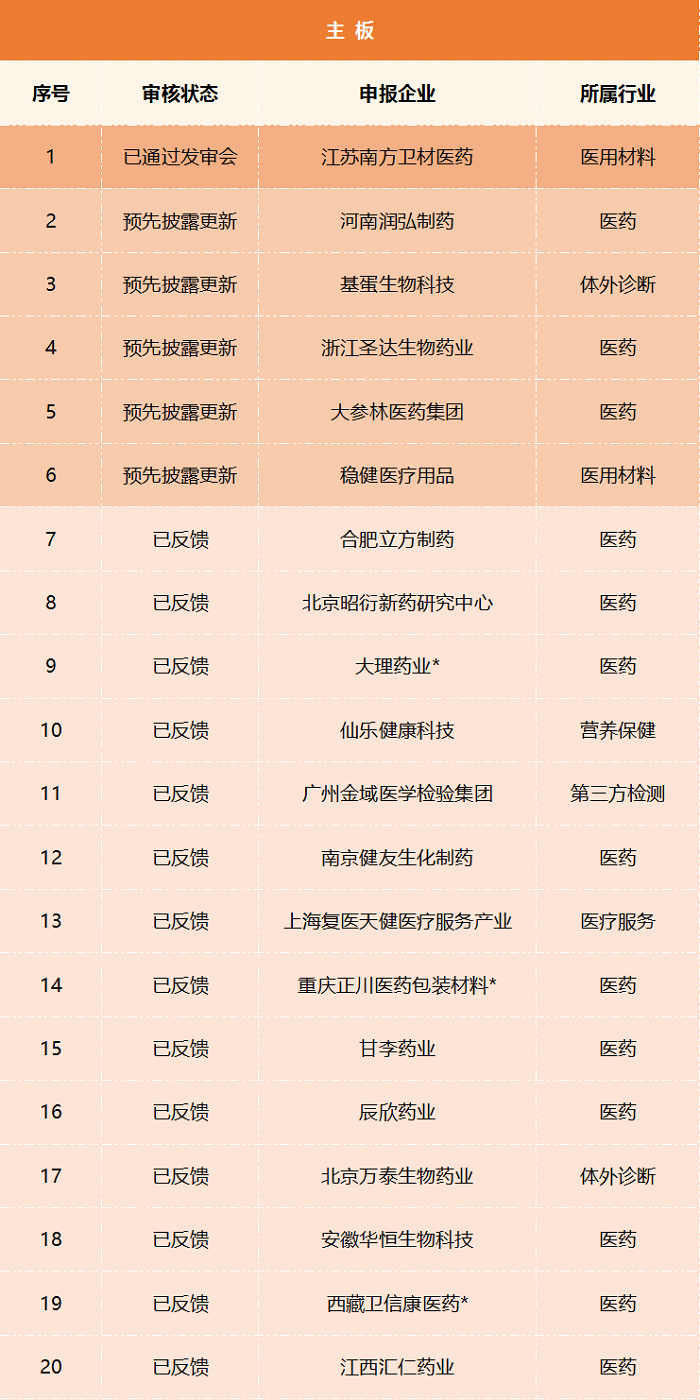
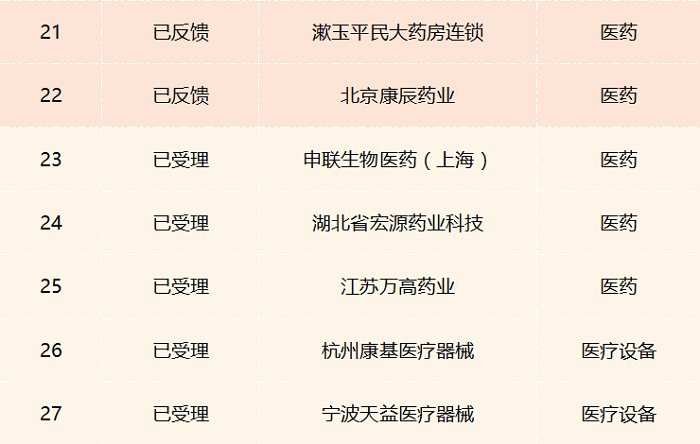
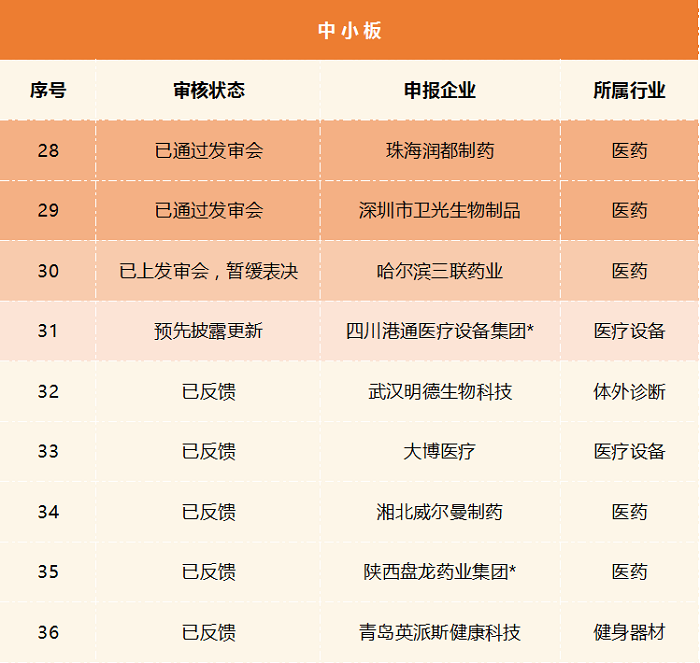
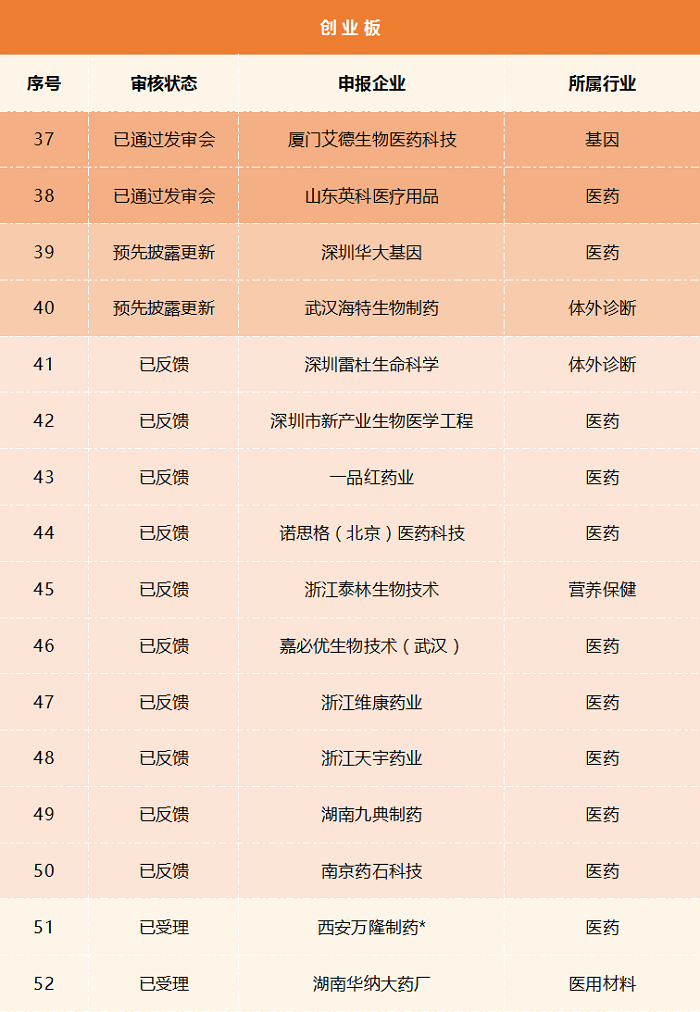
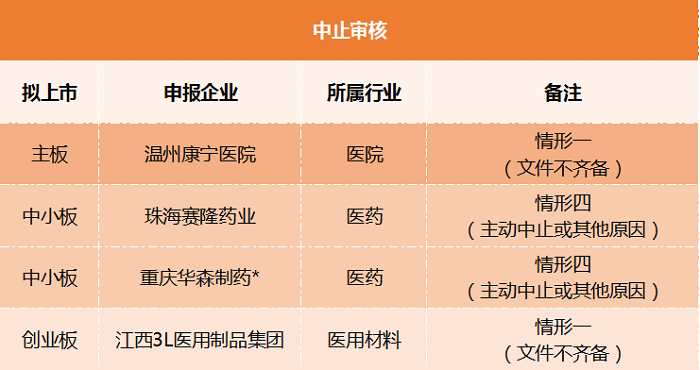 Note: Entries marked with an “*” denote companies headquartered in the 12 western provinces, autonomous regions, and municipalities, as well as in areas implementing comparable policies, that are undergoing their initial review.
Among them,Pharmaceutical-related enterprises (pharmaceuticals, pharmaceutical raw materials,Pharmaceutical Retail, drug packaging, etc.) total34Home, Account forTotalofRecent60%. Other areas include medical devices, medical materials, nutrition and health care, hospitals, genomics, etc.
Financial Data Overview
Here, VCBeat (WeChat: vcbeat) has compiled the operating revenue and net profit figures of the aforementioned companies for 2015 and 2016.Among companies with publicly disclosed data, 38 enterprises reported net profits exceeding RMB 50 million in 2016.Most companies reported higher revenue and net profit in 2016 than in 2015.
Among them2016Top 5 by Revenueenterprises includeDashenlin Pharmaceutical Group, Winner Medical, Shenzhen BGI Genomics, Dali Pharmaceutical, Hubei Hongyuan Pharmaceutical Technology;Top 5 by Net Profit in 2016companies includeDashenlin Pharmaceutical Group, Winner Medical, BGI Shenzhen, Dali Pharmaceutical, Wuhan Hait Biological Pharmacy. The business profiles of several companies are as follows:
Dashenlin Pharmaceutical Group: Engaged in direct-operated chain retail of Chinese and Western patent medicines, ginseng and deer antler tonics, traditional Chinese medicine decoction pieces, health supplements, medical devices, and other products; consistently ranked among the “Top Ten Chinese Chain Pharmacy Brands” for several consecutive years.
Winner Medical Supplies: Research and development, production, and sales of medical wound dressings, operating room consumables, medical hygiene materials, and home hygiene care products, with cotton as the primary raw material.
BGI Shenzhen: The world's largest genomics R&D institution. It provides genomics-based diagnostic and research services to medical institutions, research organizations, enterprises, and public institutions through methods such as genetic testing.
Dali Pharmaceutical: new drug R&D, pharmaceutical manufacturing, and marketing; its current flagship products include the exclusive anti-tumor traditional Chinese medicine Shenghe Xiaoaiping Intravenous Injection, the patented anti-anaerobic drug Younuoan Injection, and the first generic drug Shengnuoan Injection and oral formulations, among other series of products.
Hubei Hongyuan Pharmaceutical Technology: R&D, production and sales of metronidazole API and pharmaceutical intermediates, organic chemical raw materials, pharmaceutical preparations, and lithium hexafluorophosphate.
Wuhan Hait Bio-Pharmaceutical: Research and development, production, and sales of biological products (lyophilized powder for injection of mouse nerve growth factor, lyophilized powder for injection of anti-hepatitis B transfer factor), thrombin, and other chemical drugs.
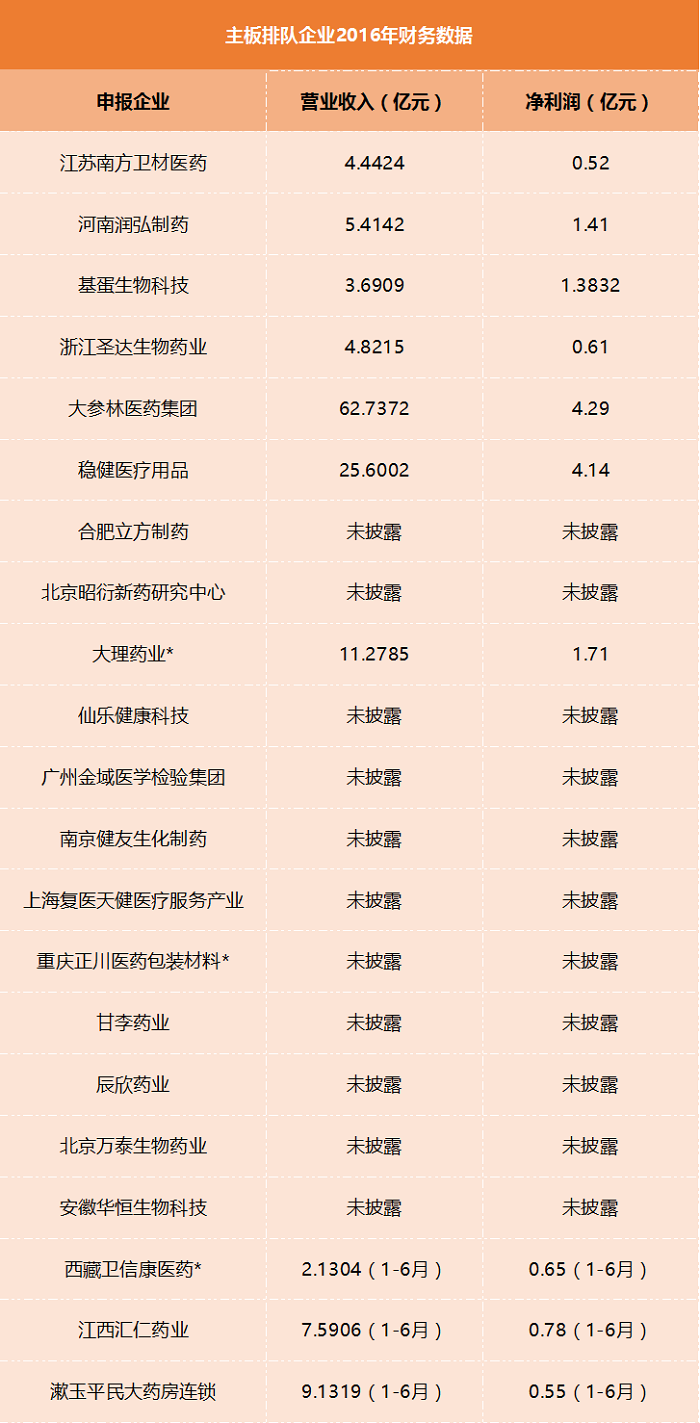
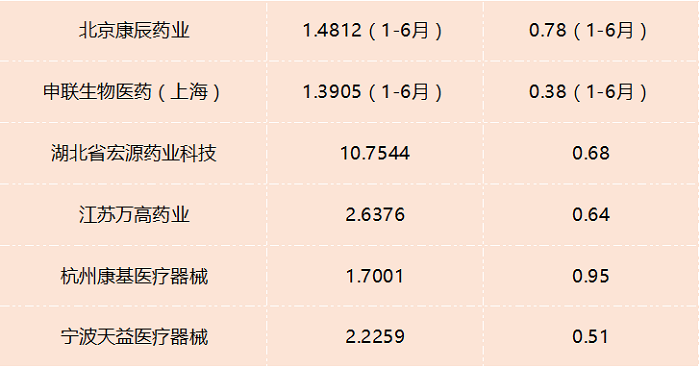
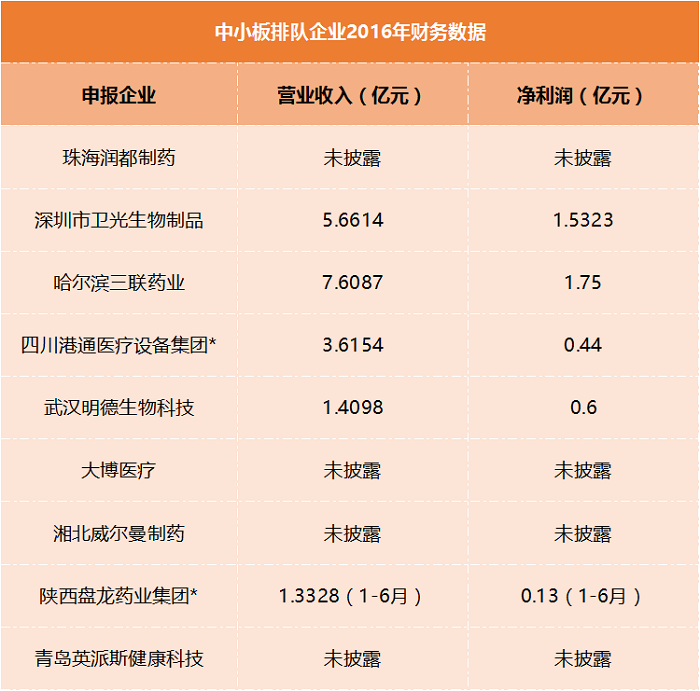
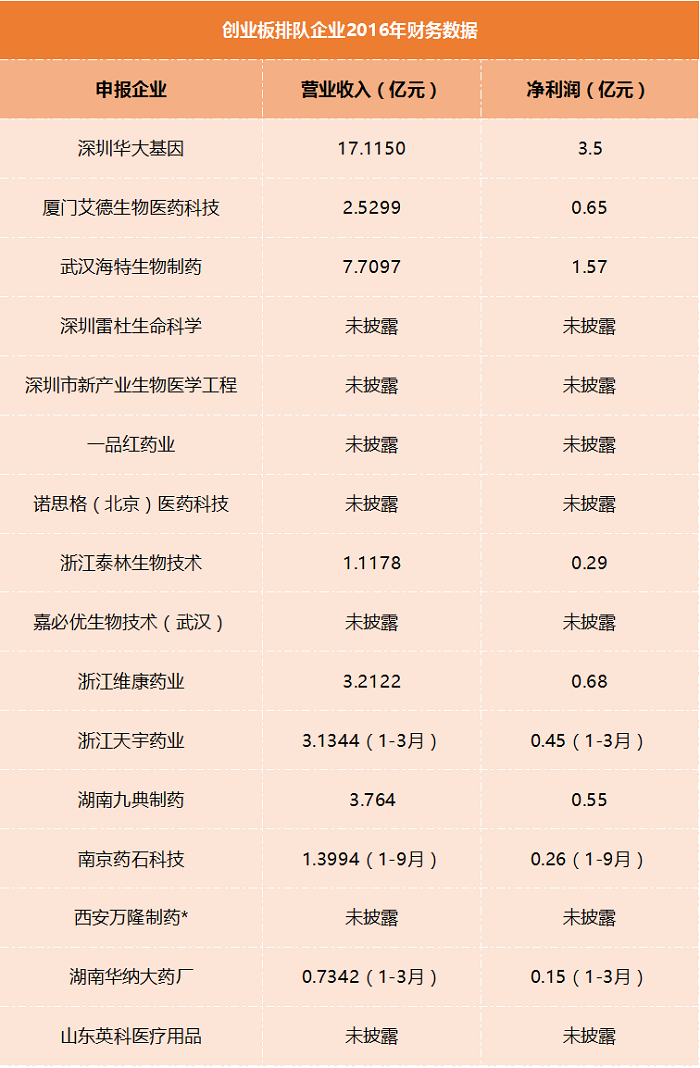
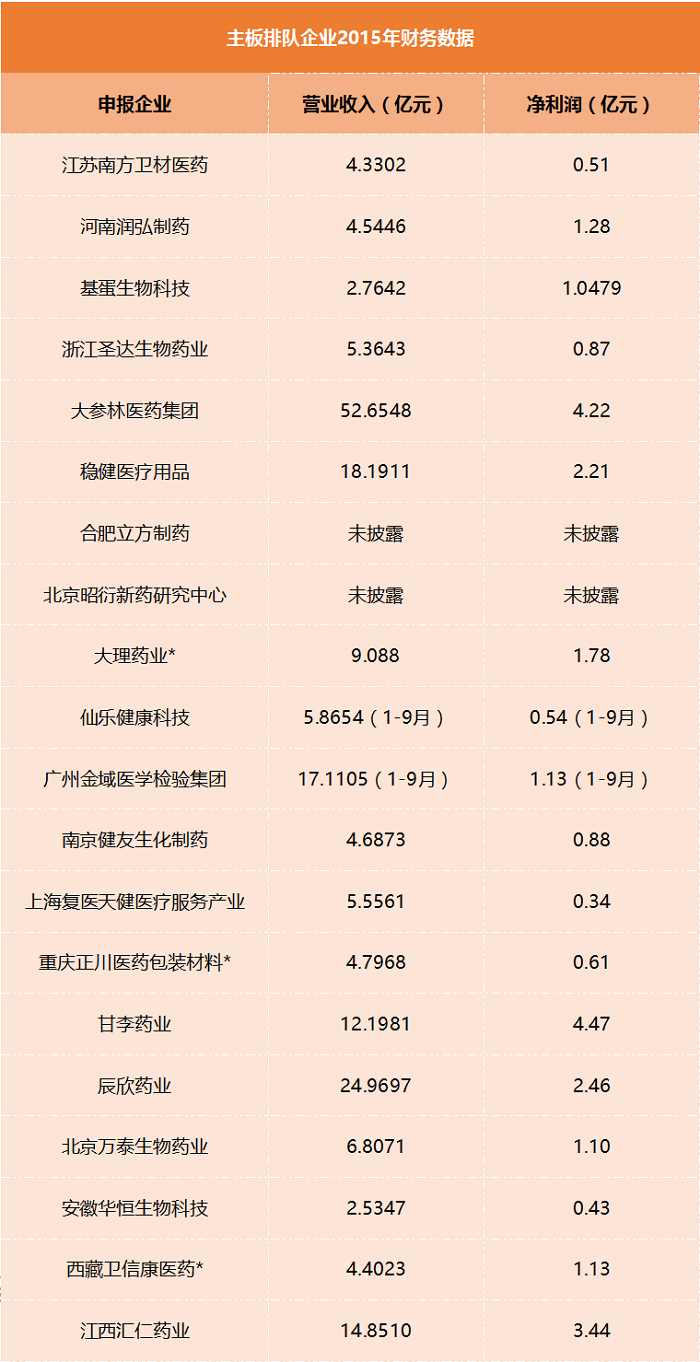
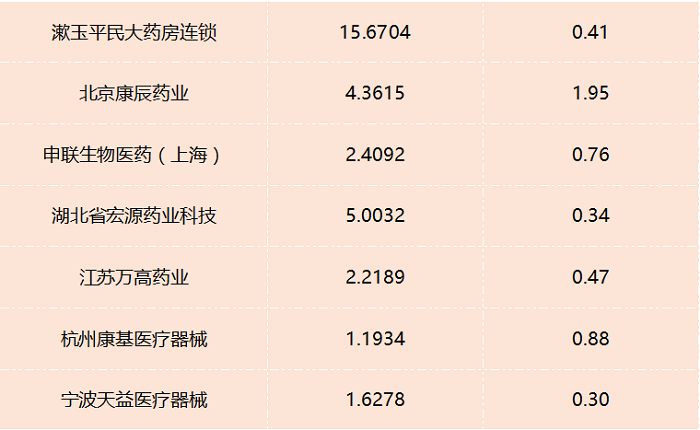
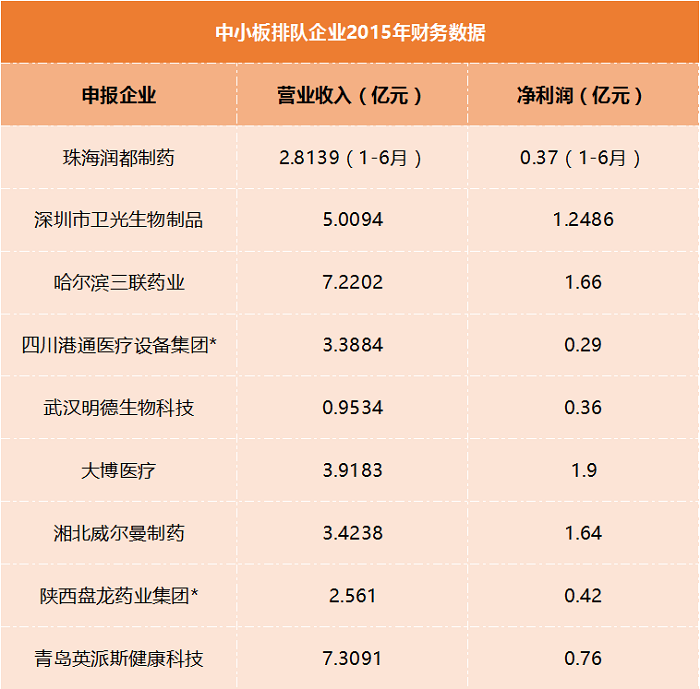
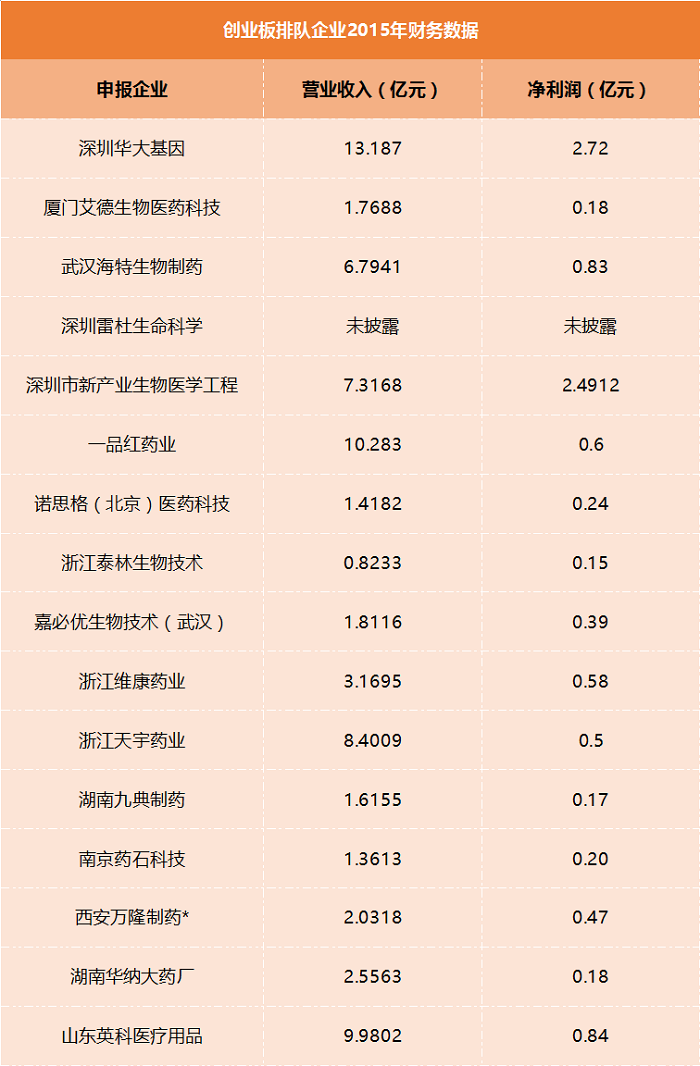
Note: Those marked with “*” are enterprises from the 12 western provinces, autonomous regions, and municipalities directly under the Central Government, as well as areas implementing comparable policies, that are undergoing their initial public offering (IPO) review.
Listing Application Process
Among the 57 companies, a total of 16 had submitted IPO application materials twice or more; some companies submitted materials three times and remain under suspended review. Among the companies in the queue, the earliestZhuhai Rundu Pharmaceutical submitted its listing application as early as April 2014, while the longest current waiting period for review stands at 2 years and 5 months (Shenzhen Landu Life Science).
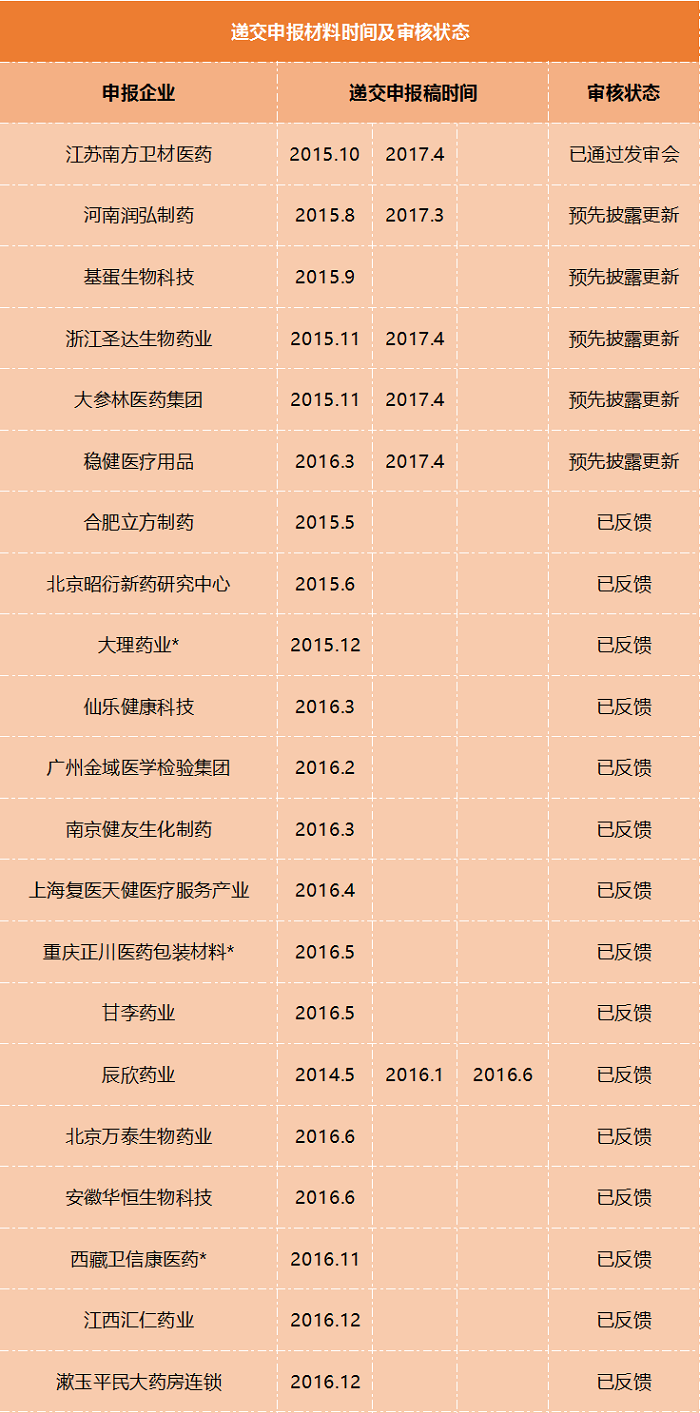
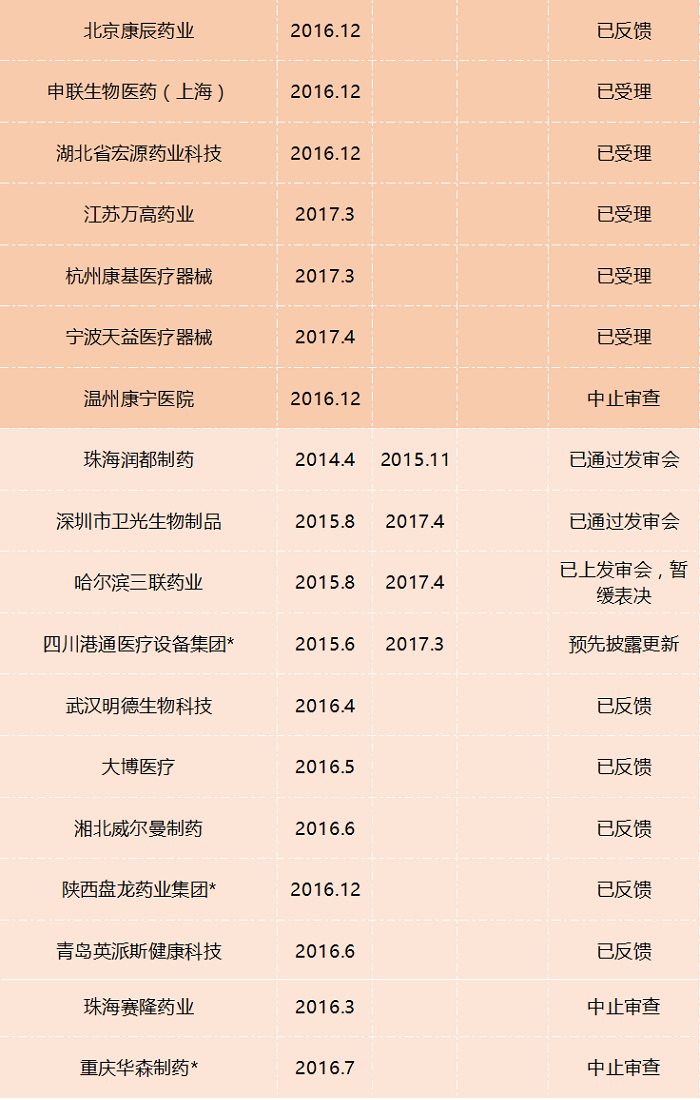
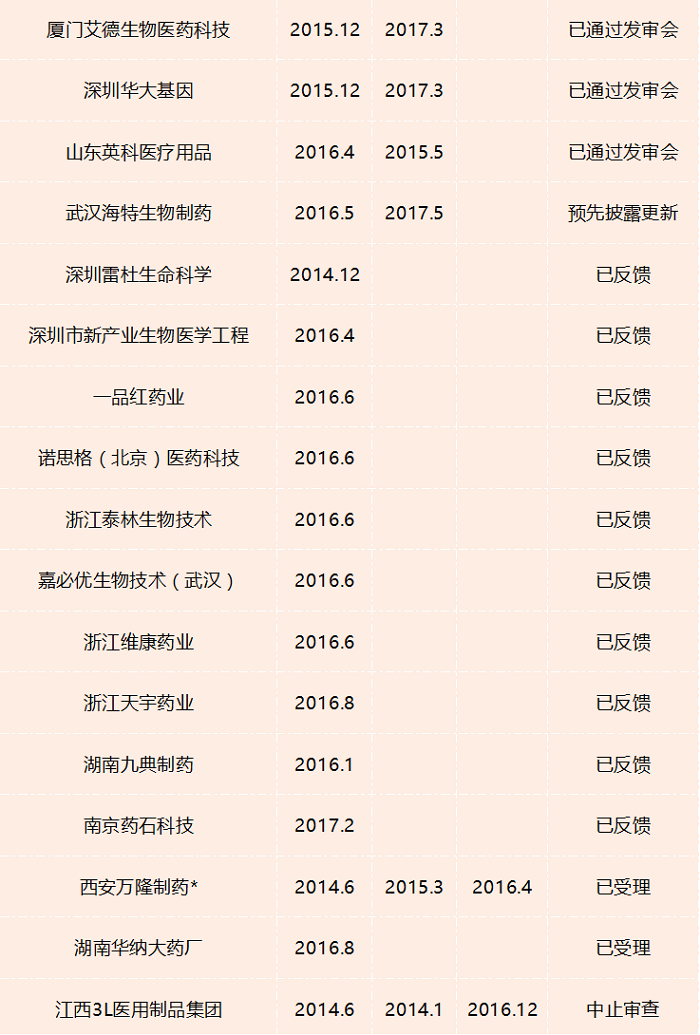
Note: Entries marked with an asterisk (*) denote companies based in the 12 western provinces, autonomous regions, and municipalities, as well as in areas implementing comparable policies, that are undergoing their initial public offering (IPO) review.
>>>>Public Historical Financing Information
Among all the companies in the queue, 18 have disclosed financing information, involving a total of 38 investors.Historical financing data also reveals that the demand for capital is strongest in high-tech sectors such as biopharmaceuticals and genetics.
Shenzhen BGI Genomics has raised the largest total amount of public financing, with its Series D round alone securing RMB 2 billion. The company plans to raise RMB 1.7 billion through this IPO, issuing no fewer than 40 million shares, and currently holds a total valuation of approximately RMB 15.3 billion.
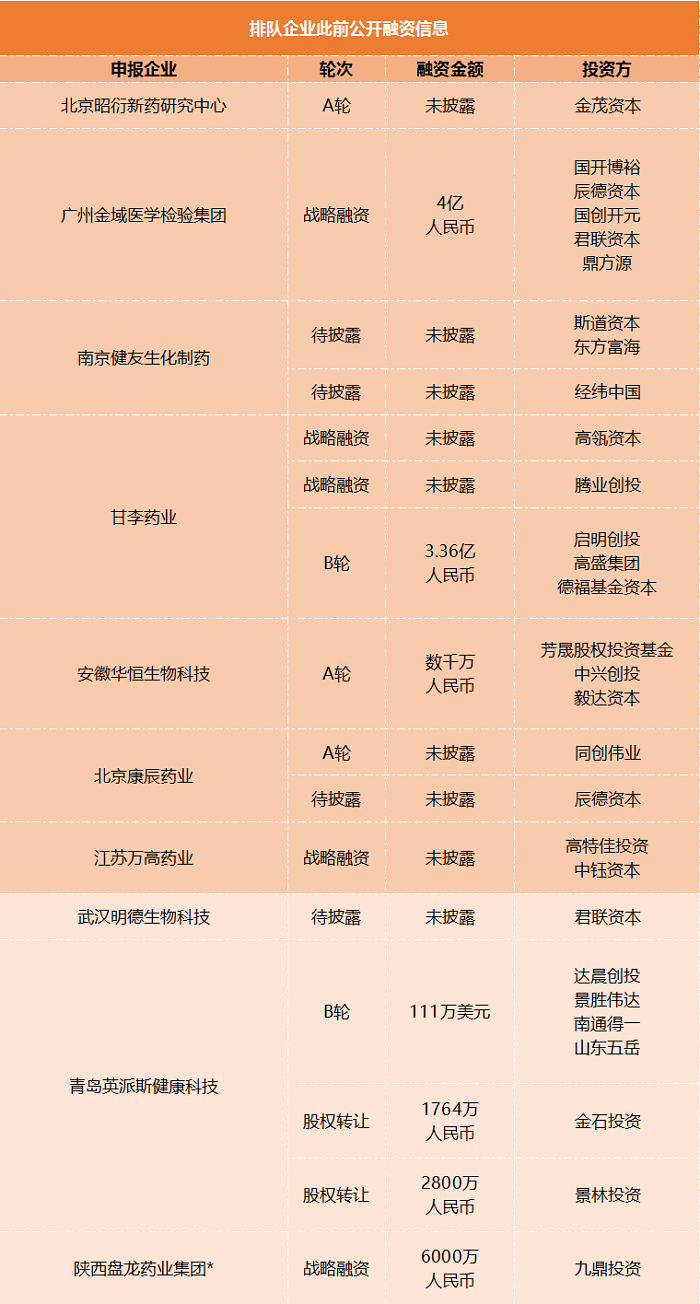
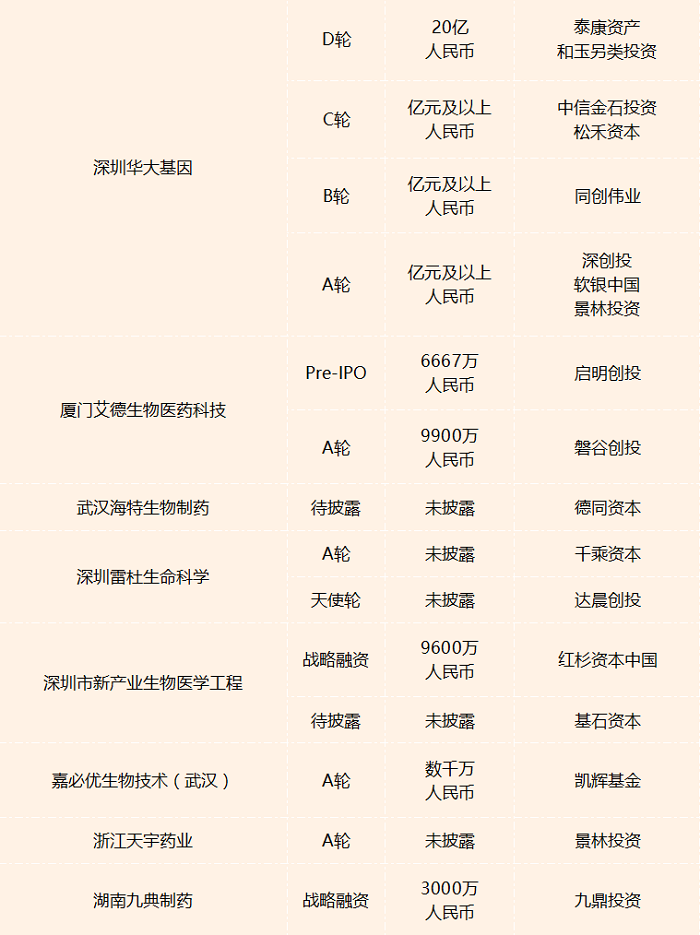
Note: With“*” indicates enterprises in the western 12 provinces, autonomous regions, and municipalities directly under the Central Government, as well as areas implementing comparable policies, that are undergoing their initial public offering review.
Representative Companies in Niche Segments
TCM Chain Retail: Dashenlin Pharmaceutical Group
DaShenLin has been dubbed the “dark horse” of China’s pharmaceutical retail industry. Starting as a single store specializing in ginseng and deer antler in western Guangdong in the early 1990s, it expanded to more than 2,400 stores by the end of 2016, with operating revenue reaching RMB 6.274 billion, ranking first among all healthcare companies awaiting initial public offerings (IPOs).
From 2003 to 2004, Dashenlin achieved a leap in sales revenue, growing from RMB 120 million to RMB 220 million, and its industry ranking climbed from 78th to 38th within one year. In 2005, it refreshed the rankings of China’s pharmaceutical retail industry with annual sales of RMB 2.2 billion. By 2011, the number of its stores exceeded 1,000. Behind Dashenlin’s astonishingly rapid breakthroughs was a strategy centered on directly operated chain stores, supplemented by its self-operated e-commerce platform and online channels such as Tmall, JD.com, and Yihaodian.
The core market of the chain stores is South China. The company ranked first in South China for three consecutive years (2012, 2013, and 2014) on the MDC “Top 100 Most Competitive Chinese Pharmaceutical Retail Enterprises” list. Beyond South China, Dashenlin has expanded into neighboring provinces and municipalities, gradually establishing a nationwide marketing network, with 296 stores located outside the South China market. To enhance its online sales service capabilities, Dashenlin has established logistics and distribution centers in multiple regions, with warehousing and logistics facilities covering over 90,000 square meters; self-operated deliveries account for 80% of total deliveries.
Dashenlin Pharmaceutical Group plans to allocate the proceeds from its initial public offering as follows: 1. Construction of a pharmaceutical chain marketing network (RMB 917.7 million); 2. Construction of the Yulin Pharmaceutical Logistics Center (RMB 150 million); 3. IT infrastructure development (RMB 103.6 million); 4. Replenishment of working capital (RMB 628.7 million). The total amount is RMB 1.8 billion.
In Vitro Diagnostics: Shenzhen Snibe Biomedical Engineering
Shenzhen Snibe Biomedical Engineering, founded in 1995, successfully launched China’s first fully automated chemiluminescence immunoassay analyzer and its accompanying reagents in 2010.
Furthermore, it is the first company in China to adopt the most advanced “nano immunomagnetic beads” as the key separation material for its system, the first in China to use the field’s most advanced “synthetic small-molecule organic compounds” instead of enzymes as luminescent labels, and the first in China to apply direct chemiluminescence immunoassay technology.
The company’s sales model primarily consists of three approaches: first, a distribution model, through which it has established a nationwide sales network in China and expanded into 105 countries and regions across five continents overseas; second, the industry-common model of placing instruments and selling reagents in the in vitro diagnostics (IVD) sector; and third, direct sales to end users, with its top five direct-sale customers all being large and medium-sized hospitals in China. Its primary profit model is “driving reagent sales through instrument sales, and promoting instrument sales through reagent sales,” complemented by after-sales technical services.
Shenzhen New Industries Biomedical Engineering Co., Ltd. plans to allocate its IPO proceeds to four key areas: (1) Phase I and II R&D and production base (RMB 650.92 million); (2) R&D center project (RMB 137.31 million); (3) marketing network upgrade project (RMB 139.76 million); and (4) overseas expansion project (RMB 274.51 million), totaling RMB 1.20251 billion.
Third-Party Testing: Guangzhou KingMed Diagnostics Group
Having begun exploring outsourced medical laboratory services in 1994, Guangzhou KingMed Diagnostics Co., Ltd., formally established in 2003, is China’s third-party medical testing group with the strongest comprehensive strength, the largest scale, and the fastest growth rate.
KingMed Diagnostics currently focuses on medical laboratory testing, clinical trials, food hygiene testing, and forensic appraisal. It offers over 2,300 test items and provides outsourced medical laboratory services to more than 19,000 healthcare institutions. With an annual testing volume exceeding 40 million samples, its coverage extends to regions inhabited by over 90% of China’s population. The company operates a four-tier network comprising headquarters, regional centers, provincial central laboratories, and rapid-response laboratories, with home-service networks reaching townships and communities.
Genetics: BGI Genomics (Shenzhen)
Founded in 1999, BGI is a cutting-edge scientific institution dedicated to life sciences research. By integrating academia, research, and application, its business encompasses molecular genetics research in areas such as human biology, medicine, agriculture, animal husbandry, and endangered species conservation. As a core participant in the construction of the China National GeneBank, BGI has established the Center for Reproductive Health and the Clinical and Medical Health Center.
Core Business: The company provides genomics-based diagnostic and research services to medical institutions, scientific research organizations, enterprises, and public institutions through methods such as genetic testing. These services span four categories: reproductive health, basic scientific research, complex diseases, and drug development. Among these, the reproductive health segment has demonstrated the strongest revenue and profit performance in recent years, accounting for 31.71%, 43.5%, and 54.62% of the company’s total revenue from 2014 to 2016, respectively.
According to incomplete statistics, more than 40 venture capital (VC) and private equity (PE) firms have consecutively invested in BGI Genomics, with total investments exceeding RMB 7.2 billion. The company plans to publicly issue no fewer than 40 million shares, raising no more than RMB 1.732 billion. The proceeds will be allocated to five major projects: the cloud service ecosystem, upgrades to the medical testing solutions platform, upgrades to the precision medicine service platform, the genomics research center, and information system upgrades.