

Kinsa Files for IPO: Transforming the Smart Thermometer Market Through Epidemic Intelligence

Kinsa
Smart Thermometer Provider

FirstMark Capital
An Early-Stage Venture Capital Firm

In March 2017, Kinsa, a San Francisco-based smart thermometer company, secured $17 million in Series B financing. Investors in this round included GSR Ventures, a prominent Chinese investment firm; Kleiner Perkins Caufield & Byers, the world’s largest venture capital fund; and FirstMark Capital, a U.S. technology-focused venture capital firm. With this latest round, Kinsa, founded just four years ago, has successfully raised a total of $28.6 million.
In the red ocean of the smart thermometer market, why has Kinsa remained a favorite among top-tier international investment firms? VCBeat’s VBInsight analyzes what sets it apart.
Mission-Driven Harvard-MIT Dual Scholar
Kinsa Inc.’s founder and CEO is Inder Singh. His parents are Indian-American immigrants, and he has lived in a small town in Pennsylvania since birth.
During his teenage years, a trip back to his hometown with his parents exposed Inder Sigh to the plight of countless Indians struggling at the bottom of society due to illness. Perhaps it was then that the seed of his future commitment to the medical field was sown in his heart.
Inder Singh earned his undergraduate degree from the College of Engineering at the University of Michigan and subsequently worked as a technical consultant at technology firms such as Accenture and Blue Martini Software, embodying the quintessential engineering professional. In 2002, the seed planted in his youth seemed to sprout; he left his high-paying job to return to academia.
The stereotype of the Indian academic overachiever is fully embodied in Inder Sigh. He was admitted to Harvard Kennedy School, known as the “cradle of global political leaders,” and the MIT Sloan School of Management, which has cultivated numerous business talents.
During this period, he began to venture into the healthcare industry and completed internships in the commercial operations departments of two healthcare giants, Sanofi and Medtronic. In 2007, Inder Singh, an MBA graduate, chose to work for the Clinton Health Access Initiative (CHAI), a non-profit healthcare organization founded by former U.S. President Bill Clinton.
In 2012, Inder Singh, then Vice President of the Clinton Health Initiative, announced his resignation and subsequently founded Kinsa, a smart thermometer company. When asked why he chose to leave a major platform to start his own venture, Inder Singh replied, “Previously, I primarily leveraged the platform’s resources to develop strategic plans for partners; now, I want to take a more hands-on approach to change certain unreasonable aspects of the status quo.”

Figure 1: Founder and CEO Inder Singh
A Thermometer That Can Guide Patients on Their Next Steps
Traditional mercury thermometers can only measure body temperature once and cannot store data. Digital thermometers offer faster measurement speeds and can store multiple readings. Smart thermometers, in addition to the features of digital thermometers, can upload body temperature data to a companion app, enabling intelligent functions such as plotting continuous temperature curves.
In addition to the features offered by other smart thermometers, Kinsa has partnered with online consultation platforms such as Teladoc. With patient authorization, these platforms can integrate real-time temperature data from the app into patients’ electronic health records (EHRs). This enables physicians to gain a more comprehensive understanding of patients’ conditions and make more accurate diagnoses.
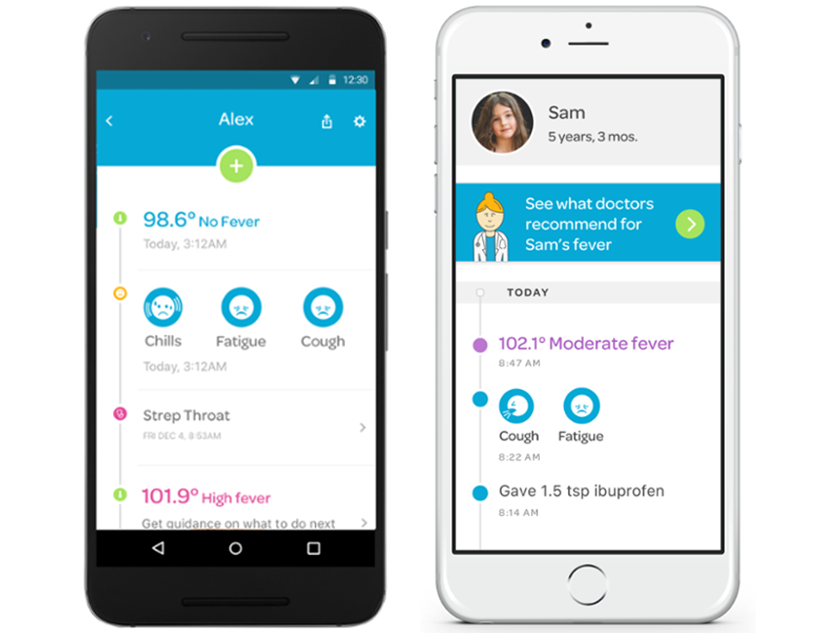
Figure 2: Kinsa App Interface
Even without a doctor, Kinsa can advise patients on how to proceed. After taking their temperature, patients enter their current symptoms into the app. The system then retrieves similar conditions and treatment plans from the medical databases of partners such as the health information website WebMD and healthcare institutions like the Cleveland Clinic and Mayo Clinic, providing feedback to patients on what steps they should take next to manage their condition.
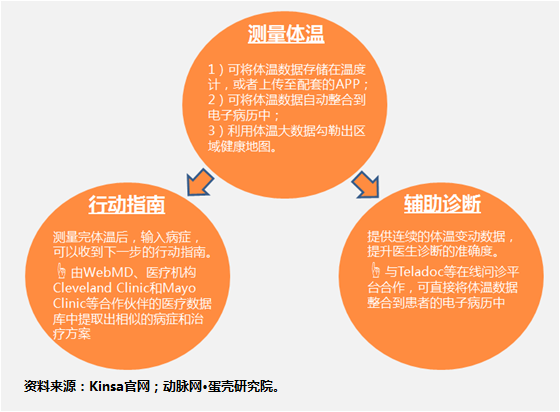
Figure 3: Intelligent Assistance Services Provided by Kinsa
Three Smart Thermometers Positioned for Different Markets
Kinsa has currently launched three smart thermometers: the portable smart thermometer, the in-ear smart thermometer, and the Sesame Street edition in-ear smart thermometer.
The portable smart thermometer resembles a data cable in appearance. It has no display screen or battery and must be used in conjunction with a smartphone and its dedicated app. The metal probe at one end is designed for measuring body temperature, supporting oral, rectal, and axillary readings. The other end plugs directly into the smartphone’s port, with measurement results displayed on the app within seconds. Currently priced at $19.99, the portable smart thermometer is the most affordable among the three smart thermometers available.
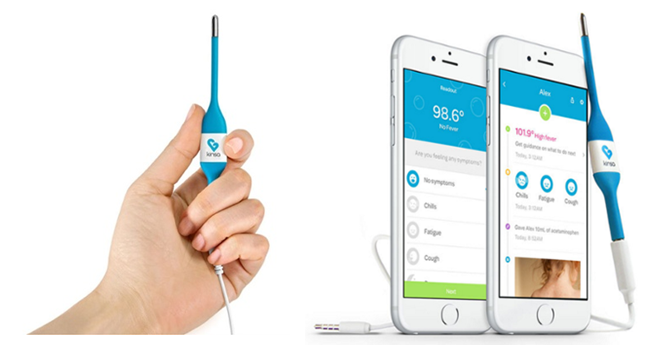
Figure 4: Portable Smart Thermometer
In-ear smart thermometers can only measure body temperature via the ear canal, but they are smarter than portable thermometers. They have built-in batteries and displays, as well as Bluetooth functionality. Therefore, they can be used independently or connect to a smartphone via Bluetooth to upload data to an app. In-ear smart thermometers can complete measurements in one second and store up to 50 temperature readings. The price of an in-ear smart thermometer is $49.99, which is significantly higher than that of portable smart thermometers.
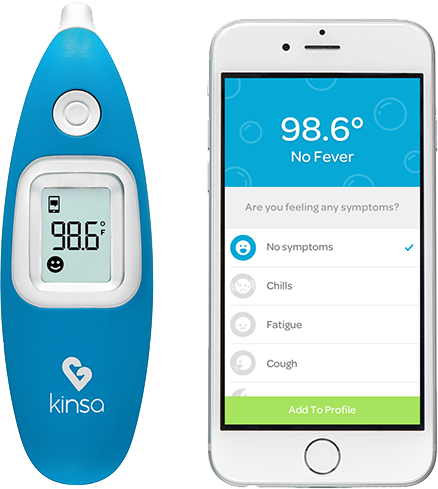
Figure 5: In-ear Smart Thermometer
The Sesame Street Edition In-Ear Smart Thermometer is functionally identical to the standard in-ear smart thermometer. It was specially designed by Kinsa to cater to its primary user base—children. Building upon the standard in-ear smart thermometer, this edition incorporates elements from the classic American animated series *Sesame Street*. For instance, the device’s exterior is modeled after Elmo, the show’s main character, and both the thermometer and its accompanying app feature Elmo’s voice for audio prompts. The Sesame Street Edition In-Ear Smart Thermometer is currently priced at $59.99, representing a $10 co-branding premium compared to the regular in-ear smart thermometer.
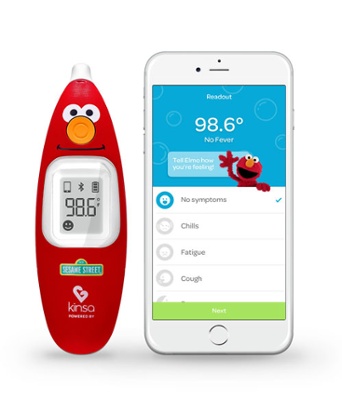
Figure 6: Sesame Street Edition In-Ear Smart Thermometer
VCBeat · VCBeat has summarized the features and pricing of three smart thermometers as follows:
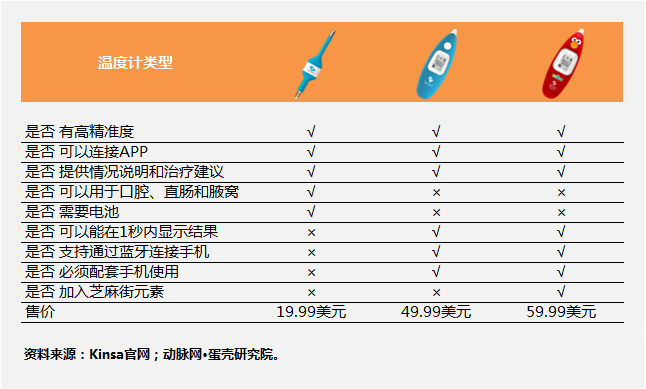
Figure 7: Comparison Table of Three Smart Thermometers
The Greatest Potential Lies in Using Big Data to Protect Public Health
If Kinsa had merely added smart features to conventional digital thermometers, it might have been lost in the red ocean of the smart thermometer market. However, benefiting from his experience working at a top-tier international NGO, Inder Singh has demonstrated visionary strategic insight in planning the company: he aims to leverage these smart thermometers to safeguard public health.
Kinsa encourages patients to record their symptoms after taking their temperature and upload this data anonymously to the cloud via its app. If a large number of people in a specific area simultaneously exhibit similar symptoms, Kinsa can visualize the data on a “health map,” clearly illustrating the spread of the disease. Widespread adoption of such a design would play a significant role in humanity’s fight against epidemics.
But whether reality can be as promising as envisioned remains under exploration by Kinsa. Currently, the company is conducting pilot programs in over 100 schools across the United States. Kinsa provides smart thermometers to parents free of charge, and these parents anonymously share their children’s temperature readings and health status. When a sufficient number of participants contribute data, parents can gain insights into whether epidemics are spreading within their schools and communities, enabling them to take proactive measures for disease prevention.

Figure 8: The “Health Map” drawn by Kinsa in November 2015 based on user data from a certain region
Focusing on C-End Profit Models
Kinsa currently sells primarily to end consumers through online and offline retail channels. With the big data advantages generated by an increasing number of patients sharing their health data, Kinsa has significant untapped potential in the field of public health.
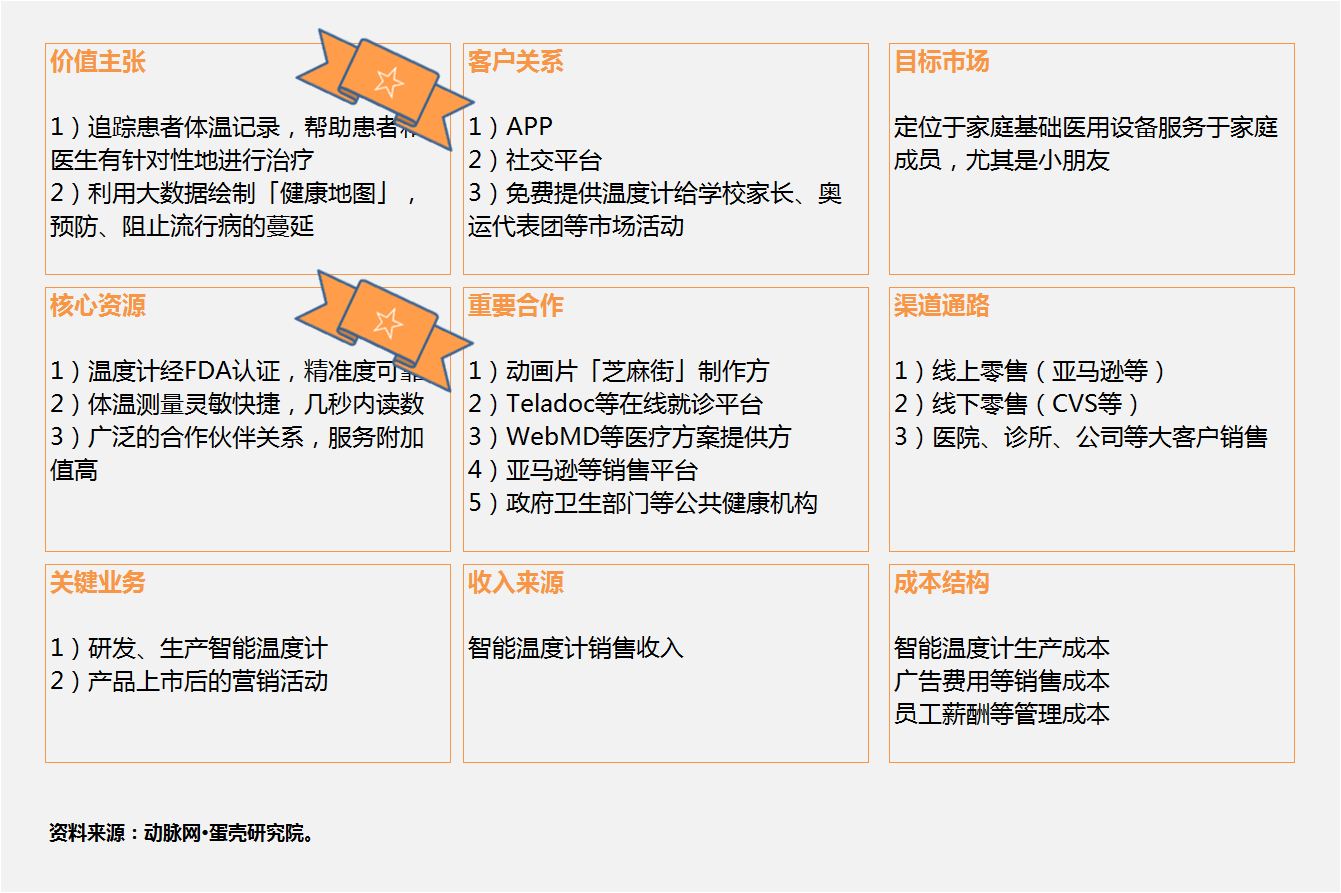
Figure 9: Analysis of Kinsa's Business Model
The Three Major Competitors in the United States
Since smart thermometers are primarily sold to consumer (C-end) customers, VCBeat Eggshell Research Institute selected three major competing products from Kinsa on Amazon.com, the U.S. B2C e-commerce giant, by comprehensively evaluating dimensions such as product functionality and market acceptance.
Wishbone: An infrared thermometer designed for infants. Users insert the thermometer’s connector into their smartphone and hold the sensor end 3 to 5 centimeters from the forehead to read body temperature data. The device measures an infant’s temperature without any direct skin contact. It is currently priced at $39.99.
Fever Smart: A wearable thermometer roughly the size of two coins. Users can attach it to the axilla for continuous temperature monitoring, set a maximum threshold, and receive alerts if the temperature exceeds this limit. However, the device is expensive, with an official retail price of $129.99.
Withings Thermo: A product of Withings, a French smart hardware company that previously launched a highly acclaimed smartwatch. To use this thermometer, users aim the sensor at the temple, enabling temperature measurement without skin contact. The device is currently priced at $99.95, which is relatively high.
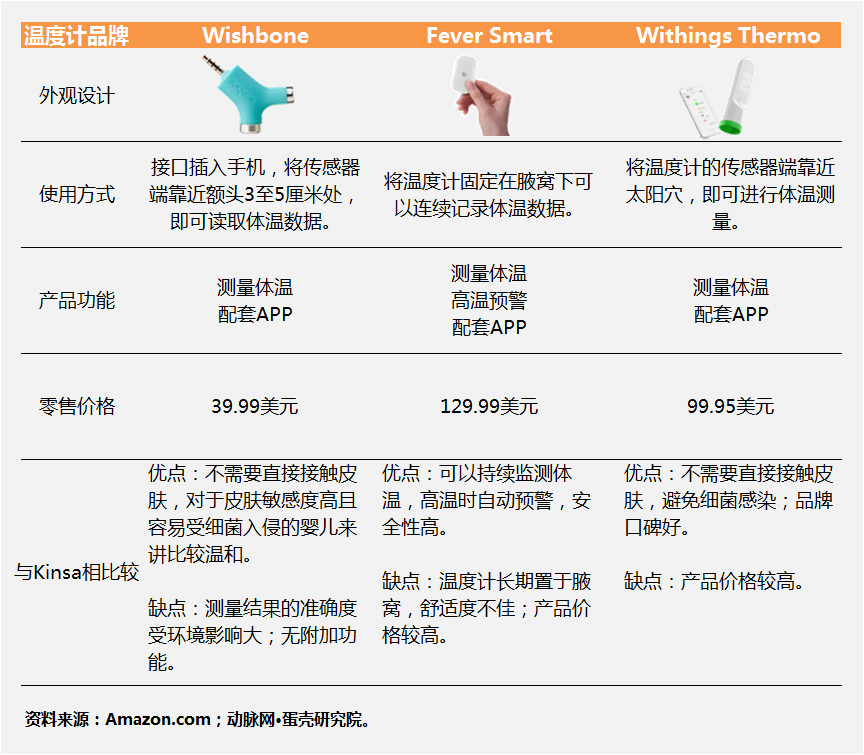
Figure 10: Statistical Table of Kinsa’s Top Three Competitors
In summary, Kinsa outperforms its competitors in service diversity. Moreover, from the perspective of growth prospects—which are most critical for startups—it holds an advantage over its rivals. However, it still faces competitive pressures regarding security and brand strength.
The Competitive Landscape of the Smart Thermometer Market in China
Due to the significant hazards posed by mercury products to both the environment and human health, the 20th Session of the Standing Committee of the 12th National People’s Congress approved the Minamata Convention on Mercury on April 30, 2016. The Convention requires signatory countries to prohibit the production, import, and export of mercury-containing products starting in 2020. According to a report by the tech media outlet Amber Network (Anpo), approximately 35 million mercury thermometers will be phased out in hospitals across China by 2020, creating a market opportunity worth over RMB 700 million for alternative products.
Overall, the smart thermometer industry benefits from favorable policies. However, there is still a long road ahead to break out of the fiercely competitive market.
VCBeat · VBInsight has compiled a list of the more common smart thermometer brands on the market and summarized two key insights about the industry:
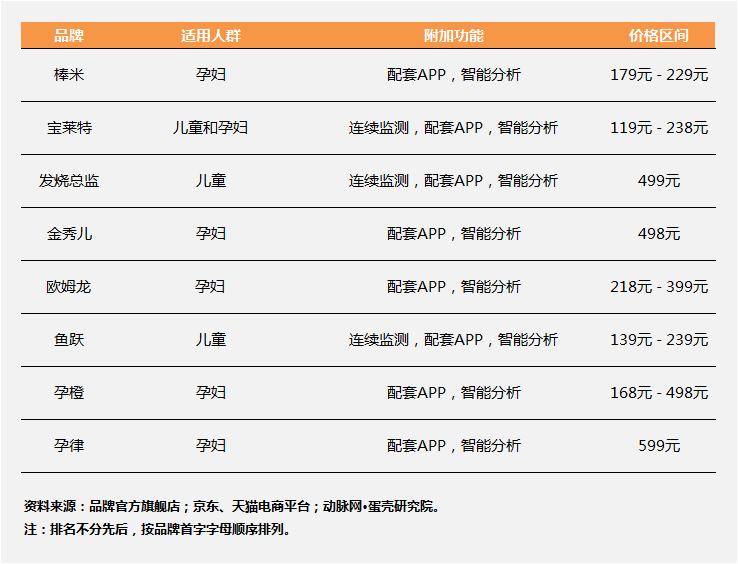
Figure 11: Statistics of Common Smart Thermometer Brands in China
1) The primary target audience consists of infants and pregnant women: Although smart thermometers are inherently suitable for the general population, most companies market them with slogans such as “designed for infants or pregnant women.” This is primarily because infants and pregnant women have the highest demands for convenience, safety, and intelligence in thermometers compared to other groups. Therefore, targeting infants and pregnant women serves as an effective market entry strategy for companies.
2) Severe product homogenization: Domestic smart thermometers generally offer companion apps and intelligent analytics services, with continuous temperature monitoring for infants achieved by securing the thermometer in the axilla. However, overall, brands exhibit significant functional homogenization, lacking any distinctive features that could refresh or captivate the market.
Reflections for Chinese Entrepreneurs
VCBeat·VBInsight offers insights from the perspective of smart thermometer manufacturers on how to break through in China’s fiercely competitive domestic market and draw lessons from Kinsa’s success, for readers’ reference:
1) Within the enterprise: Innovate product features to avoid falling into price wars.
In a market characterized by intense competition and severe product homogenization, price wars are more likely to emerge. However, most companies, especially startups, cannot afford the risks associated with such price wars. In fact, businesses can view this as an opportunity, as functional innovation can differentiate them from competitors in the minds of consumers.
Kinsa’s vision of using big data to create a “health map” is a prime example of such innovation. Domestic smart thermometer companies can draw lessons from this approach and explore its potential in greater depth.
2) External to the enterprise: Break free from inherent limitations and seek collaboration across the industrial chain.
Enterprises should clearly understand their position within the entire industry chain and assess whether the value they create can be extended to upstream and downstream partners. The function of a thermometer is diagnosis rather than treatment, yet the ultimate need of users is recovery.
We have observed that some smart thermometer companies, such as Yun Cheng, are collaborating with healthcare service providers like Alibaba Health to offer users enhanced post-temperature measurement services. This strategy not only boosts brand visibility and expands sales channels but also strengthens customer retention among existing users.