

2017 Tiered Diagnosis and Treatment Policy Data Report: Four Models, Twelve Dimensions, and Four Beneficiary Sectors Building the Industry Landscape
Currently, 80% of China’s healthcare resources are concentrated in urban areas, with 80% of those further concentrated in large and medium-sized hospitals, forming an “inverted pyramid” resource structure. In contrast, the majority of demand for healthcare services lies at the primary care level, forming a “regular pyramid” demand structure. This mismatch between the inverted pyramid of medical resources and the regular pyramid of medical needs has led to difficulties in accessing medical care. Tiered diagnosis and treatment can effectively address this challenge, while also curbing the inappropriate practice of overtreating minor illnesses. When combined with policies such as the separation of prescribing from dispensing, it helps control health insurance expenditures.
Tiered diagnosis and treatment involves classifying diseases based on their severity, urgency, and complexity of treatment, with medical institutions at different levels assuming responsibility for treating different conditions. This tiered model, ranging from general practice examinations to specialized care, facilitates initial consultations at the primary care level, two-way referrals, separate management of acute and chronic conditions, and coordination between upper- and lower-level institutions. Ultimately, it aims to establish an ideal healthcare pattern where minor illnesses are treated in the community, serious diseases are managed in hospitals, and rehabilitation takes place back in the community.
Advancing the tiered diagnosis and treatment system as a primary objective and key task of healthcare reform during the 13th Five-Year Plan period, how can a new order for medical consultations be established in the process? How can the establishment of this system reverse the current irrational allocation of medical resources and address issues such as uneven resource distribution? These have become pressing questions that all stakeholders are striving to contemplate and resolve. To gain insight into the progress of tiered diagnosis and treatment implementation, VCBeat has conducted a comprehensive review of the system from a policy perspective.
In this report, we attempt to answer the following questions:
(1) How Do 124 National-Level Policies Promote the Development of Tiered Diagnosis and Treatment from Multiple Dimensions?
(2) Which regions will benefit from new development opportunities brought by the regionally optimized scientific layout of healthcare services?
(3) In addition to Shanghai’s “1+1+1” model, what other representative pilot regions have tiered diagnosis and treatment models worthy of learning from and reference?
(4) A Comprehensive Comparison of the Shanghai, Xiamen, Gansu, and Yan’an Models from 12 Perspectives: What Are Their Differences?
(5) In what ways will the four major beneficiary sectors leverage the rapid development of tiered diagnosis and treatment to embark on a new trajectory of growth?
Answers to these questions can be found in the “2017 Tiered Diagnosis and Treatment Data Report.” This exemplifies the power of data, as well as the value and significance of our data-driven report series. Below are excerpts from the report.
124 National-Level Policies Promote the Development of Tiered Diagnosis and Treatment from Multiple Dimensions
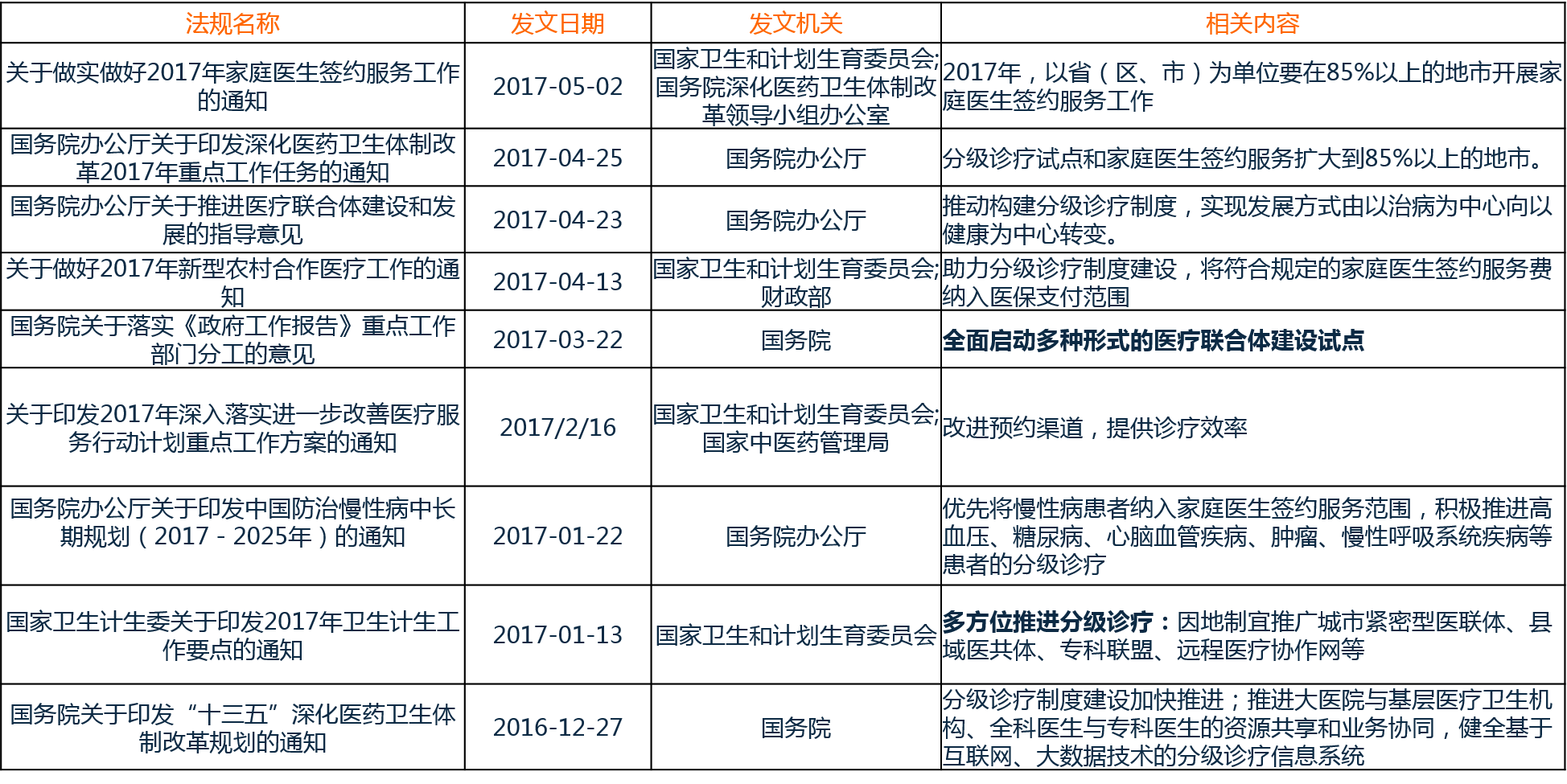
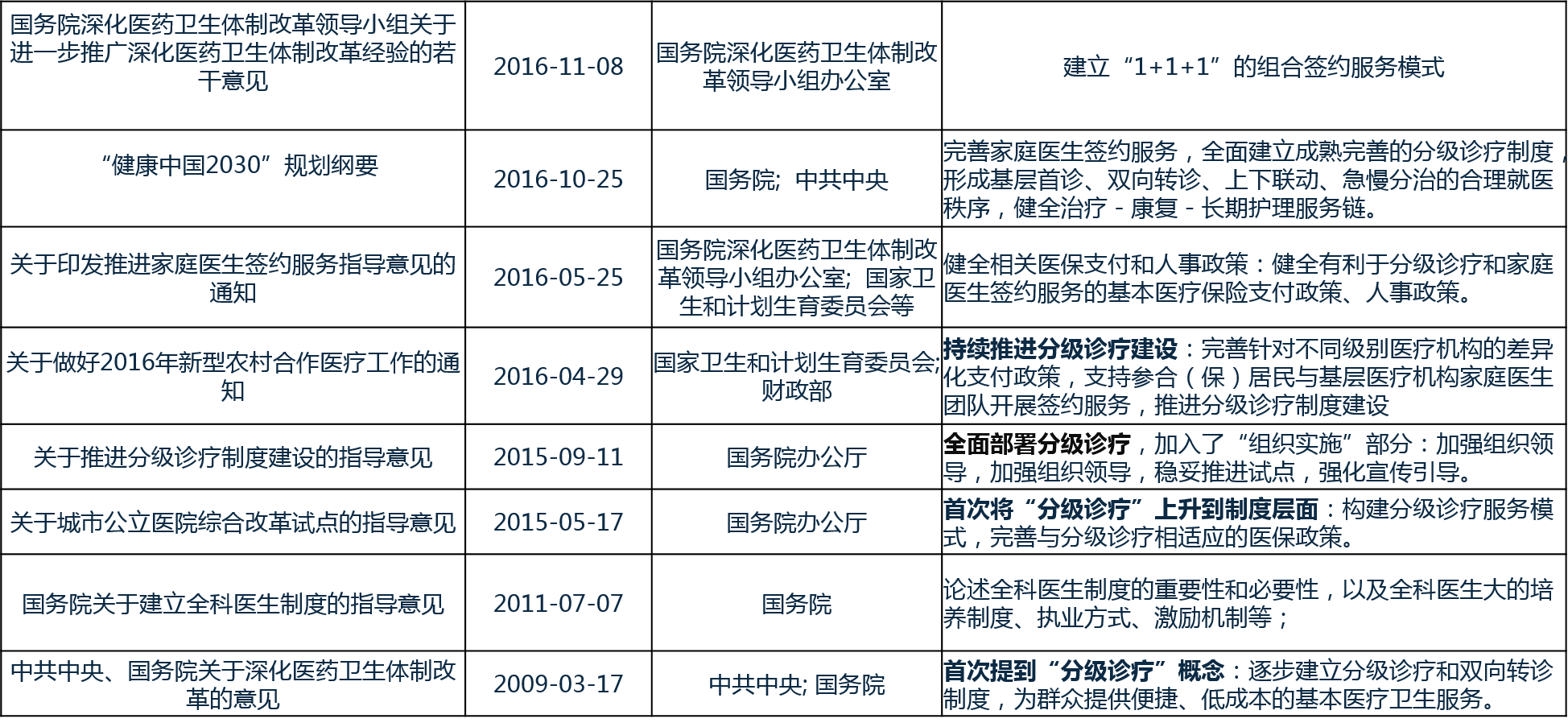
Since 2009, a total of 124 national-level policies on tiered diagnosis and treatment have been issued. The concept of tiered diagnosis and treatment was first introduced in national policy in the "Opinions on Deepening the Reform of the Medical and Health Care System" released by the Central Committee of the Communist Party of China and the State Council in 2009. After the State Council promulgated the "Guiding Opinions on Promoting the Construction of a Tiered Diagnosis and Treatment System" in 2015, the number of related policies saw significant growth; in 2016 alone, 52 national-level policies were issued.
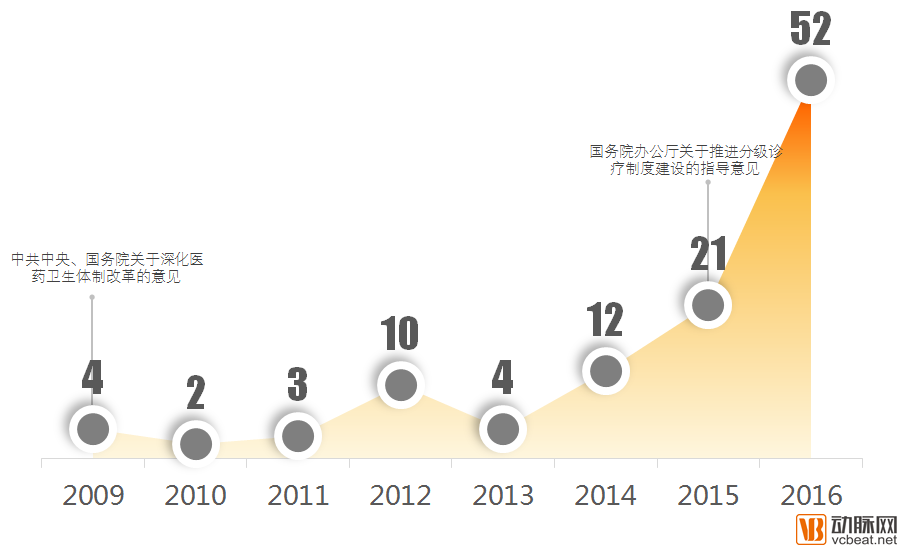
Since September 2015, when the General Office of the State Council issued the Guiding Opinions on Promoting the Construction of a Tiered Diagnosis and Treatment System, assessment and evaluation standards for tiered diagnosis and treatment have been established, with specific data indicators defined across various aspects. This has accelerated the deployment of the tiered diagnosis and treatment system. In recent years, as policy frameworks for tiered diagnosis and treatment have been refined, significant opportunities have emerged in areas such as family physician services, telemedicine, chronic disease management, and primary care laboratory and diagnostic testing.
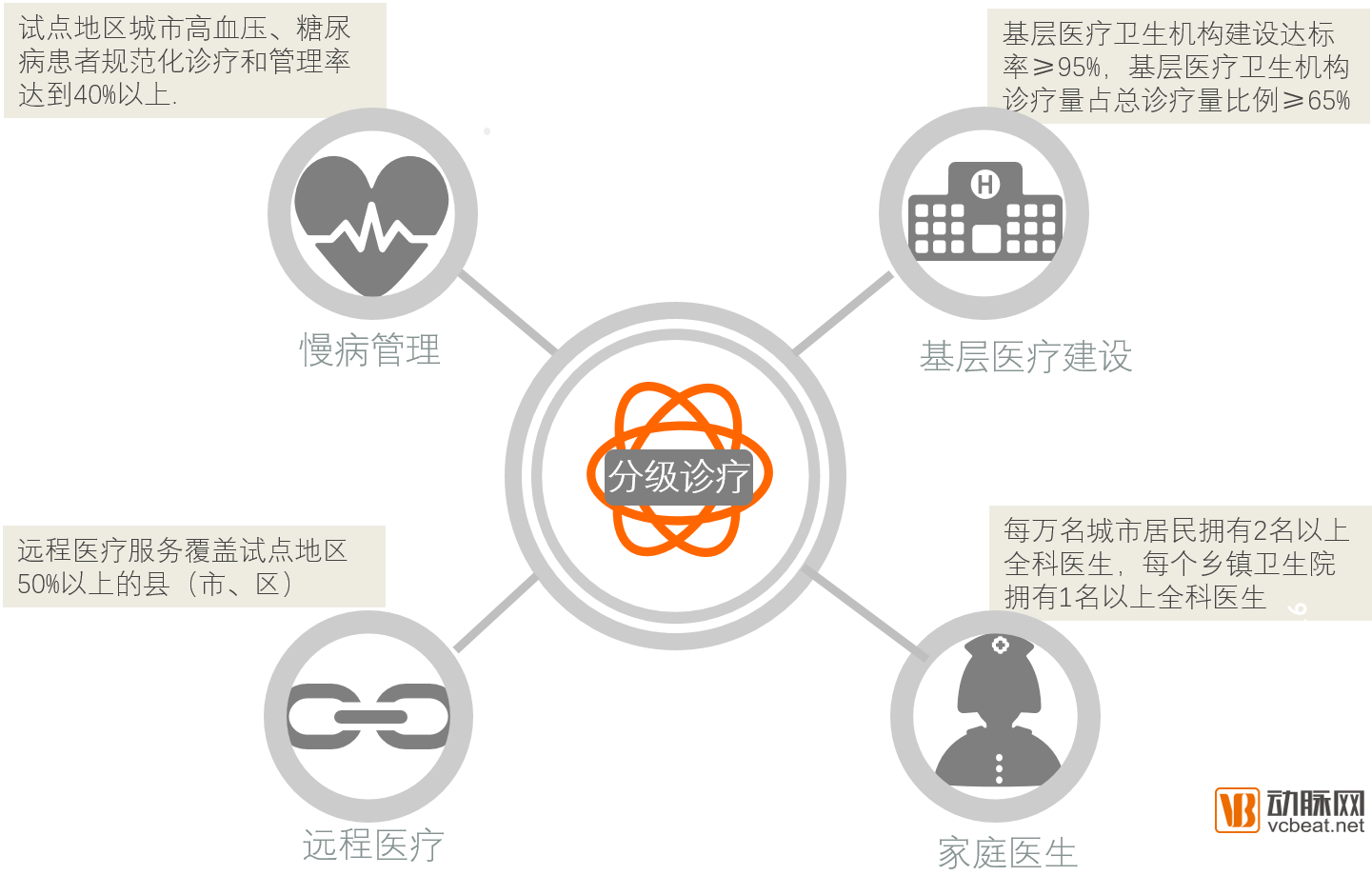
In May 2017, the General Office of the State Council issued the Key Tasks for Deepening the Reform of the Medical and Healthcare System in 2017 (Guo Ban Fa [2017] No. 37), specifying 70 key tasks to be prioritized that year. The focus of healthcare reform in 2017 centered on establishing the foundational frameworks for five basic medical and health systems: tiered diagnosis and treatment, modern hospital management, universal health insurance, drug supply assurance, and comprehensive regulation.
Regionalized Scientific Layout of Healthcare Service Patterns
In 2015, the Outline of the National Healthcare Service System Plan (2015–2020) pointed out the need to gradually achieve initial diagnosis at primary care institutions, two-way referrals, coordination between different levels of healthcare providers, and separate management of acute and chronic conditions, so as to establish and improve a tiered diagnosis and treatment model. In the same year, the Guiding Opinions on Promoting the Construction of a Tiered Diagnosis and Treatment System proposed measures to accelerate the development of such a system, form a scientific and orderly pattern of medical consultation, improve people's health status, and further safeguard and enhance public welfare. Currently, local regions have carried out active exploration and practice in accordance with the requirements of the above-mentioned documents. By the end of 2016, more than 20 provinces across China had issued relevant policies on tiered diagnosis and treatment. We have compared the performance assessment targets or work tasks outlined in the policies of selected provinces.
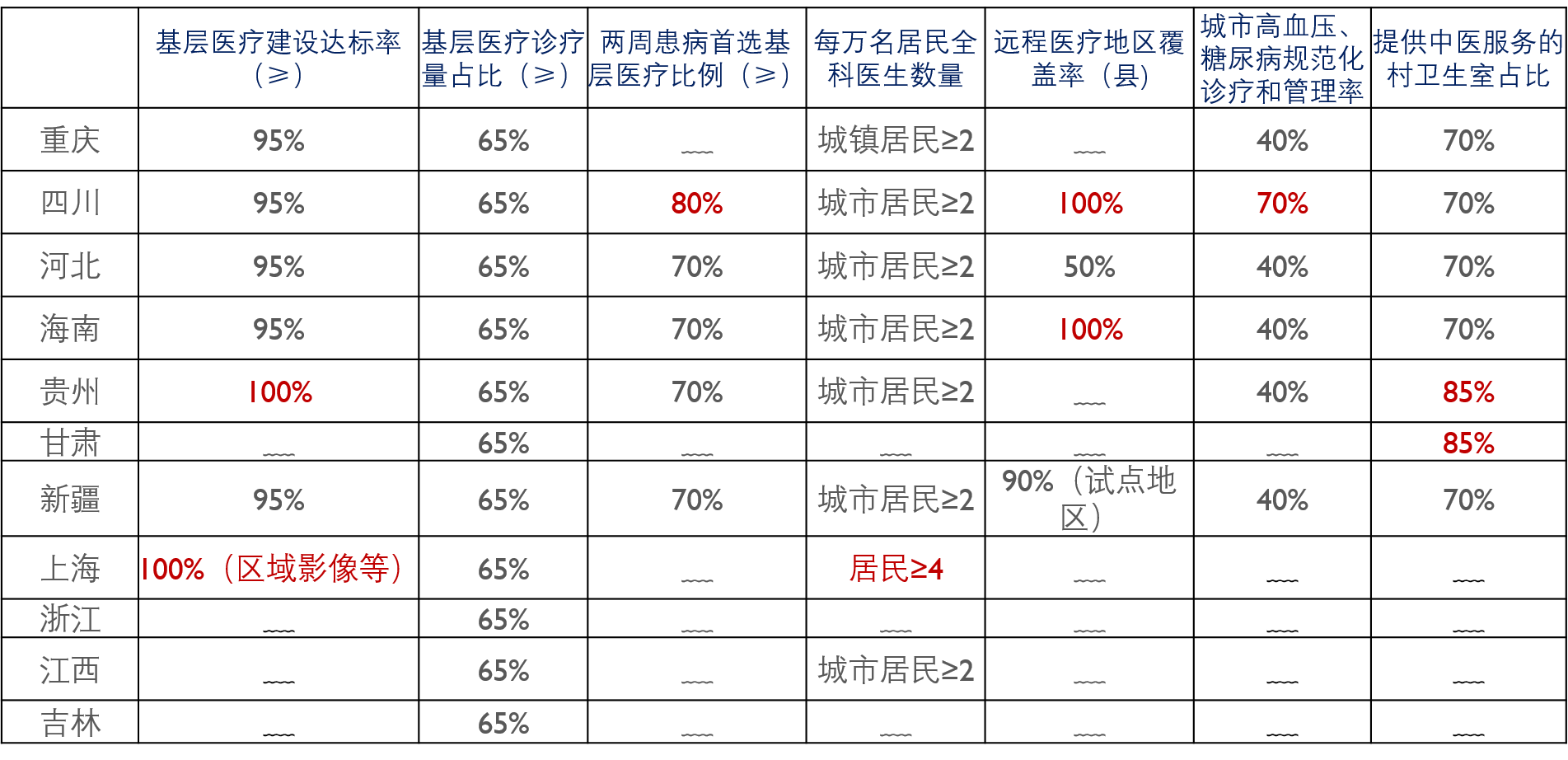
(Red indicates values higher than the regional average)
Based on the above data, we can observe that the focus of tiered diagnosis and treatment in Sichuan Province lies in telemedicine and chronic disease management, while Shanghai emphasizes the development of family physician services. In light of the varying data priorities across provinces, we have mapped out the distribution of distinctive features in tiered diagnosis and treatment.
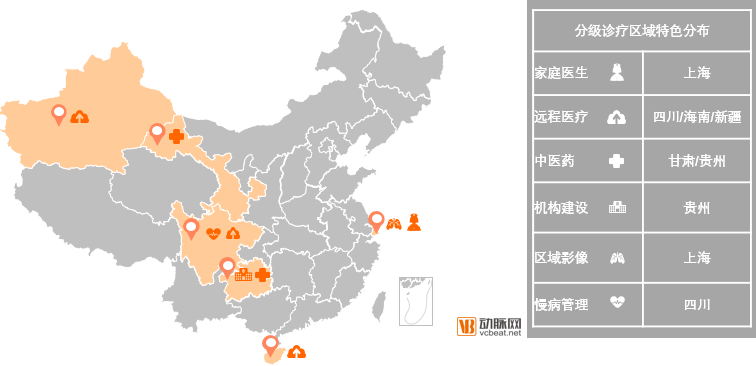
Among the performance indicators for the tiered diagnosis and treatment policy, the proportion of consultations at primary care institutions is a core metric. Therefore, we can compare the known proportion of consultations at primary care institutions with the target proportion. As shown in the chart below, Hebei, Jiangxi, and Gansu had already achieved their 2017 targets for the proportion of primary care consultations by 2015, whereas Zhejiang, Xinjiang, Shanghai, and other regions exhibited significant gaps relative to their targets. From a purely data-driven perspective, it can be inferred that there are substantial opportunities in the field of tiered diagnosis and treatment in regions such as Zhejiang, Xinjiang, and Shanghai.
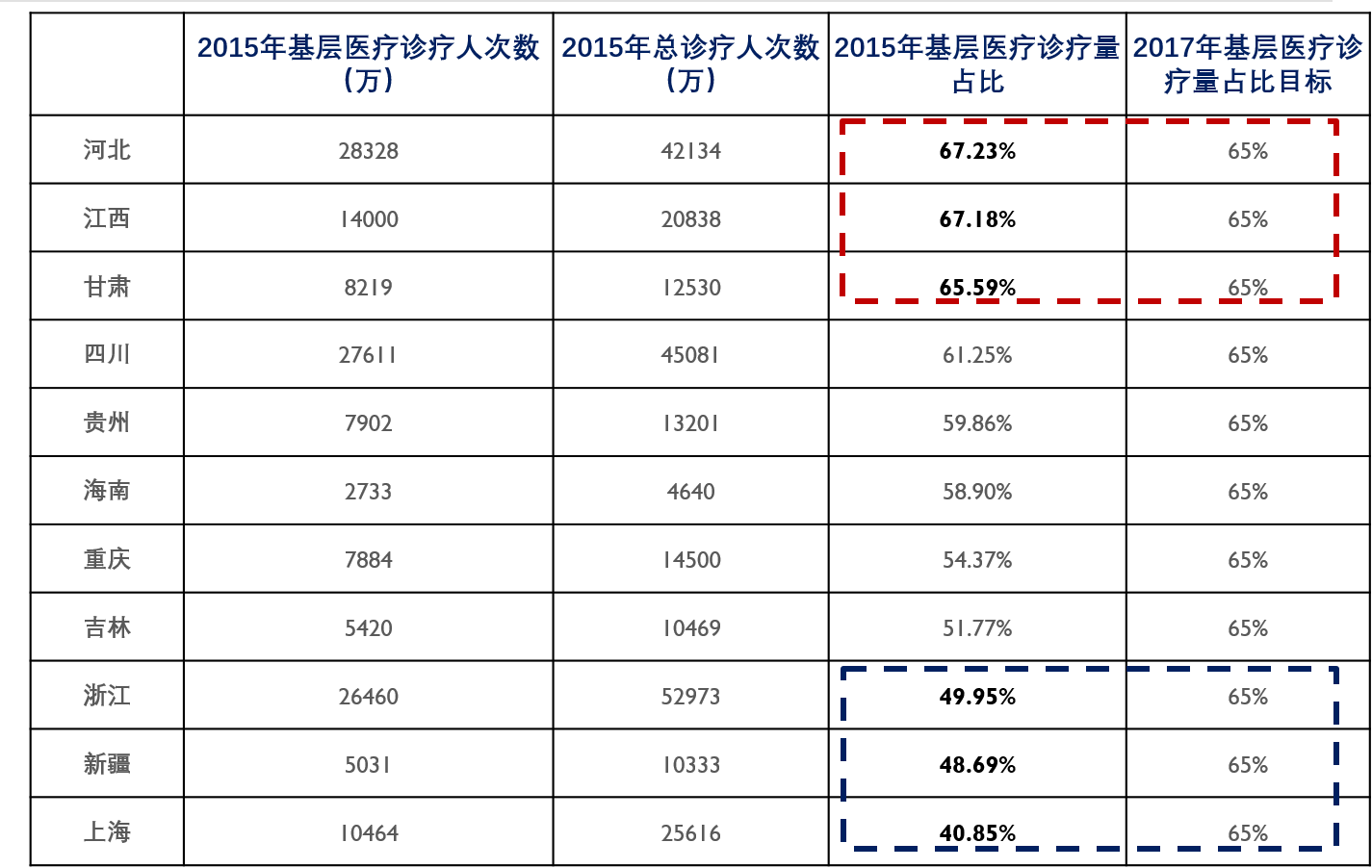
Data sources: Provincial-level hierarchical diagnosis and treatment policy documents; 2016 Yearbook of Health and Family Planning.
Mapping the Industrial Landscape Across Four Key Beneficiary Sectors
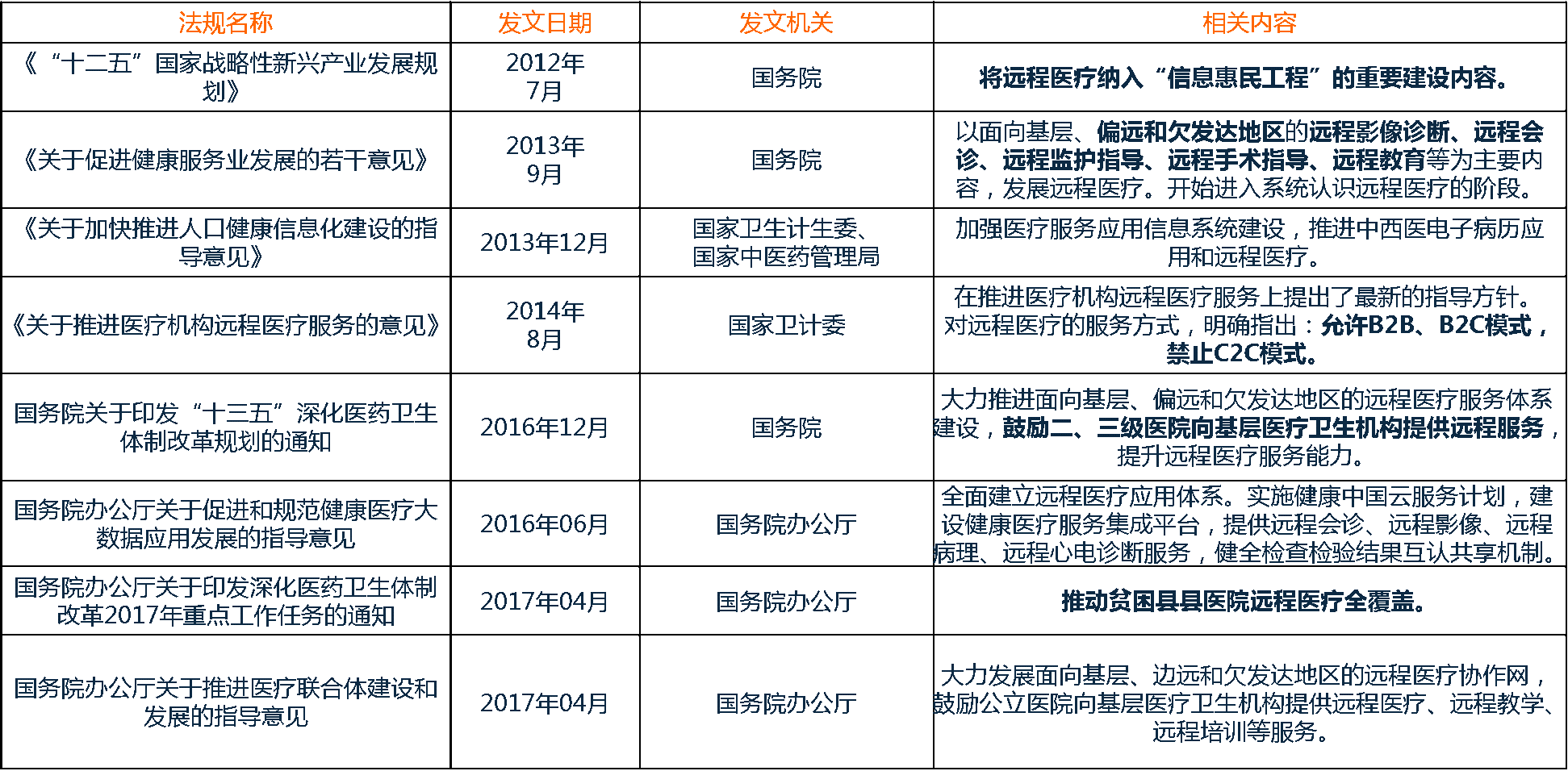
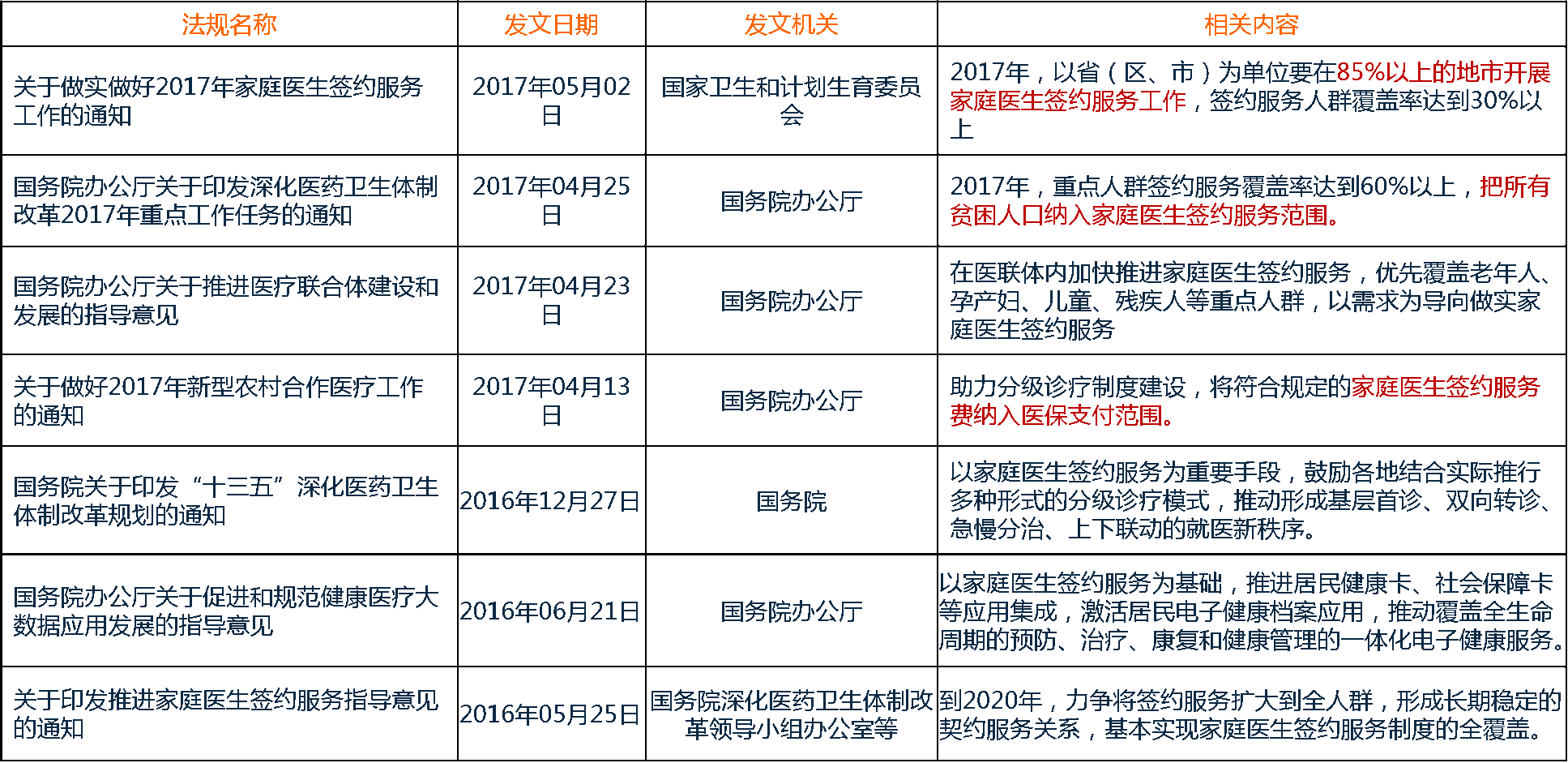
In recent years, the domestic telemedicine market in China has experienced rapid growth. The market size reached RMB 3.6 billion in 2015 and is projected to reach RMB 17.2 billion by the end of 2018, driven by the widespread adoption of mobile medical devices, advancements in the Internet of Medical Things (IoMT), and increased participation from healthcare institutions. Throughout the development of the telemedicine industry, policy has played a crucial guiding role; accordingly, we have compiled an overview of key policies related to telemedicine. Multiple policies emphasize prioritizing underserved and impoverished regions as focal points for telemedicine initiatives.
On April 13, 2017, the State Council issued the “Notice on Doing a Good Job in the New Rural Cooperative Medical Scheme in 2017,” which explicitly stated support for the establishment of a tiered diagnosis and treatment system and included qualified family doctor contract service fees within the scope of medical insurance reimbursement. On April 25, the State Council released the “Notice on Printing and Distributing the Key Tasks for Deepening the Reform of the Medical and Health Care System in 2017,” listing 70 key tasks to be prioritized and implemented, among which it was clearly specified that all impoverished populations should be covered by family doctor contract services.
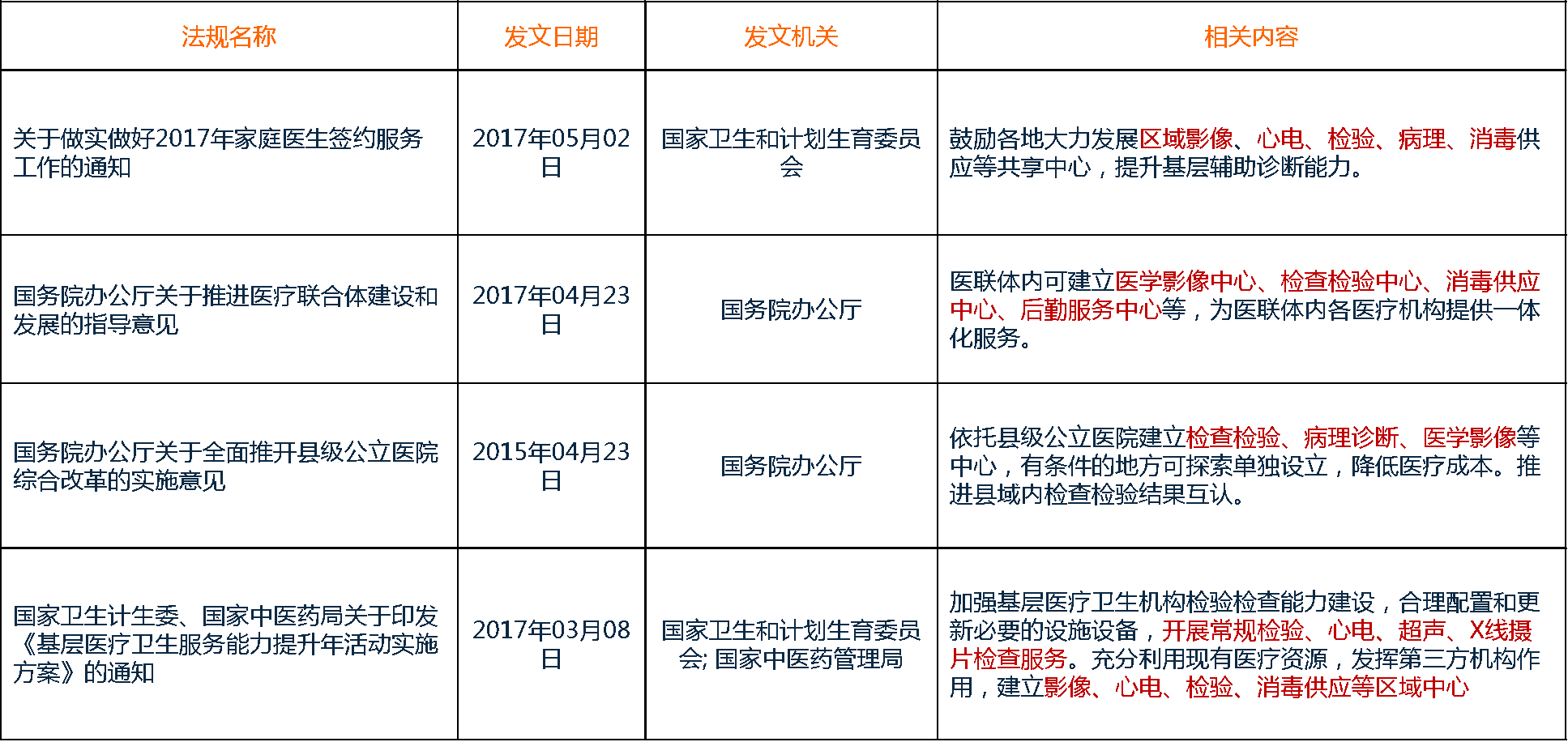
In April 2017, the National Health and Family Planning Commission and the State Administration of Traditional Chinese Medicine issued the “Implementation Plan for the Year of Enhancing Primary Healthcare Service Capacity.” According to the Plan, primary healthcare institutions are required to strengthen their laboratory and diagnostic capabilities, rationally allocate and update necessary facilities and equipment, and provide routine laboratory tests, electrocardiography (ECG), ultrasound, and X-ray imaging services. By fully leveraging existing medical resources and engaging third-party institutions, regional centers for medical imaging, ECG, laboratory testing, and sterile supply services should be established. This initiative will drive rapid development in fields such as in vitro diagnostics and third-party laboratory and diagnostic services.
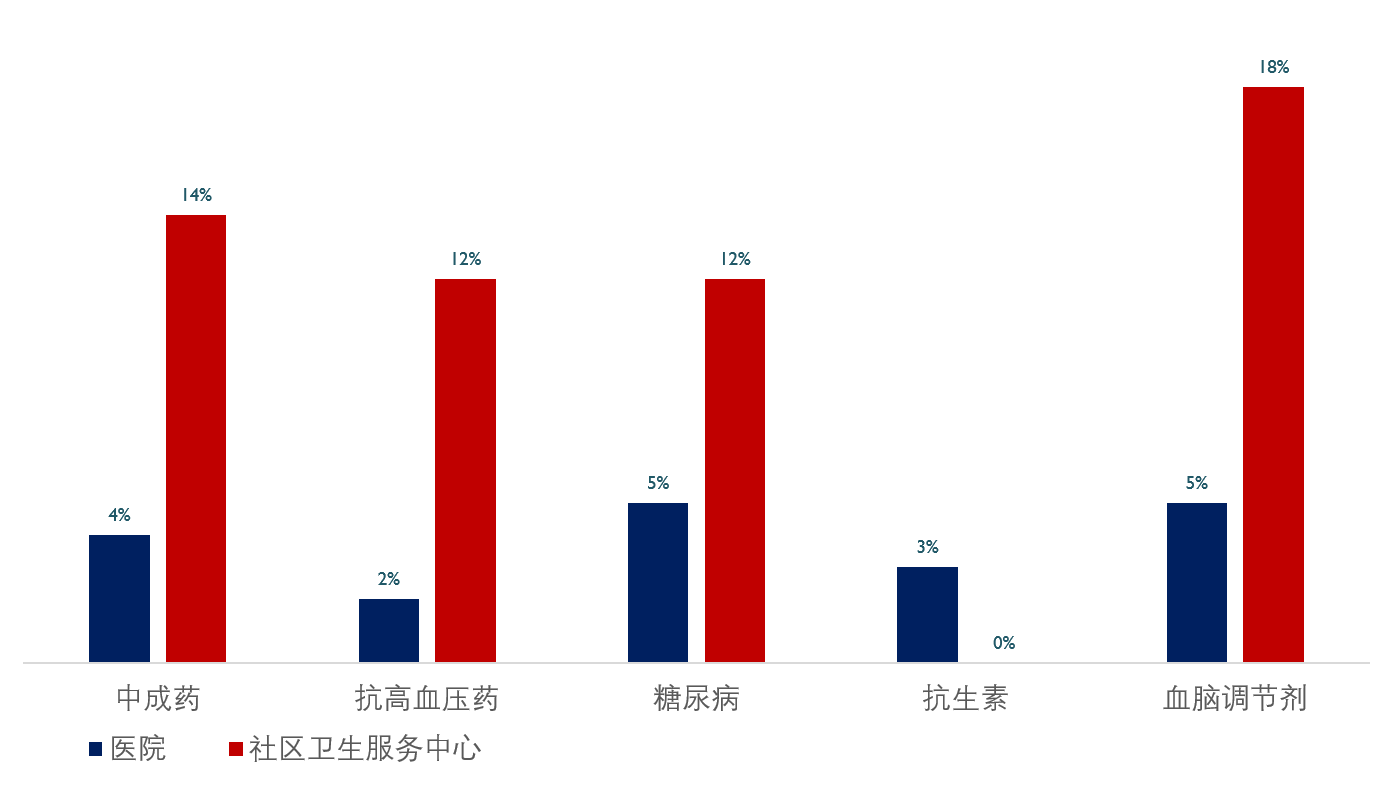
There is immense potential for the prevention and control of chronic diseases at the primary care level. According to IMS Health’s “2016 Comprehensive Analysis of China’s Pharmaceutical Market,” community medication primarily consists of traditional Chinese medicine (TCM) proprietary medicines, antihypertensives, antidiabetic drugs, antibiotics, and cerebrovascular regulators. Moreover, in these four therapeutic areas, sales growth rates are significantly higher than those in the hospital channel.
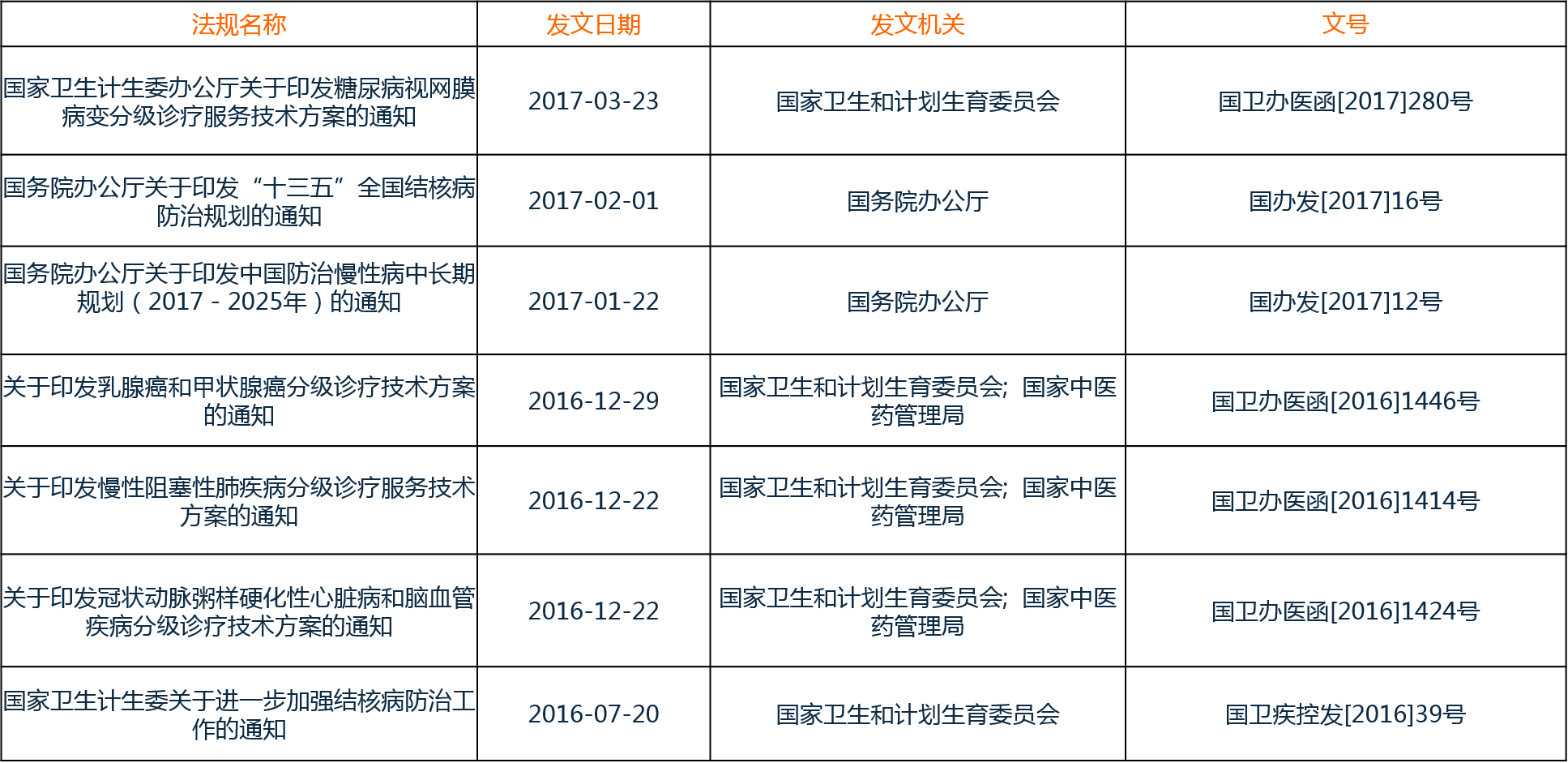
Chronic disease management will become a key entry point for the tiered diagnosis and treatment system. On January 22, the General Office of the State Council issued the Medium- and Long-Term Plan for the Prevention and Control of Chronic Diseases in China (2017–2025), which proposes to reduce the premature mortality rate from cardiovascular and cerebrovascular diseases, cancer, chronic respiratory diseases, and diabetes among people aged 30 to 70 by 10% by 2020, and by 20% by 2025, compared with 2015 levels. Elderly patients with chronic diseases may receive long-term prescription medications for their conditions from family contract physicians.
Map of Industries Benefiting from Tiered Diagnosis and Treatment
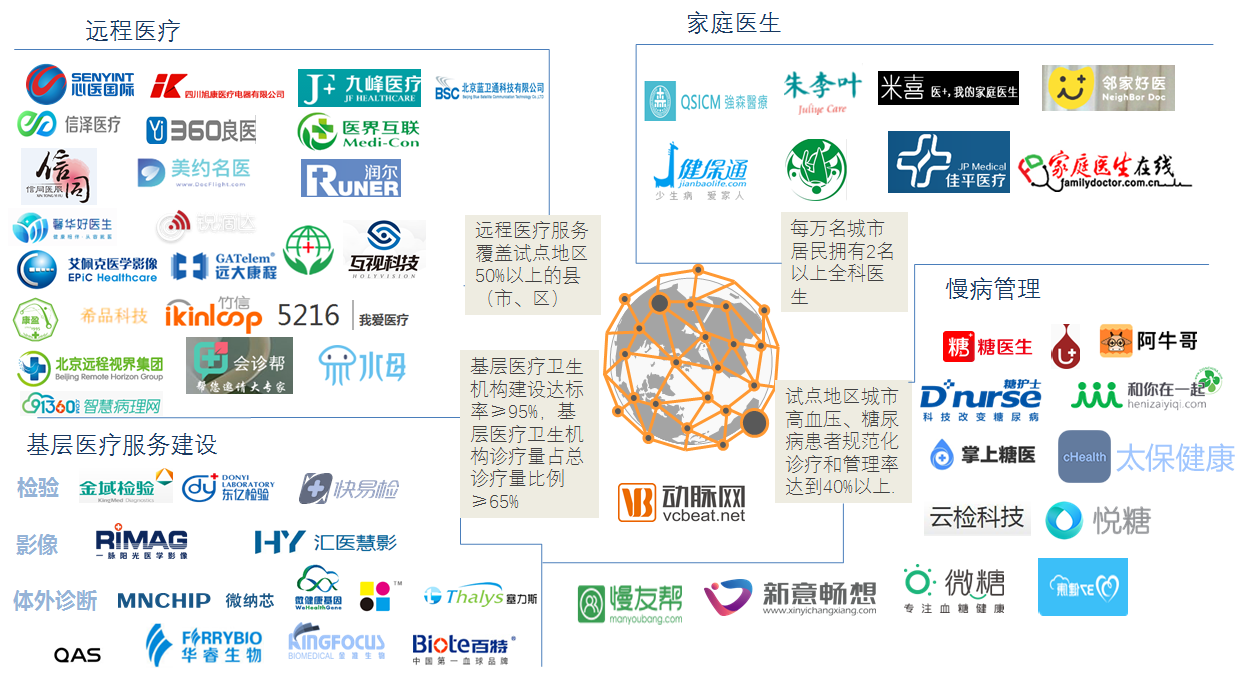
Driven by strong national policies, tiered diagnosis and treatment has become an inevitable path to address the imbalance in the allocation of medical resources in China. By reallocating, circulating, and restructuring resources, this approach achieves demand-oriented patient flow and targeted interventions. It not only alleviates supply-demand pressures by optimizing the allocation of existing resources but also accelerates the inflow of new medical resources. The "2017 Tiered Diagnosis and Treatment Data Report" comprehensively reviews the foundational conditions, development goals, and prospects of tiered diagnosis and treatment from a policy perspective. It outlines the industrial landscape of tiered diagnosis and treatment across four key beneficiary sectors, aiming to help industry professionals quickly grasp the macro layout and developmental characteristics of the sector, assist entrepreneurs in identifying new directions for exploration, and enable investors to discover undervalued opportunities.
To access more information on the background, core concepts, and international overview of tiered diagnosis and treatment, please scan the QR code below to become an official VCBeat member and gain access to the full version of “2017 Tiered Diagnosis and Treatment Data Report”. Additionally, you can click on the recommendations below to browse more articles on tiered diagnosis and treatment. By purchasing a VCBeat membership, you will enjoy unrestricted access to comprehensive industry trend reports over the coming year, stay promptly informed of the latest global investment and financing news, gain access to a comprehensive database of healthcare companies, and benefit from extensive resource-matching opportunities. Most importantly, gain access to a vast library of reports in the VCBeat Membership Knowledge Base—all for just RMB 365!

(Scan the QR code to purchase a membership)