China Youth Eye Health Survey Report: Highest Myopia Prevalence in Middle and High School Students, 30% of Parents Opt for Ophthalmic Hospitals for Diagnosis
The annual National College Entrance Examination (Gaokao) has concluded, and many parents choose to have their children undergo myopia correction surgery afterward. Myopia has become a widespread issue among adolescents. In the internet era, people rely on electronic devices such as computers, televisions, and smartphones for work, leisure, and study, while spending increasingly less time on outdoor activities. Consequently, terms like myopia, hyperopia, and astigmatism have become commonplace.
So, what is the current state of eye health among Chinese people? And which factors contribute to their ocular vulnerability? In collaboration with Aier Eye Hospital, "Facts Speak Report" conducted an online survey and analysis, aiming to depict the basic status of eye health among adolescents in China using objective data.
Nearly 30% of Children Have Eye Health Problems
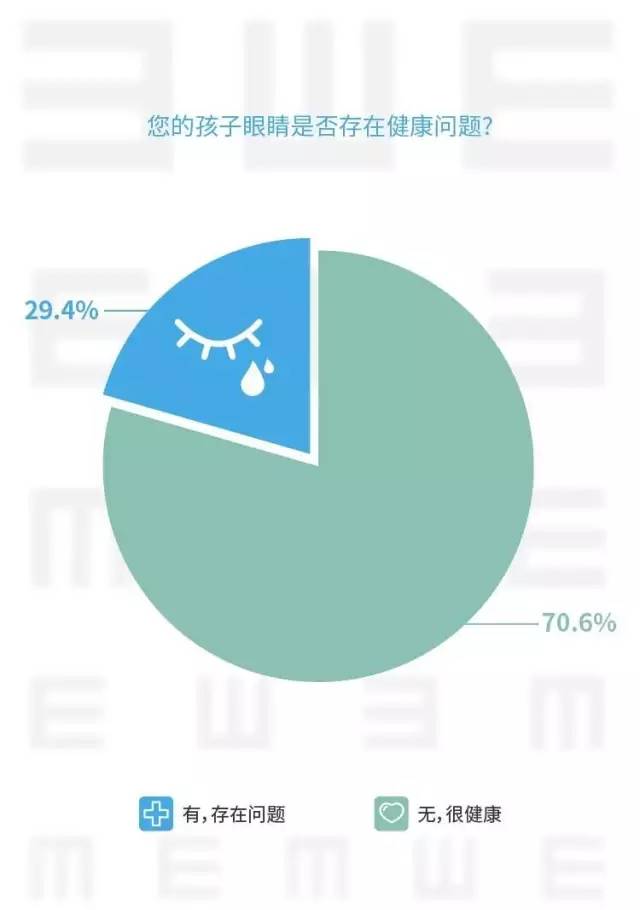
Parents Worry as Children’s Eye Health Deteriorates. Survey data indicate that 29.4% of responding parents reported eye health issues in their children. Parents should note that the prevalence of myopia is highest among middle and high school students, where eye health problems are most concentrated.
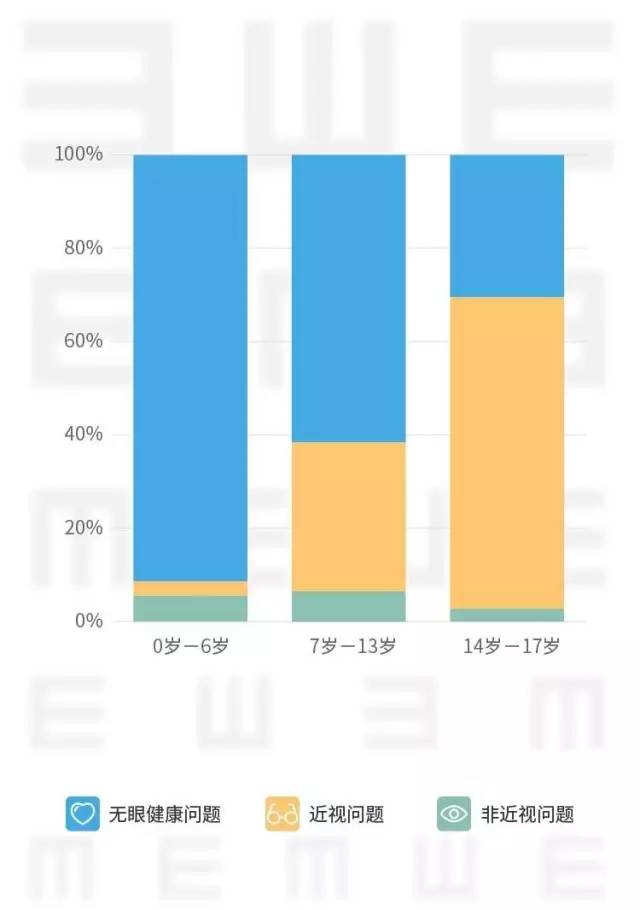
Data indicate that eye health issues are prevalent among children across all age groups. In preschool-aged children (0–6 years), the problems are predominantly non-myopic conditions, such as hyperopia, astigmatism, strabismus, and amblyopia, which are primarily associated with physiological states or congenital development.
Eye health issues among school-aged children have increased significantly during both the primary school years (ages 7–13) and secondary school years (ages 14–17) compared to the preceding developmental stage. Among these issues, myopia has emerged as the primary concern, with its prevalence reaching 66.75% by secondary school. This trend may be associated with increased academic pressure and greater exposure to electronic screens. It also indicates that myopia typically develops gradually during the period of formal schooling. Therefore, parents, schools, and society should attach great importance to this issue and strive to prevent or delay the onset of myopia.
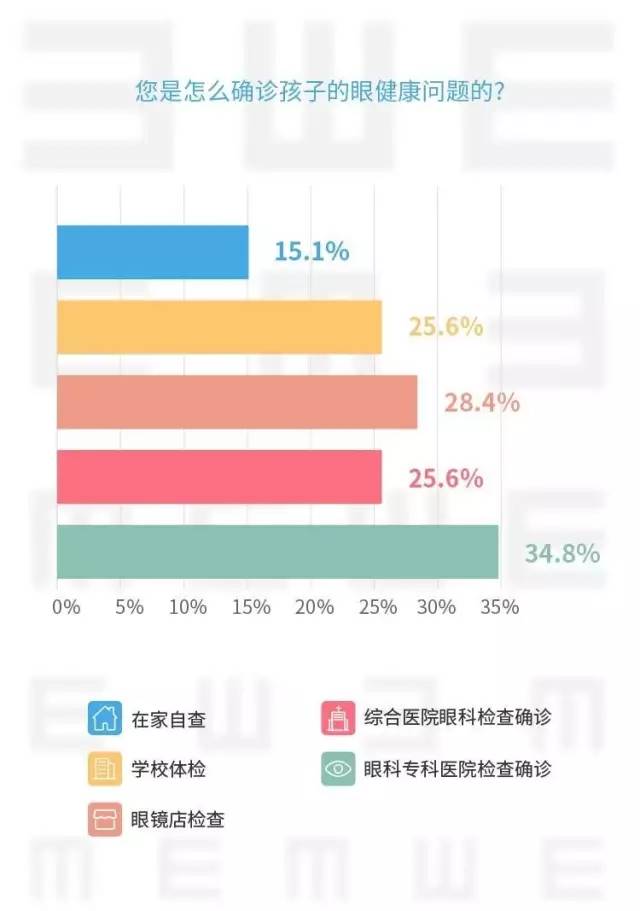
Over 30% of parents take their children to specialized ophthalmic hospitals for examination and confirmed diagnosis.
Hospitals inspire greater trust among parents. Data shows that over 60% of parents choose specialized ophthalmic hospitals (34.8%) or the ophthalmology departments of general hospitals (25.6%) for comprehensive and systematic examinations and diagnosis, while fewer than 20% of parents conduct self-checks at home.
Myopia is the greatest threat to children's eye health.
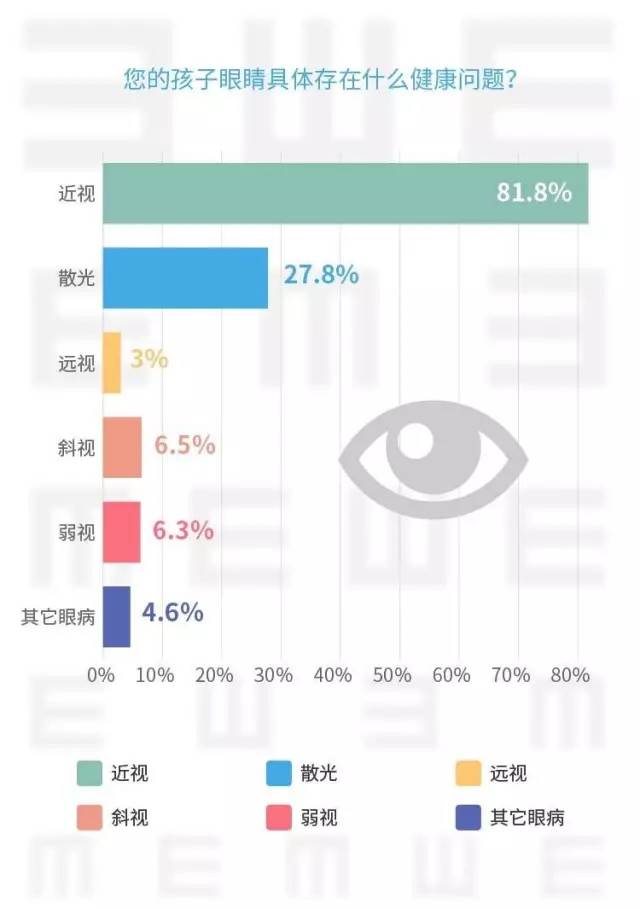
Nowadays, children face heavier academic burdens and have greater access to digital entertainment, exposing their eye health to more risk factors. As a result, myopia has become the primary eye health concern among children. Surveys indicate that among children with eye problems, 81.8% suffer from myopia, 27.8% are affected by astigmatism, and 6.5% and 6.3% have amblyopia and strabismus, respectively.
How severe is myopia? Nearly 40% of children have myopia exceeding -3.25 diopters, reaching the level of moderate myopia.
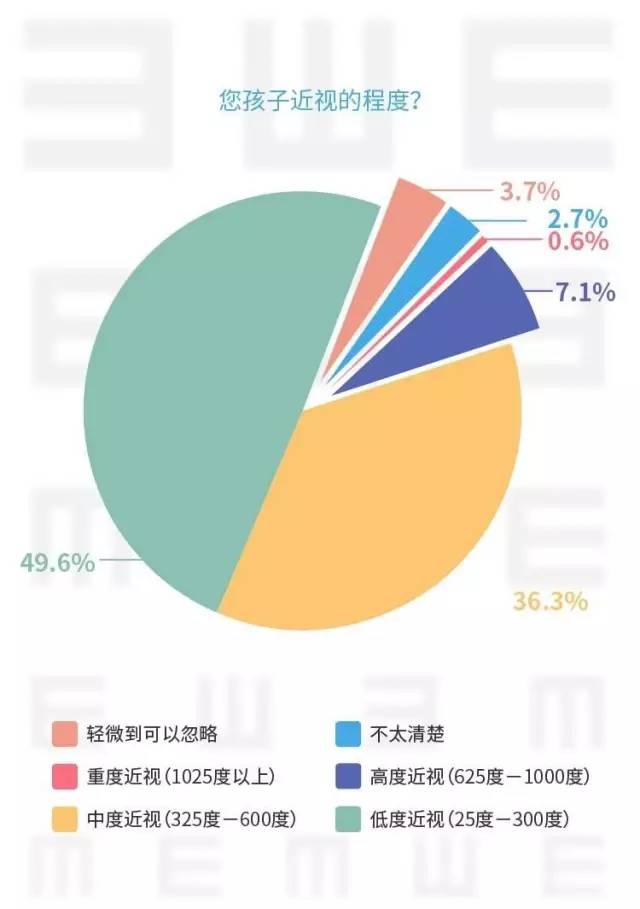
Myopia is the most prevalent eye health issue; however, its ubiquity does not diminish its severity, warranting greater attention. Data indicate that over 40% of children suffer from moderate myopia or worse, with a refractive error of -3.25 diopters or higher. Furthermore, 7.7% of children have high/severe myopia, significantly increasing their future risk of serious blinding conditions such as retinal detachment and glaucoma. This situation is deeply concerning!
Myopia Is Not Reversible: Nearly 80% of Children Experience Progression in Refractive Error After Onset
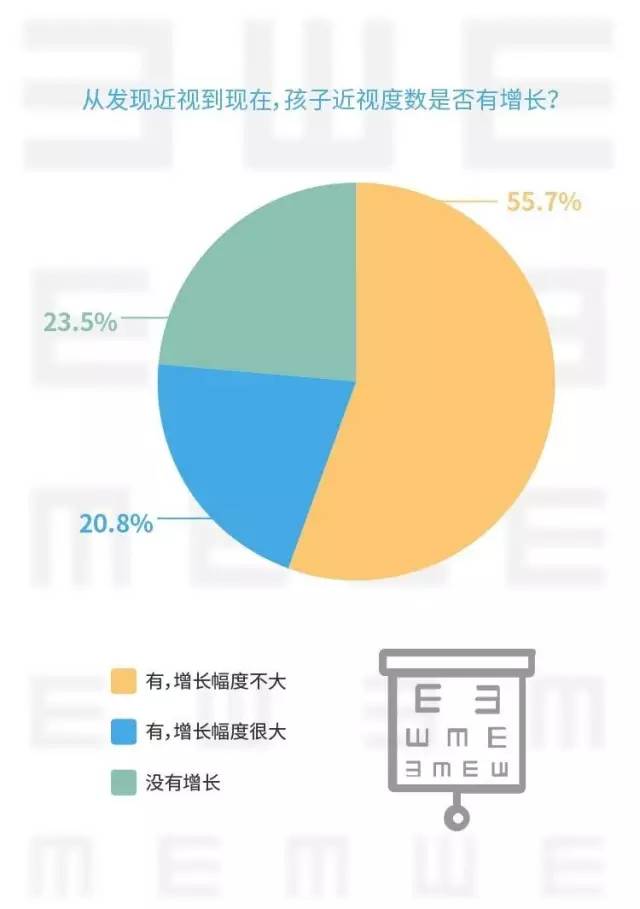
Once myopia develops, maintaining a stable refractive error is quite challenging. Data show that since the initial diagnosis of myopia, 76.5% of children have experienced varying degrees of progression in their myopia.
Nearly 50% of Parents of Myopic Children Lack Knowledge on Myopia Prevention and Control
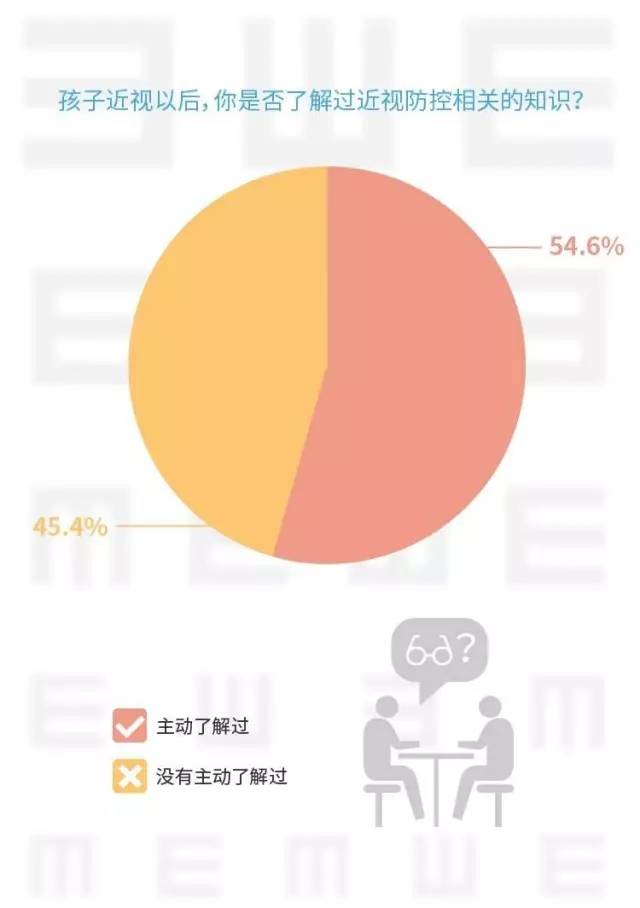
While childhood myopia prompts some parents to seek out information on the condition, data indicate that 45.4% of parents do not proactively learn about myopia prevention and control after their child is diagnosed. This lack of initiative in acquiring knowledge about myopia may adversely affect the management and treatment of the child’s condition.
Where to Find Knowledge on Myopia Prevention and Control? Consult Professionals or Search Online
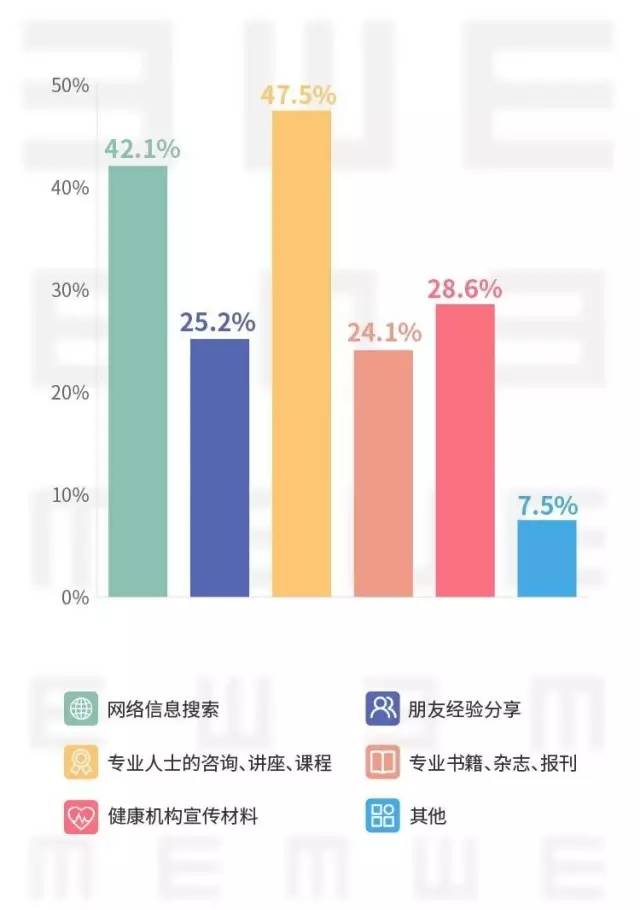
Meanwhile, the survey reveals that 47.5% of parents prefer to acquire knowledge about myopia prevention and control through consultations, lectures, and courses offered by professionals, making this their primary channel. Additionally, 42.1% of respondents rely on online searches to obtain relevant information. The data also indicate that peer experience sharing, promotional materials, books, and newspapers/magazines are important channels for parents to access information on myopia prevention and control.
Among children with myopia, nearly 70% have family members who also suffer from myopia.
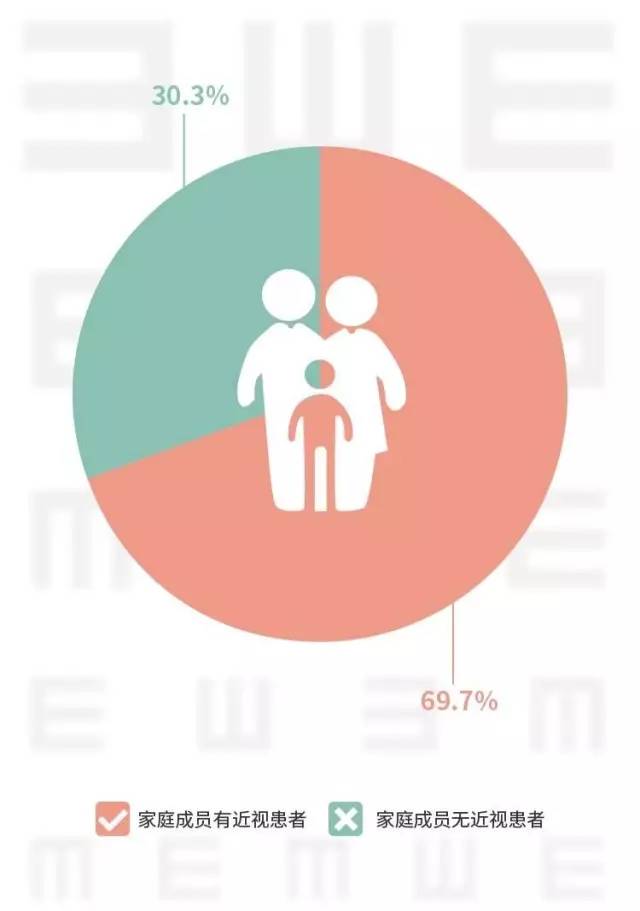
Survey data show that among children with myopia, 69.7% have family members who are also myopic, a rate far higher than that in families without myopia.
This indicates that myopia has a certain genetic predisposition, but it also highlights its tendency for familial clustering. Poor eye-use habits or inadequate lighting conditions in parents not only lead to their own myopia but also increase the likelihood of myopia in their children. Therefore, parents should not only serve as role models for their children in daily life and study but also set a positive example in terms of eye health.
More than 80% of Children Suffer from Astigmatism, with Over 40% Having Moderate or Severe Astigmatism
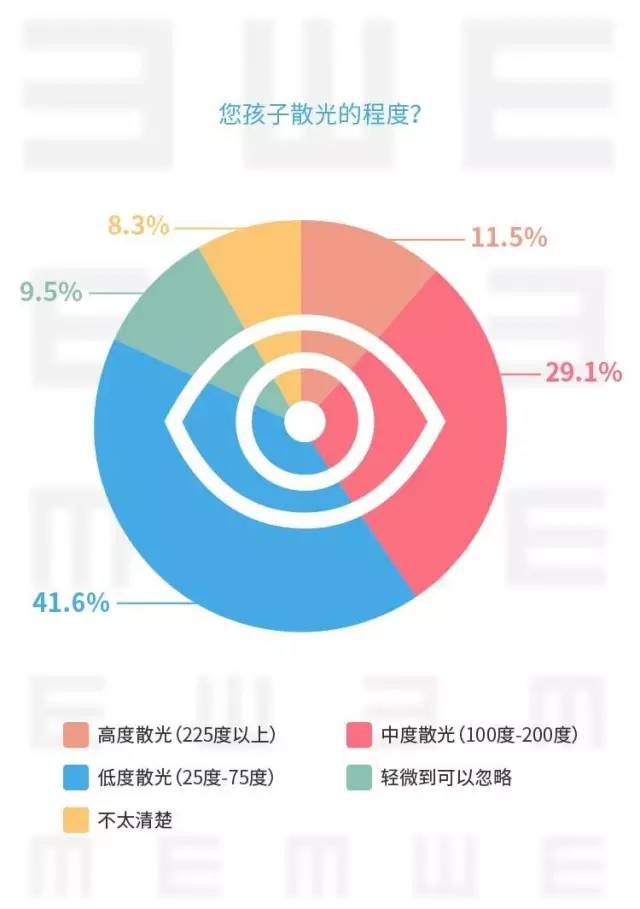
Astigmatism has become a factor in children's eye health that cannot be ignored. Data shows that 41.6% of children have astigmatism ranging from 25 to 75 degrees; generally, this level of astigmatism does not significantly affect vision. Meanwhile, 29.1% suffer from moderate astigmatism between 100 and 200 degrees, which can noticeably impact visual acuity. Furthermore, 11.5% have astigmatism exceeding 225 degrees, classifying them as patients with high astigmatism.
Moderate to high astigmatism not only significantly impairs vision but also markedly increases the risk of developing myopia; therefore, it should be detected and corrected as early as possible.
Strabismus and Amblyopia Are More Easily Overlooked by Parents Than Myopia, Hyperopia, or Astigmatism
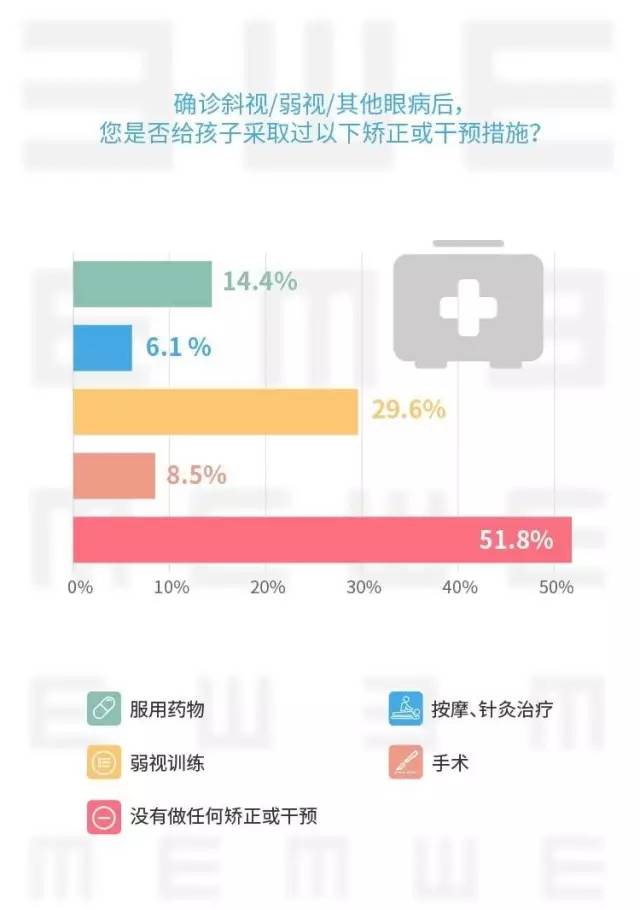
When children are diagnosed with myopia, hyperopia, or astigmatism, parents should take appropriate measures; however, surveys indicate that more than half of parents take no corrective or interventional actions when their child is diagnosed with strabismus or amblyopia.
In fact, regardless of the specific eye condition, parents should take their children for timely examinations and initiate appropriate treatment. This is because these ocular diseases have a critical therapeutic window; if this window is missed, the difficulty of correction increases significantly, potentially resulting in lifelong visual impairment.
Nearly 70% of Parents Choose Professional Eye Hospitals for Myopia Correction
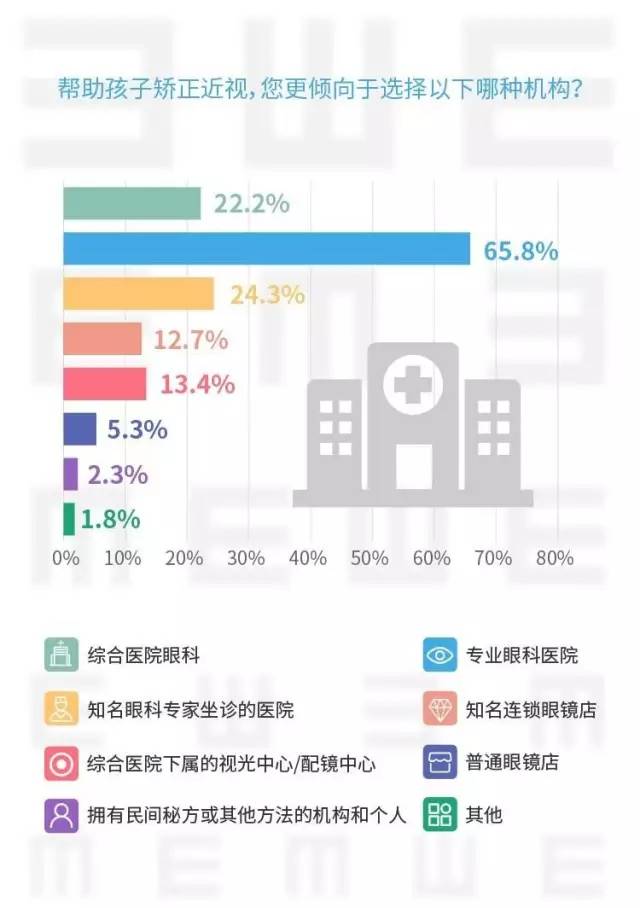
Professionalism, to some extent, equates to a guarantee of quality, making it easier to gain public trust. Data shows that when helping children correct myopia, 65.8% of parents choose specialized eye hospitals, while 24.3% and 22.2% opt for hospitals where renowned ophthalmologists practice and the ophthalmology departments of general hospitals, respectively. People generally prefer professional and well-known hospitals for their children’s myopia correction.
Spectacle fitting has become the primary method for correcting and managing myopia, hyperopia, and astigmatism.
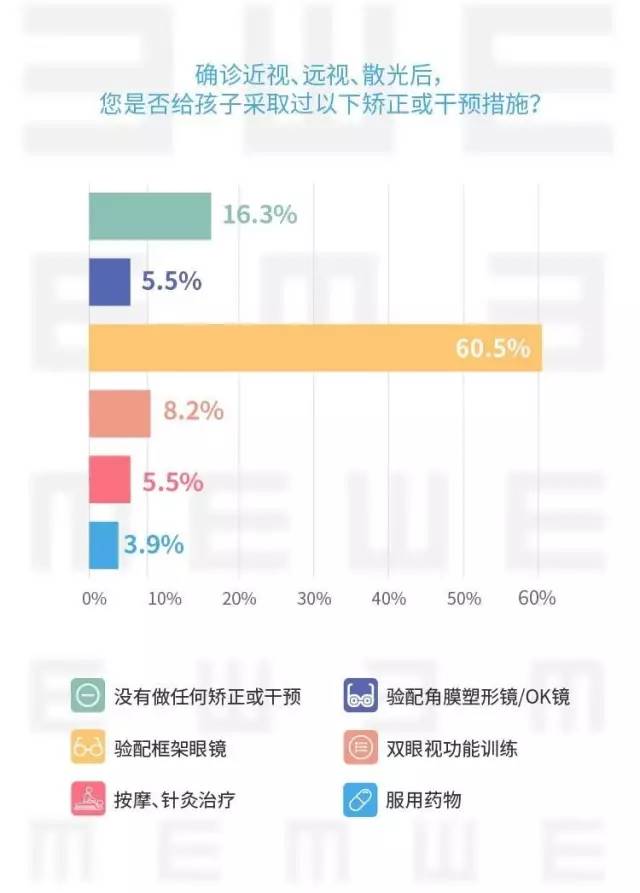
What Should You Do If Your Child Is Nearsighted? Prescribing Spectacle Lenses Becomes the First Choice for Parents. Data shows that after a diagnosis of myopia, 60.5% of parents choose to prescribe spectacle lenses for their children to correct and intervene in the further deterioration of myopia. Notably, 16.3% of parents take no corrective or interventional measures after discovering their child's myopia.
After a child is diagnosed with myopia, more than half of parents reduce or eliminate their child’s exposure to electronic devices.
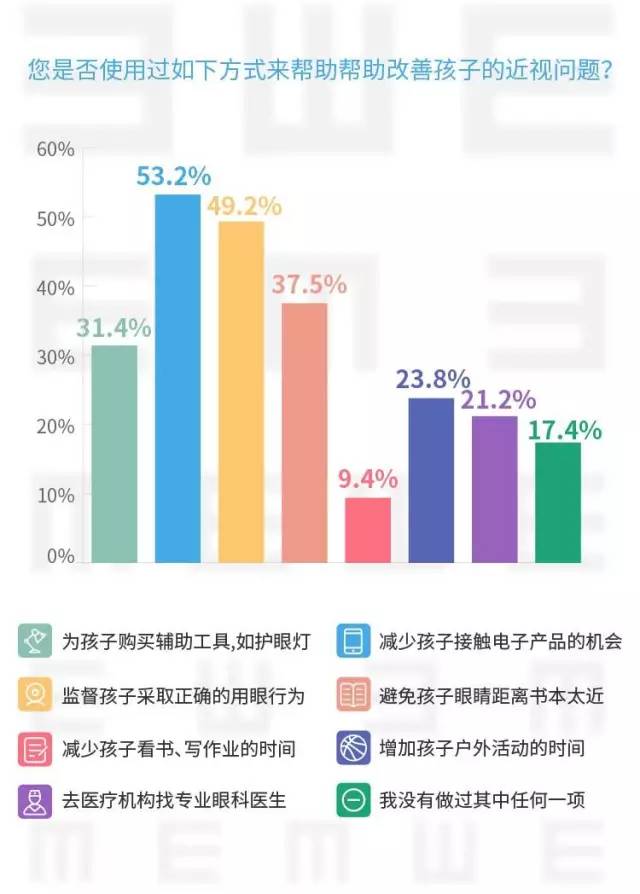
As electronic devices increase the burden of near-work activities, 53.2% of parents attempt to address their children’s myopia by reducing or eliminating their exposure to such devices. Additionally, 49.2% of parents seek to improve myopia by supervising their children’s proper eye-use habits, while fewer than 10% of parents opt to reduce their children’s study time to mitigate myopia.
Can myopia be completely cured? Only 13.9% of people strongly disagree with this statement
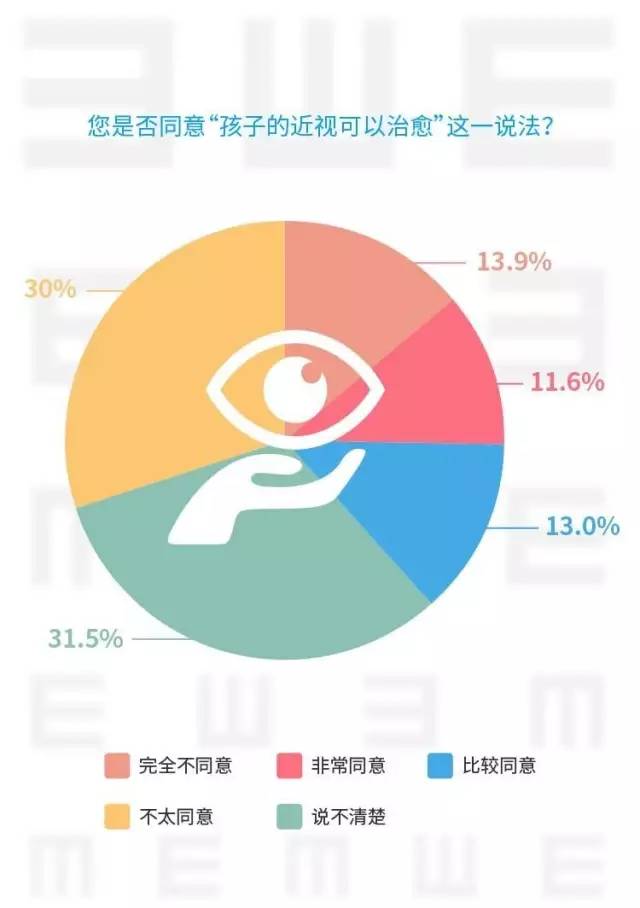
Parents all hope their children will have a pair of healthy eyes, but can myopia be completely cured? Data shows that only 13.9% of parents fully understand that myopia is incurable; 30% disagree to some extent with the notion that myopia can be cured, while more people believe the issue remains unclear and inconclusive.
Myopia has become prevalent among adults, with nearly 70% of the population affected.
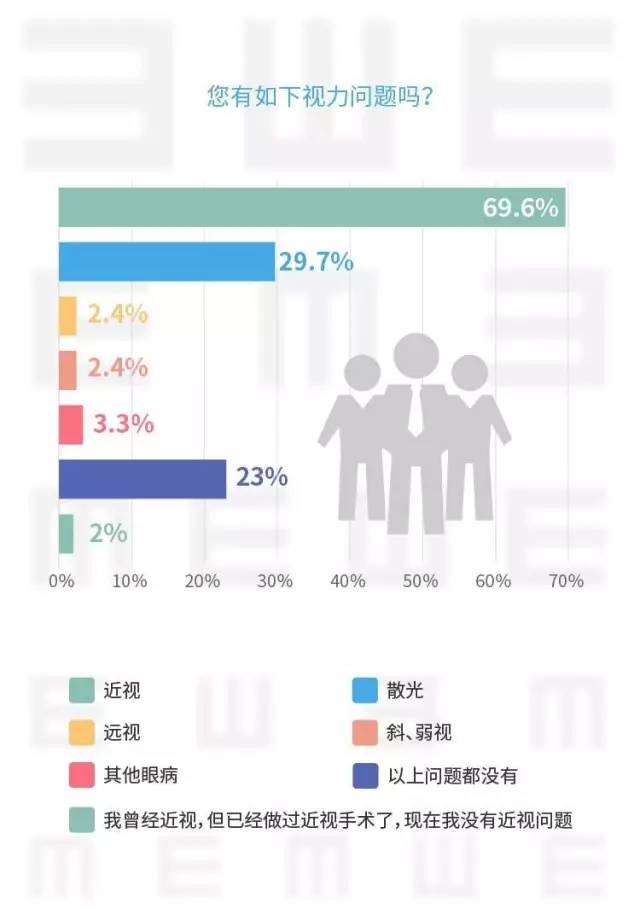
Nowadays, an increasing number of people wearing glasses are seen on the streets, and myopia has become prevalent among adults. Protecting eye health is urgent. Data shows that myopia and astigmatism are the most prominent issues affecting adult eye health.
Is Myopia an Inevitable Price for Academic Excellence? Higher Educational Attainment Correlates with Increased Risk of High Myopia
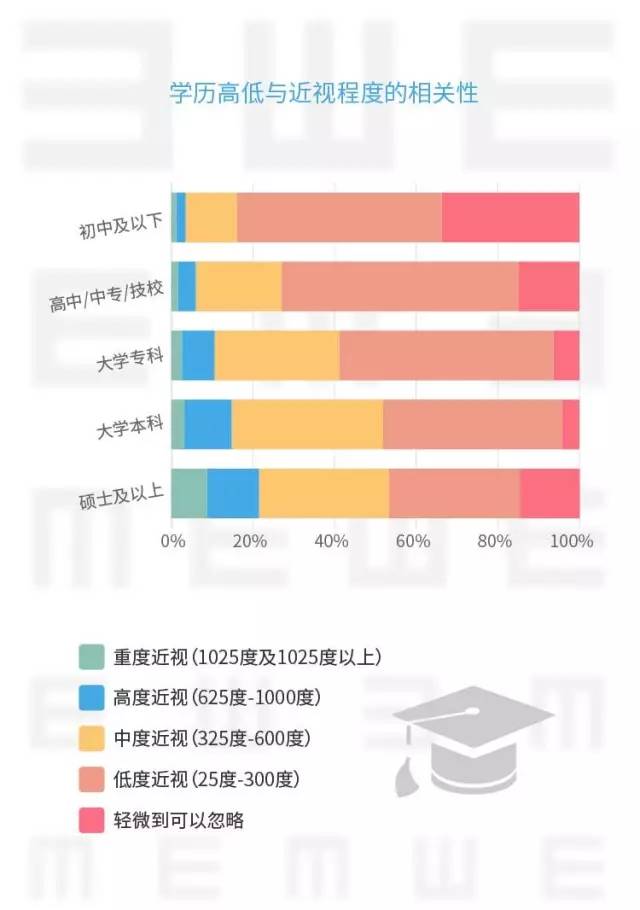
Immersed in the sea of books, one can inadvertently develop high myopia; it seems that nearsightedness has become an inevitable price to pay for academic excellence. Analysis reveals that the proportion of individuals with severe myopia (over 10.25 diopters) increases with higher levels of education. Among those with a master’s degree or higher, 8.8% have severe myopia exceeding 10.25 diopters, whereas among those with a junior high school education or below, 33.8% have negligible or mild myopia.
Myopia severity is concentrated, with over 40% of individuals having myopia of -3.25 diopters or higher, which falls within the range of moderate myopia.
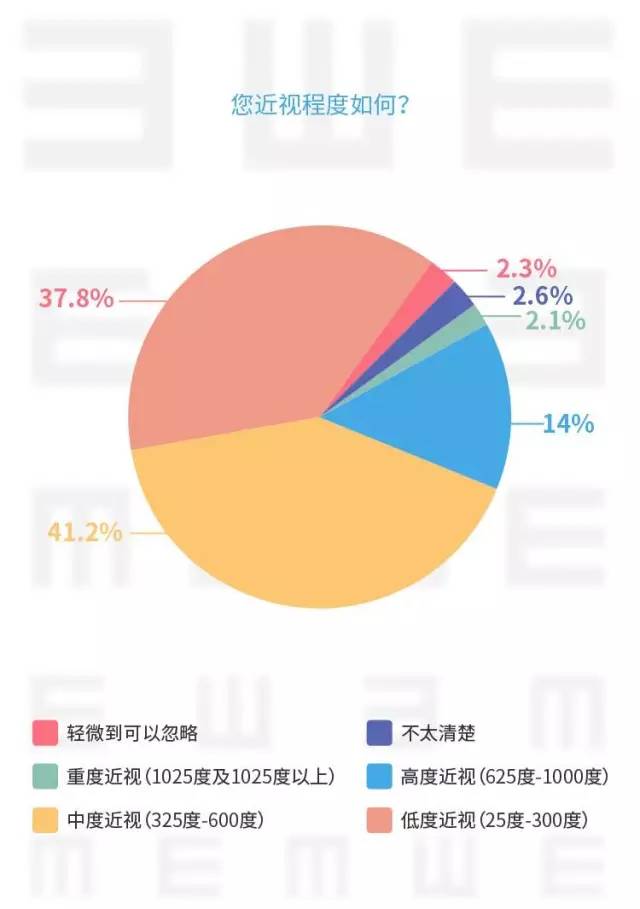
Compared with children, adults have more severe myopia, with 41.2% having moderate myopia (325–600 diopters). The proportion of those with mild myopia (25–300 diopters) is 37.9%, while 14% have high myopia (625–1000 diopters).
Junior high school is the peak period for the onset of myopia, with nearly half of individuals developing myopia during this stage.
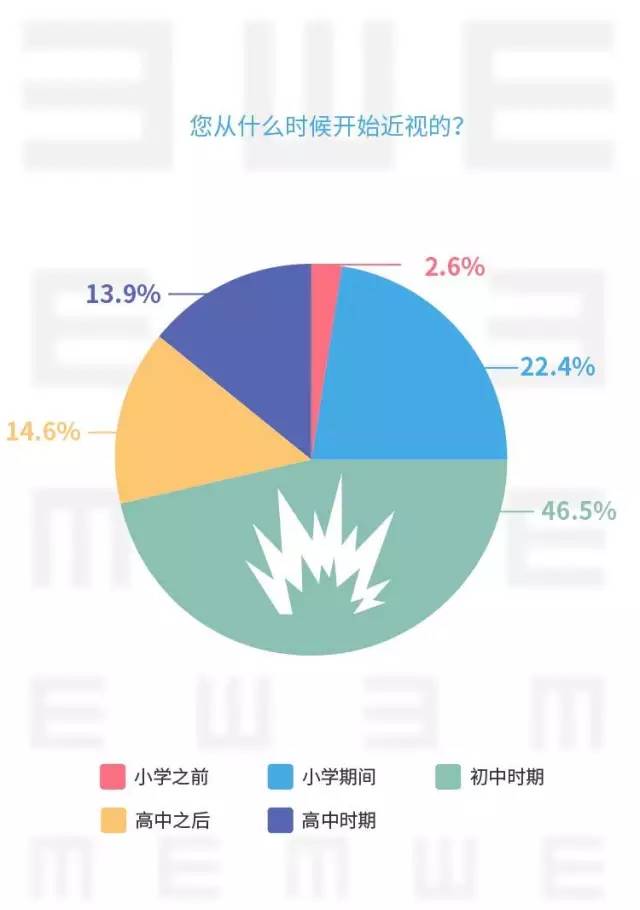
As students transition from elementary to middle school, the sudden increase in academic pressure often leads to poor adaptation and inadequate eye care practices, making middle school the peak period for the onset of myopia. Data shows that 46.5% of individuals developed myopia during their middle school years. Meanwhile, eye health issues in elementary school should not be overlooked, with 22.4% of cases originating at this stage, while 14.6% began during high school.
Spectacle Frames Can Also Be a Fashion Statement: Over 80% of Myopic Individuals Choose to Wear Eyeglasses
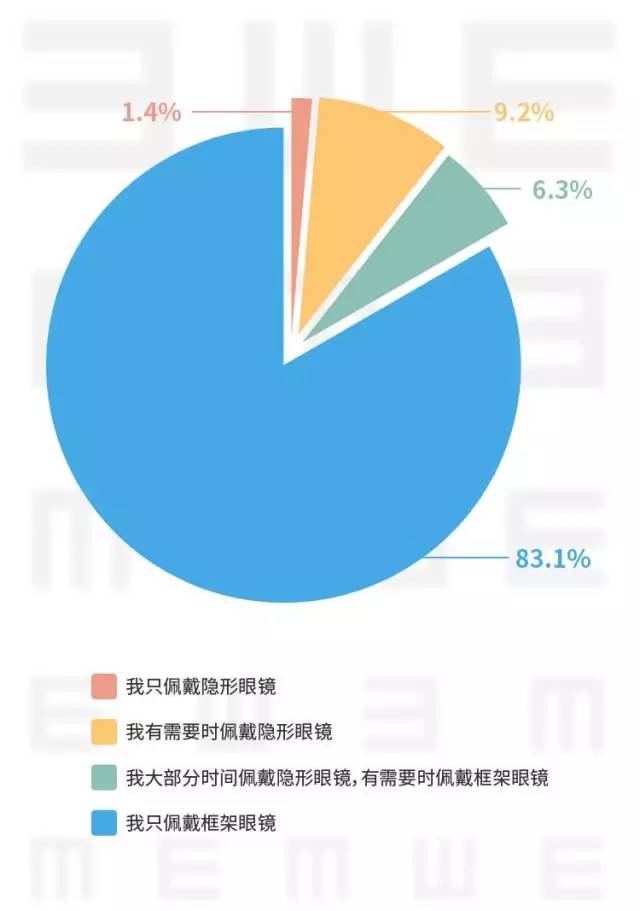
Frame glasses are convenient to put on and take off, and to some extent can serve as a bonus accessory. Data shows that 83.1% of people choose to wear frame glasses, only 1.4% wear contact lenses exclusively, and 15.5% use both frame glasses and contact lenses in different situations.
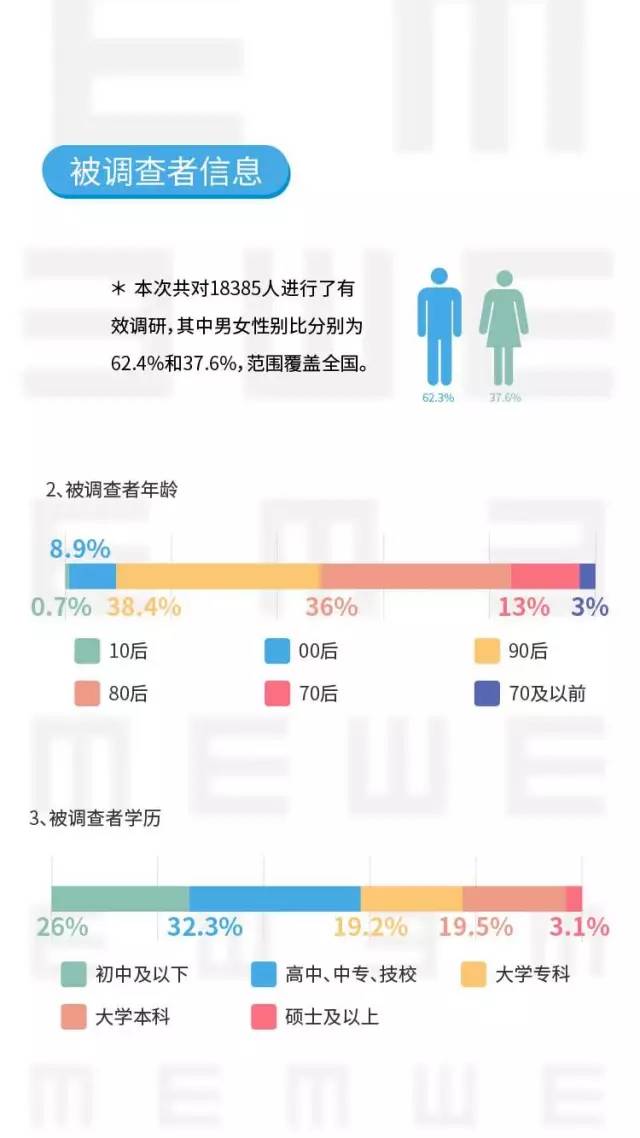
A total of 18,385 individuals were effectively surveyed, with males and females accounting for 62.4% and 37.6%, respectively. The majority were born in the 1980s and 1990s, representing 36% and 38.4% of the respondents, while those born in the 1970s accounted for 13%. The survey covered participants across China.
Regarding the educational attainment distribution of the respondents, those with a high school, secondary specialized school, or vocational/technical school education constituted the largest group, totaling 5,944 individuals (32.3% of the total). Respondents with a junior high school education or below numbered 4,778, accounting for 26% of the total. Those holding bachelor’s and associate degrees accounted for 19.5% and 19.2%, respectively.