

Virta Health: Reversing Type 2 Diabetes Without Medication or Insulin Through AI-Powered Ketogenic Therapy

Venrock
Venture Capital Firm

Obvious Ventures
Venture Capital Firms
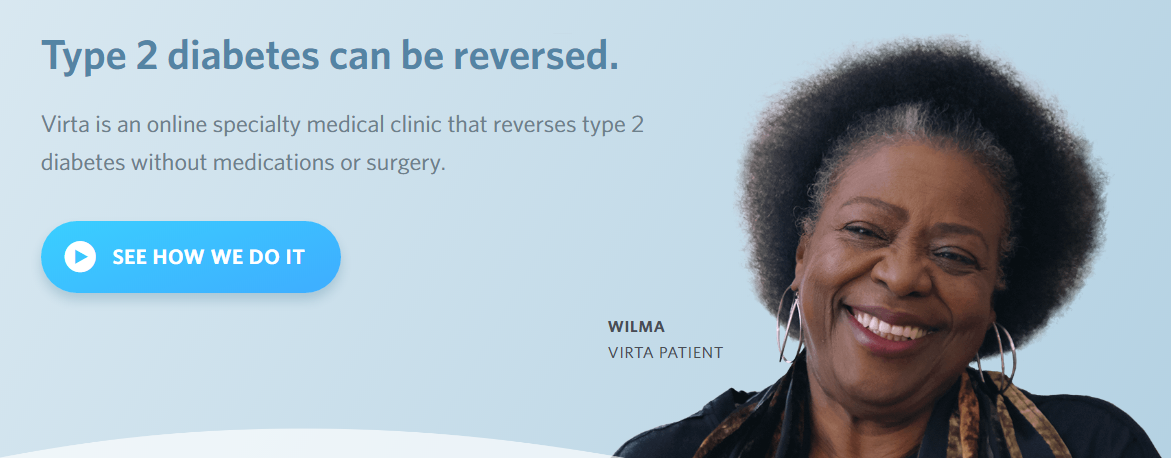
In March 2017, Virta Health, a U.S.-based telemedicine company specializing in diabetes care, successfully raised $37 million in funding. Its investors included several world-class investment firms, such as Obvious Ventures, the venture capital firm led by Twitter co-founder Ev Williams, and Venrock, an investment firm under the Rockefeller family that focuses on the digital health sector, among others.
What new innovations has Virta Health introduced in the well-trodden field of diabetes? Let’s take a closer look.
Cross-Industry Entrepreneurship Sparked by a Diagnostic Report
Founder and CEO of Virta Health Sami Inkinen is the former president of Trulia, a real estate search engine, and a top competitor in the Ironman World Championship. However, in 2012, he was diagnosed with prediabetes (a condition characterized by blood glucose levels that are higher than normal but below the diagnostic threshold for type 2 diabetes).
Like most people, Sami Inkinen believed that diabetes was caused by obesity resulting from poor dietary habits and insufficient physical activity. How could a world-class athlete with a robust physique develop diabetes? Filled with questions, he began to read extensively on cutting-edge academic literature in search of answers.

Figure 1: Sami Inkinen, Founder and CEO of the Company
During his exploration, he met two highly respected doctors in the field of diabetes, Stephen Phinney and Jeff Volek. Through long-term medical research, they found that strictly adhering to a dietary approach known as the "ketogenic diet" can safely reverse type 2 diabetes. This greatly surprised Sami Inkinen.
Driven by his innate business acumen, Sami Inkinen began to consider whether this research could be commercialized. According to the information he gathered, there are approximately 29 million people with type 2 diabetes in the United States. If diabetes could be treated through dietary control, it would bring about a transformative change in the market.
However, to strictly control patients’ diets, it is necessary to shift away from existing treatment philosophies and the traditional model of periodic doctor visits, toward a patient-centered, highly customized solution. Sami Inkinen believes that combining physicians with artificial intelligence can meet this need.
After consulting with the two PhDs, they founded Virta Health in May 2014.
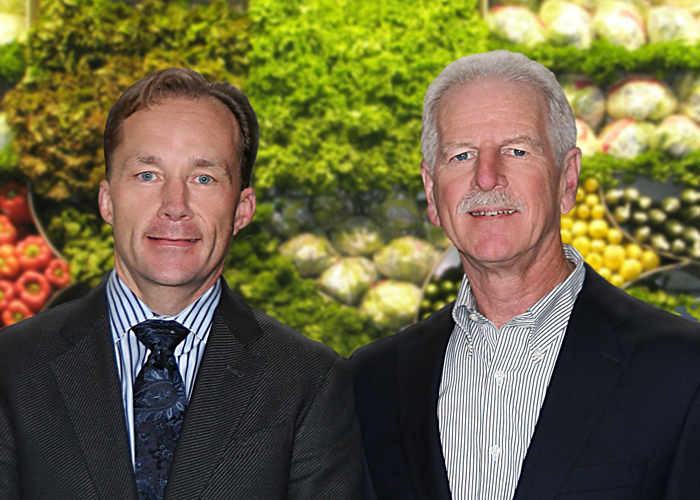
Figure 2: Dr. Stephen Phinney and Dr. Jeff Volek
Telemedicine + AI: Assisting Physicians in Delivering Sustainable and Precision Treatment Plans
Patients with diabetes typically return to the hospital for follow-up visits every three to six months. For physicians, monitoring patients’ health status has consistently been a challenge.
“If patients have any questions about their condition, we encourage them to proactively contact their primary care physician. Yet even so, few actually do,” said Marina Basina, an endocrinologist at Stanford Health Care, with a note of resignation. “In the management of diabetes, it is not patients who depend on us; rather, we depend on them.”
Moreover, it is widely believed in clinical practice that the only method capable of reversing type 2 diabetes is bariatric surgery. However, due to its high cost, significant risks, and high probability of postoperative recurrence, this procedure is not suitable for every patient.
Virta Health is attempting to leverage telemedicine and artificial intelligence to change the current landscape.
After a patient registers as a Virta Health member, the company sends them a set of FDA-cleared medical devices for daily monitoring of physiological metrics such as blood glucose, blood pressure, and body weight. Based on the daily data collected, physicians leverage artificial intelligence to develop personalized dietary plans for each patient.
Virta Health has also established the position of health coach to provide one-on-one counseling services to patients. During non-business hours, voicebots can answer medical questions with high standardization for patients.
Furthermore, patients may choose to join online communities to share treatment experiences with fellow patients and provide mutual encouragement.
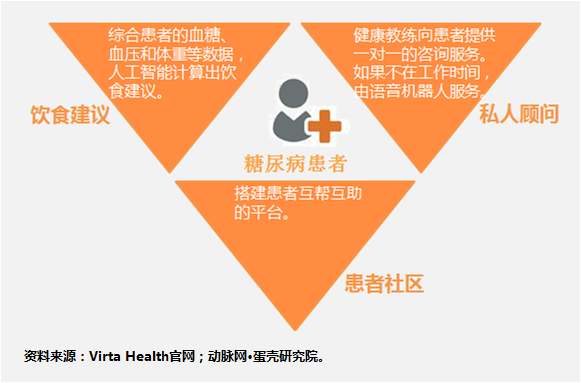
Figure 3: Services Provided by Virta Health
Leveraging machine learning to study research findings on the "ketogenic diet"
The “ketogenic diet,” advocated by Dr. Stephen Phinney and Dr. Jeff Volek, strictly limits patients’ carbohydrate intake (to less than 30 grams per day on average) and increases the proportion of fat in the diet.
The normal sequence of energy supply in humans is: carbohydrates, fats, and proteins. The principle behind using the “ketogenic diet” to treat diabetes lies in its ability to first reduce patients’ carbohydrate intake, thereby controlling blood glucose levels at the source. Secondly, fat metabolism can enhance insulin sensitivity. Due to minimal sugar intake, the patient’s body primarily relies on the substantial oxidation of fats for energy production.
In other words, the theoretically optimal scenario for this treatment regimen is to consume the minimum amount of carbohydrates required by the human body, with energy derived primarily from fats. This approach aims to enhance insulin sensitivity by promoting fat utilization while maintaining controlled blood glucose levels. Thus, it not only restricts carbohydrate intake at the source but also provides an additional mechanism for lowering blood glucose.
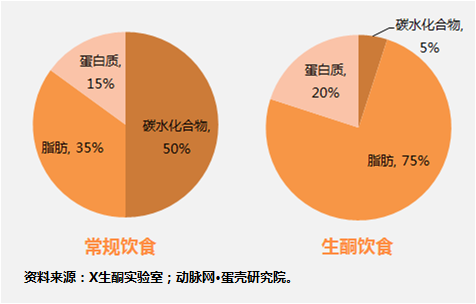
Figure 4: Comparison between a conventional diet and a ketogenic diet
This raises the question: how can we determine the minimum carbohydrate requirement for the human body? How can we establish the optimal fat intake that adequately meets a patient’s energy needs while preventing excessive fat accumulation? Virta Health has leveraged machine learning, a subset of artificial intelligence, to analyze the research findings of Dr. Stephen Phinney and Dr. Jeff Volek, thereby developing a sophisticated algorithm.
Although this therapeutic approach remains controversial, a two-year trial conducted by Virta Health and the Indiana University School of Medicine in 2016, involving 262 patients with type 2 diabetes, yielded encouraging results within the first ten weeks. Specifically, 87% of patients reduced their insulin dosage, 56% achieved healthy glycated hemoglobin (HbA1c) levels, and 75% lost at least 5% of their body weight. These findings have been published on the website of the Journal of Medical Internet Research, a renowned publisher of medical research reports.
B2B + B2C Revenue Model
Virta Health serves both enterprises and individuals.
Companies are required to pay an annual fee in advance, based on the number of enrolled employees, upon signing the contract. If employees with type 2 diabetes fail to meet specified health benchmarks across key indicators at the end of the one-year treatment period, Virta Health will provide a full refund. This model is highly attractive to employers seeking to offer diabetes management tools as part of their employee benefits package.
For individuals, Virta Health offers two payment options: 1) $4,500 for the first year, followed by an annual fee of $2,250 starting from the second year; 2) a $500 deposit in the first year, with a monthly charge of $370. Starting from the second year, the monthly fee is $199. Additionally, for patients experiencing financial hardship, they may submit their most recent tax return, and Virta Health will provide a fee reduction ranging from $2,000 to $4,950 based on individual circumstances.
According to data from the American Diabetes Association, the average annual treatment cost for diabetes patients in the United States is approximately $7,900. The pricing of the aforementioned solutions already covers medical devices and services; therefore, Virta Health demonstrates a clear price advantage compared to traditional treatment methods. However, it has not yet partnered with any insurance companies.
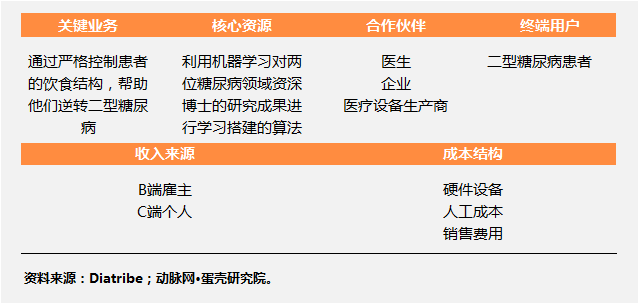
Figure 5: Virta Health's Business Model
Virta Health has recently garnered significant attention in the tech-health startup community for its novel treatment approaches combined with cutting-edge artificial intelligence. However, returning to the fundamentals of business, it still faces numerous challenges.
Although the therapeutic approach of the “ketogenic diet” has been endorsed by numerous scholars, it remains far from large-scale clinical application. How to persuade cautious patients and healthcare providers to try this novel method, and how to ensure that relapse does not occur after treatment, are among the challenges that Virta Health must address one by one.
What is certain, however, is that the emergence of Virta Health has broken the conventional mindset of startups in the diabetes field, making it the first company to attempt tackling diabetes with a novel medical approach.
Current Status of Diabetes Startups in China
According to a survey by the World Health Organization, China has the largest number of diabetes patients worldwide, with 114 million diagnosed cases. Between 2013 and 2015, capital flocked into the diabetes market, leading to the rapid emergence of dozens or even hundreds of diabetes management apps. However, after experiencing the dual impact of market volatility and a capital winter, the entrepreneurial fervor in the diabetes sector has gradually cooled down.
VCBeat·VBInsight has compiled the following analysis of six well-known diabetes management apps currently available:
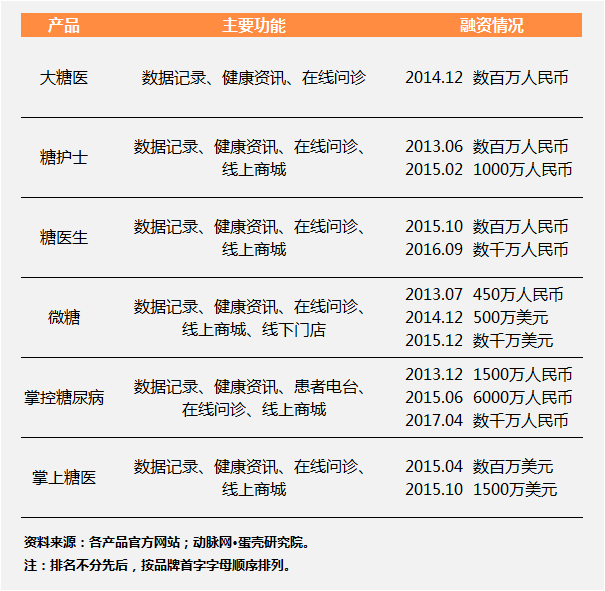
Figure 6: Statistical Table of Six Well-Known Diabetes Management Apps in China
As summarized from the table, the most significant issue currently facing diabetes management apps is severe product homogenization. The six apps mentioned above all offer features such as blood glucose data tracking, provision of health information, connectivity with diabetes specialists, and online purchase of medical products. Only Wei Tang has distinguished itself by offering distinctive offline store services.
Reflections for Chinese Entrepreneurs
Although the future of Virta Health, the protagonist of this case study, is in fact fraught with uncertainty, VCBeat believes that the experience of its founder, Sami Inkinen, can at least offer significant food for thought for entrepreneurs in China:
Are entrepreneurs without a medical background confined solely to the healthcare services sector?
Sami Inkinen is a cross-industry entrepreneur who, by integrating resources, has proposed more professional and academic solutions in the field of diabetes treatment, thereby avoiding the predicament of product homogenization. Entrepreneurs in China can also broaden their thinking; if they lack core resources that can make their enterprises stand out, they may consider seeking external collaborations.