

2017 China Family Doctor Confidence Index Survey: Confidence Surges Above 70 Points
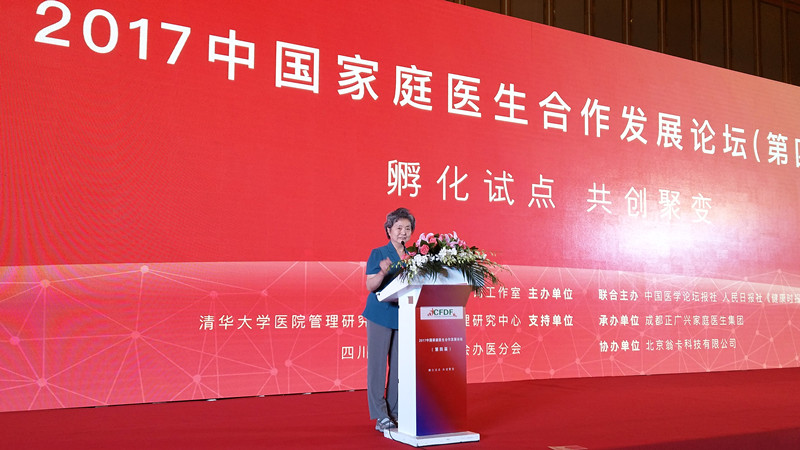
Founder of Gu Yuan Family Physician Consultation Studio, Professor Gu Yuan at Capital Medical University
To explore the career development of family doctors in China, promote exchange and collaboration among stakeholders in related fields, and ensure the genuine and effective implementation of family doctor contract services.
This forum is hosted by the Gu Yuan Family Doctor Consulting Studio., co-organized by China Medical Tribune and the Health Times of the People's Daily,Organized by Chengdu Zhengguangxing Family Doctor Group, co-organized by Beijing Wengka Technology Co., Ltd., and supported by the Healthcare Service Governance Research Center of the School of Medicine Management at Tsinghua University and the Private Healthcare Branch of the Sichuan Hospital Association.
This forum features 10 modules comprising over 60 thematic presentations, experience-sharing sessions, and family doctor workshops. The themes of these ten modules include: Exploration of New Healthcare Reform and Policy Interpretation; Sharing Innovative Experiences in Primary Care Management; Patient-Centered Collaborative Practices Between Specialists and General Practitioners; Family Doctor Teams and the Integration of Medical and Elderly Care; Seminar on Establishing and Managing Urban Family Doctor Clinics; New Ideas, New Formats: Village Doctors Emerging in the New Era; Family Doctor Training Workshop; The Key Role of Family Doctors in Chronic Disease Management: Science, Art, and Technology; Training of General Practice Faculty at Community Teaching Bases; Empowering Family Doctor Services with Information Technology and the Internet.
Participating guests included Gu Yuan from the Gu Yuan Family Doctor Consultation Studio, Zhu Shanzhu from the Academic Committee of the Fudan University General Practice Faculty Training Demonstration Base, and Hsu Chao-yu from Puli Christian Hospital in Taiwan.
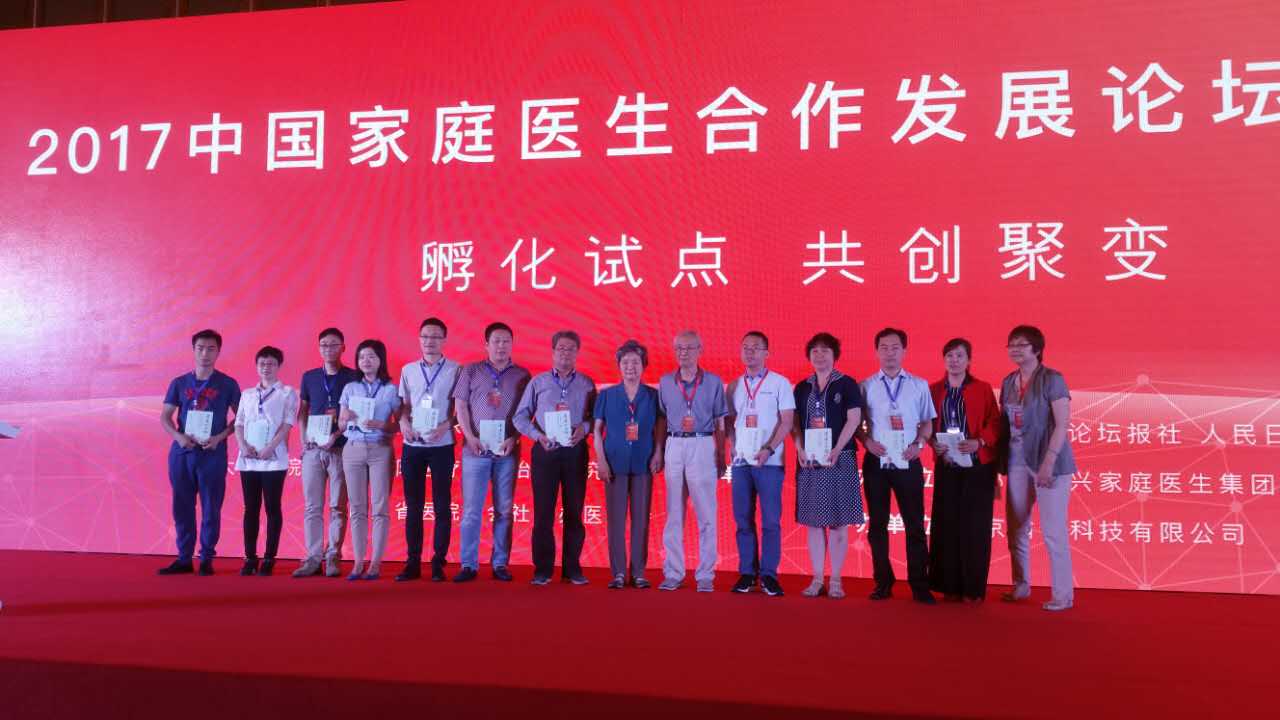
Meanwhile, new and old friends from relevant fields—particularly enthusiastic individuals planning to establish or expand pilot programs—were invited to engage in thorough discussions on topics such as strengthening family doctor contract services, building urban and rural community-based medical consortia, reforming incentive mechanisms for primary healthcare, and improving medication management systems for chronic diseases, thereby jointly driving the transformative fusion of the family doctor era.
The forum will also see the establishment of the Chinese Family Doctor Service Alliance. This alliance is jointly built by medical institutions, teams, individuals, media outlets, related business platforms, and enterprises providing pharmaceutical, technological, and equipment support. By integrating positive factors from multiple stakeholders, the alliance aims to strengthen and expand family doctor services, making them a solid foundation for achieving the tiered diagnosis and treatment system and the Healthy China 2030 Plan.
In addition, the forum will also release the 2017 China Family Doctor Confidence Index.
Over the past year, new policies and models for healthcare reform have emerged continuously at both national and local government levels, bringing increasing clarity to the family doctor industry. Contracted family doctor services have become the foundation and a key strategy of the tiered diagnosis and treatment system. What challenges are currently being encountered? Do family doctors remain confident in this model?
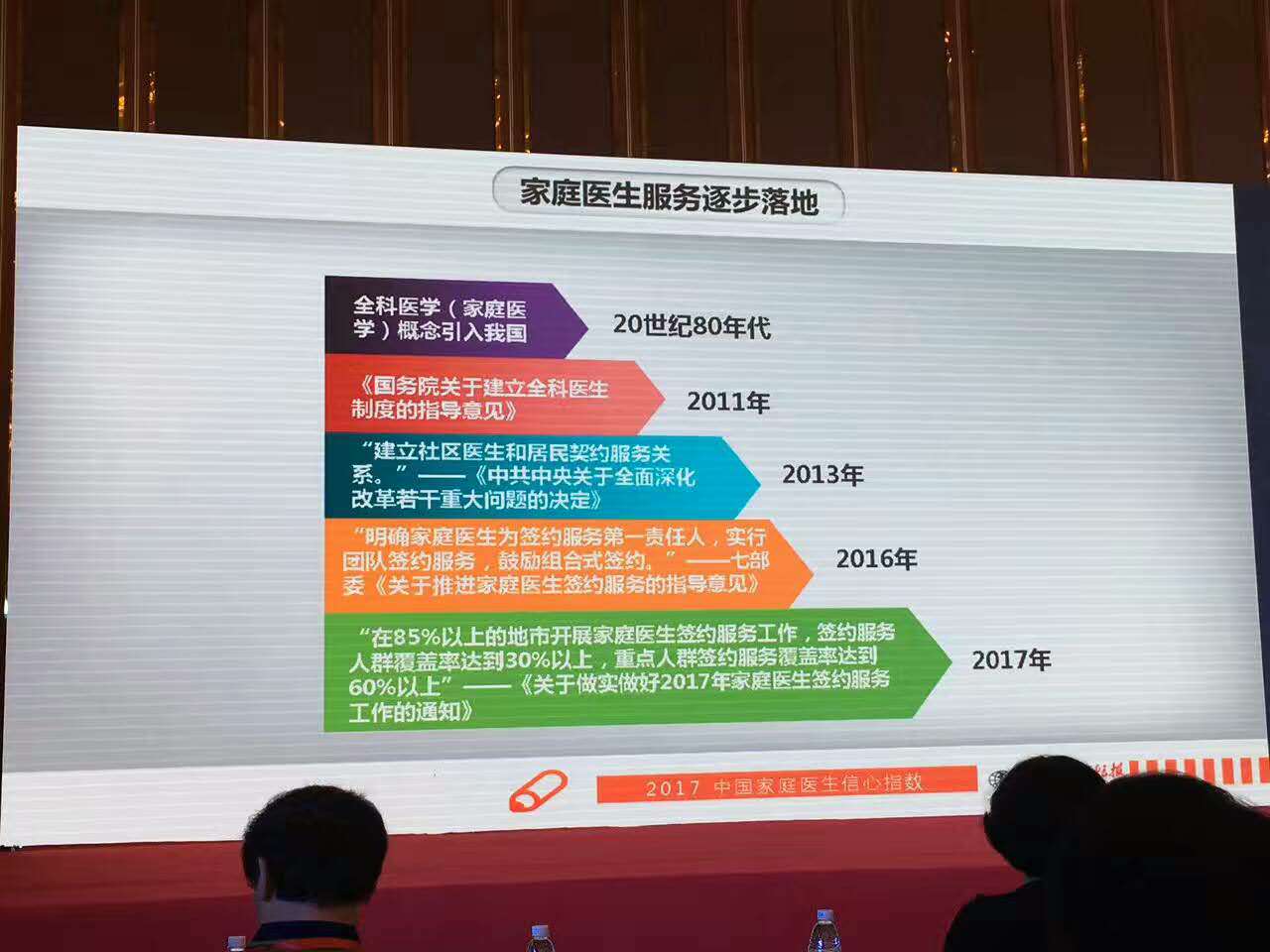
On June 6, 2016, the “Guiding Opinions on Promoting Family Doctor Contract Services” (hereinafter referred to as the “Opinions”) were jointly issued by the Office of the State Council Leading Group for Healthcare Reform, the National Health and Family Planning Commission, the National Development and Reform Commission, the Ministry of Civil Affairs, the Ministry of Finance, the Ministry of Human Resources and Social Security, and the State Administration of Traditional Chinese Medicine. The targets set forth in the “Opinions” are to achieve a family doctor contract service coverage rate of over 30% by 2017, with a coverage rate of over 60% among key populations.
By 2020, efforts will be made to expand the coverage of contracted services to the entire population, establish long-term and stable contractual service relationships, and basically achieve full coverage of the family doctor contracted service system.
Following the issuance of the “Opinions,” provinces and municipalities across China introduced their own implementation measures for family doctor contract services, tailoring them to local conditions. A wave of local policies was intensively released in late 2016 and early 2017, aiming to achieve the targets set by the National Healthcare Reform Office within the remaining year.
What difficulties and challenges still exist in reality?
In fact, the key to achieving the family doctor contract targets lies with the family doctors themselves. To gain a true understanding of their confidence in meeting these targets, Long Hua, Deputy Editor-in-Chief of China Medical Forum, released the results of the 2017 Family Doctor Confidence Index (FDCI) at the opening ceremony.

The China Family Physician Confidence Index Survey is a continuous industry research initiative launched by the China Medical Tribune. This year marks the fourth year of the survey, with a total of 1,962 valid samples collected.
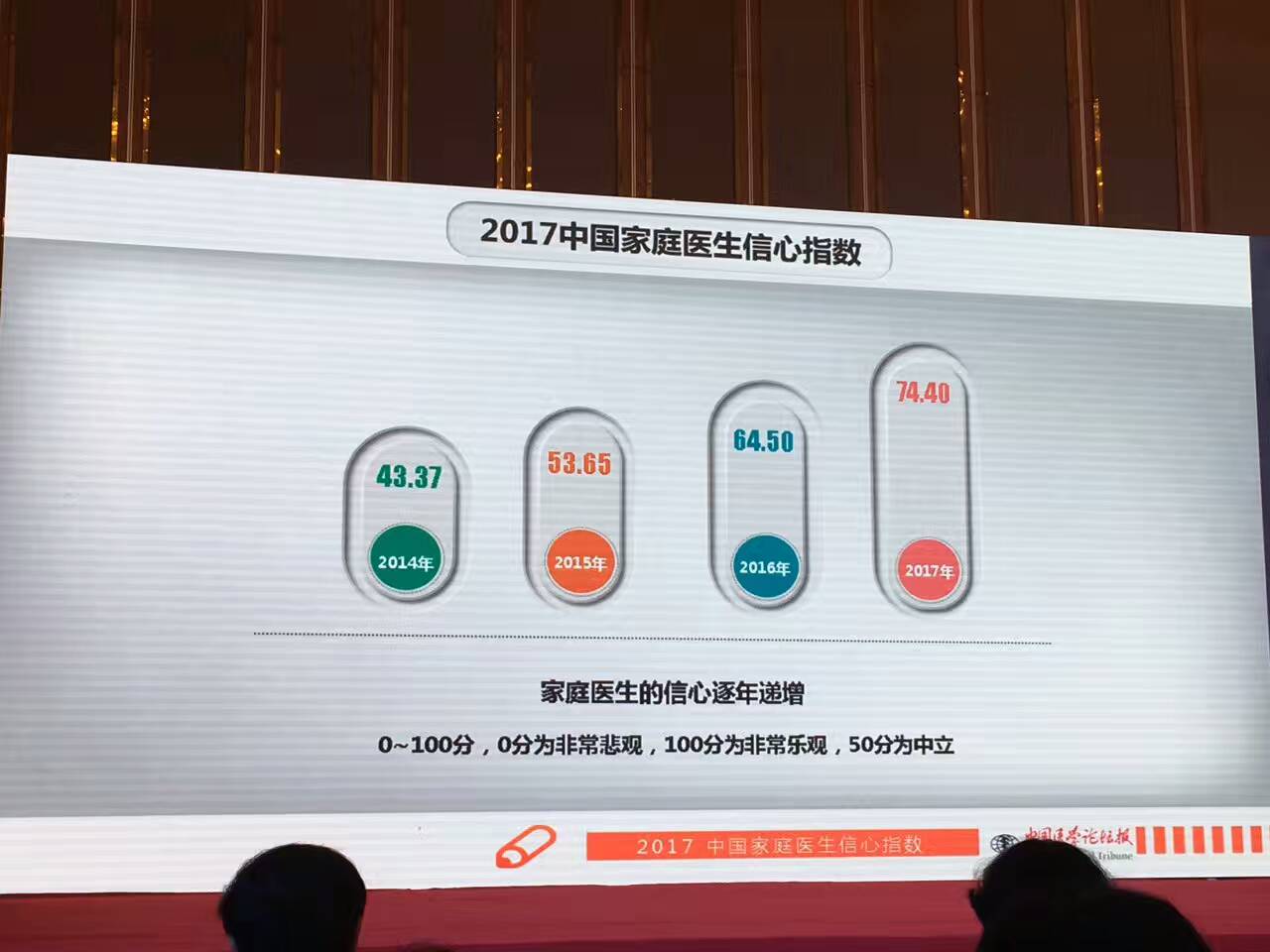
Survey results indicate that the Confidence Index of Chinese Family Doctors (scaled from 0 to 100, with 50 as neutral, <50 as pessimistic, and >50 as optimistic) rose from 43.37 in 2014, 53.65 in 2015, and 64.50 in 2016 to 74.40 in 2017. Overall, the situation in 2017 tended toward optimism.
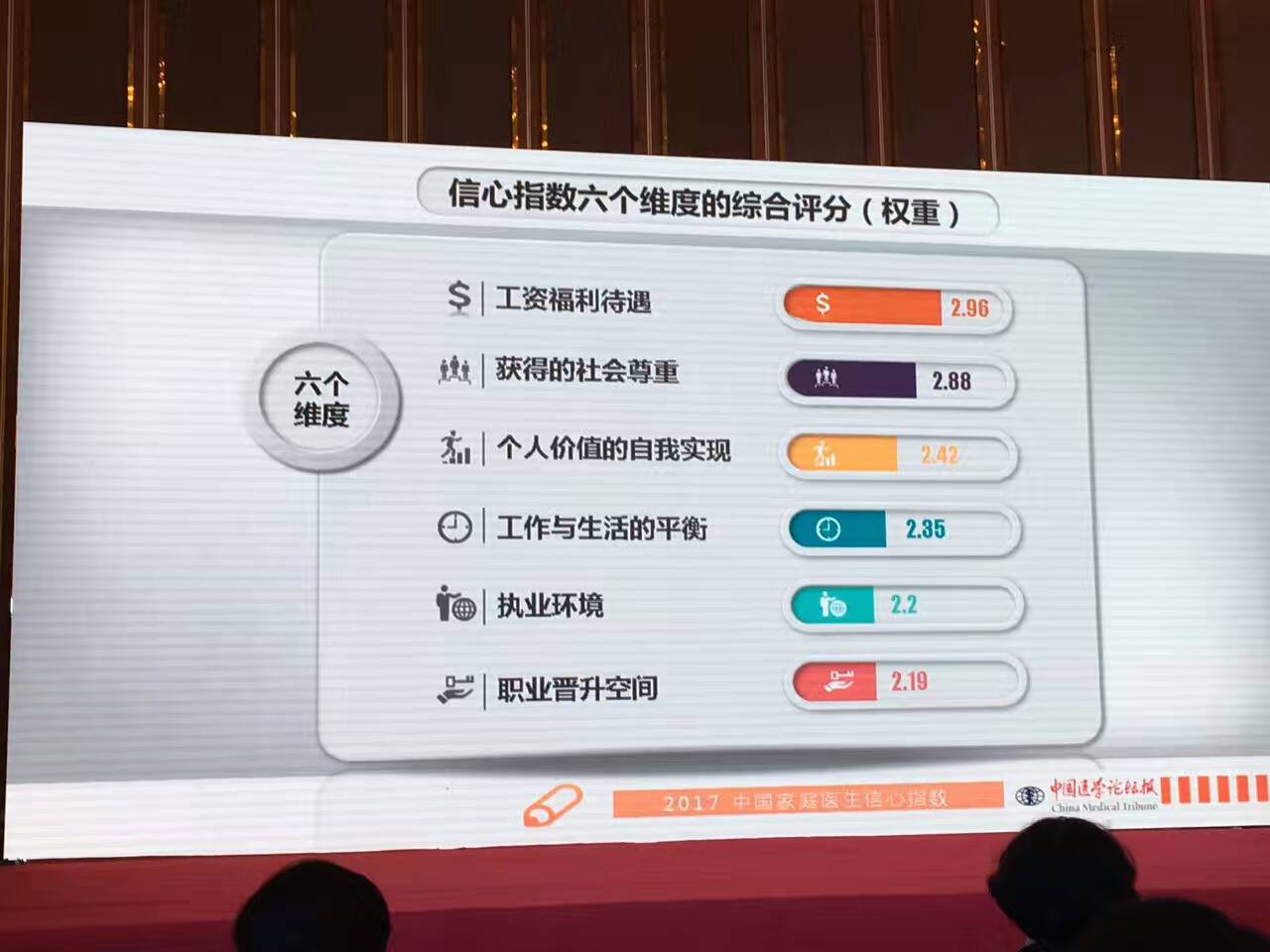
Stratified analysis across six dimensions—practice environment, income level, work pressure, career advancement, social respect, and personal value—revealed that the confidence indices for all six dimensions trended toward optimism in 2017, showing an increase compared to the previous three years.
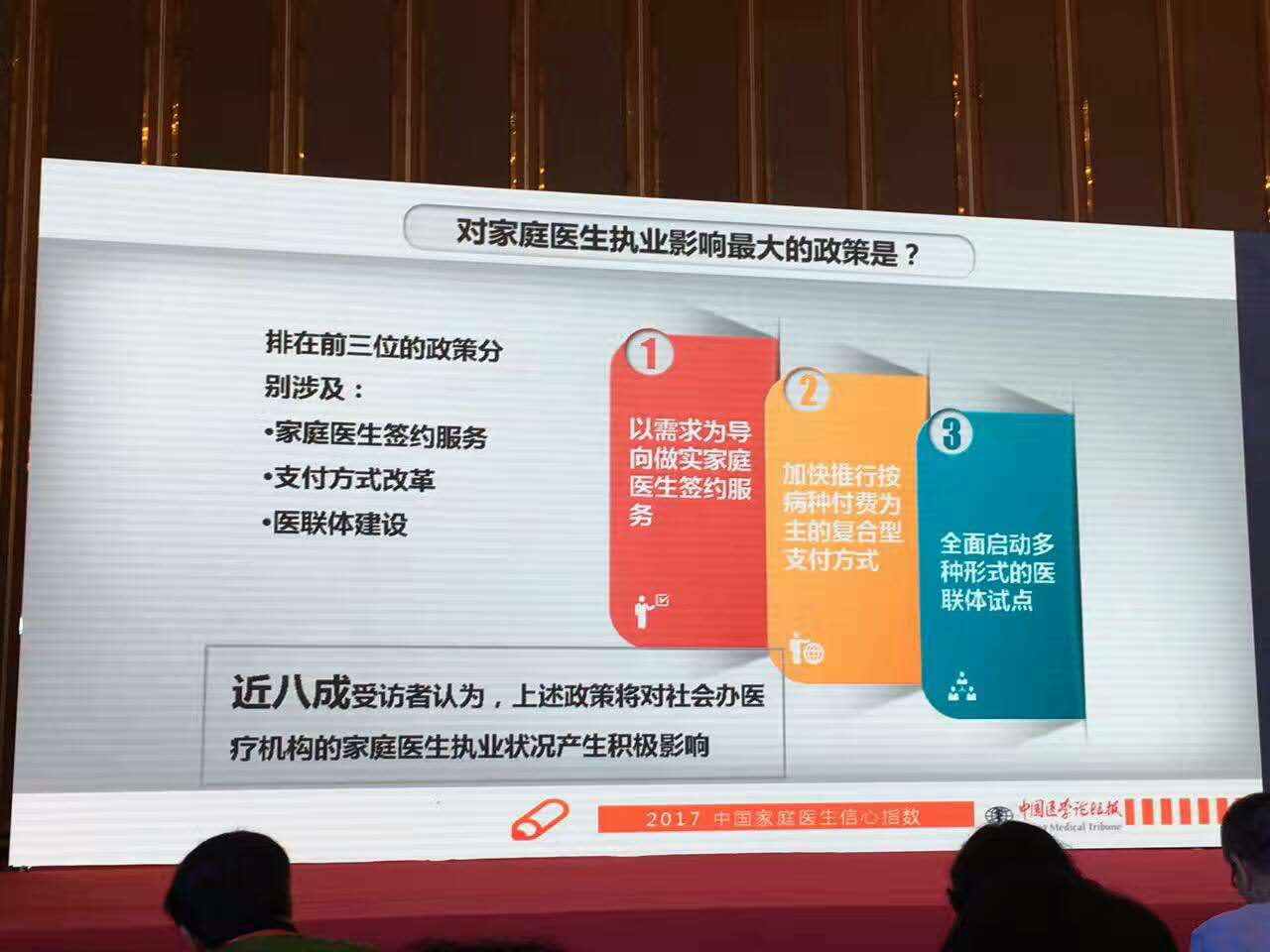
Since the beginning of this year, the national government has issued a series of policies related to family doctors. The policies with the greatest impact on family doctor practice pertain respectively to contracted family doctor services, payment method reforms, and the development of medical consortia. Nearly 80% of respondents believe that these policies will have a positive impact on the practice of family doctors in private healthcare institutions.
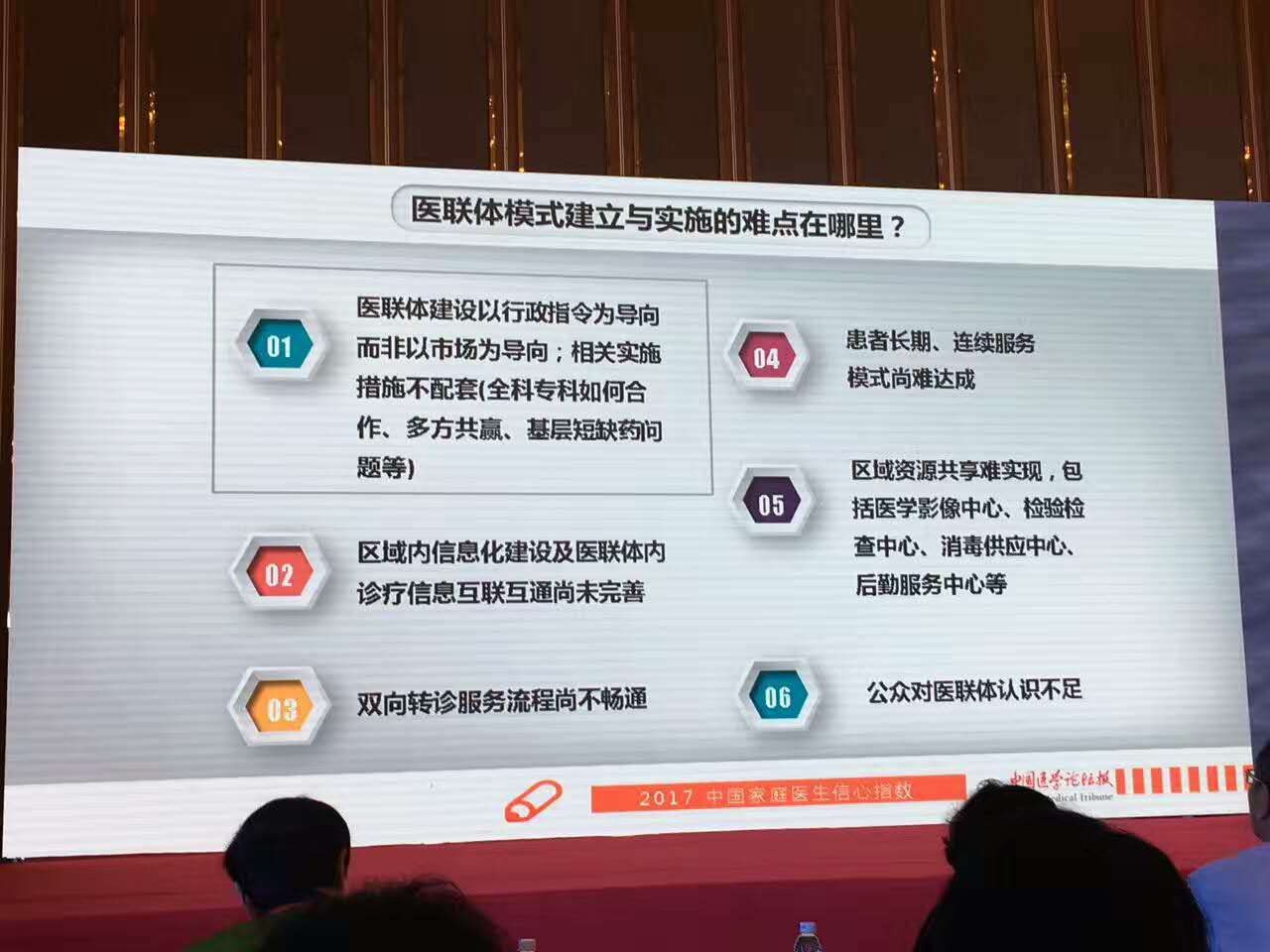
The most prominent challenges in the establishment and implementation of medical consortiums include a construction approach driven by administrative directives rather than market forces, inadequate supporting measures (such as collaboration between general practitioners and specialists, mechanisms for multi-party win-win outcomes, and shortages of essential medications at primary care levels), incomplete regional information technology infrastructure and insufficient interoperability of clinical data within the consortiums, and inefficient processes for two-way patient referrals.
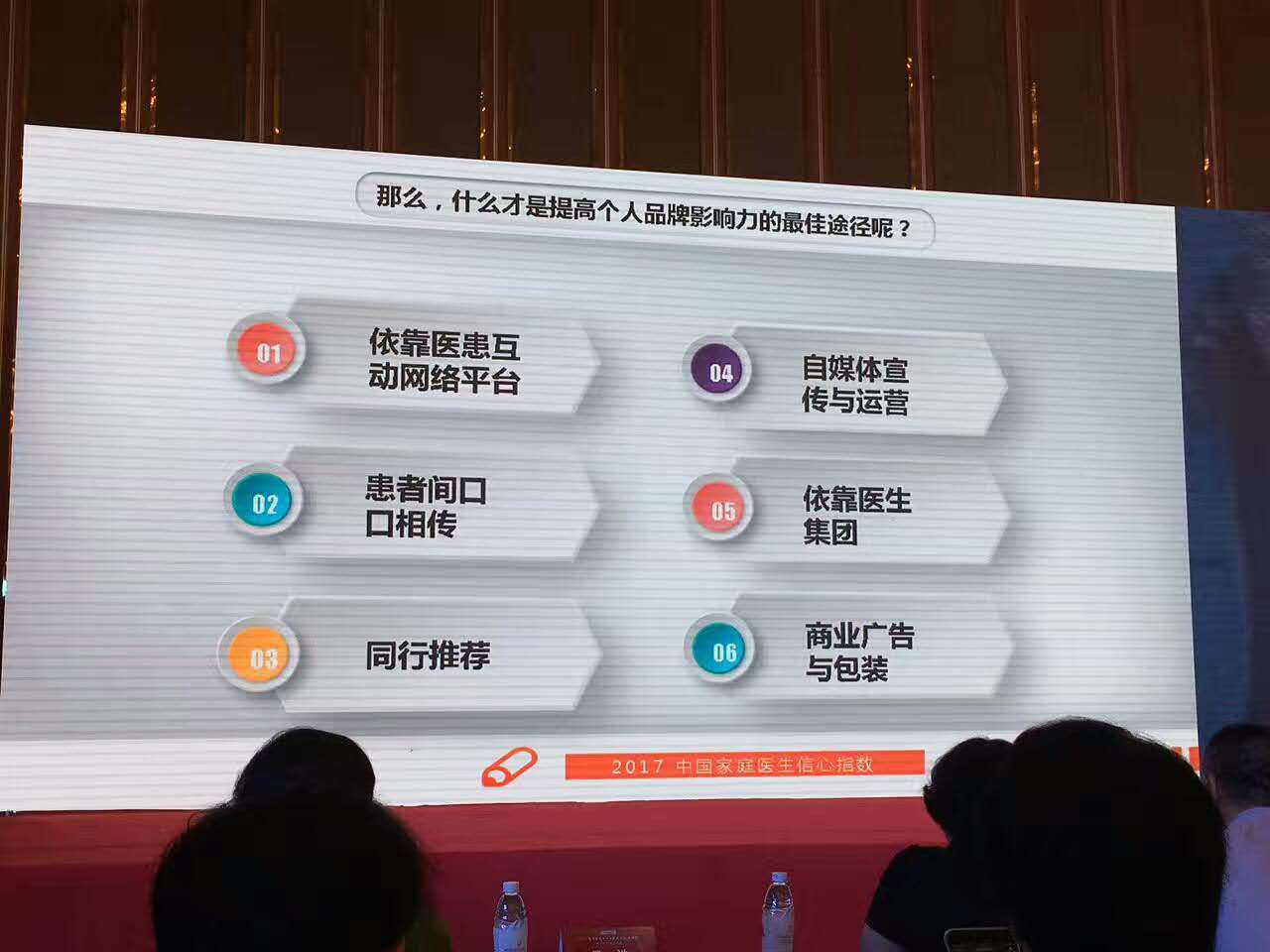
When asked about independent practice, 20% of the surveyed physicians reported that they were already practicing independently, while more than 60% expressed a desire to do so. The most significant barrier preventing family physicians from engaging in multi-site practice or establishing independent practices is the strong brand reputation of hospitals contrasted with the weak personal branding of individual physicians.
In terms of the needs of family doctors, we have found that the resources and training most needed by family doctors include transition training for specialists becoming family doctors (such as rehabilitation techniques and appropriate traditional Chinese medicine technologies), faculty and teaching capabilities, imaging diagnosis and laboratory centers, third-party services such as social pharmacies, and the enhancement of service capabilities of family doctor teams.
It is evident that Chinese physicians are growing increasingly confident in the family physician sector, and those providing family physician services are becoming more optimistic about both the present and the future!