

Jianke Announces Acquisition of Wuhan Xiongchu Integrated Traditional Chinese and Western Medicine Hospital as Part of Plan to Establish Six Offline Hospitals in 2026
VCBeat (WeChat ID:vcbeat)6Month14News of the Day. Pharmaceutical e-commerce platform Jianke has been in the news over the past two days, following yesterday’s announcement that it had obtained qualification for online drug transaction servicesAFollowing the certification, it announced today the acquisition of a hospital in Wuhan.
Jianke only just announced its $50 million Series A+ financing round last month. In this light, Jianke’s series of moves truly reflects the adage, “With grain in the pot, there is no panic in the heart.”
Jianke Remains Committed to Grassroots Hospitals, Plans to Open Six This Year
According to VCBeat, the hospital acquired by Jianke this time is “Hubei Wuhan Xiongchu Integrated Traditional Chinese and Western Medicine Hospital,” a specialized integrated traditional Chinese and Western medicine hospital that integrates medical care, teaching, scientific research, prevention, healthcare, and wellness.
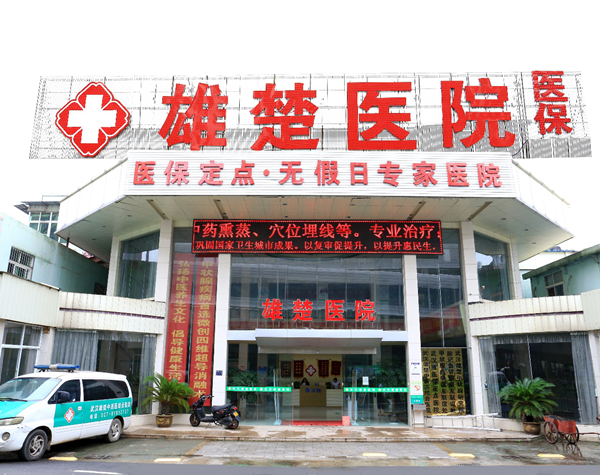
Jianke Acquires Wuhan Xiongchu Integrated Traditional Chinese and Western Medicine Hospital
Why Did Jianke Set Its Sights on This Hospital? Xie Fangmin, CEO of Jianke, stated that the hospital has accumulated high-quality resources of renowned doctors in China, and Jianke Wuhan, with its operational center, is well-positioned to connect with these premium medical resources.
In terms of specific integration models, possibilities include online chronic disease management, tiered diagnosis and treatment, and electronic prescriptions.
“Jianke will next leverage physical hospitals to strengthen its exploration of chronic disease management. In addition to the Guangzhou community hospitals with which it began collaborating this year, it will soon partner with multiple other physical hospitals. We will draw on our existing advantages and experience in online chronic disease management, integrate them with grassroots community hospitals, and implement chronic disease management within the framework of tiered diagnosis and treatment.”
Previously, Jianke announced in March this year its acquisition of a hospital in Baiyun District, Guangzhou, which is also a community hospital. With this move, Jianke has now acquired two physical hospitals.
According to Xie Fangmin, Jianke’s internet healthcare projects in Chongqing and Hainan are also set to launch at the end of this month. This year, Jianke plans to establish six physical hospitals across China.
However, similar to the two hospitals already acquired, the hospital that Jianke is set to acquire is also a small-scale facility. The preference for smaller hospitals is closely tied to Xie Fangmin’s perspective on internet healthcare.
Previously, in an interview with VCBeat, he stated that there is a mismatch between medical resources and healthcare demand in China, with large hospitals shouldering an excessive burden of patient demand. As a pharmaceutical e-commerce company, Jianke has focused on small hospitals during its exploration of the “Internet + Healthcare” model. By leveraging internet-based transformation to fully utilize the medical resources of these smaller institutions, Jianke has established its strategic preference for partnering with small hospitals.
The Second Half of the Pharmaceutical E-Commerce Era: How Jianke Is Responding
Jianke was founded in 2006 and has been developing for 11 years by now. During these ten years, Jianke gradually grew into one of the leading companies in China's pharmaceutical e-commerce sector through supply chain optimization, enhancement of e-commerce operational technologies, talent acquisition, and continuous financing. After its core business became relatively stable, it began seeking additional growth drivers, especially as the domestic pharmaceutical e-commerce market has matured.
Several indicators can be used to assess the maturity of the pharmaceutical e-commerce market. First, policies have been fully liberalized, and regulatory barriers for new entrants have been removed. Second, pharmaceutical e-commerce companies have either begun to generate profits or basically achieved break-even. Third, new business models integrating “Internet Plus” with healthcare are continually emerging, making pure online drug transactions no longer competitive.
It is under these circumstances that pharmaceutical e-commerce platforms have begun to explore mobile healthcare and internet hospitals. Multiple companies, including Jianke, have deployed related medical products and are actively building their own closed-loop service ecosystems.
From the perspective of the clinical workflow, there is an inherent correlation between seeking medical care and purchasing medications. This model of building a self-contained service loop can better serve users and enhance their consumption experience.
"Land-grabbing," user subsidies, and cash-burning marketing are no longer the dominant themes in competition among pharmaceutical e-commerce platforms. As the industry enters its second half, consumers have developed mature purchasing mindsets and established confidence in online pharmacies. The next step is to diversify service offerings, leveraging services as a key driver to create new sources of revenue growth.