

CDSS Clinical Decision Support System Market Shifts from Large Hospitals to Primary Care Institutions

Although similar to “Big Hero 6”A medical assistant like Baymax has yet to emerge, but similar products appeared in the United States decades ago, even if they cannot match Baymax’s capabilities.Mobility and Communication。
Clinical Decision Support System (CDSS) is a human-computer interaction-based medical information technology application system designed to provide clinical decision support for physicians and other healthcare professionals, assisting them in making clinical decisions through data, models, and other tools.
Research on Clinical Decision Support Systems (CDSS) began in the late 1950s. The earliest research direction involved medical experts organizing professional knowledge and clinical experience into a knowledge base via inference engines, and employing logical reasoning and pattern matching to assist users in diagnostic inference.
It was not until the mid-1970s that the world’s first Clinical Decision Support System (CDSS), MYCIN, was developed at Stanford University in the United States. This system could automatically identify 51 types of pathogens and appropriately select from 23 antimicrobial agents based on inputted laboratory data. It assisted physicians in diagnosing and treating bacterial infections, thereby providing patients with optimal prescription recommendations.
Subsequently, various CDSS with distinct functional features emerged one after another, such as Internist-I and QMR from the University of Pittsburgh; ILIAD and HELP from the University of Utah; DXPLAIN from Harvard University; UpToDate from Wolters Kluwer; and MD Consult from Elsevier.
From the perspective of physicians, leveraging Clinical Decision Support Systems (CDSS) to enhance their diagnostic and therapeutic capabilities is a highly effective approach. AndFor large hospitals to pass the HIMSS EMRAM evaluation, CDSS (Clinical Decision Support System) is an indispensable component.
To provide a comprehensive and systematic understanding of Clinical Decision Support Systems (CDSS), VCBeat (WeChat Official Account: vcbeat) conducted a survey of more than 30 CDSS companies and products both in China and abroad. By analyzing the market landscape, clarifying the concept of CDSS, and interviewing founders of relevant enterprises, this report aims to give readers a clear insight into the development trends of CDSS.
Through this report, you will learn:
I. CDSS can effectively reduce the rates of misdiagnosis and missed diagnosis among primary care physicians;
2. The CDSS market is shifting from large hospitals to primary healthcare institutions;
III. A vast and reliable clinical knowledge base constitutes the industry barrier for CDSS;
IV. Case Studies of CDSS-Related Enterprises at Home and Abroad.
I. CDSS Can Effectively Reduce the Rates of Misdiagnosis and Missed Diagnosis Among Primary Care Physicians
According to misdiagnosis data released by the Chinese Medical Association, approximately 57 million patients are misdiagnosed annually in clinical practice in China, with an overall misdiagnosis rate of 27.8%. The misdiagnosis rate for organ ectopia is 60%, while the average misdiagnosis rate for malignant tumors—including nasopharyngeal carcinoma, leukemia, and pancreatic cancer—is 40%. The average misdiagnosis rate for extrapulmonary tuberculosis, such as hepatic tuberculosis and gastric tuberculosis, also exceeds 40%.
The 2016 Statistical Yearbook of the Ministry of Health shows that in 2015, community health service centersLicensed Physician with a Bachelor’s Degree or HigherAccounting for approximately 44%, the proportion of licensed physicians in township health centers is even lower, at only 19%.
For primary healthcare institutions, it takes approximately 5 to 10 years to train a general practitioner. If these physicians can effectively utilize Clinical Decision Support Systems (CDSS), their diagnostic and treatment capabilities can be rapidly enhanced, accelerating the training process and thereby reducing issues such as misdiagnosis, missed diagnosis, and doctor-patient disputes in primary care settings.
A Clinical Decision Support System (CDSS) encompasses five key elements: delivering the right information to the right person, through the right channel, at the right time, and in the right intervention mode, within the clinical workflow. Therefore, CDSS is a critical tool for enhancing healthcare quality, with the fundamental aim of evaluating and improving care standards, reducing medical errors, and thereby controlling healthcare expenditures.
Currently, the vast majority of CDSSs worldwide consist of three components: namely,Knowledge Base, Inference Engine, and Human-Computer Interaction Interface。It primarily includes the following usage stages:
1. Based on the clinical knowledge base, collect, organize, classify, filter, and process information to establish logically associated knowledge points;
2. Utilize warning alerts, information buttons, grouped orders (order sets), document management, and related data presentation formats;
3. Decision support for disease diagnosis, treatment, nursing care, surgery, and rational drug use;
4. Provide decision support for clinicians in diagnosis and treatment, including recommendations, reminders, alerts, calculations, and predictions.
If categorized by usage scenarios, CDSS possessesPre-consultation Decision-Making, Intra-consultation Decision-Making, and Post-consultation Decision-MakingThree Major Scenarios:
Pre-consultation Decision-Making, the CDSS provides physicians with diagnostic requirements, key points for differential diagnosis, and relevant treatment plans in accordance with standard clinical practice guidelines, based on the clinicians’ descriptions of patient symptoms, prior to diagnosis, medication prescription, and surgical procedures; this includes highlighting key operative points and preoperative examinations during surgical diagnosis.
In-Consultation Support, the CDSS provides physicians with alerts on drug indications, pharmacology, and efficacy, including common symptoms of surgical complications, as well as comprehensive postoperative treatment and assessment plans.
Post-Consultation Evaluation, it mines data from CDSS to explore the connections between patients and their historical medical information as well as clinical research, facilitating the prediction of future health issues. It stores and analyzes treatment plans that do not comply with the Clinical Practice Guidelines and the Technical Specifications for Clinical Operations, thereby providing a basis for healthcare quality assessment, enhancing hospital management standards, standardizing medical practices, and simultaneously offering scientific evidence for evidence-based medicine.
II. The CDSS Market Is Shifting from Large Hospitals to Primary Healthcare Institutions
In accordance with the evaluation criteria for HIMSS Stage 7 of the Healthcare Information and Management Systems Society (HIMSS),CDS is one of the most core evaluation criteria in the HIMSS EMRAM rating.
Starting from Level 2 of the EMRAM, nearly every level imposes requirements on Clinical Decision Support (CDS). The entire progression from Level 0 to Level 7 represents a process of incremental enhancement and continuous upgrading of CDS functionalities, ultimately culminating in comprehensive clinical decision support capabilities (full CDS) at Level 7.
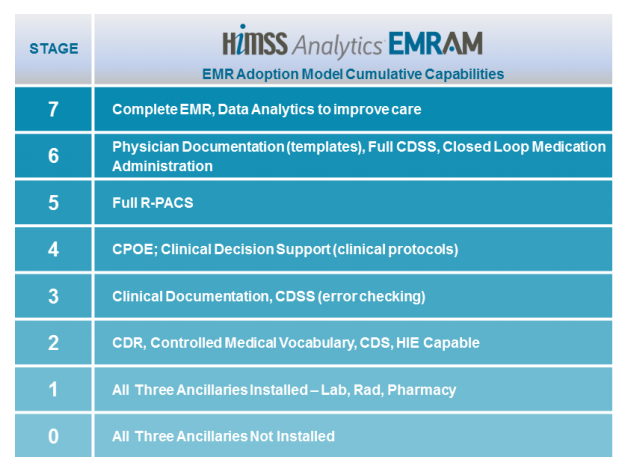
HIMSS EMRAM Rating Scale Source: HIMSS Analytics Official Website
For hospitals, the HIMSS EMRAM rating can enhance capabilities across various aspects; it isA summary of the natural progression of hospital information technology development, serving both as an evaluation tool and as a roadmap to guide the direction of such initiatives.
For example, by applying this standardized model—integrating Analytics rating data with on-site evaluations conducted by experts during consultations and reviews—it is possible to accurately assess a hospital’s current stage of informatization development, its specific level of maturity, and the areas requiring improvement.
Meanwhile, during the consultation, preparation, and review processes, the HIMSS EMRAM model can provide hospitals with a clear, reliable, and proven direction and pathway for development, enabling them to understand their current status, identify the right direction, determine the next steps, and clarify the ultimate goals.
Data from the official website of HIMSS Analytics shows that in China,(Including Hong Kong, Macao, and Taiwan)Currently, hospitals that have achieved HIMSS EMRAM Stage 6 include27 companies, Level 7 hospitals have4 companies, totaling31.With the exception of Ninghe County Hospital in Tianjin, which is a Grade II Class A hospital, all others are hospitals at Grade III or above.
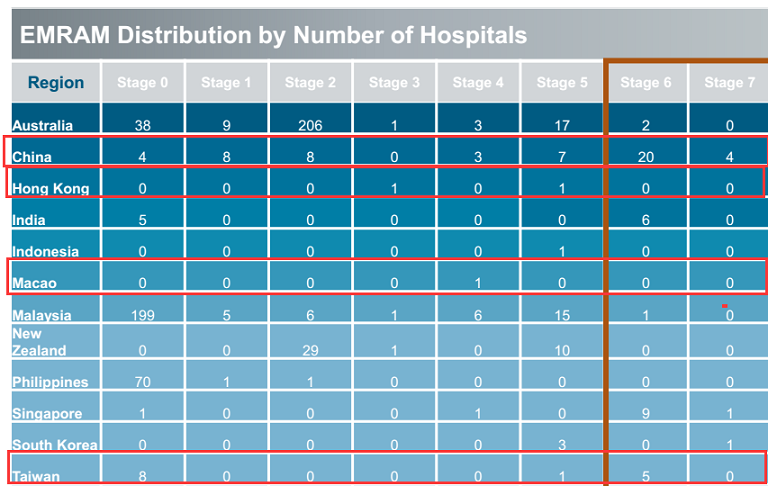
HIMSS EMRAMChinaHospital Adoption Status Source: HIMSS Analytics Official Website
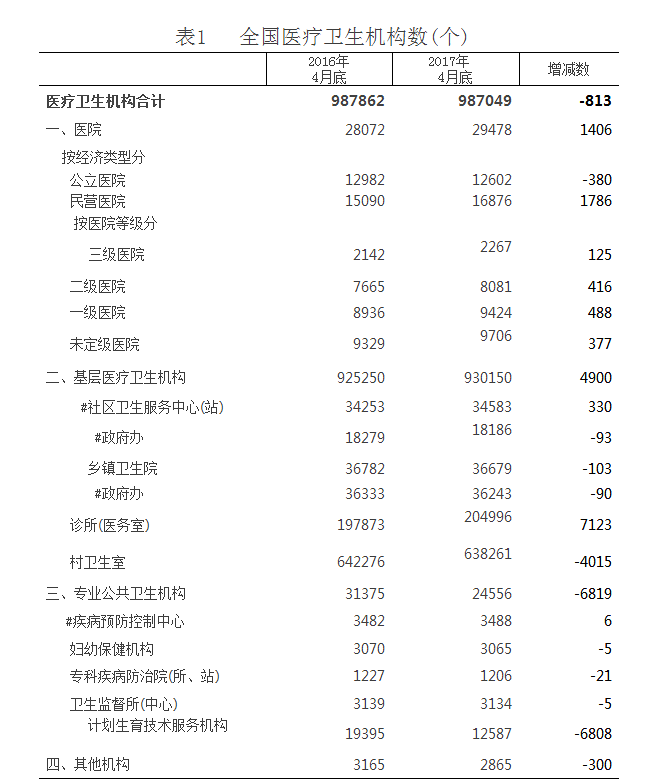
In late April 2017, the Statistical Information Center of the National Health and Family Planning Commission released the latest data on medical and health institutions across China. The data show that, at the current stage, medical and health institutions nationwideThere are 987,000., among which the number of tertiary hospitals is2,267 items, grassroots medical and health institutions930,000 units(including 35,000 community health service centers (stations), 37,000 township health centers, 638,000 village clinics, and clinics (infirmaries))205,000 units)。
The investment required for hospitals to achieve HIMSS accreditation varies, largely depending on the hospital's initial foundation in information technology infrastructure and the software, hardware, and process reengineering undertaken during the remediation phase.
Given the low pass rate for HIMSS accreditation (the pass rate for HIMSS EMRAM Stage 6 in the Asia-Pacific region is 5.6%), using the number of tertiary hospitals and above in China (2,267) as the ceiling to estimate the market potential for CDSS in HIMSS accreditation, and taking RMB 3 million as the average project construction cost (an average reference price derived from consultations with multiple healthcare IT companies), thenChina HIMSS(Levels 6-7)The market size is approximately RMB 380 million.。
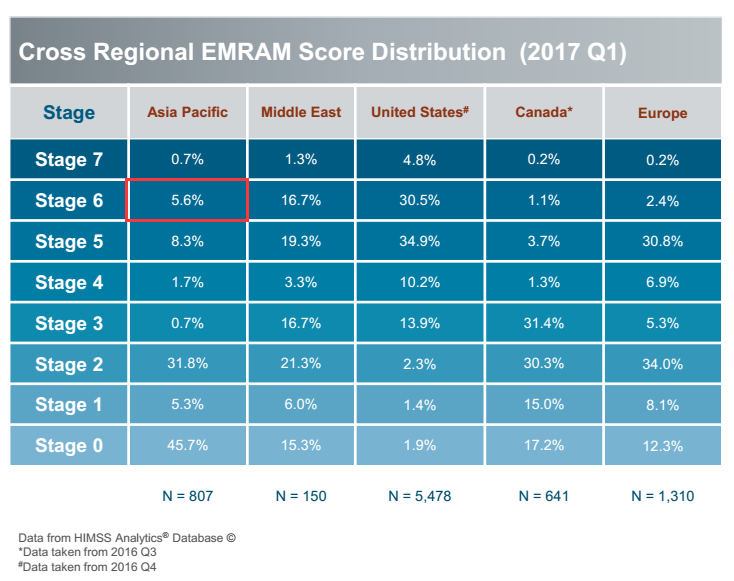
HIMSS EMRAM Adoption Rates by Region Worldwide, with a 5.6% Stage 6 Adoption Rate in the Asia-Pacific Region Source: HIMSS Analytics Official Website
Due to the pass rate andThe ceilings are all relativelyLow, the CDSS market has gradually shifted from public hospitals to primary healthcare institutions.
Even excluding the 638,000 village clinics, there are still 277,000 primary healthcare institutions in China.At an average project price of RMB 50,000, the market size for CDSS in China’s primary healthcare sector is approximately RMB 13.85 billion., which is far higher than the market size for HIMSS accreditation alone. If secondary hospitals, primary hospitals, and even public health institutions are included, the market potential would be even greater.
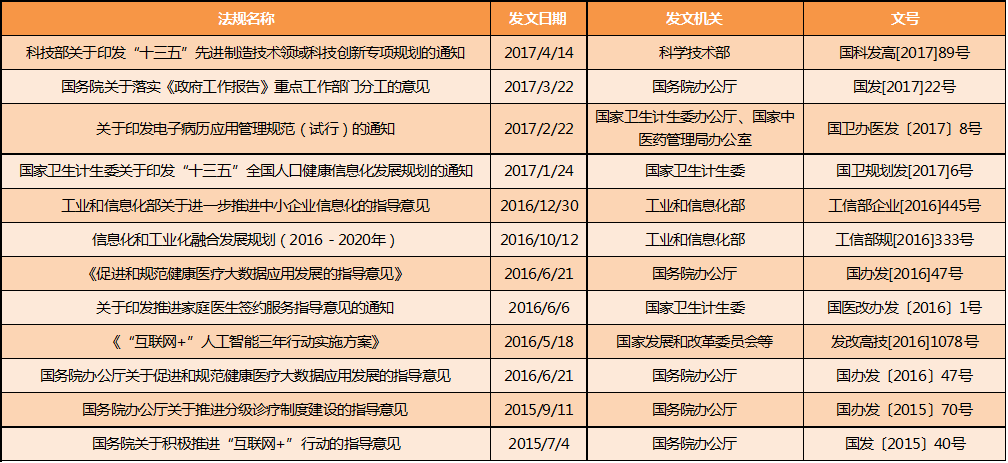
With the state successively rolling out policies related to primary healthcare and artificial intelligence, CDSS, as a product tool closely linked to both, holds promising market prospects.
III. A Vast and Reliable Clinical Knowledge Base as the Industry Barrier for CDSS
Clinical Decision Support Systems (CDSS) represent one of the key directions in the development of hospital information technology infrastructure, garnering increasing attention from hospitals and IT companies alike. The primary factor constraining the advancement of CDSS is the high threshold for clinical application within hospitals:
First, a Clinical Decision Support System (CDSS) must establish an extensive clinical knowledge database, supported by big data analytics of healthy individuals and disease populations, efficient integration of massive datasets, and high-throughput information resource sharing, in order to assist physicians in diagnostic and therapeutic decision-making. Currently, the knowledge bases provided by most companies fail to meet the needs of clinicians.
Secondly, due to information silos among internal hospital systems, most clinical decision support systems (CDSS) are disconnected from physicians’ clinical workflows. This results in a significant mismatch between the decision-making approaches offered by these systems and the habitual practices of clinicians, thereby reducing their willingness to adopt such technologies.
Therefore, for CDSS to provide tangible assistance to clinicians, it is necessary not only to construct a comprehensive clinical knowledge base but also to incorporate vast amounts of data, including the latest clinical guidelines, evidence-based medicine, medical literature, medical dictionaries, medical atlases, computational tools, and large volumes of electronic medical records. Furthermore, the system should offer excellent interactivity, enabling clinicians to easily access desired information from the database at any time.
Meanwhile, the database must be open-ended, capable of incorporating and updating various useful information at any time, and able to exchange data or share information with other databases.
For third-party IT enterprises, these barriers are by no means low.
The development of electronic medical records (EMRs) has laid the foundation for addressing the challenges faced by clinical decision support systems (CDSS). As a comprehensive suite of tools and applications for data acquisition, storage, transmission, and processing, EMR systems—often integrated with computerized physician order entry (CPOE)—incorporate various clinical support functionalities designed for healthcare professionals.
The most direct way for hospitals to integrate clinical decision support with daily workflows is to implement decision support within the electronic medical record system., thereby not only enabling automatic acquisition of the required data from electronic medical records (EMRs) but also facilitating seamless integration with clinical workflows to provide real-time decision support at the point of care, thus reducing errors and adverse events in medical decision-making.
IV. Overview of Domestic CDSS-Related Enterprises
VCBeat has compiled a list of 24 companies in China (including foreign products distributed domestically) that develop CDSS products.The enterprises reviewed in this analysis are primarily general-practice CDSS providers, excluding those focused on medical imaging.). The following is the basic information of the enterprise:
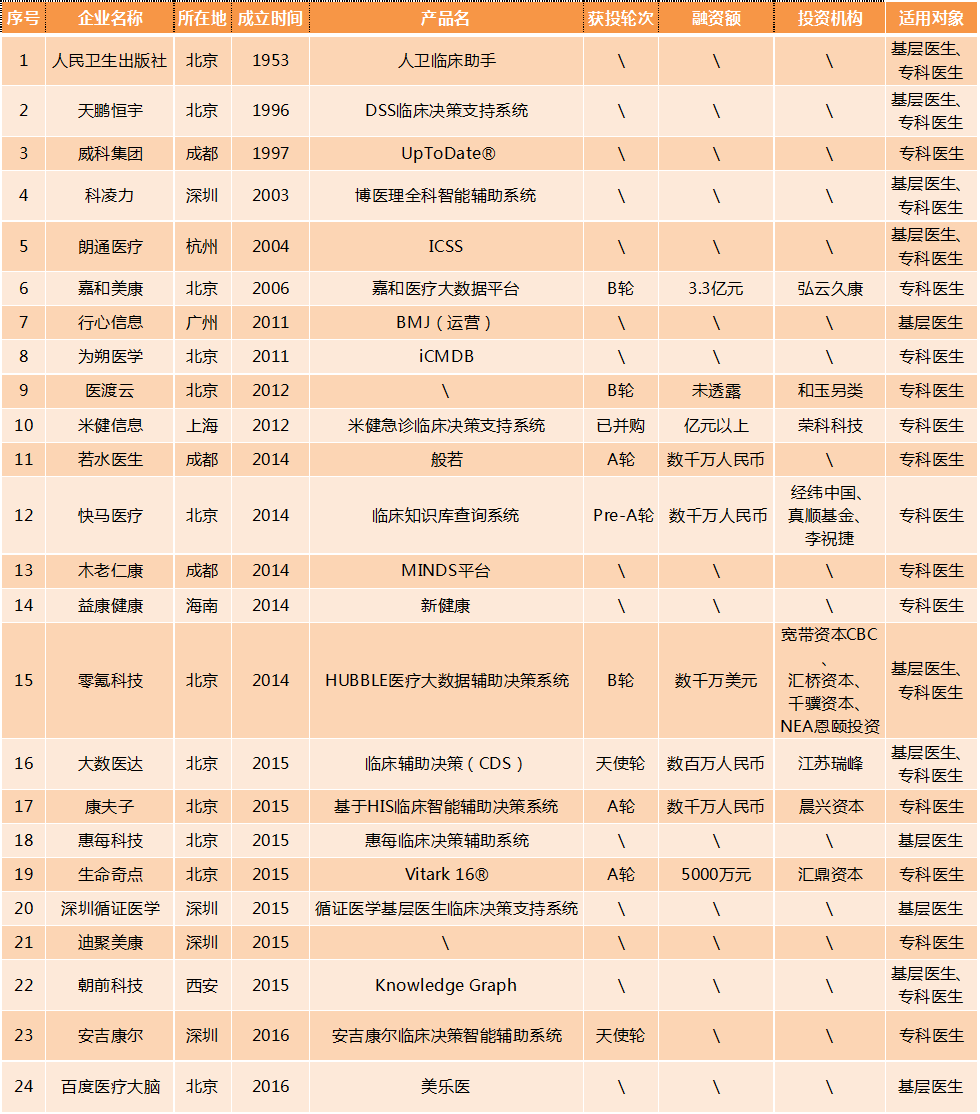
Given that the knowledge base is currently the core component of CDSS, VCBeat conducted an investigation into the sources of information for the knowledge bases of each company's product.(Information sourced from publicly available corporate information and interviews), thus revealing the differences among various products in this regard.
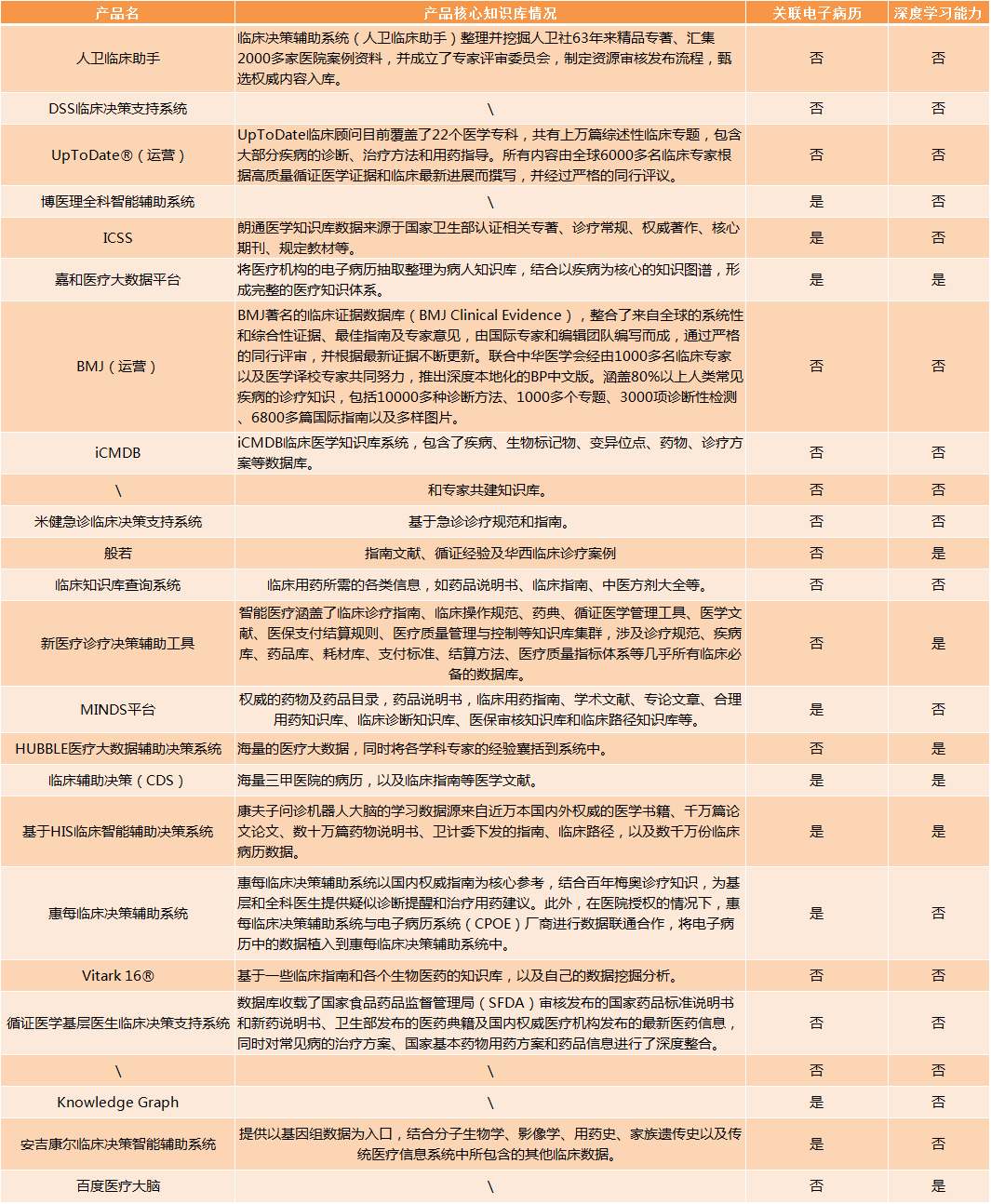
Among them, the People's Medical Publishing House (PMPH) Clinical Assistant is the client application of the clinical decision support system under the People's Medical Publishing House. As a product promoted by the government, it leverages core data accumulated by PMPH over 63 years from more than 2,000 hospitals.
The products of Meikang, Xingxin Information, and Huimei Technology are sourced from three foreign companies: Wolters Kluwer (Netherlands), BMJ (United Kingdom), and the Mayo Clinic (United States). As these companies’ products have been widely used in many countries for years, their knowledge bases have accumulated extensive information, and the products are relatively mature.
Furthermore, the products of these companies have undergone localized customization in China. For instance, through a nearly two-year collaboration between the Chinese Medical Association and BMJ, a Chinese-language version was developed, featuring not only a complete translation of the entire database but also the inclusion of local clinical guidelines and expert commentaries.
In addition, UpToDate Clinical Consultant also integrates authoritative domestic drug monograph databases into its topics.
In terms of data exchange with the Electronic Medical Record (EMR) system, there are a total of in the table9This can be achieved with the company’s products. However, this does not mean that other products are incapable of doing so. For instance, UpToDate is integrated into the electronic health record (EHR) systems of most hospitals in the United States, as it fully complies with the U.S. Office of the National Coordinator for Health Information Technology (ONC) Health IT Certification Criteria for EHR functional capabilities and levels of adoption.
In the field of artificial intelligence, it is explicitly mentioned that there areDeep Learning CapabilityCDSS products in total7 Products, while the rest are mostly owned byMachine Learning CapabilitiesofKnowledge Base Products. From a technical perspective, possessing deep learningCDSS with learning capabilities can process physician feedback more promptly and rapidly during use, enabling smarter clinical decision-making; this represents the future direction of CDSS development.
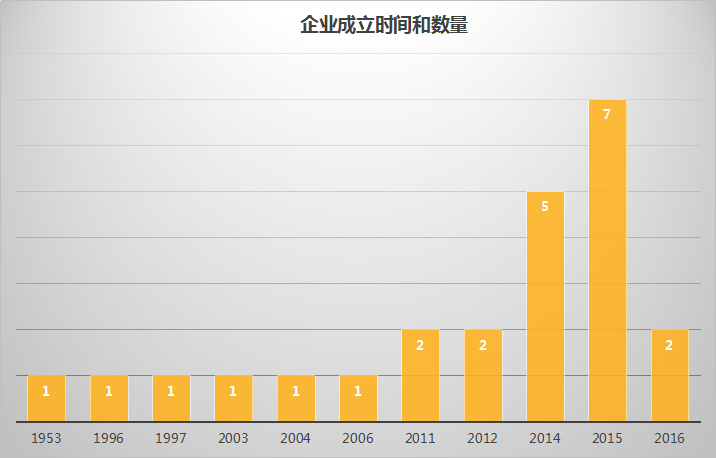
Based on the establishment dates of the 24 companies listed in the table, few enterprises were engaged in CDSS-related businesses before 2014; however, a sharp surge occurred in 2014 and 2015. VCBeat attributes this trend to two major policies:
In 2014, the State Council issued the Notice on the Key Tasks for Deepening the Reform of the Medical and Health Care System in 2014. The Notice required that reforms of public hospitals be prioritized to comprehensively advance the coordinated development of medical services, health insurance, and pharmaceuticals.
In 2015,State CouncilThe "Guiding Opinions on Actively Promoting the 'Internet Plus' Action" were promulgated. The "Opinions" state that support should be provided for third-party institutions to establish information-sharing service platforms for medical imaging, health records, laboratory test reports, and electronic medical records, and to gradually establish a standardized system for cross-hospital medical data sharing and exchange.
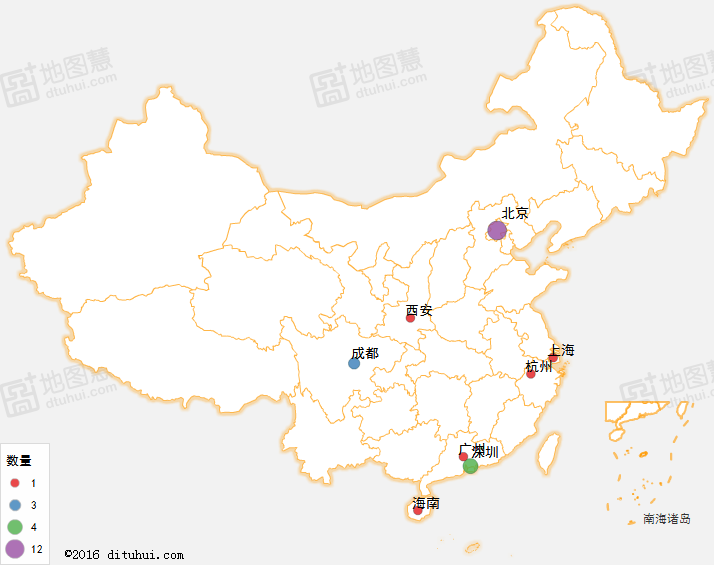
Geographically, Beijing is the city with the highest concentration of such enterprises, which is closely related to the target users of Clinical Decision Support Systems (CDSS). As CDSS is a key component of the HIMSS EMRAM assessment framework, cities with a higher density of Grade A tertiary hospitals exhibit greater demand for CDSS solutions. Therefore, it is not surprising that Beijing stands out as the dominant leader in this field.
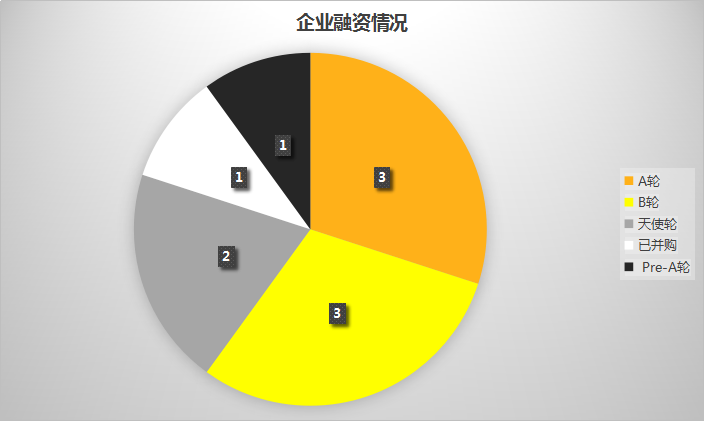
As there are few companies with publicly disclosed financing information, only a general outline can be drawn from the financing data of select enterprises. Among them, one company has been acquired, and three have completed their Series B financing rounds; all of these were established in 2014 or earlier. Having completed Series BCompanies that have raised funding below the Series A round were almost all established in 2015. Notably, Ruoshui Doctor is the only company in the table that was founded before 2015 yet has only secured Series A financing.
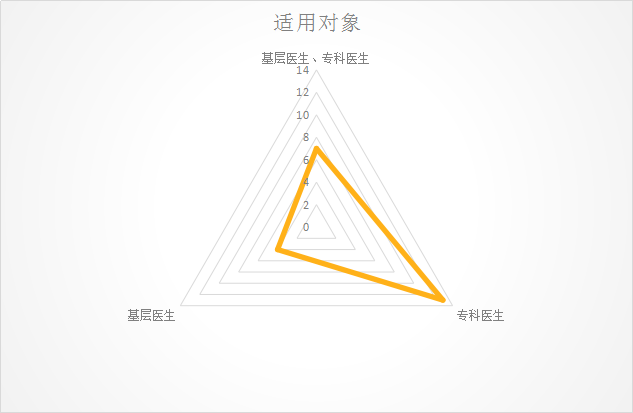
From the perspective of target users, the primary purchasers of Clinical Decision Support Systems (CDSS) remain large hospitals, with specialist physicians constituting the core user base. However, with the implementation of the national tiered diagnosis and treatment policy, an increasing number of CDSS products are being designed to serve both specialist physicians and primary care physicians. Since 2015, several companies have emerged that exclusively provide services to primary healthcare institutions and physicians, including Baidu Medical Brain, Huimei Technology, and Shenzhen Evidence-Based Medicine.
V. Case Studies of Domestic CDSS-Related Enterprises
In October 2016, under the leadership, guidance, support, and participation of the National Health and Family Planning Commission, the Ministry of Education, the State Administration of Press, Publication, Radio, Film and Television, the Publicity Department of the CPC Central Committee, various ministries and commissions, academic societies and associations, as well as numerous experts and professors, People’s Medical Publishing House officially launched the Clinical Decision Support System (People’s Medical Clinical Assistant).
Clinical Decision Support System (People's Medical Publishing House Clinical Assistant) organizes and mines premium monographs published by People's Medical Publishing House over the past 63 years, aggregates case data from more than 2,000 hospitals, and has established an expert review committee to formulate resource audit and publication processes for selecting authoritative content for inclusion in its database.
Meanwhile, adhering to the standards of book topic planning and the “three reviews and three proofreads” process, we continuously organize new knowledge, new case studies, and new tools to ensure the ongoing updating of systematic knowledge. We aim to build a professional clinical decision support system and a dedicated medical academic interaction community, specifically targeting medical professionals.
Clinical Decision Support System (People’s Medical Publishing House Clinical Assistant) not only provides evidence to support clinical decision-making for physicians but also serves as a platform for their daily learning of clinical knowledge and experience. The platform offers tens of thousands of case studies from renowned hospitals, departments, and experts, covering topics such as clinical diagnosis and treatment, prevention of medical malpractice, clinical ethical reasoning, and doctor–patient communication.
In 2015, Huimei Medical Group officially introduced Mayo Clinic’s comprehensive knowledge system. In 2016, Huimei Technology (a subsidiary of Huimei Medical Group) launched the AI-based Huimei Clinical Decision Support System.
This system integrates the latest published medical literature in China and domain knowledge from Chinese medical experts, leveraging natural language processing and machine learning algorithms to provide physicians with functionalities such as intelligent triage, differential diagnosis, rational medication management for chronic diseases, and disease knowledge base queries.
Pre-Consultation Inquiry/Triage Phase
Patients can perform self-assessment using the Huimei Intelligent Triage System. Through a series of guided questions, they can receive an appropriate evaluation of their condition prior to consultation, clearly determine the severity and urgency of their medical needs, and quickly obtain authoritative management recommendations.
The system can integrate with various platforms, including WeChat Official Accounts, mobile apps, and hospital self-service registration kiosks, offering patients flexible access options. It is currently primarily applied in family doctor contract services and intelligent triage and registration in hospitals.
In-Consultation Decision-Making Phase
With hospital authorization, the Huimei Clinical Decision Support System collaborates with vendors of Computerized Physician Order Entry (CPOE) systems to integrate electronic medical record data into the Huimei platform, thereby ensuring that outpatient physicians adhere to standardized and professional clinical guidelines.
Furthermore, the system can automatically mine the relationships between symptoms and diseases, such as those between fever and the common cold, or between fever and pneumonia. This provides chain clinics with standardized diagnostic and treatment pathways, helping physicians enhance their clinical competence and work efficiency, thereby strengthening the brand appeal of the clinics.
Post-Consultation Treatment Phase
The Huimei Clinical Decision Support System not only provides comprehensive disease details but also covers extensive treatment recommendations, including management advice, diagnostic testing suggestions, medication guidance, and patient education.
In terms of rational drug use, the system features rigorous medication review capabilities, providing drug information, drug interaction checks, and contraindication screening to promptly alert physicians and prevent errors such as inappropriate drug combinations and antibiotic misuse.
Furthermore, the Huimei Clinical Decision Support System digitizes and intelligently implements guidelines for chronic disease medication, comprehensively assesses patients’ conditions, automatically generates treatment plans for physicians’ reference, and recommends both combination regimens and contraindicated medications.
As of the end of 2016, the Huimei Clinical Decision Support System had been deployed in nearly 1,000 hospitals, community health service centers, and clinics across China. Partners include Mianyang Central Hospital, two community health service centers in Yangpu District, Shanghai, most community health service centers in Hangzhou High-Tech Zone, as well as renowned domestic chain healthcare institutions such as WeDoctor, Ping An Wanjia, Lü Yisheng Chain, and Johnson Medical.
The Kangfuzi Clinical Intelligent Decision Support System was officially launched after February 2017. As the first version of this product, it remains a relatively basic system at present.
Currently, this system primarily provides decision support for pre-consultation scenarios, such as analyzing patient symptoms and signs. Regarding intra-consultation decision support, Kangfuzi has partnered with an healthcare IT company to participate in the HIMSS Stage 6 accreditation project at a certain People’s Hospital. The new version of the Clinical Decision Support System (CDSS) is expected to be officially launched in October.
Features of the Kangfuzi Clinical Intelligent Decision Support System:
① Authoritative Data: The learning data sources for the Kangfuzi Consultation Robot’s brain are derived from nearly 10,000 authoritative medical textbooks from China and abroad, tens of millions of academic papers, hundreds of thousands of drug package inserts, guidelines and clinical pathways issued by the National Health and Family Planning Commission, as well as tens of millions of clinical medical records.
② Better Understanding of Patients: By leveraging deep learning and semantic recognition technologies to build a patient language comprehension model, the system can not only accurately interpret patients’ layman terms (e.g., mapping “pain during urination” to the medical term “dysuria”) but also perform interactive verification and confirmation based on the information provided by patients, thereby ensuring the accuracy of interaction data.
③ Extensive Knowledge Base, Leading Performance: The Kangfuzi Knowledge Graph constructs nearly 100 types of knowledge relationships across nine major domains—including diseases, symptoms, laboratory tests, diagnostic examinations, medications, treatment regimens, nutrition, hospitals, and physicians—accumulating tens of millions of knowledge entries. In intelligent diagnosis, the accuracy rate for typical symptoms of common diseases has exceeded 90%.
④ Continuous Breakthroughs: At present, the Kangfuzi Consultation Robot mainly provides self-diagnosis and triage information services. Features such as medication inquiries, disease consultations, medical visit assistance, and health counseling are coming soon.
In terms of market promotion, Kangfuzi rarely engages directly with hospitals; instead, it provides its technology to health IT companies that serve hospitals, focusing on underlying infrastructure support.
Kangfuzi provides its clinical intelligent decision support system to third-party companies—such as IT enterprises that develop research, clinical, and medication management systems for hospitals—and collaborates with them to facilitate the implementation of projects within hospitals.
Regarding payment, Kangfuzi charges each partner company an annual technical service fee of RMB 1 million. During the first year, these companies may deploy Kangfuzi’s products, such as its Clinical Intelligent Decision Support System, in any hospital. In the second year, Kangfuzi will charge a technical service fee of tens of thousands of RMB per hospital, based on the number of hospitals where each company has implemented the solution.
In November 2016, Ruoshui Doctor officially launched its “Banruo” Intelligent Expert Diagnostic System. The system primarily features four core functions: clinical decision support, simulated symptom consultation, graphical learning, and access to the latest guidelines and literature.
Clinical Decision Support: By collecting clinical case data from patients and leveraging an experienced medical reasoning engine system, this solution analyzes, provides feedback on, and optimizes diagnostic strategies in real time. It offers optimal diagnostic recommendations and automatically generates comprehensive reference treatment plans.
Simulated Clinical Consultation: Starting from symptoms or targeting specific diseases, this feature provides a simulated clinical environment with focused instruction on medical history taking to help users gain clinical experience.
Graphical Learning: Visually presents the expert’s clinical reasoning process to help users quickly grasp key consultation points and enhance collaborative diagnosis and treatment capabilities.
Recent Guidelines and Literature: Aggregates the latest domestic and international guideline consensus documents, interpretations of guidelines and consensus statements, and high-quality, high-impact-factor clinical research literature, with real-time updates.
The “Prajna” system can rapidly disseminate novel diagnostic and treatment protocols developed by hospital specialists, assist physicians within medical consortia in making clinical decisions, reduce missed diagnoses and misdiagnoses, and enhance physicians’ professional competence and clinical reasoning.
Currently, the “Bore” system has completed its Phase I clinical validation by experts at West China Second University Hospital and has been progressively implemented for clinical use in pediatric departments across multiple medical institutions in Chengdu.
UpToDate is the world’s leading evidence-based clinical decision support resource, trusted by physicians worldwide to help them make the right decisions at the point of care.
UpToDate Inc. has developed UpToDate’s Chinese product—UpToDate Clinical Advisor. UpToDate Clinical Advisor not only maintains content consistency with UpToDate but also integrates authoritative domestic drug monograph databases into its topics, helping Chinese physicians better access the most authoritative and practical clinical medication information, thereby promoting rational drug use and appropriate medical care in China.
The advantage of UpToDate lies in its graded recommendations based on evidence-based medicine principles, which harness the expertise of more than 6,000 renowned physician authors, editors, and peer reviewers worldwide. They adhere to a rigorous editorial process, integrating the latest medical information into UpToDate’s topic reviews.
Numerous studies have demonstrated that UpToDate can influence clinical decision-making and improve healthcare quality, including reducing hospital length of stay, lowering the incidence of adverse complications, and decreasing mortality rates. Currently, UpToDate is used by 1.1 million healthcare professionals and 32,000 medical institutions across more than 180 countries worldwide to enhance healthcare quality.
The HUBBLE system features three core services:
① Supporting Management Decision-Making: HUBBLE intelligently “diagnoses” potential issues in hospital quality management for partner hospitals and departments through the Dean’s Dashboard and business reports. It visually presents insights via six major modules—including patient analysis, medical quality analysis, and operational efficiency analysis—thereby providing a data-driven basis for hospital management decisions;
② Research Project Management: The HUBBLE research tool is fully aligned with clinical academic research design. It incorporates methodologies and tools grounded in medical statistical thinking, enabling convenient research project design, study population definition, variable configuration, and statistical charting based on structured data. It also includes built-in services for common analyses such as descriptive statistics, intergroup comparisons, and survival analysis.
③ AI-Assisted Diagnosis and Intelligent Imaging Diagnosis: Leveraging vast amounts of clinical medical record data and imaging data, combined with precise sample annotations by medical experts, HUBBLE employs artificial intelligence technologies to enable machines to effectively learn expert knowledge. It delivers intelligent assisted diagnosis and imaging diagnostic services, helping primary care physicians detect and confirm diagnoses while improving diagnostic and treatment efficiency.
The core operational mechanism of the HUBBLE Medical Big Data Clinical Decision Support System is built upon vast amounts of medical big data, while also integrating the expertise of specialists across various disciplines. Technical professionals leverage advanced IT technologies and deep learning algorithms to develop specialized customizations for the oncology field, thereby providing physicians with visualized, scenario-based, and intelligent system solutions. Furthermore, feedback from physicians during clinical use continuously optimizes the system, enhancing its accuracy.
In clinical research, the traditional approach requires physicians to select medical records from electronic health record databases, organize and enter the data into Excel spreadsheets, and then import them into statistical software to generate corresponding statistical charts.
Through HUBBLE, physicians can directly import structured data into their established research projects. Based on the configuration of study and control groups by project users, variable calculation methods can be selected via simple clicks. During the statistical analysis phase, the HUBBLE system significantly enhances the efficiency of data processing, eliminating the need for researchers to perform complex operations.
MINDS is an intelligent solution for rational healthcare management that helps medical institutions achieve clinical decision support, operational control, and quality assessment by acquiring and analyzing clinical data and abstracting business models.
MINDS constructs a clinical medicine knowledge base and a medical decision support system based on national policies, regulations, and clinical guidelines, while integrating the hospital’s own management systems. Designed to meet the needs of clinical diagnosis and treatment as well as operational control, it provides comprehensive and precise regulatory decision support for medical activities.
From a product logic perspective, MINDSThe system comprises a core knowledge base, intermediate application modules, and scalable extensions.
The MINDS Knowledge Base includes: authoritative drug and medication directories, package inserts, clinical medication guidelines, academic literature, monographs, a rational use of medicines knowledge base, a clinical diagnosis knowledge base, a medical insurance audit knowledge base, and a clinical pathway knowledge base. Data maintenance functions are available upon request, allowing users to customize data sources and independently maintain medication rules.
The MINDS system platform offers a comprehensive suite of application modules covering both clinical and managerial domains. It provides modularized applications for the management of clinical diagnosis, medication, costs, and indicators, as well as for guidance within clinical pathways and oversight outside of them.
VI. Case Studies of Foreign CDSS-Related Companies
As the first provider to enhance clinical decision support systems in physician practices, First Databank offers physicians a rich repository of messaging resources through alerts embedded within existing applications. Now recognized by KLAS as the highest-rated drug database, First Databank’s clinical decision support system is currently utilized by thousands of outpatient departments worldwide.
First Databank’s clinical decision support technology specializes in the implementation of e-prescribing, EHR, eMAR, and CPOE systems, prioritizing the delivery of concise electronic information and up-to-date drug data to physicians to provide proactive clinical decision support.
Medispan provides clinical decision support to physicians through efficient, real-time online and mobile applications, helping them ensure patient safety and improve health outcomes. Medispan integrates drug reference knowledge into existing healthcare systems to support safe medication therapy while meeting federal regulatory requirements and market demands. The solutions offered by Clinical Decision Support provide detailed drug classifications that far exceed mandated industry standards, thereby reducing the likelihood of medication prescribing errors.
Allscripts Clinical Solutions are designed to help clinicians efficiently access patient health record data, thereby ensuring the efficient operation of the entire healthcare system. Allscripts Core Clinical provides clinical decision support tools for various healthcare settings, including acute, outpatient, emergency, and surgical care. Meanwhile, Allscripts offers adaptable solutions suitable for any environment (including small-scale practices), focusing on providing actionable care guidelines for nearly 800 physicians. Such solutions deliver highly cost-effective and interoperable clinical decision support.
Cerner’s clinical decision support software adopts national evidence-based standards to provide clinicians with reliable guidance, ensuring that patients receive appropriate treatment and that their specific needs are met. Cerner offers advanced imaging and radiology solutions, delivering clinical decision support across a range of healthcare services. Additionally, Cerner integrates the latest information from existing EHRs into clinical workflows, enabling physicians to accurately order medications and write prescriptions, thereby achieving optimal patient care.
Elsevier is a global publisher of scientific, technical, and medical information products and services, offering a suite of clinical decision support tools to assist clinicians in patient care. Elsevier’s evidence-based medicine and prescribing information provide clinicians with answers to nearly all clinical questions, along with related drug decision support. Additionally, Elsevier provides predictive data analytics and online training services, equipping healthcare providers with tools to learn about medication information and develop relevant competencies, thereby improving interaction outcomes among pharmacists, physicians, nurses, and patients.
Truven Health Analytics provides hospitals with evidence-based clinical decision support and patient education through its Micromedex resources, designed to integrate seamlessly with existing hospital EHR systems via standardized application programming interfaces (APIs). Truven enables healthcare providers to access clinical decision support on medications, diseases, and laboratory information from a single source across any hospital or facility. Currently, the Truven Micromedex clinical decision support solution is used in more than 3,500 hospitals.
Zynx Health’s clinical decision support tools help hospitals improve patient outcomes, financial operations, clinical engagement, and technological performance. Zynx’s evidence-based tools provide clinicians with information and workflow recommendations, while fostering collaboration between stakeholders and clinicians to enhance clinical management and financial results. Furthermore, Zynx offers a comprehensive knowledge base that integrates the latest evidence into clinical workflows and services, enabling healthcare organizations to achieve their specific goals.
BMJ is a professional institution under the British Medical Association, with a long history of more than 170 years.
After nearly two centuries of development, BMJ has become a global leader in providing medical knowledge. Since the launch of its flagship publication, The British Medical Journal (known as The BMJ), in 1840, BMJ’s expertise has expanded beyond medical journals to encompass clinical decision support, medical education, and healthcare quality improvement. It is committed to helping healthcare institutions and clinicians address critical medical challenges, enhance services, and improve patient outcomes.
Over the past two decades, BMJ has increasingly emphasized the practical application of evidence-based medicine, developing a series of clinical decision support systems (CDSS) for evidence-based diagnosis and treatment.
The BMJ began publishing the BMJ Clinical Evidence database in 1999, providing objective and impartial assessments and summaries of research in the field of clinical interventions.
In 2009, BMJ took a significant step from evidence-based medicine to clinical practice by developing an advanced clinical decision support tool—BMJ Best Practice.
BMJ Best Practice is an evidence-based clinical decision support tool that provides healthcare professionals with precise, credible, and timely updated diagnostic and therapeutic knowledge during clinical practice and learning, thereby helping them make optimal diagnoses, optimize treatment plans, and improve patient outcomes.
It can tangibly assist healthcare professionals in optimizing diagnosis and treatment, improving efficiency, reducing errors, and facilitating lifelong learning; it can also help healthcare institutions and health authorities enhance medical quality, ensure patient safety, and reduce healthcare costs.
Product Features:
1. Based on evidence-based medicine methods, updated in a timely manner
2. Includes over 1,000 topics, covering more than 10,000 diagnostic methods, 3,000 tests, 6,800 international guidelines, and over 3,500 images.
3. Structure aligned with clinical workflows, utilizing unified, standardized navigation
4. Accessible via online login and mobile app, with support for integration into healthcare information systems
5. Provide CME/CPD tracking features to support continuing medical education
6. Added links to over 100 Chinese clinical guidelines and expert consensus statements
Further Reading
Medical Big Data Assists Physicians in Decision-Making and Facilitates Academic Research Design
“Dashu Yida” Deng Kan: Can AI That Plays Chess Also Diagnose Diseases?
Life Singularity: Explorer of Medical Data Integration
Baidu Restarts Its Medical Initiative! The First Partner for Its “Medical Brain” Is Revealed…
References:
“Interpretation of Hot English Terms in Internet Healthcare: CDSS” – Chen Kun, Huang Jia
“Application of Clinical Decision Support Systems in Hospitals” — Zhang Yi, Li Ke
“Analysis of Constraints on the Development of Clinical Decision Support Systems and Their Application Prospects” — Peng Yiliang, Yang Yuyong, Cao Xing, Wang Wanbin
"Top 10 Novel Clinical Decision Support Systems" — MedSci
Special Acknowledgments:
HuiMei Technology CEO Zhang Qi
Zhang Chao, Founder of Kangfuzi
Gong Mengchun, Investment Director of Anlong Fund
Deng Kan, Founder of Dashu Yida
Life Singularity CEO Liu Liyu
VCBeat U.S. Correspondent Zhou Qianyun