

Flare Capital Partners IPO Prospectus: A Niche Powerhouse in Healthcare Venture Investing
Flare Capital Partners
Healthcare Investment Institution

Flare Capital Partners is a venture capital firm founded in Boston, United States, in 2001, formerly known as Foundation Medical Partners. It focuses exclusively on the healthcare sector, with most of its investments targeting early-stage startups.
Compared to industry giants such as Sequoia Capital and Kleiner Perkins, Flare Capital Partners has always remained relatively small in scale. Nevertheless, its impressive track record in healthcare investments over the past decade has firmly earned it the reputation of a “top-tier global VC.”
All members of the leadership team have work experience at top-tier professional services firms.
The key figures at Flare Capital Partners are its three managing partners, Lee Wrubel, Michael Greeley, and Bill Geary, whose careers began in consulting firms, investment banks, and accounting firms, respectively.
Lee Wrubel earned his bachelor’s degree in economics from Lafayette College and his master’s degree from Tufts University School of Medicine. He subsequently worked as a consultant at The Wilkerson Group, a well-known consulting firm in the United States, before pursuing an MBA at Columbia Business School two years later.
However, Lee Wrubel, a business school graduate, did not return to the consulting industry but instead chose finance as his new starting point. Prior to founding Flare Capital Partners, he served as Investment Director at two major venture capital firms: Canaan Partners and Highland Capital Partners.

Figure 1: Lee Wrubel, Founder and Managing Partner
Michael Greeley is a graduate of Harvard Business School, with an impressive professional track record. After graduation, he joined the boutique investment bank Wasserstein Perella in New York. He later moved to the investment firm GCC Investment as Managing Director after being promoted to Vice President.
Over the following decade, Michael Greeley served as a partner at Polaris Venture Partners and Flybridge Capital Partners before joining Flare Capital Partners in 2013.

Figure 2: Managing Partner Michael Greeley
Bill Geary graduated from Boston College with a degree in Accounting and Finance. His first job was at Arthur Andersen, once hailed as the “leader of the Big Five,” where he earned his Certified Public Accountant (CPA) designation. Four years later, he left Arthur Andersen to become the head of finance at Congoleum Corporation, a flooring manufacturer. Two years after that, likely valuing his dual experience in both public accounting and corporate finance, Mathsoft, a rapidly growing software company at the time, hired him as its Chief Financial Officer. Up to this point, Bill Geary’s career path read like a textbook guide for the professional development of accounting and finance graduates.
After serving as Chief Financial Officer for three years, he transitioned into a professional investor. Over the following two decades, Bill Geary served as a partner at Hambo International Equity Partners and North Bridge Growth Equity & Venture Capital, and joined Flare Capital Partners alongside Michael Greeley in 2013.

Figure 3: Managing Partner Bill Geary
A Professional Team Composed of Industry Veterans and Top-Tier Academic Achievers
Flare Capital Partners’ core strength lies in its 50 professionals from the healthcare and investment sectors, comprising an investment team led by 12 partners and directors, an industry advisory board of 20 healthcare experts and executives, and the Flare Talent Pipeline program, which includes 18 current students pursuing advanced degrees at prestigious universities such as Harvard and Stanford.
Currently, the investment team is led by two Managing Partners, Michael Greeley and Bill Geary. Lee Wrubel left Flare Capital Partners in May 2016 for personal reasons and subsequently joined Egon Zehnder, a renowned Swiss executive search firm. Six Executive Partners and two Investment Directors are responsible for pre-investment evaluation, project initiation, and due diligence, while two Administrative Managers oversee the firm’s overall operations.
The Industry Advisory Committee serves as a key think tank for Flare Capital Partners, tasked with providing strategic planning and operational management consulting to its portfolio companies. Its members include distinguished leaders from academia and industry, such as Dr. Peter Amenta, CEO of the American Diabetes Association, and Troyen Brennan, Executive Vice President of CVS Health, the pharmaceutical retail giant.
Students joining the Flare Talent Reserve Program serve as assistants to the investment team, responsible for desk-based tasks such as tracking specific industry segments and conducting preliminary data collection for projects. This initiative not only helps students acclimate to the professional environment in advance by providing valuable practical experience, but also saves the investment team time on critical yet tedious tasks, thereby enhancing their work efficiency.
From Favoring MedTech Firms to Focusing on Digital Health Companies
VCBeat·VBInsight has collected information on 55 investments made by Flare Capital Partners since its inception from public sources, and has compiled the following overview of all its portfolio companies:
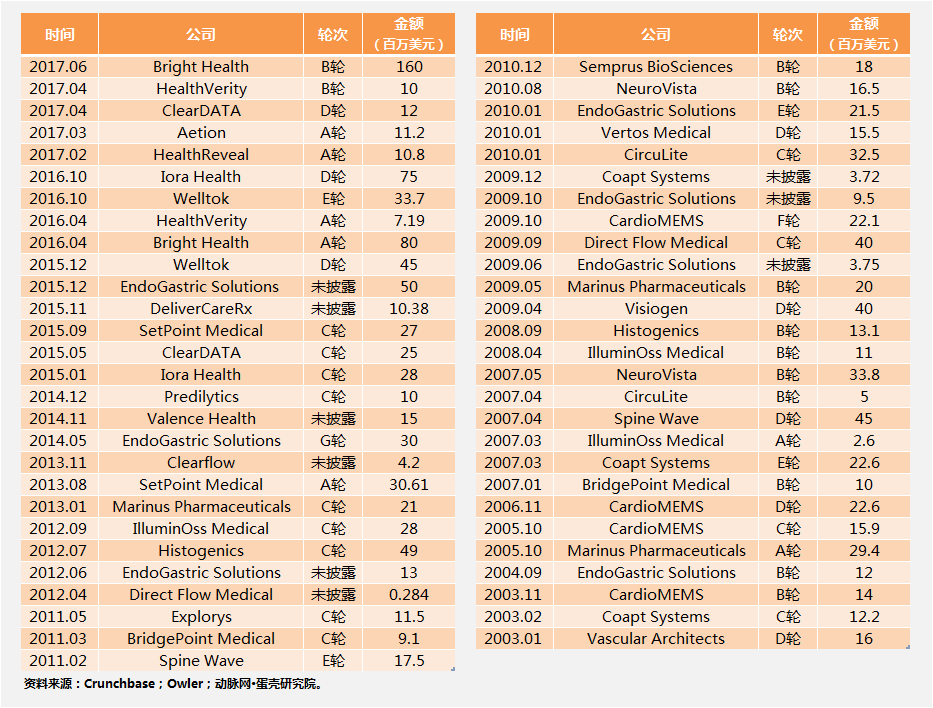
Figure 4: Historical Investment Track Record of Flare Capital Partners
Based on the statistical table above, we can summarize Flare Capital Partners’ investment strategy into two phases: prior to 2013, it primarily invested in medical device manufacturers and pharmaceutical companies; after 2013, it gradually shifted its focus to digital health enterprises, such as those specializing in healthcare informatics.
Company information in the chart can be queried in the VCBeat database. Scan the QR code at the end of the article to become a VCBeat member, and you can log in to the VCBeat Mini Program/official website to use the database to query relevant company information.
Flare Capital Partners currently invests in companies across ten categories:
Medical Device Manufacturer
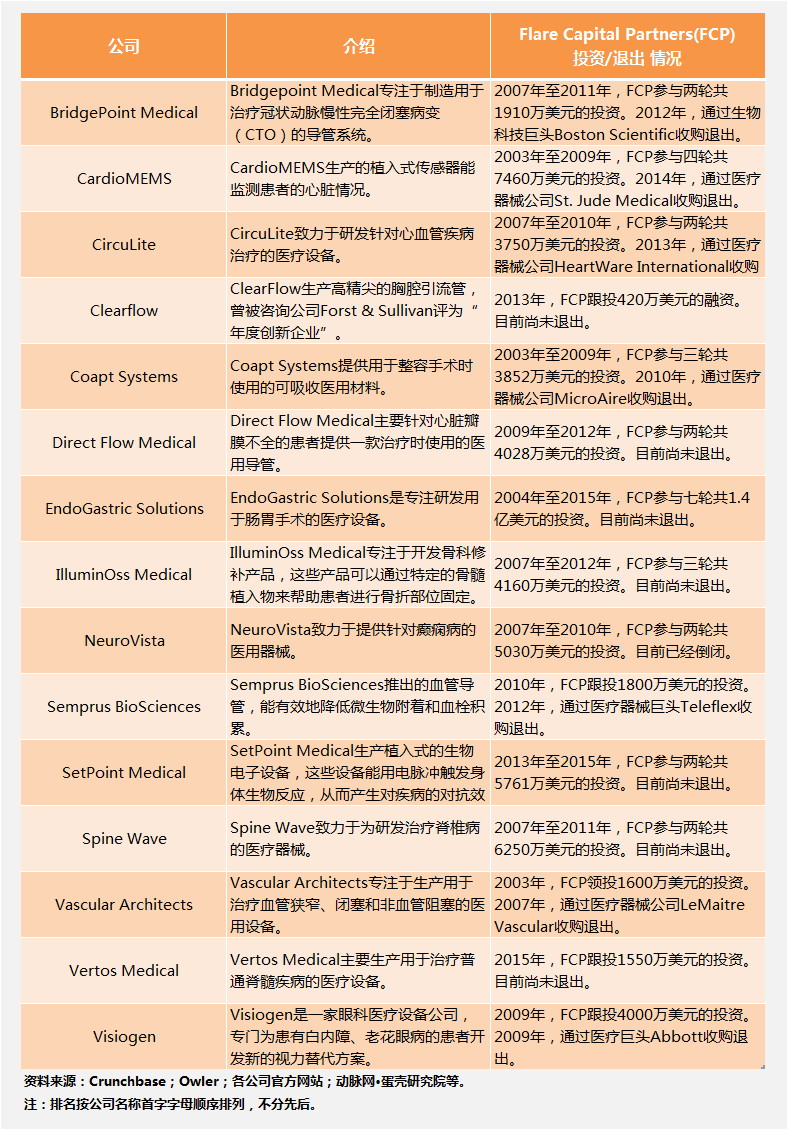
Figure 5: Statistical Table of Flare Capital Partners' Investments in the Medical Device Sector
Flare Capital Partners has invested in a total of 15 medical device companies, with seven successful exits to date, seven still held in its portfolio, and one confirmed investment failure. Although the medical device sector is a highly complex niche, Flare Capital Partners employs a clear investment strategy: most of its portfolio companies focus on manufacturing medical catheters for surgical procedures. After nurturing these companies for three to six years, Flare Capital Partners typically exits through acquisitions by healthcare giants such as Boston Scientific, St. Jude Medical, and Abbott. Indeed, investments in the medical device sector represent Flare Capital Partners’ largest cash cow.
Healthcare IT Solutions Provider
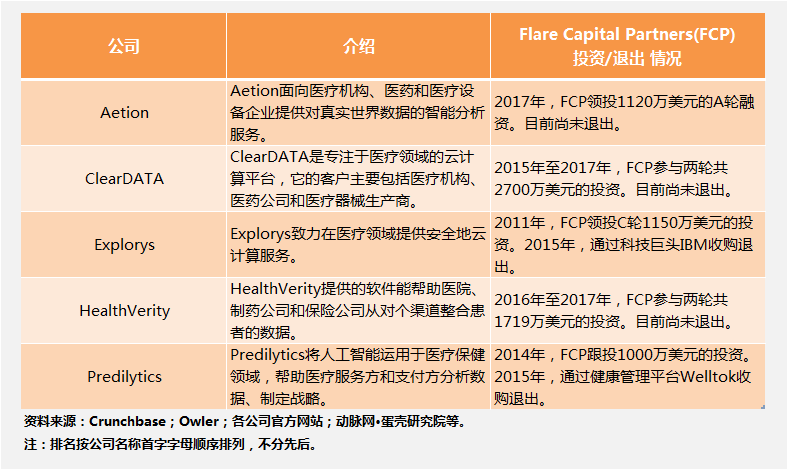
Figure 6: Statistical Table of Flare Capital Partners' Investments in the Healthcare IT Sector
Flare Capital Partners has demonstrated remarkable strategic vision in its investments within the healthcare IT sector. To date, it has invested in a total of five healthcare IT companies, successfully exited two, and retains three that are still in their growth stages. Although healthcare IT has only garnered significant attention in recent years, Flare Capital Partners had already led the $11.5 million Series C financing round for the cloud computing platform Explorys as early as 2011; Explorys was subsequently acquired by tech giant IBM in 2015.
Pharmaceutical Company
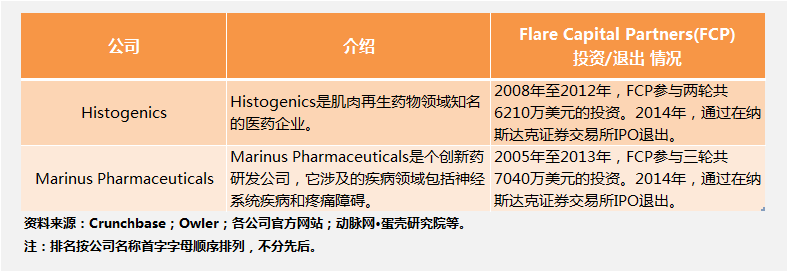
Figure 7: Statistical Table of Flare Capital Partners' Investments in the Pharmaceutical Sector
Flare Capital Partners has made only two investments in the pharmaceutical sector, yet remarkably, both have yielded substantial returns through the portfolio companies’ listings on the NASDAQ Stock Exchange. The earliest of these investments dates back to 2005, while both companies did not go public until 2014. This demonstrates that, much like new drug development, investing in the pharmaceutical industry requires considerable patience before reaping rewards.
Medical Consulting Firm
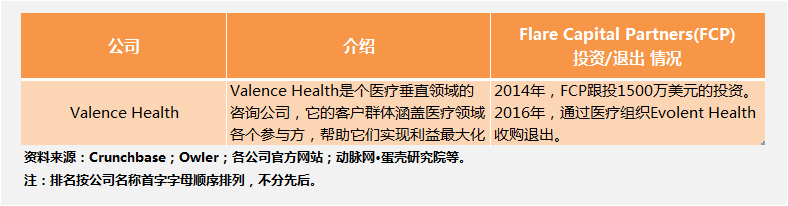
Figure 8: Statistical Overview of Flare Capital Partners’ Investments in the Healthcare Consulting Sector
Investment consulting firms are a rarity in the primary market across virtually any industry. Nevertheless, Flare Capital Partners took this unconventional path by investing in Valence Health, a company primarily providing consulting services to hospitals, in November 2014. Just two years later, Valence Health was acquired by the healthcare organization Evolent Health.
Insurance Company
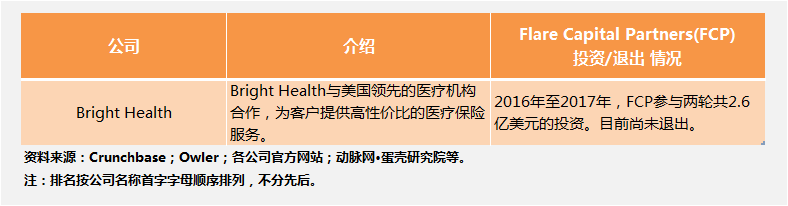
Figure 9: Statistical Table of Flare Capital Partners’ Investments in the Health Insurance Sector
Flare Capital Partners participated in both the Series A and Series B financing rounds of Bright Health, an innovative insurance company, in 2016 and 2017, respectively, marking its initial foray into the insurance sector. As Flare Capital Partners has increasingly invested in consumer-focused startups in recent years, its investment portfolio now comprehensively covers healthcare providers, patients, and payers.
Health Management Platform
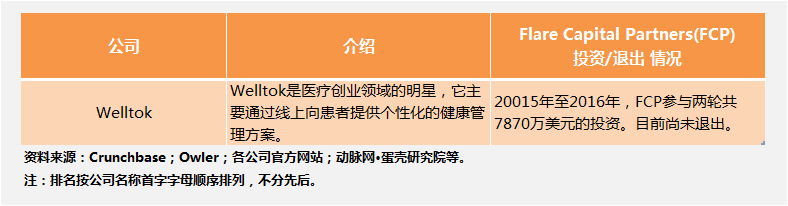
Figure 10: Statistical Table of Flare Capital Partners’ Investments in Health Management Platforms
Flare Capital Partners invested twice, in 2015 and 2016, in Welltok, a highly sought-after health management services company among investors. Although it has not yet exited its investment, given Welltok’s current strong momentum, it is only a matter of time before Flare Capital Partners reaps the rewards of its success.
Chain Clinics
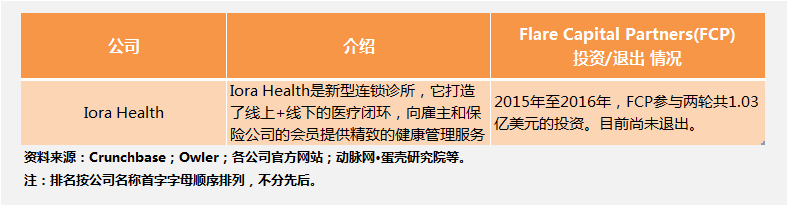
Figure 11: Statistical Table of Flare Capital Partners’ Investments in Health Management Platforms
Iora Health represents Flare Capital Partners’ first foray into investing in physical healthcare institutions. This chain of clinics has established 34 service locations across 11 U.S. states. It does not accept self-pay patients, operating exclusively through partnerships with insurance companies to deliver high-quality, cost-controllable medical services. In the future, Flare Capital Partners may leverage its position as an investor in both companies to facilitate a collaboration between Iora Health and Bright Health.
Telemedicine Service Provider
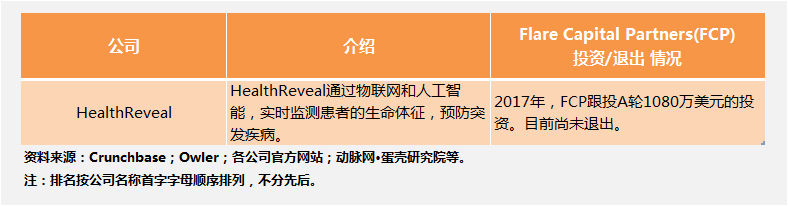
Figure 12: Statistical Table of Flare Capital Partners' Investments in Telemedicine
Flare Capital Partners participated in HealthVerity’s Series B financing round for its telemedicine platform in April 2017, and the company remains in its growth stage.
Pharmaceutical O2O Platform
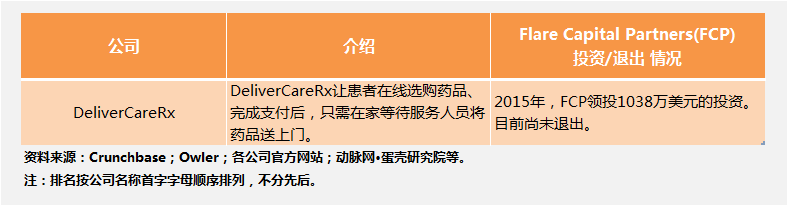
Figure 13: Statistical Table of Flare Capital Partners' Investments in Pharmaceutical O2O
In November 2015, Flare Capital Partners led a $10.38 million investment in DeliverCareRx, a home medication delivery service provider. However, under the competitive pressure from traditional pharmaceutical retail giants such as Walmart and CVS Pharmacy, which offer similar services, DeliverCareRx appears to lack significant competitive advantages.
Medical Ride-Hailing Service Platform
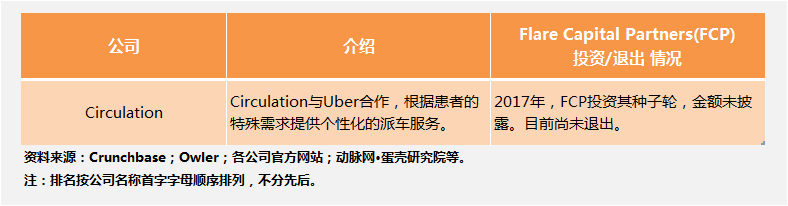
Figure 14: Statistical Table of Flare Capital Partners’ Investments in Medical Transportation Services
Circulation, a startup invested in by Flare Capital Partners in October 2016 and positioned as the “Uber of healthcare,” provides personalized transportation services tailored to patients’ specific needs; the company is currently still in its incubation phase.
Investment Activity Was Most Vigorous Before and After the Financial Crisis, with the Lowest Number of Investments in Summer
VCBeat·VBInsight analyzed the investment activities of Flare Capital Partners by year and month, revealing two interesting trends:
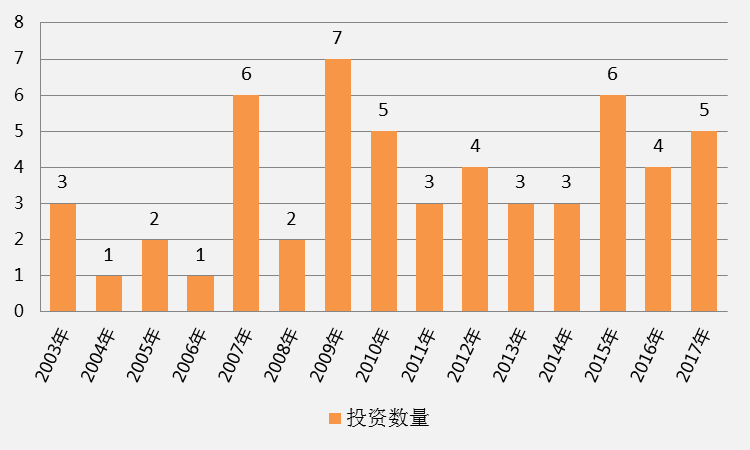
Figure 15: Annual Number of Investments by Flare Capital Partners from 2003 to 2017
1) Investment activities were most active before and after the financial crisis
During its first four years, Flare Capital Partners had limited investment activity, with an average of two deals per year. However, in 2007, just before the onset of the financial crisis, the number of investments surged to six for the year, resembling a “last hurrah” before the downturn.
Following the outbreak of the financial crisis, its investment activity in 2008 dwindled to just two deals, both completed before the landmark event marking the crisis’s escalation—the collapse of Lehman Brothers. With the introduction of government bailout packages and driven by favorable policies, Flare Capital Partners’ investment count rebounded to seven in 2009, after which the pace of investing gradually slowed. Nevertheless, due to expansion in scale and maturation of its brand, its average annual number of investments in the post-financial-crisis period exceeded that of the pre-crisis era.
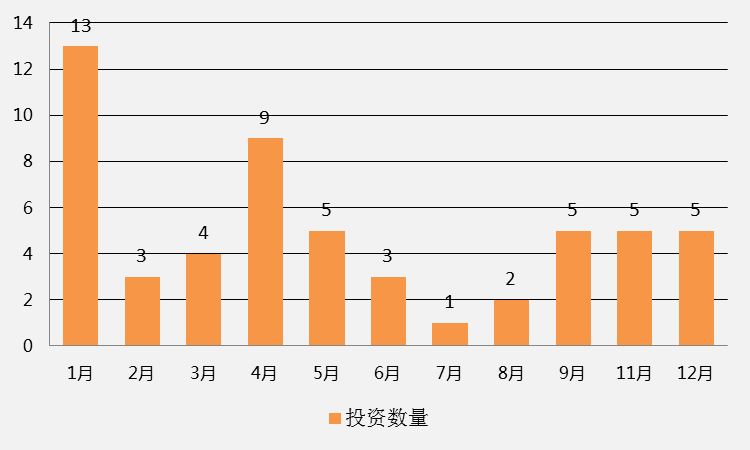
Figure 16: Cumulative Number of Investments by Flare Capital Partners by Month, 2003–2017
2) Lowest investment volume in summer
Some in the U.S. financial sector believe that venture capital exhibits mild seasonality. As summer is the peak travel season in North America, liquidity in the capital markets tends to weaken; even busy investors take time off to travel with their families, giving rise to the notion of a “summer slump.”
Although this claim lacks broad support, investment activity by Flare Capital Partners at least exhibits a seasonal trend that aligns with it. Entrepreneurs seeking financing may therefore benefit from understanding investors’ investment styles and summarizing their behavioral preferences to improve the likelihood of successful fundraising.
Implications for Domestic Investors
VCBeat·VBInsight, adopting an investor’s perspective, identifies two investment principles from Flare Capital Partners that are worthy of emulation:
1) In at least the early stages of their establishment, venture capital firms should focus on niche sectors.
Over its first decade of development, Flare Capital Partners focused on investments in the medical device sector, with the majority of its portfolio dedicated to companies specializing in medical catheters. This strategic focus enabled it to achieve a success rate as high as 50% in medical device investing.
One benefit of specialization is a deeper understanding of the industry, which increases the probability of investment success and prevents capital from being wasted; another lies in building a professional image, enabling entrepreneurs to recognize that investors offer not only funding but also industry resources.
2) Remain calm amidst the capital frenzy and stay vigilant against black swan events.
“Be fearful when others are greedy, and greedy when others are fearful.” This golden rule of investment by the Oracle of Omaha, Warren Buffett, is equally applicable to the ever-changing primary market. As a high-risk sector, it demands that investors remain calm amidst the fervor of the capital market and carefully consider whether the valuation of their investment targets has been excessively inflated by prevailing trends.
Scan the QR code below to become an official member of VCBeat.More industry updates and investment & financing information are all included. Moreover, in the coming year, you will have unlimited access to the completeIndustry Trend Report, timely grasp the latest globalInvestment and Financing Information, boasting a comprehensive range ofMedical Enterprise Database, andMassive Resource Matching。

Scan the QR code to become a VCBeat member,
Beta Version Trial Price: 365 Yuan/Year.