

Respiratory Health Innovation Landscape: A Prospectus on 177 Global Enterprises Advancing Breathing Solutions
Do you know what ranks fourth in the mortality rate from diseases among urban residents, according to data from the China Health and Family Planning Statistical Yearbook 2016? And what ranks first in the mortality rate from diseases among rural residents? Respiratory diseases have quietly topped the list of disease-related mortality rates among residents, accounting for 11.8% in urban areas and 23.45% in rural areas (excluding respiratory tuberculosis and lung cancer).
Recall the once azure skies and the fragrant air we breathed. As gray haze gradually buries the blue sky, fresh, oxygen-rich air is increasingly replaced, and our free breathing is slowly invaded by harmful gases. The harm of smog to our physical health is self-evident. The respiratory and cardiovascular systems bear the brunt of this impact. Breathing provides the greatest energy for our life and survival; without ensuring high-quality respiration, physical health cannot be guaranteed. In the 2015 Government Work Report, Premier Li Keqiang pointed out that “environmental pollution is a plight affecting people’s livelihoods and a source of public distress,” emphasizing the need for iron-fisted governance of environmental issues and zero tolerance for pollution. This demonstrates the nation’s determination to improve the atmospheric environment and combat smog.
VCBeat·VBInsight selected common, frequently occurring, and chronic diseases of the respiratory system as its research subjects. By reviewing the four domains of disease prevention and control, diagnosis, treatment, and rehabilitation, it examines the new changes brought by emerging technologies and models to the diagnosis, treatment, and rehabilitation of respiratory diseases. Meanwhile, it identifies companies operating in the respiratory field and maps out the industry landscape, focusing on addressing the following issues:
1. Among respiratory diseases, which conditions have garnered the most attention from enterprises and are associated with the greatest number of emerging technologies?
2. Among the four stages of prevention and control, diagnosis, treatment, and rehabilitation for respiratory diseases, which stage involves the largest number of companies?
3. Are there differences in the innovation models of respiratory disease-related enterprises at home and abroad?
4. Which niche sectors have entered the fast lane, and which remain blue oceans?
Preface
Respiratory diseases are common and frequently occurring conditions with a complex spectrum. The primary pathological changes involve the trachea, bronchi, lungs, and thoracic cavity. Main symptoms include cough, chest pain, excessive sputum production, and impaired respiration; severe cases may present with dyspnea and hypoxia, potentially leading to respiratory failure and death. Influenced by factors such as air pollution, the increasing number of smokers, and population aging, the incidence and mortality rates of various respiratory diseases remain high, and the disease spectrum has shifted. The number of lung cancer patients is rising, while cases of severe pulmonary tuberculosis are declining. The incidence of chronic obstructive pulmonary disease (COPD) is increasing year by year, and pneumonia is becoming increasingly "atypical."
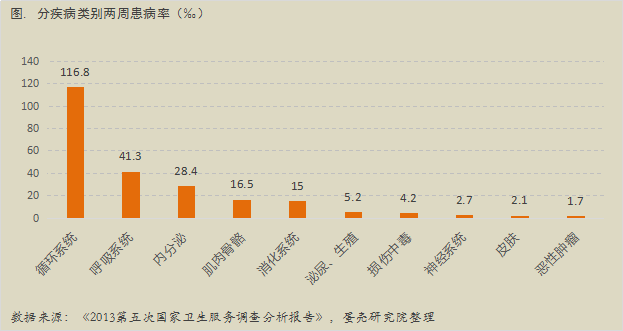
According to data from the *Analysis Report of the Fifth National Health Services Survey (2013)*, when classified by disease system, the top five categories for the two-week prevalence rate among urban and rural residents were: diseases of the circulatory system (116.8‰), diseases of the respiratory system (41.3‰), endocrine system diseases (28.4‰), musculoskeletal disorders (16.5‰), and diseases of the digestive system (15‰). The two-week prevalence rate is a key indicator of health services. Although the two-week prevalence rate of circulatory system diseases (primarily cardiovascular diseases) has quintupled since 2003, surpassing respiratory diseases to rank first, respiratory diseases remain one of the most common conditions.
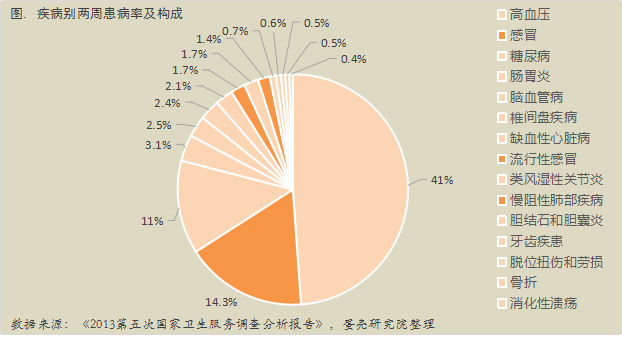
In terms of the composition of respiratory diseases, four common conditions—acute and chronic nasopharyngitis, influenza, tonsillitis, tracheitis, and chronic bronchitis—account for 80% of all respiratory diseases. Children and the elderly, who have relatively weaker immune functions, are the age groups most susceptible to respiratory diseases.Among the top 10 diseases ranked by two-week prevalence, three belong to respiratory system diseases: common cold, influenza, and chronic obstructive pulmonary disease (COPD), ranking 2nd, 8th, and 10th, respectively.
Over the past 30 years, the lung cancer mortality rate in China has increased by 435%, making it the cancer with the fastest-growing mortality rate. In 2015, the lung cancer mortality rate reached 49.4 per 100,000 people, becoming the malignant tumor with the highest mortality rate in China, more than double that of liver cancer, which ranked second.
“Report on the Nutrition and Chronic Disease Status of Chinese Residents (2015)” shows that in 2012, the national mortality rate from chronic respiratory diseases among Chinese residents was 68 per 100,000. The incidence rates of chronic obstructive pulmonary disease (COPD) and asthma are gradually increasing, making them one of the leading causes of death from chronic diseases among residents.
The above data all indicate that healthy and clean breathing has become a factor affecting national healthIndicatorA very important factor.
I. Spectrum of Common Diseases in Respiratory Medicine
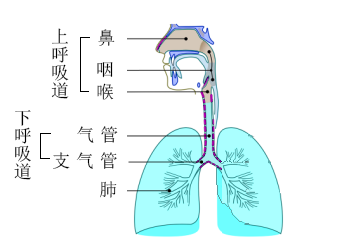
The respiratory system consists of the airways, through which gases pass, and the lungs, where gas exchange occurs.
The respiratory tract includes the nose, pharynx, larynx, trachea, and bronchi of all levels. Clinically, the nose, pharynx, and larynx are referred to as the upper respiratory tract, while the trachea and bronchi of all levels are referred to as the lower respiratory tract.
The lungs consist of the lung parenchyma (bronchial tree and alveoli) and the pulmonary interstitium (connective tissue, blood vessels, lymphatic vessels, and nerves), with their surface covered by the visceral pleura.
Human tissue cells undergo continuous metabolism. The oxygen consumed during metabolic processes is inhaled through the respiratory tract into the lungs, where gas exchange occurs and carbon dioxide is expelled. During respiration, because the respiratory system communicates directly with the external atmosphere, atmospheric pollutants and infectious agents can invade directly. Consequently, organic or inorganic dusts present in the external environment—including various microorganisms, protein allergens, and harmful gases—can enter the respiratory tract and lungs, leading to a variety of diseases.
From a medical perspective, common diseases in the respiratory field include acute airway inflammation (acute upper respiratory tract infections, acute tracheobronchitis), pneumonia, infectious diseases (pulmonary tuberculosis, SARS, Middle East Respiratory Syndrome), chronic obstructive pulmonary disease, asthma, lung cancer, sleep apnea syndrome, and pneumoconiosis.
1.1 Acute Airway Inflammation
Acute airway inflammation is primarily categorized into two types: acute upper respiratory tract infection and acute tracheobronchitis. Acute upper respiratory tract infection, commonly referred to as "upper respiratory infection," is a general term for acute inflammation affecting the area from the external nares to the lower border of the cricoid cartilage, including the nasal cavity, pharynx, or larynx. Approximately 70%–80% of upper respiratory infections are caused by viruses, with the remaining cases attributed to bacteria. Acute tracheobronchitis is an acute inflammation of the tracheal and bronchial mucosa triggered by biological, physical, or chemical irritants, or allergic factors; it may also result from the prolonged course of an upper respiratory infection.
1.2 Asthma
Asthma is a chronic inflammatory disease of the airways involving multiple cell types and cellular components. It is typically characterized by widespread, variable, and reversible airflow limitation, leading to recurrent episodes of wheezing, shortness of breath, chest tightness, or coughing. The etiology of asthma remains unclear; however, individual atopic constitution and environmental factors are recognized risk factors for its development.
1.3 Pneumonia
Pneumonia refers to inflammation of the terminal airways, alveoli, and pulmonary interstitium, which can be caused by pathogenic microorganisms, physical and chemical factors, immune injury, allergies, and medications. Bacterial pneumonia is the most common type of pneumonia and one of the most frequent infectious diseases.
1.4 Chronic Obstructive Pulmonary Disease
Chronic Obstructive Pulmonary Disease (COPD) is a preventable and treatable disease characterized by airflow limitation that is not fully reversible, exhibits progressive development, and is associated with an abnormal inflammatory response of the lungs to noxious gases or particulate matter, such as cigarette smoke. The clinical manifestations of COPD include chronic cough, sputum production, shortness of breath or dyspnea, and frequent wheezing and chest tightness. The etiology of COPD remains not fully understood; however, smoking and air pollution are considered the most significant risk factors.
1.5 Infectious Diseases Such as Tuberculosis
There are numerous infectious diseases of the respiratory system; apart from influenza, the primary disease is pulmonary tuberculosis. Pulmonary tuberculosis is a chronic pulmonary infection caused by the Mycobacterium tuberculosis complex, accounting for 80%–90% of all cases of tuberculosis across various organs. Pulmonary tuberculosis can lead to the formation of tuberculous nodules and caseous necrosis in the lungs, with a predisposition to cavity formation.
In addition to tuberculosis, other respiratory infectious diseases include influenza, severe acute respiratory syndrome (SARS), and Middle East respiratory syndrome (MERS). These diseases are characterized by strong explosiveness, high contagiousness, rapid onset, and high fatality rates. Governments expend substantial financial resources and effort on prevention and control to prevent widespread epidemics of infectious diseases and avoid public panic.
1.6 Lung Cancer
Lung cancer is the most common malignant tumor worldwide, with both its incidence and mortality rates ranking first among all cancers globally. Smoking is the primary risk factor for lung cancer. According to estimates by the U.S. National Cancer Institute and the Environmental Protection Agency, 87% of lung cancer cases are associated with smoking. The development of lung cancer exhibits a dose-response relationship with smoking and is also correlated with the duration of smoking. In addition, approximately 6% of lung cancer cases are attributed to radon exposure; both internal and external radiation exposure can induce lung cancer. Numerous occupational carcinogens, such as asbestos, inorganic arsenic, chromium, nickel, coal tar, and dichloromethyl ether, can increase the incidence of lung cancer.
1.7 Sleep Apnea Syndrome
Sleep Apnea Syndrome (SAS) is a sleep disorder characterized by the cessation of breathing during sleep. The most common cause is upper airway obstruction, often culminating in loud snoring, body jerks, or arm flailing. Sleep apnea syndrome is a common and potentially dangerous condition, with Obstructive Sleep Apnea Syndrome (OSAS) being the most prevalent form. Patients experience recurrent episodes of apnea (cessation of breathing) during sleep, leading to decreased oxygen levels in the blood and brain, while carbon dioxide levels rise.
1.8 Pneumoconiosis
Pneumoconiosis, also known as pulmonary dust deposition disease, is a systemic disorder characterized primarily by diffuse fibrosis (scarring) of lung tissue. It results from the long-term inhalation and retention of occupational dust during work activities. The disease is predominantly prevalent in industrial sectors such as coal mining, non-ferrous metals, machinery, building materials, and light industry. Pneumoconiosis not only threatens patients’ lives and health but also imposes substantial losses on the national economy. According to incomplete statistics, the direct economic losses attributable to pneumoconiosis amount to as much as RMB 8 billion annually, while also generating significant adverse political repercussions.
II. The “152+” Policy: Supporting Prevention, Diagnosis, Treatment, and Rehabilitation of Respiratory Diseases
VCBeat and VCBeat Research Institute collected a total of 152 notices, documents, and policies related to respiratory diseases up to May 2017. The earliest policy was the 1963 “Implementation Measures for Medical Preventive Measures for Workers Exposed to Silica Dust,” and the most recent was the February 2017 “Notice of the General Office of the National Health and Family Planning Commission on Further Strengthening the Clinical Application Management of Antibiotics to Curb Bacterial Resistance.”
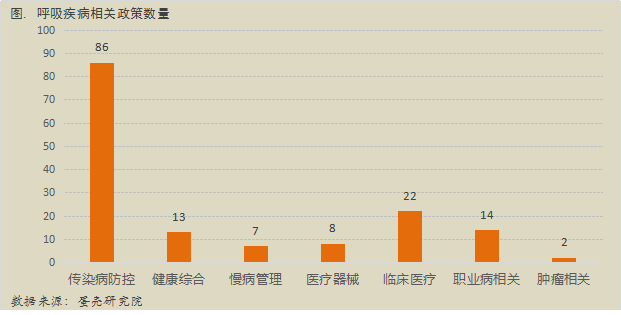
We reviewed these 152 documents, among which policies related to infectious disease prevention and control accounted for the largest proportion, totaling 86. Ranked second were clinical medical documents related to clinical pathways and diagnosis and treatment standards, totaling 22. Ranked third were documents related to the prevention, diagnosis, and appraisal of pneumoconiosis as an occupational disease, totaling 14.
Policies related to infectious diseases account for as high as 57% of the total, due to the severe consequences that widespread transmission of such diseases can cause.Although modern medical technology is highly advanced, the prevalence of sophisticated transportation systems and the significant expansion of social activities have made acute and virulent infectious diseases prone to rapid spread and outbreaks, rendering prevention and control efforts critically important. Healthcare professionals and citizens who lived through the 2003 SARS epidemic undoubtedly retain vivid memories of its severity.
The timing of the release of policies related to infectious diseases is highly correlated with the onset of disease outbreaks. For instance, prior to 2003, there were only four policies concerning respiratory infectious diseases, all of which pertained to tuberculosis. Between March 2003 and January 2004, a total of 23 notices and policy documents related to respiratory infectious diseases were issued, with 22 of them focusing on the prevention, control, and diagnosis of SARS. Subsequently, during the outbreaks of avian influenza and Middle East Respiratory Syndrome (MERS), corresponding notices and policy documents were promptly released to urge attention from various departments and governments at all levels.
III. Technological Innovation Transforms Diagnostic and Treatment Approaches in Four Subspecialties
In the field of respiratory diseases, many startups have effectively enhanced disease prevention and treatment technologies as well as medical service capabilities through technological innovation, thereby strengthening the response to and control of public health emergencies.
VCBeat has systematically reviewed innovative service models that break from tradition in the four key areas of respiratory disease management: prevention and control, diagnosis, treatment, and rehabilitation. These innovative technologies are striving to enhance physicians’ diagnostic and therapeutic capabilities for respiratory diseases from various perspectives.
In the traditional diagnosis and treatment of respiratory diseases, physicians utilize equipment such as pulmonary function testers, ventilators, oxygen concentrators, nebulizers, and sputum suction devices. While these modalities remain the mainstream approach and have seen continuous innovation and development, they are not the focus of our discussion. Instead, we primarily analyze emerging devices and intelligent technological advancements in the diagnosis and treatment of respiratory diseases, which hold significant potential for future growth.
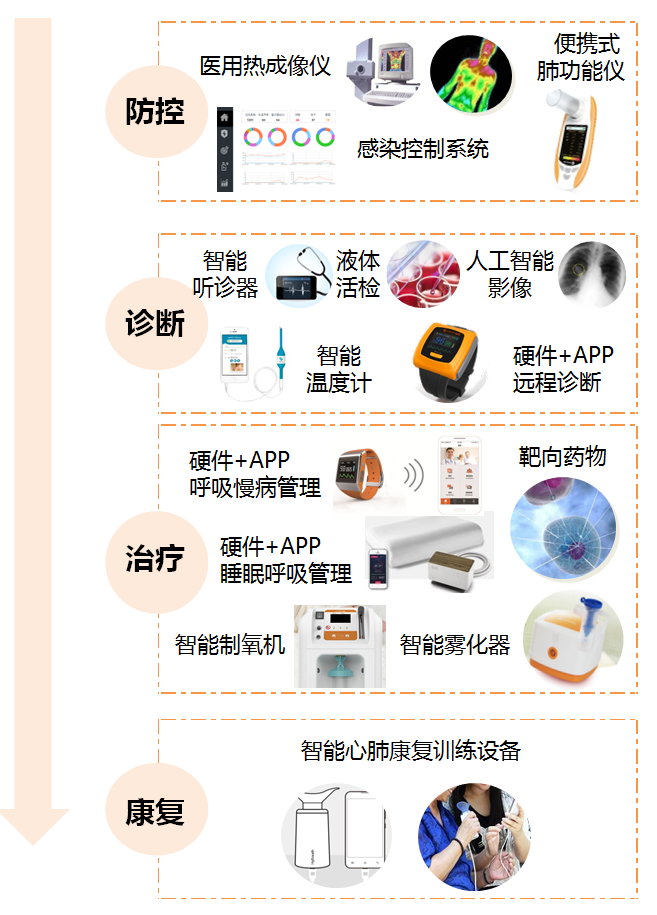
3.1 Disease Prevention and Control
Infrared Thermal Imaging System for Rapid Body Temperature Screening
The highly developed transportation networks in modern society have facilitated the widespread global transmission of epidemics. Since the outbreak of SARS in 2003, infrared thermal imaging systems for rapid temperature screening have been extensively deployed in high-traffic areas such as airports, railway stations, ports, border checkpoints, hospitals, and shopping malls to enable rapid disease screening.
For diseases transmitted via the respiratory tract, most patients present with fever. In the wake of outbreaks such as SARS, avian influenza, and MERS, infrared thermal imaging systems for rapid temperature screening have been widely deployed to enhance ports’ capacity to screen large volumes of inbound travelers for infectious diseases.
Remote Temperature Monitoring and Early Warning
In wards for highly contagious diseases, remote temperature monitoring is implemented for confirmed patients to protect healthcare workers. Meanwhile, remote monitoring can also be applied to contacts of infectious disease cases and suspected cases in isolation areas, thereby reducing contact between healthcare personnel and patients and lowering the risk of transmission.
In-Hospital Informatics Management of Infectious Diseases
Centralized in-hospital epidemic management through information technology, integrating with the Hospital Information System (HIS) and Electronic Medical Record (EMR) system to provide epidemic early warning capabilities and assist physicians in determining whether infectious diseases or foodborne illnesses require reporting.
Nosocomial Infection Control
The occurrence of healthcare-associated infections (HAIs) can severely compromise patient prognosis, exacerbate patient suffering, and increase the workload of healthcare personnel; in severe cases, it can lead to patient mortality. The hospital infection control market primarily consists of two segments: one is infection control consumables and equipment, and the other is infection control software. The manufacturing sector for hospital infection control consumables and equipment is relatively traditional, whereas infection control software represents a highly innovative, information technology-driven auxiliary management tool.
Early warning and intervention serve as the entry point for healthcare IT companies into the hospital infection control market. The first aspect is early warning, where software continuously collects patient diagnostic and treatment data to build predictive models, thereby enabling earlier identification of high-risk factors and sensitive indicators for hospital-acquired infections. The second aspect is intervention, which is achieved through a mobile infection control app that facilitates timely communication and collaboration between infection control professionals and clinicians, thus enabling effective intervention.
Additionally, hospital infection control also addresses the issue of antimicrobial misuse. By leveraging information technology to monitor the use of antimicrobial agents and bacterial culture results, hospitals can achieve effective prevention and control of multidrug-resistant organisms.
3.2 Diagnosis
Respiratory diseases are predominantly common and frequently occurring conditions, with upper respiratory tract infections (URTIs) accounting for the largest proportion. Diagnostic approaches remain highly conventional, typically involving physical examinations—including auscultation—as well as complete blood count (CBC) tests and pathogen detection. Given the simplicity of diagnostic methods, the traditional nature of treatment regimens, and the rapid recovery rates, there has been little emergence of innovative diagnostic and therapeutic technologies specifically targeting URTIs.
Other respiratory diseases, such as pneumonia, asthma, chronic obstructive pulmonary disease (COPD), and lung cancer, have a wider array of diagnostic modalities, including imaging studies, pulmonary function tests, blood gas analysis, and pathological examinations. Consequently, there is a continuous emergence of new technologies in the diagnostic testing fields associated with these conditions.
Blood Test
Hematology analyzers are essential diagnostic equipment in hospitals, primarily used for complete blood count (CBC) tests to assess bacterial infections based on white blood cell counts. Current technological advancements mainly involve changes in measurement methods, such as the adoption of microfluidics and the integration of artificial intelligence. However, in the specific area of blood testing, particularly CBCs, the high penetration of traditional devices—which deliver results rapidly and accurately—makes it extremely difficult for new technologies to gain market traction.
Innovative technologies widely applied in blood testing for respiratory diseases are primarily focused on early cancer screening. By measuring circulating tumor DNA (ctDNA) in the blood, non-invasive early screening can be achieved, or tumor gene sequencing can be performed for patients with known cancers. Therefore, innovative blood testing technologies will be incorporated into the diagnosis of lung cancer within the realm of respiratory diseases.
Auscultation Examination
Auscultation is a critically important diagnostic method for respiratory diseases. The stethoscope used by physicians consists of three components: the sound-collecting part (chest piece), the sound-conducting part (tubing), and the sound-listening part (earpieces). Digital stethoscopes leverage electronic technology to amplify internal body sounds, thereby enhancing the detection capability of acoustic signals. Furthermore, high-end digital stethoscopes offer additional features, such as intuitive data visualization, data storage capabilities, and intelligent auxiliary diagnosis. The integration of smart stethoscopes empowers even laypersons with diagnostic capabilities.
Imaging Examination
For lung-related diseases, including pneumonia, lung cancer, and pulmonary tuberculosis, medical imaging modalities such as X-ray and CT are critical diagnostic tools. Clinicians are increasingly recognizing and relying on imaging as one of the primary examination methods. Imaging findings, as a key component, significantly influence clinical judgment, treatment selection, and management planning. Large-scale diagnostic imaging equipment, integrated with image recognition, artificial intelligence, and big data analytics, can provide more accurate diagnostic reports.
Image recognition is the first field to achieve breakthroughs with artificial intelligence technologies such as deep learning. Lung cancer detection is also the project with the fastest development, the most participating companies, and the highest financing amount in the field of intelligent medical imaging.
Pulmonary Function Test
The diagnosis rate of chronic obstructive pulmonary disease (COPD) in China is low, and a significant proportion of patients with early-stage COPD are not diagnosed in a timely manner. Extensive data indicate that airway inflammation and structural changes are present in the early stages of COPD.
Early diagnosis, early detection, and early treatment are the core of COPD management, while early intervention is key to reducing the disease burden. Similar to hypertension, the early detection of COPD often relies not on the onset of symptoms but on instrumental examinations, specifically pulmonary function testing. Traditional spirometers are bulky; therefore, the "Administrative Measures for the Construction of National Comprehensive Prevention and Control Demonstration Zones for Chronic Diseases" includes simplified pulmonary function testing as part of the prevention and control measures in national chronic disease demonstration zones.
3.3 Treatment
Chronic Disease Management
Chronic diseases such as chronic obstructive pulmonary disease (COPD) and asthma cannot be cured in a short period; they require long-term disease management, monitoring, and treatment. For instance, intelligent software and hardware can be used to track the treatment progress and disease progression of patients with COPD, monitor medication adherence, improve patient compliance, and report relevant data to physicians in real time.
Sleep and Breathing Management
Although sleep apnea can be treated surgically, smart hardware can be used to monitor patients’ sleep patterns before a cure is achieved, gently vibrating to remind them to change their sleeping position.
Targeted Therapy for Lung Cancer
Conventional cancer therapies typically include surgery, radiation therapy, and chemotherapy. With advances in biotechnology, therapeutic agents can now be designed at the cellular and molecular levels to target well-defined oncogenic sites—such as a specific protein molecule within tumor cells or a particular gene segment. These drugs selectively bind to and act upon the oncogenic targets in vivo, inducing specific death of tumor cells while sparing surrounding normal tissues.
3.4 Rehabilitation
Cardiopulmonary rehabilitation training for patients with cardiopulmonary diseases and other long-term bedridden patients can effectively reduce complications, mortality, and disability rates. Rehabilitation equipment and devices integrated with intelligent features can comprehensively assess rehabilitation outcomes and meet clinical application requirements.
IV. Panoramic Scan of 90 Domestic and 87 Overseas Innovative Enterprises
VCBeat·VBInsight has identified 90 innovative companies in the respiratory field in China and 87 overseas.
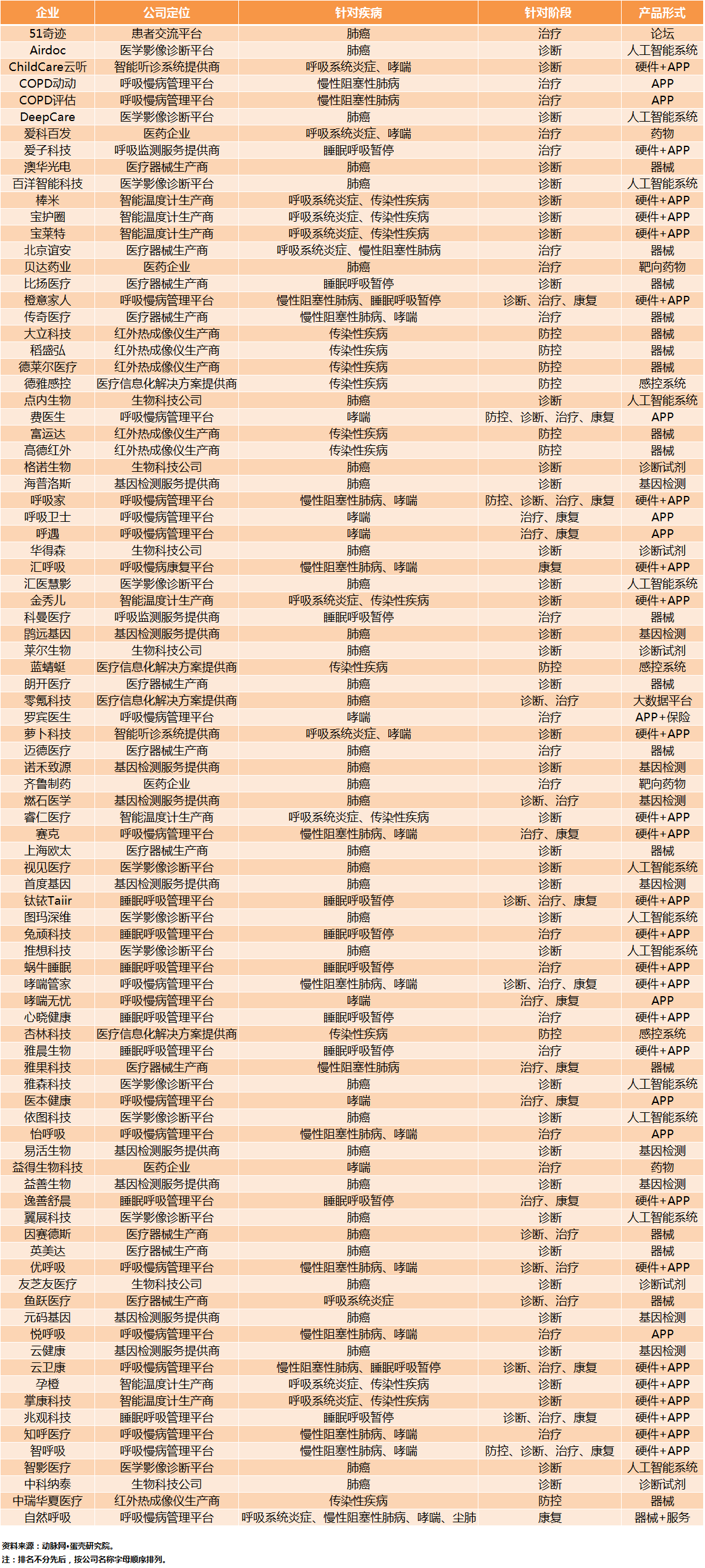
List of Overseas Innovative Companies in the Respiratory Field
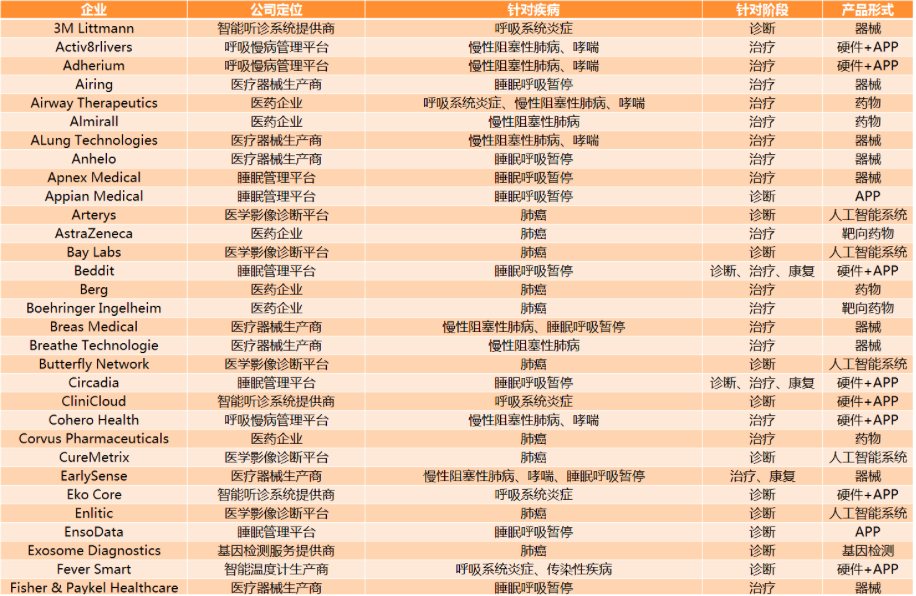
Scan the QR code at the end of the article to join VCBeat Membership and view the complete list of companies.
4.1 Classification by Disease Category
VCBeat · Eggshell Institute has compiled statistics on the number of innovative enterprises in China and overseas, analyzed across two dimensions: targeted disease types and stages of disease progression.
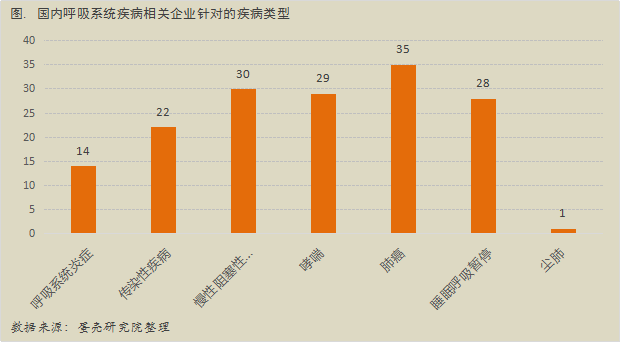
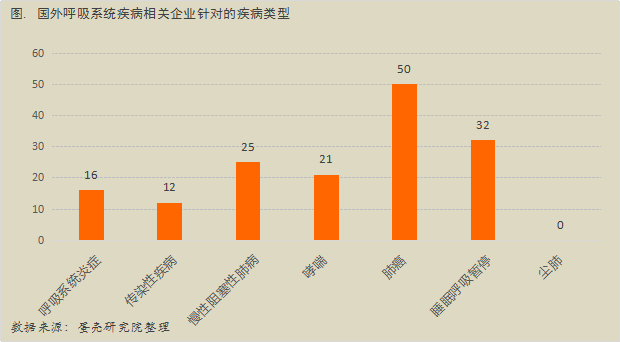
In terms of the types of diseases targeted, the proportion of domestic and overseas enterprises is basically the same. Lung cancer, sleep apnea, and chronic obstructive pulmonary disease are the areas of greatest concern for innovative companies. The market space in these three fields is large, with high prevalence rates, and innovative technologies have significantly improved the diagnosis and treatment levels of these diseases. However, in the field of pneumoconiosis, innovative companies are rare both domestically and internationally.
The distribution of targeted disease types among domestic and overseas enterprises is converging, confirming that respiratory diseases, as a global health issue, do not exhibit variations in disease type based on geographic location.
4.2 Statistics by Disease Stage
In terms of the disease stages targeted, the proportion of domestic and overseas enterprises is roughly similar, yet with some differences.
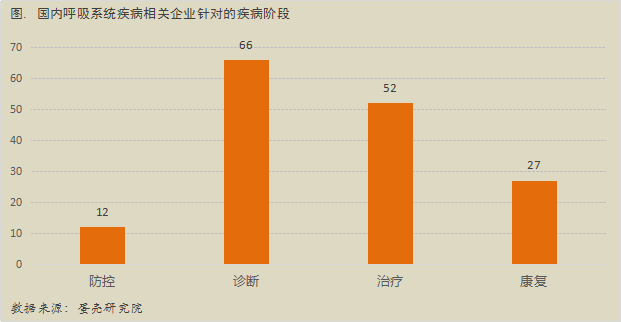
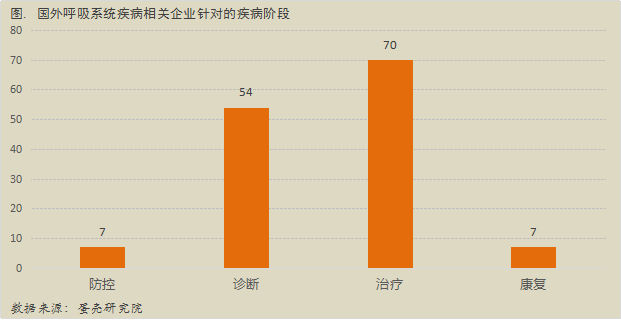
Both domestic and overseas companies focus on disease diagnosis and treatment, but pay relatively less attention to prevention, control, and rehabilitation. The main reason is that technological trends such as mobile internet, wearable devices, and artificial intelligence, which have emerged worldwide in recent years, hold vast application prospects in the areas of disease diagnosis and treatment.
The key difference lies in the fact that Chinese companies are mostly involved in the diagnostic phase, while overseas companies are more engaged in the therapeutic phase. The primary reason for this disparity is that overseas companies still hold an advantage over their Chinese counterparts in scientific research capabilities, particularly in the treatment of diseases such as lung cancer. For instance, several multinational pharmaceutical companies, including Merck & Co., Pfizer, and AstraZeneca, have launched targeted therapies for lung cancer onto the market, whereas very few Chinese enterprises have made similar strides in this field.
4.3 Distribution of Innovative Enterprises Across Sub-sectors


As shown in the table above, innovative enterprises in the respiratory field, both domestically and overseas, are focusing on: early diagnosis of lung cancer, and treatment of three chronic diseases—chronic obstructive pulmonary disease (COPD), asthma, and sleep apnea.
VCBeat · VBInsight analyzed the situation based on innovative enterprises' involvement in various sub-sectors:
① Respiratory System Inflammation
Traditional diagnosis of respiratory system inflammation primarily relies on physician auscultation; however, in the internet era, patients can easily complete the diagnostic process without leaving home. While diagnostic and therapeutic approaches in this field remain relatively conventional, innovative products are emerging.
Smart thermometers are an effective tool for patients to monitor fever, especially products designed for young children, which can quickly measure body temperature and enable continuous recording. Luobo Doctor and Child Yunting are two smart auscultation products in China. Patients can use smart stethoscopes to listen to lung sounds, then upload the audio files to the cloud via an app, and the system provides diagnostic results within minutes. Smart medical devicesThere are many brands, with companies generally being small in scale and weak in promotion and application.
② Infectious Diseases
According to statistics from the World Health Organization, China is one of the 22 countries with a high burden of tuberculosis globally and also one of the 27 countries with a high burden of multidrug-resistant tuberculosis. Currently, the number of new tuberculosis cases in China is approximately1.3 million cases, accounting for 14.3% of the global incidence, ranking second worldwide; one-quarter of the annual new cases of multidrug-resistant tuberculosis (MDR-TB) globally occur in China.
The prevention and control of infectious diseases has always been a challenging issue in the medical field.While few innovative enterprises have emerged in the field of pulmonary tuberculosis, innovative approaches are continuously being developed for the prevention and control of other respiratory infectious diseases. Manufacturers of medical thermal imaging cameras, represented by Dali Technology and Zhongrui Huaxia Medical, can provide more efficient infectious disease screening than traditional methods in high-traffic areas.
Blue Dragonfly primarily provides infection control systems for PC and mobile platforms. It promptly transmits information such as inpatients’ temperature data, pending review of infection cases across departments, and risk alerts to hospital administrators, helping them contain outbreaks and nip infectious diseases in the bud.
Furthermore, smart thermometers have broken through the traditional limitation of requiring hospital visits for physician diagnosis. The smart thermometer produced by the U.S. technology company Kinsa not only enables patients to measure their body temperature but also leverages big data aggregated in the cloud to inform them whether infectious diseases are spreading in their vicinity and what specific symptoms these diseases present, thereby assisting patients in self-diagnosis.
③ Chronic Obstructive Pulmonary Disease and Asthma
According to the "National Survey on Asthma Prevalence and Related Risk Factors" released by the Chinese Asthma Alliance, the prevalence of asthma in China is 1.24%. Globally, there are approximately 300 million asthma patients, with nearly 30 million in China—a figure that has doubled since 2011.COPD is a common disease that poses a significant threat to the health of the Chinese population and has been listed as one of the five key diseases in the Ministry of Health’s 15-Year Disease Prevention and Control Plan (through 2020). In a report, Zhong Nanshan, a leading expert in respiratory medicine in China, stated that there are 30 million asthma patients and approximately 100 million patients with chronic obstructive pulmonary disease (COPD) in China.
Chronic obstructive pulmonary disease (COPD) and asthma are both chronic conditions. Given that chronic diseases are characterized by being difficult to cure, requiring long-term management, and necessitating continuous care, they represent a lucrative opportunity for mobile health. Against the backdrop of the rise of mobile internet, numerous innovative companies have emerged both in China and overseas, adopting a “hardware + app” model to help patients manage COPD and asthma. Typical examples include Breathing Home, Chengyi Jiaren, Propeller Health, and ResAPP.
Huxijia, which claims to “serve 30 million asthma patients and 70 million COPD patients,” has built a chronic respiratory disease management platform that provides end-to-end involvement from detection to follow-up. Its hardware offering is a portable lung health monitor capable of assessing patients’ respiratory quality. These respiratory data are uploaded to the cloud, and patients receive alert notifications if abnormalities are detected. Meanwhile, it has also launched a physician-facing app, enabling doctors to review patients’ respiratory data at any time and provide online disease management guidance.
Founded in 2014, Orange Family has launched a range of smart devices for chronic respiratory diseases. Compared with traditional medical devices, its products feature internet connectivity, enabling remote data transmission and collection, and are designed to be compact and portable. They have already been deployed in multiple hospitals.
Propeller Health, a U.S.-based telemedicine company, has developed a sensor that attaches to the top of COPD medication inhalers. This device records medication usage in patients with chronic obstructive pulmonary disease (COPD) and provides feedback based on their specific symptoms, thereby enhancing their awareness of disease management. Additionally, patients can share the relevant data with their physicians, facilitating the development of personalized treatment plans.
ResAPP is an Australian startup that has launched a relatively simple disease management program. Patients use their smartphone microphones to record breathing sounds, then upload this information to the cloud, where AI-driven algorithms analyze the data to diagnose the patient.
④ Lung Cancer
According to statistics from the China Health and Service Yearbook 2016, the mortality rate of lung cancer in China increased by 435% over the past 30 years, making it the cancer with the fastest-growing mortality rate. In 2015, the lung cancer mortality rate reached 49.4 per 100,000 people, becoming the malignant tumor with the highest mortality rate in China, more than double that of liver cancer, which ranked second.
Three Key Innovations in Lung Cancer: Liquid Biopsy, AI-Based Imaging Diagnosis, and Targeted Therapies
Biotechnology companies such as Grail and Burning Rock Biotech conduct cancer screening by measuring circulating cell-free DNA in the blood. This approach not only spares patients the pain associated with surgical and needle biopsies used in traditional cancer screening but also enables the design of more targeted therapies based on individual patient profiles.
Applying artificial intelligence to medical imaging has become a popular direction for startups,Compared with traditional imaging diagnostic methods, artificial intelligence is not subject to subjective interference, offers faster screening speeds, and evidence suggests that its screening accuracy surpasses that of human physicians.
Abroad, a number of star companies applying artificial intelligence to medical imaging have already emerged, such as Enlitic, Butterfly Network, VisExcell, and Voxel Cloud. There are also many related enterprises in China. The services provided by these companies are largely similar: they leverage machine learning techniques from artificial intelligence to analyze vast amounts of medical imaging data, thereby training algorithms capable of rapidly screening for cancer.
With the continuous advancement of medicine, major pharmaceutical companies represented by Merck & Co., AstraZeneca, and Pfizer have successively developed targeted therapies for lung cancer in recent years. Compared with traditional drugs, targeted therapies can accurately identify cancer cells without affecting normal cells during their action, thereby offering a higher safety profile.
⑤ Sleep Apnea
In the field of sleep-disordered breathing, innovative companies primarily focus on two stages: diagnosis and treatment. Most of them monitor patients’ sleep patterns via mobile applications and, upon detecting a hazardous condition, utilize smart hardware to adjust the patient’s sleeping position, thereby preventing prolonged episodes of apnea.
Tuwan Technology has launched the “Hulu Rabbit App + Anti-Snoring Pillow” bundle to intervene in patients’ poor sleep.
The Hulutue App can record information such as the patient's sleep duration, snoring duration, snoring decibels, and snoring frequency, allowing patients to have a clear overview of their snoring patterns and understand their sleep status. When the app detects that the patient is experiencing apnea, the anti-snoring pillow inflates at the position of the patient’s head, gently shifting the head until normal breathing is restored.
Chengyi Jiaren’s inaugural product, the snoring monitoring watch, is a novel portable diagnostic device developed specifically for obstructive sleep apnea syndrome (OSAS). By monitoring patients’ blood oxygen levels during sleep, it generates continuous oximetry indices to form monitoring reports, thereby extending its scope from respiratory disorders to chronic disease management. Compared with traditional medical devices, Chengyi Jiaren’s products feature internet connectivity, enabling remote data transmission and collection.
The products of the Dutch company NightBalance and Tuwan Technology are similar. Patients wear a sensor attached to their chest while sleeping; when it detects that the patient is in a hazardous position, it gently vibrates to prompt them to change their sleeping posture, thereby improving sleep quality.
⑥ Pneumoconiosis
Pneumoconiosis is typically caused by long-term occupational exposure. Currently, in most cases, patients can only avoid inhaling dust through protective measures such as wearing masks. There is a lack of relevant innovative cases in this field among both domestic and overseas enterprises.
4.4 Statistics on Financing Amounts
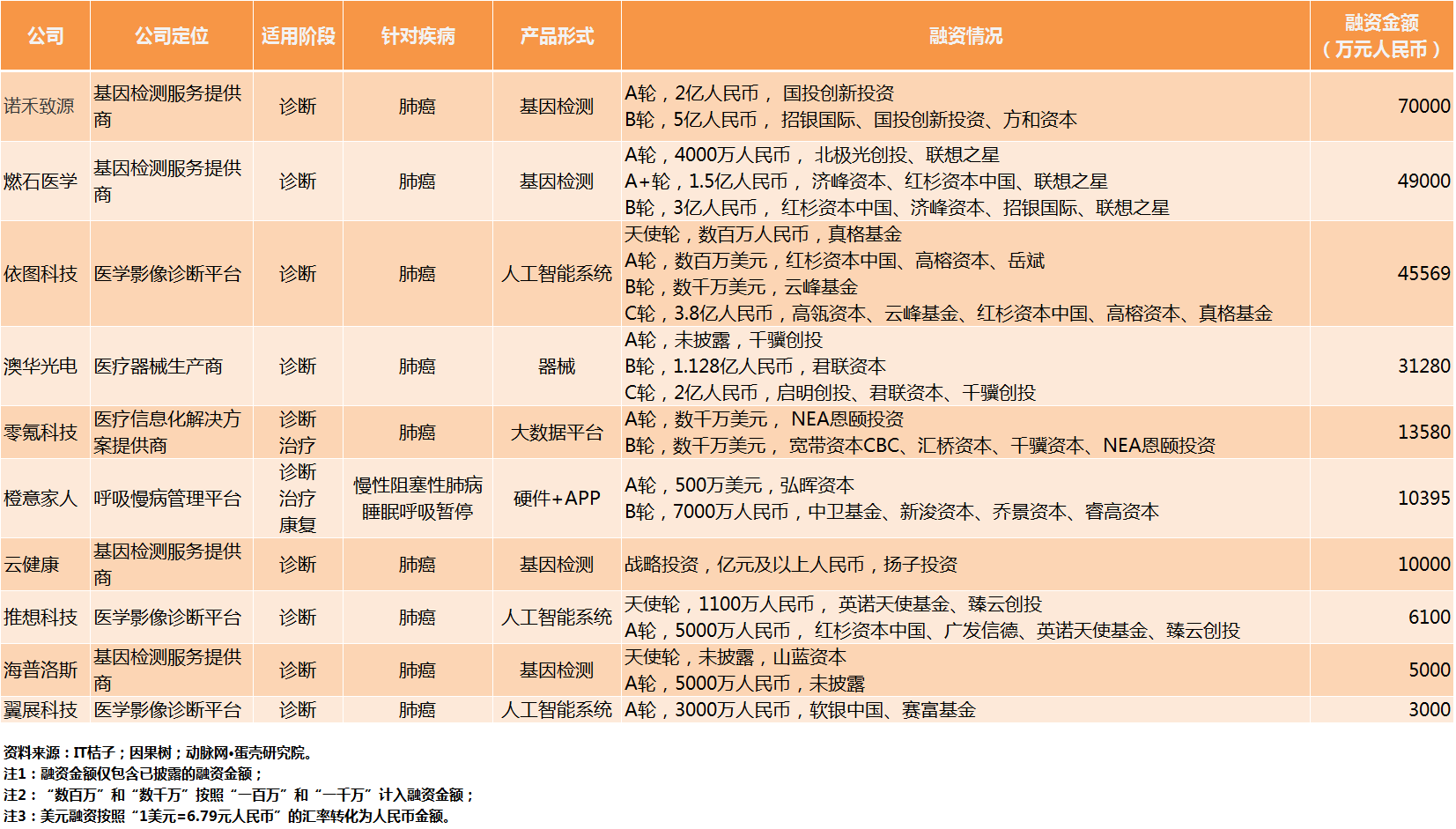
Among the 86 innovative enterprises in China, 27 have publicly disclosed their financing amounts. The total financing amounted to approximately RMB 1.875 billion. The top five enterprises by financing amount raised a combined total of approximately RMB 1.498 billion, accounting for 80% of the total financing across all enterprises. The top ten enterprises by financing amount (with Bangmi and Zhaoguan Technology having publicly disclosed their financ-With identical funding amounts (thus totaling 11 companies in the top ten), these firms secured approximately RMB 1.749 billion in financing, accounting for 93% of the total funding across all enterprises. Among them, seven companies are focused on lung cancer-related solutions, including genetic testing services and medical imaging diagnostic platforms.
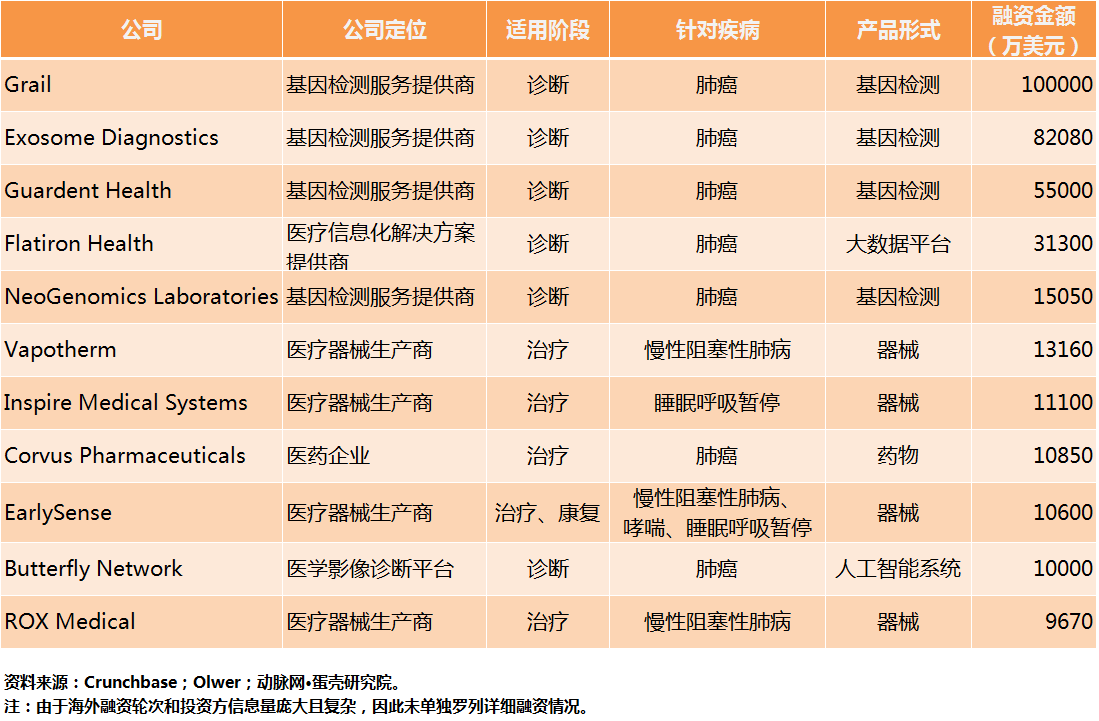
Among the 87 overseas innovative enterprises, 39 publicly disclosed their financing amounts. The total financing amounted to approximately $4.135 billion. The top five enterprises by financing amount raised a combined total of approximately $2.834 billion, accounting for 69% of the total financing across all enterprises. The top ten enterprises by financing amount raised a combined total of approximately $3.391 billion, representing 82% of the total financing across all enterprises.
In terms of financing amounts, capital has primarily flowed into the field of lung cancer diagnosis. This trend is driven, on one hand, by the rise of artificial intelligence, which has made the application of technologies such as machine learning to medical imaging diagnosis an inevitable development. On the other hand, advancements in medicine, particularly technological breakthroughs and cost reductions in genetic testing, are expected to unlock a larger market.
4.5 Financing Round Statistics
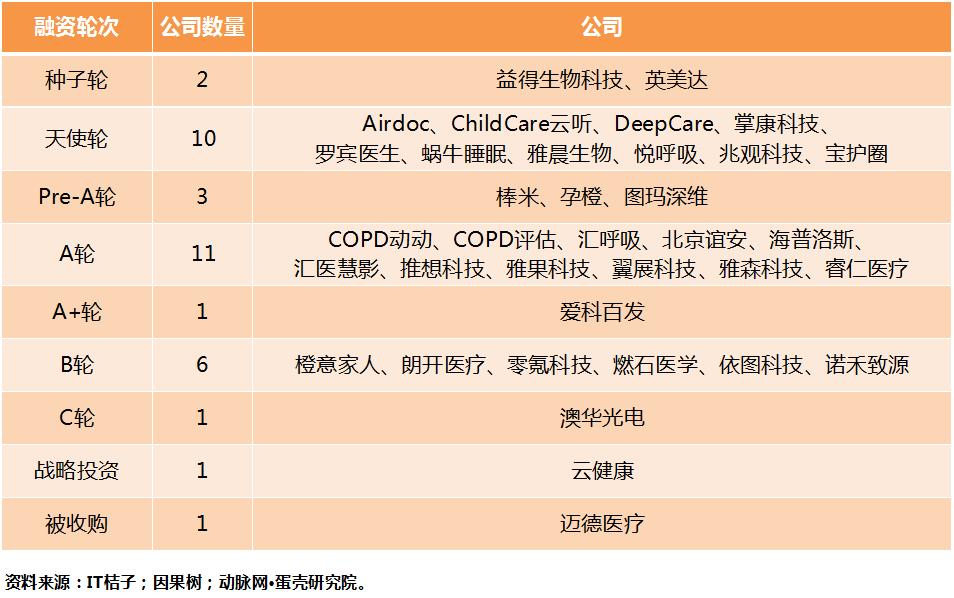
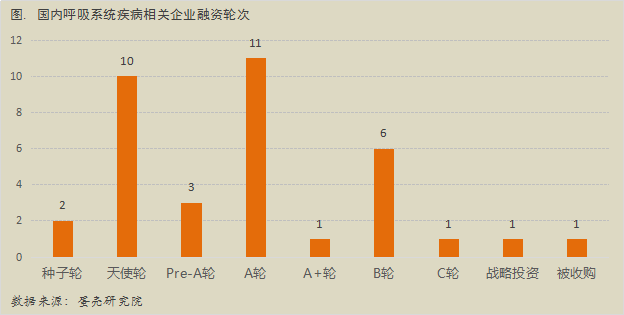
Among the 86 domestic companies, 34 have disclosed financing information. To date, the most recent funding rounds for the majority of these companies are concentrated in the angel and Series A stages.
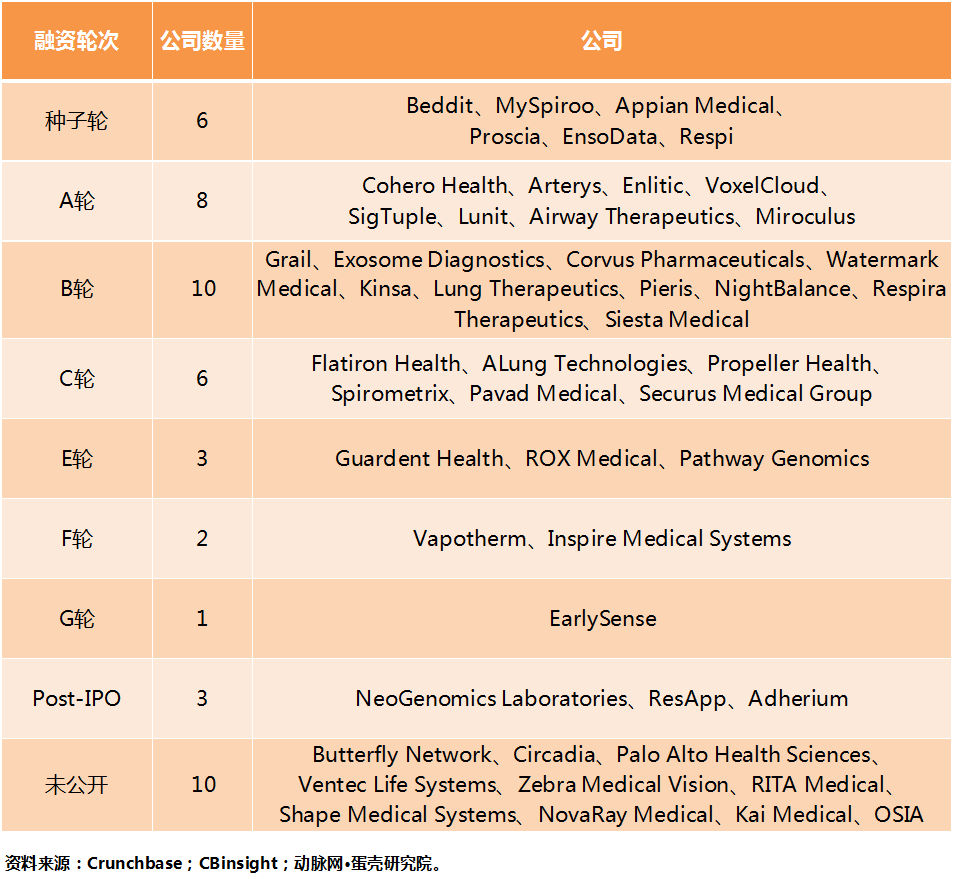
Among the 87 overseas companies, 49 have disclosed financing information. To date, the most recent funding rounds for the majority of these companies are concentrated in the Seed, Series A, Series B, and Series C stages; however, 10 companies have not publicly disclosed their specific funding rounds.
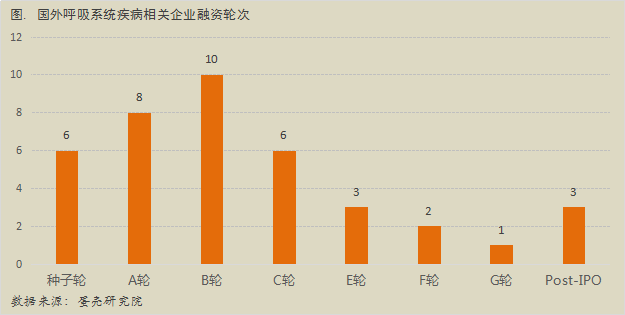
Innovative enterprises in China and overseas are generally at earlier investment stages, with blood testing companies and AI-based medical imaging companies dominating the landscape. As previously mentioned, technological maturity is one of the reasons for the rapid growth of blood testing and AI-based medical imaging companies. Another reason is that, compared to other innovative enterprises such as those in mobile health, blood testing and AI-based medical imaging companies can offer clearer profit models.
Reference: *Respiratory Diseases*, edited by Zhang Xiang and Xing Chunyan
Disclaimer:
The information contained in this report is derived from publicly available sources and interviews. VCBeat makes no representations or warranties, express or implied, regarding the accuracy, completeness, or reliability of such information. The data, opinions, and projections presented herein reflect only the judgments of VCBeat as of the date of publication of this report; past performance should not be regarded as an indicator of future results. VCBeat may issue other reports with information, opinions, or projections inconsistent with those contained in this report at different times. VCBeat does not guarantee that the information contained in this report will remain current. Furthermore, VCBeat reserves the right to modify the information contained in this report without prior notice, and investors should independently monitor any relevant updates or modifications.
If the actual information of your company does not match the information included in the form, or if your company is not listed in the VCBeat company directory, please feel free to contact us. Our WeChat ID is q19930797.
Copyright Notice:
This document is copyrighted by VCBeat/Beijing Danhuang Technology Co., Ltd. Unauthorized use is prohibited, and Danhuang Technology reserves the right to pursue legal liability.
Author:
Liu Zongyu, Analyst at VCBeat
Zhao Pucheng, Assistant Analyst, VCBeat · Eggshell Research Institute
Consultant:
Jiang Tianjiao
Currently serves as a Director in the Industrial Finance Department of Founder Securities and Head of Mergers and Acquisitions for Healthcare Industry Investments. Previously served as Vice President of Guahao.com and Senior Analyst covering the Internet and Healthcare sectors at Founder Securities Research Institute. Ranked first in the “New Fortune” Best Analyst Awards and first in the “Crystal Ball” Best Analyst Awards.
In addition, he serves as a Special Researcher at the National Internet Institute, a Special Researcher at the Institute of Public Policy of the Chinese Academy of Social Sciences, and a Special Researcher at the School of Social Sciences of Tsinghua University. He is also a Contributing Writer and Lecturer for Pharmaceutical Manager magazine. He has co-authored the books Internet Transformation: Decoding the Chinese Management Model (published) and Internet + Healthcare (published by CITIC Press).
This report on respiratory health, closely intertwined with our daily lives, establishes a new industrial framework from the dual perspectives of policy and market. From national-level support to market-driven capital investment, and further to the research, development, and application of innovative technologies, these elements will become the core driving forces in the four key subsectors of prevention, diagnosis, treatment, and rehabilitation within the respiratory field.
Scan the QR code below to become an official VCBeat member and gain access to the full version.《2017 Research Report on Companies Related to Respiratory Diseases》. Moreover, in the coming year, you will have unrestricted access to the completeIndustry Trends Report, timely grasp the latest globalInvestment and Financing Information, boasting a comprehensiveHealthcare Enterprise Database, andMassive Resource Integration。

Scan the code to become a VCBeat member,
Beta Version Trial Price: 365 yuan/year.