

Pilot Programs for E-Prescriptions Expand Across China, Unveiling a Billion-Dollar Market Opportunity
Recently, the Xi’an Food and Drug Administration released a pilot program to promote electronic prescription services in retail enterprises, sparking ongoing industry discussion on e-prescriptions. This interest stems from the potential shift in the pharmaceutical retail market landscape driven by prescription outflow associated with the e-prescription pilot. As electronic prescriptions are directly linked to prescription outflow, the relaxation of e-prescription pilots is likely to lead to a simultaneous surge in the volume of prescriptions flowing out of hospitals.
Following the pilot programs launched by the Xi’an Food and Drug Administration, other provincial regulators, including those in Sichuan and Guangdong, also introduced related pilot policies. Electronic prescriptions have become a bellwether for the outflow of prescriptions from hospitals.
There Are Already Multiple Examples of E-Prescription Applications
Beyond policy-driven initiatives, there are already precedents for the circulation of electronic prescriptions between internet healthcare platforms and pharmaceutical retail enterprises.
As early as October 2014, China’s first internet hospital—the Guangdong Provincial Internet Hospital—was launched. It primarily leveraged a telemedicine platform built by a third-party developer (Youdeyi) to enable patients to consult with online doctors via video terminals installed at internet consultation points in chain pharmacies. Subsequently, prescriptions issued by the online physicians were printed out, allowing patients to purchase medications at the pharmacy using these prescriptions.
In October 2015, Wang Jian’an, President of the Second Affiliated Hospital of Zhejiang University School of Medicine, issued the “first electronic prescription” through the Wuzhen Internet Hospital. The specific operational procedure involved scheduling an appointment with a physician via the Wuzhen Internet Hospital, undergoing a video consultation, and receiving an electronic prescription. The prescription was then reviewed by Sinopharm, and upon completion of the review, it was fulfilled through offline delivery.
In January 2016, Wuhan Central Hospital partnered with Alibaba Health’s Online Hospital. After patients scheduled consultations through Alibaba Health’s Online Hospital, electronic prescriptions were issued and fulfilled via distribution by Jointown Pharmaceutical Group.
On March 20, 2016, Shanghai Skin Disease Hospital issued an electronic prescription via the Pifubao APP medical platform for a patient in Jiangsu Province. Meanwhile, Shanghai Skin Disease Hospital will sign an agreement with Shanghai Pharmaceuticals Logistics Co., Ltd., a subsidiary of Shanghai Pharmaceuticals Holding, to handle the delivery of medications prescribed through its electronic prescriptions.
During the same period, the Zibo Municipal People’s Government of Shandong Province, JD.com Group, and Xinhua Pharmaceutical signed a tripartite cooperation agreement. Under this agreement, JD.com will build the “Zibo Medical Prescription Circulation Information Platform” for the Zibo Municipal Health and Family Planning Commission. Public pilot hospitals in Zibo will submit prescriptions to the circulation platform, enabling patients to conveniently purchase medications from Xinhua Grand Pharmacy using electronic prescriptions.
In March last year, WeDoctor leveraged the resources of Wuzhen Internet Hospital to launch its “Pharmacy-Clinic” initiative, which involves installing remote consultation equipment and related interfaces in pharmacies. Through this system, patients can conduct online consultations and obtain electronic prescriptions, allowing them to pick up medications directly at the pharmacy. According to data provided by the Pharmacy-Clinic project, as of June this year, the service had been deployed in 18,000 pharmacies, with an average of 36,000 daily consultations and a cumulative total of over 4 million patient visits.
In May this year, Tencent, Liuzhou Workers' Hospital, and Guangxi Liuzhou Pharmaceutical Co., Ltd. reached a cooperation agreement. Liuzhou Workers' Hospital launched the "Outpatient Prescription Circulation" service, allowing patients to purchase medications outside the hospital by accepting electronic prescriptions issued by doctors through the WeChat official account. The system initially covers eight pharmacies under the Liuzhou Pharmaceutical Group. In the future, after receiving treatment at the hospital, patients can freely choose to pick up their medications either within the hospital or at designated pharmacies outside the hospital.
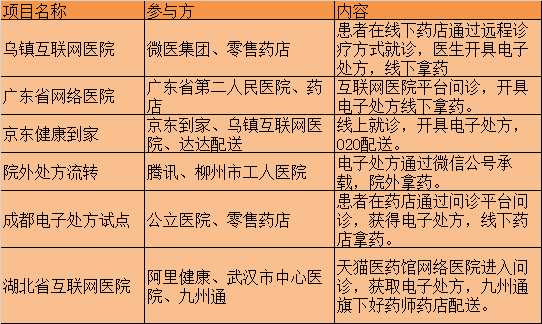
Table 1: Existing Cases of Electronic Prescription Pilots
Multiple Regions Issue Pilot Policies
In May this year, the Xi’an Food and Drug Administration issued the “Work Plan for the Implementation of Electronic Prescription Services by Retail Pharmaceutical Enterprises (Trial),” intending to launch in the cityPharmaceutical retail chain enterprises and qualified standalone retail pharmaciesPromote electronic prescription services.
Under this scheme, enterprises conducting pilot programs shall obtain in Xi’an CityOne License, Two Certificates(Business License, Drug Operation Permit, and Certification for Compliance with the New Good Supply Practice for Pharmaceutical Products), having achieved a credit rating of “Basic Trustworthiness” or higher in Xi’an’s credit assessment system for drug distributors, and with no major violations of laws or regulations identified during routine regulatory inspections.
Eligible retail pharmaceutical enterprises may, based on their actual circumstances, select those with the requisite network technology and hardware infrastructure.Third-party medical service providers collaborate to establish a platform for remote physician consultations and electronic prescription applications.Remote physicians shall hold practicing physician qualifications and be registered and managed under lawful medical institutions. Electronic prescriptions shall comply with the relevant regulations of the health and family planning authorities, and bear the physician’s electronic signature. Electronic prescriptions issued by remote physicians are equivalent to standard paper prescriptions; they shall be retained at the enterprise’s retail outlets for inspection purposes, with a retention period identical to that of standard paper prescriptions.
The Xi'an Food and Drug Administration also requires that pilot-participating pharmacies be equipped with relevant remote consultation terminals. Meanwhile, each pharmacy’s terminal must be capable of retrieving detailed records of every prescription issuance and review within a specified timeframe. Furthermore, the enterprise-side electronic prescription system must support clear and seamless video communication with licensed physicians."Save consultation audio and video files in the background for post-hoc spot checks."。
After a prescription is issued, the dispensing of prescription drugs shall only proceed after it has been reviewed and approved by a licensed pharmacist, who must sign or affix their seal (including an electronic seal) on the prescription. The medications listed in the prescription shall not be altered or substituted without authorization. Prescriptions containing incompatible drug combinations or excessive dosages shall be refused for dispensing.
On June 13, the Xi’an Food and Drug Administration issued another document providing guidance on the sharing of electronic prescriptions. In this “Opinion on Promoting the Sharing of Electronic Prescriptions for Chronic Disease Follow-up Visits via Internet Hospitals,” the Xi’an FDA once again designated the pilot program for electronic prescriptions to be implemented inFollow-up care for chronic diseases via internet hospitals.
The "Opinions" do not differ from the aforementioned "Plan" in terms of retail enterprise qualifications and process specifications, but provide a more detailed definition of third-party medical service institutions.
The "Opinions" require that third-party medical service institutions hold a "Business License" and a "Medical Institution Practicing License," or possess third-party medical service permits confirmed by health and family planning authorities at various levels through other forms, so as to ensure the quality and safety of remote diagnosis and treatment.
Third-party medical service platforms shall implement practical and effective measures to ensure that medical personnel participating in remote diagnosis and treatment services possess valid professional qualifications and conduct diagnostic and therapeutic activities in accordance with legal procedures. Institutions providing third-party medical services shall bear legal liability for the quality of diagnosis and treatment services rendered on their platforms.
Shared electronic prescriptions must be authentic, valid, and complete; they shall be incorporated into the patient’s electronic medical record and remain accessible for lifelong inquiry by the patient.
Prior to the Xi’an Food and Drug Administration, the Chengdu Food and Drug Administration had already launched a pilot program for electronic prescriptions in retail pharmacies across the city last September. According to data from the Chengdu Food and Drug Administration, the cumulative number of various types of prescriptions exceeded 500,000 by the end of last year.The pilot policy for electronic prescriptions in Xi’an can be basically regarded as a replica of the Chengdu pilot.
One of the operators behind Chengdu’s e-prescription pilot program is “Wei Wenzhen.” Zhou Congjun, the company’s CTO, told VCBeat that Wei Wenzhen has participated in e-prescription pilots in multiple regions, including Sichuan, Hubei, Hunan, and Shaanxi, providing online video consultations and e-prescription services to retail pharmacies.
Weiwenzhen collaborates with local hospitals to operate online outpatient clinics, staffed by dedicated physicians. The platform employs over 2,000 doctors and partners with 15,000 pharmacies, issuing more than 30,000 prescriptions on average per day.
A trillion-yuan value chain is taking shape
The aforementioned models of collaboration between electronic prescriptions and pharmaceutical retail can be broadly categorized into three types: first, electronic prescriptions plus retail pharmacies; second, electronic prescriptions plus pharmaceutical e-commerce; and third, electronic prescriptions plus medication delivery.
Behind e-prescriptions lies the trend of prescription outflow. Against the broader backdrop of healthcare reform, policies such as the separation of prescribing and dispensing, zero markup on drugs, and controls on the drug-to-revenue ratio are being deepened, making the trend of prescription outflow increasingly evident. Stakeholders are gearing up to capitalize on the anticipated market expansion.
Notice on the Key Tasks for Deepening the Reform of the Medical and Healthcare System in 2017 issued by the State Council requires that comprehensive reform of public hospitals be fully rolled out by the end of September 2017, with all public hospitals abolishing drug markups (except for traditional Chinese medicine decoction pieces). In 2017, the proportion of drug costs (excluding traditional Chinese medicine decoction pieces) in public hospitals across the first four batches comprising 200 pilot cities was reduced to approximately 30%.
This will impose significant policy-driven cost pressures on the public healthcare system, which has long relied on “drug markups to subsidize medical services”; therefore, the separation of pharmaceuticals from medical services has become inevitable.
To pave the way for community pharmacies to accommodate the outflow of prescriptions from hospitals, the Office of the State Council Leading Group on Healthcare Reform took the lead and mandated coordinated efforts among medical regulatory authorities, including the Ministry of Commerce, the Ministry of Human Resources and Social Security, the National Health and Family Planning Commission, and the China Food and Drug Administration. These agencies piloted a classified and tiered management system for retail pharmacies, encouraged the development of chain pharmacies, and explored the interconnectivity and real-time sharing of prescription information from medical institutions, health insurance settlement data, and pharmaceutical retail consumption records.
According to IMS statistics, the size of China’s prescription drug market in 2015 was approximately RMB 990 billion, accounting for about 70% of the total pharmaceutical market. In terms of specific distribution channels, since the sale of prescription drugs relies on physicians’ prescriptions and medical orders, a higher proportion of prescription drugs are sold within hospitals. According to IMS, the shares of the three major channels (hospitals, retail pharmacies, and the third terminal) in the 2015 prescription drug market were 77%, 10%, and 13%, respectively.
Amid the widespread adoption of internet healthcare and electronic prescriptions, pharmaceutical retail and prescription drug retail are undergoing rapid transformation. According to relevant studies, within the next five yearsPrescription DrugsOut-of-hospital sales will account for one-third of the total volume, with sales revenue reaching approximately RMB 800 billion. This RMB 800 billion market will be primarily served by retail pharmacies and pharmaceutical e-commerce platforms.
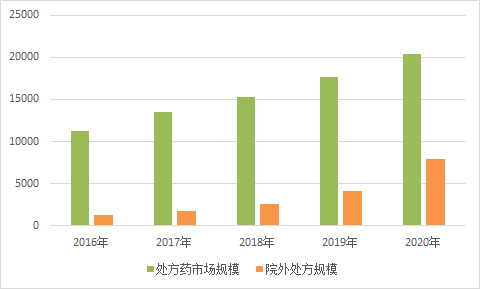
Table 2: Changes in the Prescription Drug Market Landscape
Why Retail Pharmacies? First, retail pharmacies boast strong geographic advantages and high coverage rates, offering the primary convenience factor for reaching consumers. Second, retail pharmacies already provide certain professional pharmaceutical services; empowered by internet healthcare, they are poised to become a supplement to primary care, encroaching on the market share previously held by third-party terminals such as clinics. Third, the scale of pharmaceutical e-commerce and O2O (online-to-offline) services remains relatively small, posing no immediate threat to the dominant position of retail pharmacies in the near term.
As the market landscape shifts, how will various stakeholders respond? First, pharmaceutical companies, as product suppliers, will not face an immediate sense of crisis since the market size continues to grow despite the changing landscape. However, with drug sales channels shifting from being predominantly hospital-based to a significantly expanded retail sector, pharmaceutical companies’ sales models will inevitably adapt accordingly.
For pharmaceutical companies, the traditional market channels were primarily hospital-based, with marketing efforts naturally focused on hospitals. Marketing methods included academic promotion and detailing by medical representatives, aiming to encourage physicians to prescribe more medications while monitoring prescription volumes.
The key difference between internet healthcare and traditional models lies in the uncertainty of its clinical interactions. Prior to the initiation of a consultation, neither the geographic origins of the physicians and patients nor the clinical outcomes can be predetermined, making targeted marketing and promotion particularly challenging. Even if connectivity with internet healthcare platforms is established to monitor electronic prescriptions, the physician population involved is extensive and geographically dispersed, posing a significant challenge to pharmaceutical companies’ existing promotional systems.
Next are retail pharmacies. Currently, electronic prescription pilots are being vigorously implemented across various regions; however, only a small fraction of pharmacies have ventured into this area. Out of the 440,000 pharmacies nationwide, those participating in electronic prescription circulation likely constitute less than a negligible portion. Driven by this trend, the adoption of electronic prescriptions based on internet healthcare is imperative, yet the question remains as to how best to implement them.
Designated areas must be established to house the equipment required for remote consultations, and appropriate personnel must be assigned or trained to assist patients during diagnosis and treatment. Furthermore, partnerships with internet healthcare platforms must be secured to ensure system integration, as retail pharmacies’ acceptance of electronic prescriptions is no simple task.
The emergence of any new sales channel inevitably disrupts existing interest chains. Behind the electronic prescriptions enabled by internet-based healthcare, the outflow of prescriptions has unlocked a hundred-billion-yuan market, giving rise to a new interest chain. Enterprises and individuals within this chain must all cope with the pressures brought about by this new model.