

KPCB's Healthcare Investment Strategy: Led by the 'Queen of Pharma' and the 'Internet Prophetess,' Over 100 Bets and Counting

Kleiner Perkins Caufield & Byers (KPCB) is one of the most prestigious venture capital firms in the world, and together with Sequoia Capital, it is hailed as the “twin stars” of the venture investment industry.
Since its founding in 1972, KPCB has invested in approximately 500 startups, with more than 150 of them successfully going public. Among the many venture capital legends it has written, its early investments in tech giants such as Google, Amazon, and AOL are the most widely recognized.
It seems that everyone has heard of KPCB’s fruitful investment achievements in the TMT sector, but few are aware of its equally impressive track record in the healthcare industry.
The team is jointly led by the “Queen of Pharma” and the “Queen of the Internet.”
From Tom Perkins, hailed as the “Godfather of Silicon Valley Venture Capital,” to John Doerr, who generated $100 billion in wealth for the firm over a decade, KPCB has assembled a roster of some of the most outstanding investors in the United States and around the world.
In the healthcare industry, KPCB has appointed two heavyweight managing partners—Beth Seidenberg and Mary Meeker. The former is the “Queen of Pharma,” who previously served as an executive at multiple multinational pharmaceutical companies, while the latter is the “Queen of the Internet,” having published the Internet Trends Report for 22 consecutive years.

Figure 1: KPCB’s Managing Partner Team
Beth Seidenberg grew up in New York, with both her grandfather and father being physicians. Influenced by their passion and dedication to the medical profession, she chose to major in medicine during her university years.
Beth Seidenberg completed her undergraduate studies at Barnard College and earned her medical degree from the University of Miami School of Medicine. After graduation, she underwent continuing medical education training for healthcare professionals at Johns Hopkins School of Medicine, George Washington University, and the National Institutes of Health.
In the 1980s United States, HIV was rampant. Beth Seidenberg’s experiences in medical school and at the National Institutes of Health exposed her to countless patients who suffered and died due to the lack of effective treatments. Consequently, she dedicated herself to researching therapeutic regimens for AIDS.
Her efforts have consistently yielded rewards. Recognizing her exceptional talent, pharmaceutical giants Merck and Bristol-Myers Squibb successively invited Beth Seidenberg to lead their drug research and development initiatives. Under her leadership, the two companies jointly developed 10 innovative drugs, which have been marketed in more than 40 countries worldwide. At this point, Amgen, a renowned U.S.-based pharmaceutical company, also took notice of her outstanding achievements in the pharmaceutical sector and appointed her as Senior Vice President.
In 2005, Beth Seidenberg left the pharmaceutical industry and joined KPCB. She was primarily responsible for investments in the medical technology sector and also served as a board member for several portfolio companies.

Figure 2: “Pharma Queen” Beth Seidenberg
Mary Meeker is widely known as the “Queen of the Internet.” A graduate of a prestigious university, she has nearly 30 years of experience on Wall Street.
She earned her undergraduate degree in Psychology from DePauw University and was subsequently admitted to the MBA program at Cornell University, an Ivy League institution.
Merrill Lynch was the first stop in Mary Meeker’s career, where she worked as a stockbroker. Four years later, she moved to competitor Salomon Brothers, where she was responsible for industry analysis of the technology sector. Morgan Stanley was the third investment bank where Mary Meeker worked; however, unlike her previous two relatively brief tenures, she spent nearly 20 years at “Morgan Stanley,” leaving with the title of Managing Director. It was during this period that she published the Internet Trends Report, which attracted global attention.
In 2010, Mary Meeker left Wall Street to join KPCB. Currently, she is primarily responsible for the firm’s fund focused on investing in technology companies, as well as investments in the digital health sector.

Figure 3: “Internet Queen” Mary Meeker
Over 100 investments made, with a relatively conservative investment style
VCBeat • Eggshell Research Institute collected a total of 110 investment records by KPCB in healthcare companies from public sources. Among these 110 investments, the number of companies was 41, with most receiving multiple rounds of funding from KPCB.
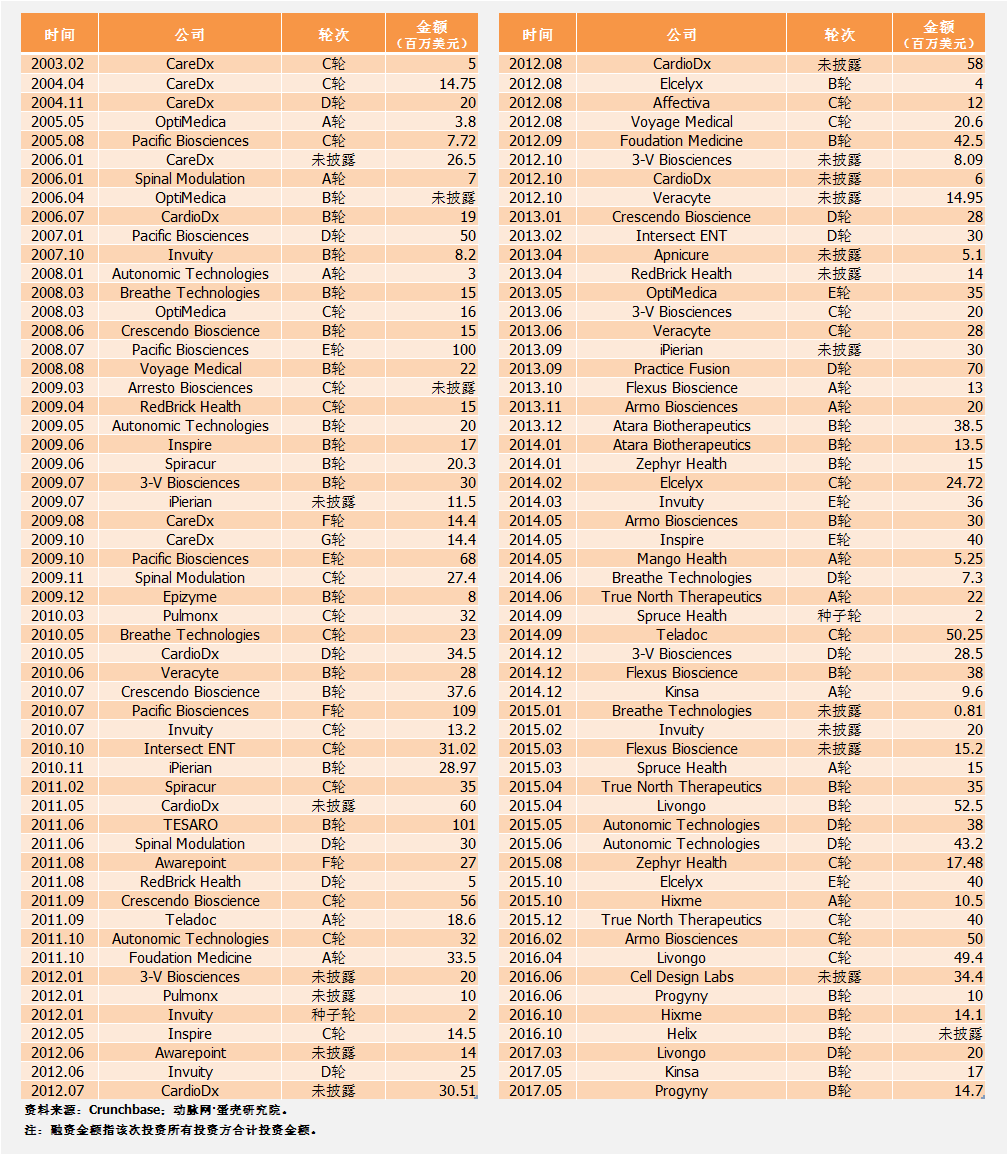
Figure 4: KPCB Investment Record Statistics Table
We categorized and analyzed 110 investment records based on the round of investment:
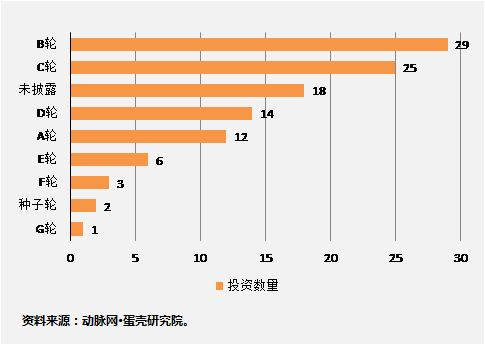
Figure 5: Number of Investments by KPCB Across Funding Rounds
We observed that KPCB made the most investments in Series B and C rounds, accounting for nearly 50% of the total number of investments.
According to the product life cycle theory, a new product goes through four stages from its market entry to eventual obsolescence: introduction, growth, maturity, and decline. Venture capital firms should undoubtedly inject capital into companies during the introduction and growth stages, and reap returns during the maturity stage. Therefore, KPCB’s significant reduction in investment volume from Series E onward aligns with industry characteristics.
However, from the seed round to Series D, KPCB invested most heavily in Series B, C, and D rounds, with relatively less investment in seed and Series A rounds, reflecting KPCB’s comparatively conservative investment style.
Generally, companies at the seed and Series A stages already have relatively clear business plans, but their products are not yet fully developed; investors primarily invest based on their recognition of the founding team and the entrepreneurial vision. After Series B, most companies gradually become operational and start focusing on specific operational issues such as how to achieve sustainable profitability.
Investing too late yields limited returns, while investing too early carries enormous risks. KPCB appears to aim for mastery in balancing these extremes; by predominantly entering at the Series B and C funding rounds, it adopts a prudent investment strategy.
Resource-Oriented Investment Logic
We categorized the 41 companies invested in by KPCB into five major categories: pharmaceutical companies, medical device companies, biotechnology companies, digital health companies, and healthcare service providers.
Pharmaceutical Company
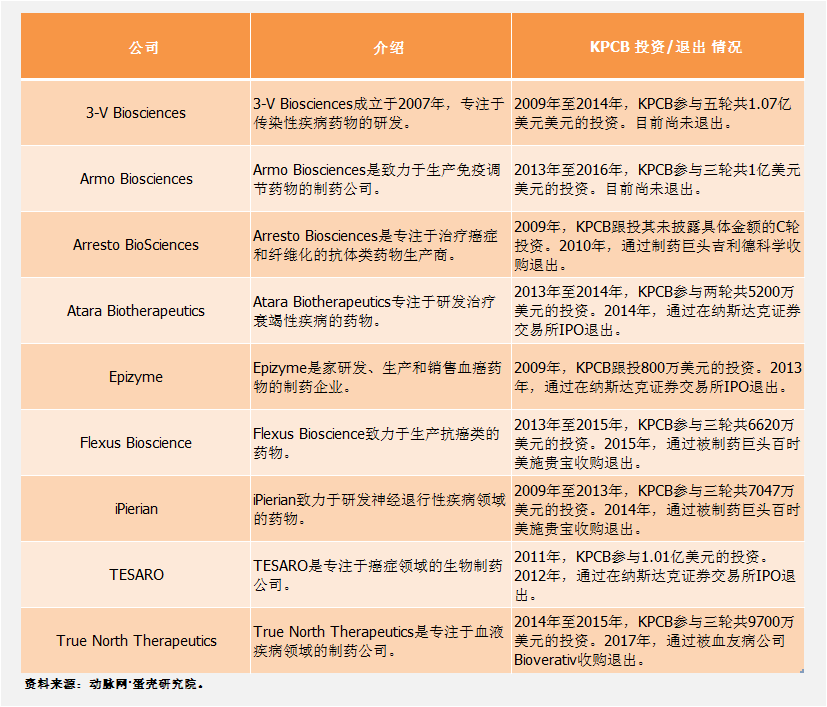
Figure 6: Statistical Table of KPCB's Investments in the Pharmaceutical Sector
KPCB’s investments in the pharmaceutical sector have yielded substantial returns. Of its nine portfolio companies, three have listed on the NASDAQ Stock Exchange, four have been acquired by other pharmaceutical firms, and only two remain pending transaction closure.
Two points are worth noting: First, both Flexus Bioscience and iPierian were acquired by Bristol-Myers Squibb. According to data from the business intelligence platform Crunchbase, all investments in these two companies were overseen by Beth Seidenberg, who previously served as Head of R&D at Bristol-Myers Squibb. Second, among the seven exited portfolio companies, nearly all were dedicated to oncology drug development, with the remaining two being non-oncology pharmaceutical firms. This demonstrates KPCB’s strong expertise in oncology therapeutics, as reflected in its successful investment track record.
Medical Device Company
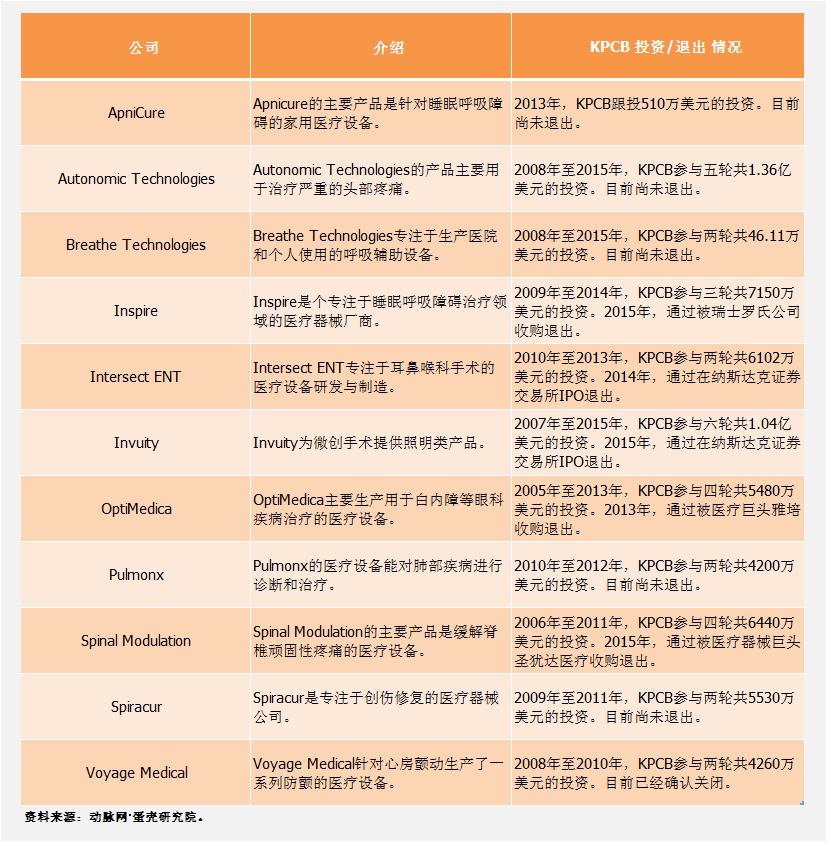
Figure 7: Statistical Table of KPCB’s Investments in the Medical Device Sector
The medical device industry is highly segmented, and KPCB’s investments in this sector are also quite dispersed. Nevertheless, the table above clearly shows that the companies it has invested in generally target B-end medical institutions as their primary market.
As of now, KPCB has invested in a total of 11 medical device companies. Two have gone public, three have been acquired by healthcare giants Roche, Abbott, and St. Jude Medical, one has shut down, and five have not yet exited.
Biotechnology Company
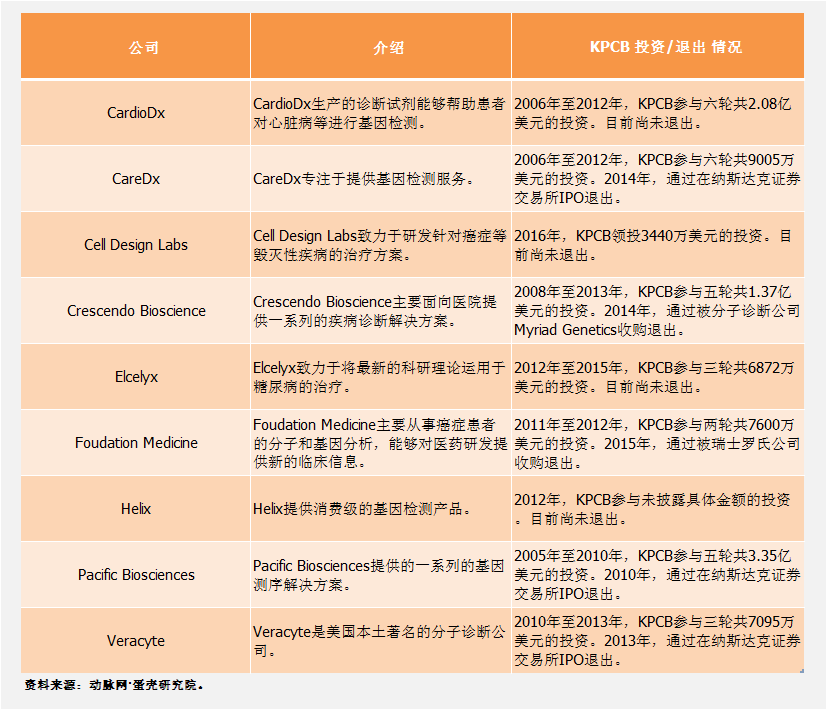
Figure 8: Statistical Table of KPCB's Investments in the Biotechnology Sector
Biotechnology is the third-largest focus area within KPCB’s healthcare technology investment portfolio. Among the nine biotech companies it invested in, three have completed initial public offerings (IPOs), making it the sector with the highest number of exits via IPO across all of KPCB’s healthcare investment segments. Additionally, two companies were acquired by other firms, while four remain yet to exit.
Digital Health Company
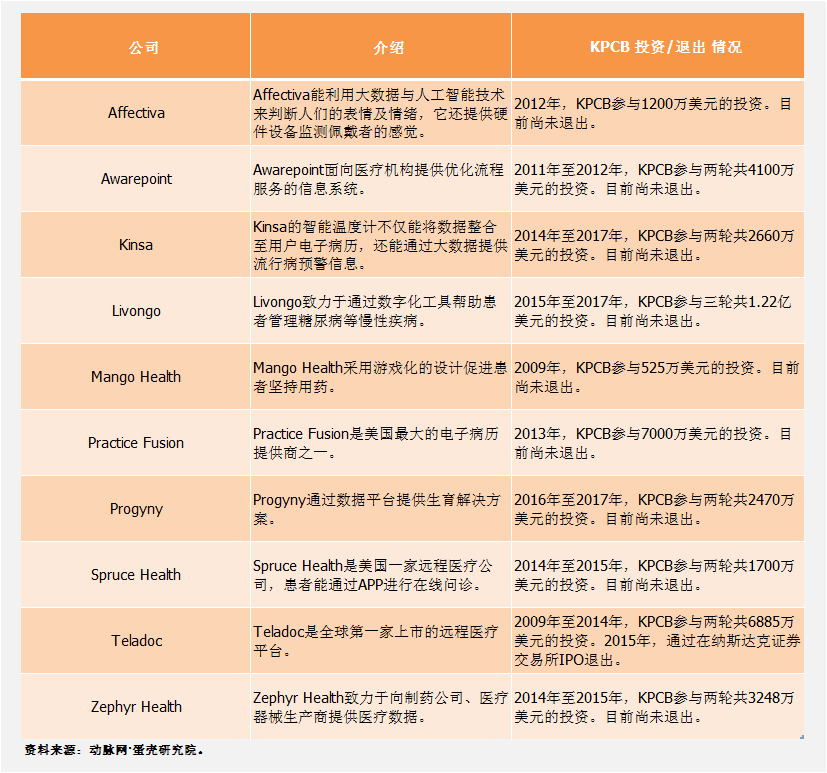
Figure 9: Statistical Table of KPCB's Investments in the Digital Health Sector
Compared to its investments in the medical technology sector, KPCB’s foray into digital health started later, with investment activity increasing significantly around 2014. This shift was driven partly by the rise of mobile internet, which enabled effective solutions to many pain points in traditional healthcare, and partly by the addition of “Internet Queen” Mary Meeker, who helped propel the diversification of its investment strategy.
KPCB’s most notable achievement in the digital health sector was its investment in Teladoc, which later became the world’s first publicly traded telemedicine company. However, overall, its current investment performance in this field has been less than ideal, with many projects still awaiting the test of time.
Medical Services Company
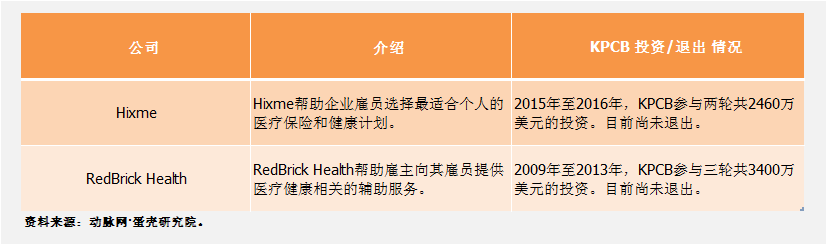
Figure 10: Statistical Table of KPCB's Investments in the Healthcare Services Sector
KPCB has invested in Hixme and RedBrick Health within the healthcare services sector. Both companies target employers as their primary clients, helping them reduce costs by providing health and medical services to employees. Compared with business models that deliver medical services directly to individuals, these B2B-focused startups enjoy advantages in both cost control and revenue streams. This demonstrates that a highly viable profitability model is a key consideration for KPCB when selecting investment targets in this category.
Avoid Short-Term Trading, Focus on Value Investing
We have compiled the following statistics on the number of financing rounds received from KPCB by the 41 companies in our investment portfolio:
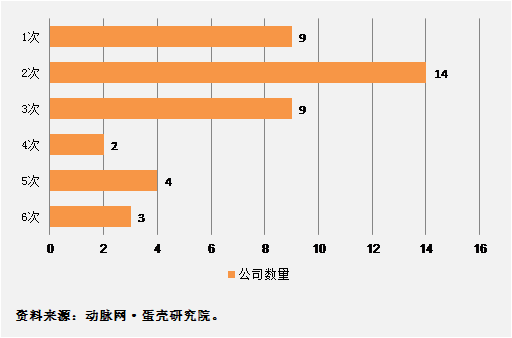
Figure 11: Statistics on the Number of Investments by KPCB in 41 Companies
As shown in the figure above, approximately 80% of the companies received two or more rounds of investment from KPCB, with three companies receiving as many as six rounds of funding.
It is evident that KPCB does not invest in companies with the aim of “short-term trading and quick profits,” but rather accompanies their growth by injecting capital at various stages of their development.
Implications for Domestic Investors
By reviewing KPCB’s investment activities in the healthcare sector, we believe that two key factors have driven its substantial investment returns:
1) Managing Partners with Extensive Industry Experience
"Drawing lessons from history allows one to understand the rise and fall of endeavors. The essence of investment lies in betting on the future of industries and enterprises, and understanding the past makes it more likely to see the future clearly."
A managing partner with extensive experience in their industry of expertise can not only keenly perceive market shifts and opportunities but also leverage accumulated industry resources to foster the growth of portfolio companies, thereby increasing the likelihood of successful exits.
2) Investment Strategies Suitable for Oneself
Venture Capital, as the name suggests, carries an inherently high level of risk. Savvy investment firms do not expect every investment to yield returns; instead, they treat it as a game of probabilities, using the substantial gains from a few successful projects to offset losses incurred by the majority that fail.
KPCB’s investments are largely concentrated in Series B, C, and D rounds. Although this approach appears more conservative compared to venture capital firms that extensively invest in seed and angel rounds, it correspondingly increases the probability of successful exits. This flexible investment strategy may also be partly attributable to the fact that both managing partners are women.
Investment institutions should clearly understand their suitable investment style and risk tolerance, thereby formulating targeted investment strategies.