

Novartis' CAR-T Therapy Tisagenlecleucel Receives Unanimous FDA Advisory Committee Endorsement, Marking a Turning Point for Cancer Immunotherapy
2017Year7Month12Day,United StatesFDAOncology Drug Expert Advisory Committee (ODAC) with10:0Voting Results,Unanimously recommended for approval, developed by Novartis and the University of PennsylvaniaCAR-TTherapyTisagenlecleucel(CTL-019)Listing。
CAR-T therapy is the first treatment in human history capable of specifically targeting cancer cells, and it represents a branch of immunotherapy.
The principle of CAR-T therapy involves isolating T cells from the patient’s blood and using genetic engineering to equip these T cells with a chimeric antigen receptor that can recognize tumor cells and simultaneously activate the T cells. After ex vivo expansion and culture, these modified cells are infused back into the patient to enhance the body’s own immune response, thereby achieving the goal of combating cancer cells.
This therapy demonstrates significant efficacy in the treatment of acute leukemia and non-Hodgkin lymphoma.
CAR-T therapy is considered one of the most promising cancer treatment modalities currently available. However, the FDA committee voted unanimously in a 10:0 ratio, which is historically rare.
However, this may also be attributed to Novartis’s shrewd arrangement: the vote was held after speeches by two young fathers who were beneficiaries of this therapy.
Tom Whitehead from Pennsylvania is the father of a child who had leukemia. His 12-year-old daughter, Emily, received experimental CAR-T therapy five years ago, becoming the first child to undergo this treatment. Tom Whitehead stated, “I believe that once this therapy is approved, it will save the lives of thousands of children around the world.”
Dr. Malcolm A. Smith of the National Cancer Institute was also on-site to endorse Novartis, stating, “This represents a significant advance in cancer research; perhaps CAR-T will usher in a new era.”
The FDA will decide whether to approve the marketing of Tisagenlecleucel in a few months; as it stands, this therapy is highly likely to become the first approved CAR-T therapy globally.
Leukemia has the highest incidence among children and young adults. Novartis hopes its product will be approved for patients aged 3 to 25 years with acute lymphoblastic leukemia (ALL) who have not responded to conventional therapy. There are approximately 600 such cases in the United States each year.
These patients cannot achieve symptom relief through conventional treatment regimens. Their therapeutic options are limited, and most of these alternatives entail greater toxicity and adverse effects than CAR-T therapy. It can be said that the survival prospects for this group of cancer patients are exceedingly slim, with one-quarter of them being children under the age of 15.
The increasing maturity of CAR-T therapy has undoubtedly brought new hope to these individuals and their families. In several pivotal trials, the efficacy of CAR-T therapy was significantly superior to that of chemotherapy and even some novel anticancer drugs. Among the 52 patients who received treatment, 83% achieved complete remission, meaning their cancer had completely disappeared.
However, everything has two sides; CAR-T therapy is not perfect. Most patients receiving the treatment experienced severe adverse reactions, and 11 patients died due to treatment failure.
The cost of CAR-T therapy is approximately hundreds of thousands of dollars, and patients can receive it only once. Typically, patients need to take one or more medications. Once these medications have fully taken effect, patients must switch to other drugs. Consequently, the treatment process and side effects of this therapy will persist for several years.
Short-term side effects include fever, visual hallucinations, and potentially more severe immune reactions; long-term side effects remain unknown. It is also unclear whether patients who achieve cancer remission will ultimately be cured or experience a relapse.
The FDA panel recommended that the company conduct 15 years of monitoring for patients receiving treatment.
Another point raised by FDA advisors is that patients typically need to undergo a series of tests before receiving treatment, a process that takes an average of 16 weeks. For some patients who are already in critical condition, such a long wait may be unbearable. Novartis stated that they have currently reduced this time to three weeks.
Novartis is not the sole developer of CAR-T therapy. In this race, Novartis initially lagged behind JUNO and Kite. However, JUNO’s clinical trials were temporarily halted by the FDA after five patient deaths caused by cerebral edema occurred sequentially. In late April, Kite Pharmaceuticals also reported one patient death in its KTE-C19 trial.
Currently, Kite Pharma’s CAR-T therapy has also entered the FDA review stage, while another company’s therapeutic product has advanced to the final testing phase. However, given the FDA’s caution regarding the safety of CAR-T therapies, both companies may need to wait some time before obtaining final approval.
In addition to CAR-T therapy, some biotechnology and pharmaceutical companies are also accelerating research into gene therapies for treating solid tumors and rare diseases, with some products already marketed in certain regions. Examples include Gendicine, approved in China in 2004 for head and neck cancers; Strimvelis, a stem cell therapy from GlaxoSmithKline that was approved in Europe last year; and Glybera, a gene therapy from UniQure that received approval in 2012.
However, the prices of Strimvelis and Glybera reached as high as $670,000 and $1 million, respectively; such exorbitant costs may make it difficult for the company to expand its market.
China also boasts robust R&D capabilities in CAR-T therapy, with the number of CAR-T-related clinical trials registered on ClinicalTrials.gov second only to that of the United States.
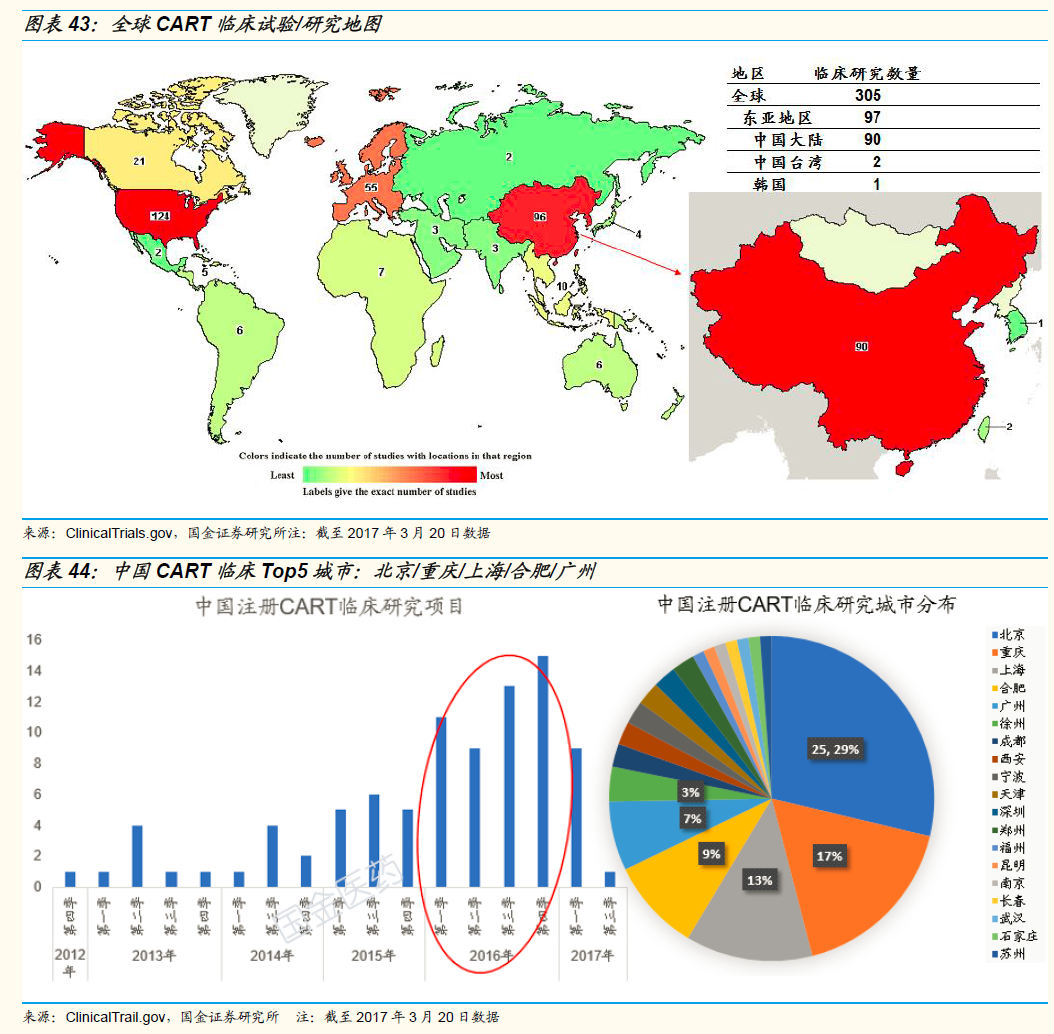
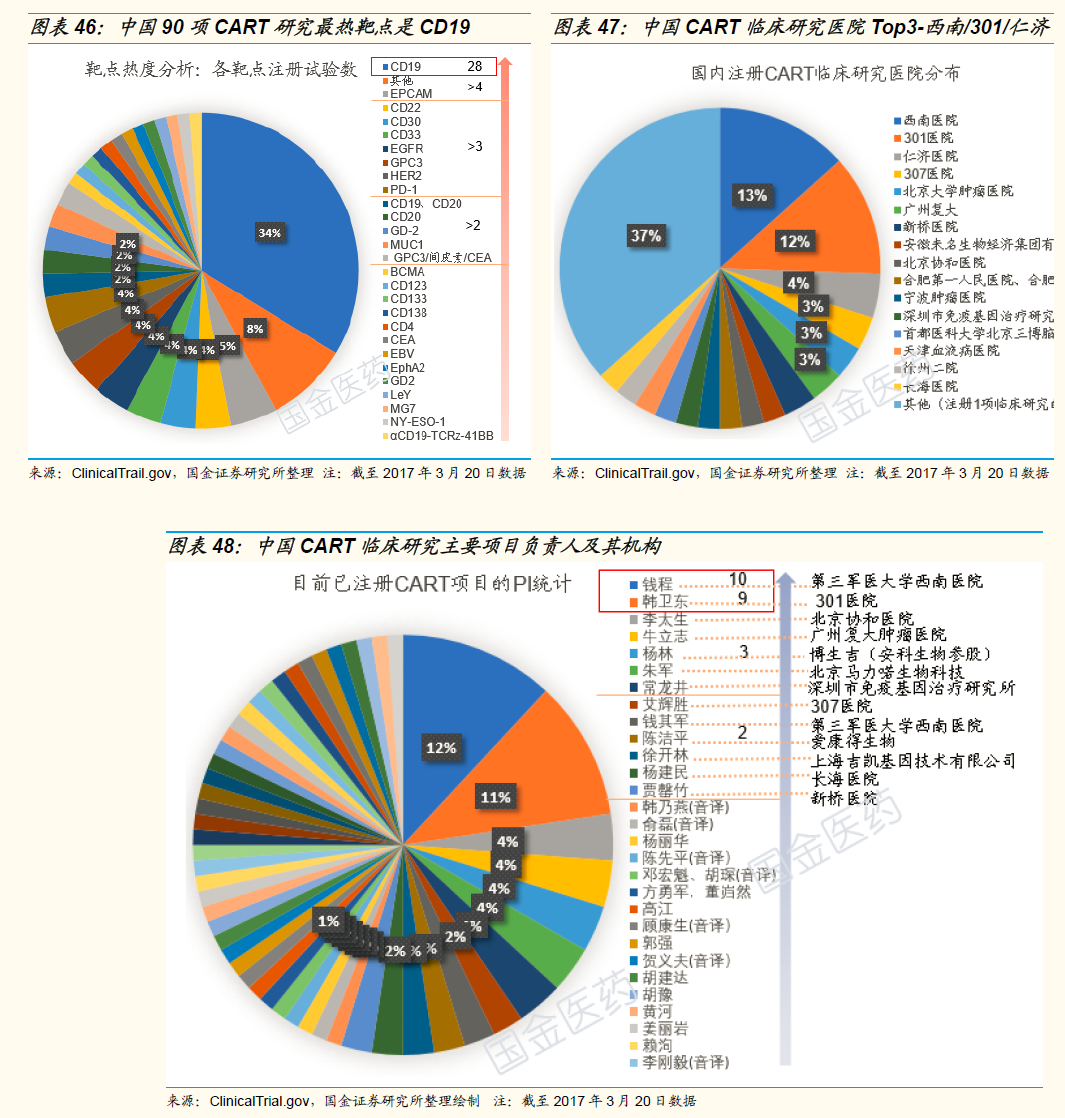
In January this year, Fosun Pharma invested heavily to acquire the rights for the development of Kite Pharma’s CAR-T product in the Chinese market. Additionally, a large number of medical institutions and companies, including the Chinese PLA General Hospital, Beijing Cancer Hospital, Tongji Hospital, Yuanzheng Cell, iKangde, Boruida Biotech, Shanghai GeneChem, and Anke Biotechnology, are also making strategic moves in this field.
The 10:0 ratio undoubtedly served as a major boost for domestic institutions and companies.