

2017 H1 China Healthcare Investment Landscape: 113 Domestic and 181 International Deals with Top Ten Industry-Shaping Events

2017 H1 Digital Health Enterprise Financing Report
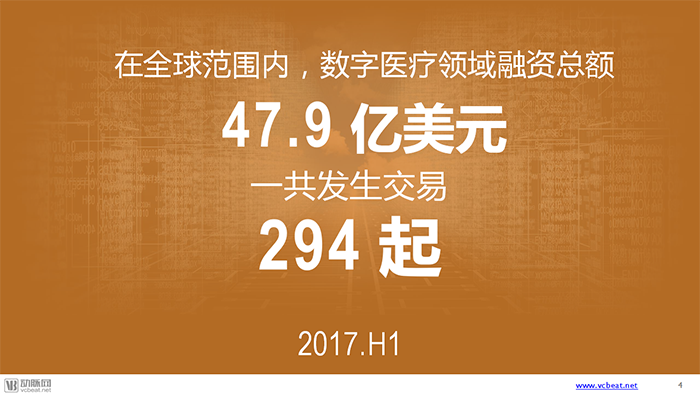
In July 2017, VCBeat (WeChat ID: vcbeat) released a report on financing for digital health startups worldwide in the first half of 2017. A total of 294 deals were completed globally during this period, with total funding reaching $4.79 billion. Compared to the capital winters of 2015 and 2016, both the funding amount and the number of transactions in the first half of 2017 increased significantly, surpassing even the same period in 2014, which had been the most active year for transactions.
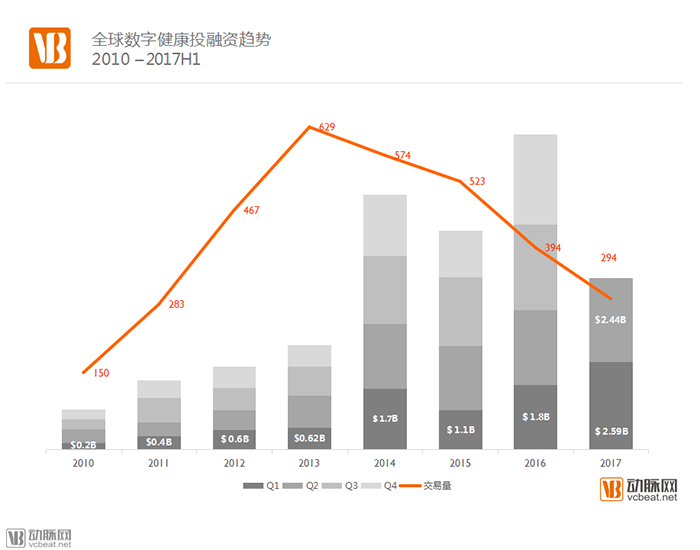
Digital Health Companies in the First Half of 2017The total financing amount is $4.97 billion,Year-on-year increase of 27.4%.
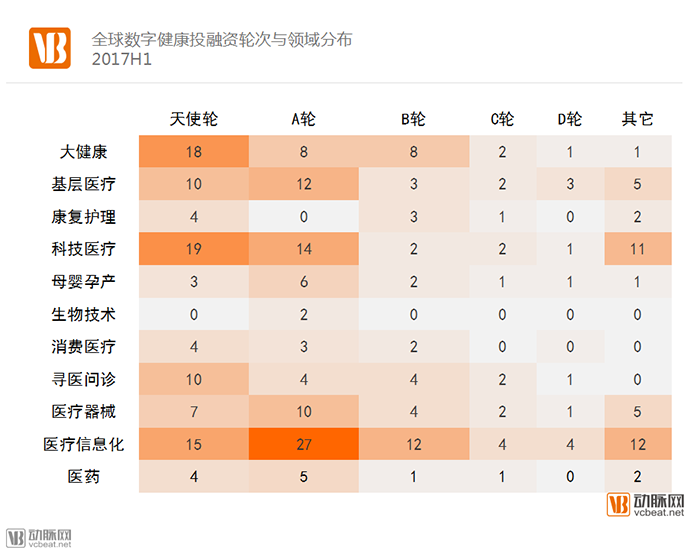
In the first half of 2017, global digital health transactions were predominantly Series A and angel rounds, totaling 185 deals, which accounted for 62.9% of the total.In terms of sector popularity, healthcare IT and health tech recorded the highest levels of interest, with 74 and 49 transactions, respectively.In terms of funding round distribution, healthcare IT financing tends to occur in later stages, reflecting a higher level of industry maturity.
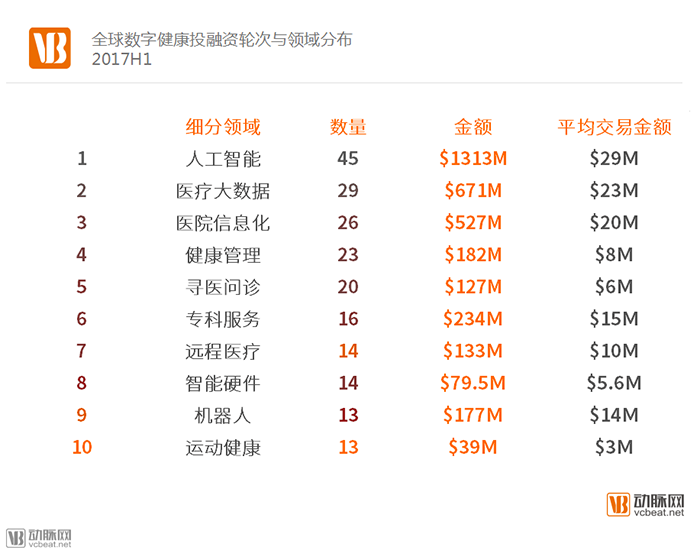
When we further subdivide the sectors, artificial intelligence and medical big data emerged in the first half of 2017 as the fields with the highest number of financing deals and the largest funding amounts.The total financing amount in the field of artificial intelligence reached $1.313 billion, with an average financing of $29 million per AI project. The high transaction volumes in the four sub-sectors—artificial intelligence, medical big data, smart hardware, and robotics—have made tech-driven healthcare the sector with the highest number of transactions.Field。
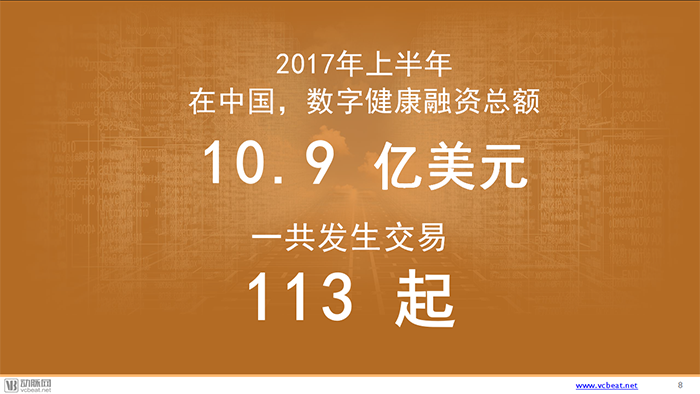
Focusing on the domestic market, financing in China’s digital health sector reached $1.09 billion in the first half of 2017, with a total of 113 transactions.
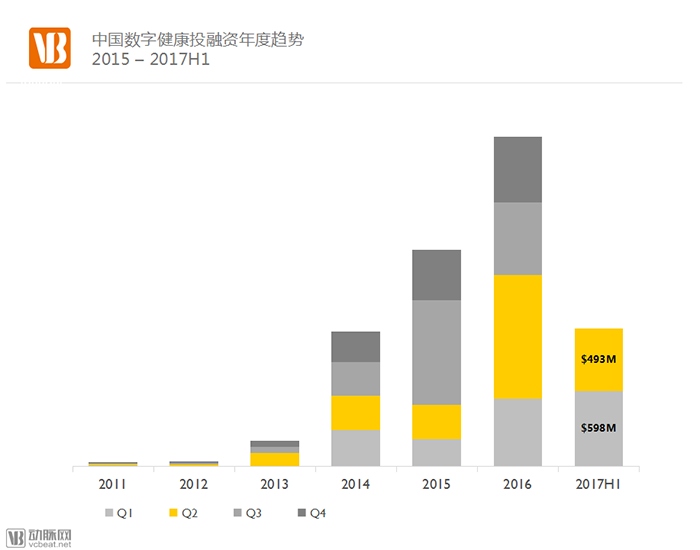
In terms of volume, the amount of financing for digital health in China decreased by 27.8% year-on-year in the first half of 2017, with transactionsThe transaction volume increased by 7.6% year-on-year. The transaction amount deviated from the global upward trend in trading volume. This discrepancy was primarily attributable to Ping An Good Doctor’s $500 million mega financing round in the second quarter of 2016.
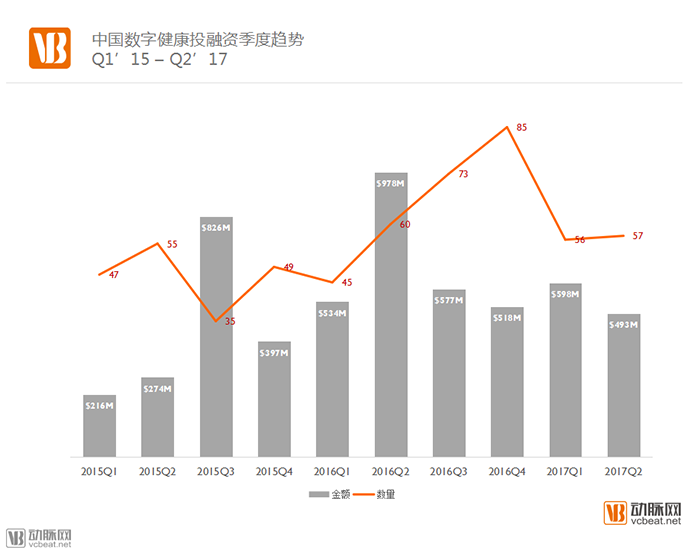
By breaking down the financing data and transaction volumes of the past three years by quarter, it can be observed that the financing amount in the first half of 2017 began to increase compared to the second half of 2016.The amount of financing transactions increased by 20.7%,The number of financing transactions decreased by 22.8%,The average amount per financing round has increased.
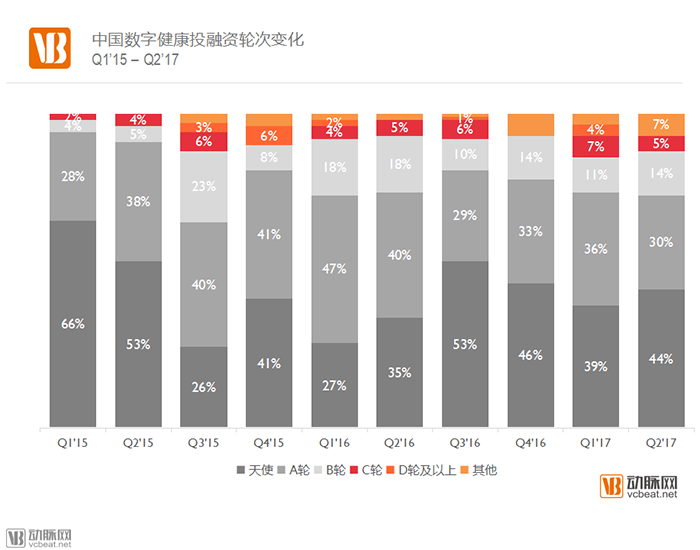
From the perspective of corporate financing rounds, capital markets favored mature digital health projects in the first half of 2017.The proportion of companies with Series B and above financing exceeds 20.4%,The proportion of angel-round financing dropped to 41.6%.
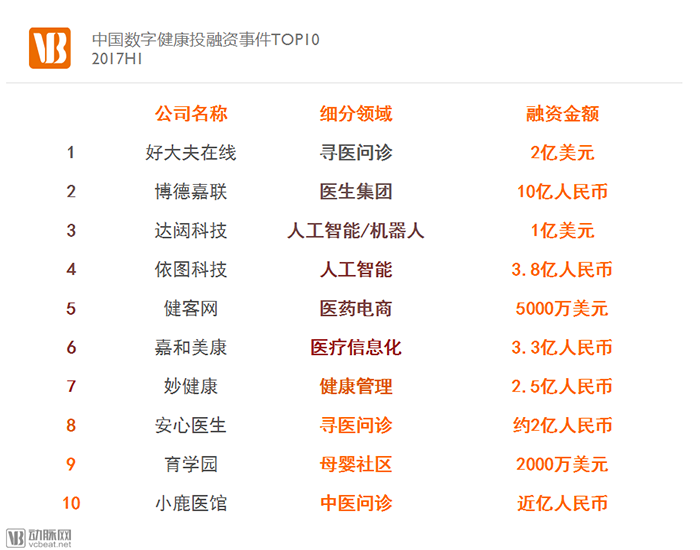
Haodf.com secured $200 million in a funding round led by Tencent, marking the largest financing for a domestic digital health project during this period. Bodr Jia Lian Physician Group received investment from Hong Kong’s New Frontier Healthcare Group.1 billion yuan, is the largest financing round secured by a physician group. New Frontier HealthFounded by Antony Leung, former Financial Secretary of Hong Kong and current Chairman of Nan Fung Group, and Wu Qinan, former Managing Director at Blackstone.
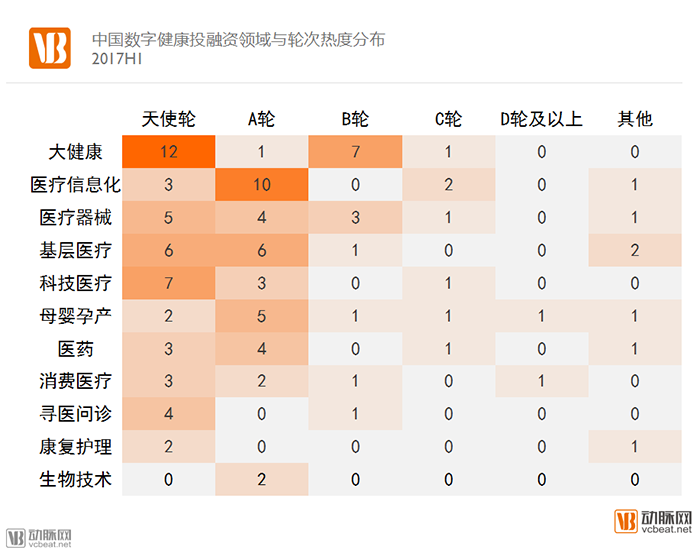
In terms of fundraising round activity, the sectors with the highest momentum in China are digital health and healthcare IT.Primary care-related projects have also attracted significant market attention. In the field of health tech, China’s financing stages are ahead of those globally, but the number of deals is relatively low.
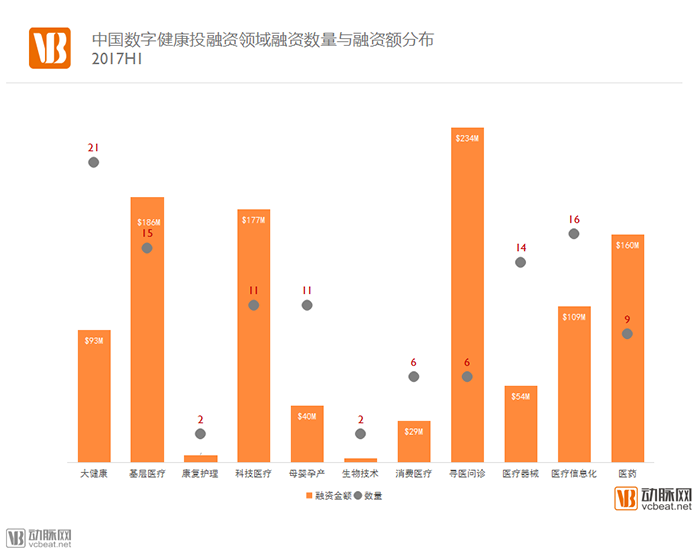
In terms of financing heat, the top three sectors in China are online medical consultation, primary healthcare, and health tech. Meanwhile, rehabilitation nursing and biotechnology sectors find it more challenging to secure funding.
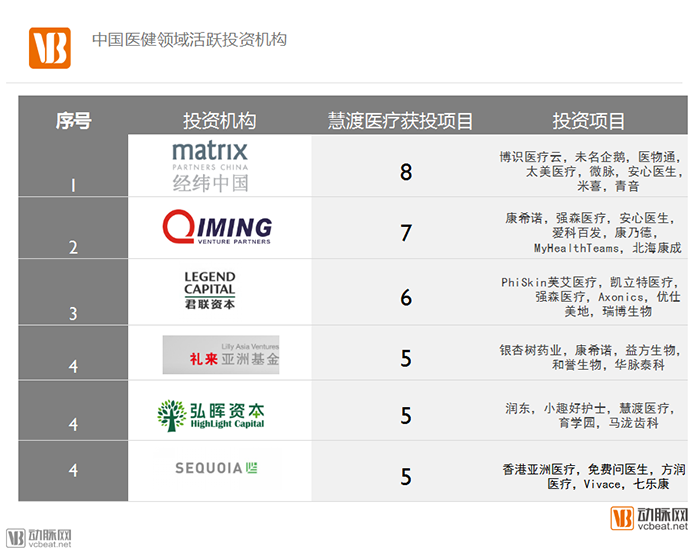
In the first half of 2017, the most active healthcare investment firm was Matrix Partners China, with eight investment deals.Other active institutional investors include Qiming Venture Partners and Legend Capital.
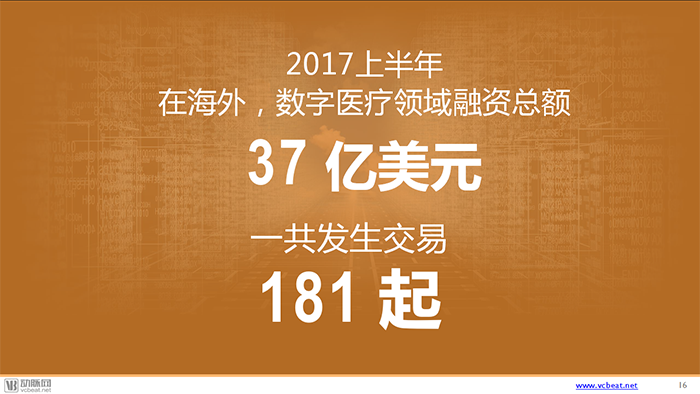
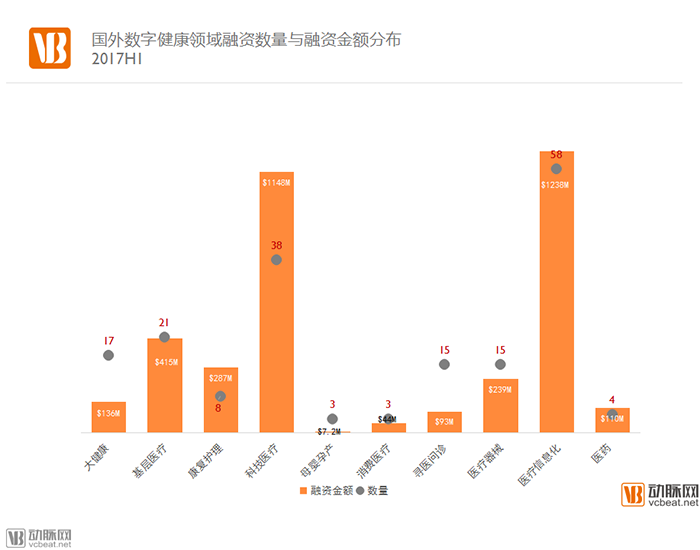
In terms of overseas fundraising momentum, healthcare IT and digital health (including AI, VR/AR, and other technologies applied in medicine) are more favored by foreign capital markets, with higher average financing amounts and leading rankings in both the number and total volume of deals.
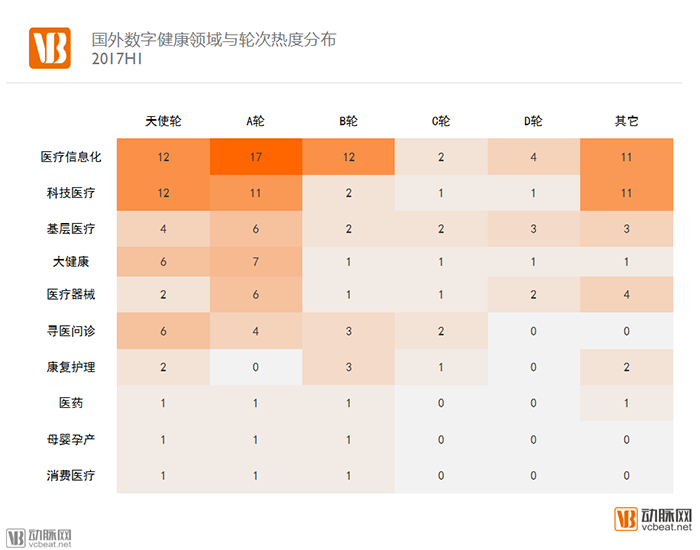
In terms of funding round momentum, apart from healthcare IT, overseas primary care financing also tends to occur at later stages, reflecting a higher level of industry maturity. Pharmaceutical, maternal and infant care, and consumer healthcare sectors have attracted relatively less attention.
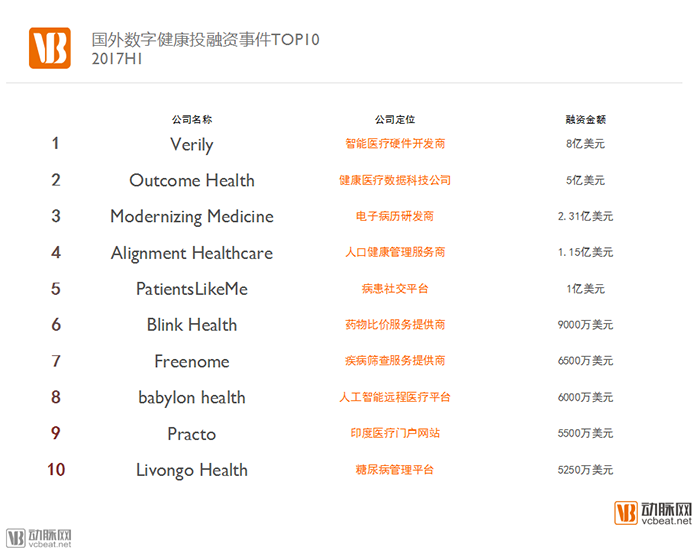
The overseas enterprise with the highest amount of financing isUnder Google'sLife Sciences CompanyVerily,The company secured an $800 million investment from Temasek, Singapore’s state-owned investment firm. Previously part of Google X, Verily has launched a bandage-sized glucose monitor and contact lenses capable of detecting blood sugar levels. Currently, Verily continues to roll out multiple smart wearable products and biotechnology innovations.
Top 10 Events in China's Healthcare Sector in the First Half of 2017
I.17 Internet Hospitals Cluster in Yinchuan, Ningxia
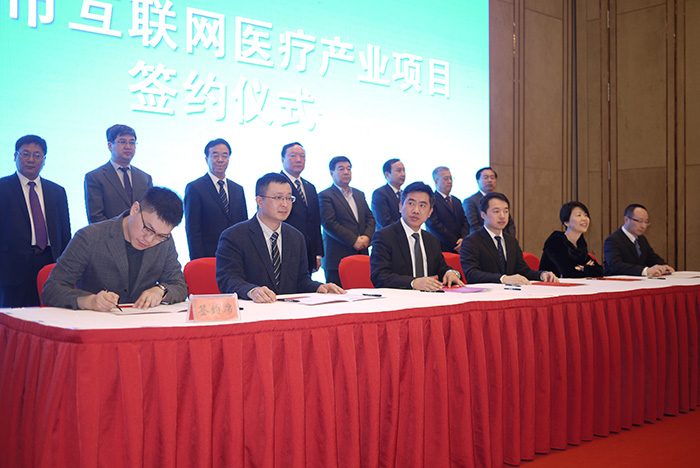
On March 17, 15 companies—Dingxiang Yuan, Peking University Medical Information, Chunyu Yisheng, Jinglian Technology, Taoyibao, Qilekang, Giant Network Medical Division, Daxiang Yisheng, Anxin Yisheng, Medlinker, Weiyi, Haorensheng, Miaoshou Yisheng, Side Sunshine Stomatological Hospital, and Shenghe Mobile Intelligence—simultaneously signed agreements with the Yinchuan Internet Hospital. Together with Haodf Online and WeDoctor, a total of 17 internet healthcare enterprises have successively obtained the “licenses” for internet hospitals issued by the Yinchuan Municipal Government.
It is foreseeable that by establishing Yinchuan as a hub for the big health and medical industry cluster, leveraging the strong siphon effect of medical consortia and medical communities, and accompanied by the maturation of cloud computing, big data, and artificial intelligence technologies as well as business model innovations, industries related to healthcare will gradually converge. This will drive the establishment and development of sectors such as health services, pharmaceutical e-commerce, rehabilitation and nursing, healthy aging, medical informatization, sports and fitness, biotechnology, medical devices, and medical aesthetics in Yinchuan, thereby enhancing local health management standards.
II.Internet Hospital Policy Leak
On May 9, the media exposed the “Letter on Soliciting Comments on the Administrative Measures for Internet-Based Diagnosis and Treatment (Trial) (Draft for Comment) and the Opinions on Promoting the Development of Internet-Based Medical Services (for Comment)” issued by the General Office of the National Health and Family Planning Commission.
It is reported that the Measures require strict access control for internet-based diagnosis and treatment, which may only be conducted under the following two circumstances: 1. Telemedicine services between medical institutions; 2. Contracted chronic disease management services provided by primary healthcare institutions. All other internet-based diagnosis and treatment activities are prohibited.
In other words, only formal medical institutions holding a "Medical Institution Practice License" will be permitted to conduct internet-based diagnosis and treatment in the future, which effectively closes off the possibility for online platforms and social companies to engage in such activities. Even if online platforms attempt to provide diagnostic and therapeutic services by registering hospitals, they must comply with the regulations governing remote diagnosis and treatment as well as contracted management of chronic diseases. Other services, such as "light consultations," are largely unlikely to remain viable.
Although no official documents have been issued to date, the situation has still sent waves of anxiety through entrepreneurs in the industry.
III.Release of the Medical Consortium Policy
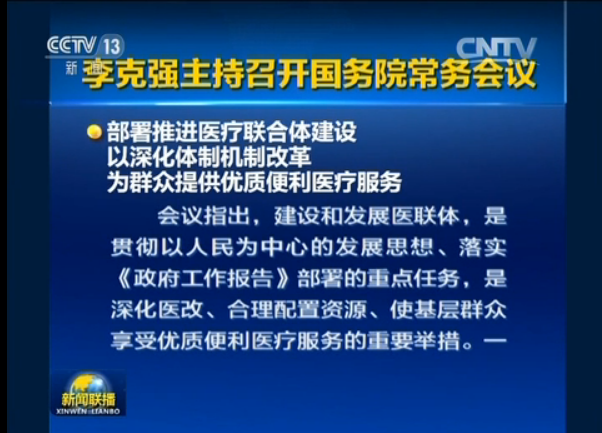
On April 25, Premier Li Keqiang emphasized at a State Council meeting that the establishment and development of medical consortiums are key tasks in implementing the people-centered development philosophy and carrying out the deployments outlined in the Report on the Work of the Government. They also represent important measures to deepen the coordinated reforms of healthcare services, health insurance, and pharmaceuticals, optimize resource allocation, and enable grassroots populations to access high-quality and convenient medical services.
Medical Consortium refers to a regional healthcare alliance that integrates medical resources within the same area. It is typically composed of tertiary hospitals, secondary hospitals, community health centers, and village clinics within a given region. The aim is to address the difficulty patients face in accessing medical care by diverting cases of minor illnesses, such as fever and colds, away from overcrowded tertiary hospitals to smaller facilities where they can be effectively treated. This approach achieves the desired outcomes of satisfaction among the public, the government, and healthcare workers.
Secondly, the meeting emphasized that medical personnel can practice across institutions within a Medical Consortium without the need for formal administrative procedures, thereby achieving free mobility. Medical institutions at different levels are subject to distinct management systems; thus, even within a Medical Consortium, the free movement of physicians faces numerous practical challenges. The State Council has stressed that medical personnel should be allowed to move freely within Medical Consortia without undergoing relevant administrative formalities. This reform and innovation aim to better meet public needs for tiered diagnosis and treatment, including disease prevention, convenient access to medical care, and nursing rehabilitation.
IV.Beijing's Healthcare Reform Officially Implemented
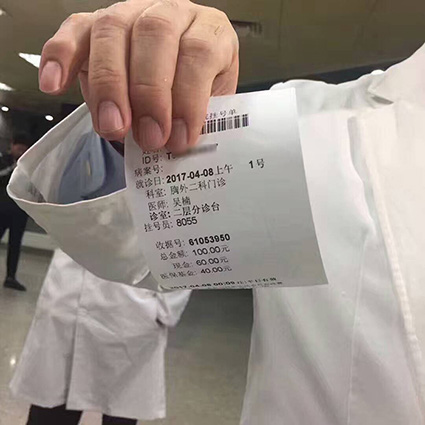
On April 8 at midnight, the “Implementation Plan for Beijing’s Comprehensive Reform on Separating Medical Services from Drug Sales” officially took effect, ushering in a new chapter of healthcare reform in Beijing. More than 3,600 medical institutions across the city—from tertiary Grade A hospitals to grassroots community health centers, as well as non-public medical facilities—simultaneously switched over their systems and began implementing the new pricing structure.
The latest healthcare reform in Beijing has abolished registration and consultation fees, replacing them with a medical service fee. This fee is designed to partially compensate medical institutions for their operational costs and reflects the technical labor value of healthcare professionals. The pricing and reimbursement rates for the medical service fee vary depending on the hospital tier and the physician’s rank. Meanwhile, prices for 435 medical service items have been standardized and adjusted.
In addition, the implementation of transparent procurement for pharmaceuticals has led to an average 8% reduction in procurement prices, enabling public medical institutions across the city to save approximately RMB 2.8 billion annually on drug purchases. Coupled with the elimination of the 15% drug markup, drug prices are expected to decline by approximately 20%.
V.Cancellation of B and C Licenses for Pharmaceutical E-commerce
On January 12, the State Council issued a document deciding to abolish the qualification review for Class B and Class C licenses in pharmaceutical e-commerce, while retaining the qualification review for Class A licenses (third-party platforms). Since its promulgation in 2005, the qualification review system for pharmaceutical e-commerce had been in place for 12 years, during which the industry maintained rapid growth, with the monitored market size exceeding RMB 100 billion in 2016. The relaxation of qualification requirements for pharmaceutical e-commerce will further facilitate the entry of circulation and retail enterprises into the market, thereby significantly expanding the industry scale.
VI.China's National Team for Health and Medical Big Data Established
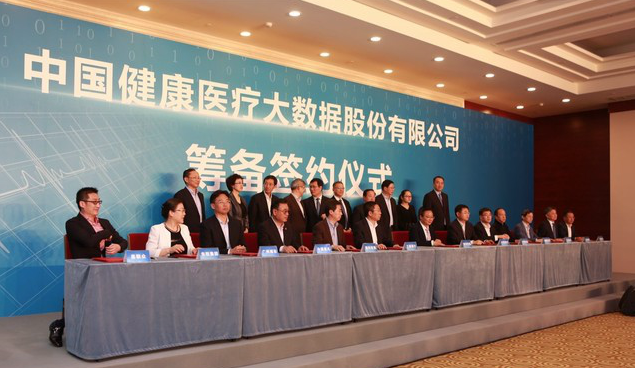
On April 27, the National Health and Family Planning Commission took the lead inEstablish the National Health and Medical Big Data Security Management Committee, which is responsible for establishing and supervising two major group companies: “China Health and Medical Big Data Industry Development Co., Ltd.” and “China Health and Medical Big Data Co., Ltd.” The company is primarily state-capital-backed, with member units including Digital China, Industrial and Commercial Bank of China, Bank of China, Neusoft Group, and Inspur Group, totaling 13 industry-leading enterprises and investment and financing platforms.
The establishment of the group company enables it to fulfill national missions, construct national pilot projects, and promote the development and application of national health and medical big data. By providing replicable and scalable experiences and models, it aims to accelerate the transformation of the health industry into a key pillar of the national economy.
VII.Baidu Internally Dissolves Its Healthcare Business Unit
On February 9, Baidu internally dissolved its entire Healthcare Business Unit, leading to the shutdown and discontinuation of the Baidu Doctor service. In response, Robin Li stated that the healthcare sector presents significant opportunities closely aligned with Baidu’s strategic interests. Artificial intelligence will impact many aspects of healthcare, and it is the most critical force capable of transforming the industry.
The complete dissolution of Baidu’s Healthcare Business Unit, coupled with the clarified strategic role of artificial intelligence, marks Baidu’s entry into a new phase of development in the healthcare sector. This strategic shift underscores a broader industry trend: technology-driven healthcare companies are increasingly transitioning toward AI-centric models in this new stage of industry evolution.
VIII.Reform of Medical Insurance Payment Methods
On June 28, under the directive of Premier Li Keqiang, the State Council issued what was hailed as the most significant health insurance policy of 2017: the “Guiding Opinions of the General Office of the State Council on Further Deepening the Reform of Basic Medical Insurance Payment Methods.” The meeting clarified the implementation of a diversified and composite medical insurance payment system, with a focus on promoting diagnosis-related group (DRG)-based payments, piloting case-based payment methods, and improving capitation and per-diem payment models, thereby strengthening the oversight of medical practices by medical insurance authorities.
The “Opinions” are expected to further strengthen budgetary management of the basic medical insurance fund and comprehensively promote a diversified, composite payment system dominated by diagnosis-related group (DRG) payments. Across China, a diversified, composite health insurance payment model adapted to different diseases and service characteristics will be widely implemented, resulting in a significant decline in the proportion of fee-for-service payments.
IX.Chain-operated medical institutions to obtain a single license
On May 3, Premier Li Keqiang presided over an executive meeting of the State Council to determine measures supporting the development of privately run medical institutions and health tourism, so as to meet the public’s multi-level and diversified health needs. This marks the highest-level policy initiative among the numerous policies introduced in recent years to encourage private capital investment in healthcare.
As more enterprises enter the community chain clinic sector, and guided by policies such as tiered diagnosis and treatment, the industry has attracted significant attention from capital and industrial players. Community chain clinics, serving as one of the entry points for primary care, are highly regarded for their scalability, branding, and standardization. They are seen as a promising solution for transforming the previously unregulated primary care clinics and have become a coveted target in the market.
No restrictions shall be imposed on privately operated medical institutions that meet planning requirements and access qualifications, under any pretext! Moreover, a one-stop acceptance mechanism, parallel approval process, and online approval system will be implemented for privately operated medical institutions. Chain medical institutions may have their business registration handled centrally by their headquarters—the era of requiring only a single license has finally arrived.
X.VCBeat Hosts China’s First Forum on Innovative Practices in Primary Healthcare in 2017
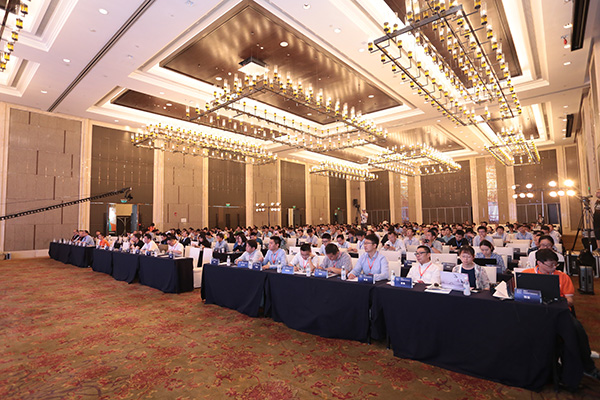
On May 17, in Chengdu, VCBeat hosted the “2017 China Primary Healthcare Innovation Practice Forum” and released the inaugural “White Paper on Innovation in China’s Primary Healthcare (2017).” Centered on the implementation of new healthcare reform policies—including the promotion of tiered diagnosis and treatment, the integration of medical care with elderly care, and family doctor contract services—the conference featured six thematic sessions: regional experiences, policy interpretation, industrial layout, entrepreneurs’ perspectives, analysis of primary-level practices, case studies of community health innovation, and openness and collaboration. The event brought together government officials, renowned experts, executives from publicly listed companies, founders of startups, practitioners from primary healthcare institutions, and investors to interpret the current development landscape of primary healthcare from diverse angles. Through in-depth exchanges and discussions, the forum aimed to provide practical solutions to pressing challenges in primary healthcare practice. Additionally, the conference facilitated collaborations among multiple primary healthcare enterprises, contributing to the advancement of primary healthcare in China.