

Global Transdermal Drug Delivery Market to Reach $81.4 Billion: How Are These 20 Companies Innovating?
High stress levels and irregular lifestyles among modern populations are the primary drivers behind the high prevalence of chronic diseases such as diabetes and hypertension. The most conventional approaches to treating chronic conditions are oral administration and intravenous drug delivery; however, both methods have their respective drawbacks. Oral administration results in slow drug absorption into the bloodstream, while intravenous injection not only causes pain but also poses a risk of infection for patients. Consequently, in recent years, both patients and physicians have increasingly favored rapid and painless drug delivery methods, such as transdermal drug delivery systems.
Transdermal Drug Delivery Systems (TDDS)Refers to a novel method of administering medication on the skin surface, enabling the drug to permeate through the skin at a constant (or near-constant) rate into the systemic circulation to produce systemic or local therapeutic effects. Although transdermal delivery presents challenges, it offers significant advantages compared to oral, intravenous, or enteral routes.Advantages:
● Avoid hepatic first-pass effect and drug degradation in the gastrointestinal tract, thereby reducing inter-individual variability in drug response;
● Transdermal drug delivery enters the bloodstream more stably than oral administration, resulting in faster and superior therapeutic efficacy;
● Maintains a stable effective plasma drug concentration, avoids the peak-trough fluctuations associated with oral administration, and reduces toxic side effects;
● Easy to use, enables continuous control of drug administration rate, and allows flexible dosing (can be interrupted at any time); particularly suitable for infants, the elderly, and patients with difficulty taking medications.
$81.4 Billion Transdermal Drug Delivery Market, with the U.S. Dominating
Transdermal drug delivery is an emerging novel drug delivery system. Given its more patient-friendly therapeutic characteristics and the continuous advancement of transdermal technologies, it has become one of the fastest-growing sectors in the pharmaceutical industry. According to a new report by Grand View Research,The global transdermal drug delivery systems market is projected to reach $81.4 billion by 2024.
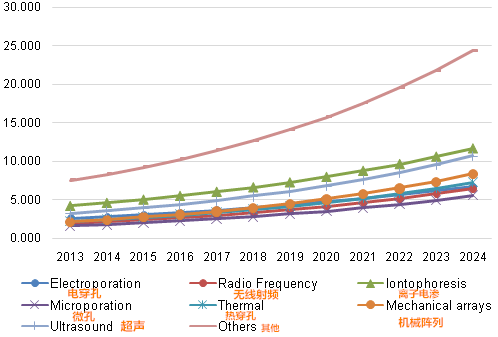
2013–2024 Global Transdermal Drug Delivery Systems Market Forecast and Technical Analysis (Source: Grand View Research)
Innovations in transdermal technology, such as the incorporation of microneedles or mechanical arrays into transdermal patches, are also making this market profitable in the coming years. Current technologies for improving transdermal drug absorption includeChemical penetration enhancers, electroporation technology, microneedle technology, iontophoresis technology, ultrasound-enhanced penetration technology, laser-enhanced penetration technology, and thermal poration technology, etc.。
According to a report by Grand View Research,Microneedles and Mechanical ArraysMicroneedle-based transdermal drug delivery products hold the greatest growth potential, with mechanical array transdermal drug delivery systems projected to grow at a profit margin exceeding 12.5%. Additionally,Cardiovascular Fieldwill be the fastest-growing application segment in the transdermal drug delivery system market, with a projected compound annual growth rate (CAGR) exceeding 12%. In the cardiovascular field, transdermal drug delivery systems are primarily used for the treatment of angina, hypertension, and congestive heart failure.
In terms of regional distribution, North America is the largest market for transdermal drug delivery systems. In 2015, North America accounted for 50% of the market share, primarily due to its strong technological R&D capabilities and robust market demand. The Asia-Pacific market is also expanding at a compound annual growth rate (CAGR) of 12%, driven by the rapid development of healthcare infrastructure and rising healthcare expenditures.
An Introduction to the Main Penetration Enhancement Technologies for Transdermal Drug Delivery Systems
Due to the barrier effect of the stratum corneum on transdermal drug absorption, the transdermal rate and permeation amount of most drugs—even those with low doses and high efficacy—often fail to meet therapeutic requirements, posing a significant obstacle to the development of transdermal drug delivery systems. Consequently, penetration enhancement strategies for transdermal drug delivery systems have become a focal point of industry research. Currently, commonly used penetration enhancement methods include:Chemical, Physical, and Pharmaceutical Methods。
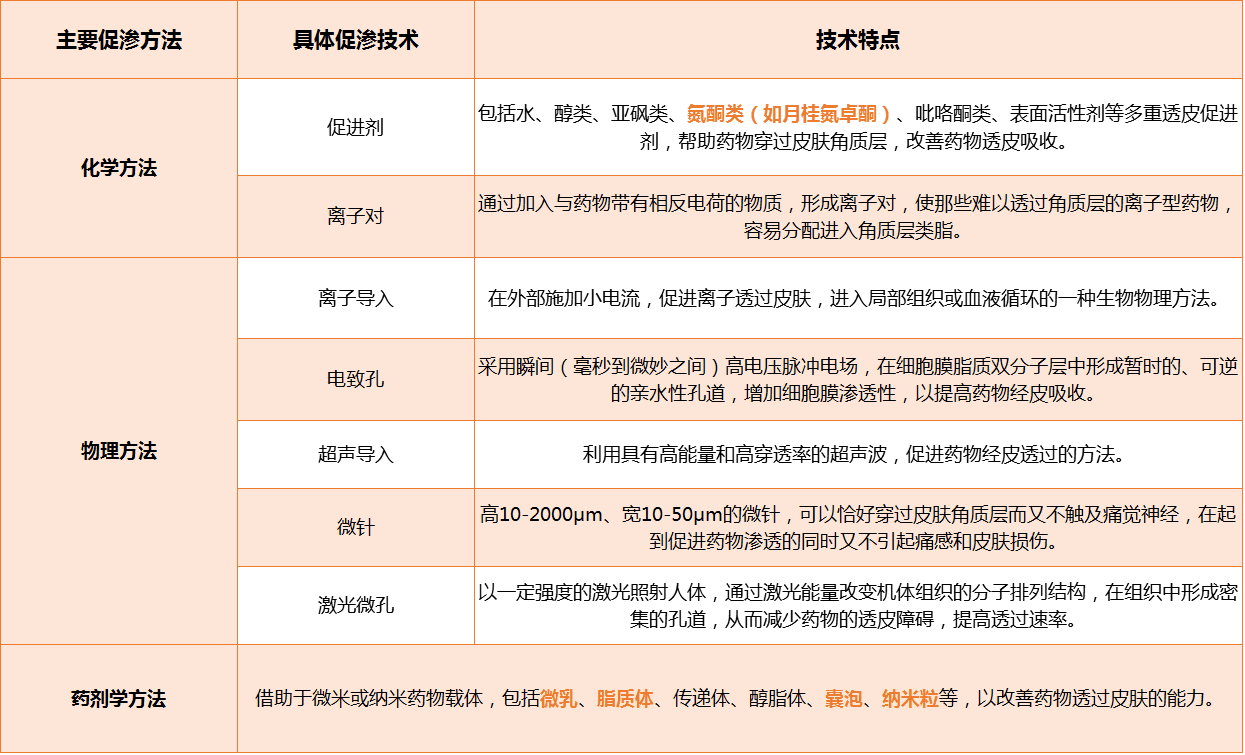
Among these three approaches, chemical and pharmaceutical methods are relatively traditional. In recent years, a growing number of industry experts have become interested in physical methods for enhancing transdermal drug absorption. Physical penetration-enhancement techniques have promptly and effectively expanded the range of drugs suitable for transdermal delivery, particularly protein- and peptide-based therapeutics. By modulating external forces, these physical methods enable precise control over percutaneous absorption. This has led to the emergence of many novel transdermal enhancement technologies, including iontophoresis, electroporation, sonophoresis, and microneedles.
Iontophoresis
Iontophoresis is a biophysical method that promotes the transdermal permeation of ions into local tissues or systemic circulation by applying a low-intensity external electric current. Iontophoresis facilitates the entry of ionic or non-ionic drugs into the human body, driven by electrochemical potential gradients. Under the influence of the electric current, skin tissue undergoes changes, such as rearrangement or compositional alterations of intercellular lipids, thereby forming “"Artificial Access", allowing charged particles to pass through. Iontophoresis can also facilitate the transdermal transport of some uncharged solutes.
Iontophoretic Transdermal Drug Delivery Systems are suitable for the transdermal administration of ionic and large-molecule peptide drugs, allowing control over the rate of drug delivery through the skin by adjusting the current intensity. In addition to current strength, other factors influencing iontophoresis include the duration of electric field application, the pH of the medium, the dissociation properties of the drug, and the electrodes.
Electroporation Technology
Electroporation employs instantaneous high voltage (ranging from milliseconds to microseconds)Pulsed Electric Field, forming transient, reversible structures within the lipid bilayer of the cell membraneHydrophilic Pores, a method that enhances cell membrane permeability to improve transdermal drug absorption. This approach is universally applicable and non-toxic, acts on intact skin, and allows for precise control of the transdermal penetration rate.
The main manifestations are as follows: ① Application of instantaneous electric pulses alters the oriented arrangement of lipid molecules in the stratum corneum, forming permeable pores. These pores are transient; they close upon cessation of the pulsed electric field, allowing skin permeability to return to baseline. ② During transdermal drug delivery via electroporation, in addition to the increased skin permeability induced by pore formation, charged molecules are also subjected to electric field forces and transported accordingly. The dominant mechanism depends on the electrical parameters of the applied pulsed electric field and the physicochemical properties of the drug.
Ultrasound Introduction Technology
Ultrasound-Mediated Drug Delivery is a method that utilizes high-energy, high-penetration ultrasound to facilitate the transdermal permeation of drugs. The enhancement of transdermal drug absorption by ultrasound primarily manifests in the following four aspects:
1. Thermal effect, also known as the heat effect. During the propagation of ultrasound, the drug medium, skin, and subcutaneous tissues can convert ultrasound energy into thermal energy, leading to vasodilation in these areas, enlargement of skin pores and sweat gland ducts, and disruption of the permeability of skin cell membranes, thereby enhancing drug absorption;
2. Mechanical effect, also known as mechanical influence or radiation pressure effect. The high-speed vibration of ultrasound alters the structure of skin layers, causing the lipid bilayer of the stratum corneum to become disordered under this stress, thereby increasing permeability;
3. Convective transport, also known as acoustic microstreaming. This acoustic microstreaming facilitates the flow and transport of drugs into the channels of the skin, sweat glands, and hair follicles, generates shear forces, reduces the skin barrier, and enhances drug diffusivity;
4. Cavitation effect, also known as cavitation reaction or cavitation action, is the primary mechanism underlying ultrasound-enhanced permeation. Under the influence of ultrasound, the vibration of medium and intracellular molecules and bubbles, along with the voids and vacuoles formed by bubble collapse, is referred to as the cavitation reaction. The channels formed in this manner significantly increase the transdermal permeation of drugs.
Compared with chemical enhancers, sonophoresis offers higher safety and faster recovery of skin barrier function after cessation of ultrasound. Compared with iontophoresis, it allows a broader range of drugs to be used, not limited to ionizable and water-soluble agents. Ultrasound can penetrate up to 5 cm below the skin, whereas iontophoresis reaches no more than 1 cm in depth. Additionally, sonophoresis causes no electrical stimulation, making it more suitable for biologic macromolecular drugs.
Microneedle Drug Delivery Technology
Microneedles can be defined as needles with a height of 10–2000 μm and a width of 10–50 μm, serving as devices for drug delivery.Microneedle Array, where numerous microneedles are arranged in an array on the drug delivery carrier. The length of the microneedles ranges from hundreds of micrometers to a few millimeters, allowing them to penetrate the stratum corneum without reaching the pain-sensing nerves.while enhancing drug penetration without causing pain or skin damage. The primary materials used for fabricating microneedles include metals, silicon, silicon dioxide, and biodegradable polymers. Microneedles made from different materials exhibit distinct characteristics and applications.
Microneedles can be categorized into two main types: solid microneedles and hollow microneedles. Among these, hollow microneedle arrays combine the dual advantages of syringes and transdermal drug delivery patches, making them suitable for liquid formulations and drugs requiring higher therapeutic doses. They are particularly well-suited for the administration of biotechnological drugs such as nucleic acids, peptides, and protein vaccines.
The most significant advantage of microneedles lies in their ability to facilitate the penetration of macromolecules through the stratum corneum. Compared with injectable administration, microneedle delivery is virtually non-invasive and painless, akin to subcutaneous administration, thereby enhancing patient acceptance. Furthermore, drug dosing via microneedles offers greater stability and controllability.
Laser Micropore Technology
Laser micropore technology involves irradiating the human body with laser beams of a specific intensity, thereby altering the molecular arrangement structure of bodily tissues within a defined range and depth through laser energy.Forming Dense Channels in Tissue, thereby inducing histological rather than anatomical changes, which reduces transdermal drug delivery barriers and enhances permeation rates.
Repeated exposure of the skin to laser irradiation (>100 times) increases skin permeability by more than 100-fold. Currently, researchers believe that lasers can more effectively facilitate drug transport. Multiple studies have demonstrated that this technology enables drugs to penetrate the lipid bilayer structure of biological membranes at a high rate, making it a highly promising novel technique.
Major Players in the Global Transdermal Drug Delivery Systems Industry
Key players in the global transdermal drug delivery systems industry include Novartis AG, Johnson & Johnson Pharmaceutical Services, Mylan Pharmaceuticals, 4P Therapeutics, Transdermal Corporation, and Echo Therapeutics. VCBeat has compiled a list of the top 20 transdermal drug delivery companies worldwide, which are leveraging technologies such as microneedles, patches, ultrasound, and lasers to develop drug delivery systems.
1. Novartis AG
Novartis is a global healthcare company headquartered in Switzerland, established in 1996. Novartis is dedicated to providing healthcare solutions for patients and society to meet their ever-changing needs. The company operates three core businesses leveraging its global scale and innovative capabilities: Innovative Medicines, Eye Care, and Generic Pharmaceuticals.
In September 2015, Novartis launched a transdermal patch for the treatment of Alzheimer's disease. In addition to expanding its product portfolio, it provided a new therapeutic option for patients with Alzheimer's disease.
2. ALZA, a subsidiary of Johnson & Johnson
ALZA, a Johnson & Johnson company, is a pioneer in the field of drug delivery systems. It was founded in 1968 by Dr. Alejandro Zaffaroni and acquired by Johnson & Johnson in 2001.

ALZA Corporation primarily provides oral, transdermal, implantable, and liposomal technologies, which are applied to drug delivery systems for more than 20 prescription drugs. The company has developed seven drug delivery technologies, including the Macroflux transdermal delivery technology, STEALTH Liposomes technology, OROS osmotic technology, and the DUROS implantable osmotic delivery system, facilitating the sustained administration of bioactive macromolecules and small-molecule complexes, with therapeutic effects lasting from several days up to one month.
3. Mylan Pharmaceuticals
Mylan, a renowned U.S. pharmaceutical manufacturer, is the world’s second-largest supplier of active pharmaceutical ingredients and the third-largest producer of generic drugs. Founded in 1961 as Mylan Laboratories, the company is headquartered in Pittsburgh, Pennsylvania.
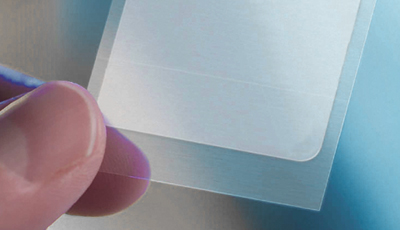
As the largest manufacturer of transdermal drug delivery systems (TDDS) in North America, Mylan is dedicated to designing, developing, and manufacturing high-quality, innovative TDDS—adhesive patches that deliver medication through the skin for the treatment of various conditions. Mylan was the first company to receive approval for generic nitroglycerin, estradiol, and fentanyl transdermal systems.
4、Echo Therapeutics
Echo Therapeutics is a medical device company based in Philadelphia, USA, with deep expertise in advanced skin permeation technology. Echo’s non-invasive continuous glucose monitor, Symphony, employs skin dialysis to measure glucose concentrations in subcutaneous interstitial fluid.
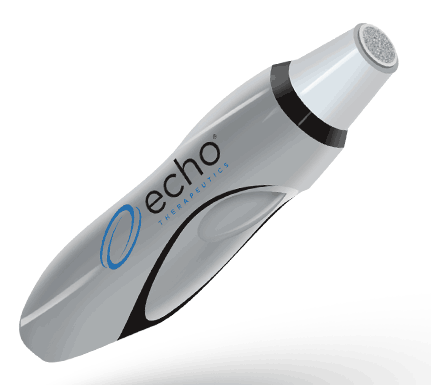
Additionally, Echo has launched the Prelude SkinPrep transdermal drug delivery system, a needle-free drug delivery device that serves as a platform for enhancing skin permeation and enabling topical drug administration. When integrated with the Symphony continuous glucose monitor, this platform offers a comprehensive solution for diabetes management.
5、Transdermal Specialties
Transdermal Specialties is a pioneer in ultrasonic active patch delivery systems for the pharmaceutical and cosmetics industries. The company has developed patented drug delivery systems, breaking new ground in patch technology.
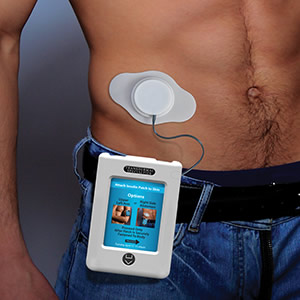
The system is designed to generate ultrasound transmissions with variable intensity and frequency within a specified timeframe, thereby expanding skin pores to facilitate the delivery of drugs into the bloodstream (U-Strip) and cosmetics into the subdermal layers (U-Wand). Variations in permeation are achieved by adjusting the timing of alternating waveforms. Specifically, the U-Strip ultrasound belt, developed for diabetes management, employs specialized ultrasound propagation via an insulin patch to enlarge skin pores, enabling large-molecule drugs to penetrate through sweat ducts and subsequently enter the bloodstream.
6、4P Therapeutics
4P Therapeutics is a U.S.-based private company focused on the research and development of novel drug delivery technologies and therapeutics. The company has extensive experience in developing a broad range of transdermal drug delivery technologies, including conventional transdermal systems, novel transdermal technologies for delivering water-soluble small molecules, and transdermal technologies for delivering peptides, proteins, vaccines, and macromolecules via microneedle injection.
The company’s current focus is on developing transdermal systems for injectable compounds. Its product portfolio includes Defent, a transdermal system with abuse-deterrent properties for fentanyl, and FSH, a patch-based delivery system that serves as an alternative to injectable follicle-stimulating hormone for fertility treatment.
7、LaserLeap Technologies
LaserLeap Technologies, a Portuguese company founded in 2001, has launched a laser-based transdermal drug delivery system that combines two decades of research in laser and ultrasound technologies with innovative materials.
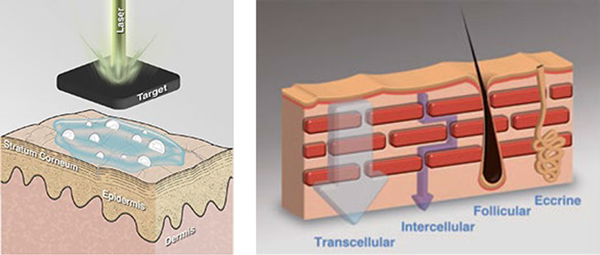
This patented drug delivery technology combines a portable laser with pulsed pressure-wave materials to generate high-frequency ultrasound, thereby facilitating transdermal drug delivery. The pressure waves are painless and temporarily alter the skin’s structure for several minutes, providing sufficient time for the delivery of drugs and cosmetics. In simple terms, it creates a transient channel in the skin; once drug delivery is complete, the skin’s natural elasticity restores it to its original state, making the entire administration process highly safe. LaserLeap’s skin penetration method enables not only the delivery of cosmetics but also the transdermal administration of anesthetics, skin cancer medications, vaccines, and biopharmaceuticals.
8. Nanomed Skincare (Naton Biotech)
Suzhou Natong Bio-Nanotechnology Co., Ltd. was established in 2007 and is located in the BioBAY (Suzhou Industrial Park Bio-Nano Technology Park). The company specializes in the research, development, production, and sales of components and systemic products that leverage physical principles to facilitate non-invasive transdermal absorption.
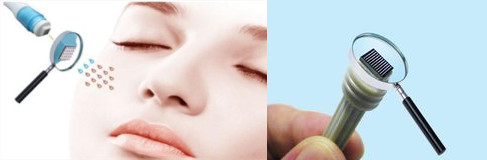
Naton’s proprietary SPE nano-crystal chip technology is dedicated to providing safe, gentle, precise, and effective penetration-enhancing tools and methods with on-demand controlled release. This enables skincare products to be absorbed more precisely and effectively, increasing permeability by approximately 10–20 times. As the pinnacle of cutting-edge technology in the international bionanotechnology field, SPE products have unprecedentedly transformed the skin’s absorption of skincare formulations.
9、Prometheon Pharma
Prometheon Pharma, based in Florida, USA, has developed a biodegradable patch for the needle-free delivery of macromolecular drugs such as insulin. The company’s patented Topicon transdermal drug delivery technology employs needle-free or microneedle approaches, offering an alternative to injections for patients with needle phobia.
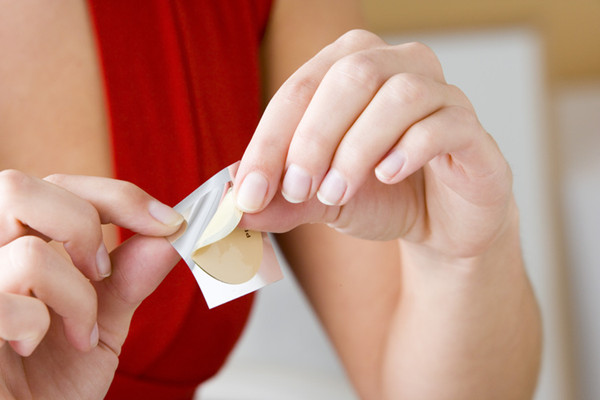
For example, for diabetic patients, the company launchedNoPricks Needle-Free Insulin Patch, enabling patients who require daily insulin injections to say goodbye to needles by achieving transdermal insulin delivery, with continuous transdermal administration for up to 7 days. By reducing the need for frequent subcutaneous injections, this approach is expected to improve medication adherence, reduce complications, and thereby enhance clinical outcomes and quality of life for patients with diabetes. The product is currently under development and was expected to be officially launched in 2018.
10、Zosano Pharma
Zosano Pharma is a privately held pharmaceutical company based in California, United States. Founded in October 2006, the company leverages over 30 years of expertise in transdermal drug delivery to develop scalp-administered therapeutic systems, aiming to alleviate the limitations associated with oral medications and provide patients with effective pain relief.
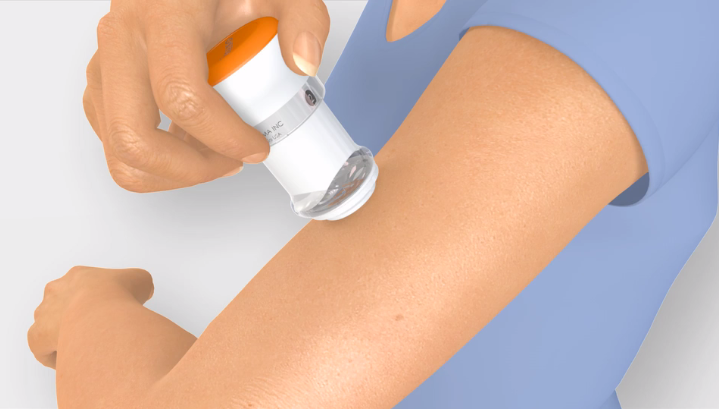
Zosano Pharma’s drug delivery system consists of a transdermal adhesive and titanium microneedles coated with a proprietary drug formulation. ThroughHandheld Applicator, apply the adhesive to the designated area and control the dosage. When holding the applicator to apply the adhesive, the microneedles penetrate the skin, allowing the drug to rapidly dissolve and be absorbed through the capillaries. Currently, the company’s transdermal microneedle delivery system for parathyroid hormone (PTH) has completed Phase II clinical trials for the treatment of severe osteoporosis.
11、Medherant
UK-based Medherant is developing a novel transdermal drug delivery patch—TEPI—for both prescription and over-the-counter medications. Compared with other drug patches and gels, TEPI offers higher drug-loading capacity, enables greater drug release, and prolongs the duration of administration.
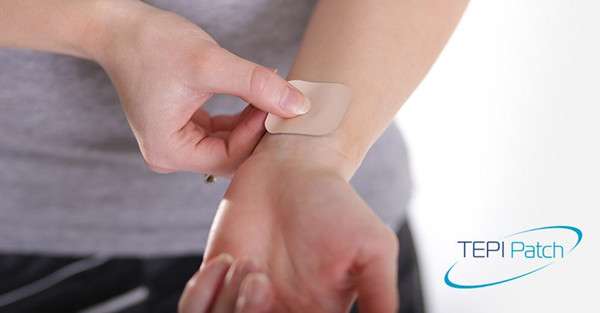
Currently, most patch technologies have limited drug-loading capacity, resulting in minimal transdermal drug delivery and suboptimal therapeutic efficacy. TEPI not only allows for adjustable drug dosing but also enhances the adhesive properties of the patch while remaining easy to remove and clean. Medherant is currently primarily using it to deliver ibuprofen and methyl salicylate. In the future, this patch will have broader applications, including for drugs that were previously unsuitable for transdermal patch delivery.
12、Avro Life Science
Avro Life Science, a Canadian company founded in 2016, is developing a unique transdermal patch for pediatric delivery of antihistamines.
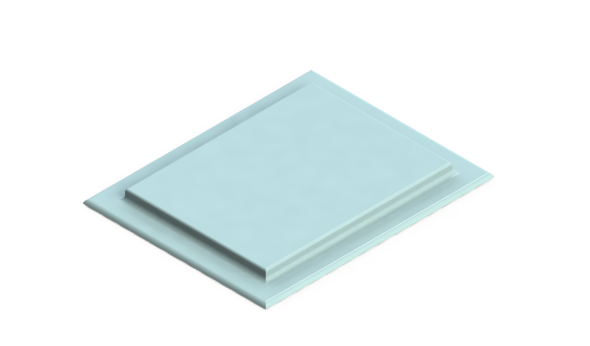
One in three children across North America suffers from seasonal or pet allergies. Avro Life Science employs a simple patch-based approach to free children from troublesome medications, requiring only a single patch applied to the skin. The product consists of four layers: a backing pad, the drug, a controlled-release membrane, and an adhesive/permeation enhancer. The backing pad protects the patch from external environmental factors, while the controlled-release membrane regulates the slow release of the medication.
13、MedPharm
MedPharm is a world-leading company in the development of topical and transdermal pharmaceuticals. It has gained international recognition for its highly specialized expertise in topical and transdermal formulations and drug delivery systems, including those for the skin, nails, nose, lungs, and other mucosal membranes.
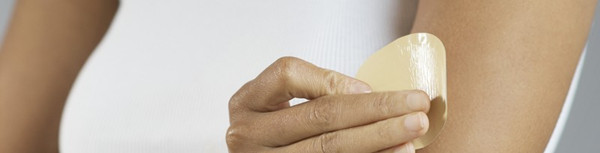
The company operates a hybrid business model, encompassing CRO services and development programs that include a patent portfolio of novel topical and transdermal drug delivery systems such as MedSpray, MedRo, and AquaRMed. MedPharm has successfully brought numerous transdermal products to market for its clients, leveraging extensive experience in product development across various transdermal platforms, including patches, iontophoresis, sonophoresis, microneedles, needle-free injection, and thermal ablation.
14、Syntropharma
Syntropharma is an emerging UK-based pharmaceutical company, founded in 2005, that specializes in reformulating generic compounds into transdermal patches to improve clinical symptoms.
Syntrophina represents a new generation of forward-thinking pharmaceutical companies, creating innovative and differentiated products through transdermal technology with genuine clinical advantages in the treatment of chronic diseases. The company collaborates with world-class expert teams to jointly develop transdermal products, and its transdermal delivery patches have been approved for use by Argentine regulatory authorities.
15、Phosphagenics
Phosphagenics is an Australian biotechnology company founded in 2004, dedicated to the development of novel drug delivery systems to enhance the efficacy and tolerability of pharmaceuticals.
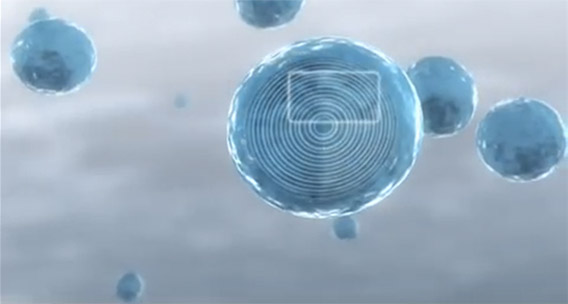
Phosphagenics’ patented drug delivery system, TPM (Targeted Penetration Matrix), is a versatile, non-invasive, and non-irritating delivery technology. Unlike other drug penetration systems, TPM can be modulated to control the rate and location of delivery. TPM can be formulated as gels, patches, creams, or spray systems, offering various dosage forms to meet specific needs.
16、Novopyxis
Novopyxis is a U.S. biotechnology company developing novel anti-inflammatory therapies and interventions, founded in 2013 by several scientists, engineers, and mathematicians from the Massachusetts Institute of Technology (MIT). The company’s current research focuses on treating neurological and metabolic disorders caused by amyotrophic lateral sclerosis (ALS) and cystic fibrosis.
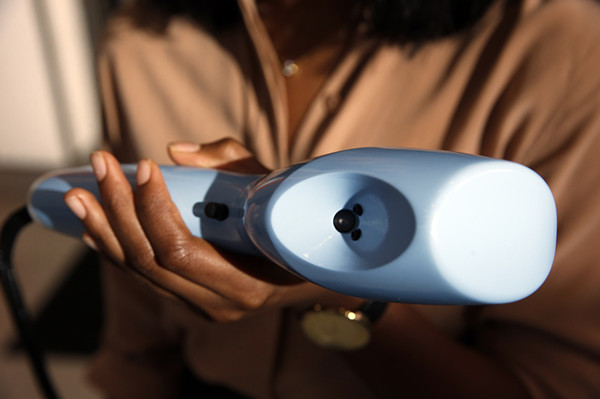
The company has launched a handheld, needle-free transdermal drug delivery system (patent pending), which leverages unique fluid physics principles to penetrate macromolecular drugs into the skin and increase drug concentration by 60%. This technology has received support from organizations such as NASA, the U.S. Department of Veterans Affairs, and Brigham and Women’s Hospital.
17、TTS Pharma
TTS Pharma was established in late 2012 and strengthened the Group’s operations in Europe and Asia through the acquisition of Transdermal Technology & Systems (TTS) Limited, as part of its strategic investment and corporate restructuring. With over 25 years of experience in the field of drug delivery, the company has developed multiple patented technologies.
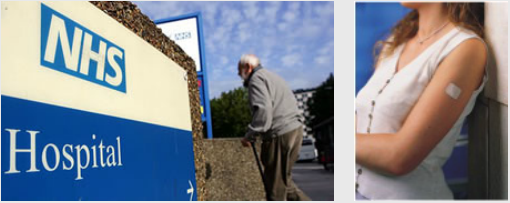
The company has launched the world’s first companion diagnostic (CDx) transdermal patch. Companion diagnostics are in vitro diagnostic technologies that provide information on patients’ responses to targeted drug therapies, thereby optimizing treatment strategies and regimens while reducing healthcare costs. The companion diagnostic patch offers superior clinical utility compared with standalone diagnostic tests or “blind” prescribing.
18、Particle Therapeutics
Particle Therapeutics is an Oxford-based drug delivery company primarily focused on developing innovative particle formulations and drug delivery technologies to enhance the efficacy and administration of pharmaceuticals.
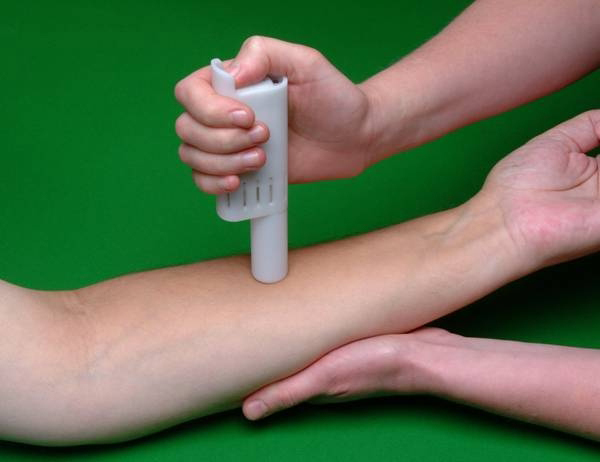
The company’s first product is a disposable, needle-free delivery device preloaded with glucagon particles. Leveraging particle-based therapeutics, the device provides emergency glucagon delivery to patients with diabetes experiencing severe hypoglycemia. This needle-free particle therapy device is applied against the patient’s skin and activated by pressing a button, enabling hypoglycemic patients to regain consciousness within minutes.
19、Pantec Biosolutions
Pantec Biosolutions is a major biopharmaceutical company specializing in the research and development of transdermal drug delivery technologies. Established in 2006, it is headquartered in Liechtenstein, the microstate situated between Switzerland and Austria. The company focuses on the R&D of laser microporation technology for transdermal drug delivery.
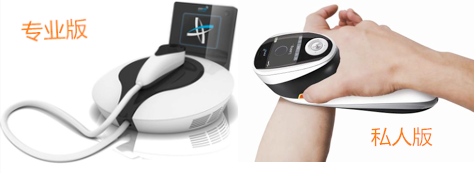
Pantec Biosolutions has developed two devices based on this laser microporation technology: PLEASE Professional and PLEASE Personal. The Professional version is currently CE-certified and commercially available, primarily for use in offices or clinics specializing in general or aesthetic dermatology. The Personal version is still under development as a device integrated with macromolecular drug delivery patch technology, intended for applications in infertility treatment and other fields.
20、Lohmann Therapie-Systeme
Lohmann Therapie-Systeme (LTS) is a German pharmaceutical company founded in 1984. It is now a global leader in the market for innovative transdermal drug delivery systems and oral medications. The company has more than 20 branded drugs that are sold worldwide.

Driven by advances in novel percutaneous technologies, LTS has launched microneedle patches for the transdermal delivery of macromolecules and bioactive substances. Transdermal patches, also known as Transdermal Therapeutic Systems (TTS), are applied directly to the skin, enabling the absorption of active ingredients through the skin and their subsequent distribution via systemic circulation. Over the past three decades, these innovative patches have facilitated treatment for many patients.
Although transdermal drug delivery technology offers new solutions for clinical treatment, it has certain limitations. First, the skin serves as a natural barrier of the human body, making it difficult for most drugs to penetrate in sufficient quantities; therefore, transdermal delivery is not well-suited for high-dose medications. Second, factors such as molecular weight, polarity, and melting point influence the transdermal absorption of drugs. Third, microorganisms on the skin surface and enzymes within the skin can degrade certain drugs. For the transdermal drug delivery system market to achieve significant growth in the future, these challenges must be addressed first.