

ParkwayHealth: From Small Real Estate Developer to Asia's Leading Healthcare Group in 30 Years
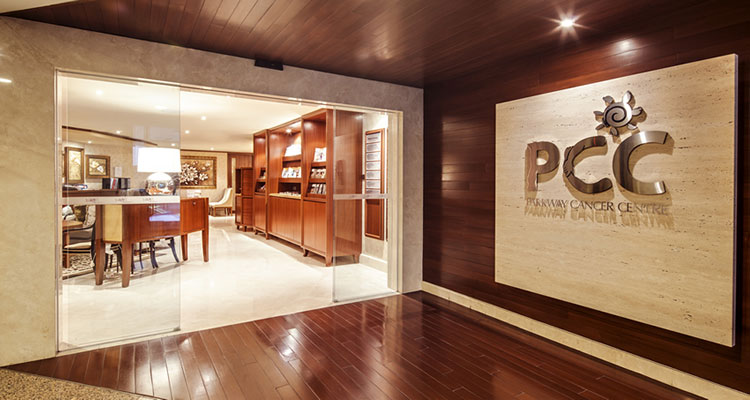
Parkway Cancer Centre
In Singapore, it is not uncommon to find real estate-based medical institutions that integrate commercial complexes with healthcare services. Parkway MediCentre, which pioneered the “private clinic + hotel management” model, is undoubtedly a pioneer in the transformation of real estate into healthcare institutions.
In just 30 years, ParkwayHealth has become the largest healthcare group in Asia and the second-largest globally by market capitalization.From Small-Scale Real Estate Developer to Leader in High-End Private Healthcare: How Did This Singaporean Company Achieve It?
Acquiring Hospitals to Enter the Healthcare Industry
Parkway Holdings’ predecessor was merely a small real estate developer. During the process of leasing its properties to private clinics, Parkway’s management developed a strong interest in the healthcare industry. In 1987, Parkway acquired Gleneagles Hospital for S$46 million, thereby entering the healthcare sector.
Following the acquisition, Parkway Holdings transformed the former mid-sized Gleneagles Hospital into a modern medical facility by adding a new 10-story hospital block, 14 operating theaters, and 150 consultation suites. Beyond superficial improvements, the hospital expanded its service offerings to include hospital management and consulting services, thereby positioning itself as a premium private healthcare provider.
Subsequently, Parkway Holdings continued its expansion by acquiring the Penang Medical Centre in Malaysia, Elizabeth Hospital, and East Coast Hospital, thereby becoming the largest private healthcare provider in Southeast Asia. On September 14, 2005, Singapore-based Parkway Holdings Limited acquired a 31% stake in Pantai Group for USD 82.8 million, becoming the largest shareholder of Malaysia’s leading private healthcare service provider.
Following its acquisition by IHH Healthcare (hereinafter referred to as “IHH”), Parkway’s business units were primarily divided into Parkway Pantai, Acıbadem Holding, International Medical College, and Parkway Life Real Estate Investment Trust, with a market valuation reaching USD 15 billion in 2016. According to financial reports, Parkway Pantai, which owns several well-known healthcare brands including Gleneagles, Mount Elizabeth, Parkway, Parkway MediCentre, and Pantai, operates in major cities across multiple countries such as Singapore, Malaysia, and India. It is the largest revenue contributor to the IHH Group, accounting for 61% of total revenue.
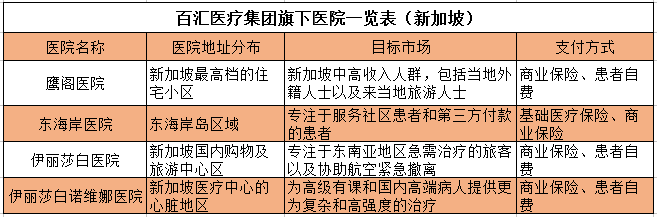
Currently, IHH Healthcare Group, listed in Malaysia and Singapore, is the second-largest healthcare group globally by market capitalization. It operates 50 hospitals across 10 countries worldwide and has established significant expertise in numerous fields, including oncology, hepatic surgery, and cardiovascular diseases. The group also runs specialized centers such as ophthalmology centers and minimally invasive surgery centers. In addition, more than 20 subsidiaries under Parkway can provide comprehensive healthcare services through Gleneagles CRC, including laboratory testing, medical imaging, and clinical research organization (CRO) services.
Core: Onboarding Top-Tier Physicians from Private Clinics
“Private Clinics + Hotel-Style Management” is the success formula of Parkway Pantai Group.Private clinics have successfully balanced the distribution of benefits between hospitals and physicians. Hotel-style management has effectively ensured the replicability of the group hospital’s expansion while enhancing the service experience for high-end medical patients.
Attracting top-tier physicians to establish private practices within its hospitals is the core vitality of Parkway Healthcare. Among Singapore’s more than 3,000 doctors, Parkway Healthcare Group employs over 1,500 renowned medical specialists. Virtually all of these physicians have accumulated more than ten years of experience in public hospitals and have pursued advanced training in the United States and the United Kingdom. Many were already recognized as the leading experts in their fields across Asia before joining Parkway.
Unlike the employment relationship between doctors and hospitals in China,Within the Parkway Healthcare system, physicians and hospitals maintain a partnership relationship., only the venue and equipment rental fees need to be paid.
These independently practicing physicians rent rooms of varying sizes within Parkway-owned hospitals to establish their own private clinics, retaining all revenue from specialist consultations and surgical procedures. Meanwhile, they share access to the hospital’s advanced diagnostic and laboratory equipment, nursing care, and ward services, with the corresponding revenue accruing to the hospital.
If a physician’s clinic needs to purchase expensive surgical equipment, the hospital can also provide financial support through equity participation. Clinics often collaborate with one another to conduct joint consultations. In addition, physicians’ private clinics monitor quality and pricing in collaboration with hospitals by establishing committees.
Under this business model, clinics can also go public independently, with physicians becoming partners in publicly listed companies. Doctors have transitioned from being employees at public hospitals to entrepreneurs, achieving substantial income growth and ranking among the highest-paid groups in Singapore. Notably, the physician who successfully treated Lee Hsien Loong’s lymphoma and prostate cancer earns up to SGD 6 million per month, seeing more than 80 patients daily.
This flexible approach has attracted numerous renowned physicians to Parkway. Currently, Parkway’s Gleneagles Hospital boasts a wealth of expertise in oncology, liver transplantation, ophthalmology, and obstetrics and gynecology, while Mount Elizabeth Hospital is highly regarded for its cardiac and neurological surgeries.
According to statistics from a certain investment institution, the initial lease term for physicians in the healthcare real estate sector is typically eight years, with a renewal rate as high as 90%. In contrast, tenants in the traditional office building market generally sign leases for three to five years, with a renewal rate of 60%. This enables healthcare real estate groups, led by Parkway Pantai, to better secure control over rental income and operating costs.
Hotel-style management ensures a premium experience
Parkway’s real estate background enabled it to apply property management expertise in operating its hospitals.. Parkview’s substantial financial strength enables it to build hospitals to high standards and recruit top-tier medical professionals, transforming traditional hospitals into community-oriented, concierge-style private healthcare centers.
Hospital wards are essentially designed and decorated to five-star hotel standards, utilizing the most advanced diagnostic and laboratory equipment available globally. The facilities offer a comprehensive range of medical and ancillary services, including clinics, pharmacies, health and rehabilitation centers, medical examination centers, dining venues, gift shops, and convenience stores. Rather than resembling traditional hospitals or hotels, these facilities feel more like shopping malls. "Hosptiel" represents this cross-sector hybrid of real estate and healthcare, adopting hotel-style hospitality to care for patients. This approach alleviates patient stress, creating the impression of staying in a hotel rather than a hospital, and brings hotel-grade service—including meticulously crafted design elements—into the healthcare setting.
This model of integrating tourism and leisure real estate into integrated services also creates monetization opportunities for “medical tourism” projects: In areas not covered by Parkway Hospitals, patient assistance centers will be established to facilitate “medical tourism,” transporting patients to Parkway-affiliated hospitals in Singapore or Malaysia for diagnosis and treatment.
At Mount Elizabeth Hospital, Singapore’s largest private hospital, more than 60% of patients are foreigners, including celebrities, political dignitaries, and members of royal families. Singapore is also striving to develop into a regional healthcare hub, with the scale of medical tourism projected to reach S$1.7 billion in 2018, thereby driving robust growth in the country’s healthcare real estate sector.
The private clinic model implemented by Parkway MediCentre has successfully balanced the distribution of benefits between hospitals and physicians, while its hotel-style management has effectively ensured the replicability of the group’s hospital expansion and enhanced the service experience for high-end medical patients.
In addition to investing in healthcare real estate, Parkway Healthcare Group also provides financing for healthcare-related properties through its subsidiary, Parkway Life REIT, pooling social capital to secure initial fixed income for expanding hospitals. The growing demand for high-quality medical services and facilities in Singapore and across Asia indicates a positive long-term outlook for the healthcare sector. Consequently, the healthcare and healthcare-related assets under Parkway Life Real Estate Investment Trust will benefit from this trend.
As of June 30, Parkway Life REIT’s total investments amounted to approximately S$1.7 billion, spanning healthcare-related real estate assets in Singapore, Japan, and Malaysia.

Through this approach, Parkway MediCentre has established a “Super Hospital” platform that delivers high-end, comprehensive medical services to patients, characterized by social capital investment and construction, management by Parkway MediCentre, and engagement of top-tier physicians. Under this real estate–healthcare model, the traditional hospital functions of research, diagnosis and treatment, service delivery, and operations are decoupled, allowing professional real estate service providers to participate in healthcare institution operations. This creates an integrated real estate–healthcare model in which investors, developers, and operators are distinct yet synergistically unified.