

Empowering Primary Healthcare Through 15 Integrated Subsystems: A Comprehensive Solution for Implementing Tiered Diagnosis and Treatment
By Che Feilun, General Manager of Shenzhen Kehengli Computer Software Co., Ltd.
Nowadays, tiered diagnosis and treatment is not only an important component of healthcare system reform but also one of the buzzwords at this year's Two Sessions.
The tiered diagnosis and treatment system referred to here classifies patients based on the severity and urgency of their conditions, as well as the complexity of required treatments, with medical institutions at different levels assuming responsibility for diseases of corresponding severity. This tiered model, spanning from general practice screening to specialized care, facilitates initial consultations at primary care facilities, two-way referrals, separate management of acute and chronic conditions, and coordinated care across different levels of the healthcare system. Ultimately, it aims to establish an ideal healthcare pattern where minor ailments are treated in the community, serious diseases are managed in hospitals, and rehabilitation care is returned to the community.
It is evident that initial diagnosis at the primary care level serves as a crucial foundation for the tiered diagnosis and treatment system. This system requires primary healthcare institutions to effectively fulfill their roles as “gatekeepers” and “health managers.” Initial diagnosis at the primary care level is an important guarantee for promoting the development and improvement of the tiered diagnosis and treatment system, facilitating orderly patient access to medical services.
In other words, the tiered diagnosis and treatment system will be truly and universally implemented only when primary healthcare becomes robust.
However, strengthening primary healthcare is a vast and complex systematic engineering project. It not only covers a wide range of areas and involves intricate circumstances, but also requires a long-term construction process.
Numerous business opportunities will also emerge in the process of building and improving primary healthcare. In particular, mobile health can achieve its maximum utility and capture the greatest market opportunities at the primary care level. Seizing policy-driven opportunities, engaging with the challenges in primary healthcare, and identifying investment prospects are fundamentally aimed at addressing the pain points of primary care.
A Collection of Pain Points in Primary Healthcare
Any startup that does not aim to address users’ pain points is merely a sham. The core reason for the slow progress in implementing tiered diagnosis and treatment remains the “five shortages” in primary healthcare: lack of equipment, medicines, talent, technology, and patients.
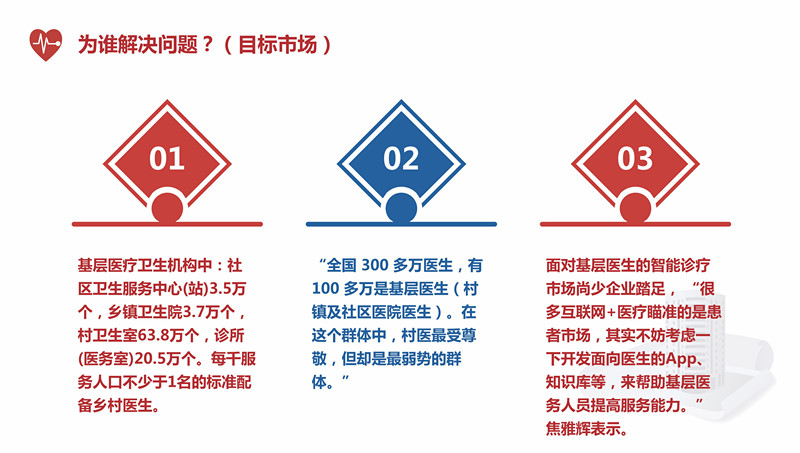
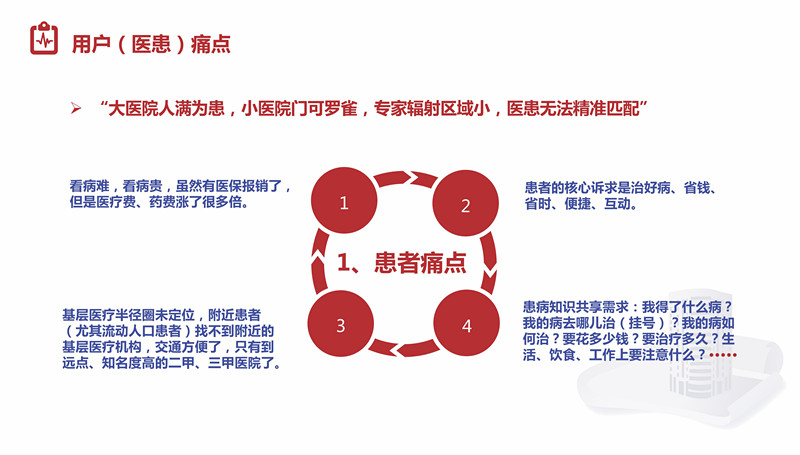
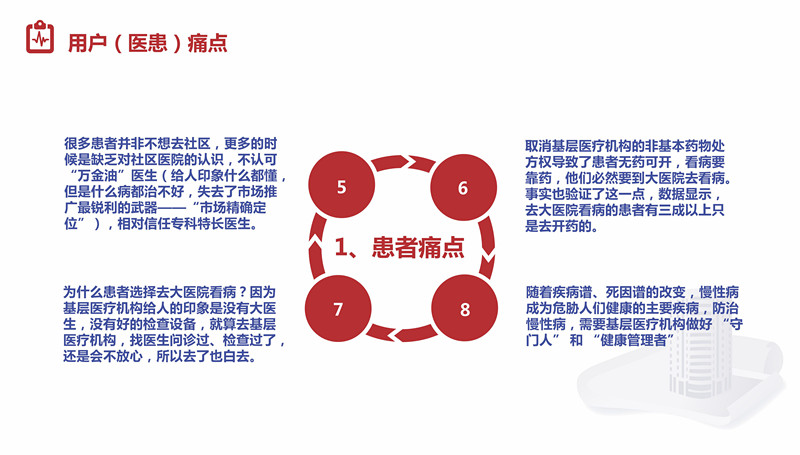
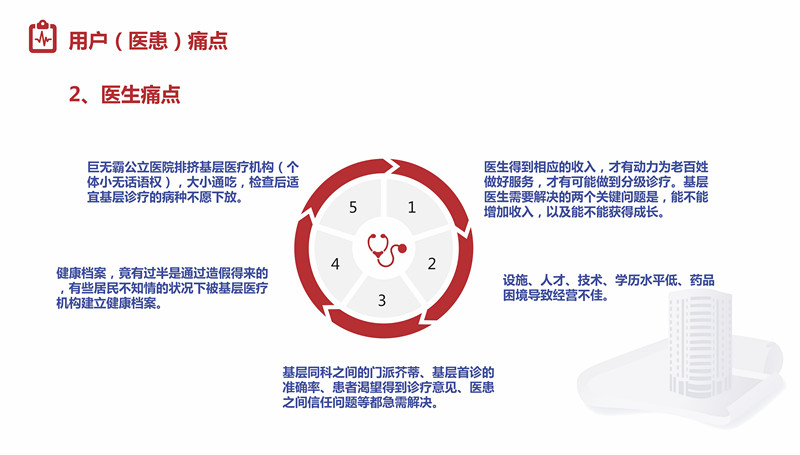
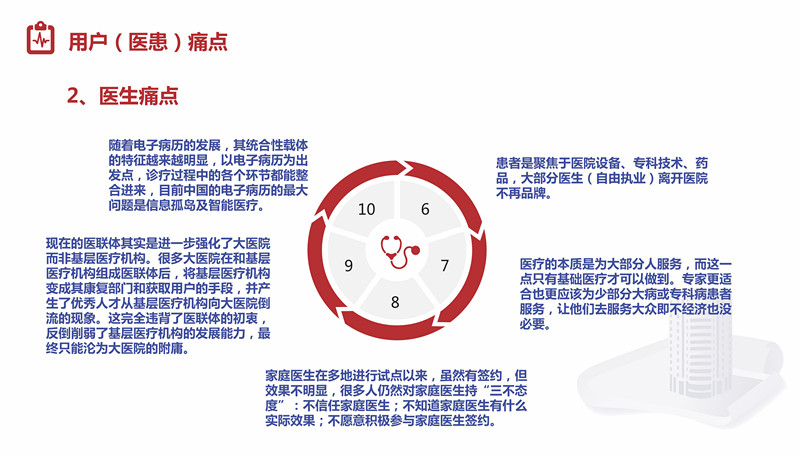
15 Subsystems: Core Content Connecting Everything and Empowering Grassroots Healthcare
The numerous pain points in doctor-patient interactions outlined above signify abundant entrepreneurial opportunities; the key lies in identifying which technologies and tools can effectively address these challenges.
In China, the biggest challenge for healthcare startups is that most business models focus only on a single node or segment of the medical service delivery process, failing to integrate needs across different stages.
“Many companies in the healthcare industry have grown through mergers and acquisitions, rarely achieving a ‘winner-takes-all’ market position with a single product,” said Ouyang Xiangyu. He believes that this market characteristic gives venture capital (VC) investment in the healthcare sector its unique features: those who have focused on the healthcare field for longer periods and invested in more leading companies will find it easier to maintain a relative advantage in the future.
Tencent Vice President Cheng Wu once stated, “Connect everything, empower people, and build a shared ecosystem.” These words foreshadow a clear direction: the Internet of Everything, fostering a holistic ecosystem.
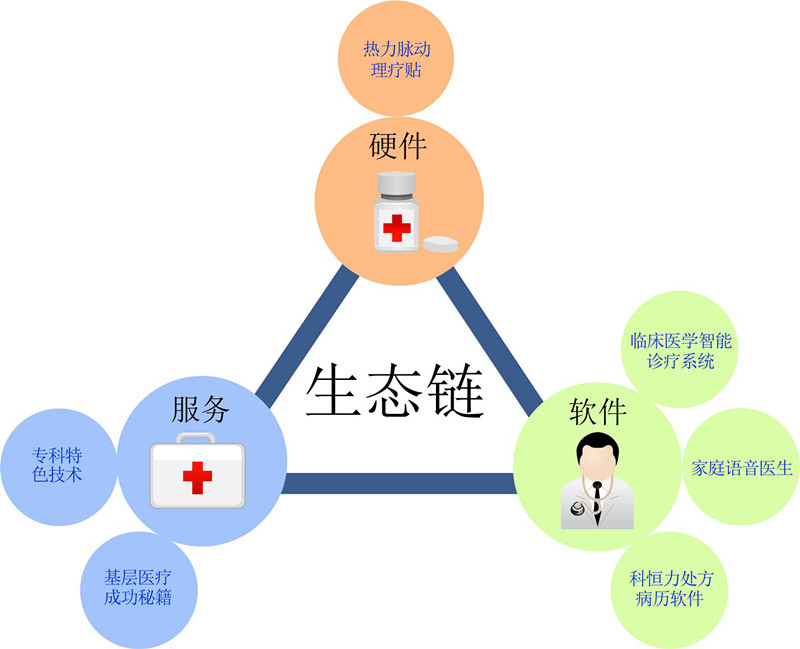
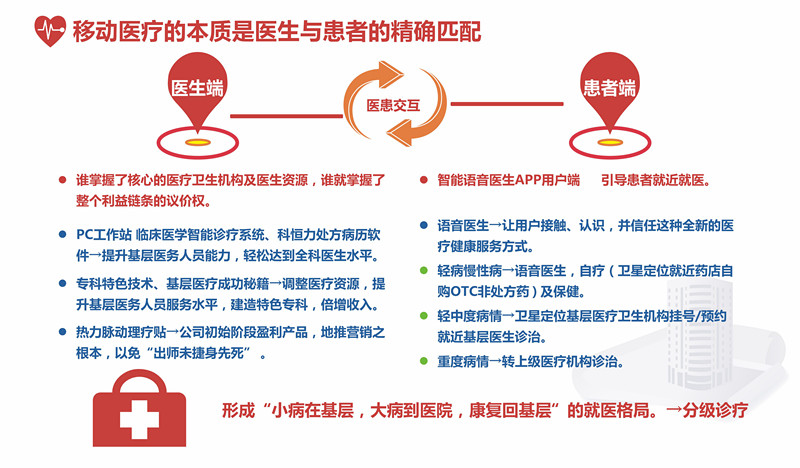
Acquire physician resources and integrate them with real-world clinical practices, achieving a seamless blend of online and offline services. Grounded in the tiered diagnosis and treatment system, this approach spans the pre-diagnosis, intra-diagnosis, and post-diagnosis phases. It aims to serve primary care physicians (by enhancing the capabilities of general practitioners and primary care providers) and channel patients to primary care facilities (by directing appropriate cases to the grassroots level), thereby building an effective medical consortium and establishing a brand for primary care physicians (combining general practice with specialized expertise).
In the implementation of tiered diagnosis and treatment, we should remain patient and proceed at our own pace, with content and products as the core focus, to build a comprehensive and all-encompassing system. Although our growth in the early stages may not be as rapid as that of applications centered on cutting-edge startups, how can the sparrow comprehend the ambitions of the swan!
Addressing the Five Critical Shortcomings of Primary Healthcare: A Comprehensive Solution Framework: Isolated Interventions Rarely Succeed → Empower Primary Care, Connect All Stakeholders, and Implement Holistic Solutions → Fulfill the Aspirations of Primary Care Physicians (Especially the Million Rural Doctors) and Facilitate Tiered Diagnosis and Treatment.
Equipment Shortage:"Clinical Medicine Intelligent Diagnosis and Treatment System" (Enhancing diagnostic and treatment capabilities, reducing disputes), "Kehengli Prescription and Medical Record Software" (Improving work efficiency, making it easy to be a doctor), Mindray Health All-in-One Machine, POCT Equipment, Rehabilitation Equipment;
Drug Shortage:Reform of the National Essential Medicines List, promotion of specialized and appropriate Traditional Chinese Medicine (TCM) techniques, and physiotherapy and rehabilitation (to reduce drug dependence);
Shortage of Talent:High-end equipment, advanced technologies, exclusive or patented medications, and surgical treatments relied upon by specialists are fundamentally unsuitable for implementation at primary healthcare stations → Establish specialty-based medical consortia;
Lack of technology:Master specialized, highly effective techniques for chronic disease management within a major healthcare system; acquire general practitioner competencies (empowering grassroots physicians with limited academic credentials to obtain the Rural General Practice Assistant Physician qualification through an AI-enabled clinical decision support system); and develop marketing expertise (the key to success in primary care).
Lack of patients:Low trust and low awareness → Satellite positioning-based patient acquisition (locating the nearest qualified physician), patient triage, appointment registration and consultation, physicians’ technical skill development, family voice-based physician services, voice-enabled self-diagnosis, health education and science popularization, chronic disease management, and electronic health records.
Therefore, the rise of mobile healthcare aims to facilitate more efficient communication between doctors and patients, improve diagnostic and treatment efficiency, and ultimately achieve a win-win outcome!
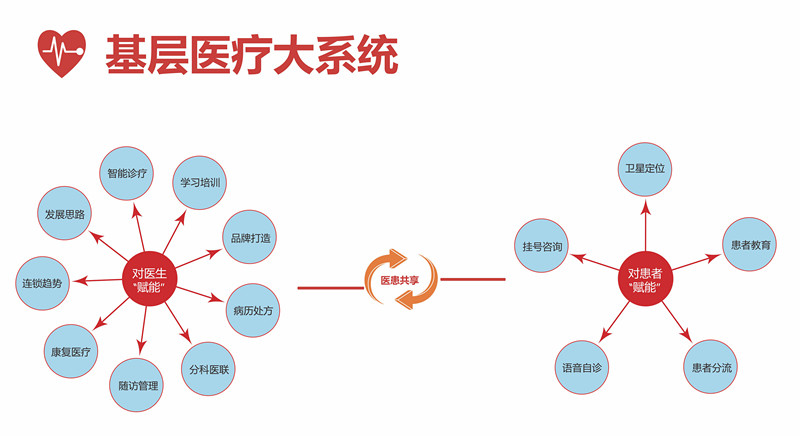
The primary healthcare ecosystem described herein comprises 15 subsystems, designed to achieve the goal of connecting all stakeholders and empowering grassroots healthcare. Broadly speaking, it encompasses empowerment for both physicians and patients.
Empowering physicians primarily involves intelligent diagnosis and treatment, learning and training, brand building, medical record and prescription management, specialty-based medical alliances, follow-up management, rehabilitation medicine, chain development trends, growth strategies, and doctor-patient shared decision-making;
Patient “empowerment” primarily includes satellite positioning, voice-based self-diagnosis, patient triage, registration consultation, and patient education.
Pathways to Address Pain Points: Micro-Innovation
Physicians in primary care settings aspire to enhance their professional diagnostic and treatment capabilities, increase their income, and gain public recognition and understanding. The core concerns of patients seeking medical care are: What disease do I have? Where should I seek treatment? How should my condition be treated? How much will it cost? Patients always aim to minimize the time spent at hospitals or community health clinics and reduce out-of-pocket expenses. They consistently prefer to be treated by the most skilled physicians. Therefore, patients seek effective treatment outcomes (based on trust in primary care), cost savings (through insurance reimbursement), time efficiency, convenience, and interactive engagement.
To fulfill these aspirations of both physicians and patients, entrepreneurs must possess innovative spirit. Zhu Xiaohu, a partner at GSR Ventures, believes that “innovation in China must be grounded in practical reality; one should never pursue lofty, abstract concepts, as they are often pitfalls.” A pragmatic mobile health startup must align with the specific realities of tiered diagnosis and treatment. Seemingly sophisticated projects, such as precision medicine, offer little more than imported high-end concepts and lack the feasibility for implementation at the grassroots level, let alone a viable business model.
Currently, many sophisticated mobile health software and hardware solutions are unreliable. They fail to provide tangible assistance to primary care physicians and patients; instead, some inadvertently exacerbate the marginalization of primary care institutions in favor of large tertiary hospitals, thereby hindering the effective implementation of tiered diagnosis and treatment. Innovation is ubiquitous. It does not primarily stem from fanciful or sensational inventions, but rather from incremental improvements within existing frameworks. Simplicity is the ultimate sophistication. Mobile health applications should start small, positioning themselves to serve primary care institutions with primary care physicians at the core. By addressing the needs arising during primary care consultations, they can help streamline the entire multi-tiered healthcare service system.
Zhou Hongyi once said: “Do not underestimate these details. Any disruptive innovation starts with the details, begins in unremarkable places, and involves continuously correcting one’s shortcomings and striving for perfection. By the time you take notice, you will no longer be able to resist its disruptive power.”
Stay tuned for the next article: Intelligent Diagnosis and Treatment at the Primary Care Level