

Taiwan's Leading Postpartum Meal Brand Zi Jin Tang Targets Mainland China's 3% Market Penetration to Achieve Tens of Millions in Revenue
“In Taiwan, 30% of new mothers consume postpartum confinement meals, whereas in mainland China, the figure is less than 3%. Taking Chengdu as an example, currently only slightly more than 1% of the 100 mothers observing the postpartum confinement period consume such meals,” Wang Qingbin said, counting on his fingers.VCBeat (WeChat ID: vcbeat)Reporters use digital projections to analyze the nascent postpartum meal market in mainland China.
Following the liberalization of the two-child policy, new demographic dividends in the maternal and infant sector are driving the rapid development of the postpartum confinement market. Although this industry is still in its nascent stage, Wang Qingbin remains confident about the prospects of postpartum confinement meals, stating, “Branded postpartum confinement meals will naturally enjoy higher market acceptance.”
Zi Jin Tang is a well-established brand in the postpartum meal industry, with 13 years of operation in Taiwan and a one-third share of the Taiwanese market. The company currently has sales offices in Europe, the United States, Shanghai, and Singapore. Its expansion into the Chengdu market reflects its confidence in the consumption demand of expectant mothers in Southwest China. Zi Jin Tang Chengdu will officially commence operations in late August.
What is the current state of development for postpartum confinement meals? Where are the market entry points? How can customer acquisition be achieved? With these questions in mind, a reporter conducted an exclusive interview with Wang Qingbin, the head of Chengdu Zijintang.
Postpartum Meals Are Not Traditional Cuisine
In Wang Qingbin’s narrative, a wealth of medical expertise—more precisely, knowledge pertaining to pregnancy—is covered. When questioned by the reporter, he smiled and recounted his prior experience: “I used to work in the traditional food and beverage industry.” It is hard to imagine that the person before us, who speaks with such authority on prenatal care, has no medical background. In Wang Qingbin’s own words, prolonged exposure naturally turned him into an expert.
Wang Qingbin discussed the differences between traditional catering and postpartum meal services, highlighting two key aspects: venue and workflow. During the conversation, he asked the reporter, “A good kitchen must be equipped with air conditioning, right?” He then added with a touch of pride, “Our postpartum meal kitchens are all air-conditioned. This ensures that chefs can work in a comfortable mood while maintaining the freshness of the dishes, which is essential for delivering great-tasting postpartum meals.”
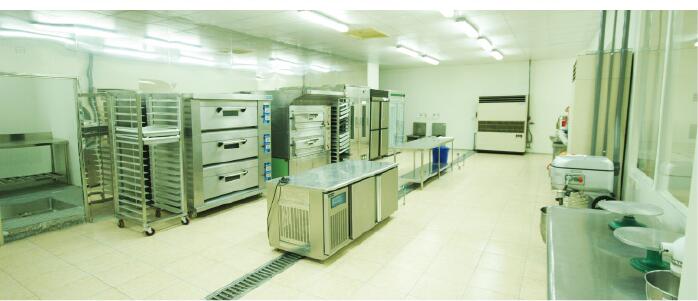
Zijintang Central Kitchen Standard Configuration
The preparation of Zijin Tang’s postpartum confinement meals strictly follows standardized procedures. Prior to the official launch of Chengdu Zijin Tang, all staff members were required to undergo rigorous training and assessment at the Taiwan headquarters of Zijin Tang before being certified for duty.
“Traditional food service can be operated with just a kitchen and a few chefs, but postpartum meals are different; they require such precision that even the amount of water used in a single dish must be strictly measured,” Wang Qingbin told the reporter.
The process for preparing postpartum meals is strictly regulated, with core ingredients imported from Taiwan. The central kitchen’s facilities and dishes must undergo rigorous inspection and acceptance. Wang Qingbin himself lamented, “Compared to traditional catering, preparing postpartum meals is many times more challenging. Our kitchen uses specialized measuring tools; if a recipe calls for 100g of water, we add exactly 100g. In some cases, even the temperature during production is carefully controlled to maintain the texture of certain desserts.”
Three-Phase Conditioning Method: Transforming the Traditional Concept of “Heavy Tonification”
During pregnancy, as the fetus grows, the internal organs are subjected to severe compression, with organs such as the stomach, liver, and small intestine being significantly compressed. At this stage, taking tonics will only increase the burden on these organs, causing considerable bloating and discomfort for the mother. Additionally, excessive toxin accumulation occurs in the body during pregnancy. If these toxins are not promptly eliminated after childbirth, they may indirectly compromise the quality of breast milk, ultimately affecting the infant’s health.
When a mother has just completed childbirth, family members often believe that labor depletes blood and qi, leaving the new mother with deficient qi and blood. Consequently, they feel it is essential to replenish nutrients promptly. Postpartum meals are typically dominated by meat and fish, yet prepared with minimal oil and salt, in an effort to achieve restorative nourishment. However, contrary to this common belief, Zijingtang’s years of scientific research into postpartum physiological and nutritional care suggest that aggressive tonification at this stage places a significant digestive burden on the gastrointestinal tract, leading to a paradoxical situation where “the more one is supplemented, the more fatigued one becomes.”
Based on this, Zijingtang divides postpartum maternal care into three stages, with each stage lasting ten days. Through a 30-day regimen of confinement meals, it helps new mothers scientifically address dietary concerns during the postpartum recovery period.
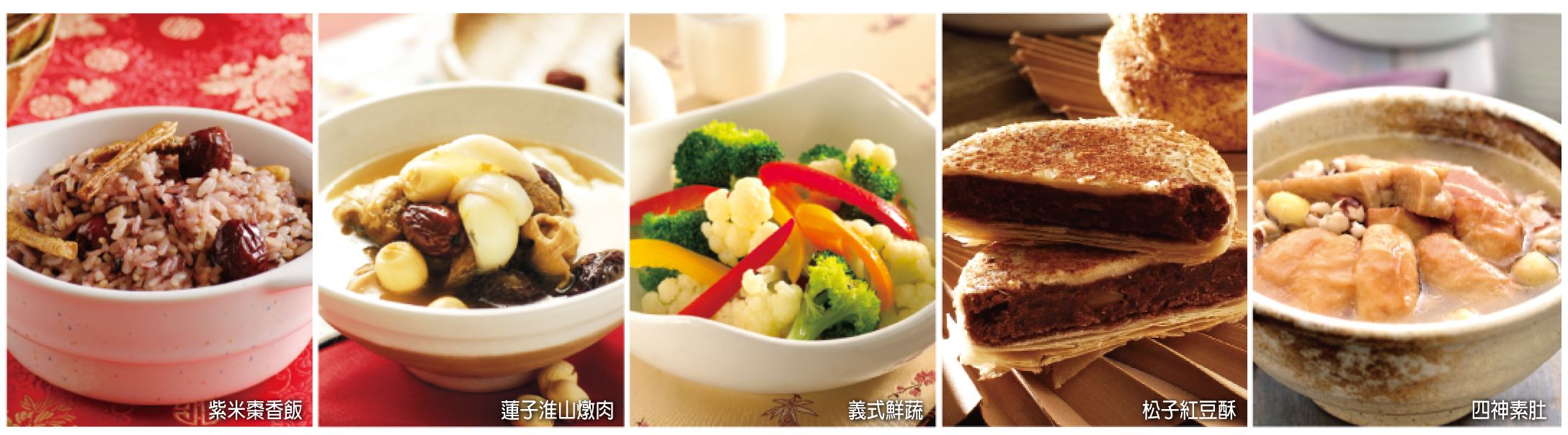
“Mothers today are mostly from the post-80s and post-90s generations. They hope to have their needs for weight management, nutritional management, and breastfeeding during the confinement period met simultaneously,” said Wang Qingbin. This is what Zijingtang has always been doing, and it is also the postpartum goal pursued by most new mothers.
Following a constitution assessment, Zijin Hall offers postpartum mothers a Phase I meal plan focused on detoxification and metabolic enhancement. Wang Qingbin told reporters, “Many mothers nowadays undergo cesarean sections and typically face issues such as edema and lochia discharge after surgery. Excessive tonification immediately post-surgery can actually hinder the elimination of toxins and lochia, potentially exacerbating edema and placing significant strain on the kidneys.” Therefore, the primary goals of care during this phase are to restore gastrointestinal function, promote lochia discharge, reduce edema, nourish and regenerate blood, and strengthen liver function.
After approximately 10 days of metabolic detoxification and recuperation, the postpartum woman’s physiological functions are largely restored, marking the entry into the recovery phase. The confinement meals provided during this stage primarily focus on repairing the waist, kidney function, and bones to prevent future backache and lumbar pain. Simultaneously, they replenish nutrients in breast milk, including calcium and various vitamins, thereby enhancing both the quality and quantity of breast milk to ensure its nutritional value. Wang Qingbin noted that the second-phase confinement meals offered by Zijintang prioritize the production of high-quality “golden” breast milk.
Phase 3: The focus of care shifts to nourishment. After 20 days of postpartum recovery, the mother’s internal organs are ready to absorb more potent tonics. By selecting low-calorie ingredients that combine meat and vegetables, she can achieve both nourishment and weight loss, while continuing to produce ample, nutrient-rich “golden” breast milk.
HPP Ultra-High Pressure Extraction Technology: Postpartum Meals Are No Longer Synonymous with "Medicinal Diets"
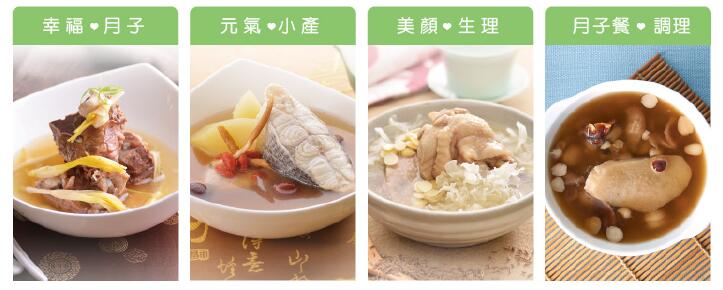
When it comes to the concept of postpartum confinement meals, many mothers immediately think of stereotypical labels such as “traditional Chinese medicine,” “free-range chicken soup,” and “fish.” In the mindset of the older generation, the most critical aspect of the confinement period is “intensive nourishment.” As a result, mothers typically consume diets with excessively high nutritional value during this time, which can lead to “overnutrition” in the human body.
In traditional thinking, medicinal diets for postpartum confinement meals are inevitably unable to combine palatability with therapeutic benefits. When asked how to make such meals “tasty,” “nutritious,” and “non-fattening,” Wang Qingbin told the reporter three letters: “HPP.”
HPP is an ultra-high pressure extraction technology originating from Europe and the United States. “Our core ingredients are all imported from Taiwan. We use HPP technology to extract herbs that serve both medicinal and dietary purposes into liquids, which are then incorporated into food. This approach ensures not only excellent taste but also preserves nutritional value and therapeutic benefits.”
Zi Jin Tang’s product portfolio is categorized into postpartum confinement meals, post-miscarriage recovery meals, and menstrual care meals, among others. It even includes specialized therapeutic meal plans for conditions such as hyperthyroidism, diabetes, and hypertension.
In addition, Zijin Hall offers a range of restorative beverages, including red date tea, hawthorn water, and black bean water, which not only support postpartum recovery and nutrition but also cater to taste preferences.
Leveraging B2B channels to acquire B2C customers, providing customized postpartum confinement meals for individuals.
“We are not currently partnering with postpartum care centers; their volume is too high, which does not align with our needs.” Wang Qingbin’s remark left the reporter puzzled: how could a business owner complain about having too many customers?
In practice, for Zijintang, wellness consultants engage in detailed consultations with clients during the service delivery process. In addition to the dietary menu, they provide exclusive wellness products tailored to each client’s needs. The company then delivers prepared meals to postpartum mothers’ homes at scheduled times every day. This refined service model is what Wang Qingbin considers a competitive advantage in the confinement meal market.
“For postpartum care centers, their processes and meal provisions are largely standardized, with little customization based on mothers’ actual needs, such as phased recuperation. In many cases, individuals simply eat whatever is served to the group that day.” In contrast, Zijintang’s postpartum meals are delivered to clients’ homes based on individual constitution test results and diet plans formulated by nutritionists, and also include additional services such as mammary gland duct clearance.
Currently, Zijingtang’s postpartum confinement meal package is priced at RMB 18,000 for a 30-day period. Customer acquisition is achieved through collaborations with maternal and infant retail chains, leveraging in-store promotions and prenatal education classes. Additionally, Zijingtang engages with hospital nutrition departments—by organizing academic symposia, among other initiatives—to raise awareness and understanding of its postpartum meals among professional nutritionists.
Zijintang in Chengdu has strategically located its stores near the Sichuan Provincial Maternity and Child Health Care Hospital and the Chengdu Maternity and Child Health Care Hospital, both of which serve areas with high newborn birth rates. By primarily promoting offline prenatal classes for expectant mothers, the company converts these participants into customers for its postpartum confinement meals. According to Wang Qingbin’s plan, another key objective of these prenatal classes is to enhance the awareness of the产妇s’ family members: “We aim to help the families of new mothers, including older-generation relatives, gradually understand the knowledge and concepts surrounding scientific postpartum confinement practices, thereby facilitating quicker acceptance of scientifically formulated confinement meals by the new mothers.”
During the interview, Wang Qingbin received a call from a mother inquiring about postpartum confinement meals. He told the reporter, “You see, another mother is reaching out to us at Zijintang for our postpartum confinement meal services. There is clear market demand, as some mothers have already embraced the concept of postpartum recuperation and health maintenance. Once this awareness becomes widely adopted, the market will naturally flourish.”