

Xiaobai Home Care Targets Premium O2O Elderly Care Market, Poised to Enter the 100-Million-Yuan Revenue Era
At 1:00 p.m., the reporter dialed Zhao Xia’s number. Though lunch hour had passed, Zhao—who speaks with the fast, rhythmic cadence typical of coastal regions—mentioned she still had a meeting to attend shortly. To her, this work routine was nothing out of the ordinary.
Leaving behind her title as an executive at a Fortune 500 financial institution from the past decade, she now serves as Co-Founder of Xiaobojiahu (hereinafter referred to as “Xiaobo”), drawing on five years of prior experience in internet entrepreneurship.
Professional care, as a critical component of the medical, rehabilitative, elderly care, and nursing sectors within the eldercare industry, has remained a focal point for society and the industry, particularly regarding the continuous care of disabled and empty-nest elderly individuals. In China, there are approximately 40.63 million disabled and semi-disabled elderly people, accounting for 18.3% of the total elderly population. Based on a caregiver-to-patient ratio of 1:4, there is a shortage of approximately 10 million professional caregivers, and the demand for professional in-home nursing services will continue to grow in the future.
How does Xiaobojiahu stand out among numerous elderly care service enterprises? What are their secrets? With these questions in mind,VCBeat (WeChat ID: vcbeat)A reporter conducted an exclusive interview with Zhao Xia.
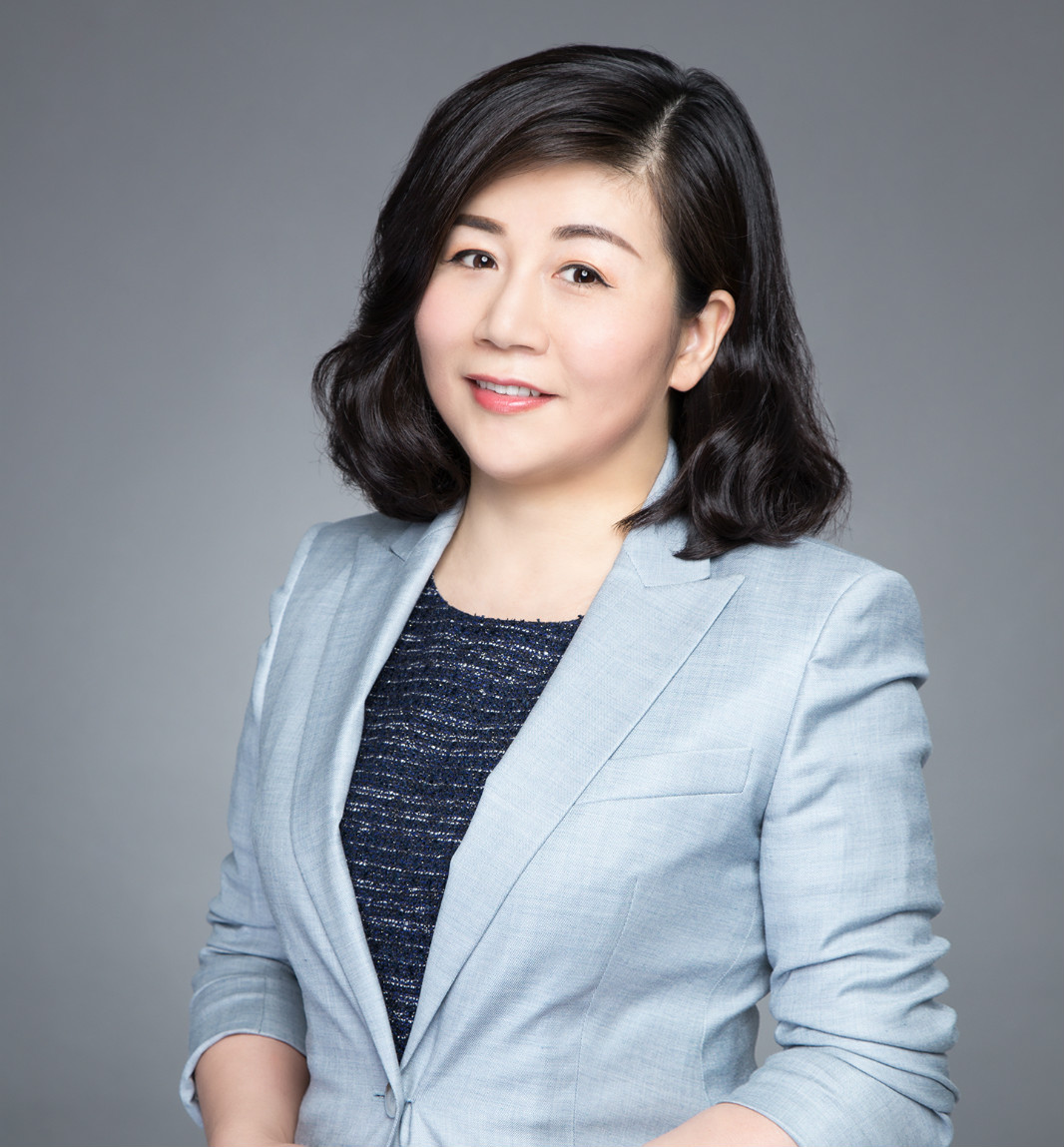
Zhao Xia, Co-founder of Xiaobojiahu Home Care
About Xiaobojiahu
Xiaobojiahu, established in June 2015, is a professional medical and elderly care service provider originating from the United States and based in Ningbo. Leveraging an internet technology platform, it offers specialized in-hospital companionship and home-based nursing services.
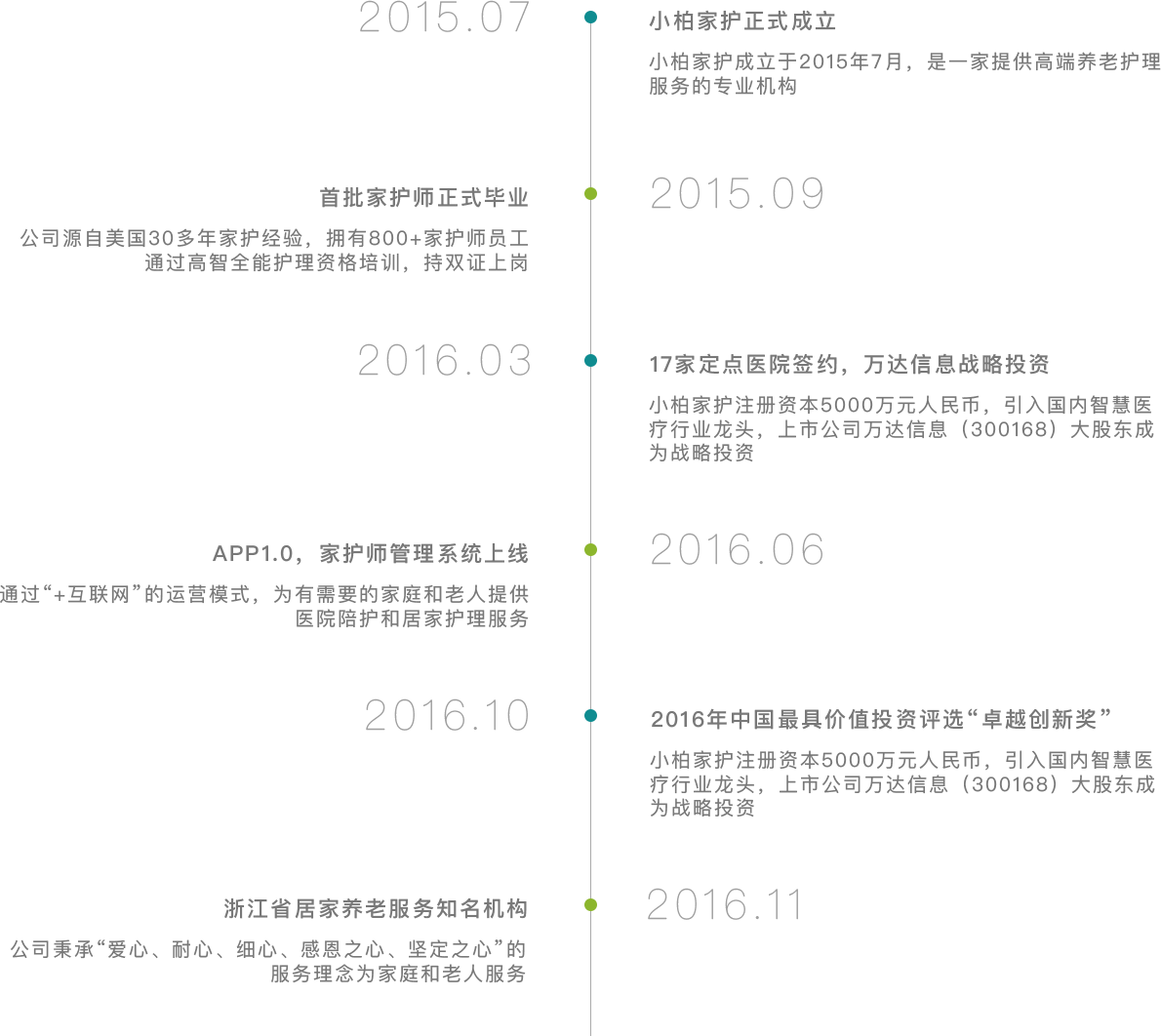
Xiaobojiahu Home Care Chronicle
Introducing advanced U.S. home care concepts and experience, with localized improvements, centered on the service needs of “care recipients,”Xiaobojiahu has innovatively developed a service workflow spanning from hospital companionship to home-based care, and from clinical nursing to specialized disease management. Through two years of practical exploration, it has gradually established a market-oriented, standardized, internet-enabled, and scalable operational model, targeting mid-to-high-end self-pay customers.
Xiaobojiahu’s primary service scenarios are hospital companionship and home-based care. Service offerings are categorized into: basic clinical nursing, specialized nursing, and personal care; nursing levels are divided into three types: semi-care, full-care, and special care; and service durations are available in two options: 12-hour daytime coverage and 24-hour round-the-clock coverage.
In June 2016, Xiaobo secured RMB 30 million in Pre-A round financing from Marriott Investment. It is reported that the company will launch a new round of financing in the second half of this year, with an estimated size of RMB 50-60 million, to be used for expansion into new cities, recruitment and training of caregivers, as well as the development and promotion of its internet platform.
“We want people to understand that nursing care is not just about helping patients eat, drink, and manage their toileting needs.”
Hong Zhemin, founder of Xiaobojiahu Home Care, holds an MBA from Columbia University in the United States. He previously served as the Asia-Pacific Partner Director at Watermark, a premier U.S.-based luxury senior living brand, and brings extensive industry experience and managerial expertise in elder care.
Co-founder Zhao Xia holds an MBA from Shanghai University of Finance and Economics, previously served as a senior executive at a Fortune 500 financial institution, and has three years of experience in internet entrepreneurship.
Beyond market opportunities that spurred Zhao Xia to start her business, building a career with “karmic rewards” has also become part of Xiaobai’s unique corporate culture. “As the saying goes, treatment accounts for 30% and care for 70%. In the United States, the average life expectancy from disability to death is 6.4 years, whereas in China it is less than two years. A key factor behind this difference is the level of professional nursing care.” This set of figures deeply moved Zhao Xia.
“In China, the word ‘nursing’ immediately brings nurses to mind. But in the United States, there are two distinct English terms—‘nurse’ and ‘care’—which represent two different professions,” Zhao Xia emphasized to the reporter, highlighting the distinction between these two concepts.
After her father was discharged following a femoral bone graft surgery, she hired a professional nurse to provide one-on-one rehabilitative care, which contributed to his favorable recovery. However, Zhao Xia realized that many individuals with disabilities or partial disabilities—who often neglect postoperative rehabilitation or require long-term care—may not be as fortunate if they lack access to professional nursing services.“Care” and “assistance” are often conflated in China.
“The providers of long-term care are generally family members, such as children, siblings, or other relatives, or else they fall to nannies.”Due to the low public awareness of nursing care in China, individuals requiring long-term care are often looked after by informal caregivers at home after being discharged from hospitals. This reflects the current state of home-based care in China. Zhao Xia told reporters that she hopes to popularize the concept of nursing care—Nursing is by no means limited to assisting with eating, drinking, urination, and defecation.
Not “Pouring Money” into Hardware, Entering the Market via “Software”
Models in the elderly care sector are also categorized into asset-heavy and asset-light approaches. The asset-heavy model primarily relies on physical nursing institutions, while the asset-light model focuses on services and operations. Xiaobojiahu enters the elderly care market through its service offerings.
“Xiaobojiahu was established in 2015. Prior to that, we had conducted over a year of market research. After analyzing the transition from asset-heavy to asset-light models in the elderly care industry, we found that the foundation for elderly care services in China is relatively weak, and this is not something that can be rapidly built simply by injecting capital,” Zhao Xia told reporters.
There are many enterprises in the market that operate asset-heavy elderly care services and possess substantial financial strength. In the early stages of its venture, Xiaobo’s capabilities could not compete with those of the industry “giants.”Therefore, in addition to hardware investment, they are exploring the path of “software” services—upgrading the quality and management of caregiving staff serves as the foundational guarantee for elderly care services.
Zhao Xia told reporters:“Compared to the hardware of elderly care institutions, which boast favorable environments, new facilities, and comprehensive functions, the development of the caregiving workforce is lagging, characterized by an aging staff, low educational attainment, and management challenges. Moreover, under China’s ‘90-7-3’ elderly care model, the demand for elderly care services far exceeds the number of available institutional beds.”
The “90-7-3” elderly care model, wherein 90% of seniors age in place with family-based care supported by socialized services, 7% rely on community-based services, and 3% reside in institutional care facilities, indicates significant market opportunities for home-based care dominated by family caregiving.
No Elderly Care Intermediaries: Employee-Based Model Determines Quality
Why does Xiaobai not adopt a pure platform model that allows service providers to join, but instead chooses an in-house training approach? The primary reason is to establish professional standards for nursing services while refining management standards for core service processes.
In the application scenarios of elderly care platforms, the core function is to connect supply with demand, featuring information matching and streamlined information flow, with transparency and direct access as the ultimate goal.
However, in Zhao Xia’s view, neither the hospital “caregiver” market nor the home-based “nanny” market can meet the needs of families requiring long-term care services. The supply side is characterized by shortages and a lack of standardization, has not achieved scale, and consists of a relatively fragmented caregiving workforce with low levels of standardization and professionalism. Therefore, to ensure service quality, it is essential to train a cohort of standardized caregiving personnel through its own proprietary training system.
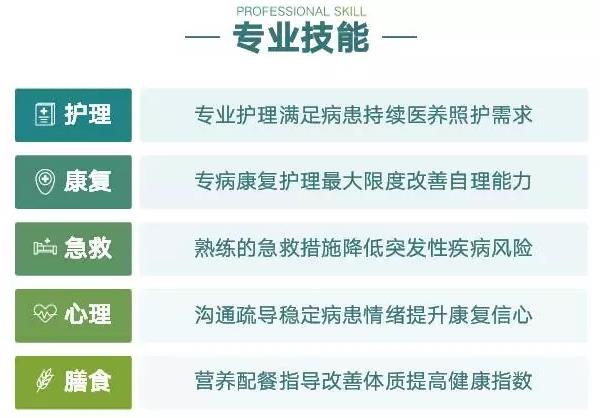
Xiaobojiahu Nurses' Five Core Professional Skills
Xiaobojiahu’s services target the elderly; however, given the limited penetration of the internet among this demographic, it is challenging to deliver information directly to them. Consequently, communication on the demand side is conducted with their adult children, meaning that Xiaobojiahu’s user base consists primarily of the elderly’s offspring.
Thus, users and service recipients constitute two distinct dimensions. Consequently, if the demand side relies on recruiting platform-based personnel to provide services, there is a risk that service quality may fail to meet standards, rendering such risks uncontrollable. Zhao Xia stated, “In the initial phase of establishing standardization, employing platform staff could lead to issues such as non-compliance with management, thereby undermining implementation effectiveness.”
In the first half of 2016, the number of caregivers in Xiaobojiahu’s self-built team had reached over 1,000.
Nursing Is Not Nannying: Naming Caregivers “Home Care Nurses”
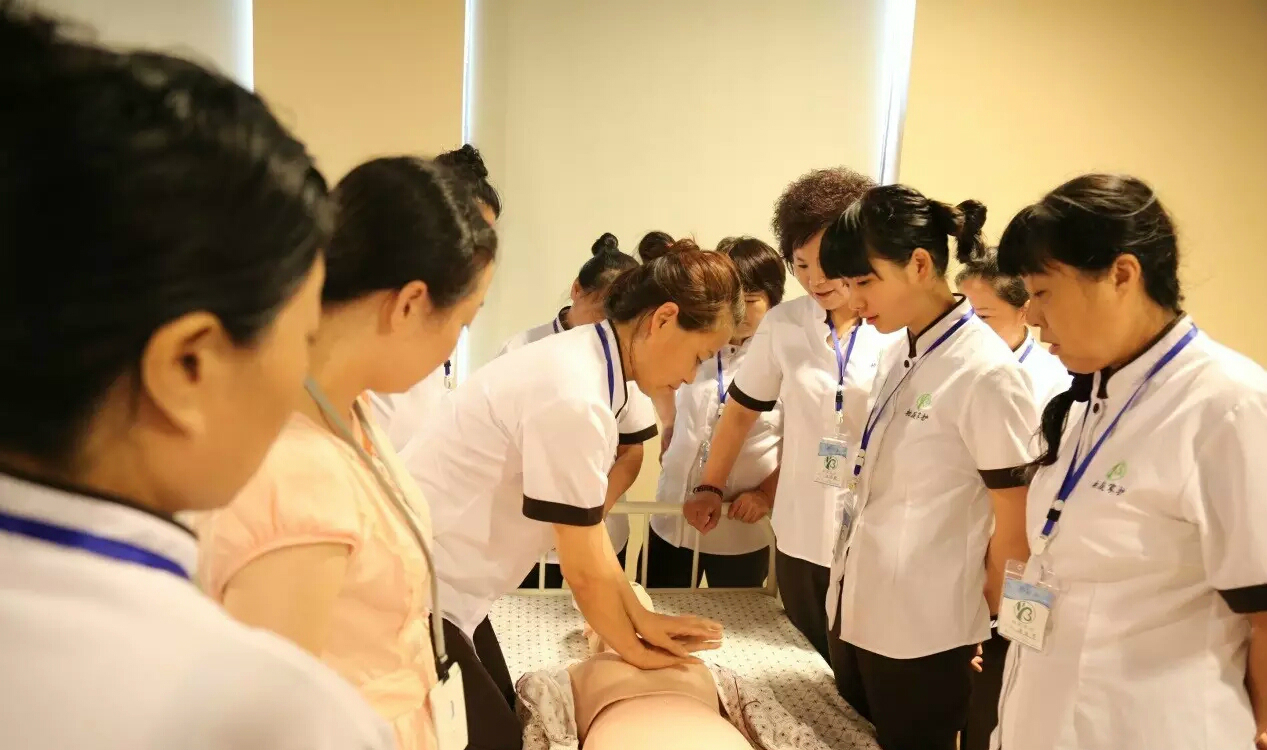
Xiaobojiahu has established its own team of nursing trainers, developed proprietary training materials, and extended the training duration from 120 to 500 class hours. The training program has been expanded from a single focus on nursing care to five standardized modules: nursing care, rehabilitation, nutritional dietary management, and psychological counseling. All Xiaobojiahu caregivers are 100% certified, holding both the National Elderly Caregiver Qualification Certificate and the Xiaobojiahu Professional Caregiver Certificate, thereby ensuring dual-layer professional assurance.Xiaobo gave their team a professional title—Home Care Nurse.
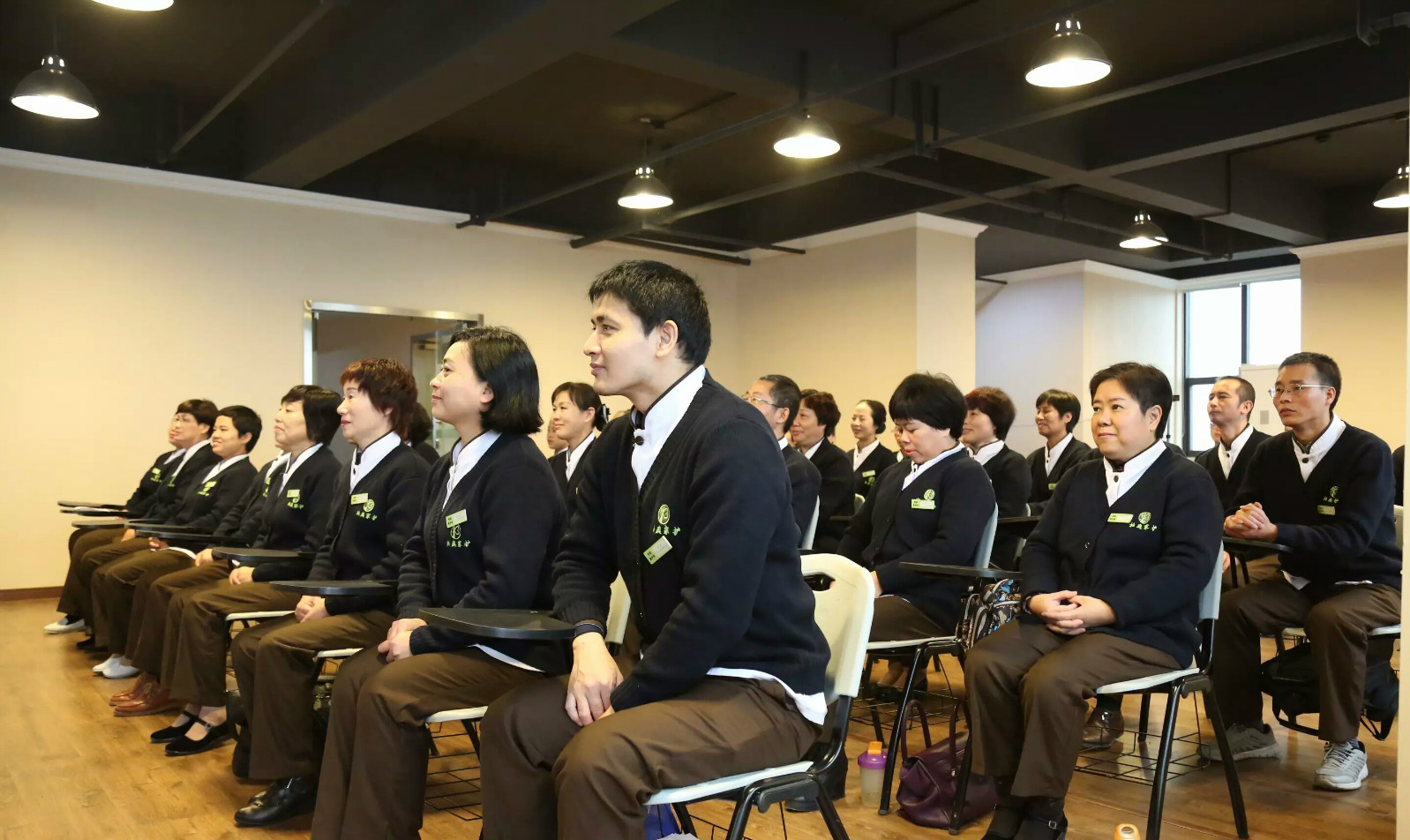
Xiaobojiahu Nurse Training
Xiaobojiahu has also developed an E-learning online training system, under which home care providers are required to complete more than four continuing education sessions and skill-level assessments annually.
In actual business operations and management, Xiaobojiahu provides home care nurses with standardized nursing kits, including blood pressure monitors, blood glucose meters, disinfection and sterilization supplies, and commonly used topical medications for the elderly. Additionally, the "Home Care Nurse Service Log" has been digitized into an online workflow to ensure service quality. Skill levels, service hours, and service evaluations will serve as the criteria for star-level promotion assessments for home care nurses.
During Zhao Xia’s entrepreneurial journey, she held another vision: to ensure that all home care nurses receive the respect they deserve. In her previous role as a senior executive in investment banking, Zhao did not interact with the primary demographic of today’s home care nursing team—individuals born in the 1940s and 1950s. She believes that frontline service workers endure significant hardship in their roles. Therefore, enterprises must first address their basic livelihood needs, while also enabling this low-income group to gain a sense of professional pride by acquiring specific skills.
“During the course of service delivery, when elderly clients or their family members are satisfied with the care provided, they often give likes or positive reviews. This makes home-care nurses feel respected, reinforcing the notion that ‘I am not merely a nanny.’” Zhao Xia believes that receiving positive feedback generates a sense of fulfillment; only when society affords caregivers a certain degree of professional dignity will we, as the recipients of care, ultimately benefit.
Currently, Xiaobojiahu has partnered with PICC to purchase third-party employer liability insurance and property insurance for its home care specialists, which helps mitigate service-related risks.
Focusing on the mid-to-high-end market, building reputation through quality service
Zhao Xia cited two reasons for targeting the mid-to-high-end market in the elderly care sector.
First, there is room for fee-based services; the market does not lack payment capacity, but rather lacks services that match such payment capacity.Xiaobo actually aims to earn a strong reputation through high-quality services.
Zhao Xia stated, “Families with the financial capacity are willing to accept higher-quality services and possess a more mature understanding of nursing care. Only then can trust be established through service delivery, thereby increasing the average revenue per user.”
Second, risks in the mid-to-high-end market are relatively controllable.Xiaobai provides person-to-person services. Even with processes optimized to the utmost, issues related to human agency may still arise. This customer segment tends to have a relatively rational understanding of the service risks that may occur during the care process.
Zhao Xia said, “They are quite respectful toward service staff, and even when minor frictions arise during the course of service, communication and mutual understanding remain relatively easy.”
Currently, Xiaobojiahu’s service prices generally range from RMB 130 to RMB 300, with slight variations across different cities. For instance, the daily rate for 24-hour semi-care is RMB 198 in Shanghai and RMB 160 in Ningbo. Public information indicates that Xiaobojiahu entered the Shanghai market in 2016 and added Hangzhou as another service city this August. As of the end of June 2017, the company had served over 12,000 clients, processed more than 100,000 orders, and achieved a monthly sales volume of RMB 3–5 million.
According to Zhao Xia, Xiaobo generated nearly RMB 60 million in revenue in 2016 and is expected to surpass RMB 100 million this year.
Establishing an SOP Service System for Elderly Care to Prepare for the Undertaking of Long-Term Care Insurance Services
According to Zhao Xia: “The standardized establishment of SOPs is the essence ingrained in the bone and marrow of all enterprise management and operations; therefore, in this process, we aim to achieve standardization in the caregiver market or the elderly care nursing staff market.“The United States has a dedicated Home Care Association, so the foundation of the service provider supply side is completely different from that in China.”
In the U.S. elderly care sector, distinct professional certifications are required for different skill sets, covering specialized fields such as nutrition, psychology, and nursing. This reflects a highly granular differentiation of skills, rather than a one-size-fits-all approach where a single credential suffices for all roles.
Domestic standards remain unclear, with only the Elderly Caregiver Certificate issued by the Ministry of Human Resources and Social Security available within the industry; there is a lack of occupational standards and classification for the supply side of long-term care services.
In July 2016, the Ministry of Human Resources and Social Security issued guidelines for piloting long-term care insurance. Currently, there are 16 pilot cities, including Shanghai and Ningbo. The entire process—from assessment to service delivery and evaluation—requires mature service providers in the market to undertake these services. Moreover, this scheme is poised to become the primary payment method for long-term care services in the future.
Xiaobo has established standardized processes for elderly care services, encompassing training standards, service protocols, and quality control systems. It applies professional medical, nursing, and rehabilitation standards to its product development and operations.
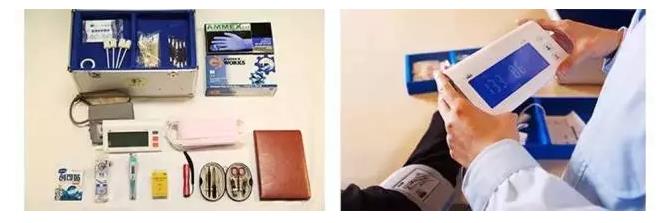
Standardized Equipment for Home Care Nurses
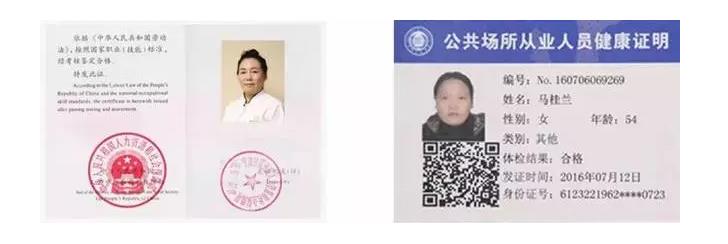
Must hold a National Elderly Caregiver Certificate, Xiaobojiahu Nurse Certificate, and Health Certificate
“During the caregiving process, if uncontrollable issues arise, it is mostly due to unclear service standards. There need to be clear regulations on what can and cannot be done,” Zhao Xia told reporters. In the backend system of Xiaobojiahu, service logs are pushed to home care specialists, clearly specifying the procedures and details of services. “For example, in comprehensive care services, bedridden elderly patients require turning and back patting every two hours in the morning. We reinforce and replicate these service standards for all home care specialists.”
Zhao Xia stated, “Only through standardization can a foundation for informatization be established. Therefore, Xiaobojiahu must gradually improve the efficiency and completeness of its standardized home nursing services to effectively align with the services covered by long-term care insurance.”
The C2P2C Model for Professional Care Addresses Industry Pain Points and Meets the Essential Demand for Nursing Services
In real-world scenarios, traditional hospital caregivers mostly provide one-to-many companionship services and rarely receive systematic training. This fails to meet the demand for one-on-one care during hospitalization for patients in the acute phase and the elderly. Moreover, many hospital caregivers are reluctant to provide post-discharge services, while ordinary nannies lack professional nursing skills. As a result, post-discharge rehabilitation and care for patients and the elderly are largely shouldered by family members. However, informal caregivers face significant challenges in terms of professionalism and stress resilience.
Since it is a person-to-person professional service, industry pain points caused by information asymmetry in traditional caregiver or nanny agencies—such as non-standardized pricing, assessments, and service content—have become the main obstacles to internet-based transformation in this field.
Zhao Xia believes that only by designing user profiles covering caregivers’ basic information, nursing experience, service reputation, and specialized nursing skills, and by establishing a C2P2C data model for service evaluation and matching, can the industry’s existing pain points be addressed to the greatest extent. This approach would provide users with precise, efficient, and fairly priced caregiver recommendations, empower them with the right to choose and evaluate, and ensure full transparency of information before, during, and after service delivery.
Xiaobojiahu is actively exploring how to leverage internet technologies to develop an O2O model for integrated professional care spanning both in-hospital and out-of-hospital settings, establishing a complete, industry-leading, internet-enabled transaction process and management philosophy. Currently, within the hospital setting, postoperative services are primarily provided by doctors and nurses; nursing care, which represents the head of the long tail, has become an essential need following the transition of care scenarios.
In addition to its O2O and B2C operations, the company plans to establish offline stores that provide caregiver training and elderly rehabilitation services, serving as a service provider for long-term care insurance. In the future, it will further expand into value-added services such as an assistive device marketplace and last-mile pharmaceutical delivery.
After completing over 100,000 orders and achieving substantial revenue, Zhao Xia believes that entrepreneurship is ultimately rooted in one’s original aspirations, beyond mere commercial considerations. Whether it involves establishing standardized processes or building a professional nursing team, dedication is essential to meet the rigid demand for nursing services, as this is fundamentally a people-centric service.
“In terms of serving people, no matter how rigid or standardized the regulations are, we are ultimately dealing with human beings rather than inanimate objects; thus, a sense of spiritual belief is essential. The corporate culture of Xiaobo is encapsulated in the term ‘Blessings’ (Fu Bao), which essentially aims to inspire everyone—from the management team to frontline service staff—to consistently practice empathy. Only when your sense of responsibility and compassion stem genuinely from the heart can you excel in this work,” said Zhao Xia.