

15 Innovative Devices, Smart Glasses, and Apps Enabling Healthcare Professionals to Accurately Locate Subcutaneous Veins
A nurse at Hangzhou Children's Hospital was beaten for three minutes by a patient's family members after multiple failed attempts at intravenous cannulation on an infant.
Injection, seemingly a simple procedure, is nonetheless quite challenging even for professional healthcare providers. It becomes particularly difficult when performing venipuncture on patients who are obese or have small or fragile veins.
According to statistics, the first-attempt failure rate for venipuncture is 10%–20% in adults and 40% in children. Furthermore, 58% of patients express dissatisfaction with nurses’ venipuncture skills. Improper venipuncture technique not only subjects patients to the pain of multiple needle sticks but may also lead to complications such as phlebitis, vascular occlusion, or other adverse events.
So, are there any methods that can help healthcare professionals accurately locate subcutaneous veins and improve the success rate of venipuncture? VCBeat (WeChat ID: vcbeat) has compiled a list of 15 cutting-edge products from both domestic and international markets, including handheld devices, smart glasses, and mobile apps, all of which can assist healthcare professionals in performing precise needle insertions!
1. VeinViewer Flex Vein Imaging Device

VeinViewer Flex is the leading portable vascular imaging system on the market. With VeinViewer Flex, physicians can visualize subcutaneous veins up to 15 mm deep, whereas clinically relevant vessels are typically located within 10 mm beneath the skin. In addition to peripheral veins and their branches, physicians can observe venous valves, blood flow dynamics, and the distribution of infused medications within the vasculature. For patients with phlebitis or varicose veins, internal thrombi can be clearly visualized using VeinViewer Flex. Furthermore, the second-generation product, VeinViewer Vision2, features adjustable color settings for its projection light, allows physicians to easily modify image size and brightness, and enables convenient saving of images in PNG format.
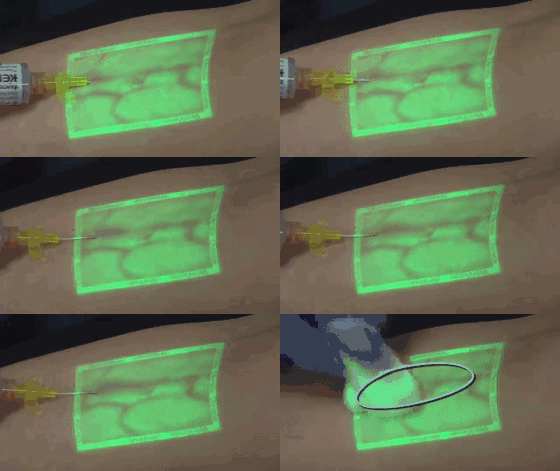
VeinViewer Flex: The vein imaging device operates by leveraging the differential absorption of near-infrared light by deoxyhemoglobin in peripheral tissues and veins. The captured information undergoes photoelectric conversion and image processing, enabling real-time localization and projection onto the patient’s skin. This approach significantly improves the first-attempt success rate of venipuncture for healthcare professionals, shortens procedure time, thereby reducing patient trauma, pain, and infection risk. It facilitates faster administration of medication or fluid therapy, saving critical time in emergency care.
This VeinViewer vein imaging device was developed by Christie Medical Holdings, Inc., a U.S.-based company. Christie Medical Holdings is an innovative enterprise that leverages optical technology innovations to revolutionize patient care and health management. Headquartered in Memphis, Tennessee, the company was formerly known as Luminetx Corporation before being acquired by Christie Digital Systems USA in 2010. Currently, the company offers two main products: the VeinViewer Flex and the VeinViewer Vision2.
2. AccuVein AV400 Vein Finder
AccuVein AV400 Vein Visualization System is the world’s first handheld, non-contact vein projection solution. Its advanced infrared laser technology ensures accurate localization of blood vessels within 10 mm beneath the skin, reducing imaging error to just 0.04 mm (less than the diameter of a human hair) while guaranteeing highly safe scanning.

Moreover, the AccuVein AV400 vein viewer weighs only 275g, making it highly portable. When mounted on its accompanying wheeled or fixed stand, it can be converted into a non-handheld device. This allows healthcare professionals to operate it without contacting the patient, thereby reducing the risk of infection. According to official disclosures, AccuVein’s products can reduce patient pain by 39%, increase the first-attempt venipuncture success rate by 3.5 times, save $350,000 in medical costs annually, and reduce patient complaints by 45%.
AccuVein, founded in 2006 and headquartered in New York, USA, is a global leader in vein visualization technology. Its flagship product, the AV400, has been adopted by more than 3,000 healthcare institutions and is sold in over 120 countries. Puhua introduced this device as early as 2015; it assists nurses in rapidly and accurately locating peripheral veins during venipuncture. It is particularly beneficial for patients with difficult-to-visualize peripheral vasculature, such as the elderly, children, and obese individuals.
3. Veinlite Vein Finder
The Veinlite vein detector is a ring-shaped light source that focuses intense light within the ring, using transillumination of a small area of skin for vascular imaging. Its semi-enclosed design also facilitates the insertion of venipuncture needles.
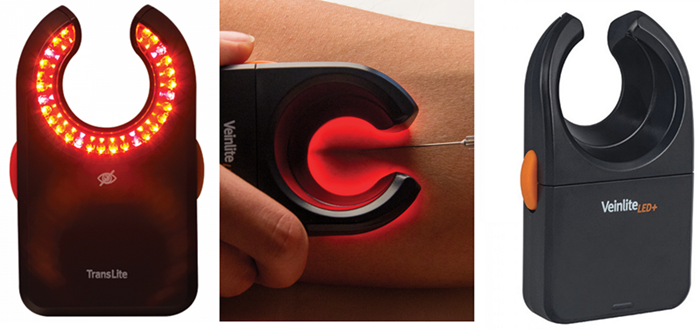
Veinlite offers three models: the adult version (Veinlite LED+), the pediatric version (Veinlite PEDI), and the emergency medical services version (EMS PRO). The adult version provides the optimal viewing area and the highest vein imaging contrast. Equipped with 22 bright orange and 6 deep red LED lights, it maximizes vessel visualization. The pediatric version is primarily designed for neonates and infants, featuring a more compact design that facilitates transillumination of infant bodies. The EMS PRO is specifically intended for emergency settings, incorporating a white integrated examination light to enable patient assessment anytime and anywhere.
The Veinlite vein viewer utilizes a technology distinct from conventional infrared techniques, employing an innovative method known as side-transillumination. Initially developed primarily for skin cancer detection, this technique renders small areas of the skin translucent. Experimental evidence has demonstrated that this innovative approach yields superior results compared to other technologies, such as cross-polarized imaging. Through further development, the Veinlite device was ultimately created for vein visualization and has gained popularity due to its efficacy in the treatment of varicose veins.
4. Illumivein Vein Visualization Device
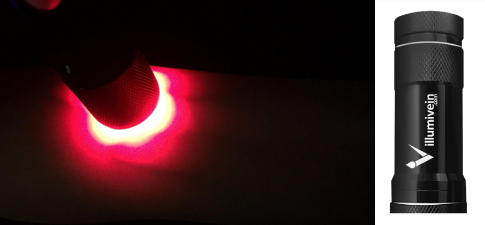
The Illumivein vascular visualization device resembles a standard flashlight; gently pressing the light head against the skin causes subcutaneous blood vessels to gradually become visible. Illumivein emits specialized high-intensity red LED light with a wavelength of 650 nm, which is absorbed by deoxygenated blood, rendering the blood vessels as dark shadows on the skin’s surface.
It is worth noting that Illumivein should be used in an environment with minimal lighting, and the device must be in direct contact with the skin to produce an image. Despite these limitations, its imaging performance remains unaffected. Furthermore, Illumivein is very affordable, priced at just $24.99.
5. Venoscope II Vein Transilluminator
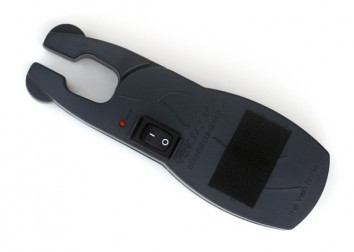
Venoscope II Vein Transilluminator enables clinicians to easily locate patients’ veins, thereby improving the success rate of venipuncture, enhancing service quality, reducing the consumption of medical supplies, and lowering healthcare costs.
Venous deoxygenated blood absorbs light, whereas adipose tissue reflects it. Place the Venoscope on the patient’s arm to project light into the subcutaneous tissue. Under high-intensity illumination, subcutaneous fat appears as an orange reflection. Move the transilluminator along the arm; when a vein is encountered, a dark line becomes visible, indicating the presence of the vein. The Venoscope II is lightweight and portable. Similarly, it performs optimally in dimly lit environments.
6. Aimvein Vein Imager
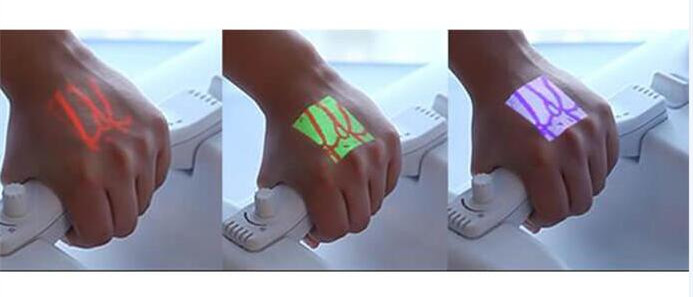
Aimvein Vein Imager primarily utilizes patented infrared light technology to detect subcutaneous veins, capable of visualizing blood vessels within a depth of 10 mm. With a single click, healthcare professionals can project a vivid vein map onto the patient’s skin. The device is compact and lightweight, weighing only 280 g, making it highly portable.
Additionally, the device offers three imaging modes in different colors (red, green, and purple) to ensure that Aimvein is suitable for users of all skin tones. Furthermore, image brightness can be adjusted as needed, enabling healthcare professionals to locate veins more accurately. Since its establishment in 2012, Aimvein has become well-known among hospitals, medical device suppliers, and other healthcare institutions. The company provides high-quality vein viewers to the medical community, which can improve the success rate of first-attempt venipuncture, reduce unnecessary peripherally inserted central catheter (PICC) placements, and enhance patient satisfaction.
7. Philips Wee Sight Transilluminator
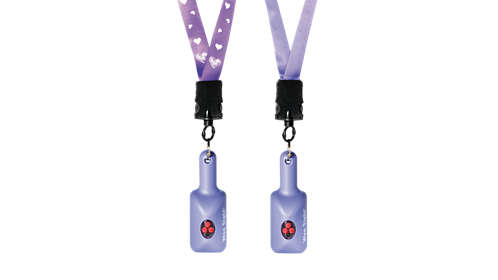
Wee Sight Handheld Transilluminator utilizes an LED cold light source to help accurately locate tiny blood vessels in the delicate limbs of newborns, thereby improving the success rate of intravenous (IV) cannulation.
Although Wee Sight features a powerful set of LED lights and a transilluminator, it does not generate heat. It is exceptionally safe, even for newborns with delicate skin, eliminating any concern about burns or similar injuries. Designed by Philips to be compact for easy portability, it can be conveniently strapped onto a baby’s arm or attached to a backpack.
8. Eyes-On Medical Smart Glasses
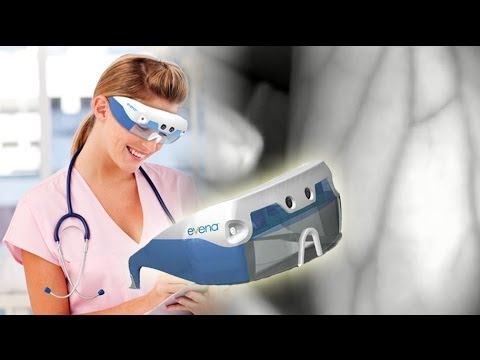
The Eyes-On smart glasses, designed for vein detection, were jointly developed by Evena Medical, an imaging technology company based in Silicon Valley, USA, and the Japanese electronics manufacturer Epson. By integrating Evena Medical’s near-infrared imaging technology, which locks onto patients’ blood vessels, with Epson America’s Moverio smart glasses technology platform, Eyes-On has become “the world’s first medical smart glasses product to achieve actual commercial application,” as well as the first hands-free wearable system for real-time vascular imaging diagnosis.
Eyes-On smart glasses integrate multispectral, ultrasound, 3D imaging, and wireless transmission technologies. They enable doctors and nurses to see through patients’ skin, much like X-rays, providing a clear view of subcutaneous structures such as veins. This allows healthcare professionals to quickly identify the most suitable vessels for intravenous injections. Additionally, Eyes-On can store patients’ vascular images in real time, enabling doctors and patients to review or share these images. It is also compatible with electronic health records (EHRs), facilitating efficient documentation.
9. Oxy-Amp Vein-Finding Glasses
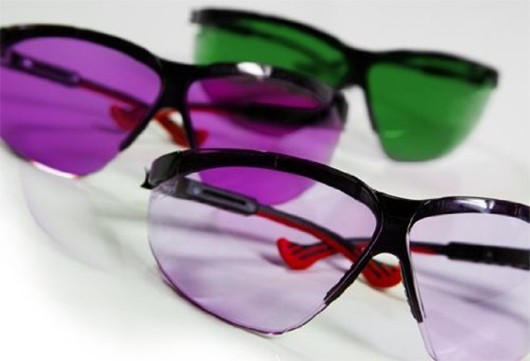
Oxy-Amp aims to elevate physicians’ normal color vision to a new level by amplifying veins and blood-related health signals on patients’ skin. Oxy-Amp glasses establish a connection between human color perception and blood physiology; the built-in filters in the product can amplify variations in subcutaneous oxygen levels and represent them as halos of various colors. One such filter, known as the “vein-finder,” leverages this principle to make patients’ veins emit a faint glow, thereby helping nurses accurately locate blood vessels.
Working Principle: Changes in blood flow manifest as extremely subtle variations in human skin color, making it difficult for the naked eye to assess physiological conditions based on these changes alone. These smart glasses can receive distinct signals corresponding to different physiological states, allowing physicians to observe varying shades of green, pink, and purple through the lenses. This intuitive color-coding reveals the hidden information beneath the skin.
As for VINO, the manufacturer of Oxy-Amp, it has been dedicated to providing glasses with color blindness correction and enhanced vein visualization for color-blind patients and medical professionals since its establishment in 2006. In addition to the Oxy-Amp vein-finding glasses, VINO offers two other flagship products: color blindness correction glasses and Hemo-ISO trauma-detection glasses, designed respectively for correcting color blindness and identifying bruises, hematomas, and other conditions.
10. VeinSeek Pro Vascular Visualization App
VeinSeek Pro is the world’s first smartphone app for vein visualization, capable of revealing subcutaneous veins without the need for additional hardware. Currently, VeinSeek Pro supports only iOS devices; Android support is expected to follow in the future.
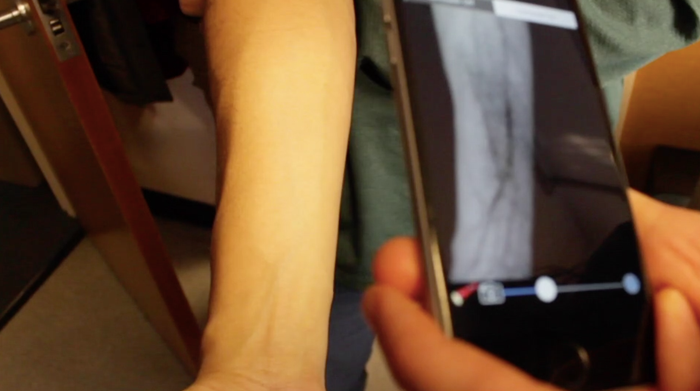
Light of different wavelengths penetrates the skin to varying depths. By filtering out signals from the superficial layers of the skin, deeper structures become more visible. VeinSeek Pro leverages multispectral imaging principles and the intrinsic optical properties of skin to generate enhanced vein images. It achieves vein visualization by amplifying the absorption differences between oxygenated and deoxygenated hemoglobin, thereby reducing the impact of surface scattering and specular reflection on the overall image. The idea of transforming an ordinary smartphone into a vein detector is truly cool. Unfortunately, however, this app currently supports only iOS devices; Android users will likely have to wait for some time.
Vein imaging devices have been studied earlier abroad, and the equipment is relatively more mature. In fact, in recent years, some Chinese companies have also begun to pay attention to this market.
11. Vivo 500 Projection Infrared Vein Imager
Zhongke Weiguang Medical Device Technology Co., Ltd.(hereinafter referred to as “Zhongke Weiguang”) launched China’s first projection-type infrared vein viewer, Vivo500, which addresses the common challenge of difficult venipuncture in obese patients and infants. The Vivo500 primarily leverages the principle that hemoglobin in blood absorbs near-infrared light more strongly than surrounding tissues. By processing digital images, it projects a real-time, co-registered visualization of subcutaneous veins directly onto the skin surface, thereby assisting healthcare professionals in performing procedures such as venipuncture, infusion, and blood draw, as well as facilitating the observation and assessment of various venous pathologies.
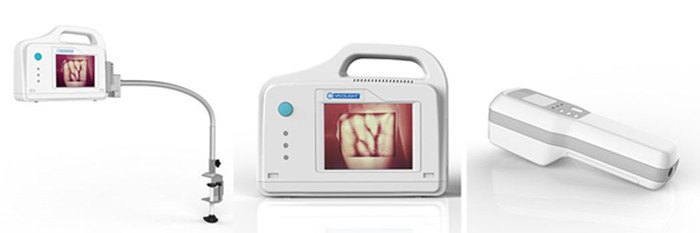
Zhongke Weiguang, established in 2012 and headquartered in Shenzhen with a research and development base in Xi’an, is a high-tech enterprise affiliated with the Chinese Academy of Sciences. It specializes in the research and development, manufacturing, and servicing of biomedical optical imaging systems. The company’s product portfolio spans two major fields—nursing imaging and intracardiac imaging—and includes multiple series such as infrared vein imagers, endoscopic OCT systems, and cardiovascular OCT systems. Currently, Zhongke Weiguang’s infrared vein imagers hold a leading 70% share of the domestic market in China and are exported to countries including Austria, Russia, Hungary, South Korea, India, Malaysia, and Saudi Arabia.
12. VeinSight Vein Imager
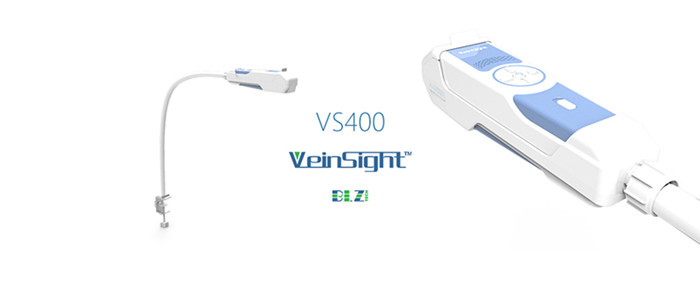
The VeinSight series of vein imagers, launched by Bolian Zhongke, visualizes information such as the structural location and branching of venous vessels as well as blood flow direction, thereby enabling real-time navigation of subcutaneous veins. This technology maximally assists healthcare professionals in observing and locating venous vessels and tracking the flow of blood or infusates, ensuring accurate assessment of the real-time status of peripheral veins before, during, and after puncture.
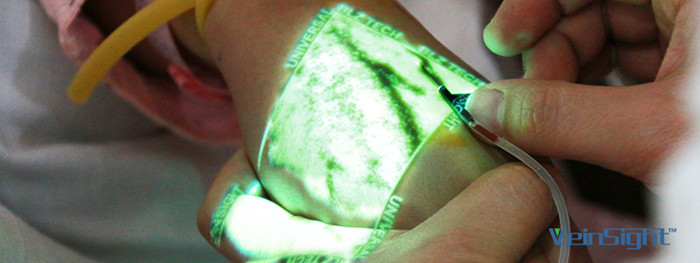
Working Principle: The VeinSight series of vein imagers utilizes harmless near-infrared light to illuminate the skin surface. By leveraging the differential absorption characteristics of near-infrared light by hemoglobin in the blood versus superficial tissue, the device captures digital information on subcutaneous veins. This data is then processed through a proprietary bio-imaging system and recognition technology to generate precise two-dimensional angiographic maps of vessel location and structure. Finally, using micro-projection technology (eliminating the need for auxiliary display devices such as monitors), the angiographic images are projected in real-time and with high precision directly onto the skin surface. This enables active imaging navigation for venous access, making the visualization of venous structure and position possible.
Bolian Zhongke (Wuhan) Technology Co., Ltd., is an emerging high-tech enterprise specializing in the R&D, manufacturing, sales, and service of intelligent medical devices, aiming to provide high-quality products and services with optimal cost-performance. The company has currently launched four models of vein imagers: VS400, VS300, VS200, and VS100.
13. Three Vein Imaging Devices from Lanming Medical
When infrared light irradiates human tissue, deoxygenated hemoglobin in the venous blood vessels absorbs infrared light more significantly than the surrounding tissues. This creates a distinct image of the venous vessels when captured by an infrared camera. After being processed by specialized hardware and software image processing systems, the image is projected back onto the skin surface as visible light, forming a visible representation of the venous vessels to assist in vein localization.
Vein imagers are designed based on the aforementioned principles to visualize subcutaneous veins that are difficult to see with the naked eye, providing auxiliary localization and display of superficial veins in areas such as the dorsal hand, dorsal foot, antecubital fossa, and scalp. The use of vein imagers can improve the accuracy of venous localization and the success rate of venipuncture, thereby reducing patient discomfort and mitigating doctor-patient conflicts.
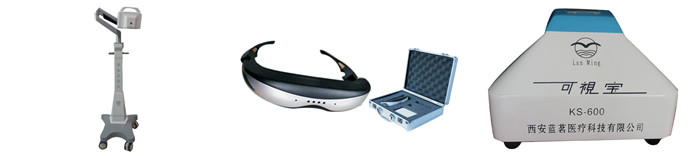
Xi'an Lanming Medical Technology Co., Ltd.Three vein imagers have been launched: the KS-800 head-mounted 3D vein imager, the KS-900 floor-standing vein imager, and the KS-600 transillumination vein imager, designed to assist healthcare professionals in accurately locating patients' veins.
14. Dongfa Medical DF Series Vein Visualization Device
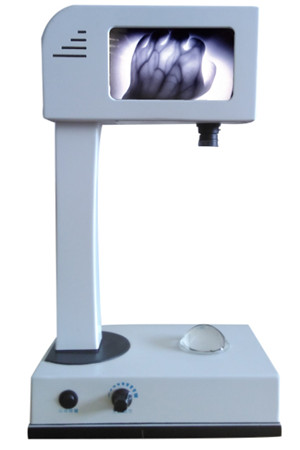
Anhui Dongfa Medical Equipment Co., Ltd.Launched a series of vein imagers: DF-300, DF-100, DF-200, DF-300S, DF-600, DF-700, etc. This series of vascular imagers leverages the differential absorption of infrared light by deoxyhemoglobin in peripheral tissues and veins. After photoelectric conversion, this information is used to display high-definition images of veins in various areas on the screen, assisting medical personnel in improving the efficiency of venipuncture.
Vein imaging devices utilize medical-grade cold light sources, ensuring zero contamination and radiation. They cause no irritation or harm to the human body, precisely locate venous vessels with zero error, and display high-definition images in real time, providing significant convenience for medical personnel.
15. Beisiman BVF Series Vein Finder
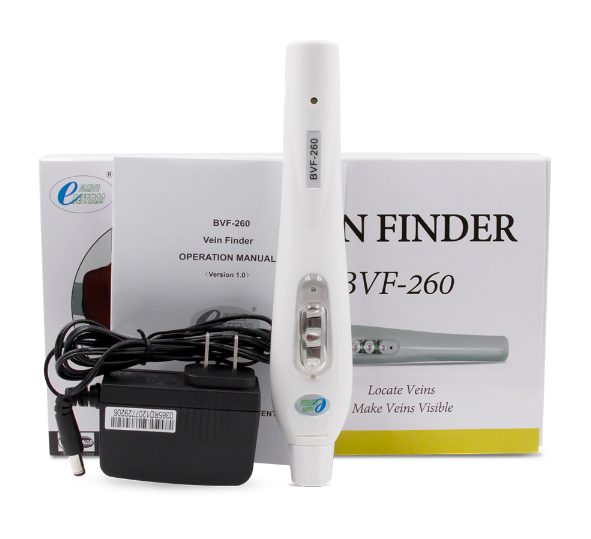
Shenzhen Basman Precision Instrument Co., Ltd.Launched three vein finders: BFV-260, BFV-266, and BFV-263. These three vein finders are venous transillumination observation tools developed using advanced LED cold light source technology, and can be widely used in various medical and nursing departments for intravenous injection procedures.
The device assists healthcare professionals in rapidly and accurately locating and targeting veins during venipuncture. It is particularly effective for patients with difficult vascular access, such as young children, obese individuals, and those with edema or excessive hair growth. By improving the success rate of venipuncture, it helps reduce patient discomfort and enhances the doctor-patient relationship.