

Fang Xiaodong of BGI Genomics: Current Landscape and Future Prospects of the Gene Industry

BGI
Scientific and Technological Service Provider and Precision Medical Service Operator
Dr. Susumu Tonegawa, Nobel Laureate in Physiology or Medicine, once stated, “Apart from trauma, all human diseases are related to genes.” So, what exactly is the connection between genes and disease? And what role can genetic technology play in healthcare and medicine?
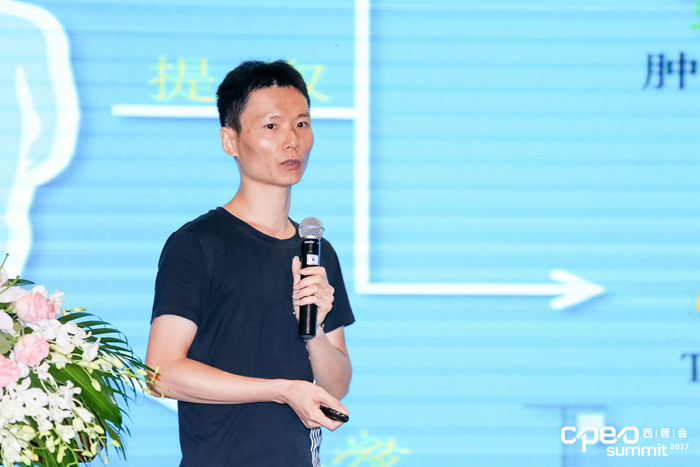
At the “2017 New Kangjie Health Industry Capital Summit” held recently, BGI, which had just gone public, was also invited to attend. At the event, Fang Xiaodong, Vice President of Technology at BGI, shared with attendees the current state of development and future opportunities in the genomics industry.
Guest Introduction
Fang Xiaodong, Vice President and Chief Technology Officer of BGI Shenzhen, holds a Ph.D. in Bioinformatics from the University of Copenhagen. He has participated in multiple international genomics projects, including the 1000 Genomes Project, the Vertebrate Genomes Project (covering 10,000 species), the i5K Initiative (sequencing genomes of 5,000 insect species), the International Cancer Genome Consortium, as well as the giant panda, rhesus macaque, and global subterranean rodent genome projects. As a key author, he has published dozens of research papers in top-tier international academic journals.。
Upon taking the stage, Fang Xiaodong stated, “China is a country with a large population and a high incidence of disease.” There are currently over 70 million people living in poverty in China, a significant proportion of whom have fallen into poverty or returned to poverty due to illness. Furthermore, there are more than 4 million new cancer cases diagnosed annually in China, a staggering figure.
Gene-related diseases can be classified into several types:
One category is diseases caused by chromosomal abnormalities., such as Down syndrome caused by chromosomal aneuploidy; or diseases caused by chromosomal microdeletions and microduplications, where the total number of chromosomes is normal, but small segments are either deleted or duplicated.
The second category comprises genetic diseases caused by mutations or polymorphisms., including polygenic and monogenic diseases. Currently, there are over 8,000 known monogenic disorders; unfortunately, the vast majority lack effective therapeutic drugs. Therefore, prevention and early screening for monogenic diseases have become critically important.
The third category is mitochondrial-related diseases, often caused by mutations in mitochondrial DNA. Mitochondrial diseases are maternally inherited, but currently, many mitochondrial diseases still lack effective treatments.
To date, medicine remains an exploratory discipline. At times, physicians cannot definitively diagnose a patient’s condition or determine the corresponding treatment plan. For many diseases, truly effective therapeutic options are scarce; more importantly, the focus should be on prevention.
Subsequently, Fang Xiaodong introduced the practical applications of gene technology in several fields:
Birth defect screening is a key area of focus in the genetic technology industry. By leveraging genetic screening technologies, it is possible to conduct early detection of chromosomal abnormalities in embryos; furthermore, products of conception can be analyzed to determine the causes of miscarriage. In many cases, embryonic loss is not due to accidental factors but rather results from genetic defects in the embryo, reflecting the natural selection process of “survival of the fittest.”
For parents carrying genes associated with genetic disorders, preimplantation genetic screening (PGS) and preimplantation genetic diagnosis (PGD) can help them obtain a healthy embryo.
For example, a couple who were both carriers of severe thalassemia genes unfortunately had their first child diagnosed with thalassemia. Hoping to have a healthy second child, the couple utilized preimplantation genetic screening (PGS) in conjunction with in vitro fertilization (IVF). Ultimately, they not only welcomed a healthy second child, but the umbilical cord blood stem cells from the younger sibling also brought hope for the treatment of the older child.
Chromosomal abnormalities, such as Down syndrome, can now be detected through non-invasive prenatal testing (NIPT). This service constitutes a significant part of BGI’s current business portfolio, with the company having initiated similar research seven to eight years ago. BGI has long advocated its “Three-Step Strategy”: scientific discovery first, followed by technological invention, and finally, the genuine promotion of industrial development.
Throughout the course of China’s historical development, there have been few truly groundbreaking scientific theories that advanced human progress; instead, progress has largely stemmed from the accumulation of empirical experience and technological improvements. In the field of medicine, however, under the current broader social context, the demand for industry development driven by scientific innovation has become increasingly urgent.
In addition to genetic disorders, tumors exert a profound impact on human society. The gene technology industry aims to leverage genetic technologies for early cancer screening, assist in formulating medication and treatment regimens during patient care, and enable physicians to monitor patient prognosis.
In conventional therapy, the overall efficacy for tumors is relatively poor, with a drug response rate of only about 25%. Targeted drugs are engineered with targeting capabilities, enabling the selection of appropriate medications based on specific genetic mutations. Currently, the industry’s primary focus is on diagnostic testing related to targeted therapy. Although numerous targeted drugs are available on the market, they are not suitable for every patient.
However, this therapy is not perfect. Targeted therapy requires well-defined molecular targets, and the emergence of primary and secondary resistance is inevitable during treatment.
Immunotherapy, like targeted therapy, can specifically attack tumor cells. However, unlike targeted therapy, immunotherapy works by activating the patient’s own immune system to generate specific T cells, which control and kill tumor cells through the specific binding of antigens and antibodies. Although the response cycle is relatively long, the effects are durable and broadly applicable, making it currently the most prominent approach in cancer treatment.
At its core, every tumor arises from genetic mutations. Leveraging gene technology to identify tumor-specific neoantigens with immunogenicity in each patient can activate their immune cells, enabling the body’s own immune system to eliminate cancerous cells. This approach aligns with philosophical logic. Utilizing gene technology to facilitate early screening and treatment of tumors represents the strategic direction for both the gene technology industry and the field of oncology research.
Furthermore, infectious diseases pose a significant threat to human health. The mortality caused by infectious diseases far exceeds the impact of human wars. In 542 AD, the “Black Death,” caused by plague, broke out in Constantinople. This catastrophe not only shattered Emperor Justinian I’s dream of restoring imperial unity but also nearly brought the entire Eastern Roman Empire to ruin.
To this day, the Ebola virus continues to spread across Africa. If infectious diseases cannot be brought under control, it is difficult to imagine the plight humanity would face. Currently, there are no particularly effective treatments for viral infectious diseases. Although the advent of antibiotics has largely controlled bacterial infections, decades of antibiotic misuse have increasingly diminished their efficacy against viruses.
For instance, in the 1960s, infections could be treated with just tens of units of penicillin. Today, however, millions of units of the same drug often fail to cure the same conditions. In the 1960s, approximately seven million people died from infectious diseases; in the current century, that number has risen to twenty million.
Antibiotic abuse catalyzes the emergence of superbugs, thereby escalating the threat posed by infectious pathogens to humanity. Consequently, curbing the misuse of antibiotics represents a significant challenge facing human society. Failure to effectively control this issue could result in economic losses exceeding $100 trillion over the coming decades.
How can it be controlled? Unfortunately, the effective and timely measures currently available in clinical practice remain limited. Many people have likely had the following experience: if you have a bacterial infection, your doctor will prescribe antibiotics based on their clinical experience. However, no one can say with certainty whether these antibiotics will be effective. Typically, if the medication proves ineffective, the doctor will switch to another one.
For healthy individuals, such attempts pose little risk; however, for ICU patients, time is life, and they may ultimately succumb to infection.
To curb the misuse of antibiotics, it is essential to ensure their rational and precise use. Therefore, before administering broad-spectrum antimicrobial therapy, it is crucial to first identify the specific pathogenic bacteria infecting the patient and determine what resistance genes these pathogens carry. Only after such clarification can targeted antibiotic therapy be implemented. Rapid detection of unknown pathogens based on gene sequencing is designed to address this very challenge, representing a significant application of genetic technology in the healthcare sector.
Following the aforementioned topic of pathogenic microbial infections, another area of application is gut microbiota. The majority of people believe that microbes are harmful, but this is not the case. Scientists have discovered that a vast number of microorganisms inhabit the human body’s surface and internal environments, with the vast majority being neutral or even beneficial to human health.
Since the reform and opening-up, there have been significant changes in people's lifestyles. Due to overnutrition or nutritional imbalance, many individuals suffer from metabolic diseases, including diabetes, obesity, and cardiovascular and cerebrovascular diseases.
These diseases are indeed related to human genes, but has the sharp increase in patients with metabolic diseases over decades of reform been due to significant changes in Chinese people’s genes during this period? Certainly not; what has changed is dietary habits and lifestyle.
Gut microbiota influence energy intake and physiological status, and are modifiable. This suggests that gut microbiota may become an important tool for weight control in the future.
However, the applications of gut microbiota are by no means limited to this.
Extensive research has demonstrated a close correlation between gut microbiota and cardiovascular and cerebrovascular diseases, suggesting that the gut microbiome may serve as a potential target for future therapeutic interventions. The gut and the brain are interconnected via the vagus nerve, neurotransmitters, and endocrine pathways, a connection academically referred to as the "gut-brain axis." An individual's physiological state, mood, and even certain psychiatric disorders (such as autism spectrum disorder) are associated with gut microbiota.
The composition of the gut microbiota is closely linked to diet. By adjusting dietary habits and lifestyle, it is entirely possible to achieve effective health management and prevent the onset of many diseases. Consequently, gut microbiota testing and intervention have garnered significant attention from the medical and healthcare industries.
It is reported that some hospitals have begun to explore the use of techniques such as fecal microbiota transplantation to treat psychiatric disorders, including autism spectrum disorder.
The greatest challenge facing Traditional Chinese Medicine (TCM) in its modernization is the lack of a common language for communication with the West. Western audiences struggle to understand traditional TCM theories and find it difficult to locate evidence-based support. There is an urgent need for TCM to articulate its therapeutic effects using modern scientific terminology, and for traditional practices to embrace new technologies to revitalize the field and restore its prominence.
The vast majority of traditional Chinese medicines (TCMs) are administered orally, where they may interact with gut microbiota in the intestine. Such interactions can lead to the generation of new bioactive compounds or inactivation of existing ones; they may also induce toxic side effects or reduce toxicity. Therefore, employing metagenomics and metabolomics technologies to comprehensively and meticulously investigate the interactions between gut microbiota and TCMs is an effective key to unlocking the mechanisms of action of TCMs.
Fang Xiaodong stated that he recommends and hopes for enhanced collaboration among peers who are attentive to Traditional Chinese Medicine (TCM), to jointly promote the modernization and internationalization of TCM. Specific areas for consideration include the following directions:
1)Genomic Analysis of 100 Important Traditional Chinese Medicinal Materials, elucidate the gene synthesis pathways of key active ingredients, providing materials and modules for subsequent synthetic biology (artificial life). With the advancement of gene synthesis technology and the reduction in costs, it is entirely feasible in the future to synthesize artificial yeast capable of producing specific active compounds, thereby enabling a continuous supply of effective constituents from traditional Chinese medicine. This approach would circumvent quality control challenges arising from variations in plant species and cultivation methods, while also reducing pharmaceutical manufacturing costs.
2)Analysis of the Mechanisms of Action of Ten Important Proprietary Chinese MedicinesMany over-the-counter (OTC) proprietary Chinese medicines currently on the market have demonstrated clinical efficacy, yet their specific mechanisms of action remain unclear due to a lack of high-quality evidence-based support. By leveraging genomic big data technologies, it is possible to elucidate these mechanisms using the language of modern medicine, provide academically recognized evidence-based foundations, and facilitate the internationalization of traditional Chinese medicine.
3)Elucidating Key Theories of Traditional Chinese Medicine Using Genomics and Multi-Omics Technologies, such as the constitution theory in Traditional Chinese Medicine (TCM). The practical methods implemented for determining an individual's TCM constitution are highly subjective, making standardization difficult. Furthermore, the lack of definitions based on material foundations hinders its internationalization.
BGI seeks to engage in extensive collaboration with the traditional Chinese medicine (TCM) community to identify the material and molecular underpinnings of TCM constitution theory from perspectives including human genomics, gut microbiota, metabolites, and physiological biochemistry. This effort aims to deepen the understanding of constitution theory, thereby facilitating its standardization and internationalization.
China’s share of investment in healthcare has improved significantly compared to a decade ago, but there is still room for growth relative to developed countries in Europe and the United States. This also indicates substantial opportunities within the healthcare industry.
Fang Xiaodong believes that future health management should incorporate genetic information, in addition to the clinical data currently widely emphasized. As the most fundamental data, genetic information determines an individual’s risk for certain diseases and guides medication choices. When combined with data on individual variations in gut microbiota, it can effectively enhance the efficacy and outcomes of disease control and health management.
Meanwhile, as health management advances through technological innovation, it should also emphasize humanistic care. The fact that 30%–40% of placebo-controlled trials demonstrate efficacy underscores the significant power of the mind.
In the absence of effective technical treatments for many diseases, humanistic care becomes even more important. A century ago, Dr. Trudeau stated, “To cure sometimes, to relieve often, to comfort always.” This maxim remains relevant today, reflecting both the limitations of medical technology and the essential need for spiritual support.
Compared with other fields, healthcare is a relatively conservative industry. It takes a long journey for new technologies or scientific discoveries to truly enter clinical practice.
These are challenges faced by the technology innovation industry, stemming from both regulatory frameworks and public education. This is precisely why BGI dedicates substantial time and resources to science popularization, education, and public welfare initiatives in the life sciences.
Finally, Fang Xiaodong stated, “Regardless, we are on the right path and hope to join forces with more like-minded partners to realize the vision of leveraging gene technology for the benefit of humanity.”