

Top 10 Healthcare Startups from Y Combinator Summer 2017 Demo Day Focused on Smart Hardware and Biotech
As one of the world’s premier startup incubators, Y Combinator has nurtured unicorn companies such as Airbnb and Dropbox, as well as emerging enterprises like Twitch and Instacart.
Held twice a year, Demo Day is widely regarded as a premier event in the venture capital and startup community. This summer, the 25th Demo Day will feature pitch presentations from 124 startups, marking the largest cohort in Y Combinator’s history. The first session of Demo Day will showcase 50 projects. VCBeat (WeChat ID: vcbeat) will highlight ten healthcare-related ventures among them for its readers.
Type: Electronic Medical Record System Developed for the African Region
Establishment Date: 2014
Headquarters Location: Lagos, Nigeria
Investment Date: July 1, 2017
Investment Amount: $120,000
Investment Round: Seed Round
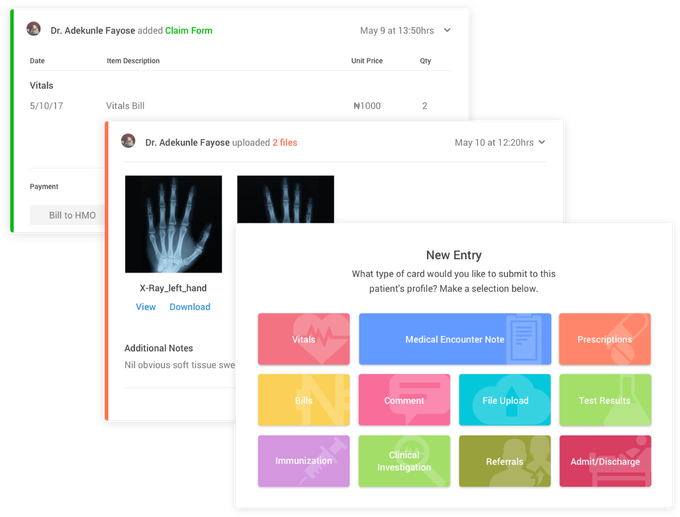
Paper-based medical records are time-consuming and labor-intensive, a challenge that is particularly pronounced in Africa, where healthcare resources are underdeveloped; many countries in the region still rely on paper-based methods to manage patient data and critical surgical procedures.HeliumIt is dedicated to facilitating the data- and technology-driven transformation of Africa’s healthcare system by deploying a suite of user-centric applications that minimize learning curves and enhance offline usability.
Helium’s collection and organization of patient medical records can be used for physician consultations, prescriptions, and billing, ultimately generating visualized cost and medical record reports for patients. Currently, Helium covers more than 20 medical institutions and over 500 medical experts.
Type: Early Diagnosis 15 Years Before the Onset of Alzheimer's Disease
Established in: 2017
Headquarters Location: San Francisco, California
Investment Date: July 1, 2017
Investment Amount: $120,000
Investment Round: Seed Round
If Alzheimer’s disease cannot be diagnosed at an early stage, any discussion of a cure becomes moot; this is precisely why so many drugs have failed to deliver results.
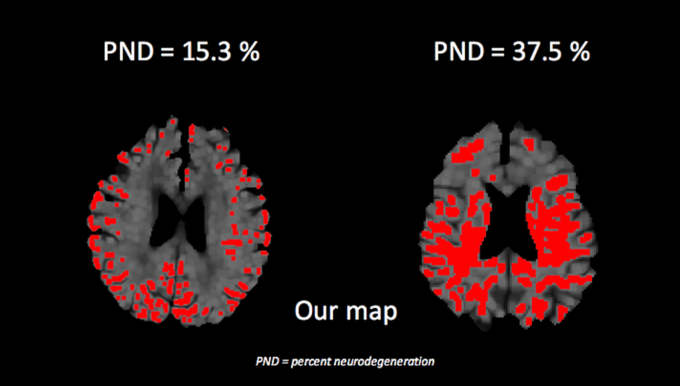
Darmiyan’s revolutionary new technology and fully automated software platform can precisely locate and quantify micro-regional abnormalities in the brain, providing a more reliable tool for the early diagnosis of neurodegenerative diseases and reducing the cost and time required for early Alzheimer’s disease diagnosis. Darmiyan aims to create a non-invasive, affordable, and precise brain monitoring tool that is accessible to users worldwide in real time.
The company has already tested more than 3,000 patients and secured a $1 million contract before submitting its application to the FDA. Darmiyan states that everyone over the age of 45 should undergo this test. With 26 million people in the United States meeting this criterion, and at a price of $500 per test, the market size could reach $13 billion.
Type: Sonar Bracelet for the Blind
Year Founded: 2013
Headquarters Location: Boston
Investment Dates: August 2013, April 2014, July 2017
Investment Amount: $50,000, $50,000, $120,000
Investment Round: Seed Round
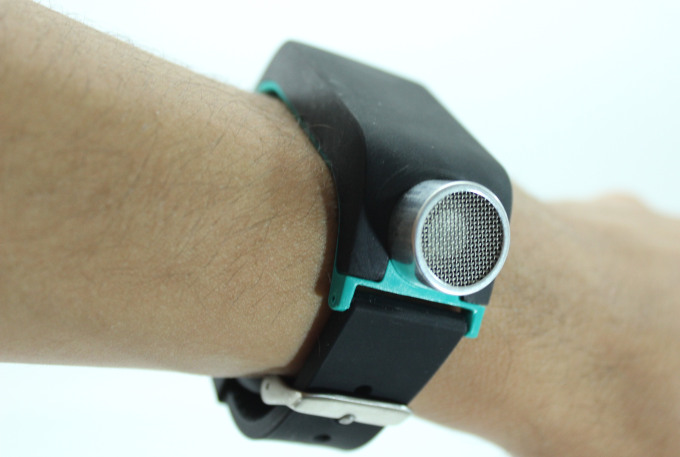
Visually impaired individuals often accidentally injure themselves; worldwide, a blind person is hospitalized for a head injury every five seconds.Sunu has developed a smart wristband that combines sonar positioning with precise haptic feedback, enabling visually impaired individuals to be alerted to obstacles in their path at any time. Previously, their only options were low-tech, affordable canes or guide dogs costing $30,000.
During Sunu’s six-month trial period, they reduced the accident rate among test users by 90%. The product is now patented and in production, with the company aiming to make it accessible to all 10 million visually impaired individuals across the United States. Priced at $25,000, the wristband may seem expensive, but consumers are always willing to pay for enhanced safety. Therefore, the company remains unconcerned about being displaced by lower-priced alternatives on the market.
Type: A Direct Engagement Platform for Medical Professionals and Employers
Established in: 2017
Headquarters: San Francisco
Investment Date: July 1, 2017
Investment Amount: $120,000
Investment Round: Seed Round
ShiftDoc breaks free from the constraints of headhunters and agencies, providing a platform for healthcare professionals—including doctors, nurses, and physical therapists—to connect directly with employers, offering a superior user experience compared to traditional job boards.
This company has chosen such a business model positioning in the healthcare industry because the cost of each medical staff shift is very high, and they can extract a $50 commission from each shift arrangement. Of course, ShiftDoc also provides comprehensive services for both parties, including qualification verification, tax, and payment procedures.

Type: The Most Appropriate Pharmacological Treatment for Patients with Advanced-Stage Cancer
Established in: 2015
Headquarters Location: Walnut, California
Investment Date: July 1, 2017
Investment Amount: $120,000
Investment Round: Seed Round
When a patient enters the late stages of cancer, every medication prescribed by their physician determines their chances of survival. Currently, there are over 150 targeted cancer drugs available on the market. While every cancer patient hopes to find a miracle cure, the most pressing issue today is determining which drug is appropriate for which patient. Oncobox provides predictive testing for patients to analyze the efficacy of specific drugs in individual cases.
Currently, the team charges $1,000 per test and expects to conduct 500,000 tests annually. Yet this $500 million market represents merely the starting point of their ambitions. Unlike physicians, their proprietary bioinformatics algorithms can determine which biological targets are more critical for individual cases, giving them confidence in providing patients with more effective medication recommendations.
Type: Using One's Own Stem Cells to Combat Aging
Established in: 2015
Headquarters Location: Ann Arbor, Michigan
Investment Date: July 2, 2017
Investment Amount: $120,000
Investment Round: Seed Round
Forever Labs’ market positioning is somewhat analogous to that of a sperm bank, except it cryopreserves users’ stem cells and leverages them to help delay aging and combat age-related diseases. The company has currently demonstrated in mice that its stem cell therapy can extend murine lifespan by 16%.
As the quality of human stem cells declines with age, it is essential to preserve them while one is young. Forever Labs can extract a client’s stem cells through a minor procedure in just 15 minutes and store them for future use. The company currently employs 20 physicians and believes this will become a $56 billion market.
Type: Using Blood Tests to Assess Cancer Treatment Efficacy
Year Established: 2016
Headquarters Location: Cambridge, UK
Investment Date: July 1, 2017
Investment Amount: $120,000
Investment Round: Seed Round
Oncologists often require a six-month observation period to determine whether the treatment regimens they have devised are effective for specific patients, and two-thirds of such treatments ultimately fail.
Cambridge Cancer Genomics has developed a blood-based assay that enables physicians to assess treatment efficacy months earlier, thereby allowing for more rapid adjustment of therapeutic regimens. The team comprises four physicians with expertise in cancer research. They also leverage big data to build artificial intelligence models that aid in the formulation of personalized treatment plans. By incorporating data from partner healthcare institutions, their database is four times larger than publicly available databases.
Type: Medical-Grade Cardiac Monitoring Watch
Established in: 2015
Headquarters: Toronto, Canada
Investment Date: July 1, 2017
Investment Amount: $120,000
Investment Round: Seed Round
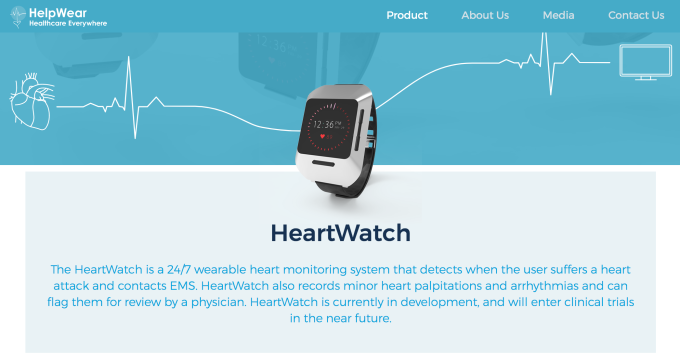
Facing the 17 million heart disease patients across the United States, HelpWear is creating a more versatile electrocardiogram (ECG) monitoring system. Currently available devices are typically limited to 72 hours of wear and must be removed before showering or swimming, causing significant inconvenience for heart disease patients.
HelpWear is preparing to launch HeartWatch, a 24/7 cardiac monitoring smartwatch with water-resistant capabilities. Additionally, the device can record minor tachycardia and arrhythmias, providing documentation to aid physicians in diagnosis. The HeartWatch product is currently under development, will soon enter clinical trials, and aims to secure FDA approval within nine months.
Type: Helping corporate employers provide maternity benefits to employees
Established in: 2016
Headquarters Location: San Francisco
Investment Date: July 1, 2017
Investment Amount: $120,000
Investment Round: Seed Round
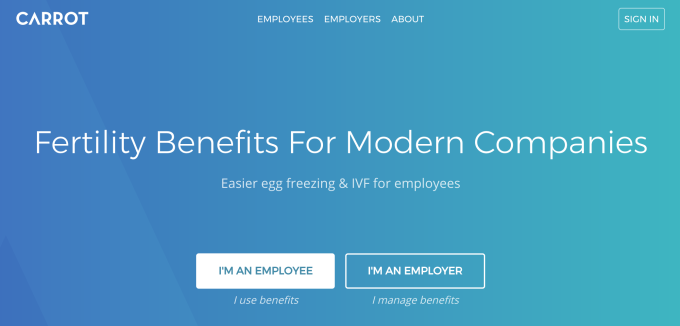
Carrot Fertility’s vision is to help employer sponsors integrate fertility benefits into their employee health plans, including in vitro fertilization (IVF) and egg freezing.
Although tech giants like Google and Apple have begun offering fertility health benefits to their employees, smaller companies with more limited budgets may still struggle to find a way to introduce such benefits. Carrot Fertility provides these companies with a more convenient pathway, helping them enhance their employer appeal.
Type: Wearable-Free Fall Alert Device for the Elderly
Establishment Date: Unknown
Headquarters Location: Unknown
Investment Date: July 1, 2017
Investment Amount: $120,000
Investment Round: Seed Round
Totemic Labs is committed to disrupting traditional fall-alert solutions for the elderly. Millions of older adults worldwide accidentally fall each year. Even when they purchase wearable devices capable of triggering alerts after a fall, they often forget to wear them. This poses a significant safety hazard and can be regarded as a failure in product design.
Totemic Labs’ solution is to launch an external device similar to the Amazon Echo smart speaker, which uses wireless signals to automatically detect and respond to falls among the elderly. The team promises that a single device can monitor an entire home. This market is projected to be worth $12 billion, with each device generating approximately $300 in revenue.
References:
https://techcrunch.com/2017/08/21/y-combinator-summer-2017/