

Intelligent Clinical Decision Support System for Rational Diagnosis and Medication Aims to End Inappropriate Prescribing by Primary Care Physicians
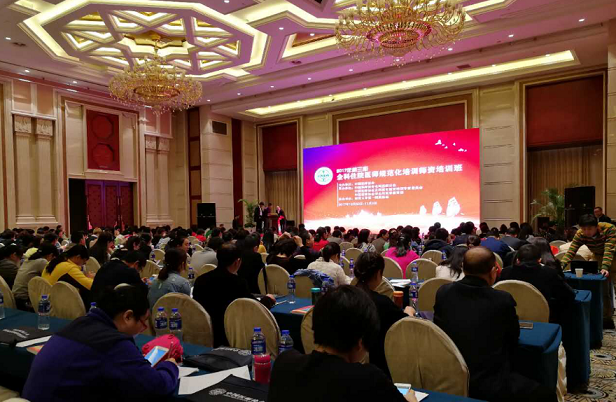
From October 30 to November 3, 2017, the “Third Phase of Standardized Residency Training Program for General Practitioners: Faculty Development Course,” hosted by the Chinese Medical Doctor Association (CMDA), was held in Nanchang. At the conference, a product launched by the International Clinical Economic Evaluation Expert Cooperation Committee of the CMDA (hereinafter referred to as the “Expert Committee”)System for Assessing the Rationality of Clinical Diagnosis, Treatment, and Medication Practices, which has drawn extensive attention from the attendees.
It is reported that the system can not only enhance the professional competence of primary healthcare workers, but also help them achieve standardization and uniformity in rational drug use.
Since the 19th National Congress of the Communist Party of China, the state has elevated the strategic positioning and requirements for the comprehensive implementation of the Healthy China Initiative. The Report to the 19th National Congress called for the establishment of a basic medical and health system with Chinese characteristics, a medical security system, and a high-quality, efficient medical and health service delivery system, while strengthening the development of primary healthcare systems and the workforce of general practitioners.
It can be seen that,The development of primary healthcare has been prioritized as a top priority, with greater emphasis placed on the efficiency of medical services.。General practitioners, as the primary workforce in primary healthcare, bear the responsibility of initial consultation at the grassroots level within the tiered diagnosis and treatment system, serving as health gatekeepers for communities and families.。
According to statistics, general practitioners can treat80% of Common and Frequently Occurring Diseases, while primary care physicians eachIncrease20%, the mortality rate can be reducedReduced by 5%; increase per 10,000 people1 Primary Care Physician, the infant mortality rate canA 2.5% Decrease, low birth weight infants canDecrease of 3.2%。
Furthermore, family physicians can significantly improve self-management behaviors and glycemic and blood pressure control among patients with chronic diseases. Therefore, strengthening the training of general practitioners in primary care institutions is a necessary safeguard and measure to enhance the capacity building of primary healthcare facilities, ensure residents’ health outcomes, improve the operational efficiency of the healthcare system, reduce medical costs, optimize resource allocation, and thereby facilitate access to nearby medical services for the public.
Since its establishment, the Expert Committee has conducted extensive grassroots research, academic exchanges, and scientific research focused on themes such as the rational allocation of medical resources, improving the level of primary healthcare services, standardizing treatment and promoting rational drug use, and fostering the sustainable development of the medical insurance system.
Building on this foundation, the expert committee proposed a solution of “Strengthening Primary Care to Break the Impasse,” aiming to develop smart social healthcare under the “Internet Plus” framework, implement authoritative diagnostic and treatment standards as well as medication guidelines, promote service homogenization, and deliver services and enhanced training to primary care providers.
Currently, a pilot project titled “Optimizing Primary Healthcare Services and Management” has been launched in Jiangxi Province to validate preliminary research findings through practical implementation and to facilitate the translation and dissemination of research outcomes.
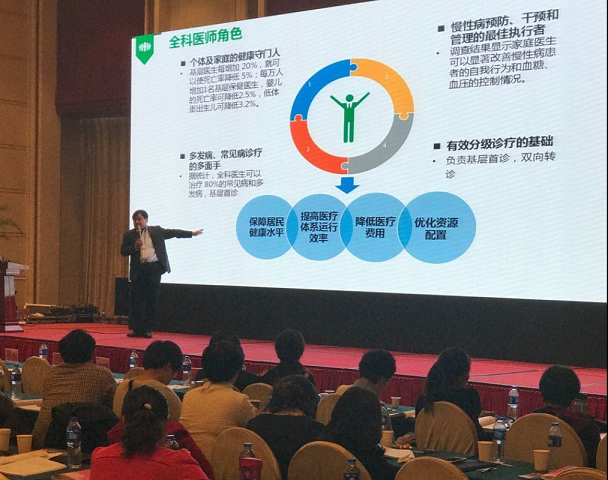
At the training course, Professor Zhang Wei, a member of the Expert Committee, delivered a presentation on “"Community Healthcare Models in the Digital Age"In his keynote address, he proposed a new model for primary healthcare service and management centered on “establishing service standards, conducting continuous training, promoting intelligent auxiliary tools, and implementing real-time dynamic evaluation,” thereby providing a comprehensive framework to resolve the contradiction between the capacity of primary healthcare services and the people’s growing health needs.
The Expert Committee launched a pilot project titled “Optimizing Primary Healthcare Services and Management” in Nanchang. Leveraging the Nanchang Regional Medical and Health Cloud Platform, and drawing upon domestic and international clinical guidelines, literature, and monographs, the project deployed a rational diagnosis, treatment, and medication compliance assessment system. This system was developed based on the Expert Committee’s research findings and national expert consensus.
Currently, this system has been implemented inChangnan, Aixihu, Honggutan, and 11 other community health service centersLaunched and operational, coveringApproximately Half of the Common Clinical Diseases in General Practice。
During field visits and surveys, administrators and physicians at pilot institutions generally agreed that the system has played a significant role in enhancing the professional competencies of primary care providers, standardizing diagnostic and treatment practices and promoting rational drug use, improving the work efficiency of primary care physicians, and fostering homogenization of primary healthcare services.
The Expert Committee stated that it will continue to provide strong support in the future, with a greater focus on enhancing the capabilities of general practitioners. This includes ensuring patients receive high-quality and efficient medical services, strengthening the workforce of general practice residents, and improving the overall effectiveness of government management.