

Beyond ICO: Blockchain Takes Its First Step in China's Healthcare Sector

On September 4, seven Chinese regulatory authorities—including the People’s Bank of China (PBOC), the Cyberspace Administration of China (CAC), the Ministry of Industry and Information Technology (MIIT), the State Administration for Industry and Commerce (SAIC), the China Banking Regulatory Commission (CBRC), the China Securities Regulatory Commission (CSRC), and the China Insurance Regulatory Commission (CIRC)—jointly issued an official ban on Initial Coin Offerings (ICOs). The notice stipulated that no organization or individual may engage in illegal token issuance and financing activities, and all such activities must cease immediately.
Undoubtedly, with theThe Transaction TurmoilEscalating,ICOSentenced to death at this moment.
It is only right that ICOs, which have been confirmed as illegal fundraising schemes, are banned; however, the underlying blockchain technology should by no means become a scapegoat. The various “Children", ICO is clearly notMost Promisingthat one.
Following the ICO incident, Sheng Songcheng, a counselor to the People’s Bank of China and Executive Vice President of the CEIBS Lujiazui International Finance Research Institute, stated in an interview with the media: “A large number of projects with no prospects, or even outright fraudulent schemes, not only expose investors to significant risks but also draw considerable complaints from genuine blockchain startup teams. This has effectively resulted in the adverse consequence of bad money driving out good. Nevertheless, China should still encourage the development of blockchain technology.”
A medical blockchain practitioner told VCBeat, “The ICO incident not only had no impact on us but actually served as a catalyst,”Because we do not disclose ICOs,With these measures in place, stakeholders can truly proceed with confidence in implementing blockchain technology applications.”
Thus, blockchain is akin to a double-edged sword; the choice between its benefits and risks ultimately lies with the users of the technology.
Difficulties in accessing medical care, seeingHigh medical costs and low levels of informatization have virtually become a consensus among every healthcare practitioner. In recent years, the National Health and Family Planning Commission, in order to alleviate thisA series of challenges have led to vigorous advocacy for the promotion of healthcare informatization and tiered diagnosis and treatment; however, irregularities within the industry have resulted in publicThe Informatization of the Healthcare System Is Plagued by Chaos.
Leakage of patients' personal information, leakage of medical record data, disorganization of medical record data, difficulties in cross-regional and cross-hospital referrals, and data...Disconnection from clinical practice has become a major pain point in this field, characterized by a lack of standardized, rigorous, and comprehensive coordination.Electronic Health Records (EHR) are the primary cause of these issues. It is precisely these factors that have led to problems within hospitals and across the entire healthcare system.Low efficiency among medical and administrative staff.
More seriously, there is a high probability of errors when medical record data is transmitted between different medical institutions.Current records, file transfers, and new entry errors. If a patient’s medical record who is not allergic to a certain medication is incorrectly filed under severeIn allergic patients, this can lead to severe consequences during treatment or even surgery.
It is precisely due to these various issues that healthcare professionals have long anticipated the emergence of a revolutionary technology. The advent of blockchain has brought new development opportunities to the industry.
The core application advantages of blockchain technology in the field of healthcare informatization are highly significant.Its decentralized centerThe application of decentralized structures in real-world scenarios can significantly reduce intermediary costs; the tamper-proof timestamp feature canAddressing data traceability and information anti-counterfeiting issues; a secure trust mechanism can resolve the security challenges of current medical informatization technologies.Fully certified and defect-free; flexible programmability helps hospitals develop and expand applications.
In practical applications, blockchain can establish standardStandardized and fully transparent medical information infrastructure, compliant with regulatory requirements and facilitating traceability. Using distributed ledgeraccounting and storage, which can enhance the fault tolerance and error correction capabilities of medical institutions. In addition, blockchain can also provide customizable smart contracts for developingLeading healthcare institutions and pharmaceutical service providers, offering a burden-free evolution model to enable medical record circulation and prescription verificationTrue.
Upstream and Downstream Participants in the Blockchain Ecosystem
A blockchain practitioner told VCBeat,From upstream to downstream, the top tier of the blockchain ecosystem consists of government departments (such as the Ministry of Industry and Information Technology), which provide strategic direction for the overall development of blockchain technology and establish industry standards. In addition,Financial and policy support from local governments for the blockchain industry is also crucial for enterprises.
Research institutions and universities are important components of the industrial chain. They not only provide a steady stream of talent to the industry, but also experts and professors conduct theoretical research (including law, underlying technologies, etc.), making substantial technical reserves.
Within the upstream and downstream segments, participating enterprises are primarily categorized into two types. One type consists of platform-based companies, such as Alibaba and Tencent, which build a series of ecosystem platforms, conduct research and development on foundational technologies, and provide support for technical architectures.Another category comprises business-oriented companies, which focus more on vertical deep-dives into specific business scenarios.
Finally, there are associations, communities, and developers. Open-source communities and associations primarily connect various stakeholders across the industry chain, fostering synergy to better drive industrial development. Developers, on the other hand, facilitate the practical implementation of technologies and enhance product research and development.
Blockchain-Related Policy Standards
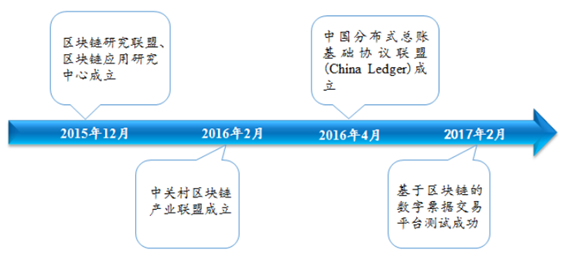
In December 2015, the Blockchain Research Alliance and the Blockchain Application Research Center were established; in February 2016, the Zhongguancun Blockchain Industry Alliance was founded.In April 2016, the China Distributed Ledger Infrastructure Protocol Alliance (ChinaLedger) announced its establishment.
If the major events in the development of China’s blockchain industry are arranged chronologically, they can be basically illustrated by the following figure:
Data source: Compiled from public information
Currently, domestic blockchain policies are gradually becoming clearer. The main industry policy guidance documents include those released by the Ministry of Industry and Information Technology in October 2016.《White Paper on the Development of Blockchain Technology and Applications in China》, issued by the State Council in December 2016"13th Five-Year National Information Plan"and the document issued by the Ministry of Industry and Information Technology on May 16, 2017"Blockchain Reference Architecture"。
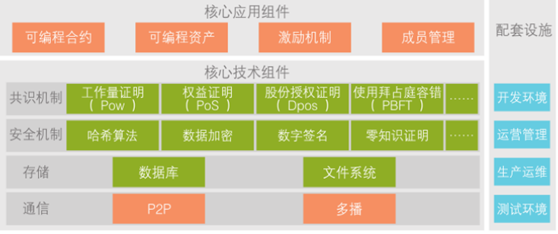
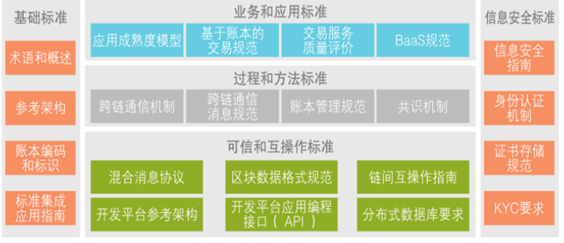
In October 2016, the Ministry of Industry and Information Technology (MIIT) released the first official guidance document on blockchain, the “White Paper on China’s Blockchain Technology and Application Development,” providing policy direction for industry development. The white paper summarized the current status and trends of blockchain development both domestically and internationally, analyzed technical applications across multiple scenarios—including finance, supply chain, culture and entertainment, intelligent manufacturing, social welfare, and education and employment—identified the core technological pathways of blockchain, and proposed for the first time a roadmap and standard framework system for blockchain standardization.
Data Source: Compiled from Public Information
Data source: Compiled from public information
In December 2016, the “13th Five-Year Plan” for National Informatization mentioned support for the development of blockchain technology for the first time, citing the keyword “blockchain” twice. It emphasized strengthening fundamental research and development as well as frontier deployment in emerging technologies such as artificial intelligence, blockchain, virtual reality, cognitive analysis of big data, and gene editing.
On May 16, 2017, China’s first blockchain standard, the “Blockchain Reference Architecture,” was officially released. Thirteen enterprises and institutions active in the blockchain sector, including the China Electronics Standardization Institute, Ant Financial, ZhongAn Technology, Wanxiang Blockchain, and Ping An Insurance of China, jointly drafted the “Blockchain Reference Architecture” to help the industry reach a consensus on blockchain standardization.
The standard content is divided into eight sections, including Scope, Terms and Abbreviations, Overview, Reference Architecture, User View, Functional View, Relationship between User View and Functional View, and Appendix. It systematically describes the blockchain ecosystem and provides detailed specifications for industry participants and core functional components.
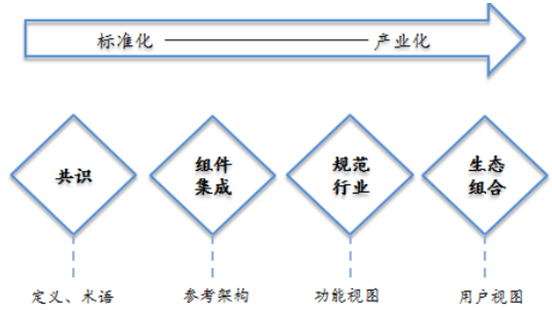
This architecture focuses on addressing four major issues:
(1) Reach consensus and provide clear explanations of blockchain definitions and terminology;Blockchain is a model for implementing and managing transaction processing by constructing an immutable, tamper-proof, and traceable block-chain data structure through transparent and trusted rules in a peer-to-peer network environment.
(2) Clarify component integration to provide the industry with a clear understanding of the application of technical components;
(3) Standardize the industry by transmitting relevant functional information through views to establish industry standards;
(4) Ecological Integration: Introducing Users from Different Perspectives into the Blockchain Ecosystem within the User View.
Data Source: Compiled from Publicly Available Information
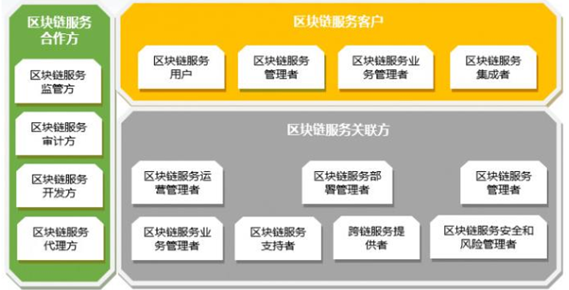
Data source: Compiled from public information
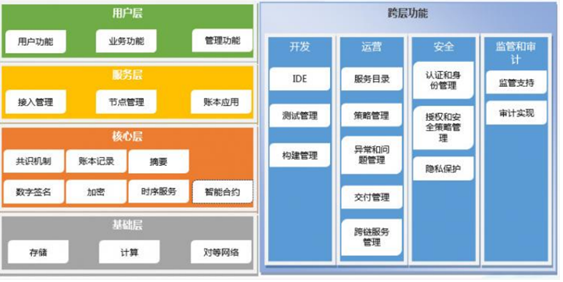
Data source: Compiled from public information
Support and Boost for Blockchain
Comprehensive Boost from Guiyang City
In May 2017, to accelerate the development and application of blockchain technology in Guiyang, the Guiyang Municipal People’s Government decided to establish a working group for fund preparation.
The Guizhou Blockchain Industry Innovation Fund has a total scale of RMB 651 million. Of this, 30.721% is funded by the Guiyang Municipal Government, while the remaining 69.279% is operated on a market-oriented basis to raise social capital, primarily to support the development of enterprises in the big data and blockchain sectors.
It is reported that the fund initially invests in projects and high-quality companies with relatively safe and stable returns. The fund’s investment strategy focuses on sectors including blockchain, big data-driven new finance, new consumption, artificial intelligence, cultural creativity, healthcare, and internet-plus technology innovation enterprises, targeting markets across China and overseas.
In June 2017, to accelerate the development and application of blockchain technology and promote the aggregation of various factor resources related to blockchain, Guiyang City issued the "Several Policy Measures on Supporting the Development and Application of Blockchain (Trial)."
These policy measures were formulated under the leadership of the Guiyang Blockchain Development and Application Promotion Command Center. Aligned with the overall framework and relevant requirements set forth in the White Paper on Guiyang’s Blockchain Development and Application, the policies aim to foster the growth of innovative blockchain enterprises in Guiyang, strengthen support for major blockchain innovation initiatives and the commercialization of their outcomes, enhance the recruitment and cultivation of blockchain entrepreneurship and innovation talent, and encourage the establishment of incubators for blockchain application scenarios. Furthermore, the policies support and encourage blockchain companies to go public. Specific forms of support include financial subsidies, performance-based incentives, tax preferences, loan assistance, and rental allowances.
It is reported that blockchain companies listed on the main board can receive a reward of 10 million yuan; blockchain innovation and entrepreneurship leaders selected for Guizhou Province’s “Top 100 Leading Talents” and “Top 1,000 Innovation and Entrepreneurship Talents” programs will receive rewards of 1 million yuan and 500,000 yuan per person, respectively, in the year of their introduction.
New Chain Accelerator
New Chain Accelerator is
NewChain conducts one-on-one reviews and optimizations of commercial applications for each team, providing targeted technical guidance and business development support to comprehensively enhance their blockchain implementation capabilities as well as their business and product innovation abilities, thereby accelerating their growth.
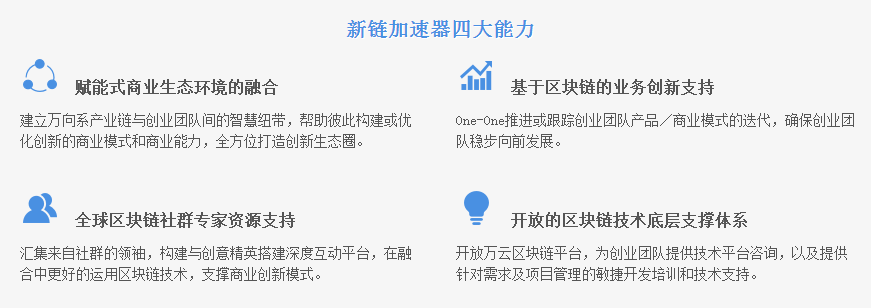
Recently, 36Kr reported on a company named “Boundary,”It is one of the first batches of teams to be stationed in the Wanxiang New Chain Accelerator.The company aims to leverage blockchain technology to facilitate data flow between hospitals and between hospitals and insurance companies, thereby addressing inefficiencies caused by data silos, while also delivering intelligent services through artificial intelligence.
Blockchain Applications in Healthcare
In the research report “IBM Institute for Business Value: Healthcare Rallies Around Blockchain: Putting Patients at the Center,” future applications of blockchain are categorized intoMedical/Health Records、Medical Device Data Integration、Adverse Event Safety MonitoringandClinical Trial Records. In addition, inAuthentication of Pharmaceutical Products、Workflow Processing and Surgical SchedulingIn this regard, blockchain also has broad application prospects.
Medical Health Records
Compared with pharmaceuticals, a more severe problem for the overall healthcare system is the inability of personal medical information to flow seamlessly across the entire system. Parallel issues include security risks and data breaches involving personal health data. The terms “medical information” and “health data” encompass a broad range of content; the most common types are personal electronic health records (EHRs) and personal genomic information. The predominant challenges lie in the limited large-scale sharing of EHRs and concerns over the leakage of personal health information and privacy protection.
In centralized databases, vast amounts of medical information are stored in a concentrated manner, facilitating cyberattacks by hackers. Abroad, the healthcare company Anthem once suffered a data breach exposing the records of 80 million patients and employees, while another U.S. company, UCLA Health, experienced a breach affecting 4.5 million patients.
However, decentralized blockchain databases can enable coordination across multiple network nodes, thereby ensuring data security. On the other hand, since patients’ personal information is typically recorded only at individual healthcare facilities, it cannot be shared across the entire healthcare system, creating significant barriers for both patient care and clinical diagnosis.
The value of sharable, secure electronic health records (EHRs) is evident. According to Premier, Inc., cross-organizational data sharing alone could save U.S. hospitals $93 billion over five years.
Estonia is considered the country with the greatest investment in and application of blockchain technology for government and citizen services. In this country, all medical health records are stored online. Even so, blockchain technology has still not been fully popularized in the country.
In 2016, Estonia announced the launch of a blockchain-based medical record security project aimed at providing real-time visibility for individuals and institutions. Experts warned that despite Estonia being a country where most citizens possess a unique ID, the substantial challenges related to privacy, security, and regulatory hurdles mean that implementing a blockchain-based medical record system would still require considerable time.
Medical Device Data
If medical records are at the core of transformation, then data from medical devices may be the next challenge to address.
In the healthcare industry, only 10% of data includes clinical factors. Meanwhile, 60% of data encompasses external factors or elements outside the clinical setting, such as nutritional status and home monitoring.
Although the vast amount of data collected by wearable devices for tracking personal health status is continuously transmitted to the cloud and smartphones, it rarely reaches physicians. Most “patient-generated health data” (PGHD) goes unutilized, and in some cases, even patients cannot access this information. Typically, data generated by home-use devices and transmitted to physicians is not stored.
Numerous obstacles must be cleared before device data can be migrated from the edge to the center. As with medical records, leveraging and trusting this data requires robust, unified identity management, including device identity management.
As in the United States, European regulations also mandate the establishment of a unique device identification system. When data accuracy is suboptimal, organizations need to develop new protocols and algorithms to isolate high-quality data from poor-quality data during the calculation of procedural steps or device failure rates.
Adverse Event Safety Monitoring
Leveraging blockchain to obtain patient-reported outcome-related information from home devices, wearable devices, or home healthcare providers is a way to expand the scope of adverse event safety monitoring. Currently, fewer than one in five hospitals regularly integrate patient-reported outcome-related data into care processes or treatment decisions. Even if there is interest in adopting this approach, conducting statistically valid Patient-Reported Outcome Measures (PROMs) not only incurs high costs but also consumes significant time.
In this scenario, the approach to reducing the required human resources is to acquire a substantial volume of credible data. A blockchain spanning multiple institutions may be the optimal platform for aggregating such trusted data.
Clinical Trial Records
Although U.S. regulations mandate the disclosure of clinical trial protocols and data captured during trials, accessing and analyzing this information remains challenging. Recently, a crisis of trust has become an undeniable reality. According to COMPare, a recently launched clinical trial monitoring project, only 9 out of 67 studied trials (13%) correctly reported their results.
Certainly, if clinical trials encounter errors or face obstacles, the therapeutic efficacy for patients will be significantly compromised. In such cases, the consequences shall be borne jointly by all parties involved.
Deploying a blockchain capable of capturing the complete historical records of clinical trials will help restore public trust in science.
Although the data is transparent and visible, blockchain technology can ensure that trial protocols are recorded in real time and their authenticity is verified, without disclosing them to competitors before public release.
At the Mayo Clinic, physicians have begun employing cognitive analytics to examine clinical trials in order to deliver personalized treatment plans. Clinical trial records on interoperable blockchains will increase the volume of available, trustworthy data.
Authentication of Drug Authenticity
Food is the foundation of life. For patients, medications are as essential to daily living as food, particularly for those with chronic conditions. Ensuring drug quality and verifying authenticity are therefore of paramount importance. However, the pharmaceutical supply chain involves numerous stages—from manufacturing and distribution to healthcare institutions and finally to patients—making effective oversight across these complex circulation channels a primary challenge.
Blockchain technology precisely addresses this critical issue: Similar to coded anti-counterfeiting technologies, pharmaceutical products utilizing blockchain-based anti-counterfeiting feature a specialized verification label embedded on the surface of their packaging. By leveraging the immutable, shared, secure, and reliable attributes of blockchain records, this approach effectively ensures the legitimacy and authenticity of medications.
Blockchain’s application in pharmaceutical anti-counterfeiting extends far beyond the superficial levels of authenticity verification and genuine product assurance. Its inherent characteristics also enable end-to-end drug traceability, even offering global pharmaceutical supply chain solutions. Once manufactured, drugs are registered on the blockchain, allowing companies to monitor every stage of the distribution supply chain, thereby transforming into a comprehensive drug quality surveillance solution.
Process Management and Surgical Scheduling
Headquartered in Chicago, Healthnautica is dedicated to streamlining communication among hospitals, physicians, and patients. The company leverages customizable, customer-driven cloud software systems to manage administrative processes for both providers and patients. Its product, eORders, applies blockchain principles to significantly enhance the scheduling of surgical treatments and procedures, reducing network latency and overcoming data loss issues.
Blockchain Companies with Healthcare Operations in China
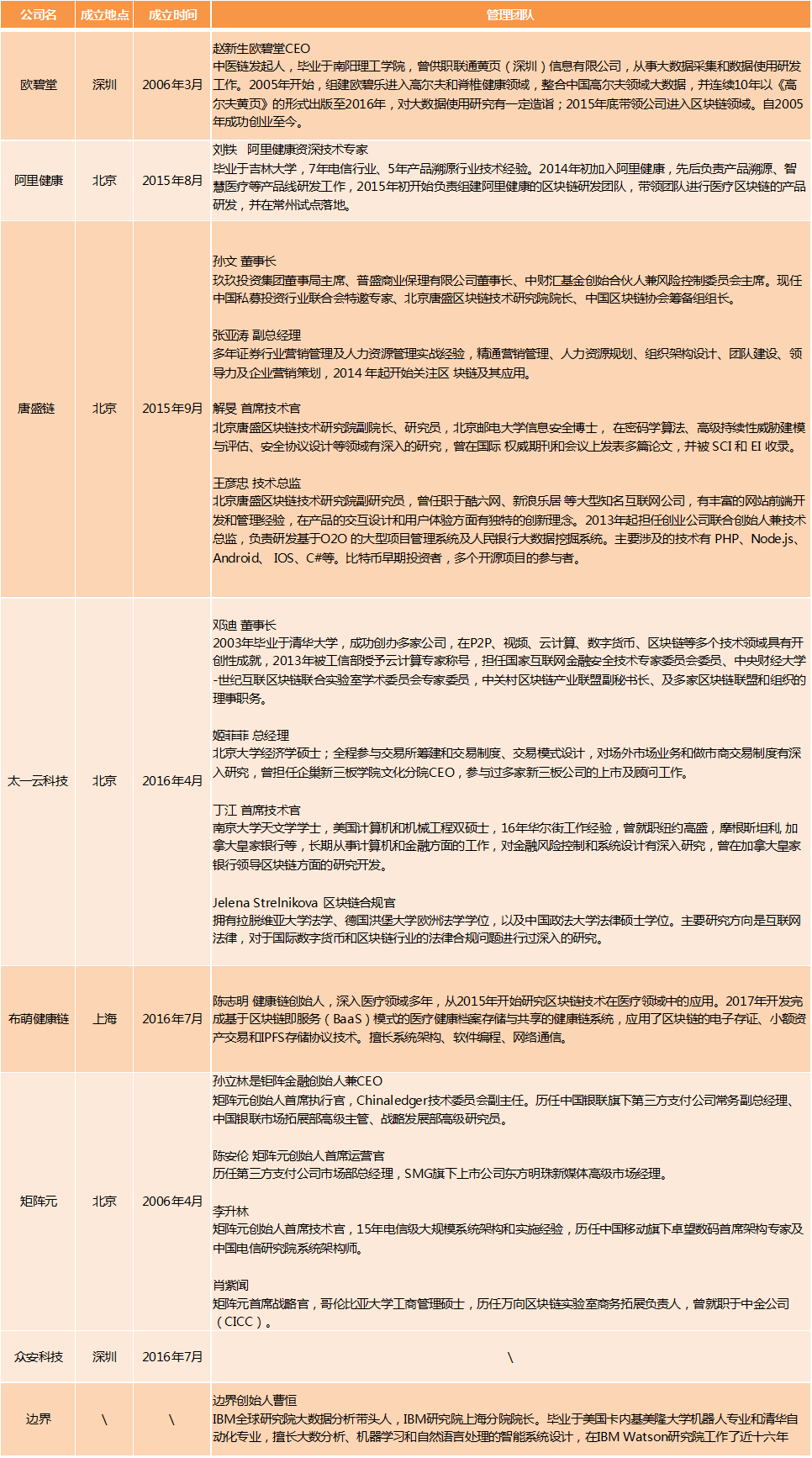
Alibaba Health
According to Liu Tie, head of blockchain technology at AliHealth, the company began preliminary research and reserves for blockchain technology as early as late 2015. The formal implementation of product development started in the first half of 2016.
In the future, as medical theories and technological methods continue to advance, the measurement of the human body will become more comprehensive and precise, enabling the digitalization of the human body. This will result in the generation of massive amounts of personal privacy data. These data are generated at different points in time and locations, exhibiting a characteristic of temporal and spatial fragmentation, while also possessing extremely high value.
From the perspectives of residents and physicians, there is a hope that these data can be aggregated from disparate times and locations into comprehensive personal health records. For research institutions and hospitals, the aim is to achieve larger-scale data sets, thereby optimizing existing medical processes and enhancing the quality of healthcare.
In this process, data requires sufficient fluidity.
Certain technical features of blockchain itself can effectively serve this aspect. These include the multi-institutional coordination and consistency enabled by blockchain, secure and trusted data sharing, as well as tamper-proofing and traceability of information. Since the inception of blockchain technology, a growing number of people believe that the healthcare industry is better suited for blockchain applications, given its involvement with sensitive data such as residents’ personal health information, which is dispersed across various institutions.
Blockchain is the underlying technical architecture of distributed databases, leveraging technologies such as peer-to-peer (P2P) networking, cryptography, and consensus algorithms to ensure fairness, interoperability, and privacy protection for all nodes participating in data circulation within the blockchain network.
According to Liu Tie, Alibaba Health has established multiple layers of data security barriers in its Changzhou blockchain project. First, all data stored and transmitted within the blockchain is encrypted; even if intercepted or stolen, it cannot be decrypted.
Secondly, the digital asset protocol and data classification system specifically designed for the Changzhou Medical Consortium clearly define the access and operational permissions of higher- and lower-tier hospitals and government regulatory authorities through protocols and certificates. Finally, leveraging the tamper-proof and traceable technical features of blockchain, auditing bodies can precisely track the entire circulation process of sensitive medical data, such as identifying at what time point, to whom it was authorized by which medical institution, and the specific scope of such authorization.
From an internal perspective of the healthcare system, years of information technology development have led to a relatively mature infrastructure. Ensuring data security across institutions, enabling cross-platform data sharing, and achieving faster and more secure data circulation represent new business scenarios that are key focus areas for Alibaba Health’s strategic breakthroughs.
As a pilot city for national health and medical big data, Changzhou has signed a long-term strategic cooperation agreement with Ali Health. This is also one of the important reasons why Ali Health chose to implement its blockchain technology in Changzhou.
Liu Tie stated that two main issues arose during the collaboration: first, the process of cognitive understanding and acceptance of the technology. As blockchain is a relatively new technology, it was necessary to help officials from the Health Commission better understand its technical concepts and the potential business value it could deliver.
Secondly, as an emerging technology, blockchain requires the identification of appropriate business scenarios for implementation, as well as the support of reform-minded stakeholders within the healthcare system—a factor of equal importance. In this regard, AliHealth has received strong support from the Health and Family Planning Bureau of Tianning District in Changzhou City, the Zhenglu Town Health Center, and Changzhou Wujin Hospital.
Alibaba Health aims to leverage the successful pilot in Changzhou to establish a blockchain-based network connecting healthcare institutions, helping them better address the current issue of information silos and enabling the circulation and aggregation of personal health information.
ZhongAn Technology
ZhongAn’s Blockchain-Based Electronic Insurance Policy Management System originated from internal application scenarios at ZhongAn Insurance and ZhongAn Technology. It leverages blockchain technology to safeguard electronic policy information, enhance the security of policy data storage, and expand the scope of applications for electronic insurance policies.
In the fourth quarter of 2015, ZhongAn Technology began conducting research on blockchain technology. In the second quarter of 2016, ZhongAn Technology started developing various blockchain products, including customizing mainstream open-source blockchain platforms. In the third quarter of 2016, ZhongAn Chain was officially implemented for use in health insurance.
“The technical characteristics of public blockchains do not align with the high-volume, fragmented, and high-frequency application scenarios typical of internet finance. As a result, they fail to provide adequate protection for user privacy and have limitations in terms of usability. Therefore, ZhongAn Chain adopts a consortium blockchain model, which offers significantly higher security compared to public blockchains,” said the head of blockchain technology at ZhongAn Technology.
All electronic insurance policies for ZhongAn Insurance’s health insurance products are managed and stored on the blockchain. For example, in late 2016, ZhongAn Insurance launched a pediatric dental insurance product, in which processes such as issuance and transfer of electronic insurance cards were implemented by leveraging blockchain technology to digitize insurance assets as digital assets.
The greatest feature of blockchain is decentralization; storing insurance policies within it resolves trust issues, thereby promoting paperless insurance.
Blockchain technology can also enhance the security of health insurance policy information storage. In the past, insurance companies typically employed two or three common methods for storing electronic policy documents. One approach involved setting up their own file servers, such as SFTP. Additionally, they utilized file storage services provided by platforms like Alibaba Cloud and Tencent Cloud.
As data from electronic insurance policies must not be lost, insurance companies need to perform regular disaster recovery backups. Additionally, they must employ network-level and IT management technologies to ensure data privacy. In this process, it is difficult for enterprises to completely eliminate the risk of privacy breaches at the physical level.
After implementing blockchain technology, files are split into N chunks based on size at the storage layer. These N chunks are then backed up and distributed across the blockchain’s node network. As a result, no single node can reconstruct the entire file. To restore the file, one must obtain the file hash from the uploader to locate all the chunks, reassemble them in the correct order, and thereby recover the original file. It is precisely this characteristic of blockchain that ensures files remain tamper-proof.
The nodes of the ZhongAn Chain are deployed across cross-border and geographically dispersed multi-data-center environments. Given the highly distributed nature of the node network, this architecture further enhances data security.
Head of Zhongan Chain stated:“AlmostAll insurance companies wantImplementationDirect Billing by Commercial Health Insurance, Yet Difficult to Implement, the reason lies inHospitals rarely share data with insurance companies.If both parties are based on blockchain,in a credibleChannelBy sharing data below, we can trulyto enable direct billing with commercial insurance.”。
Bumeng Health Chain
The Bumo Digital Asset Network leverages blockchain technology, with servers and nodes jointly deployed and maintained by numerous members of the Bumo community. Data generated during the provision of application services to users is stored across all blockchain nodes through a consensus mechanism. Any modification of data on a single institution’s node cannot pass verification against data on other nodes, thereby ensuring the authenticity of digital assets and guaranteeing that users’ digital rights “truly” belong to them.
HealthChain is a healthcare application built on the Bumeng blockchain service. Key areas of focus for HealthChain currently include electronic medical records, electronic laboratory and imaging reports, and transaction payments.Currently, HealthChain is collaborating with a Grade 3A hospital on product development, with implementation expected to launch this year.
Leveraging blockchain technology, the Health Chain enables data sharing and interoperability between any two hospitals across China, whether via intranet or extranet. Any patient can download their hospital report data directly to their mobile phone.
As a result, patient data is entirely decoupled from hospital data centers; ownership of health reports and other data shifts to individuals, moving away from a healthcare institution-centric model.
In terms of applications in primary healthcare, following the consortium blockchain architecture of the Health Chain, data from township health centers is transmitted via cloud platforms and ultimately stored on the blockchain. Each patient will have an associated account linked within the blockchain.
“In the past, these data were stored in hospitals’ relational databases, where system upgrades or failures often led to data loss. By leveraging blockchain technology, permanent preservation of medical records can be ensured on a distributed ledger.“The head of the Health Chain told VCBeat.”
In addition, the Health Chain enables electronic printing, eliminating the need for hospitals to print paper-based laboratory and diagnostic reports. A QR code is directly displayed; users can scan it with their smartphones to download the data, thereby reducing hospital costs.
Oubitang
Oubitang is a Chinese blockchain-based chain of traditional Chinese medicine (TCM) spinal rehabilitation clinics, operating through community-based outlets and leveraging patented technologies and pharmaceuticals for the diagnosis and treatment of chronic spinal conditions.
“The security and confidentiality of blockchain technology can meet our brand’s anti-counterfeiting and talent management needs; moreover, its close integration with finance can serve as the foundation for rigorous accounting oversight in chain stores,” said Zhao Xinsheng, founder of Obitang. He noted that the digitization and artificial intelligence-driven transformation of disease diagnosis and treatment is also a major trend. Since late 2016, the Obitang team has been upgrading and transforming its traditional chain brand through technological innovation.
The applications of blockchain at Obitang mainly include:
1. Anti-counterfeiting and traceability of pharmaceuticals at retail stores.Oubitang’s dedicated pharmaceutical manufacturers will assign a unique network-wide ID code to each drug. During inbound and outbound operations, electronic tag information will be intelligently read after key-based verification, with the data uploaded and recorded on the blockchain to establish a unique network-wide mapping.
2. Certification Management for Physical Therapy Physicians.Academic credentials, practice qualifications, and professional training certifications for each physician are archived to facilitate patient verification.
3. Financial Management for Chain Stores.Digital currencies are distributed as tokens, with user payments and chain store bookkeeping conducted in token form. Each consumption transaction is recorded on the blockchain in real time, while each chain store serves as a node to mutually supervise accounting, fundamentally eliminating the possibility of fraudulent reporting by franchise stores.
4. Integrate blockchain with electronic medical records to track patient treatment and recovery.By scanning a QR code and completing fingerprint-based identity verification, customers can establish a personal digital identity. Information such as their condition during each physiotherapy session, services received, therapeutic efficacy, and progress is synchronized to the blockchain, creating a personalized health privacy profile for each member.
Overseas Blockchain Companies in the Healthcare Sector
Gem
Gem is a blockchain enterprise with a subsidiary, Gem Health. Gem Health is an application development network that provides network infrastructure to healthcare service providers. Gem is committed to building a global healthcare ecosystem and delivering more personalized, lower-cost services to individuals.
Gem Health is exploring the application of blockchain technology in the following areas: medical data, claims processing, pharmaceutical supply chains, health networks, universal health identities, and genetic data management.
Gem has secured $7 million in investment to expand its enterprise platform and has partnered with various stakeholders across the healthcare industry to assess the need for blockchain technology.
Gem provided an example, stating, “For instance, blockchain can establish open standards for data recording and identity management. A global healthcare blockchain could link and match each patient’s records from local hospitals and physicians to a single ID. A universal healthcare ID based on blockchain technology can reduce medical errors during patient diagnosis and treatment while safeguarding patient privacy.”
HealthNautica&Factom
Factom is a blockchain technology services company that leverages blockchain technology to facilitate the development of various applications, including audit systems, medical records, supply chain management, voting systems, property deeds, legal applications, and financial systems.
Businesses and government agencies can leverage Factom to streamline data record management, document commercial activities, and address concerns regarding the security and regulatory compliance of data records. Factom maintains an immutable, timestamp-based blockchain data network, significantly reducing the cost and complexity of conducting independent audits, managing authentic records, and complying with government regulations.
Healthnautica, founded in 2000 and headquartered in Chicago, is dedicated to facilitating smoother communication among hospitals, physicians, and patients. Healthnautica offers a customizable, customer-driven cloud software system that enables physicians to manage operations and patients to complete registration procedures. The company’s eOrders product significantly enhances surgical treatment workflows and procedure scheduling, reduces network latency, and resolves unexplained data loss issues.
In April 2015, Factom announced a partnership with Healthnautica, a provider of medical records and services solutions, to explore the use of blockchain technology for securing medical records and tracking accounts, thereby offering tamper-proof data management solutions for medical record companies.
By leveraging Factom’s immutable ledger to verify and timestamp medical records and contracts, Healthnautica’s clients—including hospitals and physicians—aim to enhance efficiency in the claims process and ensure the integrity of medical data records.
Factom’s technology first encrypts and encodes private medical data, then generates a data fingerprint for timestamping and verification. This approach ensures that actual medical data is not disclosed to third parties, thereby safeguarding patient privacy.
The collaboration between these two enterprises marks the first commercial application of blockchain technology in the healthcare sector. Due to issues such as file misalignment and tampering in decentralized systems lacking information exchange, businesses are attempting to leverage blockchain technology for the permanent storage of documents and the protection of customer records.
BitHealth
BitHealth is a blockchain technology company that applies blockchain to the storage and protection of medical and health data. Data privacy, data leakage, and data credibility are among the most critical issues in the healthcare industry. BitHealth is dedicated to storing and securely transmitting medical and health data on a global scale.
BitHealth leverages Bitcoin’s blockchain technology to store medical and health data, enabling its recovery from any node worldwide. By utilizing blockchain technology, the data is disseminated internationally through a peer-to-peer file-sharing mechanism similar to BitTorrent.In the event of a network failure, data can be restored from the local node.
Furthermore, this technology can address issues such as data replication, reduced insurance premiums and other expenses, and the decentralization of medical records. Patients can use it to protect their personal private data, physicians to access and document medical information, Bitcoin for payments, and insurance companies to retrieve medical history records.
Block Verify
Block Verify is a provider of anti-counterfeiting solutions based on blockchain technology. Its services include: authenticity verification, assisting experts in verifying product authenticity; genuine product guarantee, where blockchain provides a transparent environment for products without the need for trusted intermediaries; and product tracking, enabling companies to register their products and monitor the supply chain.
Block Verify can create a trusted global solution to connect the world. Block Verify can identify goods, including counterfeits, swapped items, stolen goods, and fraudulent transactions. In the pharmaceutical industry, it ensures that consumers receive authentic products through supply chain tracking by pharmaceutical companies.
DNA.Bits
The company leverages blockchain cryptography to securely, reliably, and anonymously address issues related to data labeling, data tracking, health data interoperability and referencing, big data, genomic data sharing, and other medical data challenges.
Hashed Health
Hashed Health is a blockchain startup focused on healthcare, with its name incorporating the hash algorithm—a core component of blockchain technology—to reflect its strategic positioning.
Hashed Health secured $1.8 million in seed funding from Martin Ventures and Fenbushi Capital by building blockchain solutions and supporting the development of blockchain networks.
Founded in 2016 and headquartered in Nashville, the capital of Tennessee, the company provides technical support for blockchain solutions and blockchain networks, as well as product management, product development, and managerial guidance.
Hashed Health also spearheaded the establishment of a blockchain consortium last year, with the aim of generating interest in the technology among U.S. healthcare companies.
Alliance members will join various working groups focused on business issues in specific areas, such as security, revenue cycle, payments, supply chain, pharmaceuticals, consumer health, and law. These working groups meet regularly for learning and discussion.
DeepMind, the artificial intelligence company under Alphabet, Google’s parent company, is building a blockchain-like system to track the use of patient data.
DeepMind is rapidly expanding its healthcare initiatives and has announced that it will launch a tool called “Verifiable Data Auditing” within this year. The aim of this initiative is to enable hospitals, and even patients, to see who is accessing medical health records, as well as the specific uses and purposes for such access.
This blockchain system employs cryptographic techniques to ensure accurate records of past events. Each time a user utilizes a piece of data, a new code is generated based on all prior activities. This means that if anyone later tampers with previous records to conceal their specific intentions, the system will render the data records garbled and swiftly expose the violation.
VCBeat has learned that the tool will first be deployed for subsequent related testing at hospitals in the UK partnering with DeepMind, including the Royal Free Hospital in London. DeepMind stated that, when the time is right, hospitals will grant patients access to this service.
Data security has always been a stumbling block in DeepMind's development.Mustafa Suleyman, co-founder of DeepMind, stated that data audit tools had already been in development for some time. Although currently only an experimental endeavor, their future potential is boundless.
Blockchain and Healthcare: A Long and Arduous Journey Ahead
Overall, the blockchain industry remains in its early stages of development, both domestically and internationally. There are not only few supportive policies and promotional agencies, but industry standards have also just been established, with only a handful of companies capable of meeting these standards.
Consortium blockchains, whose consensus processes are controlled by pre-selected nodes, are highly suitable for the healthcare sector due to the specific characteristics of medical information flow. At present, enterprises in China conducting blockchain operations in the healthcare field have generally adopted the consortium blockchain model.
From the perspective of medical applications, domestic and international companies are currently mainly focused on healthcarein the storage and security management of health records (such as electronic medical records, electronic health records, and insurance policies). Broader application scenarios are still in the stage of theoretical validation or pilot trials.
The exponential growth of medical data and the increasingly tight interconnectivity among medical devices are undoubtedly an unstoppable trend. As a cutting-edge technology addressing data security and integrity, blockchain’s significance to the healthcare industry is self-evident.It is expected that for a considerable period in the future,Blockchain will bring profound changes to the industry, but at this stage, the exploration and practice of policies, standards, and implementation models are the primary goals for industry development.
References
1. “IBM Institute for Business Value – Healthcare Gathers Around Blockchain: Patient-Centric” Research Report
2. "HCC Medical Chain White Paper"