

IPS Health: Pioneering Affordable Cross-border Healthcare from Southeast Asia to Mainland China
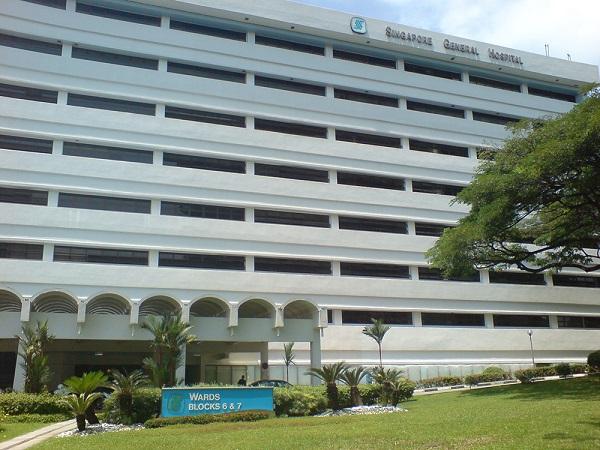
In the blue ocean of the overseas medical market, Singapore has consistently been the preferred destination for Chinese patients seeking treatment abroad, thanks to a shared language, advanced therapeutic technologies, high-standard services, and shorter travel distances.
According to the Medical Tourism Index report, the number of patients in Asia seeking cross-border medical services will reach 3 million, with Singapore becoming the sixth-largest market for outbound medical tourism. As the officially authorized service provider for Asia and Greater China at Singapore General Hospital—the largest public hospital in Singapore—IPS Health (IPS) is now turning its focus to the mainland China market after deeply cultivating Southeast Asian markets such as Vietnam and Indonesia, aiming to offer an alternative solution to China’s cross-border healthcare services market.
VCBeat interviewed Guo Hengzhan, Partner at Aisi Health, to discuss how the company leverages its collaboration with Singapore’s public hospitals to promote accessible cross-border healthcare.
12 Years of Deep Cultivation in the Southeast Asian Market
Aipsi began facilitating patient referrals to Singapore for treatment as early as 2002. At that time, the local healthcare capabilities in Vietnam were increasingly unable to meet the needs of a growing affluent population and patients with rising expectations for medical care quality. In response, Aipsi was established to promote cross-border healthcare services and introduce Singapore’s advanced medical technologies in Vietnam.
Having successfully operated cross-border medical services in Southeast Asia for 12 years, iHealth began applying its proven operational expertise to the mainland China cross-border healthcare market in late 2015.
As a partner organization with a long-term collaborative relationship with Singapore Health Group, iHealth is also the group’s sole officially designated medical partner across multiple countries and its official service provider for the Southeast Asian market. According to incomplete statistics, iHealth’s branches and offices across Asia facilitate medical treatment in Singapore for over 1,000 patients annually.
Democratization: Another Answer to Cross-Border Healthcare
The prohibitive costs once made seeking medical treatment abroad a privilege reserved for the wealthy, but iCare aims to democratize cross-border healthcare. In Guo Hengzhan’s view, partnering with Singapore Health Services to enter the Chinese market represents another viable solution for cross-border healthcare.
As the economy develops, the size of the domestic middle class is expanding. The cost-effectiveness of seeking medical treatment in Singapore will undoubtedly enable a growing number of middle-class individuals to access healthcare services that were once reserved for the wealthy. However, IPS is clearly not targeting only the middle class. It has been revealed that a significant proportion of patients served by IPS fall below the middle-income threshold.
Singapore is renowned as Asia’s medical center and hub, yet its diagnosis and treatment costs are not exorbitant. In Singapore, primary care and essential healthcare coverage rely on the public healthcare system, much like in China.
It is reported that treatment costs at Singapore’s public hospitals are only 10–15% higher than those in China, while Singapore General Hospital charges 20% less than hospitals in Hong Kong. Compared with European and American countries, Singapore offers a 60% cost saving for equivalent medical treatments.
Apsis Health, which maintains a deep partnership with Singapore’s SingHealth Group, facilitates the referral of Chinese patients to Singapore for high-quality, cost-effective treatment at public hospitals, thereby promoting the democratization of cross-border healthcare.
Dedicated to Helping a Public Hospital Group Address Cross-Border Critical Care Challenges
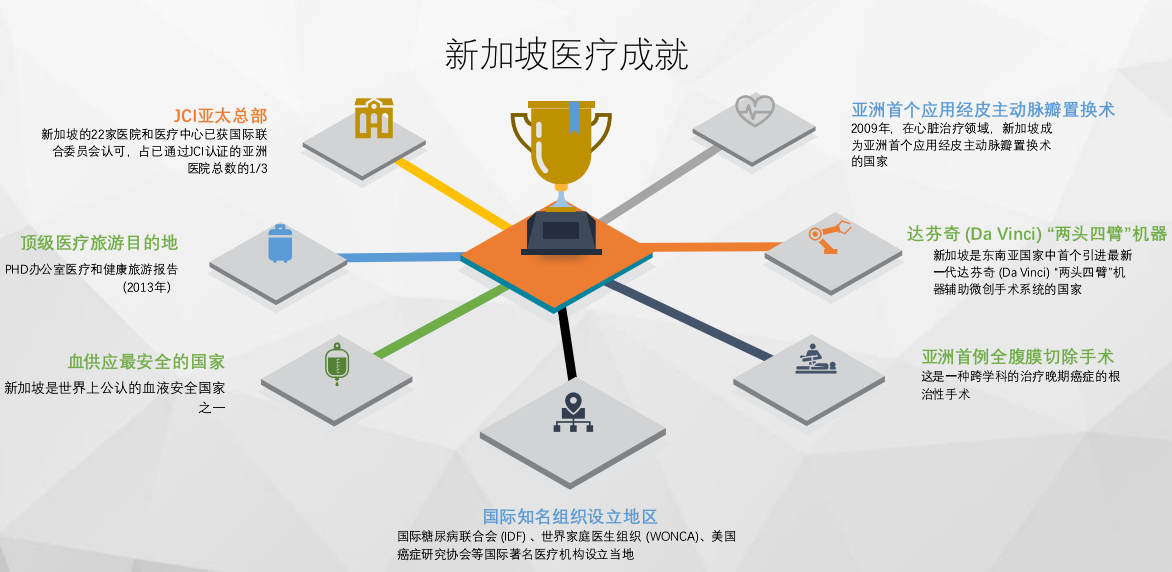
Singapore Health Services (SingHealth) is Singapore’s largest healthcare group, operating under the Ministry of Health. With a primary focus on a non-profit model, it comprises three hospitals and five national specialty centers covering oncology, cardiology, neurology, ophthalmology, and dentistry. SingHealth offers 42 clinical specialties, employs over 10,000 healthcare professionals, and provides a comprehensive range of services. The group serves approximately 3 million patient visits annually and accounts for 51% of all day surgeries in Singapore. Its flagship institution, Singapore General Hospital, is the world’s third-largest JCI-accredited teaching hospital.
Critical care treatment is the primary demand for seeking medical attention overseas. The National Cancer Centre Singapore offers a wide range of cost-effective anticancer drugs. Data shows that the global lowest price for the popular antitumor drug PD-1 is available at this cancer center. “For instance, for neuroendocrine tumors, PRRT therapy is essentially only available at Singapore General Hospital,” introduced Guo Hengzhan.
Additionally, the Singapore Health Group implements a multidisciplinary treatment model, in which physicians from various specialties convene to discuss individual cases and formulate optimal treatment plans based on integrated interdisciplinary recommendations, thereby maximizing treatment efficiency.
“Domestic cross-border medical services are moving toward platform-based development, but Aipsi is taking the opposite approach by focusing on resolving critical cross-border medical cases through a single hospital group,” introduced Guo Hengzhan.
China’s First Green Referral Channel Streamlines Cumbersome Procedures
The Chinese-speaking environment and the short flight duration of just a few hours are also significant factors driving Chinese patients to seek medical treatment in Singapore. In June this year, Singapore Health Group established China’s first green channel for referrals, thereby streamlining the cumbersome procedures associated with overseas medical care for Chinese patients.
Through the green channel for referrals, Ipsen provides Chinese patients with services including recommendations for Singaporean hospitals, appointments with renowned specialists, collection and organization of medical documents for overseas treatment, medical translation of medical records, mailing of case materials, and translation of invitation letters and cost estimation letters from foreign hospitals.
“The establishment of China’s first green channel for referrals superficially streamlines cumbersome administrative procedures, but in essence, it significantly reduces time costs. Medical care is inherently a race against time, and providing patients with timely and rapid access to international-standard medical services is crucial for saving lives,” said Guo Hengzhan, head of Aipu Si.
Singapore is one of the countries with the shortest timeline from drug research and development to clinical application globally. For certain new drugs, import applications can be filed based on patient-specific conditions, and the approval process is more streamlined than in China. “New drugs abroad become available 5–8 years earlier than in China. Through the expedited referral channel established by Ipsen and Singapore Health Group, our clients can access the latest medical innovations 5–8 years ahead of other patients in China.”
iPatient is also collaborating with major foreign insurance institutions such as AIA, Liberty, and Aetna. Through its green referral channel, patients can obtain a letter of guarantee from the hospital on the same day, thereby providing greater financial security for their medical treatment.