Intraoral Scanner Industry Overview: Empowering Clinical Diagnosis and Treatment Planning, Dominated by Foreign Enterprises
Digitalization in dentistry, in the general sense, refers to intraoral scanning (using intraoral scanners) and cone-beam computed tomography (CBCT). Intraoral scanners, also known as digital impression scanners, can directly acquire three-dimensional data by scanning the patient’s oral cavity. According to estimates from the World Journal of Dental Technology, approximately 5%–10% of dentists used intraoral scanners to obtain digital impressions in 2016.
Digital dental impression techniques can be categorized into indirect and direct methods. The "indirect method" refers to the scanning of dental stone casts and conventional impressions. In recent years, the emergence of intraoral digital impression technology, namely the "direct method," has brought about a new transformation in clinical diagnosis and treatment paradigms in dentistry, with the intraoral scanner being the key component.
Traditional impression techniques, which involve using impression trays and materials to take molds, remain dominant in clinical practice. Undeniably, digital impressions offer numerous advantages to clinicians, including enhanced precision in model analysis, prosthesis fabrication, and treatment planning, thereby laying the foundation for the future realization of digital diagnosis and treatment in dentistry. VCBeat (WeChat ID: vcbeat) will provide an overview and analysis of the advantages and principles of intraoral scanning technology, as well as the mainstream devices and companies currently available on the market.
Intraoral Scanning Is the Foundation of Digital Diagnosis and Treatment in Dentistry
Intraoral scanners utilize miniature intraoral optical scanning heads to directly capture three-dimensional surface topography and color texture information of hard and soft tissues, including teeth, gingiva, and mucosa, within the patient's oral cavity.
This approach revolutionizes the traditional clinical workflow for taking impressions and fabricating plaster models, eliminating the need for physical stone casts and dental laboratory support. It streamlines numerous cumbersome conventional steps, such as waiting for impression material to set, disinfecting impressions, and pouring models, while simultaneously reducing material and labor costs. Clinicians can directly obtain digital dental models, thereby simplifying clinical procedures.
Unlike traditional models, digital models enable the visual analysis of numerous intraoral changes, such as tooth movement, tipping, rotation, recession, and attrition. To achieve this, a software tool (e.g., OraCheck and Cyfex) is required to perform a three-dimensional comparison between the initial clinical examination and subsequent intraoral scans.
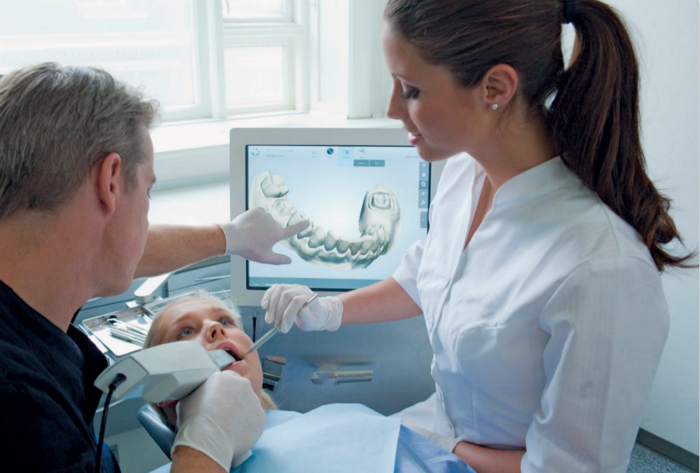
The doctor is performing an intraoral scan.
Many intraoral scanning systems can generate realistic color models, thereby enabling better acquisition of information in certain areas, such as tooth structure and gingival texture. This allows for the analysis of changes in tooth and gingival color, a process that cannot be achieved with plaster models. Some systems also offer selective tooth shade matching.
Of course, intraoral scanning is also subject to the influence of head movement and the oral environment, such as saliva and the tongue, thereby affecting the quality of image acquisition.
Additionally, issues such as the operability in the confined intraoral space, the scanning accuracy of semi-translucent and highly reflective tooth surfaces, the stitching accuracy of scan data in cases of extensive dental arch defects or edentulism, and the scanning adaptability for severely maloccluded dentitions can, to some extent, affect the fitting and reconstruction between images.
It is worth noting that intraoral optical scanning is not easy for beginners to operate, as operators must follow complex scanning paths to achieve accurate measurements, requiring prior training.
Principles and Advantages of Intraoral Scanning
Currently, digital intraoral scanning devices from various brands are predominantly manufactured based on optical principles, such as blue light-emitting diode (LED) technology and blue laser technology. These systems stitch together multiple individual images to continuously acquire image streams.
The fundamental principle of intraoral scanning relies on two imaging techniques: still photography and video capture. These images are then synthesized via computer algorithms to reconstruct a high-precision, full-color representation of the intraoral environment. "Photographic" scanning offers significantly higher accuracy than "video-based" scanning, albeit with greater technical demands. Additionally, a key differentiator among various devices is whether they require the application of scanning powder (anti-glare powder) for image acquisition.
For orthodontic patients opting for clear aligner therapy, the acquisition of 3D impressions prior to treatment is a critical procedural step. Traditional silicone rubber impressions fail to meet current clinical demands due to drawbacks such as poor patient experience and prolonged acquisition time, whereas intraoral orthodontic scanners can effectively circumvent these issues.
The scanned 3D orthodontic model data can be directly integrated with common clear aligner platforms such as Invisalign, enhancing patient experience while reducing the time required for impression upload.
Both patients and doctors can intuitively view the data and observe dental details on the screen. The data acquired from intraoral scanning, after computer processing, yields all intraoral data required for both clinical and laboratory workflows.
These data are equivalent to the physical impressions taken in conventional prosthodontics, given the undisputed importance of such models in both clinical and laboratory settings. Once digitized, these “models” can be uploaded directly to the cloud, enabling convenient storage and traceability.
By acquiring comprehensive intraoral data from patients, a set of digital datasets can be integrated with other datasets, such as facial scans or 3D X-ray images. This capability enables more comprehensive diagnosis and treatment planning, facilitating the provision of downstream digital support services.
These data can be leveraged to facilitate computer-aided diagnosis, restoration, and treatment planning, yielding more stable and superior outcomes compared to those based solely on clinicians’ empirical experience. This represents the core clinical value of intraoral scanning.
Mainstream Intraoral Scanner Companies
Under the concept of digital dentistry, intraoral scanning serves as the entry point. Intraoral digital acquisition systems allow dentists to capture the surface of prepared teeth in three-dimensional space, enabling a nearly fully digital workflow.
An unavoidable challenge lies in scanning fees, system closedness, and compatibility. Some systems require users to pay scanning fees, i.e., a fee for each scan.
In most cases, scan data is first uploaded in an encrypted file format to the scanner manufacturer’s proprietary “cloud” storage system, which is a closed ecosystem. Subsequently, an open STL format file is exported from the platform, allowing the data to be further processed in any CAD software. In recent years, an increasing number of manufacturers have introduced open systems, enabling intraoral scanners to directly export STL data.
Currently, intraoral scanning systems remain expensive, requiring a significant investment of hundreds of thousands of yuan. While many private clinics find the current price levels difficult to fully accept, these systems offer substantial benefits in terms of marketing and enhancing revenue streams. It is anticipated that in the near future, as more manufacturers enter the market, the price of scanners will decrease.
Intraoral scanners used by dental institutions in China are predominantly imported. However, foreign companies must obtain registration certificates to sell intraoral scanners in China. For instance, Sirona obtained its registration certificate as early as 2006, qualifying it to sell products through public channels.
Domestic companies are also making strategic moves in this area, such as Langcheng. General hospitals and specialized dental hospitals typically procure intraoral scanners through tendering processes, allowing them to purchase scanners and data support service packages from authorized distributors. The following section will introduce leading intraoral scanning companies currently on the market.
Sirona, based in Germany, launched the CEREC system in 1987, marking an early entry into the field. Formerly known as Siemens Dental, Sirona boasts a history spanning more than 130 years and is currently headquartered in Bensheim, Germany. The company is dedicated to researching, developing, and providing world-leading digital dental solutions, including CAD/CAM all-ceramic restoration systems for chairside (CEREC) and laboratory (inLab) applications, comprehensive dental treatment units, digital dental X-ray diagnostic systems, as well as dental treatment instruments and sterilization equipment.
In February 2016, following a merger of equals with Dentsply, the leader in the U.S. dental consumables market, Sirona became one of the world’s largest and most diversified manufacturers of professional dental products and technologies.
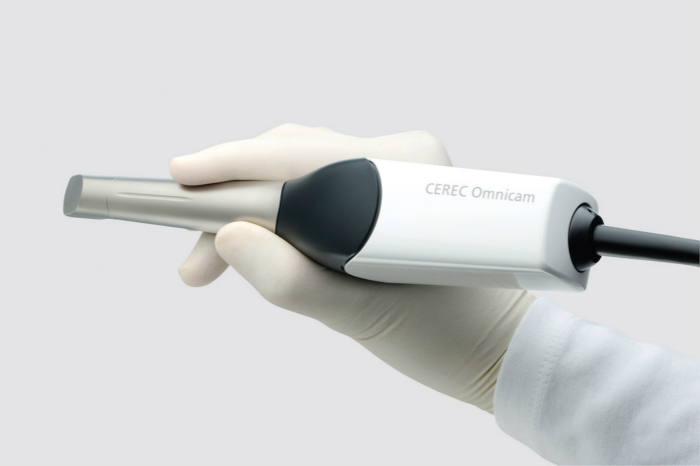
In August 2012, Sirona’s newly launched intraoral scanner, CEREC Omnicam, was evaluated by a jury of 32 distinguished international experts. Recognized for its ergonomic design, it received the 2013 iF Product Design Award. The device supports video streaming, capturing moving images and reproducing the anatomical structures of the jaws in natural colors, while its camera features image stabilization.
The CEREC Omnicam intraoral scanner enables dentists to acquire digital impressions of intraoral teeth without the need for powder or spray treatment of the scanning area. During scanning, images of the patient’s oral cavity are displayed in natural color on the screen, allowing dentists to design high-precision all-ceramic restorations based on these highly accurate digital data.
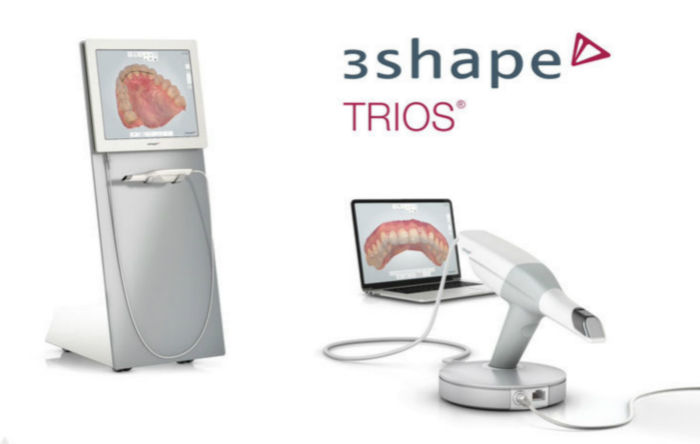
3Shape was founded by two graduate students in Copenhagen, Denmark, and its products are used in clinics and laboratories in more than 100 countries. In 2005, the company launched the D200 scanner, making its mark in the dental field. In 2011, the 3Shape TRIOS intraoral scanner was officially released. Currently, TRIOS is available in three models, ranging from the premium TRIOS 3 Wireless to the more affordable TRIOS 3 Mono. All models can capture digital images in real time, offer spray-free and powder-free scanning, and support upgrades to color models.
The accuracy, scanning speed, and ease of use of the 3Shape TRIOS have been widely recognized within the industry. With its open STL+DCM model and extensive integration with third-party orthodontic solutions and implant manufacturers, TRIOS delivers a superior experience for both dentists and patients. Additionally, TRIOS offers continuous software updates and a comprehensive suite of dental treatment modules.
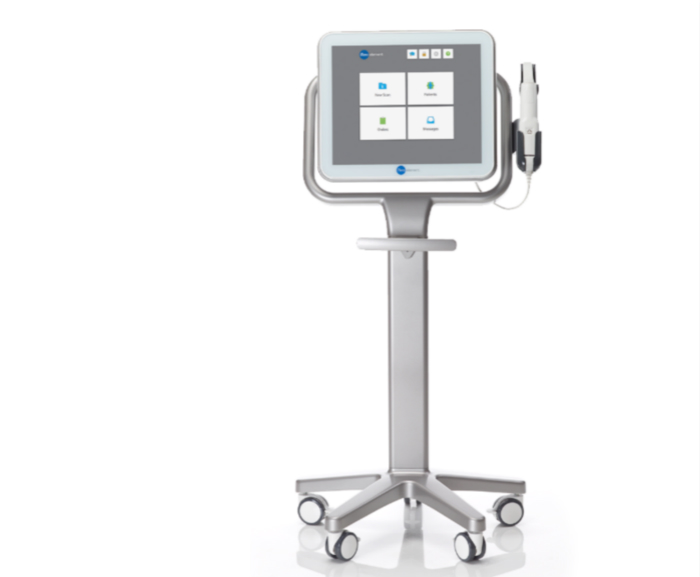
Align Technology, a U.S.-listed company, is the renowned manufacturer of Invisalign clear aligners and iTero intraoral scanners. The iTero intraoral scanner has also earned a reputation as a premium, high-end product within the industry. In 2011, Align Technology completed its acquisition of Cadent, making the iTero intraoral scanner the only product on the market at that time compatible with Invisalign aligners, thereby addressing many of the issues associated with traditional silicone rubber impressions.
The iTero system consists of a main unit, scanning wand, display screen, wireless foot pedal, and other components. Based on laser parallel confocal scanning technology, it eliminates the need for powder application during scanning, capturing all data images within the focal range. During the scanning process, the display screen presents real-time images that can be viewed from any adjustable angle. Upon completion of the scan, the digital dental model is rapidly uploaded to the server. Once the patient’s information is complete, a ClinCheck treatment plan can be generated, significantly reducing waiting time.
The iTero intraoral scanner enables the conversion from intraoral dentition to digital dental models, eliminating errors associated with silicone impression taking, mailing, and digitization. With its high-precision scanning data, it reduces aligner fitting issues by sevenfold. A skilled operator can complete the scan within 15 minutes. Furthermore, iTero is an open system featuring a variety of integrated CAD/CAM functionalities and clinical solutions.
Carestream Health was established in 2007 following the acquisition of Eastman Kodak Company’s Health Group by Onex Corporation, a Toronto-based company. It has since become one of the world’s leading providers of medical imaging and health information technology solutions.
In April 2017, Carestream partnered with its parent company, Onex Corporation, and entered into an agreement to sell its digital dentistry business to funds managed by Clayton, Dubilier & Rice (CD&R) and Hillhouse Capital/Pinecone Management Co., Ltd. The agreement did not include dental X-ray films and anesthetics, which Carestream Health will retain.
Carestream’s CS3500 and CS3600 intraoral scanners enable users to create highly accurate 3D digital impressions without the need for traditional impression materials, powder spraying, or conventional impression techniques. Upon completion of the scan, high-resolution true-color 2D and 3D images allow clinicians to clearly distinguish tooth structures, soft tissues, and restorations, thereby facilitating customized treatment plans for patients. The CS3600 has been validated for use with the Ormco Insignia™, Incognito™, Clear Correct™, and Harmony™ systems.
Additionally, intraoral scanners are primarily utilized in the scanning phase of the Carestream CS Solutions. The Carestream CS Solutions comprise a comprehensive suite of integrated systems and a range of open-system solutions, allowing users to flexibly select from various options based on their workflow and clinic layout.
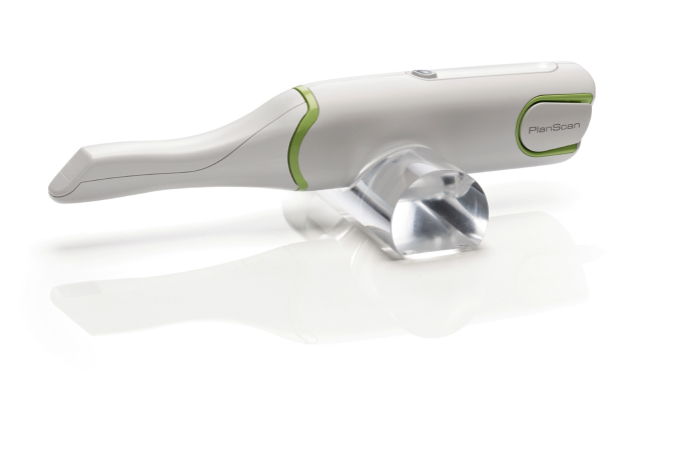
Headquartered in Helsinki, Finland, Planmeca is a leading privately held family-owned enterprise in the dental equipment manufacturing industry. Its product portfolio includes digital dental treatment units, 2D and 3D imaging devices, open CAD/CAM solutions, and software suite solutions.
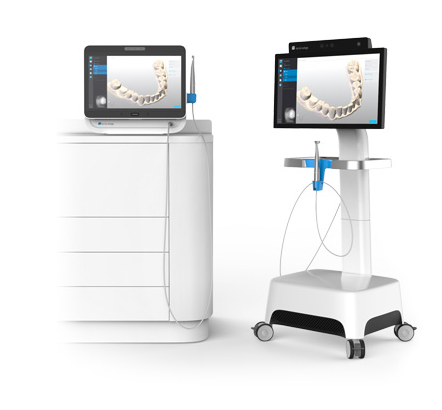
The Planmeca PlanScan intraoral scanner can be directly connected to any Planmeca digital dental treatment unit. The full HD tablet device of the digital treatment unit ensures that the entire dental team can view synchronized scan data in real time, allowing dentists to better focus on the treatment process. The scanner features three interchangeable imaging heads, delivering highly accurate scan results from single indications to full-arch scans.
To ensure a smoother workflow, scanning operations can also be controlled via the wireless foot pedal of the treatment unit. This special feature enables hands-free scanning, allowing users to remain fully focused on patient treatment. Additionally, users can switch between functions using the foot pedal, such as tooth preparation, opposing dentition scanning, buccal view, model generation, and camera activation/deactivation.
Plug-and-play scanners can also be conveniently installed on digital integrated treatment units in other operatories. When paired with Planmeca Romexis software, this setup enables different CAD/CAM workflow steps (scanning, design, and fabrication) to be performed synchronously by different users.
3M is a technology-driven company. As of the end of 2016, 3M’s global annual sales revenue reached $30.1 billion, with nearly 90,000 employees worldwide, conducting business with customers around the globe. In 2000, it acquired 3M ESPE.
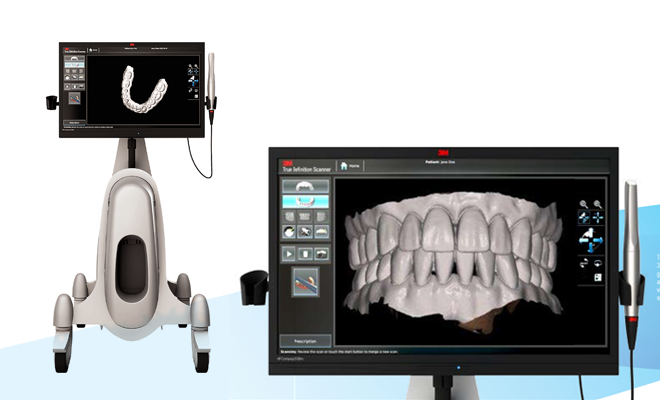
3M’s Dental Division launched a scanner in 2012. This digital dental impression acquisition system utilizes an open, secure cloud-based platform, offering multiple solutions for dentists and dental laboratories.
The 3M TrueDefinition Pen Intraoral Scanner employs 3D video technology, featuring a next-generation digital impression capture system that is both efficient and precise. Orthodontists can utilize 3D dynamic imaging technology to perform comprehensive full-mouth scans, instantly displaying digital impressions for analysis and treatment planning. Its cloud-based storage functionality allows for unlimited storage of patient scans and supports integration with open STL files.
This tablet-based mobile intraoral scanner features an open design, allowing orthodontists to use it flexibly with any device at the chairside, in the clinic, or in the laboratory, and supports multiple connections with other CAD/CAM systems.
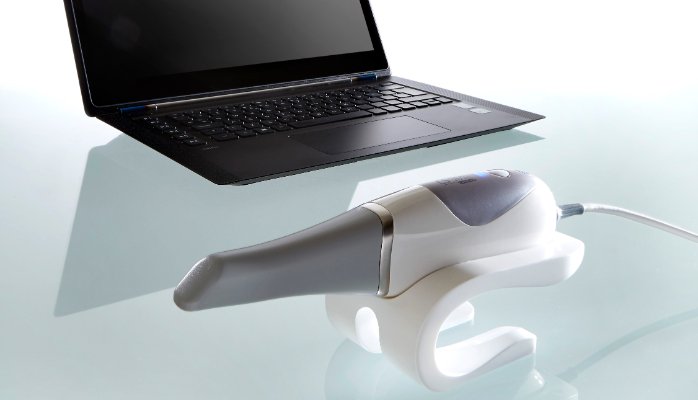
Headquartered in Belgium, Condor has developed an intraoral scanner that is only the size of a pen tip. It requires connection to a laptop and software for operation and, like other advanced systems, does not require powder spraying. This intraoral scanning device features flexible scanning strategies and efficient file-sharing protocols. As Condor does not rely on texture or artificial coloring, its AI algorithm system sets a new standard for generating color images.
Additionally, to support its diagnostic capabilities, Condor developed Condor Perspective, a cloud-based application that enables the use of scan results for communication between dentists and patients.
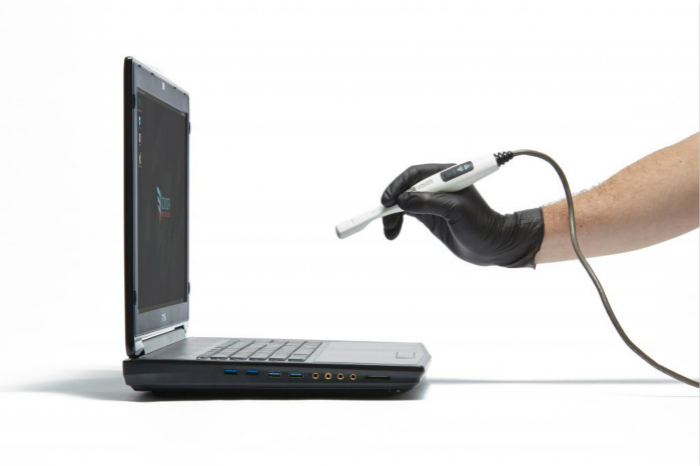
Dental Wings is a Canadian company founded in 2007 that provides innovative CAD/CAM solutions designed to enhance the quality of dental restorations, improve productivity in dental laboratories and clinics, and deliver a standardized open platform for digital dentistry. Its DWOS (Dental Wings Open Software) platform is currently sold in more than 30 countries and is available in 12 languages.
In 2011, Swiss dental giant Straumann acquired a minority stake in Dental Wings and partnered with 3M ESPE to integrate the DWOS (Dental Wings Open Software) platform.
The intraoral scanner developed by the company is based on a compact 3D capture technology called Multiscan Imaging, which allows dentists to view teeth and soft tissues from multiple angles, capture precise images, and focus on the patient without the need for powder spraying. It is lightweight and easy to operate. Compatible with DWOS CAD suite applications and other open dental CAD software, it enables direct import of scan data.
Dental clinics and laboratories achieve seamless connectivity through the DWOS Connect communication platform. The open STL file format allows dentists to instantly access scan data for chairside procedures or to collaborate rapidly with laboratory partners.
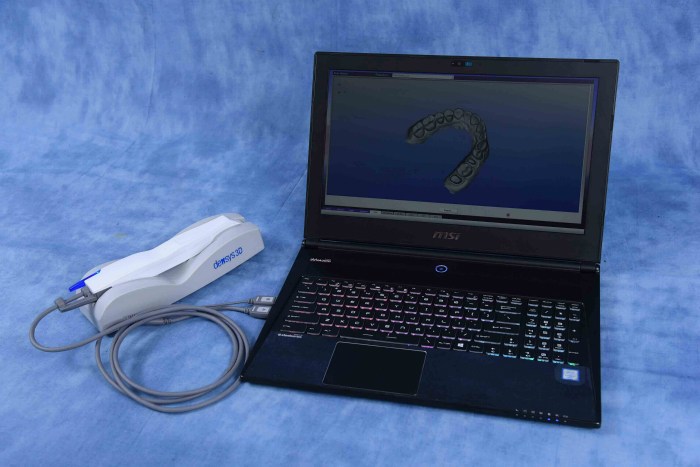
Israeli company Densys3D is a prime example of excellence in developing intraoral dental imaging systems. Its scanning solutions leverage advanced dental imaging technology, enabling dentists to accurately create high-precision 3D images without the need for costly and cumbersome putty-like materials.Compact, lightweight, ergonomic, and easy to operate.
The MIA3d system is a plug-and-play solution with excellent cost-effectiveness, comprising a scanning probe, scanning controls, and a scanning sprayer.The spray is easy to use, covering teeth with a very thin coating to improve scanning. Its jelly-like consistency prevents the spray from adhering to the lips and face. The scanner adoptsOpen STL files for convenient post-processing of aligners.
One-time payment at purchase. No monthly fees, no pay-per-click charges, no third-party laboratory fees, no cloud service fees, and no hidden costs.
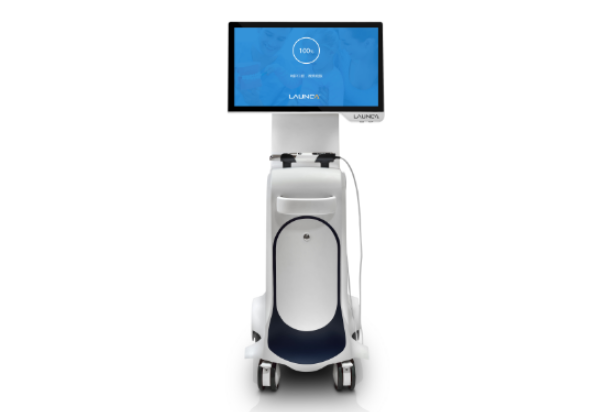
Guangdong Launca Medical Device Technology Co., Ltd. is a high-tech enterprise integrating research and development, production, and sales, and is one of the earliest companies in China to develop intraoral scanners.
The DL-100 features multi-channel color 3D reconstruction technology, ensuring the accuracy of intraoral 3D data acquisition. Its compact probe design provides clinicians with greater operational flexibility. The open-data architecture allows dental laboratories to freely select subsequent design and manufacturing workflows according to their specific needs.
The device features a trolley-based design, allowing for easy mobility within the clinic and convenient connectivity to third-party equipment. Its open STL data format ensures compatibility with various types of CAD/CAM systems.
The use of intraoral scanners in conjunction with a minimal amount of scanning powder enhances scanning speed and accuracy, without compromising the true-color fidelity of the models or affecting biosafety during treatment. During the scanning process, clinicians can capture high-resolution images for case documentation, preservation, and analysis, which helps patients recognize the necessity of treatment and accept the proposed treatment plan.
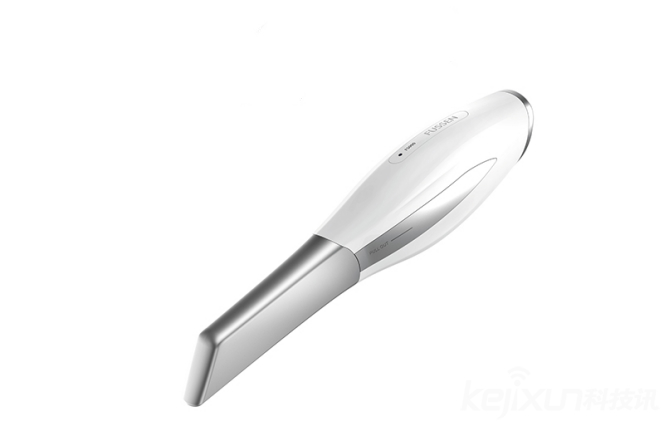
FUSSEN Intraoral 3D Scanning Imaging System, a product of Dentalink’s Ya Yi Guan Jia brand, is an intraoral scanner designed for use with denture processing platforms. Its open data format enables seamless integration with dental laboratories, facilitating real-time communication between dentists and technicians.
Additionally, powder-free true-color scanning enhances the patient experience. The built-in heating and anti-fog function ensures easy image capture. With a large depth of field and blind-spot-free scanning, it achieves high-precision, rapid imaging. Its plug-and-play scanning head is designed for autoclave sterilization (high-temperature and high-pressure disinfection). The compact, pen-style scanner aligns with clinical operational habits.