

iPhone X Ignites Biomedical AI as Apple Launches Heart Study and Expands Healthcare Initiatives
By Li Yanyu and Zhang Lei
At its early-morning product launch, Apple took another step toward its health management goals.
At 10:00 a.m. Pacific Time on September 12 (1:00 a.m. Beijing Time on September 13), Apple’s fall launch event was held at the Steve Jobs Theater in Apple Park. At this event, often referred to as the “Super Bowl of the tech industry,” Apple sequentially unveiled the third-generation Apple Watch with built-in cellular connectivity,Supports Dolby Vision and HDR10Apple TV 4K (unavailable in China) and the long-awaited new iPhone 8 series. Most excitingly, the highly anticipated iPhone X was officially unveiled. This true flagship Apple device, featuring a 5.8-inch full-screen display and replacing the Home button with the new Face ID authentication method, will go on sale on November 3.
In addition to these new tech products, VCBeat (WeChat ID: vcbeat) will also place greater emphasis on Apple’s explorations in the healthcare sector.
Since entering the Cook era, Apple has evolved into a more socially responsible corporation—a point CEO Tim Cook has emphasized in numerous media interviews. At this press event, he focused primarily on how Apple’s products enhance users’ lives.
The New Apple Watch Offers Real-Time Heart Rate Monitoring, Launching Apple's Cardiac Data Research
As the first product launched, Tim Cook emphasized that the Apple Watch is designed to enhance quality of life, achieving a 97% user satisfaction rate to date. Apple even produced a dedicated short film showcasing how the Apple Watch promotes a healthier lifestyle.
Apple COO Jeff Williams showcased the future evolution of the Apple Watch. Heart rate monitoring technology has been integrated since the first-generation Apple Watch, while the third-generation model features a completely redesigned interface. The new Heart Rate app will provide comprehensive heart rate statistics and management, including the ability to measure the rate of heart rate recovery after exercise, as well as offer comparisons of heart rate variations throughout the day.
“Your resting heart rate and your exercise heart rate—just raise your wrist to find out,” introduced Jeff Williams.
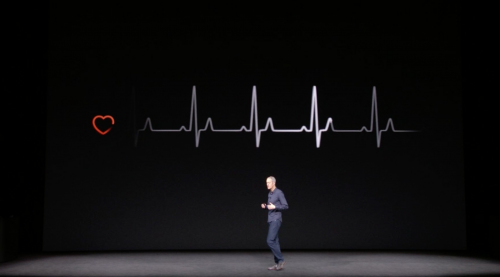
Meanwhile, the third-generation Apple Watch introduces a new alert feature that notifies users when their heart rate deviates significantly from normal. According to Jeff Williams, Apple’s heart rate sensor is the most widely used in the world.
At the press conference, Jeff Williams also solemnly announced the official launch of the Apple Heart Study, which will leverage heart rate data collected from a vast number of Apple Watch users to conduct research aimed at addressing often-overlooked conditions such as arrhythmia and atrial fibrillation. Designed to assist hospitals in cardiovascular disease research, this study is supported by Stanford University School of Medicine and U.S. government authorities.
Furthermore, fitness tracking remains a key focus; the third-generation Apple Watch is equipped with an intelligent coaching feature and introduces numerous new workout monitoring capabilities.
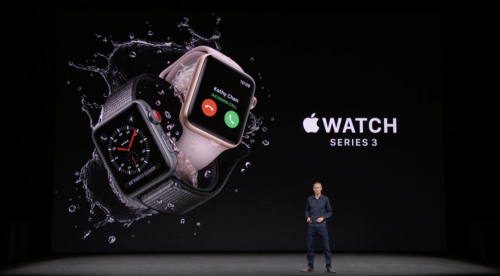
This year’s launch event coincided with the 10th anniversary of the iPhone. At the event, Tim Cook declared that the Apple Watch could be the ultimate device for healthy living. This was not the first time he had expressed Apple’s optimism about the health sector.
In fact, even before this press conference, Tim Cook expressed his interest in Apple’s healthcare applications during an interview with Fortune magazine, stating that he was excited about the role they would play in the company’s future strategy. “I’m eager to see what more Apple’s health toolkit can do. It’s an exciting prospect!”
Meanwhile, according to research conducted by Stanford University earlier this year, the Apple Watch provides more accurate monitoring data than other wearable devices. This indicates that Apple is positioning the Apple Watch as a wearable medical device.
Leveraging Smartphones for Health Management: A Review of Sleep Health Apps on the iPhone
Beyond familiar health management features such as heart rate monitoring and activity tracking, Apple’s health ecosystem offers much more.
At its spring 2015 launch event, Apple introduced ResearchKit, an open-source framework that enables medical researchers to directly develop diagnostic applications. This initiative not only provides medical research with access to extensive data from Apple users but also transforms the iPhone into a medical diagnostic tool.
Currently, the Apple App Store already hosts numerous applications designed to help users manage conditions such as Parkinson’s disease, diabetes, asthma, and breast cancer. With the introduction of the “Health” app and ResearchKit, Apple has established an ecosystem centered on user health.
In the Medical, Health, and Fitness sections of the Apple App Store, short curated lists are frequently created for specific health domains. Although Apple’s methodology is not transparent, it provides insight into the apps being promoted by Apple and those visible to consumers when searching for particular types of health applications.
Among these areas, sleep is a field of growing interest to Apple. The company has previously hired numerous sleep experts and recently acquired the sleep-tracking firm Beddit. This acquisition signals Apple’s intention to integrate its developed sleep-tracking capabilities across its entire product lineup.
Therefore, VCBeat has compiled a list of 11 apps promoted by Apple in the “Sleep” category of the App Store.
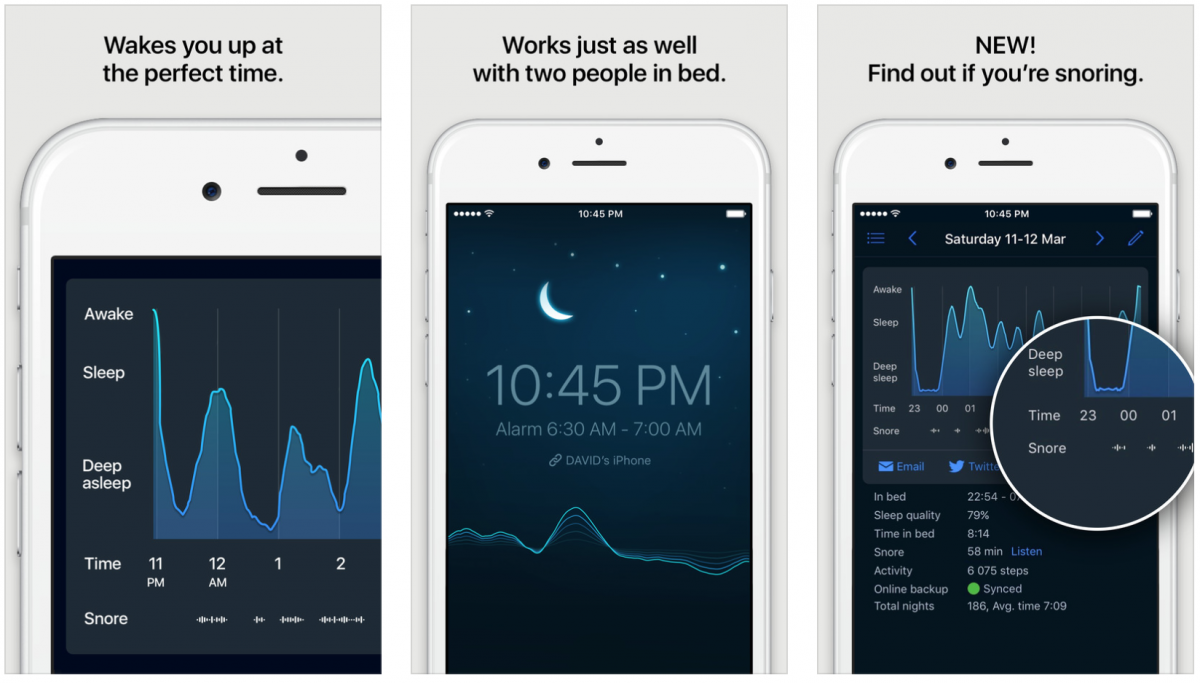
Sleep Cycle provides sleep monitoring by leveraging the smartphone’s microphone and accelerometer, along with a smart alarm clock that uses this data to wake users at the optimal point in their sleep cycle. As a long-standing player in the market, Sleep Cycle launched the first version of its app in 2009.
This app is free, but a premium subscription version priced at $29.99 adds a suite of additional features, such as heart rate monitoring, trend tracking, and tools to monitor other factors that may affect or be affected by sleep, such as weather or mood.
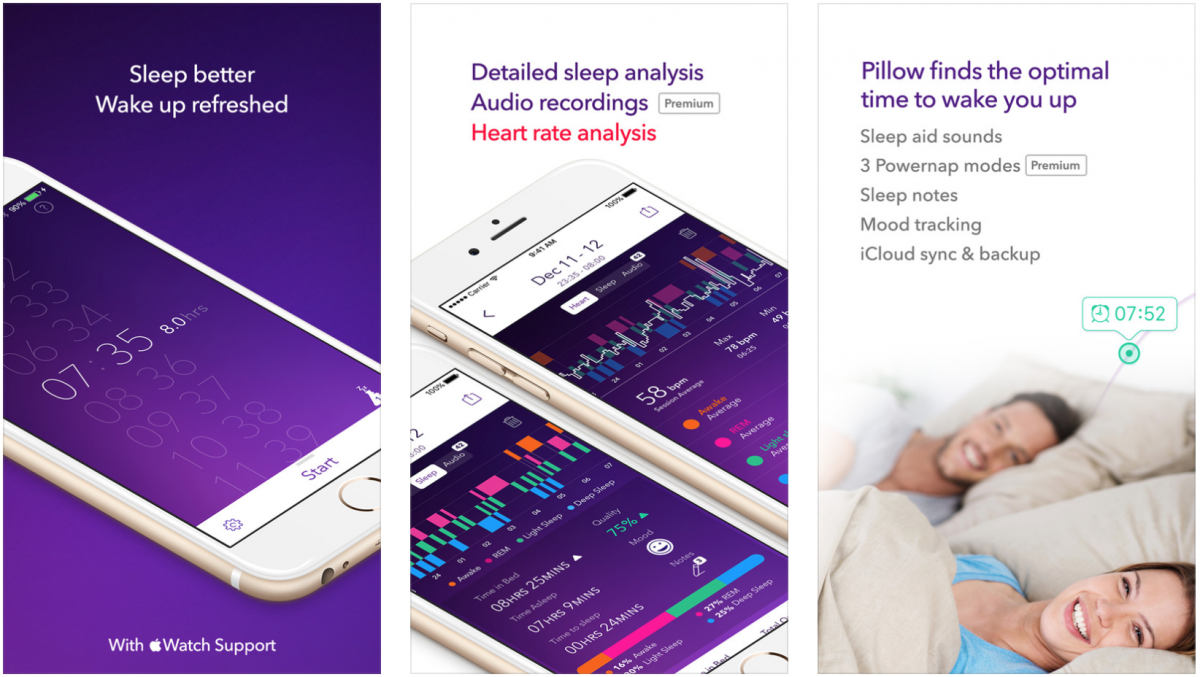
Similar to Sleep Cycle, Pillow offers features including sleep tracking and analysis, as well as a smart alarm clock. Pillow also integrates seamlessly into various components of the Apple ecosystem, working in conjunction with Apple Health and Apple Watch to gather additional data through its heart rate monitoring capabilities.
The premium version of the Pillow app costs just $4.99 and unlocks personalized recommendations based on data. Other premium features include additional options for the alarm itself and a “Power Nap” mode for tracking daytime sleep.
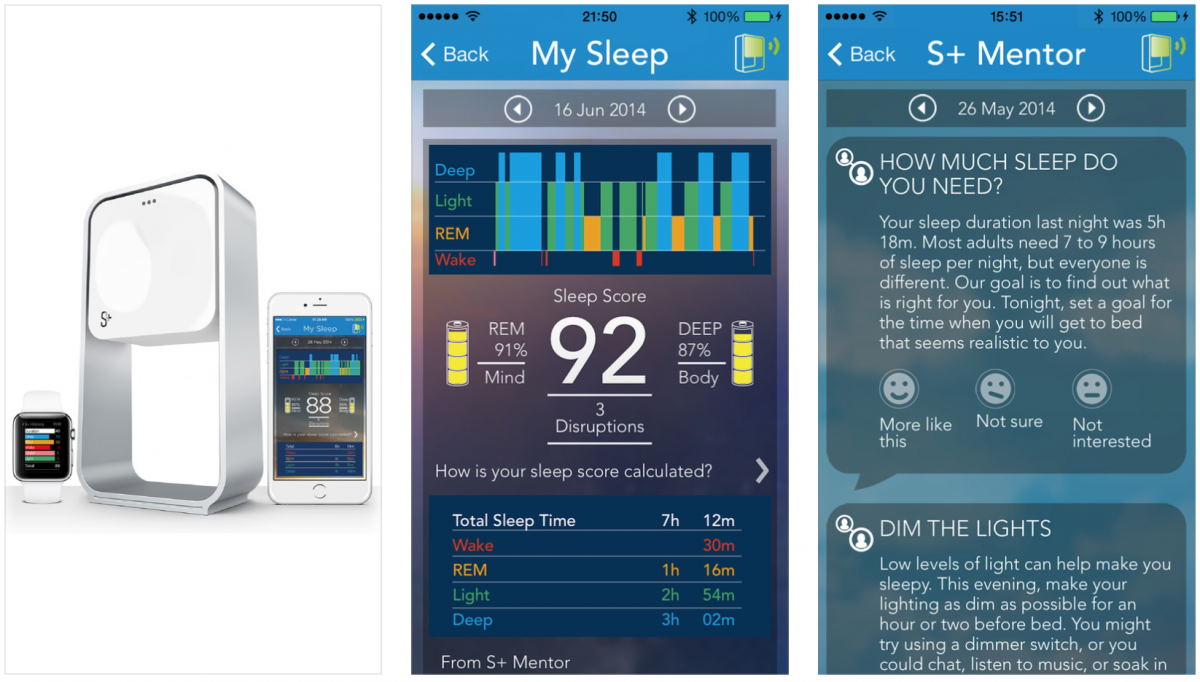
The S+ app is part of the S+ system, the first consumer product launched by medical device company ResMed in 2014. The company had previously focused on clinical services for sleep apnea.
Overall, the platform includes a contactless device designed for use with smartphones. The application, powered by a cloud-based analytics engine, utilizes motion sensors to detect respiration and movement without physical contact. The entire system retails for $149, with most hardware functionalities integrated with the mobile app to enable practical operation.
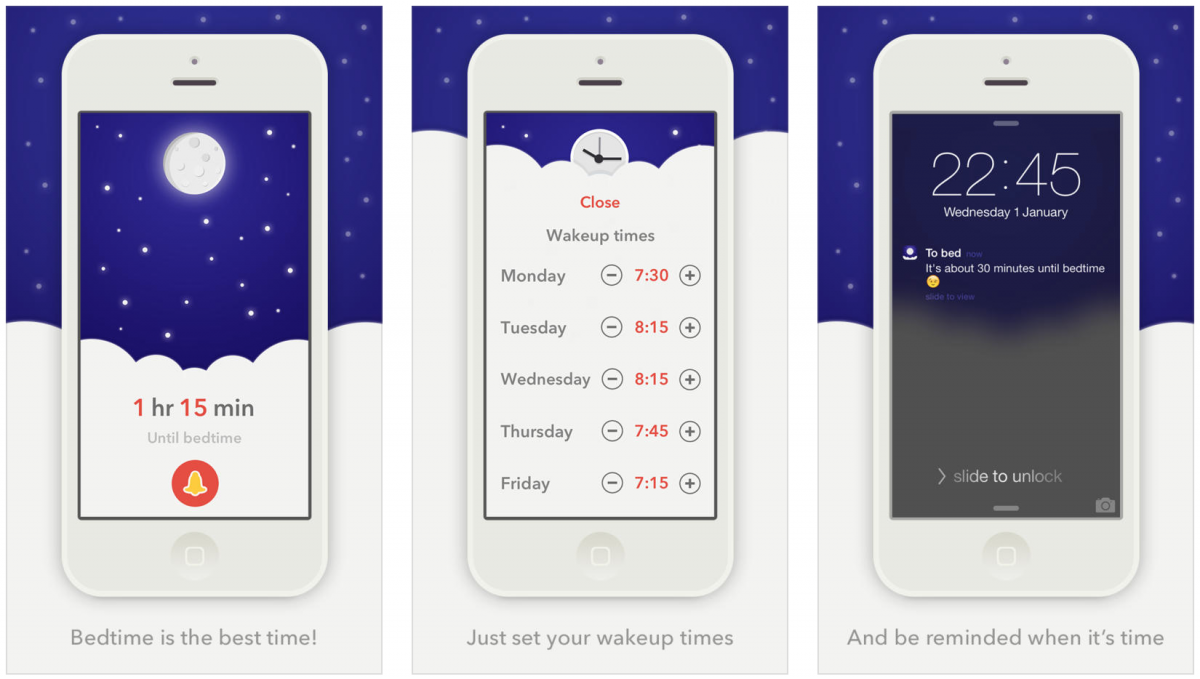
Although many apps in Apple’s Sleep category are feature-rich, offering capabilities such as monitoring, analysis, and alerts, the app To Bed is simpler, combining straightforward bedtime features with striking visual design.
Users simply need to set their age and desired wake-up time in the app, and “To bed” will remind them when it is time to go to sleep. The application automatically disables reminders on weekends and can also be configured to account for holidays or other days off in the user’s daily schedule.
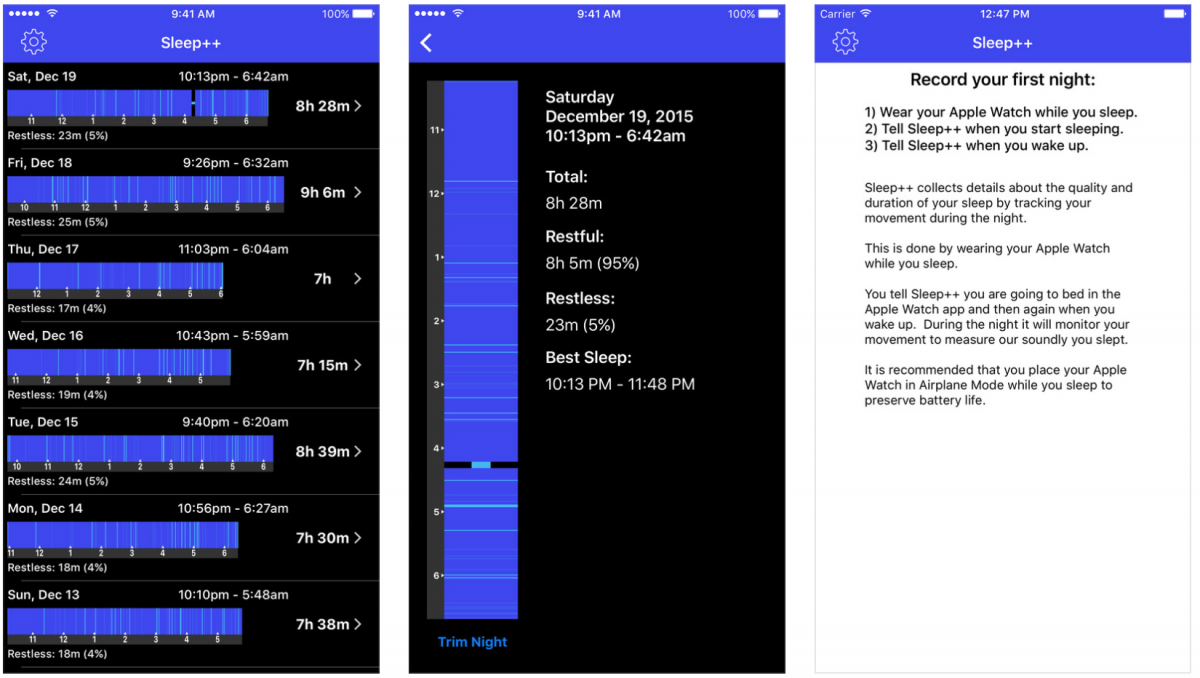
Although Apple offers a range of health-tracking options, the Apple Watch does not have an official sleep tracker, likely because most users charge their devices overnight. However, this has not prevented third-party companies from developing software that leverages the watch’s sensors, such as its motion and heart rate sensors, to transform the wearable device into a sleep tracker.
Sleep++ is such an application that can be combined with Apple Watch to track peaceful sleep status, and tell users their optimal sleep time and the exact time of their sleep.
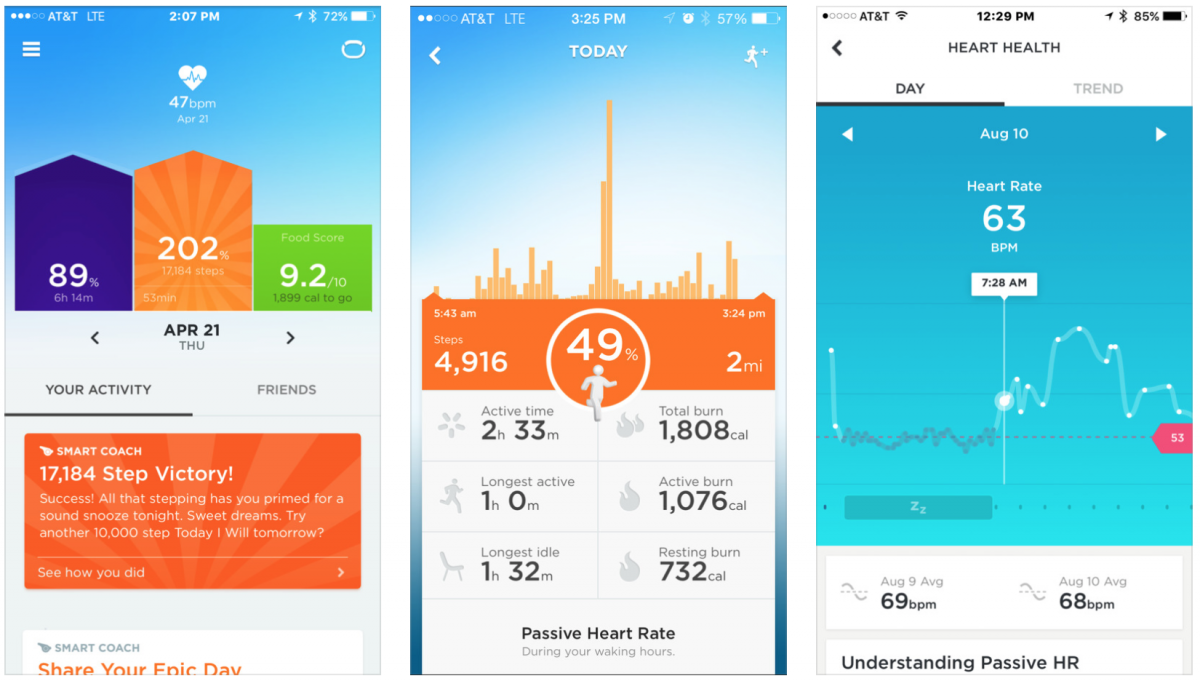
UP Smart Coach is the companion app for the Jawbone UP wearable series. Of course, given that Jawbone has recently entered liquidation proceedings, its position on the rankings appears somewhat awkward. Currently, users can continue to use the app’s features, including automatic sleep tracking as well as activity and dietary guidance, and the application does not require the tracker hardware to function.
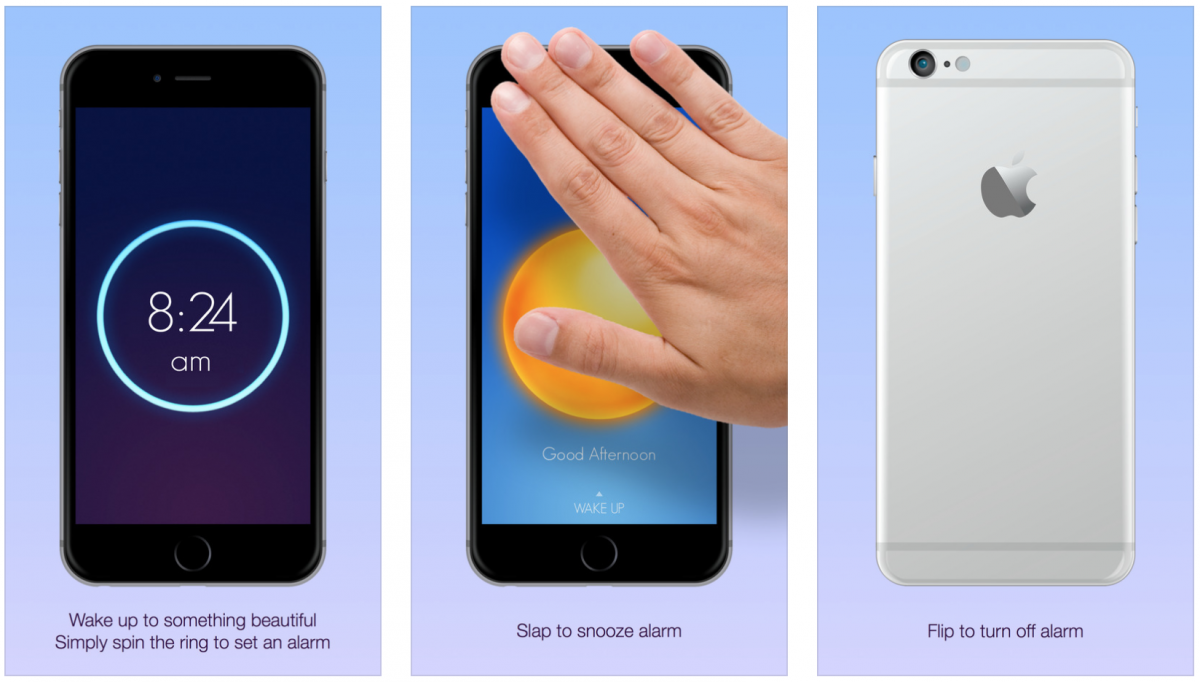
The iPhone has always featured a device-specific alarm clock as part of its Clock app, but for some people, to borrow the lyrics of an old song, “waking up is hard to do.” Therefore, the alarm includes several additional features designed for heavy sleepers: a gradually increasing alarm volume; a vibration mode that requires users to shake their phone to accelerate blood flow and help them wake up; and a “Tap and Flip” mode that makes the phone operate more like a traditional alarm clock, requiring physical tapping to snooze.
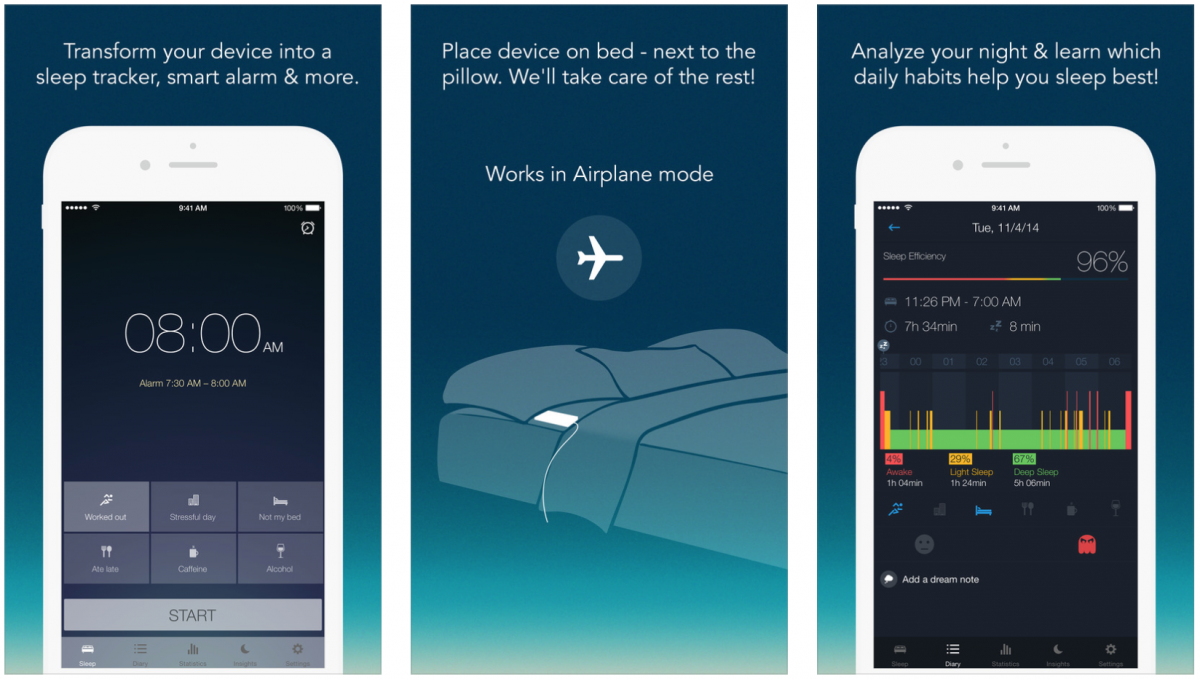
Sleep Better is an app from Runtastic, an Austrian fitness app company acquired by Adidas in 2015. Although Runtastic produces wearable devices, this sleep tracker relies solely on the smartphone itself. Users place their phone on the bed near their pillow, and the app tracks sleep duration, cycles, and efficiency.
This app encourages users to track other aspects of their lives, such as exercise and diet, then analyzes how these factors affect their sleep, and integrates with the built-in Health app on iPhones for comparison to promote better sleep.
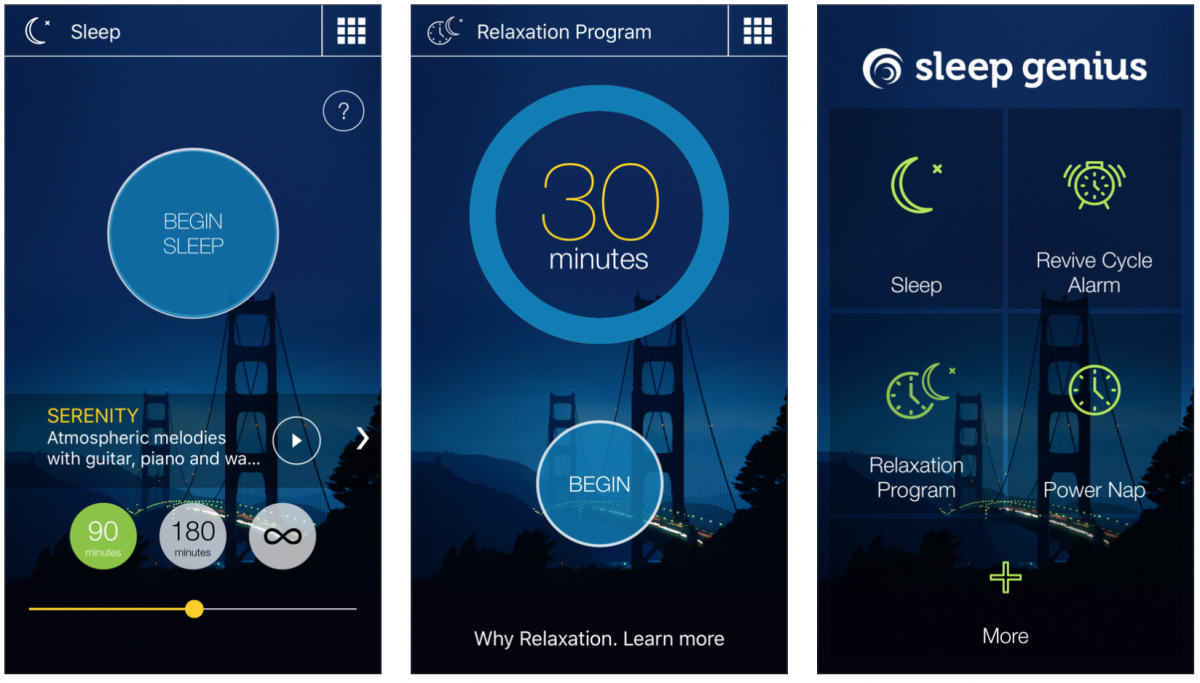
Sleep Genius offers a research-based relaxation program to address insomnia and sleep issues. For $4.99, users gain access to solutions for four relaxation challenges, a napping program, and a sleep-cycle-based alarm clock.
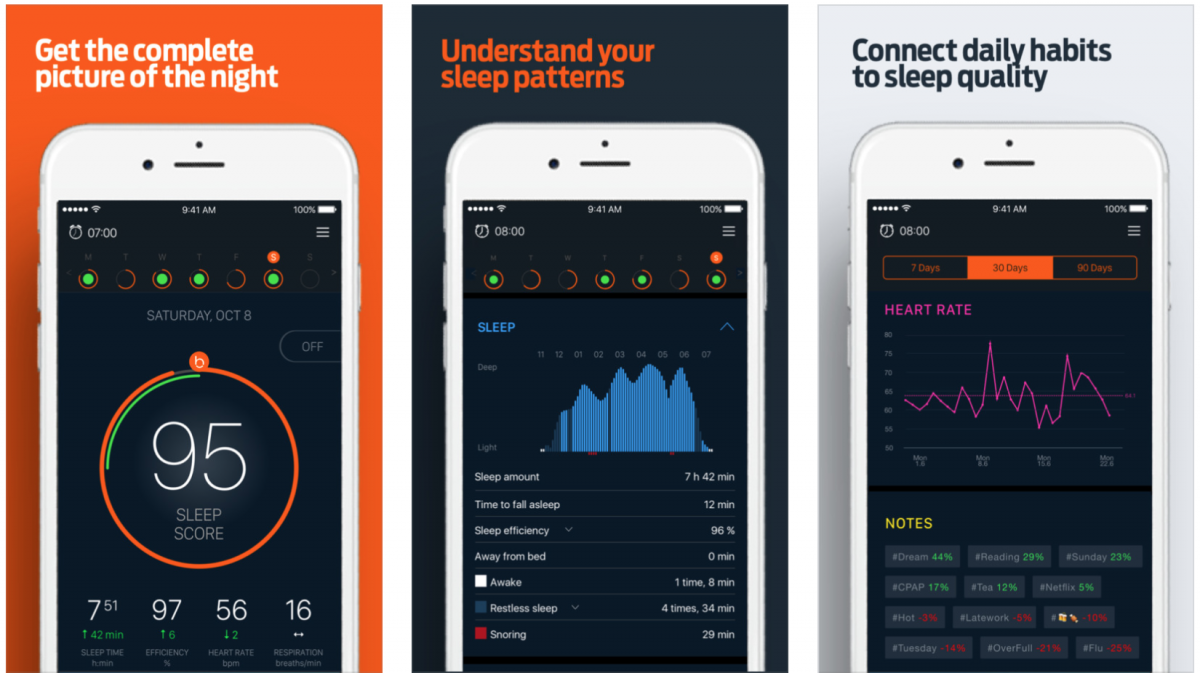
Beddit, Apple’s most recent acquisition, has developed a third-generation sleep tracker available for purchase from Apple at $150 per unit. This sleep monitoring device, which resembles a strap, is placed under the user’s bed sheet and on top of the mattress. When positioned on the bed, it employs ballistocardiography to measure bedtime, wake-up times, instances of getting out of bed, total sleep duration, and sleep latency (the time taken to fall asleep). Additionally, it monitors heart rate, sleep quality, and respiratory movements, while also analyzing whether the user is snoring to help identify potential breathing-related issues.
The third-generation sleep tracker connects via Bluetooth to its companion app, Beddit Sleep Monitor, which provides users with personalized guidance, a health journal, historical sleep records, and social sharing options; the app cannot be used without the device.
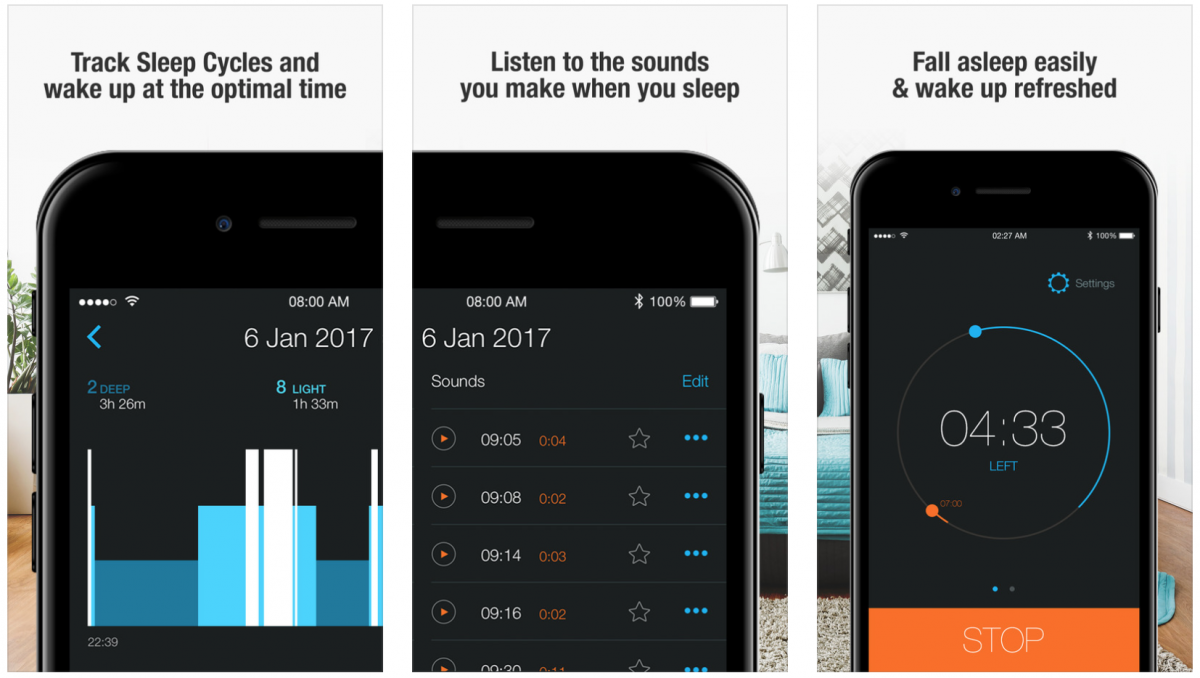
Smart Alarm Clock (智能闹钟) is another alarm clock application that tracks sleep cycles. The app allows users to select a desired wake-up time window, then uses algorithms to monitor sleep cycles and wake the user at an optimal time. Users can also use this app to monitor sounds made during their sleep.
Final Thoughts
Whether it is the already familiar ResearchKit, health monitoring, and fitness tracking features from the past; the newly launched initiatives in cardiac research; or the suite of sleep health apps promoted on the App Store following the acquisition of Beddit, which we are highlighting today—all these developments indicate that Apple’s expansion into the healthcare sector is a major strategic direction for its future.
In the healthcare sector, Apple is not alone; international giants such as Google, IBM, and Amazon have also entered the fray, with Google and IBM already holding a significant lead over Apple in medical artificial intelligence. Will AI become Apple’s next strategic focus? Beyond Siri, which responds to voice commands, we also saw applications of Apple’s AI technology in facial recognition unlocking at today’s launch event.
The all-new iPhone X may be Apple’s most AI-centric product to date, with “Face ID” artificial intelligence biometric technology representing a significant functional evolution. The Face ID feature is enabled by the TrueDepth camera system, which projects over 30,000 invisible infrared dots and analyzes them to create a precise, detailed depth map of the face. Its capabilities encompass facial authentication, the TrueDepth camera, streamlined verification, a dedicated neural network, natural and secure operation, user privacy protection, attention awareness, adaptability, and integration with Apple Pay and other applications.
Powered by the all-new A11 Bionic Neural Engine, the iPhone X delivers flawless facial recognition with 600 billion operations per second. Wearing glasses, changing hairstyles, donning hats, or trimming beards will not affect recognition accuracy.
Cook emphasized, “I believe the first way Apple changes the world is through our products.” Apple’s applications in the healthcare sector focus more on health management and data collection; for instance, its recently launched heart study has received support from U.S. government agencies and Stanford University School of Medicine. With the deepening development of artificial intelligence technologies, the collection and analysis of vast amounts of user health data represent technical capabilities and resources that Apple can leverage in the future within the healthcare field.
In the past decade, Apple changed the world with smartphones. In the next decade, will Apple’s “cutting-edge technology” rewrite healthcare? This is what we are focusing on.