

HiPee Files IPO Prospectus: Revolutionizing Chronic Kidney Disease Management with Smart At-Home Urine Analyzer

HiPee
Developer of Family Health Service Management Platform
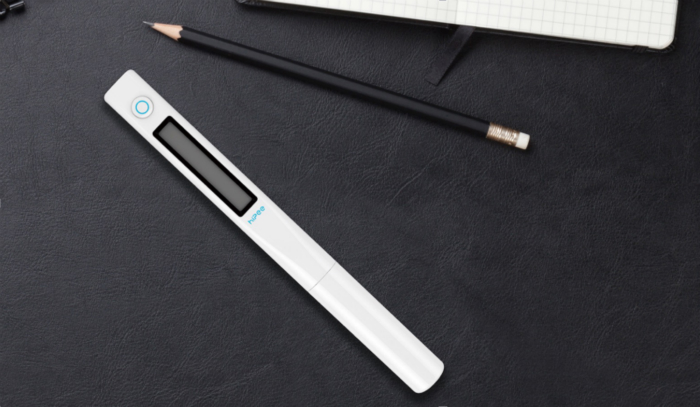
Chronic disease management has long been a popular application area for “Internet + hardware” solutions. Medical devices for conditions such as diabetes, hypertension, and kidney disease have gained recognition among healthcare professionals for their effectiveness in remote monitoring and service delivery. HiPee’s core model leverages smart urinalysis devices to enter the field of kidney disease management.
120 Million Chronic Kidney Disease Patients: Prevention and Screening Are Key
China has a large population base of chronic kidney disease (CKD). The prevalence of CKD among Chinese adults is 10.8%, affecting approximately 120 million people. Nearly one in ten individuals suffers from kidney disease.
The problem is that the main challenge with chronic kidney disease lies in its asymptomatic nature during the early stages; by the time it is detected, it may have already progressed to end-stage renal disease. Furthermore, since most patients with chronic kidney disease do not receive effective management, both the awareness and treatment rates for this condition remain very low.
It is well known that the prevention and treatment of chronic diseases require a significant amount of time, yet physicians are often unable to provide comprehensive care to patients during brief outpatient visits.
On the other hand, due to a lack of specialized knowledge, patients are often overwhelmed by the complexities of daily management and treatment regimens, failing to establish healthy habits or adhere to proper medication protocols.
In fact, prevention and treatment can reduce the incidence of chronic kidney disease by half. Urinalysis devices are essential tools for kidney disease management, and HiPee has chosen to enter the market with smart urinalysis devices. VCBeat has learned that HiPee aims to help high-risk populations with chronic diseases conduct long-term, consistent health checks at home through mobile medical-grade devices, thereby reducing the complication rate of chronic kidney disease.
Urinalysis is one of the three routine clinical tests. Long-term urinalysis is necessary for patients with kidney disease, individuals at high risk for kidney disease, diabetic patients, pregnant women, and other such groups. The prevention and management of chronic kidney disease are closely linked to those of other chronic conditions, such as hypertension and diabetes.
On one hand, a significant proportion of chronic kidney disease (CKD) cases are secondary to other chronic conditions. According to statistics, the etiological composition of CKD is as follows: chronic glomerulonephritis accounts for 51.2%, diabetes mellitus for 20.1%, hypertension for 5.1%, and other or unknown causes make up the remainder. It is evident that kidney diseases resulting from common chronic conditions such as hypertension and hyperglycemia account for nearly one-quarter of all cases, and this trend has been increasing over the past decade.
On the other hand, patients with chronic kidney disease (CKD) have a significantly increased risk of complications such as hypertension and cardiovascular events. Therefore, the prevention and control of high-risk factors to delay disease progression are key priorities in CKD management.
At-home urine testing, with detection indicators consistent with medical-grade urine analyzers
Early urine analyzers, such as those from Urit and Siemens, were of high quality but primarily served hospitals and other medical institutions. For individuals seeking to perform urine tests at home, these devices lacked advantages in terms of price and portability.
Using smartphone photography for urinalysis has certain drawbacks. He Xin, co-founder of HiPee, told VCBeat, “The accuracy of test results is significantly influenced by objective photographic conditions, such as ambient lighting, shooting angle, and pixel resolution, making errors highly likely.”
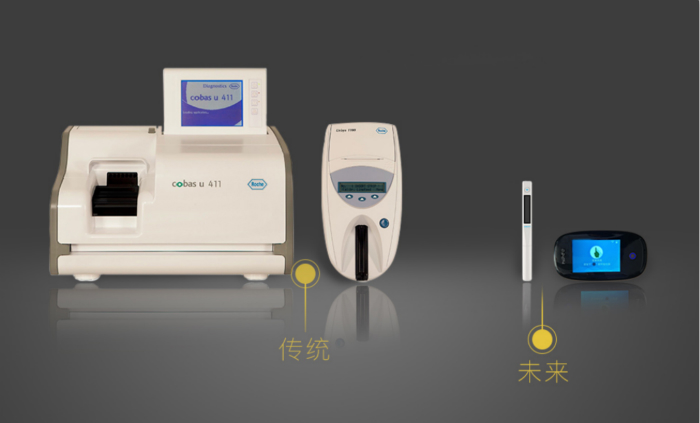
The HiPee Smart Urine Analyzer employs established medical-grade detection technology. Its pen-like design weighs only 30g, with dimensions and curvature ergonomically optimized for comfortable handling. Crucially, it prevents urine from contacting the fingers, thereby enhancing user experience and portability.
So, how does the HiPee smart urine analyzer ensure measurement accuracy? It employs a color sensor to collect and analyze test strips. Clinical comparative tests were conducted using the same urine samples against medical-grade urine analyzers such as Arkray Kyoto, Siemens, and Dirui H500. The results demonstrated excellent consistency in the comparative analysis.
In terms of testing parameters, HiPee’s current products can detect 11 and 6 indicators, respectively. In April this year, the HiPee Smart Urine Analyzer obtained Class II medical device certification from the CFDA (China Food and Drug Administration) and has applied for 25 national patents, covering aspects such as exterior design, the optical system structure of the color sensor, and the test strip ejection mechanism. The smart urine analyzer is priced at around RMB 1,000. Last year, HiPee completed its angel-round financing amounting to tens of millions of RMB, and the team currently comprises nearly 30 members.
Personalized Health Management Plan
“To enhance the convenience and intelligence of our detection devices, He Xin stated, ‘HiPee’s initial focus has been on hardware development; in the later stages, we will build a new closed-loop health management model that tightly integrates hardware, software, and services.’”
In use, the HiPee urinalysis device collects urine samples and performs analytical testing on them. Once the device is paired and activated with a smartphone, it can autonomously provide users with detailed, easy-to-understand interpretation reports. This not only positions HiPee as a personal health assistant for patients but also enables these data to serve as a reference for physicians’ clinical diagnoses.
HiPee will also collaborate with medical experts to develop chronic disease management programs tailored for patients with kidney disease. These programs will provide interventions and treatments focusing on diet, lifestyle, and complication management, while promoting early prevention for at-risk individuals and facilitating early diagnosis for affected populations.
HiPee, through hardware detection, software monitoring, and related supporting services, not only helps patients with chronic diseases manage their condition by providing real-time guidance and supervision but also enables their physicians to collect data on patient behavior and symptoms, allowing for timely intervention when treatment plans are not followed or during disease exacerbations.
Regarding the company’s profitability, He Xin told VCBeat that HiPee currently derives its primary revenue from the sale of hardware and consumables. The HiPee smart urinalysis device is sold through e-commerce platforms such as JD.com, as well as offline channels including primary care hospitals, pharmacies, and health examination centers. At present, offline channels still account for a significant proportion of sales.
Kidney disease management has become a key entry point for many entrepreneurs. HiPee has achieved a seamless integration of health management and tertiary prevention, enabling users to enjoy private physician services from the comfort of their homes, thereby fully demonstrating the advantages and prospects of mobile health.