

2017 Report on Medical Big Data and Artificial Intelligence: First-Ever Industry Technology Maturity Curve Released
Research Background:In recent years, artificial intelligence technology has made significant progress and is gradually becoming an applicable and widely accessible foundationalfoundational technologies. In the healthcare sector, artificial intelligence has achieved remarkable results in disease screening, assisted diagnosis and treatment, and drug research and development. As one of the earliest media outlets in China to cover medical AI, VCBeat has been focusing on this industry since 2014, interviewing over 1,000 industry insiders and publishing more than 550 original articles on artificial intelligence and medical big data.
On July 20, 2017, the State Council released the “Development Plan for New-Generation Artificial Intelligence,” marking the first comprehensive national-level strategic layout dedicated to a specific technology. Seizing this opportunity, we have undertaken a thorough review of the applications of artificial intelligence and medical big data in the healthcare sector, sharing insights accumulated over years of deep industry immersion, with the aspiration of fulfilling our mission to advocate for and promote the advancement of the industry.
Subject Definition:This report focuses on artificial intelligence (AI) companies in the global healthcare and medical sector. The criterion for determining whether a company qualifies as an AI company is whether its business processes incorporate one or more AI algorithms.
Data Source:The information in this report is based on interviews with industry experts, the VCBeat database, Crunchbase, academic literature, and relevant industry reports. VCBeat Eggshell Research Institute has not independently verified the existing information or the information provided to VCBeat Research Institute, and makes no express or implied representations or warranties regarding the accuracy or completeness of such information. The analyses and conclusions contained in this report are based on the aforementioned information.
Research Methods:This study employs a concurrent approach combining desk research and fieldwork, with the development and implementation forms of artificial intelligence (AI) technology as the central theme. It explores the expansion into related industries driven by technological advancements, aiming to delineate the process by which the gradual evolution of AI—a key enabling technology—transforms economic operational models and redefines industry boundaries.
Key Research Findings:
Artificial Intelligence Has Weathered Two Troughs and Is Now Riding the Third Wave
With Computing Power and Algorithms in Place, AI + Healthcare Awaits the Explosion of Medical Big Data
Medical Data Acquisition Channels Are Diverse, Warranting National Regulations to Standardize Data Use
China Leads the World in AI Academic Research
Severe Imbalance Between Supply and Demand for AI Talent
Significant Agglomeration Effects in Individual Subsectors
AI + Healthcare: Startup Entry Barrier Rises to Millions
Major Players Enter the Fray, Fostering a Growing Trend of Multi-Sector Synergy
Plotting the Hype Cycle for AI + Healthcare Technology
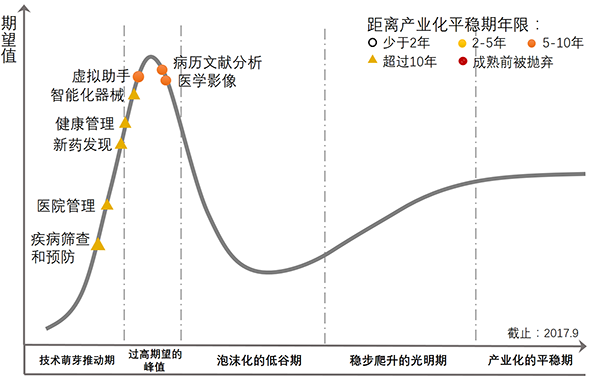
2017 Hype Cycle for AI + Healthcare Technologies
Note: We believe that medical imaging is positioned just past the peak on the technology maturity curve. In contrast, most other AI-plus-healthcare companies are still in the rapid growth phase following the initial emergence of the technology. Disease screening and prediction rank last, as they pose the greatest challenges, involve the most complex algorithms, and require the largest volumes of data; consequently, they remain primarily in the research stage within academic institutions.
The following is“2017 Medical Big Data and Artificial Intelligence Industry Report”Condensed version, containing all the structures of the report.Condense the text from its original length of 100,000 words.。
Scan the QR code below to become an official VCBeat member and gain access to《2017 Medical Big Data and Artificial Intelligence Industry Report》Complete electronic version.

I. The Development History of Artificial Intelligence
Artificial Intelligence Has Experienced Two Downturns
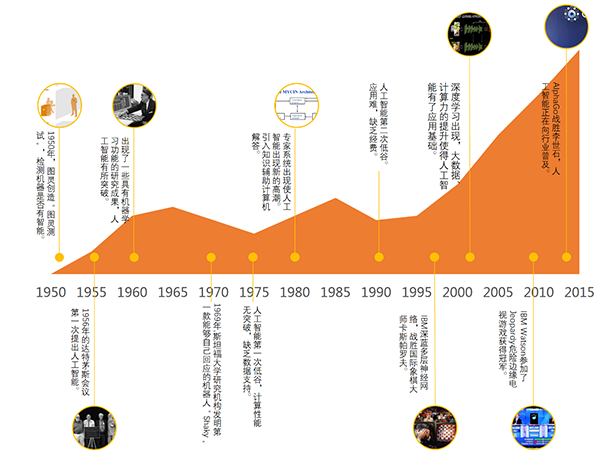
The first wave of artificial intelligence occurred from 1956 to 1974. During this period, there were new advances in algorithms and methodology, particularly with many world-class inventions in algorithms, including a prototype of what is now known as reinforcement learning (the Bellman equation).
The First AI Winter occurred from 1974 to 1980. It was discovered that techniques such as logical theorem provers, perceptrons, and reinforcement learning could only perform very simple, narrowly scoped tasks and failed when applied beyond their limited domains.
The Second AI Winter was “precipitated” by the emergence of personal computers (PCs) between 1987 and 1993. Computers thus entered households, particularly as their costs were far lower than those of machines such as Symbolics and Lisp systems used for expert systems. Consequently, in the United States, government funding began to decline, ushering in another winter. Although research continued, artificial intelligence was rarely mentioned.
In the early 21st century, artificial intelligence (AI) finally underwent revolutionary development, driven by significant advances in computer peripheral connectivity, big data, computational performance, storage capacity, and sensor technology, as well as breakthroughs in key AI-related technologies such as image recognition, deep learning, and neural network algorithms. AI has moved beyond its earlier reliance on expert-defined and manually set rules, beginning instead to automatically identify patterns from massive datasets.
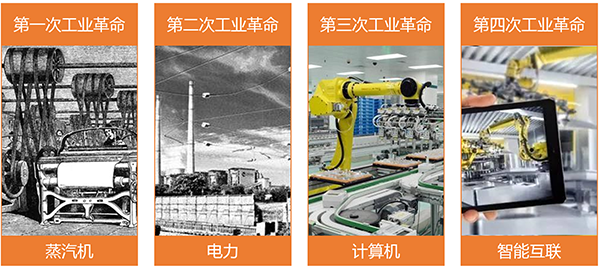
The Fourth Industrial Revolution: Liberating Human Intellectual Capacity
Intelligent connectivity technologies, represented by artificial intelligence, are hailed as the driving force behind the Fourth Industrial Revolution. While the first three industrial revolutions primarily liberated human physical labor, this revolution aims to liberate human intellectual capacity.
The ecological composition of society consists of foundational technologies, the social relationships formed upon them, and the rules, mechanisms, and laws that coordinate societal operations. A “domain” is the aggregate of technologies, methodologies, and practices within a given period. When key technologies within a domain gradually evolve and ultimately undergo fundamental change, the old domain transitions into a new one, and the economic operation model achieves a new stability on this basis—a process known as re-domaining.
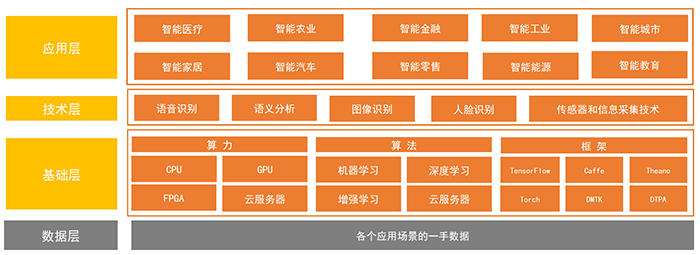
The AI industry chain is generally divided into three tiers: the foundational layer at the bottom, the technological layer in the middle, and the application layer at the top. However, data constitutes a critical component of the AI industry chain. Although it originally belongs to the foundational layer, given its significance, we treat it as a distinct category on par with the foundational layer.
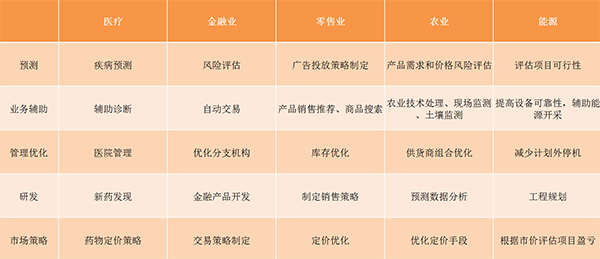
The Capabilities of Artificial Intelligence Across Industries: First, Efficiently Assisting Decision-Making; Second, Optimizing Project Operations.
Decision Support. By leveraging big data collection, decision-making efficiency is significantly improved while costs are reduced. Comprehensive data capture ensures no subtle clues are overlooked, and deep learning algorithms are then applied to identify key decision points in business operations, delivering superior speed and accuracy compared to human analysts.
Operational Optimization. By collecting data from various sensors, including imaging, voice, and IoT devices, we analyze issues in project operations and provide optimization recommendations.
II. Artificial Intelligence Reshaping the Future of Healthcare
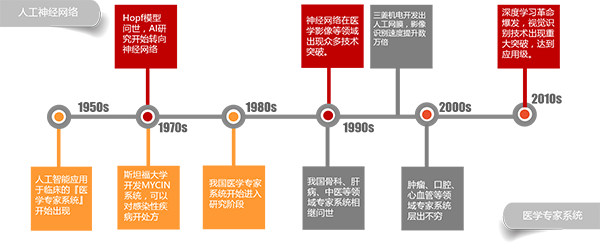
The most prominent issue in the healthcare sector is the scarcity of high-quality medical resources. Meanwhile, there remains substantial room for improvement in the accuracy and efficiency of physicians’ disease diagnoses. For a long time, most countries and regions, particularly those with aging societies, have seen an ever-increasing demand for physicians. The only way to address the shortage of physician resources is to increase supply. However, physician training requires a considerable period, and the supply cannot be expanded indefinitely.
Consequently, people have begun to pin their hopes on machines. Once machine-based diagnosis and treatment become a reality, the supply of medical services will increase infinitely. Therefore, the integration of artificial intelligence with healthcare is the most important among the many application scenarios of AI.
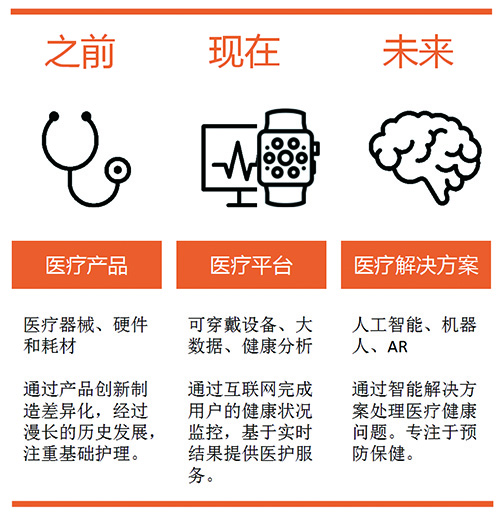
III. With Computing Power and Algorithms in Place, AI+Healthcare Awaits the Explosion of Medical Big Data
Algorithms, computing power, and data are the three key drivers of the rapid development of artificial intelligence.
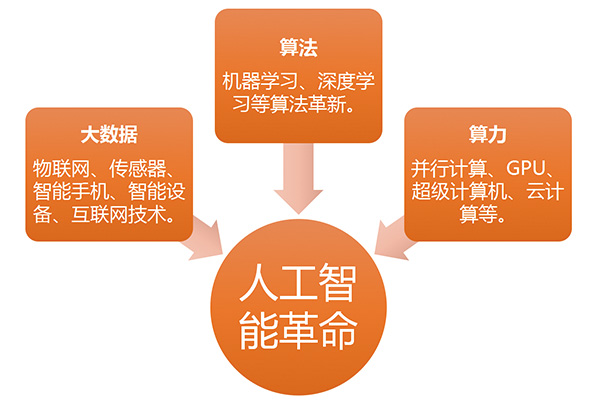
Computing power is one of the foundational infrastructures of artificial intelligence, with the current cost per GFLOPS having dropped to 8 cents.
Algorithms are the foundation of artificial intelligence development. Most algorithm frameworks, such as Caffe, TensorFlow, and Torch, have been open-sourced, becoming the choice for most engineers and playing a significant role in accelerating industry development and talent cultivation.
In terms of data, artificial intelligence systems must be “trained” on large volumes of data to continuously improve the quality of their outputs. Currently, medical data is characterized by low public accessibility, difficulty in acquisition, and the need for extensive cleaning.
Three Major Channels for Acquiring Medical AI Training Data
First, proprietary corporate data. Through extensive manual collection and subsequent structural processing, this data forms the foundation for artificial intelligence (AI) training. Most AI companies, before entering this field, had already accumulated substantial industry-specific data within their respective domains, which led them to leverage these data resources to develop AI-driven business operations.
Second, public data from governments worldwide. The U.S. federal government has released 130,000 datasets across multiple sectors on its Data.gov platform, covering areas such as healthcare, business, agriculture, and education. China and other countries have also progressively opened up public data in selected fields.
Third, industry collaboration data. AI startups acquire data by establishing partnerships with industry players and upstream data providers in the supply chain; for example, in the healthcare sector, they collaborate with hospitals. IBM Watson initially obtained medical records, literature, and other data through its partnership with Memorial Sloan Kettering Cancer Center.
IV. The Core Engine of Medical AI: Healthcare Big Data
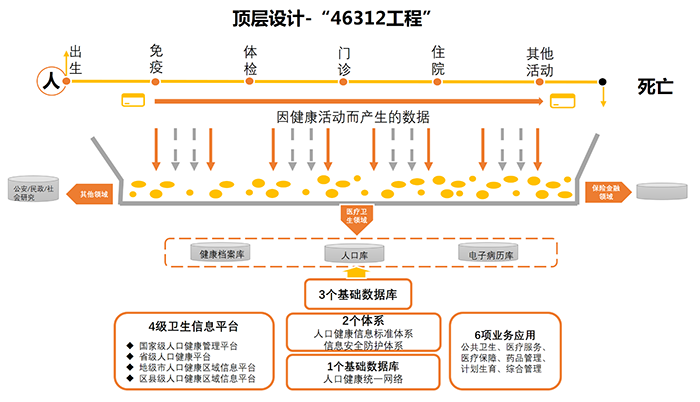
Medical big data refers to data generated through health-related activities, including records from birth, immunization, physical examinations, outpatient visits, hospitalizations, and other healthcare interactions. Based on data sources, current databases can be categorized into three types: electronic health record (EHR) databases, electronic medical record (EMR) databases, and population-based individual case databases.
In addition to the three traditional sources mentioned above, healthcare big data also includes data collected through the “Internet of Things” (IoT)—health data gathered by medical devices, as well as continuous clinical data provided by mobile apps, remote monitoring systems, and sensors.
Medical Data Is Experiencing Explosive Growth
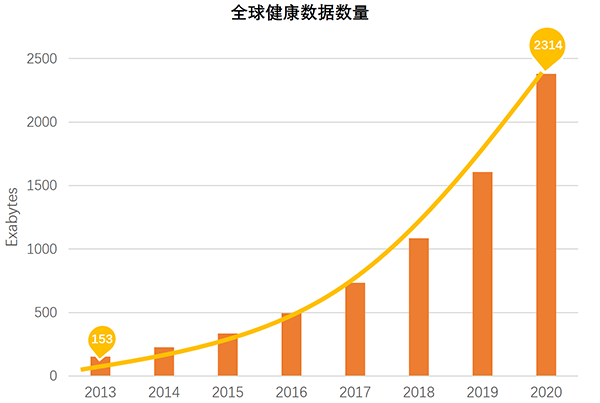
Over the past decade, with the implementation of electronic medical records, digitized laboratory slides, high-resolution radiological images, and videos, the volume of healthcare data has grown exponentially, reaching an astonishing scale across the entire medical industry. This surge is further compounded by archives from pharmaceutical companies and academic research institutions, as well as trillions of data streams generated by sensors in wearable devices. According to reports released by EMC and IDC, the global volume of healthcare data reached 153 exabytes (EB) in 2013, with an projected annual growth rate of 48%. This implies that the figure will reach 2,314 EB by 2020.
Big Data Becomes a National Strategy; Healthcare Enters the Big Data Era
Healthcare big data is a high-value-added information asset that bears on national welfare and people's livelihood, carrying significant strategic importance. Currently, the state has successively introduced policies to support the development of healthcare big data, initially completing top-level design and outlining a grand blueprint for its advancement.
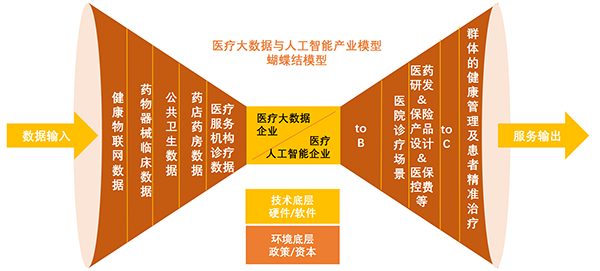
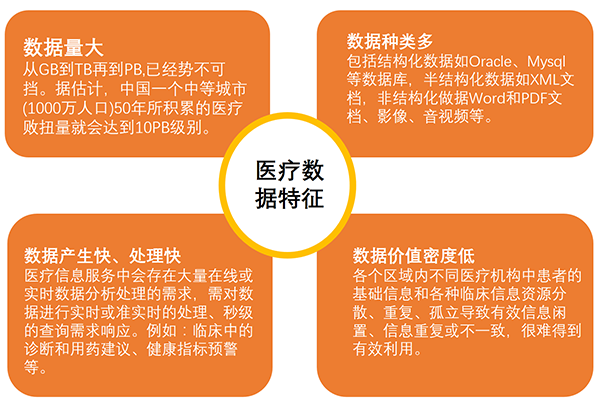
Although individual health and medical data have limited value for technological innovation in healthcare, the collection, storage, deep learning-based analysis, and development of massive, dispersed, and multi-format data can uncover new knowledge, create new value, and enhance new capabilities, thereby further empowering the health and medical services industry.
V. Current Status of Artificial Intelligence Development in China
China’s AI Academic Research Leads the World
According to the U.S.-released report “The National Artificial Intelligence Research and Development Strategic Plan,” the number of SCI-indexed papers in the field of artificial intelligence involving “deep learning” increased approximately sixfold from 2013 to 2015. The number of papers published by Chinese scholars surpassed that of the United States starting in 2014 and has since significantly outpaced other countries.
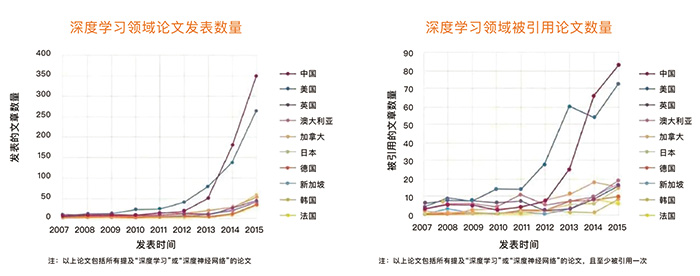
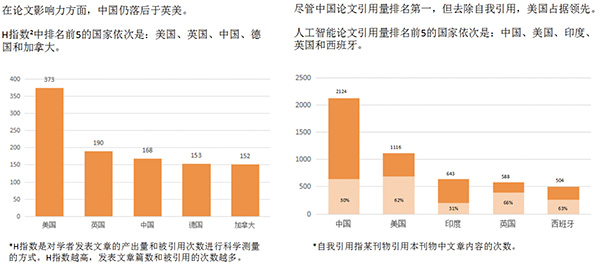
Although the number of SCI-indexed artificial intelligence papers published by Chinese scholars has increased, their impact has not risen commensurately. According to McKinsey’s report *The Future Path of Artificial Intelligence in China*, Chinese scholars’ AI papers received 2,124 citations in 2015, far exceeding the 1,116 citations for U.S. scholars. However, after excluding self-citations, U.S. scholars’ papers rank first in citation count.
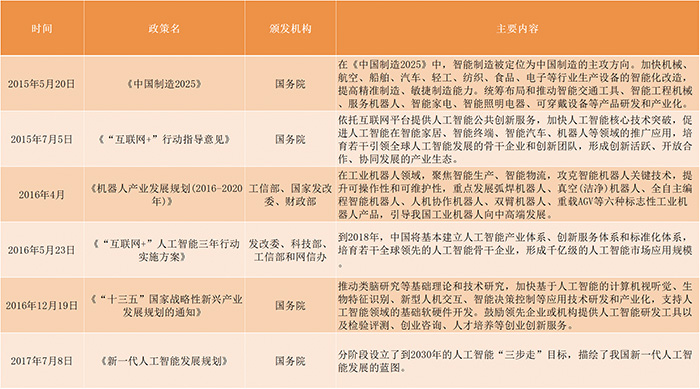
Artificial Intelligence is a technology strongly promoted by the state.
Although there remains a certain gap between China and the United States in the foundational technologies of artificial intelligence (AI), the Chinese government has systematically structured and comprehensively deployed the nation’s AI development strategy. On July 20, 2017, the State Council issued the Development Plan for Next-Generation Artificial Intelligence, marking the first time that a comprehensive national-level strategic layout was established for a specific technological domain.
Policy Blind Spots
In addition to policy support for promoting the industrial development of artificial intelligence at the national level, legal and regulatory issues involved in the application process of AI also need early planning and supervision. Especially in the strictly regulated medical industry, there are still many issues that require policy regulation for the commercial application of artificial intelligence.
First, standards for the application of artificial intelligence. Medical issues involve human health and life, representing a complex and sensitive domain where every issue is closely tied to patient safety. Therefore, it is imperative to promptly establish clear regulatory measures at the national level, using legislation to define the scope of AI applications in healthcare, the extent of regulatory oversight, and the determination of liability for risks, among other matters.
Second, the reasonable and lawful application of data. Because artificial intelligence needs to learn from historical data to acquire and enhance its intelligence. Therefore,A large volume of high-quality medical data forms the foundation for artificial intelligence’s diagnostic and decision-making capabilities.
Third, industrial policy support. Currently, more than half of China’s high-tech companies have not incorporated artificial intelligence into their strategic plans. Even those that have begun to engage with AI may still face obstacles in data, talent, and technology. To guide the digital healthcare industry through its AI-driven transformation, the government can leverage traditional economic tools to help enterprises overcome the challenges encountered in the early stages of AI development.
VI. Severe Imbalance Between Supply and Demand for AI Talent
LinkedIn Releases “Global AI Talent Report”: China’s Pool of Professional AI Technical Talent Exceeds 50,000, Ranking Seventh Worldwide, with India, the United Kingdom, Canada, and Australia Ranking Second through Fifth, Respectively; The United States Boasts Over 850,000 AI Professionals.
AI experts and master’s and doctoral candidates from 15 institutions, including 11 Chinese universities and four institutes of the Chinese Academy of Sciences (the Institute of Computing Technology, the Institute of Acoustics, the Institute of Software, and the Institute of Automation). Among the 47 CTOs or chief scientists at medical AI startups, 30 (63.8%) had pursued advanced studies abroad or in China’s Hong Kong and Taiwan regions, while only seven (14.9%) had backgrounds related to medical disciplines. The U.S. institutions from which they graduated were predominantly Massachusetts Institute of Technology, Carnegie Mellon University, University of California, and Johns Hopkins University.
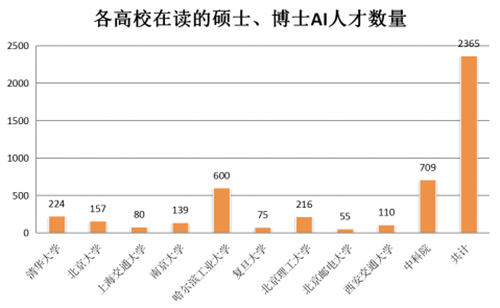
According to industry insiders, there is currently a shortage not only of artificial intelligence (AI) talent but also, more acutely, of AI professionals specializing in healthcare. At the laboratory where this individual works, he is the only one among two consecutive graduating classes who has entered the medical sector. This phenomenon is relatively common in universities, with only about one-tenth of AI graduates pursuing careers in healthcare.
VII. Nine Niche Fields Sparking Synergy with Artificial Intelligence
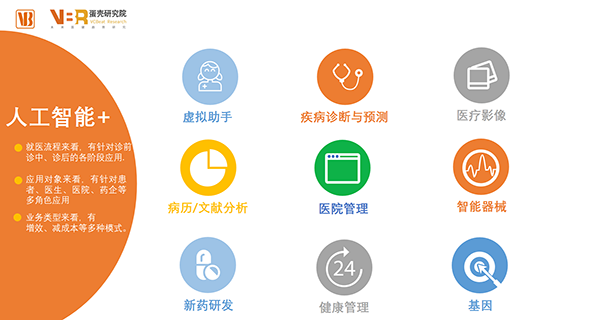
1. Virtual Assistant
Definition: A virtual assistant is an auxiliary robot capable of communicating and interacting with humans. It leverages artificial intelligence technologies to understand human thoughts, learn human needs, and provide various types of knowledge and information, thereby assisting humans in their daily lives and work.
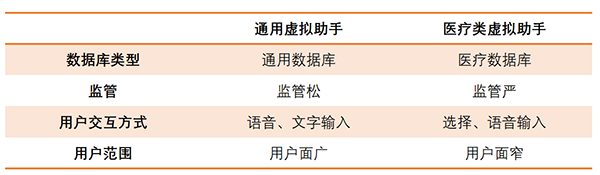
Differences Between Medical-Grade and General-Purpose Virtual Assistants:
Application Scenarios: Personal Consultations, Medication Counseling, Triage Robots, Triage and Chronic Disease Management, Voice Entry for Electronic Medical Records.
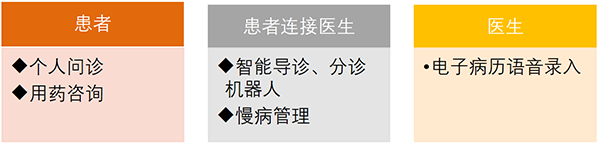
Interaction Methods: The common methods for human interaction with virtual assistants are generally voice and text. Medical virtual assistants have an additional interaction method, which is multiple-choice questions. Since ordinary people often find it difficult to articulate their issues accurately, most healthcare-oriented virtual assistants primarily use multiple-choice questions to communicate with users.

Key Participants:

Personal Consultation, Medication Advice
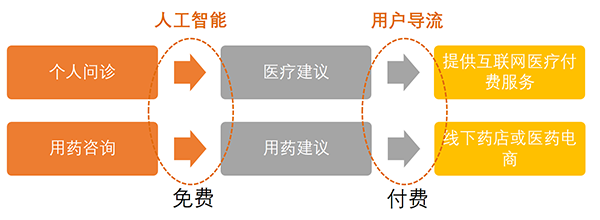
The first step in personal consultation and medication inquiry is natural language processing. Following this, comparative analysis and deep learning are conducted using disease databases, medical information databases, or external medical databases to provide patients with medical and nursing recommendations.
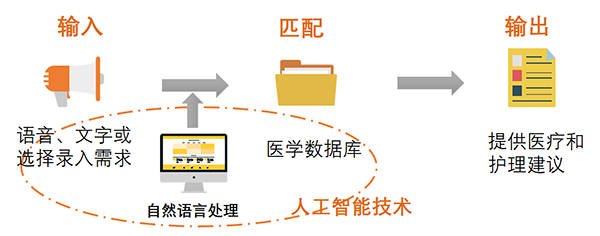
Personal consultation apps channel users to online medical services, while medication consultation apps direct users to purchase medications either online or offline.
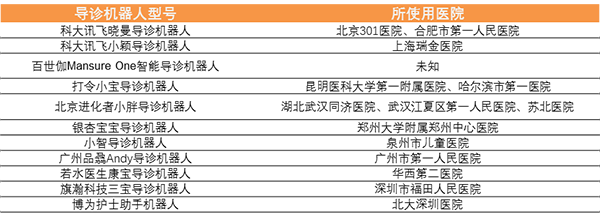
Intelligent Triage and Patient Guidance Robot
Service robots are primarily used to replace repetitive and simple manual labor, with most of the market still untapped. Furthermore, by integrating medical knowledge systems, these robots can also be deployed in service scenarios such as home care. In comparison, triage service robots and home-based medical service robots are research hotspots characterized by a high degree of innovation.
Operating Mode
Medical triage and guidance service robots primarily perform semantic analysis of patients' voice inputs to provide hospital triage and navigation recommendations, thereby saving labor costs and enhancing patient convenience. More advanced triage robots can also collect patients' vital signs data through sensors to offer more accurate recommendations.
Chronic Disease Management
The application of AI chatbots in chronic disease management ensures that patient conditions are assessed and managed within a known and controllable framework.
Chronic Disease Management App: Serving as a Bridge for Doctor-Patient CommunicationAs a bridge for doctor-patient communication, the chronic disease management app leverages artificial intelligence to promptly detect anomalies when patient data changes, thereby inviting timely intervention by physicians or pharmacists. With the aid of AI, the app can reduce the number of offline healthcare professionals required for matching, without compromising the quality of service experience.
Voice Input for Electronic Medical Records
AI-assisted intelligent voice entry typically consists of three components: speech recognition, semantic analysis, and intelligent error correction. The entire process is supported by medical-domain language data models, which are developed by organizing department-specific clinical workflows to customize voice models. These models cover key information commonly used across various departments, including diseases, medication names, and procedural steps.
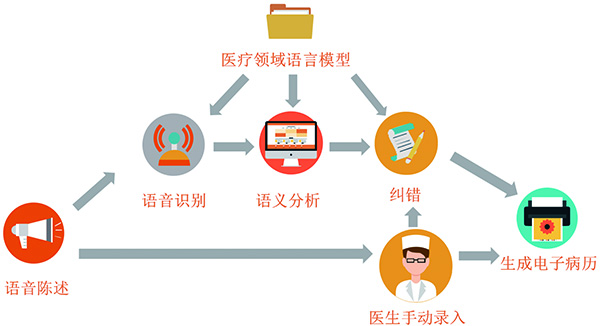
Intelligent voice entry can significantly increase the speed at which doctors input medical records, thereby saving their valuable time and allowing them to focus on treatment.
2. Disease Screening and Prediction
Modern medicine diagnoses diseases based on various biochemical and imaging test results. However, it often struggles to predict the future progression of diseases.
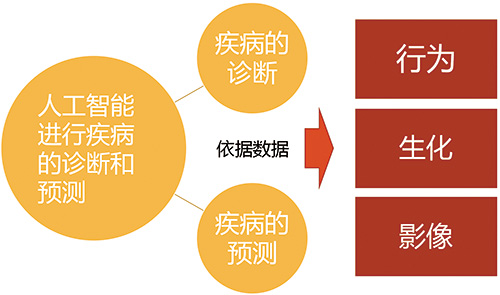
Artificial intelligence can participate in disease screening and prediction by making judgments based on examination results from behavioral, imaging, and biochemical assessments. The most heavily relied-upon data are imaging datasets, such as those from MRI, CT, and X-rays. Depending on the screening methods employed, the types of enterprises discussed in this section may also be categorized under other classifications. The “AI + Imaging” sector is the disease diagnosis domain with the highest number of participating companies, the most diverse product offerings, and the broadest range of covered diseases; therefore, we will dedicate a separate chapter to its detailed discussion.
Currently, the vast majority of severe diseases targeted by AI-assisted screening and prediction remain unconquered by humans, a fact underscored by the following data. Among medical publications related to artificial intelligence, oncology leads significantly with 892 papers, followed by Alzheimer’s disease in second place.
Currently, disease prediction remains largely in the laboratory stage. Through data collection and analysis, VCBeat has identified progress in AI-driven predictions for the following diseases:
Prediction of Brain Herniation: In 2014, Chinese Journal of Health Statistics published an article titled “Predicting Outcomes in Patients with Massive Cerebral Infarction Using an Artificial Intelligence System,” which established a multifactorial prediction model using a multilayer perceptron artificial neural network to predict the prognosis of patients with massive cerebral infarction.
Prediction of Chronic Kidney Disease Staging: Researchers from the College of Food Science, South China Agricultural University, previously employed artificial intelligence to predict glomerular filtration. By constructing a prediction model using a Back Propagation (BP) neural network, they ultimately developed a chronic kidney disease classification and early warning model with strong practical utility.
Predicting Mortality in Heart Disease Patients: British scientists published an article in the journal *Radiology*, with findings suggesting that artificial intelligence can predict when heart disease patients will die. The MRC London Institute of Medical Sciences, under the UK Medical Research Council, stated that AI software can detect signs of impending heart failure by analyzing blood test results and cardiac scan images.
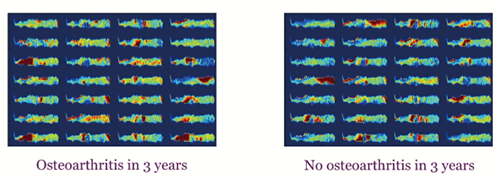
Predicting Osteoarthritis Progression: At a conference, Shinjini Kundu, a Ph.D. in Bioengineering from Carnegie Mellon University, presented research on using artificial intelligence to predict the development of osteoarthritis. In her study, AI was employed to identify imaging differences between healthy individuals and those with the disease by analyzing cartilage MRI data collected from a large population over a ten-year period. By learning from extensive image datasets, the AI system can detect abnormalities in the cartilage of asymptomatic individuals, thereby predicting the probability of developing osteoarthritis within the next three years.
Epidemic Risk Forecasting: The joint research team of Ping An and the Chongqing Center for Disease Control and Prevention has achieved phased progress in developing the world’s first influenza prediction model. By leveraging Ping An’s big health and medical data and artificial intelligence technologies, along with surveillance data from the Chongqing CDC, the model can predict influenza incidence trends one week in advance, demonstrating accurate predictive performance in validation studies.
3. Medical Imaging
Modern medicine is evidence-based medicine founded on experimental research. Physicians’ diagnostic and treatment conclusions must be grounded in corresponding diagnostic data, with medical imaging serving as a critical basis for diagnosis. Indeed, 80%–90% of healthcare data originates from medical imaging. Consequently, clinicians have substantial demands for imaging capabilities, requiring various quantitative analyses of medical images and comparisons with historical images to arrive at a definitive diagnosis.
“AI + Medical Imaging” is an assistive tool that leverages deep learning on medical images to perform image classification, object detection, image segmentation, and retrieval, thereby assisting physicians in diagnosis and treatment.
We categorize the capabilities of artificial intelligence in image processing into four types: image classification, object detection, image segmentation, and image retrieval. By combining these four capabilities, we derive specific application scenarios for artificial intelligence in medical imaging.
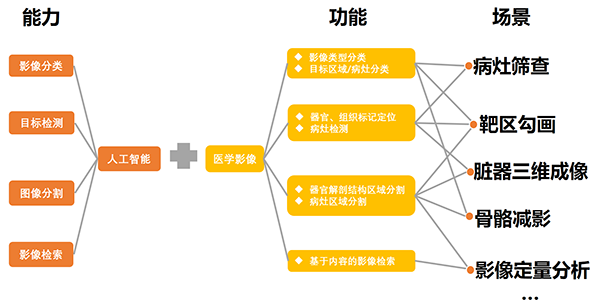
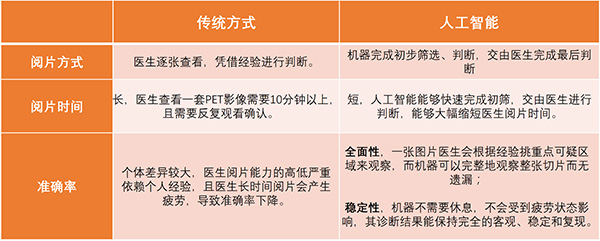
Artificial Intelligence in Medical Imaging Addresses Three Types of Problems in Practical Applications:
1. Presenting information more effectively to physicians. Artificial intelligence can perform organ localization, classification, and segmentation, and annotate suspicious regions, thereby eliminating distractions for physicians and presenting more direct information.
2. Assist physicians with quantitative analysis. Physicians are highly proficient in qualitative analysis; upon viewing medical images, they can make a preliminary assessment of the issue within one second. However, achieving more precise judgments through quantitative analysis is difficult to accomplish by visual inspection alone and requires specialized tools.
3. Imaging and intelligent image recognition issues that AI can address. For many years, these two steps were separate: technologists acquired the images, and physicians performed the analysis. In reality, only by integrating both can the system be optimized more effectively to help physicians deliver efficient care.
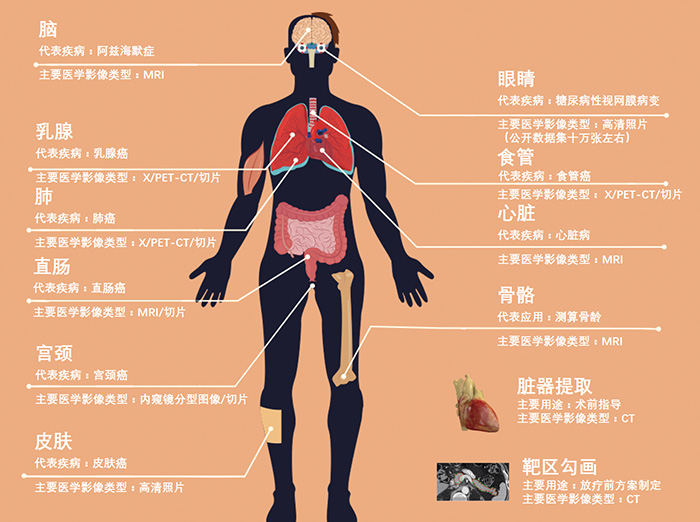
Applications of Artificial Intelligence in Various Fields of Medical Imaging:
4. Medical Record / Literature Analysis
The primary application of artificial intelligence involves leveraging machine learning and natural language processing technologies to automatically extract clinical variables from medical records, intelligently integrate multi-source heterogeneous healthcare data, and structure medical records and literature into standardized databases, thereby enabling the automated batch conversion of backlogged medical records into structured databases.
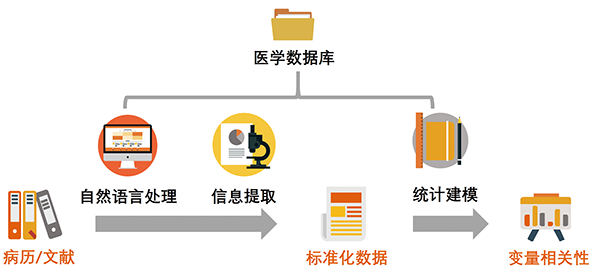
Currently, the application scenarios of AI in medical record and literature analysis mainly fall into three categories: structured processing of medical records, multi-source heterogeneous data mining, and clinical decision support.
Structured Processing of Medical Records
Artificial intelligence systems participate in the process of structuring medical records, enabling them to accurately and comprehensively interpret the meaning conveyed in the records and resolve any ambiguities, much like an experienced physician. By leveraging natural language processing technology, the system deeply mines and analyzes information within medical texts. It can rapidly extract data from medical records in bulk to generate a structured database, reducing a task that would otherwise take physicians months to complete down to mere seconds.
Multi-Source Heterogeneous Data Mining
Due to historical reasons, hospitals in China are simultaneously operating over a hundred different healthcare information systems. These multi-source, heterogeneous systems are fragmented and isolated from one another, leaving medical data trapped in silos and unable to be effectively utilized. Furthermore, health IT vendors often charge exorbitant fees for API access.
AI companies collaborate with hospitals to clean, de-identify, structure, and standardize multi-source structured and unstructured data using big data technologies, without the need for integration with legacy systems. This enables hospitals to consolidate previously fragmented medical data into an interconnected medical big data platform, laying the data foundation for big data processing and analysis.
Clinical Decision Support
Clinical practice imposes stringent requirements on auxiliary diagnosis. In the context of medical data and diagnostic support, there is an exceptionally rigorous demand for the inferability of conclusions—specifically, the chain of causal inference. Consequently, applications and product designs based on correlation-driven insights, which are commonplace in big data analytics, are not suitable for the specialized field of medicine.
5. Hospital Management
“Hospital Management,” as the term implies, refers to the management science focused on hospitals. It applies modern management theories and methods in accordance with the objective laws governing hospital operations to plan, organize, coordinate, and control resources—including human resources, finances, materials, information, and time—thereby fully leveraging existing hospital resources to maximize healthcare utility.
The application of artificial intelligence in hospital management primarily focuses on two directions: optimizing the allocation of medical resources and addressing gaps in hospital administration.
Optimizing the Allocation of Medical Resources
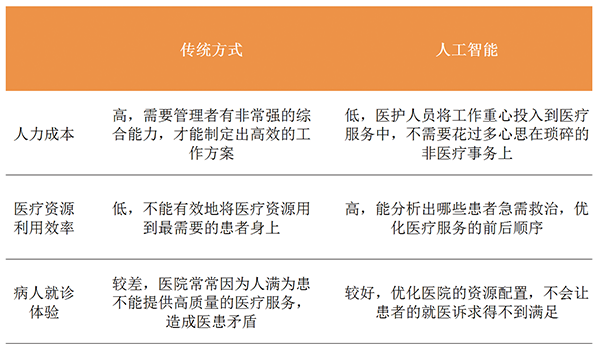
Traditional hospital management relies entirely on manual processes, which presents two major issues. First, healthcare professionals are unable to devote their full attention to clinical care, resulting in a waste of medical resources. Second, given that healthcare workers already face heavy workloads, assigning them additional administrative tasks inevitably leads to inefficiencies.
Artificial intelligence can effectively address the issues associated with traditional manual hospital management. By leveraging machine learning and other techniques, AI builds models based on existing hospital data to train precise algorithms that continuously self-update in practical applications, thereby enhancing the model's specificity.
Addressing Gaps in Hospital Management
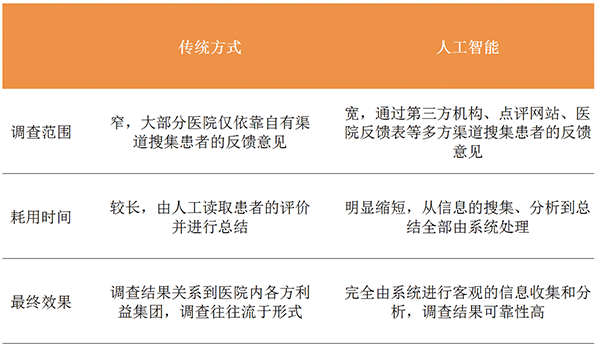
The system can collect customer reviews of hospitals from channels such as review websites, social media platforms, and news media. By leveraging natural language processing (NLP) technology, it converts unstructured data into structured data recognizable by the system. Based on pre-established models, the system organizes and analyzes the underlying meanings behind various reviews. Finally, the information is summarized into visual charts and presented to hospital administrators, highlighting areas where the hospital falls short according to customer feedback and suggesting specific measures for improvement.
During the relatively standardized information collection phase, the advantages of artificial intelligence over manual collection are very apparent. The collection and cleaning of information often require weeks or even months of manual labor, whereas AI systems process everything digitally, reducing the time to just a few hours or days and significantly decreasing the workload.
6. Intelligent Instruments
Intelligent devices refer to applications in medical equipment that integrate modern communication and information technologies, computer network technologies, industry-specific technologies, intelligent control technologies, and artificial intelligence. However, intelligent devices are not merely ordinary medical devices with smart features; they can operate independently of physician intervention and achieve self-updating and iterative improvement through underlying technologies such as machine learning.
Intelligent medical devices can significantly enhance healthcare efficiency in two aspects: first, they help reduce physicians’ workload; second, they improve the precision of device utilization.
For traditional medical device companies, establishing a new department to develop products is a complex process. However, by partnering with artificial intelligence (AI) companies, they can avoid the significant investment of time, capital, and effort required for such an undertaking. Through collaboration, AI systems can be integrated into medical devices for sale, thereby enhancing the competitiveness of these devices.
For medical AI companies, collaborating with device manufacturers after product development offers two key benefits: on one hand, it allows them to validate the actual clinical efficacy of their products through scientific research collaborations.
7. Drug Discovery
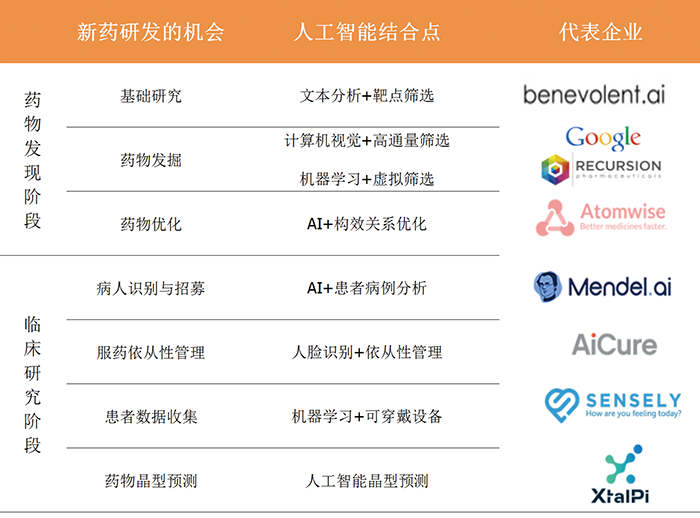
The new drug development process can be divided into three parts: drug discovery, preclinical development, and clinical development. Modern drug discovery can be technically subdivided into three stages: target identification and validation, lead discovery, and lead optimization.
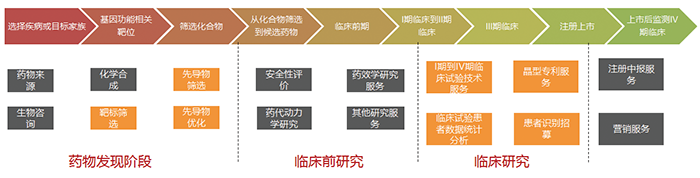
The application of artificial intelligence in new drug development primarily spans two phases: the drug discovery phase and the clinical trial phase, encompassing seven distinct application areas.
8. Health Management
Personal health data is highly complex. Based on its sources, personal health data can be categorized into genetic data, physiological data (such as blood pressure and pulse), environmental data (such as the air breathed daily), social data, and more. With these personal health data inputs, combined with artificial intelligence, it is ultimately possible to achieve proactive health management for individuals.
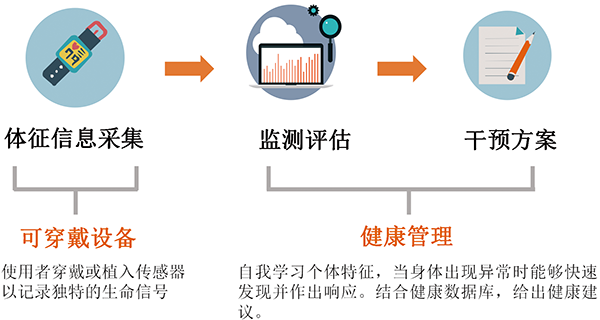
Health management transforms passive disease treatment into proactive self-monitoring of health. By leveraging wearable devices with medical monitoring capabilities to track physiological indicators in real time, and integrating other personal health data, it provides alerts for potential health risks and offers corresponding improvement strategies.
Based on the application of artificial intelligence in health management across various fields, we categorize AI applications in health management into six subsectors: chronic disease health management, population health management, maternal and child health management, mental health management, postoperative health management, and sports health management.
9. AI + Genes
In recent years, the field of genetics has entered a fast lane. Genetic testing technologies have been continuously developed and refined, with diverse practical applications emerging across multiple sectors. As testing costs continue to decline, genetic testing is becoming increasingly accessible to the general public, and the acquisition of massive amounts of genetic data is no longer a bottleneck.
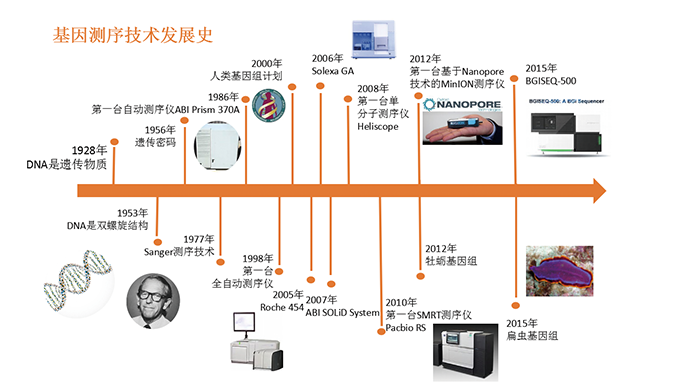
As data continues to accumulate, accurate annotation and interpretation of this data, along with its clinical application value, have become key to the next stage of development in the genomics industry. Analytical capabilities and large-scale databases are critical for genetic interpretation and counseling, while the interpretation and integration of information have emerged as the core competitiveness of genomics-related enterprises.
Deciphering the secrets of genes remains a major challenge in contemporary life sciences. Leveraging genomic big data to identify disease-associated variants and pinpoint pathogenic genes is the core step enabling the application of genetics in precision therapy, drug development, and personal health management.
Generally, when we discuss genetic applications, it encompasses two aspects: gene sequencing and gene interpretation. Genetic testing has tended to
As genomic sequence interpretation becomes mainstream, it has emerged as a current bottleneck in development; artificial intelligence (AI) has therefore entered the field, leveraging its robust data processing and learning capabilities to advance the interpretation process.
Development Status
Currently, genetic companies have recognized the bottleneck in gene interpretation. Industry leaders such as Illumina, BGI Genomics, and Berry Genomics are at the forefront, actively integrating artificial intelligence into their analytical frameworks.
Artificial intelligence has endowed the field of genomic interpretation with capabilities previously unattainable by humans, offering an opportunity to describe life in digital terms. It is believed that in the near future, a scenario will emerge wherein genetic testing is conducted by specialized laboratories, result analysis is performed by artificial intelligence, and clinicians receive only the final conclusions to guide treatment and enable precise health management.
The vast majority of fundraising rationales for companies in the genetics sector are rooted in genetic and biotechnological innovations, with limited relevance to artificial intelligence. In recent years, the genetics industry has witnessed substantial funding volumes and high transaction frequency. Therefore, the genetics sector is excluded from the subsequent analysis of AI enterprise financing.
VIII. Analysis of Business Models for Medical AI Startups
Cost Structure of AI+ Healthcare Startups
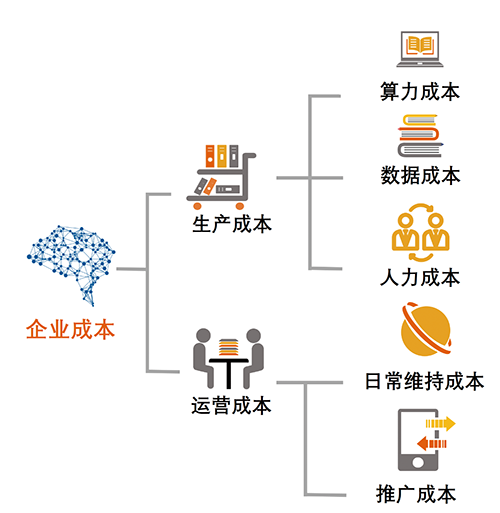
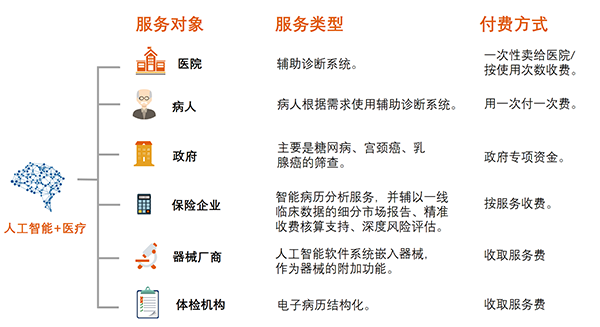
The primary costs for medical artificial intelligence enterprises consist of production costs (including data, technology, and labor costs) and marketing costs (including operational and promotional expenses). Typically, production costs account for the majority of total expenditures. All data and content in this chapter are derived from interviews and research reports.
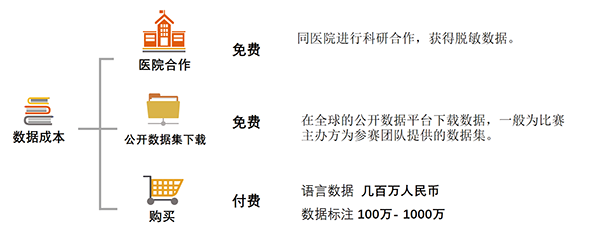
Data Costs
Medical AI startups operate across a wide range of domains, each requiring distinct datasets for model training. These datasets include radiological images, fundus photographs, pathological images, speech data, and electronic medical record (EMR) texts. As China has not yet established comprehensive regulations governing data ownership, usage rights, and privacy, the channels and costs for acquiring data vary significantly among companies.
Computing Power Cost
Computing power costs are also a significant expense that AI entrepreneurs cannot overlook. Computing power can be categorized into three areas: chips, supercomputers, and cloud computing. Entrepreneurs often choose which computing methods to use based on the volume of their company’s data, as well as considerations of cycle time, cost, and accuracy.
It is understood that, due to cost considerations, most entrepreneurs opt to purchase chips, typically acquiring between 5,000 and 100,000 units to build their own servers and conduct model training through local computation. Generally, entrepreneurs choose to purchase NVIDIA GPUs, which offer better compatibility.
Most entrepreneurs opt to purchase chips for initial computations during the startup phase. When higher precision or commercial deployment is required in later stages, they lease cloud servers to reduce costs.
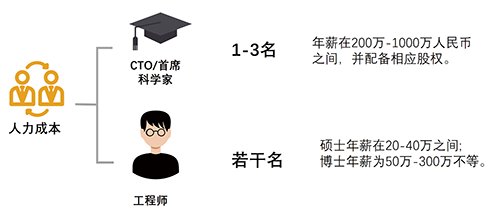
Labor Costs
Since the beginning of this year, compensation for talent in the field of artificial intelligence has surged dramatically. Companies of all sizes are grappling with significant challenges in recruiting AI experts, who command annual salaries ranging from millions to several million yuan.
Revenue Models for Medical AI
Real-World Challenges Facing Medical AI Companies
Although the application of artificial intelligence in the healthcare sector holds immense potential value, realizing its expected outcomes in practice still faces several challenges. These include shortages of talent, technological development hurdles, inadequate foundational infrastructure, data silos, government regulatory constraints, and the need for market cultivation.
Talent Supply-Demand Imbalance: The imbalance between talent supply and demand, coupled with excessively high talent costs, has severely impacted the development of artificial intelligence companies.
Data Quality: Artificial intelligence can simulate the information processing of human consciousness and thought, enabling it to think like a human. AI learns from physicians’ experience much as we learn textbook knowledge in school; therefore, data quality is paramount.
Data Annotation Issues: In AI data processing, 80% of the time is spent on data preprocessing. The accuracy of annotation directly affects the accuracy of results. There has been no effective solution in the past two years, so a large number of physicians are still required for annotation.
Issue of Algorithm Direction Selection: In clinical practice, medical imaging constitutes only one component of a physician’s work, which also involves extensive patient complaints and communication. However, as artificial intelligence is currently at the stage of narrow AI, it is incapable of engaging in in-depth dialogue. Therefore, when selecting algorithms for auxiliary analysis, priority should be given to approaches that require minimal interaction and offer greater objectivity.
Data Regulatory Issues: Medical technology supervision and administration is a key component of the health inspection system and serves as an important means to regulate the order of the medical services market. As artificial intelligence has only recently been applied in the healthcare sector, many regulatory policies have yet to be established, and issues related to medical regulation will inevitably arise during its future development.
Market Cultivation: Healthcare is considered the earliest field for AI implementation, but its unique characteristics impose higher requirements on products. The journey from initial awareness to acceptance, followed by the refinement of corresponding payment systems and integration into medical insurance schemes, is a protracted process.
Government Regulation: The medical AI industry is currently in a phase of rapid expansion and market grabbing. Although the state has issued the "New Generation Artificial Intelligence Development Plan," the plan points out that by 2025, the country will only preliminarily establish laws, regulations, ethical norms, and policy systems for artificial intelligence, forming the ability to assess and control AI safety. In other words, during these years, artificial intelligence is almost "without legal basis."
IX. Industry Layout of AI + Healthcare
Analysis of Large Companies
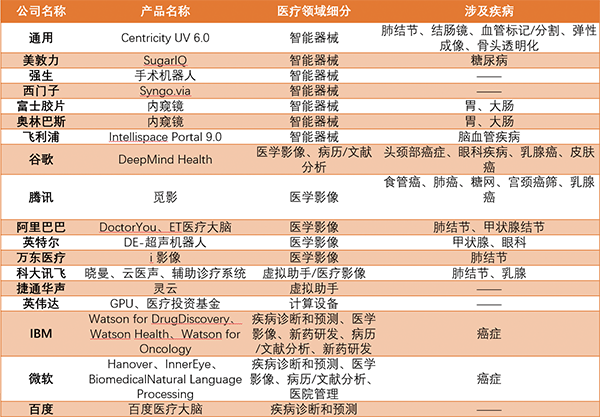
Among international tech giants, IBM has made the earliest and most in-depth foray into the field of AI + healthcare, with Google and Microsoft also participating to some extent. While Facebook, Apple, Amazon, and other giants have long-term strategies in artificial intelligence, their primary focus remains on industries where they hold competitive advantages, resulting in fewer cross-sector AI projects applied to the healthcare industry.
Among China’s tech giants, Baidu and Alibaba have both launched their own AI + healthcare solutions, while Tencent has primarily invested in startups to establish its presence in the AI + healthcare sector, though it has recently introduced specific AI-driven medical products.
Analysis of AI + Healthcare Startups
Chinese Enterprise Landscape
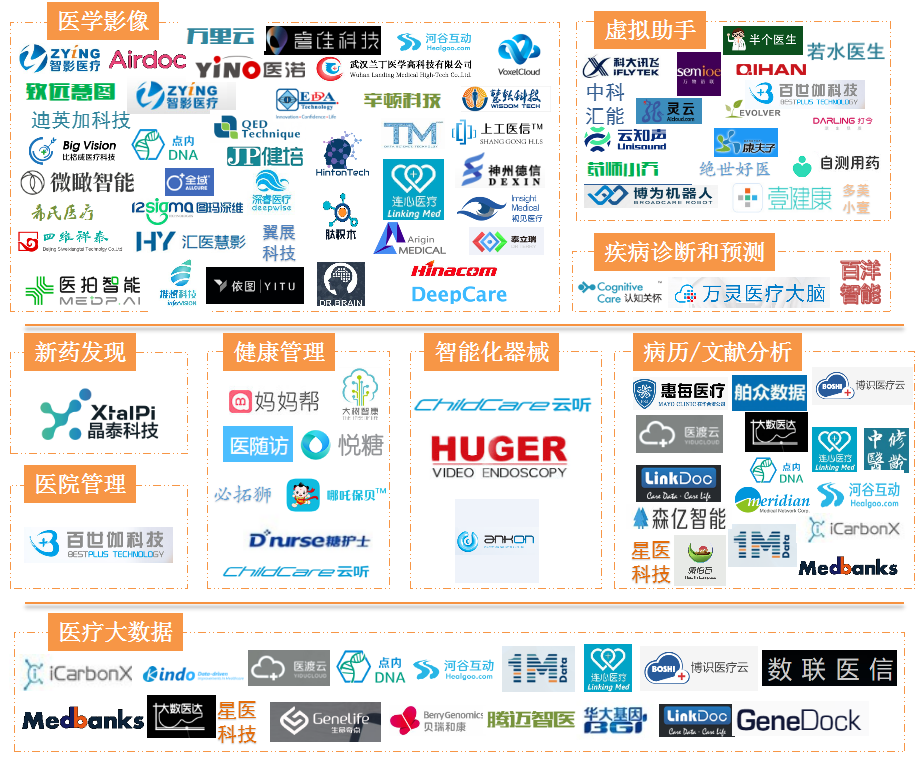
In China, 83 companies have applied artificial intelligence to the healthcare sector, primarily focusing on three application scenarios: medical imaging, medical record/literature analysis, and virtual assistants. Among these, 40 companies are involved in medical imaging, a figure significantly higher than that of other application scenarios.
According to data from VCBeat, IT Juzi, and YinGuoShu, as of August 31, 2017, the total financing amount for 83 domestic companies had approached RMB 4.2 billion. The trend of annual financing is shown below (with the 2017 figure representing financing from January to August 2017, in millions of RMB):
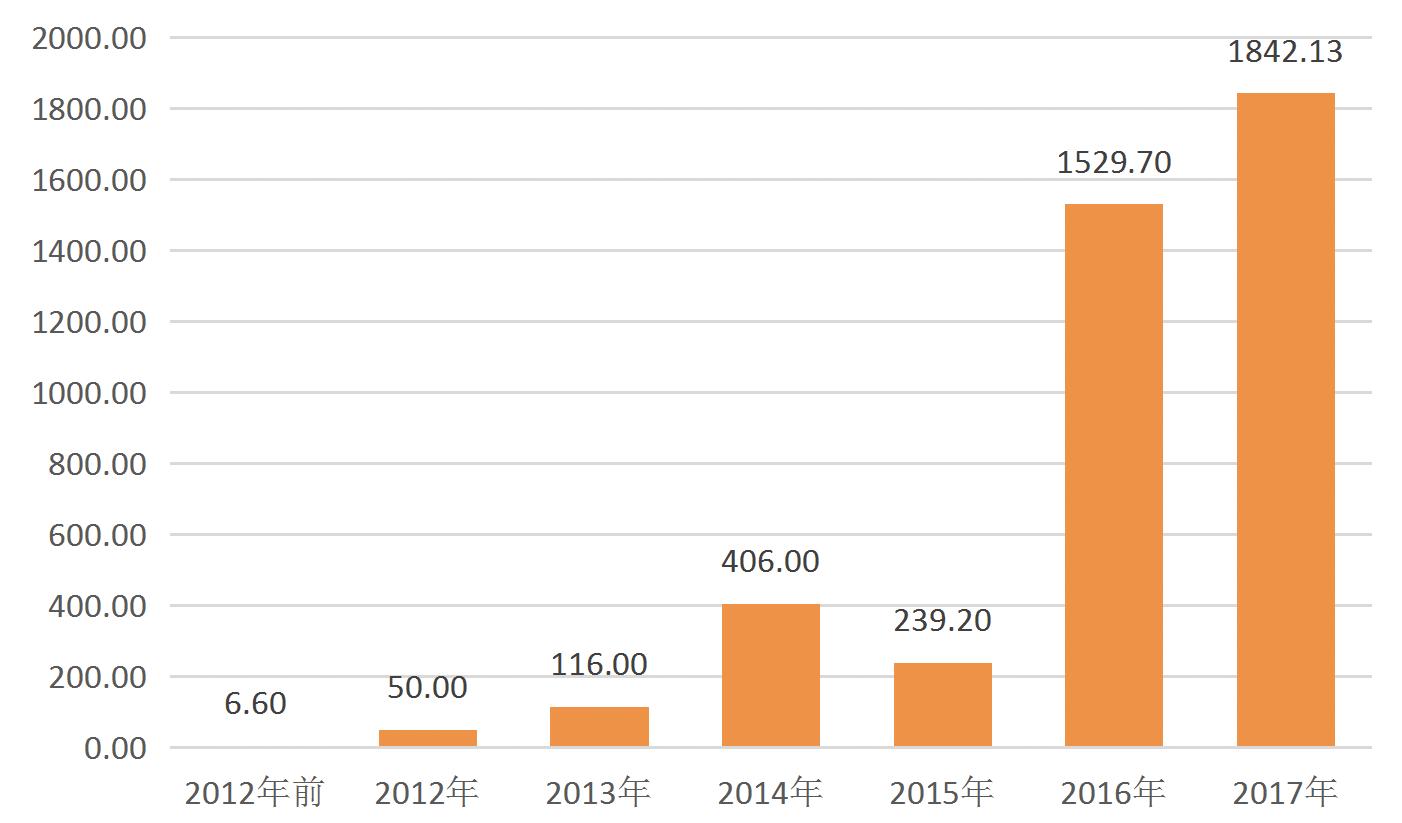
2016 marked the inaugural year when “AI + Healthcare” emerged as a major investment hotspot in China. A total of 27 companies secured financing in 2016, among which 16 raised amounts exceeding RMB 10 million or USD 10 million. Notably, iCarbonX, a medical big data company, raised as much as RMB 1 billion that year.
Among the 83 domestic “AI + Healthcare” companies, 61 have publicly disclosed financing information. Their current financing rounds are concentrated in Series A and angel rounds, indicating that the commercial race among Chinese enterprises in applying artificial intelligence to the healthcare sector has only just begun.
Foreign Enterprise Landscape
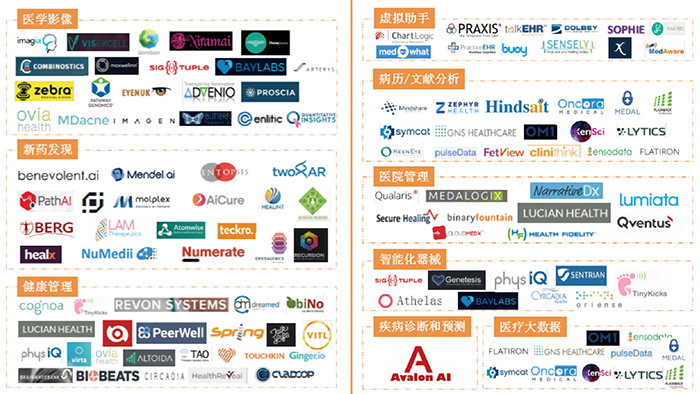
Abroad, 109 companies have applied artificial intelligence to the medical field, with relatively balanced deployments across application scenarios such as health management, medical imaging, new drug discovery, and medical record/literature analysis.
A total of 109 overseas companies have applied artificial intelligence to the healthcare sector, with a relatively balanced distribution across application scenarios such as health management, medical imaging, new drug discovery, and medical record/literature analysis. According to data from VCBeat’s database, Crunchbase, and other sources, the total funding raised by these 109 overseas companies exceeded US$1.2 billion as of August 31, 2017. The trend in annual funding is shown in the lower-left chart (the 2017 figure represents funding from January to August 2017; unit: million USD).
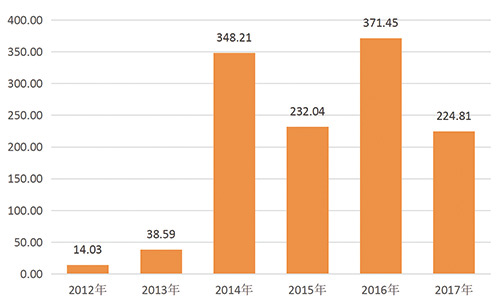
Notably, in 2014, oncology big data company Flatiron Health raised $130 million, and medical imaging company Butterfly Network raised $100 million. Excluding these two financing rounds, the scale of funding in the overseas AI+ healthcare sector grew steadily year by year from 2012 to 2017.
Among the 109 AI+healthcare companies abroad, 99 have publicly disclosed financing information, with their current funding rounds concentrated in the seed and Series A stages. This indicates that the global AI+healthcare sector is still in its early developmental phase. When evaluated solely by market maturity standards, foreign markets hold virtually no competitive advantage over the domestic market.
Overview of Investment Institutions
There are currently no major investment institutions, either in China or abroad, that have extensively deployed capital in the “AI + Healthcare” sector. This situation stems from two primary factors: first, “AI + Healthcare” has only recently emerged as a focal point for investors, and there are relatively few high-quality investment targets within the industry; second, while financing rounds for AI-driven healthcare companies typically involve substantial amounts, the commercialization process remains relatively slow due to the inherent rigor of the medical field and the uncertainties associated with artificial intelligence technologies, thereby resulting in elevated investment risks.
AI+ Healthcare Technology Maturity Curve
Investment and financing data for “AI + Healthcare” companies indicate that this sector has begun to flourish. Early AI startups primarily focused on foundational research, building AI learning platforms for algorithms and algorithmic frameworks. Shortly after their research outcomes emerged, they were acquired by large corporations, such as DeepMind and Wit.ai. The second wave of AI companies concentrated on technical research, improving accuracy in areas like speech recognition and image recognition. The third wave of AI companies has begun launching products at the application level across various fields.
The booming development of “AI + healthcare” enterprises demonstrates that the commercial application of artificial intelligence is gradually approaching success. However, there are various application models for AI in healthcare, with significant differences in development across different sub-sectors. So, how substantial are the differences in market applications among these sub-sectors? What is the level of technological maturity? VCBeat Research Institute attempts to measure this using the Hype Cycle technology maturity curve.
VCBeat’s VBInsight attempts to objectively describe the development status of various sub-sectors in AI+ Healthcare using our own methodology. The relevant computational indicators for assessing technology maturity are as follows:
1) Average financing amount for companies in this sub-sector.
2) Number of enterprises in this sub-sector.
3) Industry fragmentation in this sub-sector.
4) Number of hospitals with commercial applications in this sub-sector.
Finally, through our own analysis, we have outlined the following distribution of AI+ healthcare technology maturity.
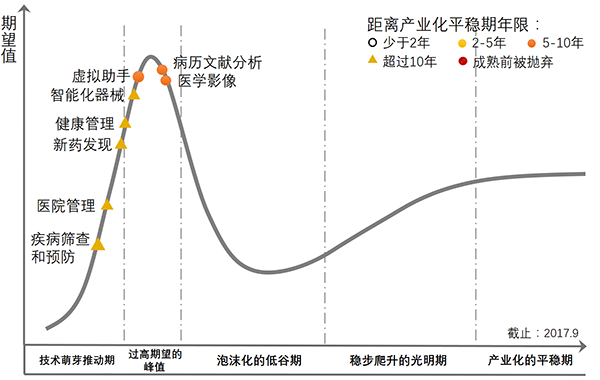
Medical imaging companies, which are the most numerous, and medical record/literature analysis companies, which have the highest average financing amount, rank first and second in terms of maturity.
So, where should the most mature medical imaging technology be positioned on the curve? This is how VCBeat thinks.
First, VCBeat Research Institute has previously compiled statistics on the number of partner hospitals for AI healthcare companies and the current status of clinical application of their products. In terms of the number of hospitals hosting medical imaging enterprises, nearly all large hospitals in China with strong scientific research capabilities and leading medical standards have already initiated relevant clinical trials with these companies. The activity level of the initial cohort of seed users has reached its peak.
Second, large-scale media coverage in related fields emerged around 2015–2017 and is currently at a stable peak;
Third, negative reports began to emerge in 2017 regarding the split between IBM Watson, an AI benchmark company involved in both medical imaging and medical record/literature analysis, and MD Anderson Cancer Center, casting doubt on the efficacy of artificial intelligence in healthcare. However, other negative reports were rare.
Therefore, we believe that the position of medical imaging on the curve should be slightly below its peak. Investors and entrepreneurs should also exercise caution; in the current landscape where startups are clustering in the AI + medical imaging sector, how to secure a viable niche is a question worth contemplating. The algorithms and technologies in this field have already matured; the bottlenecks for enterprises lie in acquiring sufficiently rich medical imaging data, completing accurate annotations, and achieving profitability.
Other types of AI + healthcare companies are still largely in the rapid growth phase following the technology trigger. Disease screening and prediction rank last due to their high level of difficulty, algorithmic complexity, and substantial data requirements. Most of the cases cited in the report remain at the research stage within universities and research institutions; thus, their bottom ranking aligns with their current market performance.
References
1. “The Big Data Revolution in Healthcare,” McKinsey, January 2013.
2. “Genes + AI: Where Will Deep Genomics Take Precision Medicine?” by Zhou Lun, August 6, 2015.
3. “Artificial Intelligence: The Path to Future Success,” Boston Consulting Group, October 2016.
4. “IBM Partners with Siemens to Build Watson, the Most Powerful AI for Healthcare,” EEWorld, October 13, 2016.
5. “Artificial Intelligence Through the Eyes of Chinese Executives,” McKinsey, December 2016.
6. “Artificial Intelligence,” Goldman Sachs, December 2016.
7. “A New Era of Human-Machine Coexistence,” McKinsey, January 2017.
8. “2017 Voice Industry Report,” VoiceLabs, March 2017.
9. “The Future Path of Artificial Intelligence in China,” McKinsey, March 2017.
10. “Why AI and robotics will define new health,” PwC, April 2017.
11. “AI Healthcare’s New Nervous System,” Accenture, April 2017.
12. “Big Data and AI Approach to Investment Management,” J.P. Morgan, May 2017.
13. “Sizing the Prize,” PwC, June 2017.
14. “Artificial Intelligence Discussion Paper,” McKinsey, June 2017.
15. “Sherlock in Health,” PwC, June 2017.
16. “The Future of Strong AI Has Arrived,” Roland Berger, June 23, 2017.
17. “Alibaba Cloud: Big Data Visual Intelligence Practices and Exploration of Intelligent Diagnosis in Medical Imaging,” Xing Xiang, June 29, 2017.
18. “Applications and Prospects of Artificial Intelligence Technology in the Medical Field,” THU Data Pie, June 30, 2017.
19. “Global AI Talent Report,” LinkedIn, July 2017.
20. “World’s First Influenza Prediction Model Established in Chongqing: Ping An Artificial Intelligence Assists Disease Prediction,” Economic Information Daily, July 25, 2017.
21. “Kingdee Medical’s Yi Yanhua: Electronic Medical Records and Healthcare Big Data—Regionalized Application Is the Future,” VCBeat, Hao Xueyang, August 9, 2017.
22. “Policy and Legal Issues in the Field of Health and Medical Big Data,” VCBeat, November 10, 2016.
23. “56% of Global Healthcare Institutions to Invest in Blockchain Technology by 2020, with Life Sciences and Pharmaceutical Industries Benefiting First,” VCBeat, Chen Xin, August 19, 2017.
New Elite Member Benefits:Scan the QR code now to purchase a membership, and you’ll have a chance to receive a free copy of The Pinnacle of Future Healthcare. Quantities are limited—first come, first served!

This book authentically chronicles the journeys of courageous entrepreneurs, innovation-embracing physicians, hospital administrators, and astute investors over the past three years. It documents how they think, how they overcome successive challenges, and how they leverage technological and business model innovations to deliver healthcare services that are more affordable and accessible.
In the future, we hope to document more individuals and their stories, preserving a few memories of this magnificent and turbulent chapter in history;
Dedicated to our friends in gratitude for your support; as participants, you are all heroes ushering in the future of healthcare!