KingMed Diagnostics Files IPO Prospectus: A Leading Third-Party Medical Testing Provider in China

1
# Trending Topics This Week
#AI + Healthcare Big Data#
Since 2016, the global consensus has been that the tipping point for artificial intelligence has arrived. From world-class players like Google and IBM to fervent investors and entrepreneurs, all are racing to secure strategic positions, even engaging in an AI arms race. Artificial intelligence is experiencing a surge in prosperity worldwide.
How Should We View and Think About the Surging Wave of Artificial Intelligence? As a witness to this wave, VCBeat is compelled to leave its mark.
VCBeat’s 2017 flagship report, “2017 Medical Big Data and Artificial Intelligence Industry Report,” will be released on September 16 at the Forum on Industry Practices in Healthcare Big Data and Artificial Intelligence.
Viewpoint
1. Artificial intelligence involves two concepts: Machine Learning and Deep Learning. Machine learning and deep learning have an inclusive relationship, with deep learning being the key technology facilitating the current development of artificial intelligence.
Machine learning is the most fundamental approach to achieving artificial intelligence. It consists of algorithms that learn from past data or experience, without relying on hard-coded instructions or pre-defined rules. Traditional computer programs are coded to solve specific tasks, whereas machine learning uses large volumes of data for training, enabling algorithms to learn how to accomplish tasks from the data.
Machine learning was primarily applied in the early stages of artificial intelligence. Traditional algorithms included decision tree learning, inductive logic programming, clustering, reinforcement learning, and Bayesian networks. In the early development of machine learning, due to limitations in computational power and sample size, among other factors, algorithms had significant constraints and low levels of intelligence, making them impractical for real-world applications.
Deep learning is a subset of machine learning, and its development has been one of the driving forces behind the current advancement of artificial intelligence. The artificial neural network learning algorithms employed in deep learning are also a type of machine learning algorithm, although they previously received limited attention.The core of deep learning is feature learning, which aims to acquire hierarchical feature information through layered networks, thereby addressing the significant challenge of previously requiring manual feature design.
2、Algorithms, computing power, and data are the three key elements driving the rapid development of artificial intelligence.
First, breakthroughs in algorithms have brought hope to the commercial development of artificial intelligence. Second, advancements in computing power have enabled the implementation of complex algorithms, accelerated training outcomes, and reduced costs. Finally, the big data era has provided vast amounts of data for the training and learning of artificial intelligence. Without any one of these three elements, large-scale commercial application of artificial intelligence would be unattainable.
3. The primary sources of data for the development of artificial intelligence are: Corporate proprietary data, public data from governments of various countries, and industry collaboration data
Artificial intelligence faces a significant real-world challenge in its development: a severe shortage of training data. Currently, data sources mainly fall into three categories.
First, proprietary enterprise data. Through extensive manual collection and subsequent structural processing, this data forms the foundation for artificial intelligence training. Most AI companies, before entering this field, had already accumulated substantial industry-specific data within their respective domains, which led them to leverage these data resources to develop AI-driven business operations.
Second, public data from governments worldwide. The U.S. federal government has made 130,000 datasets available across multiple sectors on the Data.gov platform, including healthcare, business, agriculture, and education. China and other countries have also gradually opened up public data in select fields.
Third is industrial collaboration data. AI startups acquire data by establishing partnerships with industry players and upstream data providers in the supply chain; for example, in the healthcare sector, they collaborate with hospitals. IBM Watson initially obtained medical records, literature, and other data through its partnership with Memorial Sloan Kettering Cancer Center.
Report
2016 AI + Healthcare Innovation Trends Report V: What Can AI Do in Healthcare? (Part 2)
2
This Week's Headlines
Does KingMed Diagnostics’ IPO Signal the Rise of the Third-Party Clinical Laboratory and Pathology Industry? We Explore the Answer by Reviewing Nearly 100 Companies
Author: Luo Mei
On September 8, 2017, atIn the third-party medical testing sector, following Da An Gene and Dian Diagnostics, a third company has officially been listed on the Shanghai Stock Exchange. This company is Guangzhou KingMed Diagnostics Group Co., Ltd. (abbreviated as KingMed Diagnostics; stock code: 603882). KingMed Diagnostics issued 68.68 million shares in its initial public offering, raising net proceeds of RMB 414 million at an issue price of RMB 6.93 per share. Upon market opening, its stock price surged by 44%.
In fact, KingMed Diagnostics earned its first pot of gold through pathological diagnosis, and its business has expanded from pathological diagnosis to over 2,400 outsourced testing items and scientific research technical services across six major categories, including physicochemical mass spectrometry testing and genomic testing.
It has established a nationwide medical testing service network comprising 35 medical laboratories, offering over 2,400 test items—far exceeding the capacity of large tertiary hospitals in China. The annual volume of test samples exceeds 40 million, with a compound annual growth rate (CAGR) of over 30% for its core business. It collaborates with more than 21,000 medical institutions.
This Morning, iPhone X Ignites Bio-AI: Apple Launches Heart Study and New Trends in Healthcare Emerge
Author: Li Yanyu
At 10:00 a.m. Pacific Time on September 12 (1:00 a.m. Beijing Time on September 13), Apple’s fall event was held at the Steve Jobs Theater in Apple Park. At this showcase, often dubbed the “Super Bowl of the tech industry,” Apple unveiled the third-generation Apple Watch with built-in cellular connectivity, the Apple TV 4K supporting Dolby Vision and HDR10 (not available in China), and, as expected, the new iPhone 8 series.
The most exciting and highly anticipated iPhone X has been officially released. This true flagship Apple smartphone, featuring a 5.8-inch full-screen display and replacing the Home button with the new Face ID unlocking method, will go on sale on November 3.
In addition to these new tech products, VCBeat will also focus more on Apple's exploration in the field of healthcare.
Since entering the Cook era, Apple has evolved into a more socially responsible corporation—a point CEO Tim Cook has emphasized in numerous media interviews. At this launch event, his primary focus was on how Apple’s products enhance users’ quality of life.
3
This Week's Financing Events in the Healthcare Sector
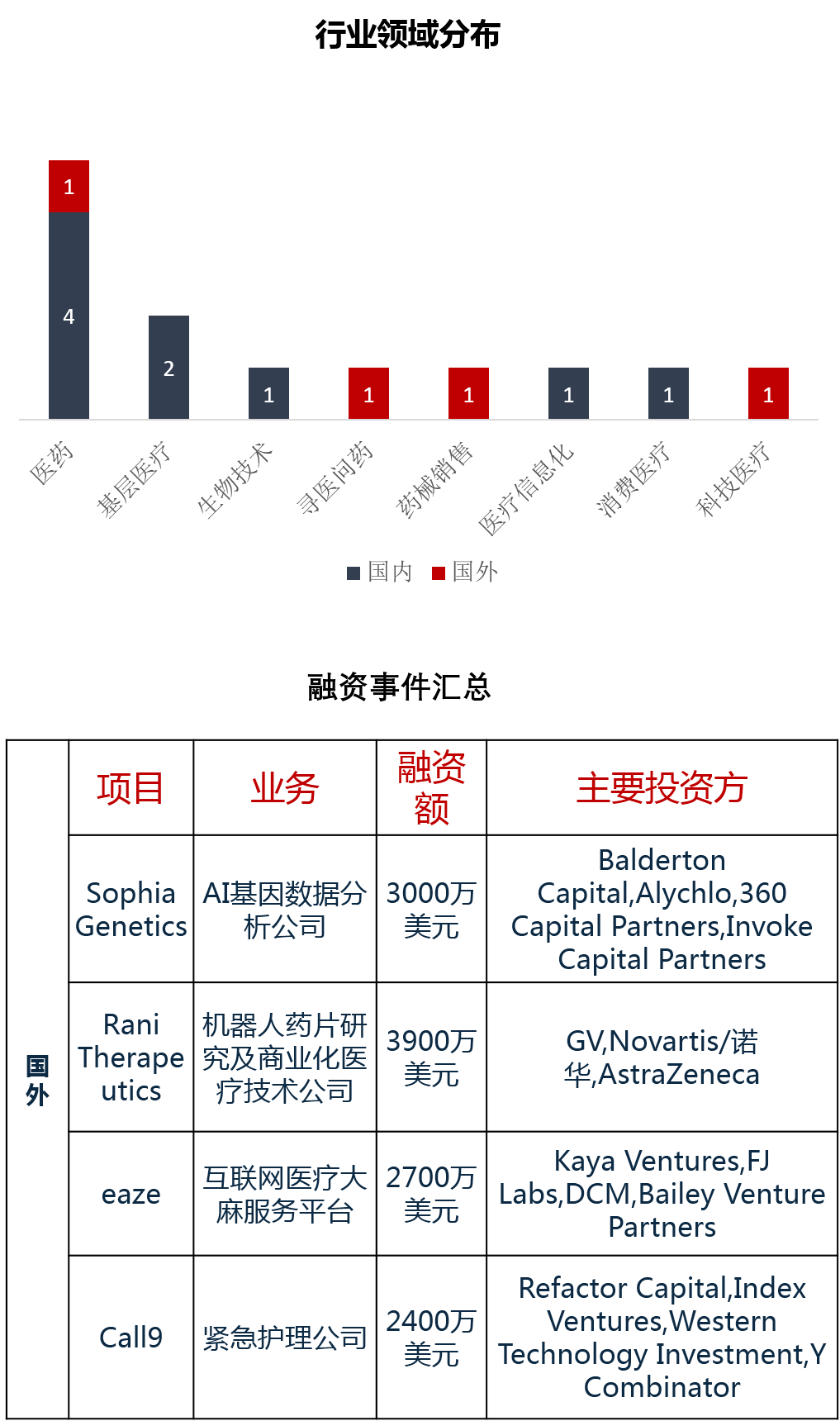
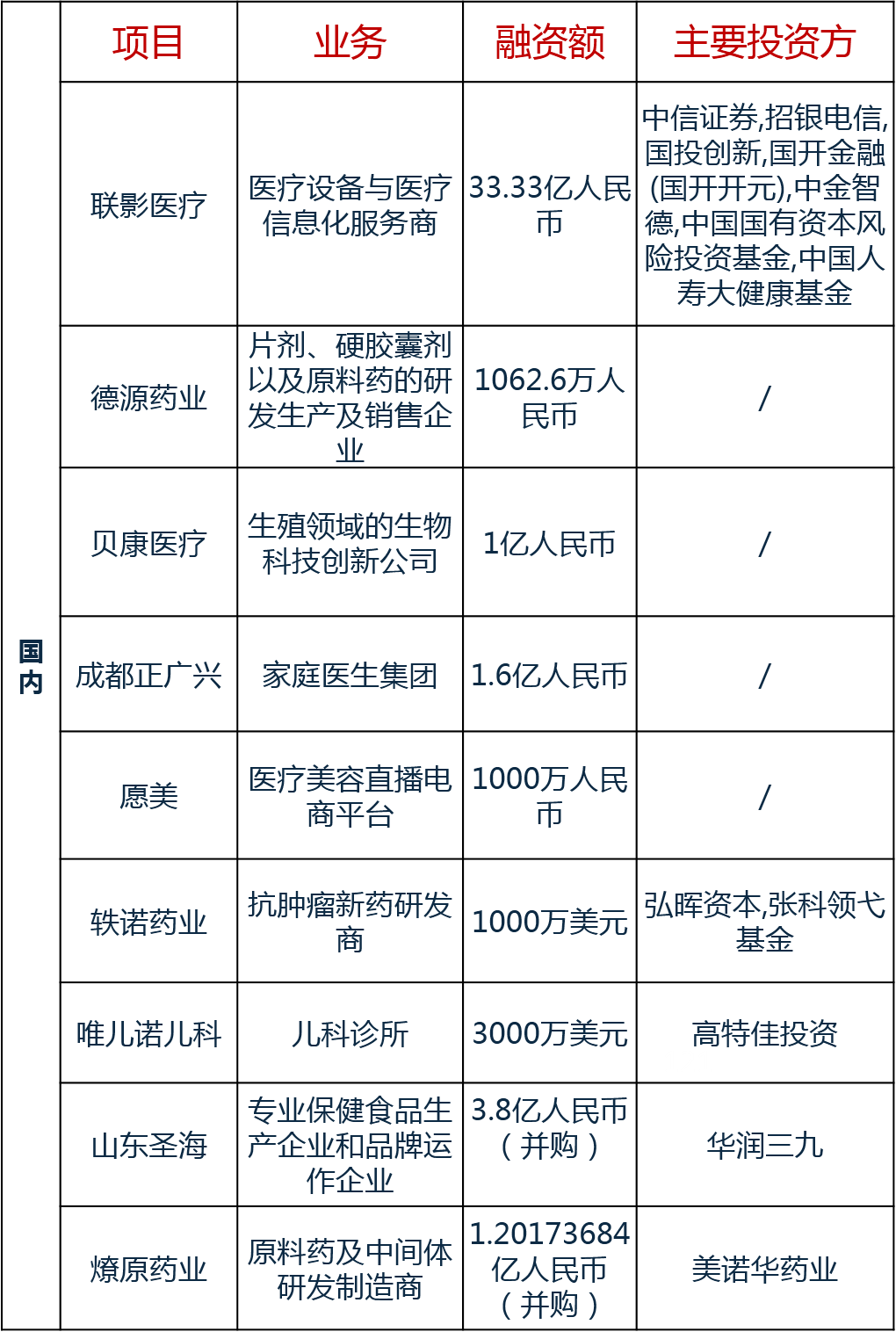
4
This Week's Healthcare Industry Activity Updates
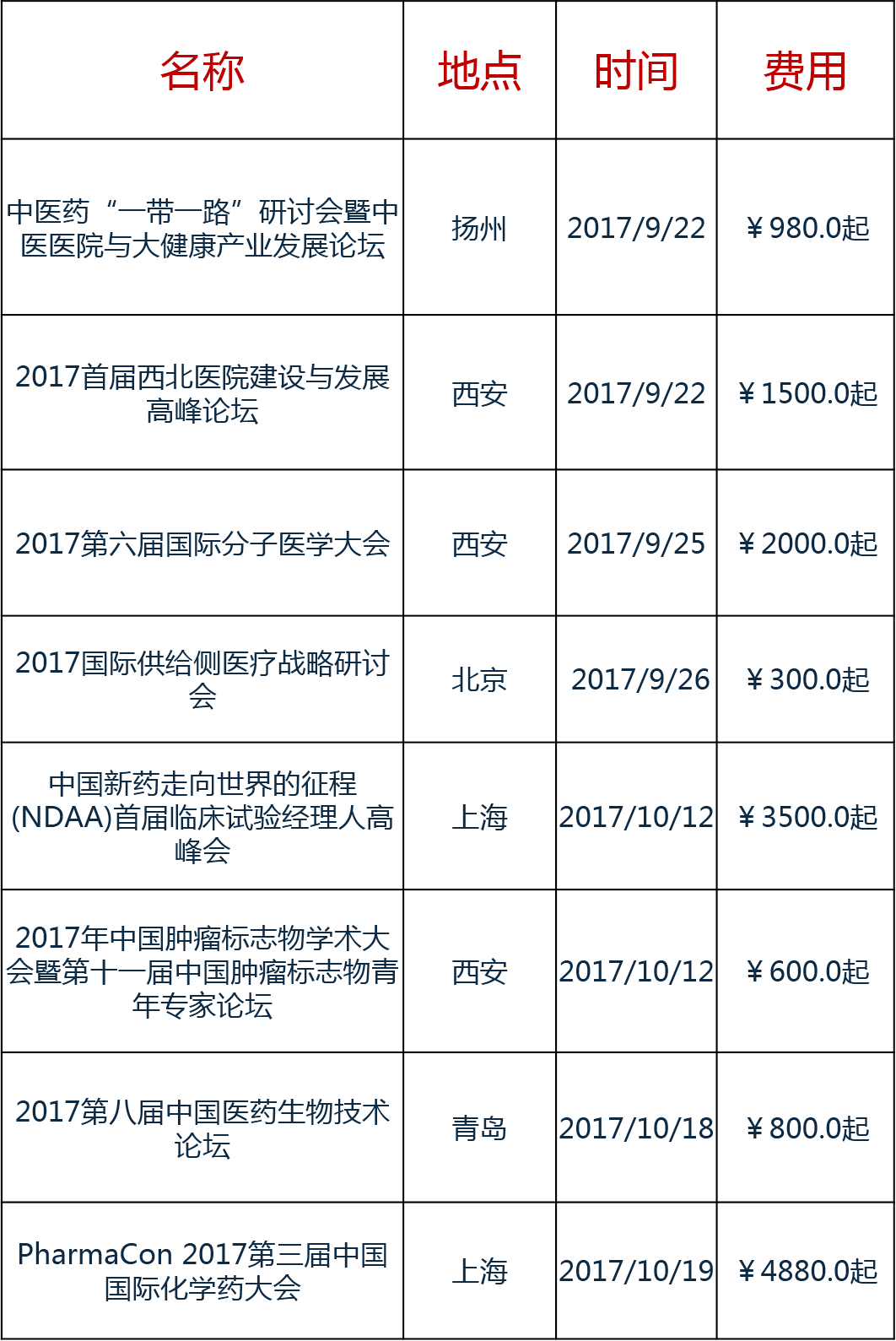
5
This Week's In-Depth Report
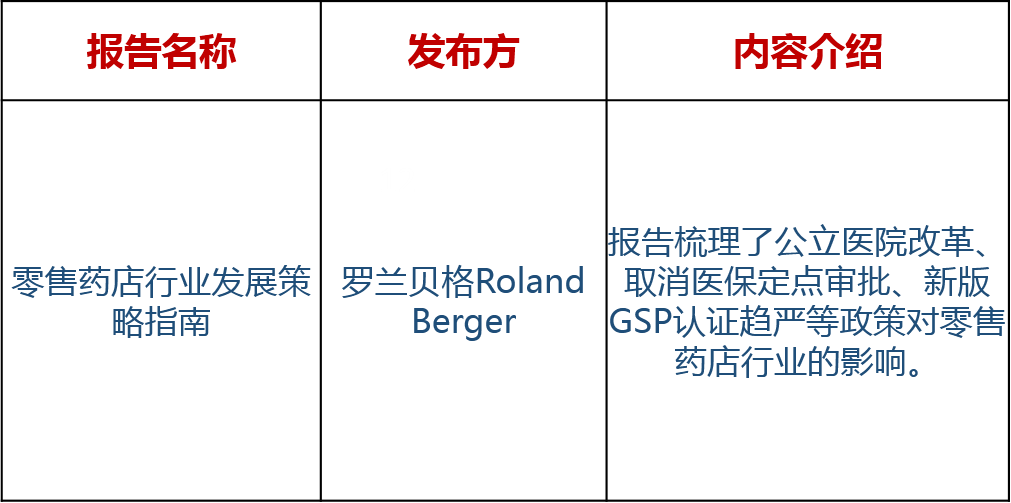
For more content, please refer to the VCBeat knowledge base!