

Nine Experts Share Insights on Precision Medicine, Oncology Big Data, and Real-World Evidence at CSCO Annual Meeting
The 20th CSCO Annual Conference was held in Xiamen from September 26 to 30. The special session titled “Oncologists and Big Data” took place yesterday afternoon, September 27, in the Lujiang Hall B2 of the Xiamen International Conference & Exhibition Center, attracting over a thousand attendees who packed the venue to capacity.
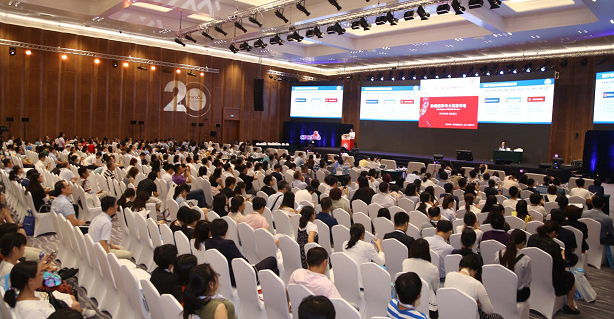
In his opening remarks, Academician Sun Yan, Honorary Chairman of the Chinese Society of Clinical Oncology (CSCO), emphasized that oncologists should correctly understand big data. Whether engaged in clinical practice or scientific research, they must maintain a rigorous academic attitude, prioritize the quality of every data point, and strengthen collaboration among medical institutions. The special session on “Oncologists and Big Data,” first held in 2015 and developed to its current scale, is the result of joint efforts from all sectors of the industry. This special session not only aligns with current data technologies but also integrates future-oriented innovative concepts, applying big data technology to the field of oncology to drive industry development.
Next, under the moderation of Mr. Ma Jun, the special session was divided into three modules to discuss the most prominent topics in the field of medical big data: precision medicine, new technologies, and real-world studies.
In the “Big Data and Precision Medicine” module, Professor Jun Yu, a renowned Chinese genomic scientist, delivered the opening remarks. Professor Yu summarized the contributions of the Human Genome Project to life sciences research, proposed the upcoming “precision revolution” in biomedicine, and further introduced the concepts of “precision medicine,” “precision healthcare,” and “precision health.” He expressed the hope that big data technologies will facilitate efficient integration across all segments, from biomedical research to clinical medical research and their respective sub-disciplines.
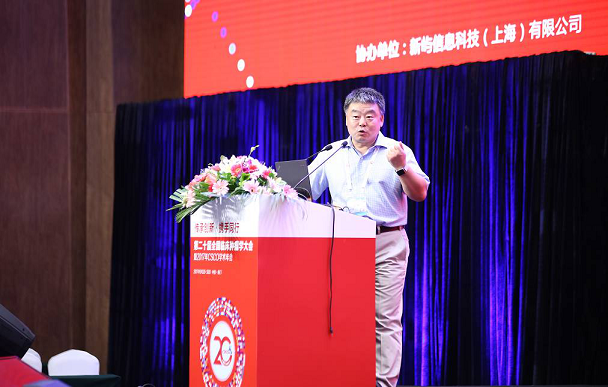
Dr. Luo Qibin, founder of QiYunNuoDe, shared an integrated model and case studies for medical big data and genomic big data, proposing solutions to the current “four major challenges” in the broader healthcare sector through a multi-omics integration framework. Leveraging his company’s proprietary technologies and AI-driven system concepts, he illustrated the implementation process of smart healthcare using real-world cases.
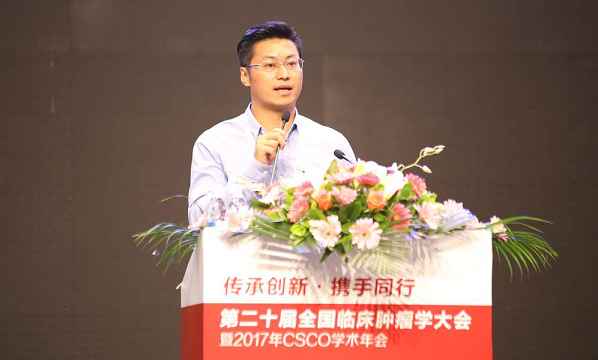
Dr. Yu Jing, Director of the Medical Big Data Department at Ankeji, presented the service system for precision medicine and ctDNA-NGS translational medical research. The era of ctDNA technology is dawning, with China gradually emerging as the premier destination for clinical trials. Liquid biopsy, customized panels, a high-quality data delivery system, and integrated statistical analysis can collectively meet the personalized demands of translational medical research utilizing this technology.
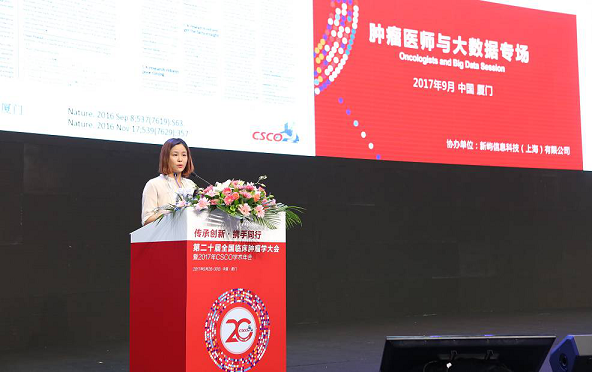
Next, Wang Yasong, Director of the Big Data Management and Application Center at the State Information Center, kicked off the second module, “Big Data and New Technologies,” by introducing the concepts and applications of blockchain technology. Blockchain can provide reliable and secure technical assurance for medical big data. It has already been implemented in several cities, including Guiyang, and will continue to support the development of medical big data in collaboration with Xinyu Information Technology (Shanghai) Co., Ltd.
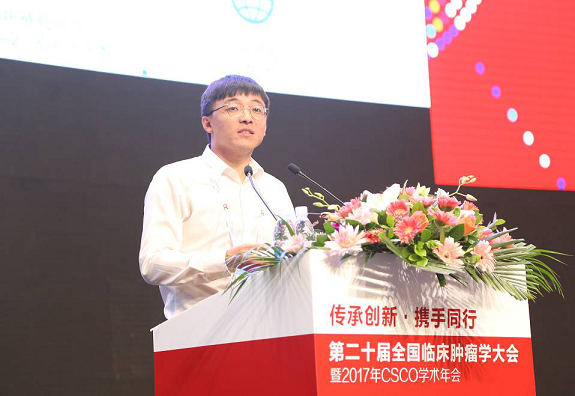
Professor Duan Lixin of the University of Electronic Science and Technology of China expounded on the exploration of artificial intelligence in the field of medical big data. He first analyzed the development landscape of AI both domestically and internationally, then elaborated on the algorithmic theory of AI—deep learning—and concluded by outlining future application scenarios for artificial intelligence.
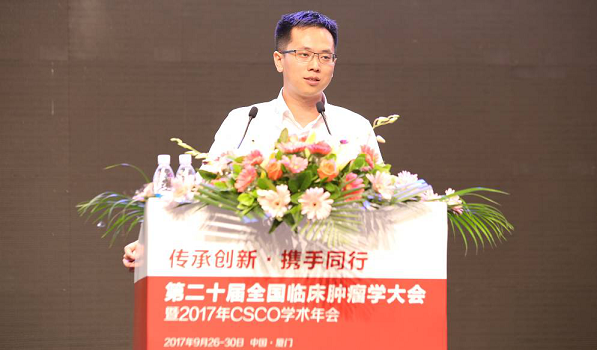
Wang Xuexing, CEO of New Island Information Technology (Shanghai) Co., Ltd., expounded on perspectives regarding oncology big data and artificial intelligence. He first emphasized the value of oncology big data, proposed application models for medical big data in the context of the current pharmaceutical industry, and introduced research-grade data models. Finally, he shared insights into the challenges of medical big data and the future prospects of medical artificial intelligence.
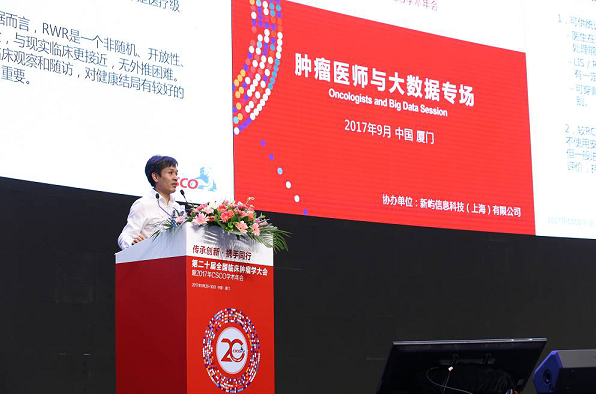
Next, the third module, “Big Data and Real-World Studies,” was opened by Professor Wu Yilong, Chairman of the Chinese Society of Clinical Oncology (CSCO), who presented on the guidelines for real-world studies, the rise, advantages, and current limitations of such research, as well as efforts to advance it. He repeatedly emphasized that the launch of Chinese guidelines is imperative.
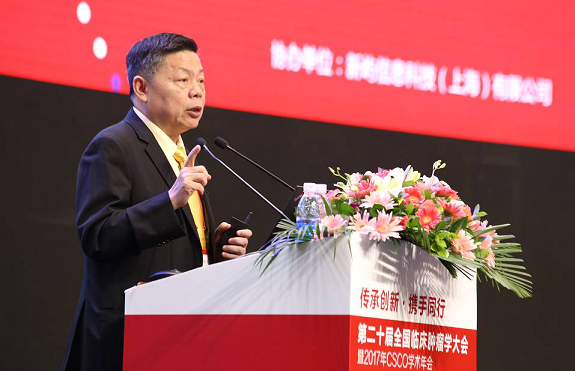
Jiang Liyan, Director at Shanghai Chest Hospital Affiliated to Shanghai Jiao Tong University, shared the challenges facing Real-World Studies (RWS), explained the definition of RWS, compared the advantages and disadvantages of RWS versus Randomized Controlled Trials (RCTs), discussed current challenges, and outlined the impact of RWS on the pharmaceutical industry.
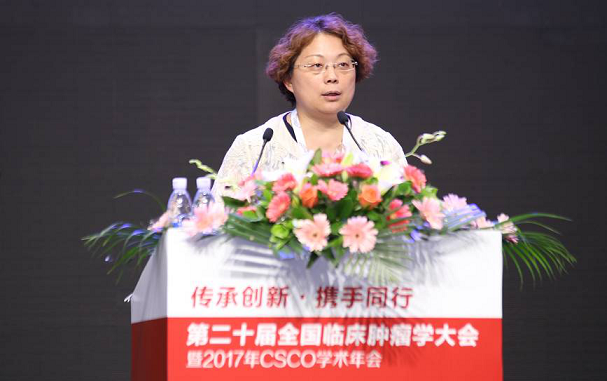
Hu Ningning, Secretary-General of the China Primary Health Care Foundation, discussed how the PAP program supports oncology big data research and patient management, elaborated on the application of PAP big data, and promoted research in health economics and pharmacoeconomics.
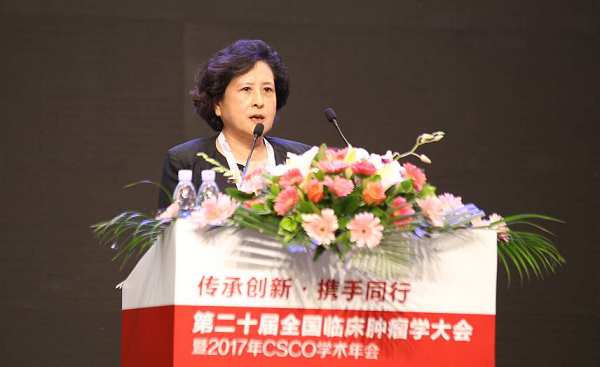
The special session concluded with closing remarks by Professor Lin Tongyu. Professor Lin summarized that the session was primarily designed to stimulate divergent thinking and collectively contemplate how big data technology will transform the healthcare industry. The speakers presented numerous ideas, concepts, and case studies, which, with the continued advancement of big data technology, are poised to be implemented in the healthcare sector in the near future.