

How Hongdao Sports Medicine Clinic Broke Through After Five Years as a Veteran in the Sports Rehabilitation Field
In the sports rehabilitation sector, where entrepreneurial ventures are scarce, Hongdao Sports Medicine Clinic (hereinafter referred to as “Hongdao”) can be regarded as one of the first pioneers. Over the past five years, they have progressed from learning overseas models to establishing local roots, continuously exploring and deepening their practice.
Following the State Council’s 2014 issuance of the “Several Opinions on Accelerating the Development of the Sports Industry and Promoting Sports Consumption,” the capital market for sports rehabilitation opened up. However, since rehabilitation departments in public hospitals handle the majority of rehabilitation cases, the term “sports rehabilitation” remains insufficiently recognized among the general public.
As a veteran player in this field, why did Hongdao secure its first round of financing only after five years of deep cultivation? Among the few sports rehabilitation institutions that have obtained medical qualification licenses, Hongdao is the first in China. How did they achieve this? In response, VCBeat (WeChat ID: vcbeat) conducted an exclusive interview with Kang Shaoyong, Chairman of Hongdao.
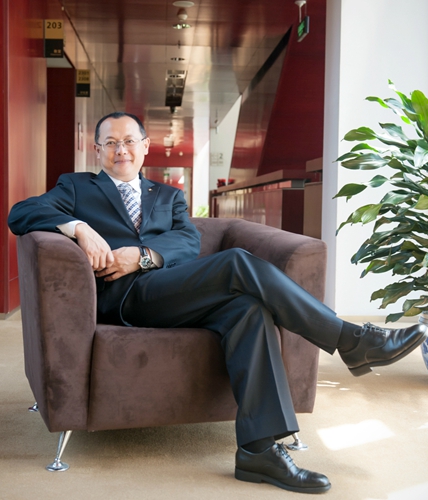
Kang Shaoyong, Chairman of Hongdao Sports Medicine Clinic
Four Major Business Segments Centered Around the Clinic
Hongdao, headquartered in Beijing, has opened four clinics to date. The clinics specialize in medical diagnosis and treatment in the fields of orthopedics, sports medicine, and rehabilitation medicine. Services include outpatient care, athletic performance assessment, specialized physical conditioning, dedicated medical support, sports injury prevention, overseas medical consultation and referral, as well as conservative treatment and postoperative rehabilitation programs.
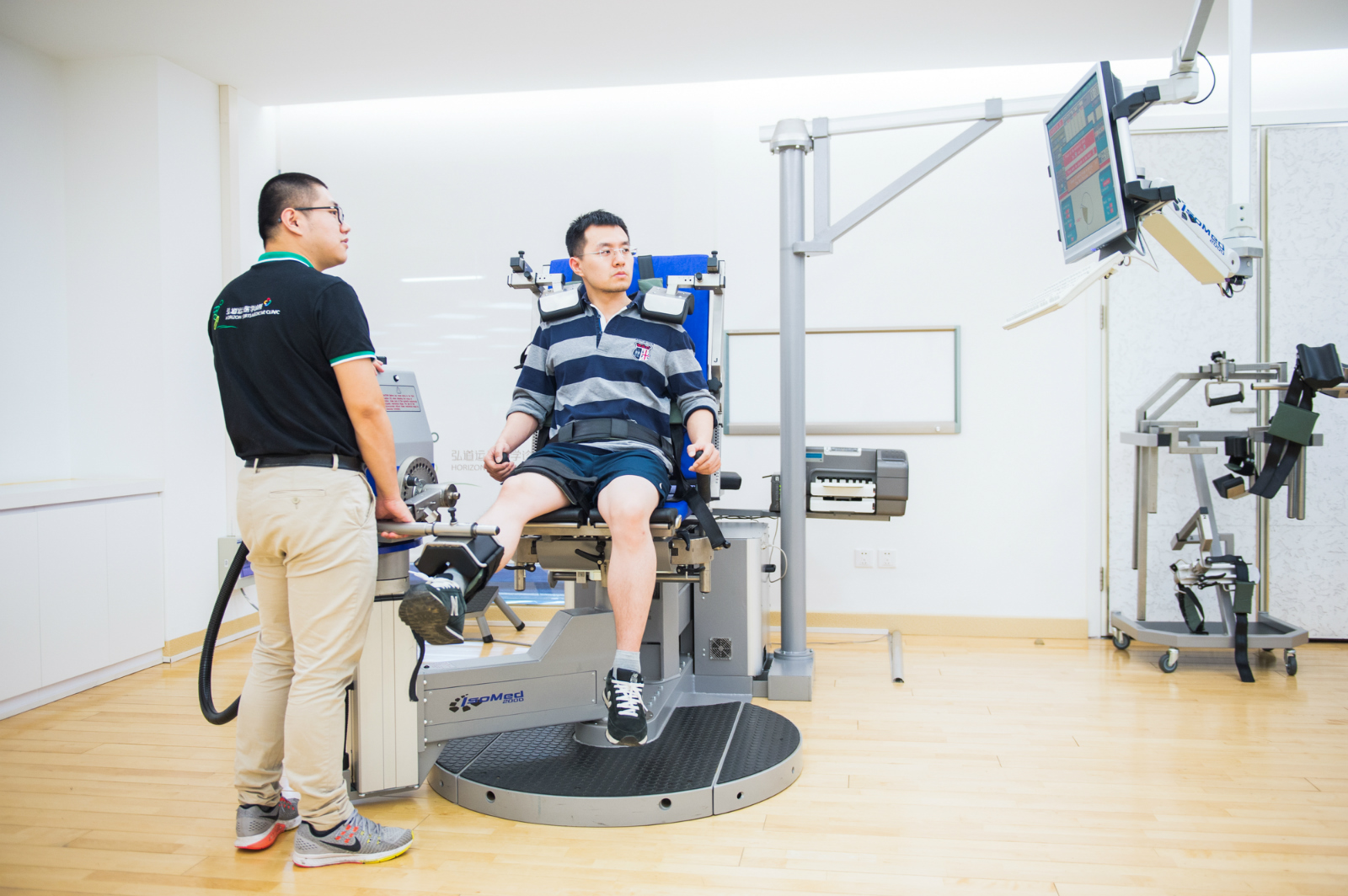
Centered around its sports medicine clinic, Hongdao has developed four major business segments: “Hongdao Occupational Health Training,” “Hongdao SMART Academy,” “Hongdao Rehabilitation,” and “Hongdao Aitong Children’s Development Center.” These four derivative segments signify that, in addition to basic rehabilitative therapy, Hongdao is also making concerted efforts in patient education, market education, grassroots services, and talent development.
Hongdao Occupational Health Training targets sports enthusiasts and the general public, providing science popularization on sports injuries, injury prevention, and sports rehabilitation. Enhancing public awareness is a primary focus for most sports rehabilitation institutions. Common practices include organizing lectures in collaboration with enterprises and universities, as well as providing medical support for sporting events. These efforts serve both as a customer acquisition strategy and a means to raise awareness among regional markets.
It is reported that Hongdao’s occupational health training currently focuses primarily on B-side clients, typically conducting dedicated sessions for large enterprises. A positive trend is that a strong consensus has emerged across China’s sports rehabilitation market, resulting in high levels of participation in this sector.
“In the early days, many people were indeed unaware of what sports rehabilitation entailed and did not realize that postoperative rehabilitation interventions were necessary. Patients certainly wished to learn more about sports rehabilitation and to see what such treatments or facilities looked like. There might have been some misunderstanding, but this has gradually become less common.”
The Hongdao Rehabilitation and Hongdao Aitong Development Center divisions are still in the pilot phase. The former focuses on community-based services, while the latter targets the pediatric population. Establishing a comprehensive talent development system has been Kang Shaoyong’s key focus in recent years; to this end, Hongdao has launched the “Hongdao SMART Academy” division.
Driving the Industry with Talent
Amid the surging popularity of marathons and fitness trends, the number of individuals suffering from sports-related injuries has reached a record high. The conventional approach for these injured individuals is to seek treatment at public hospitals or recover at home, while sports rehabilitation clinics seem to be relegated to an easily overlooked or seldom-mentioned corner. This represents one of the current dilemmas facing the field of sports rehabilitation.
Years of dedicated expertise in this field have enabled Hongdao to cultivate a loyal clientele of athletes, including high-profile stars, many of whom are drawn specifically by Hongdao’s rehabilitation specialists.
Among them, Lin Xuanhong is the most popular. He served as a specially appointed medical expert for the Chinese Olympic Committee’s preparations for the 2010 Winter Olympics, helping athletes achieve an outstanding performance of one gold and one silver medal for the Chinese team. He also served as a specially appointed medical expert for the preparations for the 2012 London Olympics. Meanwhile, he worked as a lecturer in the national team physician training program organized by the General Administration of Sport of China from 2010 to 2012.
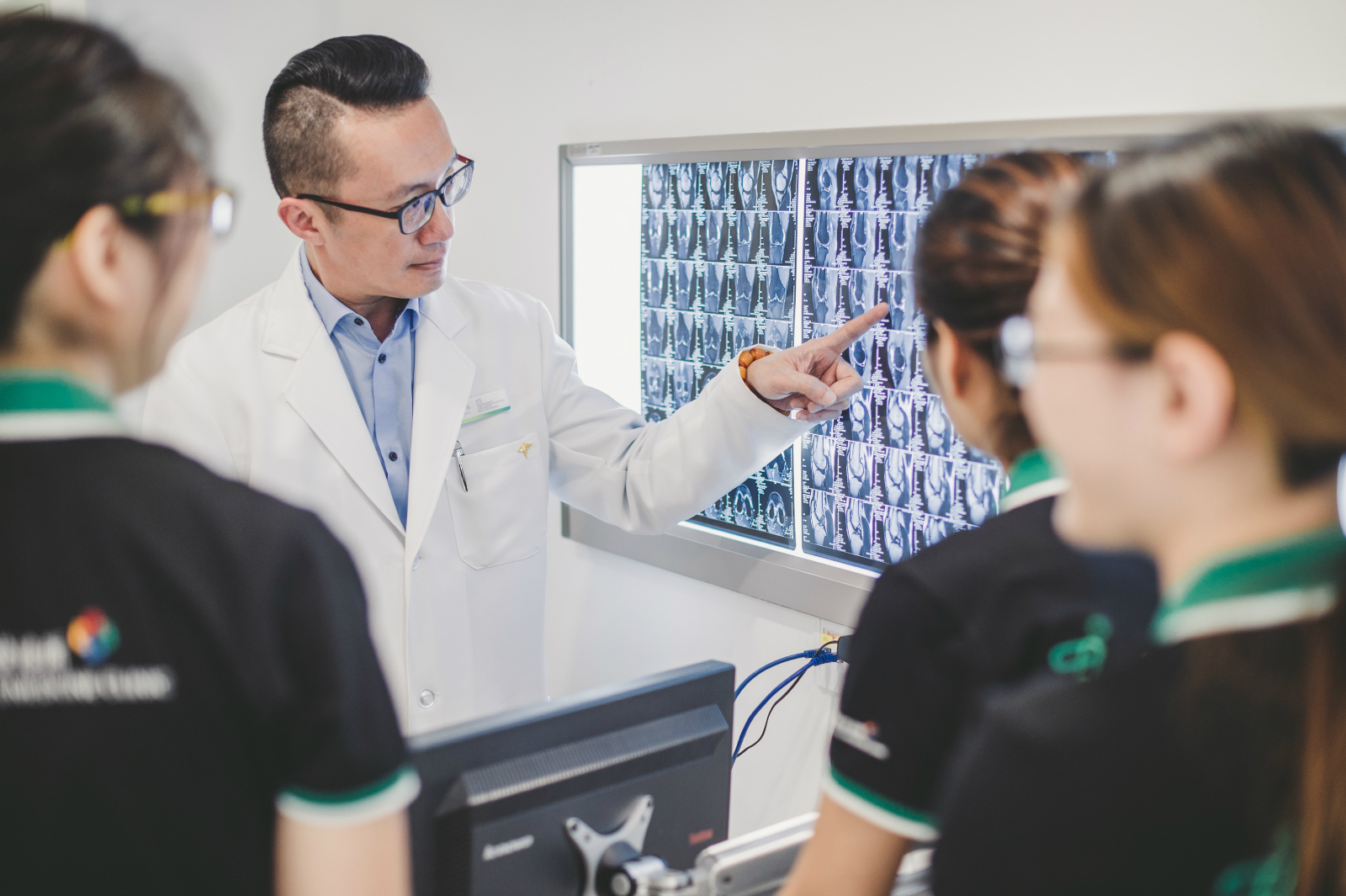
Director Lin Xuanhong Discusses Patient Cases with Therapists
However, even with a rehabilitation therapist team regarded as highly authoritative within the industry, talent remains a weak link for Hongdao and indeed for the entire rehabilitation sector.
Kang Shaoyong said, “One of the greatest dilemmas facing the field of sports rehabilitation is the inability to recruit qualified professionals, who are nonetheless the primary force driving sports rehabilitation services.”
Therefore, Hongdao Clinic currently focuses on recruiting rehabilitation experts from overseas, while domestically it hires top graduates specializing in sports rehabilitation from major sports universities and medical schools. “Prior experience is ideal; however, for those without experience, we have our own training system in place.”
Hongdao SMART Academy, centered around Dr. Li Zhiduan, Professor in the Department of Sports Rehabilitation at The Chinese University of Hong Kong, delivers coursework and practical training on a quarterly basis. Each cohort comprises 12–20 members, with each quarter focusing on 3–5 emerging concepts and techniques in international clinical rehabilitation.
By bringing together industry professionals to support its own talent pipeline, SMART Academy fulfills its core mission and represents a key strategic focus for Kang Shaoyong. After five years of development, Hongdao is exploring a talent-driven model for sports rehabilitation to better serve individuals.
Two Medical Licenses Successfully Obtained
Regarding the approval of medical qualifications, two of Hongdao’s four clinics have already obtained medical licenses. The approval process for sports rehabilitation facilities is consistent with that of general medical institutions, covering requirements such as facility area, staffing, and medical equipment.
According to Document No. 149 issued by the State Council, the "Regulations on the Administration of Medical Institutions," medical institutions without beds or with fewer than 100 beds must apply to the health administrative department of the local county-level people's government. Challenges remain.
According to publicly available information, a clinic in the standard sense should be equipped with at least consultation rooms, treatment preparation rooms, and therapy rooms; it must have at least one physician who has obtained medical licensure and engaged in clinical practice for more than five years, as well as at least one nurse; the building area shall be no less than 40 m².2, each room must be independent and equipped with basic facilities.
Hongdao’s four stores each occupy an area of 500–1,000 m².2The clinic is positioned as a high-end facility, featuring consultation rooms, treatment rooms, a rehabilitation area, recovery pods, showers, and sinks.
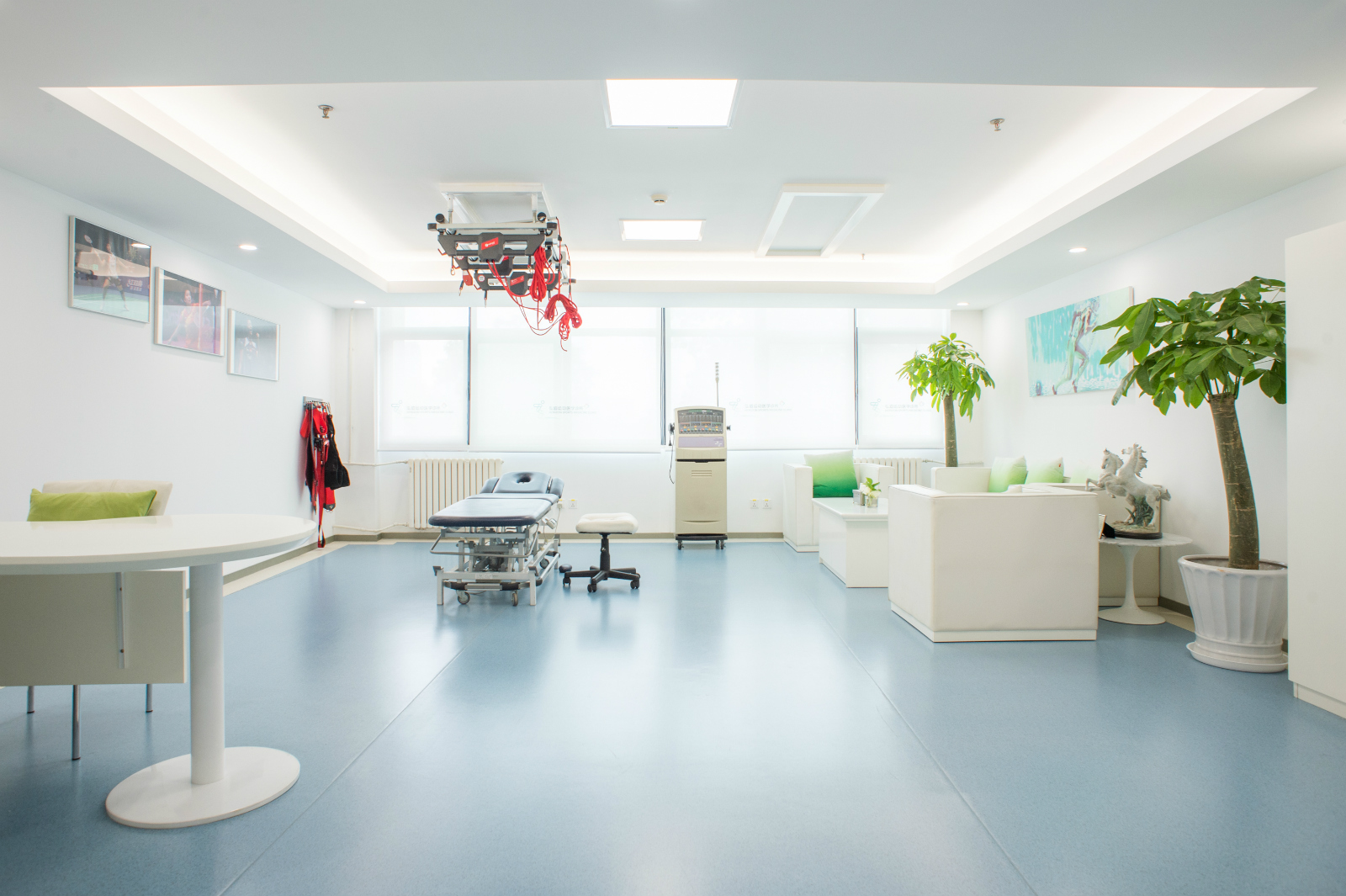
A Corner of the Clinic Treatment Area
To qualify for accreditation in the Department of Rehabilitation Medicine, it is mandatory to have a licensed physician specializing in rehabilitation medicine. The team of rehabilitation physicians led by Lin Xuanhong was also key to Hongdao’s acquisition of medical credentials. Kang Shaoyong emphasized, “‘Medical accreditation’ signifies standardization and legitimization, serving as a safeguard for both enterprises and patients.”
Furthermore, professional qualifications for rehabilitation therapists are a mandatory requirement for any rehabilitation institution. Personnel practicing at Hongdao must pass the nationally certified Rehabilitation Therapist Examination and obtain their qualification certificate before they can become officially recognized rehabilitation therapists. “Without it, individuals can only serve as assistants in internship positions to gain work experience.”
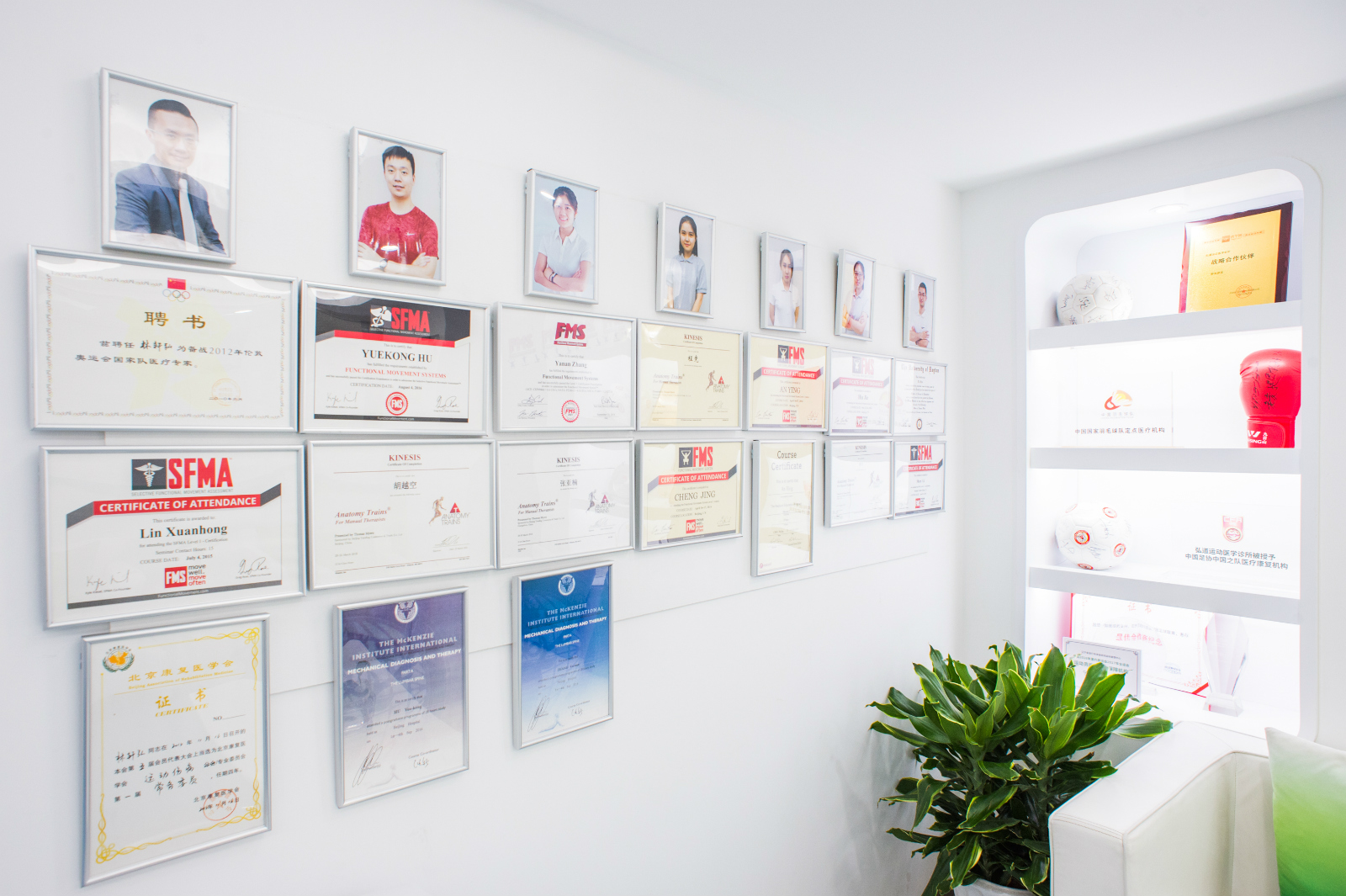
Hongdao’s Therapists and Their Credentials
Hongdao’s strengths lie in its long-standing, stable industry reputation and its accumulated base of patients with sports injuries. These assets are key to driving word-of-mouth referrals, which currently represent the most critical factor influencing consumer decisions in this sector and serve as Hongdao’s primary customer acquisition channel.
Currently, Hongdao is a designated partner institution of the General Administration of Sport of China. It has also established strategic collaborations with multiple national teams, professional sports organizations, and professional sports clubs, providing them with medical support services and serving as their designated medical institution. A stable base of B-end clients constitutes one of Hongdao’s primary revenue sources.
Hongdao, which initially grew its customer base among B-end clients, has seen its user composition gradually evolve into an even split between individual and group users. In Kang Shaoyong’s view, “this shift has always been positive.”
A Steady and Solid Market Strategy
Like most brick-and-mortar rehabilitation institutions, Hongdao’s offline setup costs account for the largest share of its expenditures, followed by labor costs. Currently, depending on the intensity of patient treatment, the clinic charges between RMB 700 and RMB 1,300 per hour, positioning it at the mid-to-high end of the industry. However, due to the substantial upfront investment, Kang Shaoyong admitted that their revenue did not reach an ideal level until after 2016.
This September, Hongdao secured tens of millions of RMB in Series A financing from a holding fund under Tsinghua University.
After securing financing, rapid store expansion is not its primary objective; rather, the focus is on refining the existing operational model, establishing standardized processes, and shortening the talent development cycle. “We need to excel in our core operations first, then explore new market opportunities. While we certainly plan to open additional stores for expansion, we will not expand without clear strategic intent, nor are we in a hurry to scale up.”
Previously, Kang Shaoyong stated in a media interview that Hongdao needs patient capital from investors who truly understand the industry, noting that “the return cycle may be 5+2, rather than the typical 3+2 model of general venture capital firms.”
With industry standards and standardized processes for sports rehabilitation yet to be established, leadership is needed. Hongdao’s latest round of financing holds particular significance for the sports rehabilitation sector. At a time when startups in this field remain small and fragmented, Hongdao’s first-mover advantage, coupled with its explorations in standardizing workflows and developing talent training systems, serves as a critical asset in its bid to become an industry leader.