

Health China Files for IPO: A Precision Medical Education Platform Empowering Doctors as Editors and Leveraging AI for Public Health
Following the Wei Zexi incident in 2016, medical search topics were suddenly thrust into the spotlight. Misdiagnosis can harm patients, and so can misinformation; for the first time, people became aware of the critical importance of accurate medical information for patients.
Given the complexity and specialized nature of healthcare, users are inherently unable to accurately assess the veracity of information amidst the vast and intricate online landscape; therefore, the sense of responsibility among healthcare enterprises has once again come to the forefront.
From the perspective of communication, information is produced in two ways: UGC (User-Generated Content) and PGC (Professionally-Generated Content). The distinction between UGC and PGC lies in whether the content creators possess professional knowledge and qualifications, as well as relevant educational backgrounds and work experience in the specific domain of the shared content.
Medical Popularization: For many people, this term inevitably brings to mind the various straightforward yet obscure materials posted on hospital walls. As a medical popularization platform in the mobile internet era, how did “Healthy China” secure the opportunity to sign a health data-sharing cooperation agreement with the National Health and Family Planning Commission? And how did it become the designated official institution for disseminating patient education content?VCBeat (WeChat ID: vcbeat)An Exclusive Interview with Ma Liang, Founder of Yiwei Technology
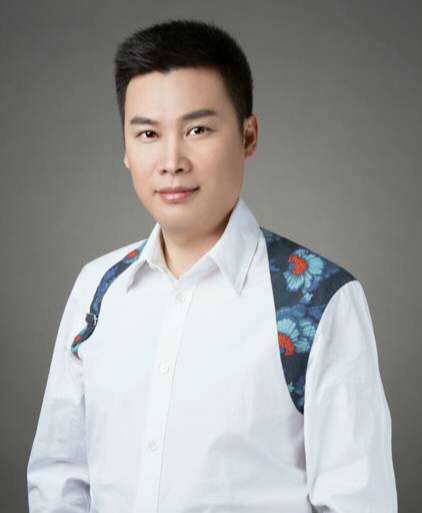
Ma Liang, Founder of Yiwei Technology
Cross-Border Healthcare as a Science Popularization Platform
As a member of the post-1970s generation, Ma Liang holds numerous titles, including China Health Communication Ambassador and Executive Vice President of the Health Science Popularization Branch of the China International Exchange and Promotive Association for Medical and Health Care. In 2016, he was honored with the title of “Health Communication Ambassador.” He is the founder of KK Health Network and currently serves as the founder of Yiwei Technology.
Since founding KK Health in 2011, Ma Liang’s entrepreneurial journey in the healthcare sector has entered its seventh year. From health science popularization to precision content delivery, his company is now serving individuals across China who seek health knowledge. Accordingly, he has named his current initiative “Healthy China.”
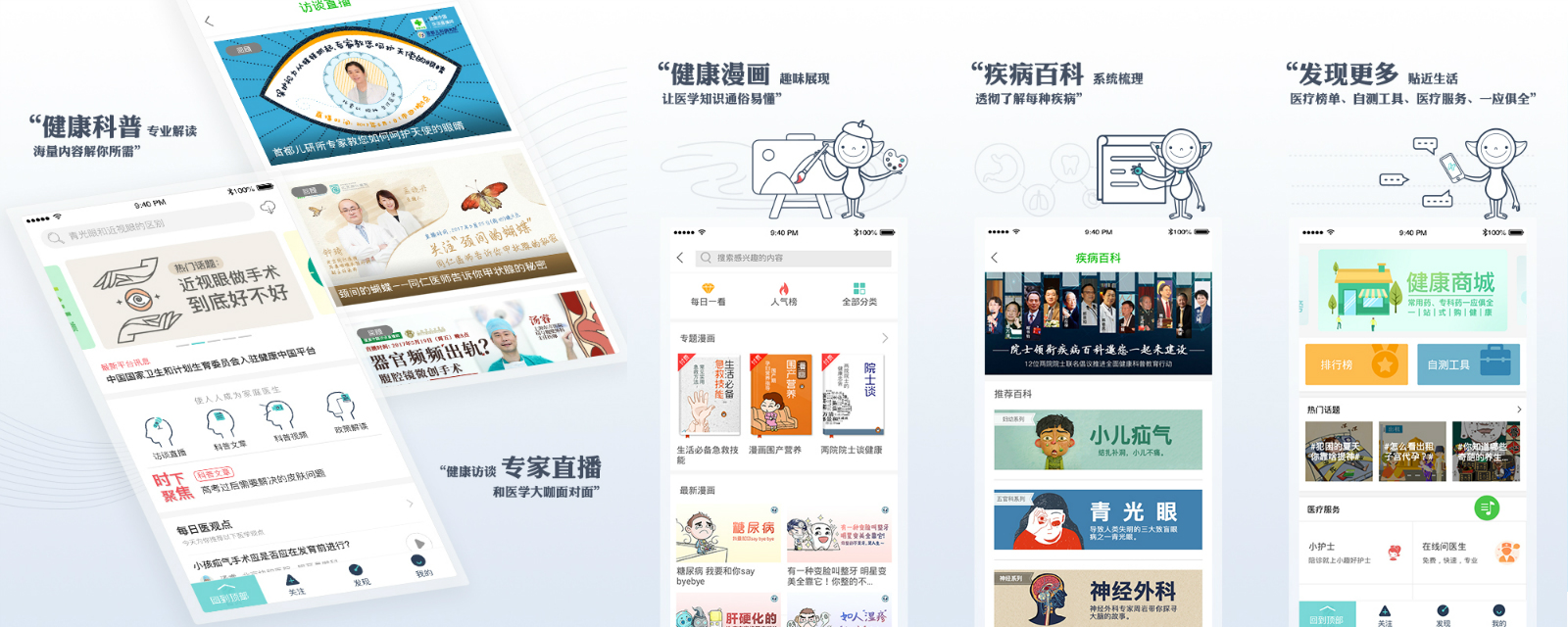
Healthy China App Interface
“In Ma Liang’s view, healthy individuals typically do not search for information about specific diseases; they only look up such content online when they experience discomfort or have a genuine need.”
Driven by an unwavering pursuit of medical knowledge, Ma Liang has devoted all his energy to the “Healthy China” initiative. He believes that current medical science popularization is fragmented and lacks a comprehensive definition; even viewpoints expressed by physicians are often categorized as general public education, resulting in information that is overly “fragmented.” In his words, there is a lack of a systematic and structured knowledge framework truly accessible to the general public.
Although it is a cross-industry expansion, Ma Liang’s goal is clear: to build “Healthy China” into a health science popularization service platform centered on precise content.
As a collaborative medical science popularization content provider for the Department of Propaganda and the Department of Maternal and Child Health under the National Health and Family Planning Commission, and as a strategic partner of the Health Science Popularization Branch of the China Medical Promotion Association and the China Medical Science Popularization Center, Healthy China leverages its communication advantages to vigorously disseminate medical science knowledge through new media platforms, including its website, mobile app, and WeChat platform.
Doctors Proactively Serve as Authors to Produce Content

From KK Health to Healthy China, the team has grown to 70 members. Core team members include Vice President Xu Min, who previously worked at Hangzhou Youth Times and participated in the overall planning of several popular domestic programs, bringing extensive experience in promotion, marketing, and project management. She currently serves as the Director of the Office of the Health Science Popularization Branch of the China International Exchange and Promotion Association for Medical and Healthcare. In 2013, she joined the team to oversee project operations and team management.
Mr. Wu Wenlong, Chief Medical Officer (CMO), has previously held positions at the General Department of the National Development and Reform Commission (NDRC), the High-Tech Industry Department of the NDRC, and the Chinese Health Education Center/News and Publicity Center of the Ministry of Health. He joined the team in 2016 to oversee market development and maintenance.
COO Yang Bo has operated mobile products with over one million daily active users and annual revenues exceeding RMB 100 million, overseeing the planning, development, and marketing promotion of five mobile apps. He previously served as Operations Manager at Qidian Chinese Network; Director of Copyright Operations and Product Director at Shanda Literature (Shanda Interactive Entertainment SDL); Product Director of the Wireless Expansion Department at China Literature Limited (a Tencent-affiliated literary company); and Product Director, Operations Director, and COO at Duoting FM.
Ma Liang revealed that the KK Health team once grew to over 100 members, only shrinking to 70 by 2013. This was because, in addition to marketing and editorial staff, a larger number of practicing physicians joined as editors for Healthy China, becoming the primary source of content for the platform.
The content on the Healthy China app is primarily generated by physicians, constituting the Professional Generated Content (PGC) mentioned earlier. Medical professionals and experts contribute specialized medical knowledge, authorizing Healthy China to utilize the latest medical developments and popular science information. This content is then edited and creatively adapted by the platform’s editorial team for presentation in multimedia formats, including comics and audio. Currently available content includes medical comics, animated videos, live streams, and audio programs featuring physicians.
Under the requirements of public health services, the strategic upgrade of “Healthy China” has led many public hospitals to assume the role of patient education, resulting in a growing demand for health-related content. Consequently, some experts and even hospitals have proactively approached “Healthy China” to facilitate the translation of medical knowledge into popular science materials.
Ma Liang emphasized that if KK Health was previously a content production hub, the current “Healthy China” is more akin to an aggregated medical knowledge platform. The professionalism and authority accumulated by KK Health in its early stages have enabled the revamped “Healthy China” to become a designated producer of popular science content for institutions such as the National Health Policy Atlas, the Science Popularization Division’s exhibition boards, the Chinese Center for Disease Control and Prevention (China CDC), and the National Cancer Center. Conversely, this official trust has significantly enhanced the authority and credibility of “Healthy China”’s popular science publications.
He told reporters, “More doctors have become part of the local editorial teams for Healthy China. Take a simple example: The First Affiliated Hospital of Guangzhou Medical University, where Academician Zhong Nanshan practices, is the leading hospital in respiratory medicine. In terms of public science communication on lung cancer research, the hospital’s publicity department has provided substantial content resources, presenting information to the public in textual and visual formats. In this way, doctors serve as frontline editors, producing accurate and professional content.”
Currently, a series of detailed modules covering areas such as the maternal and child health system, perinatal medicine, and national nutrition and health are available on the Healthy China platform. Among these, content provided by top-tier domestic experts—ranked among the top three in China—or academicians-level specialists is offered to users on a paid basis. Regardless of whether the content comprises 30 chapters or more, the uniform price is set at RMB 6 per issue, a pricing structure established in accordance with Apple App Store’s minimum pricing rules.
In December 2016, following the launch of the newly revamped “Healthy China” app, the platform hosted over 70,000 physicians, amassed 1.6 million users, including more than 10,000 paying subscribers, achieved a monthly retention rate of 18–20%, and recorded an average session duration of 18–25 minutes.
Building a B-End Patient Education System to Serve Public Health
In addition to charging for basic medical popular science knowledge, another revenue stream for Healthy China is providing patient education content to B-side clients, which constitutes a significant portion of its business.
Medical institutions, including pharmaceutical companies and hospitals, bear the responsibility for patient education. Healthy China generates revenue by licensing the copyright of popular science comics. For pharmaceutical companies, patient education is a mandatory requirement imposed by the state for each individual product; therefore, they are willing to pay for such content.
Collaboration with hospitals resembles a resource exchange: hospital experts and physicians are responsible for content creation and pay Healthy China for content adaptation. The copyright of the adapted materials, such as comic strips, belongs to Healthy China, which may resell them; meanwhile, hospitals retain the right to use the adapted popular-science comics.
Furthermore, revenue streams for Healthy China include illustration production for medical science popularization publications, the publication of popular science book series, and government fiscal subsidies for project collaborations. According to Ma Liang, current revenues have reached approximately RMB 10 million.
Currently, Healthy China is collaborating with the government to launch a pilot base project in a certain province. By adopting an integrated model of “Internet finance–Internet healthcare–health science popularization–electronic terminals,” this initiative aims to extend health education coverage to electronic displays in hospitals, schools, enterprises, and public institutions. “We hope that electronic terminals in hospitals will serve not merely as display screens, but truly function as science and education platforms for local hospitals.”
AI Intelligence, Precision Content Delivery
In addition to the Healthy China app, its external communication channels include the WeChat platforms KK Health and Health Science Popularization Hall, as well as Tiantian Kuaibao, Tencent News, Tencent Video, Sohu Health, U17 Comics, and DouYu. The cumulative number of views across all distribution channels has reached billions, and it has long held the top position in health sections of various media outlets such as Sohu Health.
Ma Liang emphasized that the platform did not deliberately promote content; given the high sensitivity of medical information, its widespread dissemination is attributable to the fact that all “Healthy China” content undergoes review by national authoritative institutions.
Currently, Healthy China is committed to intelligently recommending popular science information based on user profiles and usage scenarios, thereby addressing the challenge of information overload and decision paralysis.
On the app’s front end, daily health models are generated based on health science popularization decisions tailored to users’ varying scenarios. The back end learns user behavioral preferences and leverages user data to deliver a preference-based decision model, thereby enabling health management functionalities.
Ma Liang believes that, in addition to strategy, content, and operations, medical science popularization should also focus on data. The extensive backend data can be leveraged to develop chronic disease management systems and a public health education map for Chinese citizens. By utilizing this data to produce three- or five-year forecasts of health needs among Chinese residents, as well as strategic analysis reports, the value of data can be fully realized.
To enable intelligent Q&A functionality, Healthy China has developed the “M9” virtual persona, benchmarking against Apple’s “Hey, Siri” module, with the aim of delivering health-focused intelligent question-and-answer capabilities.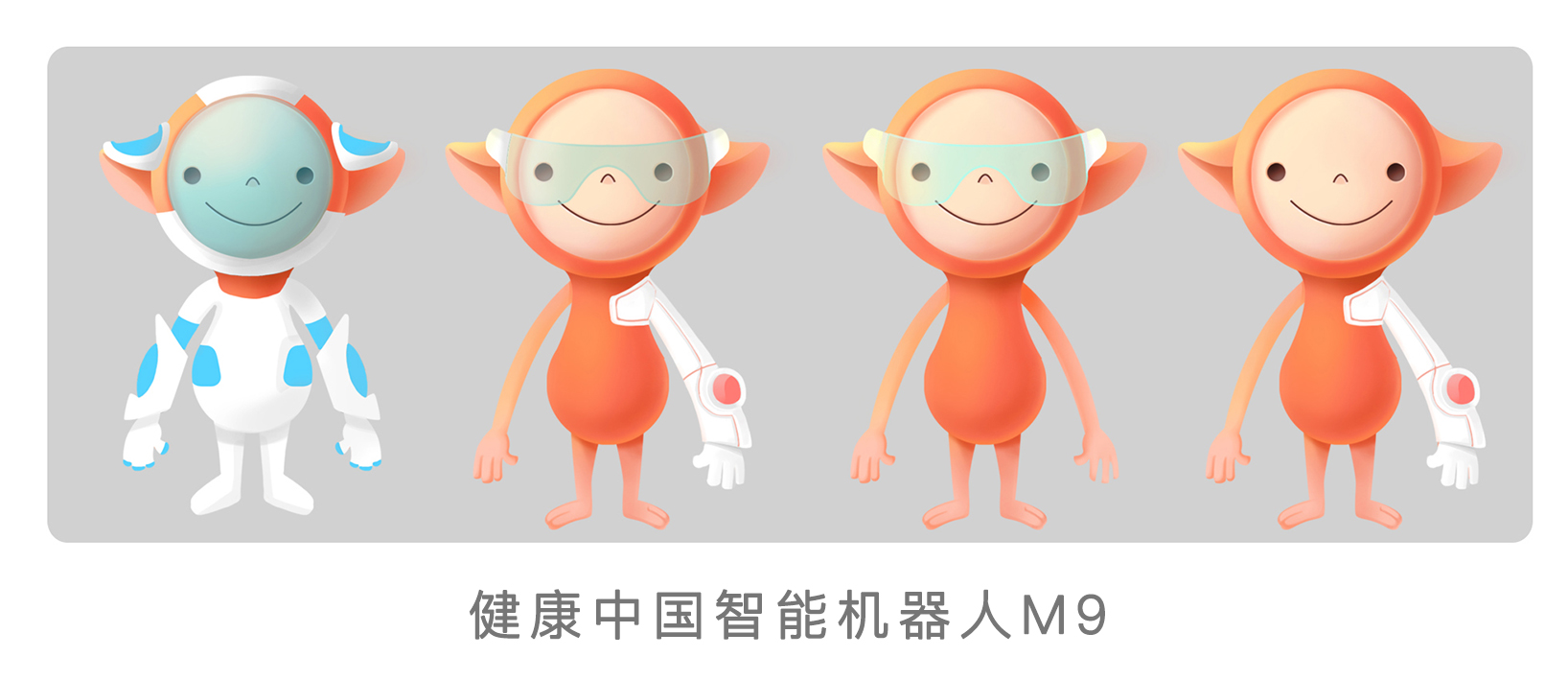
Future: Continued Focus on the AI Sector
In 2017, Healthy China completed a $30 million angel round of financing, with individual investors. Currently, Ma Liang and his team are preparing for Series A financing, planning to offer 10% of the equity. The funds will be used for product research and development, user operations, and product promotion.
Healthy China will continue to explore the development of AI intelligence, leveraging a platform that shares popular science knowledge and big data. By harnessing big data, the platform serves business clients, connecting enterprise owners with needs to service providers with professional capabilities. The platform has already integrated third-party medical services such as Chunyu Doctor and iKang Guobin.
In Ma Liang’s mind, his ultimate goal has always been to leverage the collection of user behavior data and artificial intelligence algorithmic models to recommend more precise medical information to users, thereby enabling them to enjoy better healthcare services.