Medical Mall: A Strategic Pathway for Real Estate Developers Entering Healthcare

1
# This Week's Hot Topics
#Real Estate + Healthcare#
According to incomplete statistics from VCBeat, more than 30 real estate developers in China, including Vanke, Evergrande, Wanda, and Greentown, have entered the healthcare sector. These companies are strategically focusing on community services, particularly in the field of community health and medical services, by adopting approaches they deem feasible, thereby spurring the development of a large number of senior living real estate projects and integrated medical-care initiatives.
In these senior living real estate or integrated medical-care projects, the prevailing view among industry insiders is that while pivoting direction is easy, achieving success is an uphill battle. This is because the healthcare sector demands high barriers to entry, advanced technology, and substantial investment, while being heavily reliant on policy support. Even if property developers have sufficient capital to operate such projects, they often struggle to recruit suitable personnel for management and operations.
So, is there a simple and feasible path for real estate developers to transform? Have overseas real estate developers encountered similar challenges? And how have they turned these difficulties into opportunities?
Viewpoint
1、In shopping malls abroad, clinics have long been a common feature. The doctors in these clinics are patient-centered, making medical visits as convenient and enjoyable as shopping. This type of healthcare facility is known by a trendy term: "Medical Mall."
A successful Medical Mall is not only bustling with activity but also consistently delivers high patient satisfaction, as individuals enjoy the most convenient medical services. It features comprehensive supporting facilities, including parking lots, restaurants, retail stores, and lounge areas, alongside integrated medical services.
In fact, these medical facilities are all meticulously planned. For instance, outpatient clinics for orthopedic conditions may be located in the same area as sports medicine or physical therapy centers; proton therapy equipment may be situated adjacent to the oncology center; and within outpatient clinics or hospitals specializing in cardiovascular diseases, it is entirely feasible to have cardiologists, cardiovascular surgeons, and interventional specialists available simultaneously.
2. Why Did the Medical Mall Emerge in the United States?
Differentiated Medical Services: Closer to Patients, with New Uses for Large Shopping Mall Spaces. Doctors believe that these vacant mall spaces are ideal for providing differentiated medical services that are more accessible to patients.
The “one-stop medical care” Medical Mall is completely different from traditional healthcare service models.The Medical Mall model offers numerous benefits to both patients and healthcare providers. For instance, it allows users to address their healthcare needs while shopping, with the added convenience of easy parking, thereby alleviating the difficulty of accessing medical care to some extent.
Coinciding with the rising demand for healthcare in American society and the advocacy of patient-centered medical services, this has also indirectly boosted the growth of Medical Mall.
Report
Tracing the Development of 30 Medical Malls Over More Than 50 Years: Is This the Easiest Path for Chinese Real Estate Developers to Transition into Healthcare?
2
This Week's Headlines
A ¥15 Trillion Supply Chain Finance Market: Healthcare Emerges as a Key Battleground, with Alibaba and JD.com Already Engaged in Fierce Competition
Author: Gao KangFlat
In the era of “Internet Plus,” supply chain finance has witnessed new developments. By leveraging internet technologies to provide trading platforms and solutions for core enterprises and their upstream and downstream partners, it can effectively enhance the efficiency of supply chain finance. With the introduction of innovations such as big data-based credit scoring and inclusive finance, supply chain finance is gradually revealing a new landscape of development.
In the realm of financial services, banks and other financial institutions have traditionally favored providing lending services to large enterprises with strong repayment capabilities and comprehensive credit histories. In contrast, small and medium-sized enterprises (SMEs) often struggle to secure loans due to incomplete credit records and a lack of robust risk control models, leaving them with no relief from financial pressure. However, as market competition matures, the bias toward large enterprises is increasingly revealing its drawbacks. In a fully competitive market, commercial competitiveness is no longer solely the concern of core enterprises; rather, upstream and downstream companies in the industrial chain must collaborate around these core entities to build stronger collective competitiveness. At this juncture, providing financial services to SMEs beyond the core enterprises becomes particularly crucial, enabling the supply chain to operate more healthily and efficiently. Thus, supply chain finance has emerged.
In the healthcare sector, supply chain finance services have also seen significant development. Listed company Huaye Capital, internet companies Feiyi Wang, Yijia Yi, and Yilian, along with a number of B2B pharmaceutical e-commerce firms, have all entered the field of medical supply chain finance, offering diverse medical supply chain financial services.
Sports Rehabilitation Industry: Dominated by Offline Services and Covering 100 Million People with Sports Injuries—Is It a Blue Ocean or a Sea of Suffering?
Author: Li Yanyu
Among many sports rehabilitation practitioners, the concept of “integration of sports and medicine” is frequently discussed. Although this term may still be unfamiliar to the general public in China, it embodies the convergence of sports and healthcare. At the national level, both “sports” and “medicine” are indispensable components in efforts to promote the physical health of the population.
Since State Council Document No. 46 explicitly called for “vigorous development of sports medicine and rehabilitation medicine,” official agencies represented by the General Administration of Sport and the Ministry of Health have successively introduced implementation policies, seemingly providing clear direction for entrepreneurs in sports rehabilitation. However, despite these favorable policy conditions, China’s sports rehabilitation sector remains in a state where it garners acclaim but fails to attract substantial market demand.
Some industry observers believe that the sports rehabilitation sector is an untapped “gold mine,” yet the limited influx of capital reflects its current status as a niche field.
VCBeat monitors developments in the sports rehabilitation sector, compiles policies guiding its growth, and analyzes talent supply and demand as well as corporate strategic layouts to gain insights into the sector’s development trends.
3
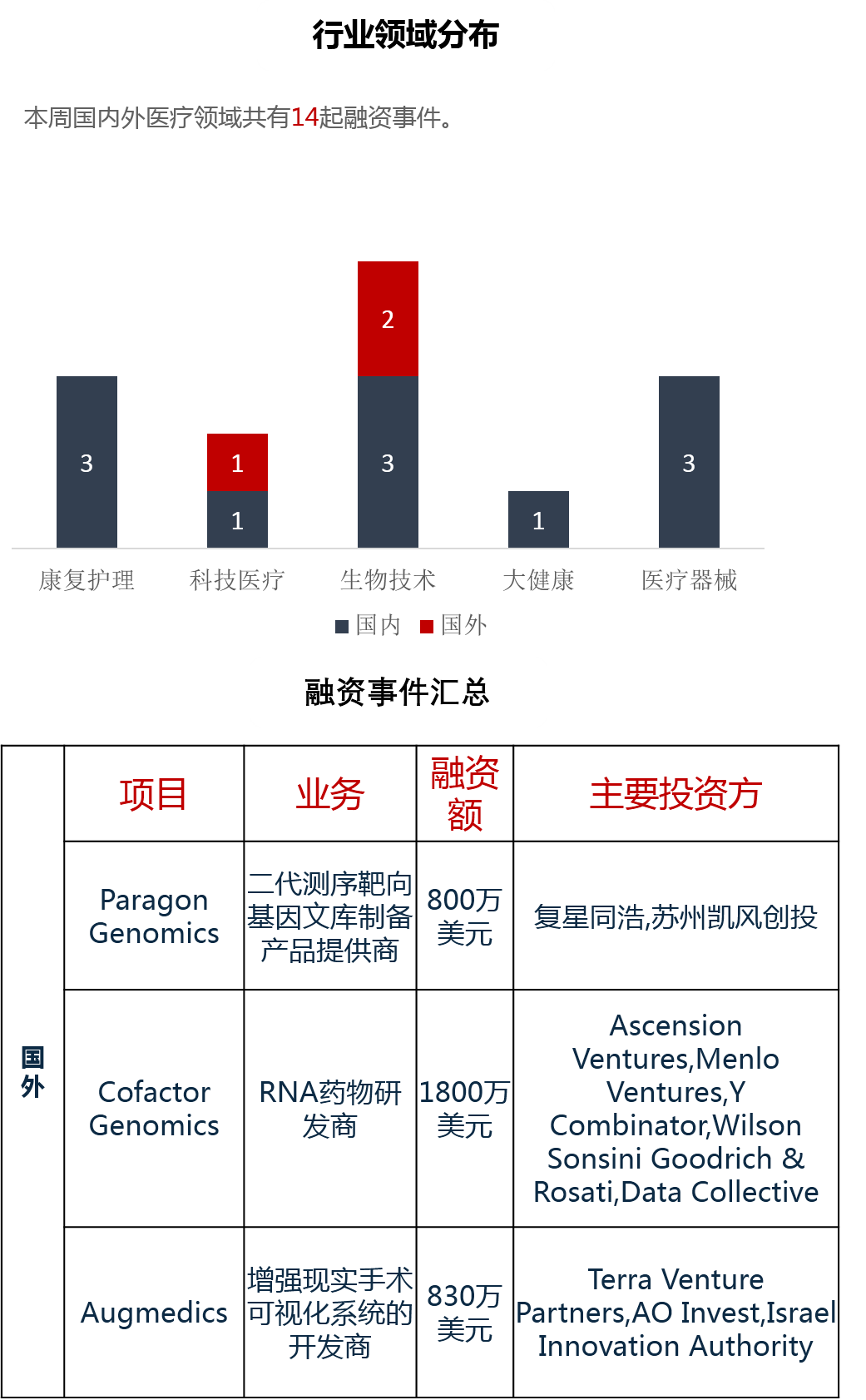
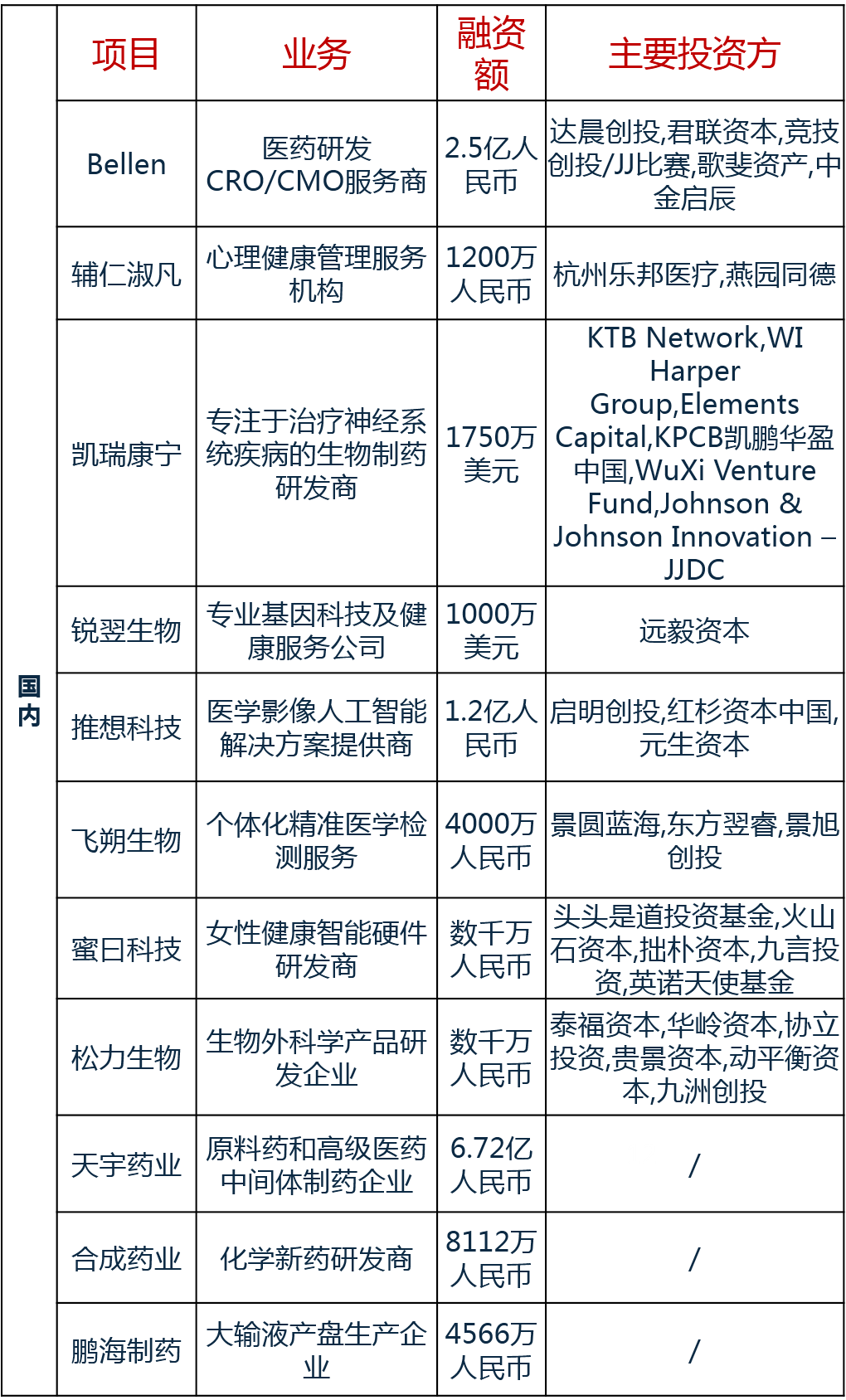
Financing Events in the Healthcare Sector This Week
4
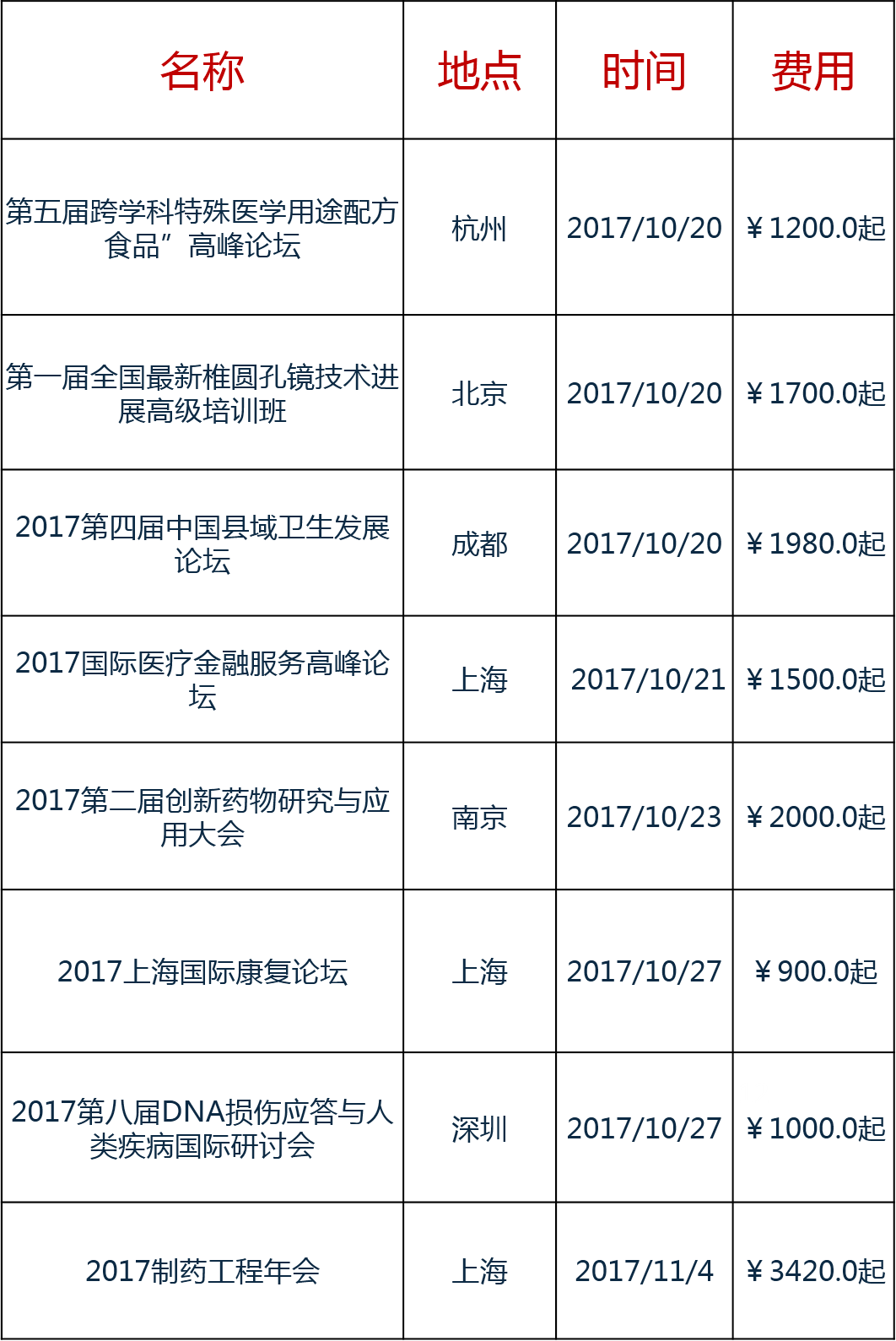
This Week's Healthcare Industry Activity Updates
5
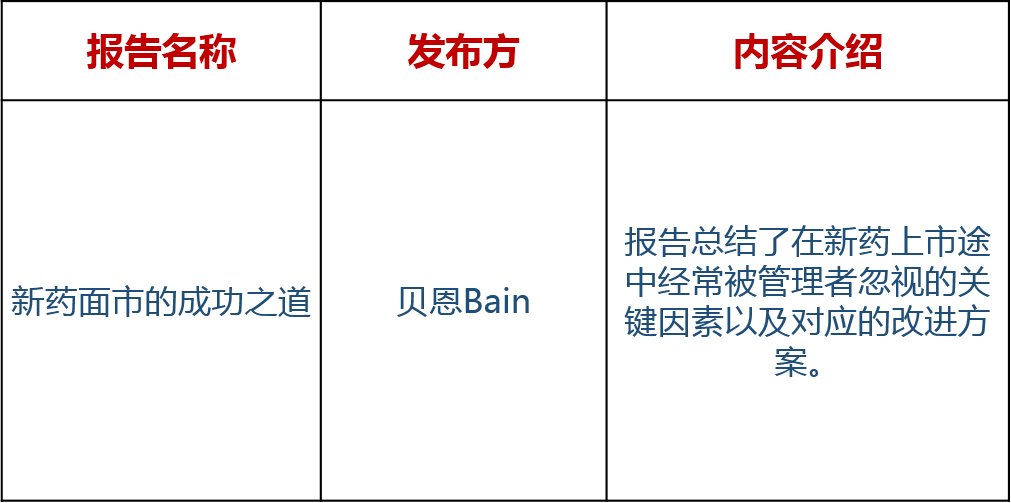
This Week's In-Depth Report
For more content, please visit the VCBeat knowledge base!