

Ruipai Pet Hospital: How China's Largest Pet Healthcare Chain Was Built in Under Five Years
If 2015 was the inaugural year for capital inflow into China’s pet veterinary care market, then 2017 may well have been the year of most rapid consolidation in this sector, driven by a surge of both domestic and foreign investment.
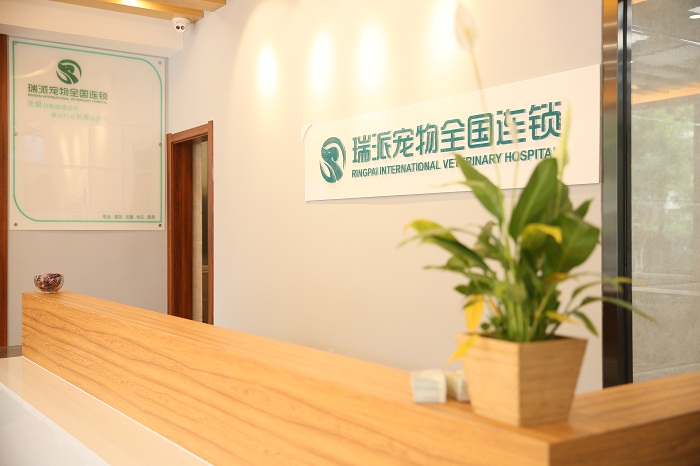
Founded on December 27, 2012, Ruipai Pet Hospital Chain has quietly acquired more than 230 clinics, becoming the pet healthcare chain brand with the largest number of affiliated clinics in China in less than five years.
The latest M&A news reports that Ruipai Pet Healthcare has acquired Yuyi Pet Hospital, one of the top three veterinary clinics in Henan Province. However, this is not the most recent achievement in Ruipai’s expansion through mergers and acquisitions. At present, Ruipai’s team is engaged in negotiations with multiple pet hospitals across China, with many deals in the discussion and decision-making stages. It is projected that by the end of 2017, the number of pet hospital outlets under its banner could exceed 300, achieved through both organic growth and M&A activities.
According to Ruipai’s plans from last year, the number of its chain hospitals was projected to reach 260 in 2017. However, conservative estimates indicate that Ruipai currently operates more than 230 chain locations, and its early-year target of establishing a presence in 35 cities has been largely achieved. The company has acquired over 90 pet hospital brands.
How to Become a Leader in the Pet Healthcare Industry in Just Five Years? How Does Ruipai Pet Coexist with Numerous Acquired Legacy Brands? Why Did It Accelerate Its Expansion This Year? In Response, VCBeat Interviewed Lai Xiaoyun, General Manager of Ruipai Pet Chain Hospitals.
Chain operations are the trend; accelerated expansion this year is a steady and sure-footed strategy.
Over the past decade, the scale of China’s pet industry has grown more than twelvefold. The annual increase in the pet population has far outpaced that of the human population, rising at a rate of approximately 12% per year. However, the number of veterinary medical institutions has surged by 23%, with “the growth rate in the past two years possibly reaching 30%,” Lai Xiaoyun told reporters.
According to data from the American Pet Products Association, the pet healthcare sector accounted for 22.88% of China’s pet industry market segments, with a market size of RMB 27.914 billion in 2016. As pet consumption services continue to upgrade, the market share of China’s pet healthcare sector is expected to gradually increase.
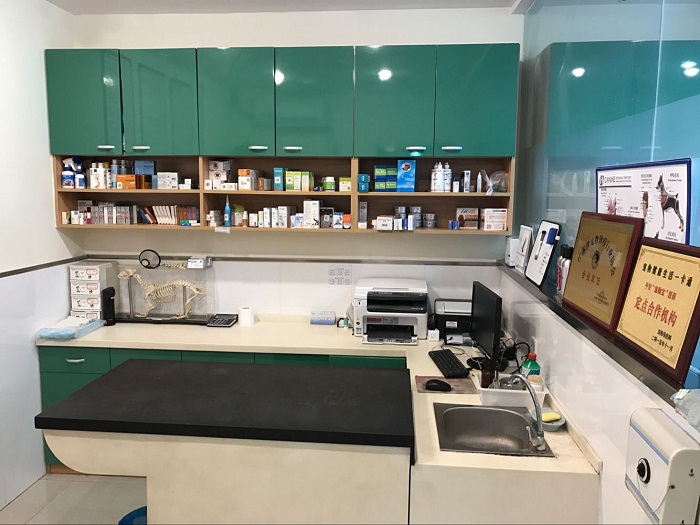
Pet hospital chains typically center on veterinary medical services, supplemented by pet grooming and the sale of pet products, thereby expanding their service offerings to attract customers. In the future, chain operations will become the primary development trend in China’s pet healthcare industry. Chain pet hospitals can effectively build brand equity through unified branding and standardized operational management.
Once chain pet hospitals have established brand recognition and customer loyalty, they gain an excellent entry point into other segments of the pet industry. Specialized pet hospitals will gradually expand their offerings to cover the entire industry value chain, including veterinary diagnosis and treatment, disease prevention and control, pet wellness, and grooming services. By bundling these services with the sales of pet food and supplements, they aim to achieve economies of scale.
Currently, the number of pet hospitals and clinics in China has exceeded 10,000. Among them, small animal diagnosis and treatment enterprises with fixed assets below RMB 10 million account for more than 90%, and stores with an operating area of 30–50 square meters account for over 80%. The quality of pet medical institutions varies significantly.
Therefore, constrained by the highly fragmented nature of the current pet healthcare market and the absence of nationally standardized chain brands, new development opportunities have emerged for national pet hospital chains such as Ruipai Pet, Ruipeng Group, Barbie Tang, and An’an.
Currently, Ruipai Pet leads the industry in terms of store count, top-tier talent, and influence. From June 2016 to June 2017, its number of stores grew rapidly from 71 to 140. As of the end of August, Ruipai Pet’s store count is conservatively estimated at 230, with an annual national patient visit volume of 720,000 cases.
In terms of store count, the number of new Ruipai Pet Clinic locations opened in July and August alone exceeded the total number opened over the entire year from June 2016 to June 2017, representing an annual growth rate of more than 100%. When asked, “Why has the pace of expansion accelerated this year?” General Manager Lai Xiaoyun dismissed concerns about “acceleration” by describing the company’s approach as “steady and methodical.” He stated, “It is a natural progression that has come to fruition; how could it be considered a sudden acceleration?”
“When an industry has been developing for more than two decades, it is time for restructuring, reorganization, and upgrading. The pet clinical diagnosis and treatment market in China has been developing for just over twenty years since the 1990s,” said Lai Xiaoyun.
Following the restructuring of its equity ownership and the development of its information technology systems from 2013 to 2014, and the influx of capital from 2015 to 2017, it is only natural that the Ruipai Pet Care system has accelerated its pace this year.
Ringpu Biology Has Repeatedly Increased Its Stake in Ruipai Pet
Ringpu Biology is the background that cannot be ignored when discussing Ruipai Pet.
This is a publicly listed company in the animal health industry, which was listed on the Shenzhen Stock Exchange in September 2010. Its business covers multiple fields such as veterinary drugs, breeding services, pet diagnosis and treatment, and biological industry funds. The establishment of Ruipai is an important layout for Ringpu Biology to cultivate new profit growth points outside of veterinary medicine. Ringpu Biology plans to enter the entire pet industry through pet medical care in the future.
“We all know that in the process of fishing, the most important thing is to seize the top of the net. Once you have grasped the top of the net, you control the entire situation.” Lai Xiaoyun believes that pet healthcare is the “top of the net” for the entire pet industry, with “pet veterinarians holding absolute sway in pet diagnosis, treatment, and related services.” In the future, Ruipai Pet intends to use pet healthcare as an entry point to penetrate the entire pet industry.
Guotai Junan’s research report, “The Pet Market’s Trillion-Yuan Blue Ocean: Prioritize Healthcare, Then Treats,” posits that pet healthcare, as the most critical segment of pet services, ranks second in market size within the industry chain. Furthermore, compared to the upstream sector of the pet industry, which is characterized by low entry barriers and intense competition, the downstream pet healthcare sector features high technical barriers and constitutes a rigid-demand industry. This makes it an advantageous entry point into niche pet sectors and provides the scalability needed to integrate both upstream and downstream segments of the industry chain. Once Ruipai Pet completes its industry layout, Ringpu Biology will leverage its respective strengths in products and market channels, forming a dual-core business structure with parallel advancement.
Since 2015, Ringpu Biology has repeatedly increased its stake in Ruipai Pet. In August 2015, Ringpu Biology invested RMB 10 million of its own funds in Ruipai Pet’s national chain, acquiring a 4.34% equity interest. In the first half of 2016, Ringpu Biology raised its shareholding in Ruipai Pet through two separate transactions, with a total investment of RMB 50 million. In the first half of this year, Ringpu Biology injected an additional RMB 45 million into Ruipai Pet to accelerate its market expansion and consolidation efforts.
As of now, Ringpu Biology has invested a total of RMB 105 million in Ruipai Pet Care, holding a 15.54% equity stake. Based on this shareholding ratio, the total valuation of Ruipai Pet Care stands at RMB 676 million.
Financial data shows that Ruipai Pet achieved revenue of RMB 39.4909 million in 2015 and RMB 144 million in 2016, with a net profit of RMB 4.4681 million. The company’s profit for this year is expected to approach RMB 40 million.
Positioned as an “International High-End Pet Healthcare Brand”
Another source of capital support comes from the international investment group Goldman Sachs.
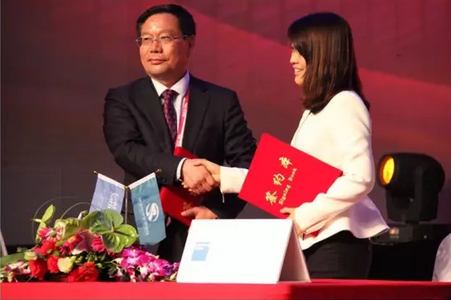
On May 23, 2017, Mr. Li Shoujun, Chairman of Ruipai Pet Healthcare (left), and Ms. Xu Juan, Executive Director of the Investment Division at Goldman Sachs Group (right), formally signed an investment cooperation agreement.
On May 23, 2017, Goldman Sachs Group signed an investment agreement with Ruipai Pet Hospital Management Co., Ltd., investing RMB 200 million to support its nationwide mergers and acquisitions, thereby enhancing Ruipai Pet’s internal systematization and fostering cross-border industrial cooperation.
Goldman Sachs is also a key investor in VCA, the largest chain of pet hospitals in the United States, which operates more than 750 pet care locations across North America. In recent years, Goldman Sachs has been actively expanding its presence in China’s pet market. In early 2016, Goldman Sachs Asia and CMB International led a $102 million Series C financing round for Boqi.com, a domestic e-commerce platform integrating pet lifestyle and social networking services.
Securing investment from the international capital giant Goldman Sachs was a goal established by Ruipai Pet Care at its inception. Unlike other pet healthcare brands, Ruipai Pet Care aims to build an “international high-end pet healthcare brand.” Moving forward, Ruipai Pet Care will leverage this opportunity to collaborate with VCA, a U.S.-based chain of pet hospitals, introducing international resources in pet medical technology, talent, and operational management.
Currently, Ruipai Pet Hospital is building a talent training center, preparing to directly introduce the most advanced and excellent international pet medical technologies.
Top-Level Design Embraces Multiculturalism
Just as the number of stores continues to rise, so too does the number of acquired brands. To date, Ruipai Pet Care has encompassed more than 90 pet healthcare brand institutions under its umbrella.
“The top three to five pet hospitals in first- and second-tier cities will be our targets for acquisition and merger; these lists were finalized last year,” said Lai Xiaoyun.
Established at the end of 2012, it began to gain momentum in 2015 following capital injection by Ringpu Biology. During this period, Ruipai Pet Hospital Group had been preparing the top-level design for its acquisitions of various diverse brands.
At Ruipai Pet, the equity structure is divided into a three-tier management model comprising shareholders, the operational management team, and hospitals, forming a pyramid-shaped management structure. This ensures that each tier is controlled by the company to guarantee stable development and superior management.
Secondly, nine regional management companies—Donghua, Jinghua, Dongbei, Nanhua, Jinhua, Minhua, Huazhong, Shanghai, and Guangzhou—were established to oversee operations in East China, North China, Northeast China, South China, Tianjin, and other regions.
“Since the 1990s, as national policies on pet ownership were gradually relaxed, the pet healthcare industry has developed for over two decades, giving rise to a diverse landscape of high-quality veterinary hospitals characterized by wild growth and distinct regional systems and cultures across eastern, western, southern, northern, and central China. By transforming our company into an economic platform that fosters the coexistence and sharing of diverse cultures, we integrate various types and styles of pet healthcare brands, ensuring mutual benefit and win-win outcomes for both the platform and veterinary institutions at all levels.”
Multiple well-known regional pet hospital chains, including Cao Langfeng, Wo Chong Wo Ai, Royal Pet, Changjiang Animal, Zhicheng, and Jitaaro, have successively joined the Ruipai Pet network.
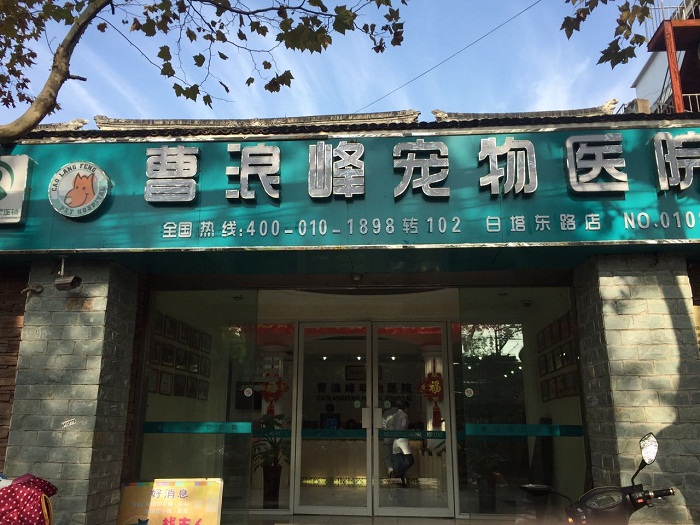
Suzhou Cao Langfeng Pet Hospital is one of the earliest established and largest comprehensive pet hospitals in the Jiangsu-Zhejiang region, with over 20 years of operational history.
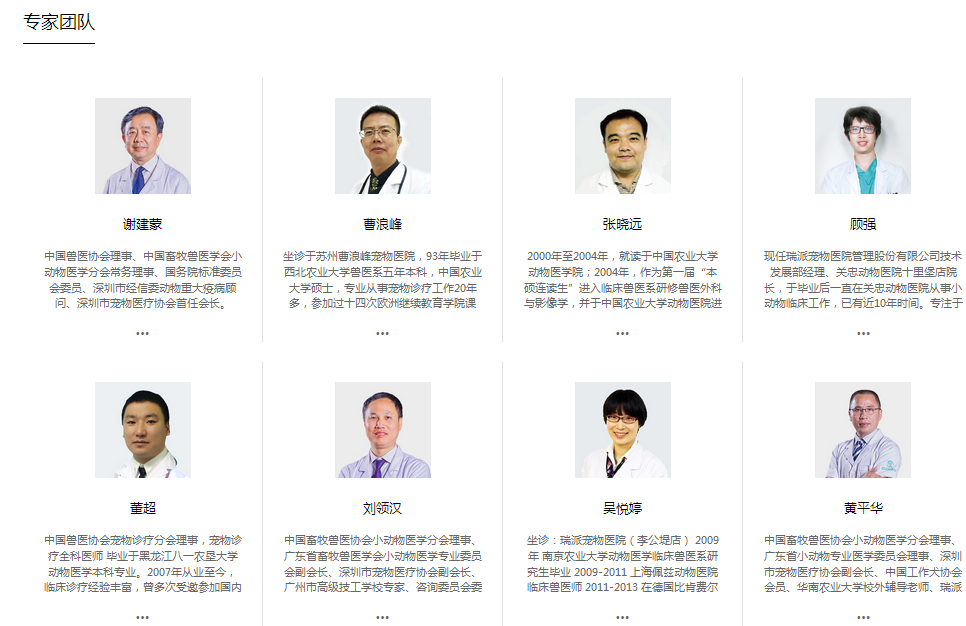
After joining Ruipai Pet in 2014, founder Cao Langfeng became a shareholder of Ruipai Pet and a leading expert within its chain-wide specialist team, providing technical advisory services, experiential instruction, and veterinary training to all Ruipai-affiliated clinics. Meanwhile, his original brand, Cao Langfeng Veterinary Hospital, was placed under the management of Ruipai’s operational team. With continuous upgrades to hospital equipment, the Cao Langfeng Veterinary Hospital expanded from one clinic to five locations in Suzhou within three years of joining Ruipai. Patient visit volumes continued to grow on top of previous levels, while operating revenue increased at an annual growth rate of 30%.
Industrializing Pet Healthcare
But you must never assume that this is merely a war of financial muscle.
“Ruipai Pet is certain that ‘we will achieve the goal of industrializing the pet healthcare sector by establishing a chain of pet hospital brands, which will transform the entire domestic pet healthcare industry,’” Lai Xiaoyun told reporters.
“One of our goals in pursuing industrialization is to ensure that professionals focus on their areas of expertise, with clearer division of labor, more modernized management, and greater order. Hospital operations are managed by Ruipai, allowing veterinarians to concentrate on clinical veterinary medicine, thereby maximizing individual professional value and, in turn, enhancing the overall value of the hospital,” said Lai Xiaoyun. “Mr. Cao Langfeng is a renowned clinical veterinary expert. In addition to providing expert-level outpatient consultations, he is also capable of training and developing more veterinarians for the entire system.”
After regional brands join Ruipai Pet, Ruipai not only upgrades their equipment but also integrates its management framework into the existing brands. This enhances the managerial capabilities of the original medical institutions, streamlines staff roles and responsibilities, clarifies development pathways and market positioning, and leverages Ruipai’s comprehensive management system for marketing and promotion.
It is reported that the five Cao Langfeng Hospitals currently operating in Suzhou each have distinct positioning and development directions.
Characterized by high barriers to entry—demanding advanced technological sophistication, superior hardware infrastructure, and highly skilled personnel—and featuring strong customer stickiness, this segment occupies the pinnacle of the industry, boasting the highest service output value and profit margins.
Therefore, the development of veterinary medical disciplines is a key effort by Ruipai Pet to achieve its industrialization goals. Currently, Ruipai Pet has established a technology-driven platform. As it integrates top-tier local pet hospitals into its system, it also onboards experts, professors, and clinical veterinarians from these local brands. This creates a vortex effect for talent and technology, thereby building a more prominent platform for high-quality human resources.